House On The Crescent

All Posts By Elody Von

Eight Sleep Autopilot 4.0 — Does Predictive Sleep Actually Work?

Eight Sleep Autopilot 4.0 — Does Predictive Sleep Actually Work?

Eight Sleep Autopilot 4.0 — Does Predictive Sleep Actually Work?
Eight Sleep Pod 5 10 min read

Most sleep technology is reactive. Your wearable tracks what happened last night and shows you the data this morning. The idea that a sleep system could look at what you did during the day — how hard you trained, how much stress you carried, how you fueled — and use that to adjust what happens to your sleeping surface tonight is a fundamentally different approach. It's the difference between reading a weather report after the storm and getting a forecast before it arrives.

Eight Sleep released Autopilot 4.0 in April 2026. This is the angle nobody is covering properly yet — not the hardware, which has been reviewed extensively, but the software that now runs on top of it. The jump from Autopilot 3.x to 4.0 is the most significant software update in Eight Sleep's history and it changes how the product works in ways that matter for daily use.

What Autopilot 4.0 Actually Changed

The previous versions of Autopilot worked entirely from nighttime data. Sensors in the cover detected biometrics during sleep, the algorithm built a model of your sleep patterns, and temperature adjustments were made based on what your body was doing in the moment and what the system had learned from past nights.

This worked well for reactive management — responding to signals as they happened during sleep. It worked less well for situations where the night was going to be different from baseline for reasons that were already known before bedtime. A hard marathon training run in the afternoon was going to affect that night's recovery needs, but Autopilot 3.x didn't know about the run until it saw the physiological consequences in the nighttime data — elevated heart rate, different HRV pattern, different movement signature.

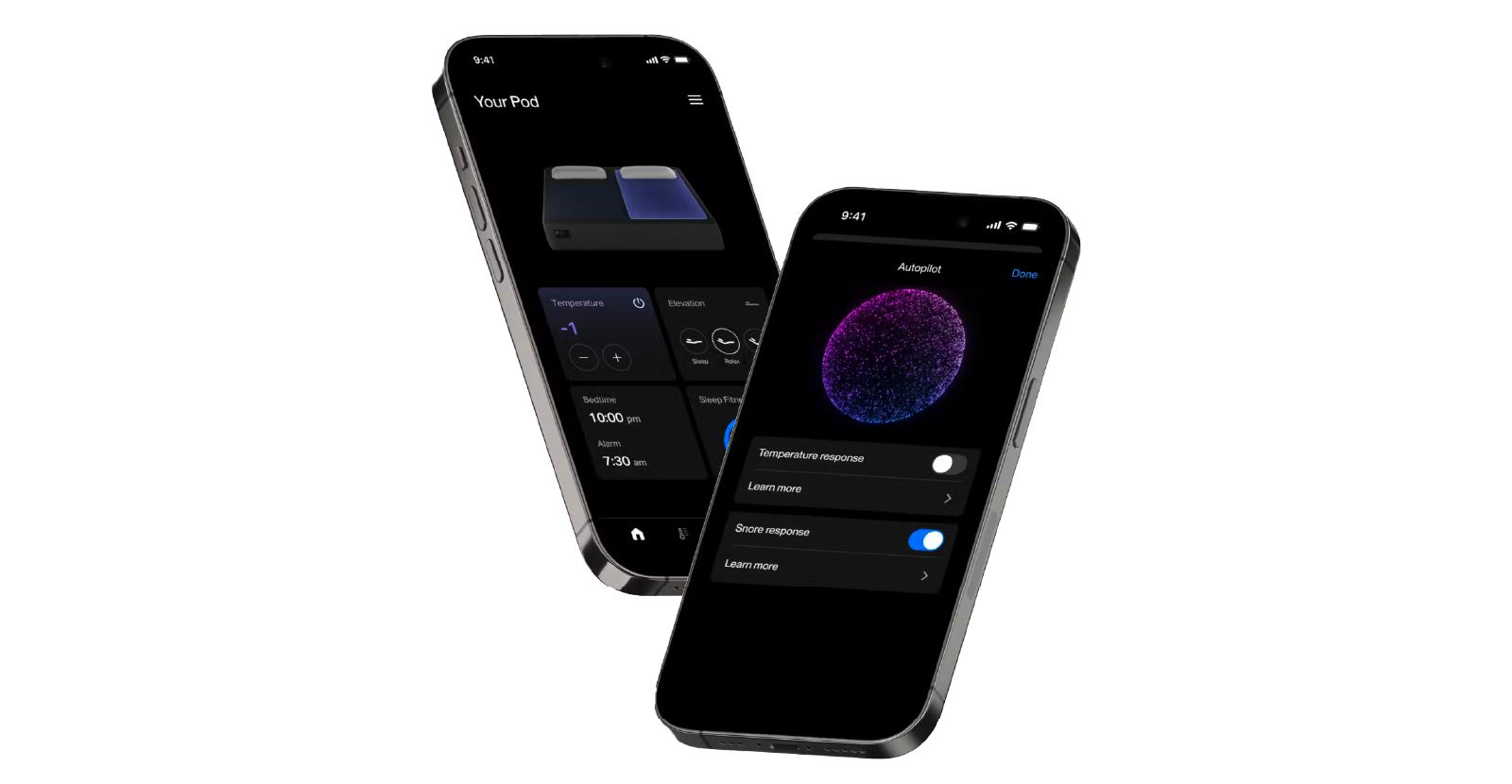
Autopilot 4.0 connects to Apple Health and Google Health Connect. This gives it access to daytime activity data before the night starts — step count, active calories, workout intensity, readiness scores from other connected apps, and any other health metrics flowing into those platforms. The system now processes this incoming daytime information and uses it to predict what the coming night will look like and what temperature management profile is appropriate before you get into bed.

The morning brief changed completely. Previous Autopilot versions gave you a sleep score and a breakdown — hours of sleep, stage percentages, HRV reading. Autopilot 4.0 gives you a plain-language explanation. Not "your HRV was 42" but "your HRV was lower than your 30-day average, which we think reflects yesterday's long run combined with the later dinner time we detected from your heart rate data. Your deep sleep window was extended by 18 minutes to support recovery." Whether that specific language is accurate to what the system says varies, but the approach — explanation rather than score — is the design direction and it's meaningfully more useful.

The Apple Health Integration — What It Actually Does

The integration is bidirectional in the sense that data flows in from Apple Health and Eight Sleep's sleep data can flow back out to Apple Health for aggregation. The more impactful direction for most users is the inbound flow.

What Autopilot 4.0 ingests from Apple Health: workout data (type, duration, intensity), step count and active calories, heart rate during the day, mindfulness minutes, and any data other apps are contributing to the Health platform — VO2 max from a recent run, recovery metrics from a fitness tracker, stress measurements from a meditation app.

From this daytime picture, the system attempts to predict recovery demand for the coming night. High workout intensity day predicts a recovery-focused night — the Autopilot may run cooler temperatures during the early deep sleep window to support the hormonal recovery response that relies on low sleeping surface temperature. A low-activity, high-stress day with elevated daytime heart rate predicts a different need — potentially different pre-cooling timing and a different temperature curve.

The honest assessment of how well this works: it's demonstrably better than pure reactive management for people with highly variable lifestyles. Athletes who train at varying intensities across the week report that the predictive adjustment aligns with what they'd expect their body needs on heavy versus light training days. For people with very consistent daily patterns — same work routine, consistent exercise schedule, similar stress levels — the predictive layer adds less because there's less variation to predict.

The Morning Brief — Genuinely More Useful Than a Score

The shift from score-and-breakdown to plain language explanation is the user experience change that matters most for how people actually engage with Eight Sleep's data.

A sleep score of 73 is information. It tells you something happened but it doesn't tell you what or why or what to do about it. A morning brief that says "your sleep was disrupted in the second half of the night, which aligns with the elevated respiratory rate we detected — this pattern sometimes precedes illness onset, and your HRV has been declining for three days" is actionable. You know something is happening. You have context for why. You can respond.

The morning brief in Autopilot 4.0 covers what happened, what the system thinks drove it, what the temperature management response was, and occasionally a recommendation — rest more tonight, consider adjusting your training load, your data suggests you're managing the training stress well. The recommendations are general rather than prescriptive and Eight Sleep is careful to stay clearly in wellness language rather than medical language.

For people who check their sleep data and then make decisions with it, the brief is a genuine upgrade over the previous score-and-stages format. For people who glance at a number and move on, the brief is more text than they'll engage with and the previous format was probably adequate.

Pregnancy Mode — The May 2026 Feature Worth Knowing

Eight Sleep released Pregnancy Mode in May 2026 as a free update for all Autopilot subscribers. This is worth mentioning because it's the kind of feature update that demonstrates the ongoing software investment the subscription is paying for.

Pregnancy affects body temperature regulation significantly — pregnant people run warmer, have different HRV patterns, sleep with more disruption as pregnancy progresses, and have specific positional recommendations (particularly left-side sleeping in later trimesters). Pregnancy Mode adjusts Autopilot's temperature management to account for these changes rather than treating the pregnant person as a slightly different version of their pre-pregnancy baseline.

This arrived free for existing subscribers. The fact that a feature of this specificity and development investment was delivered without an additional charge is relevant context for the subscription cost conversation — Eight Sleep is treating the subscription as a commitment to ongoing product development rather than as a recurring charge for static features.

What Autopilot 4.0 Doesn't Do

It doesn't make sleep decisions for you. The temperature management is automatic but you can override any adjustment through the app at any time. If Autopilot has decided tonight requires aggressive cooling based on your training data and you'd prefer a warmer setting, you change it. The system learns from this feedback over time.

It doesn't diagnose anything. The morning brief's observation that your respiratory pattern "sometimes precedes illness onset" is an observation, not a diagnosis. Eight Sleep is appropriately careful about the line between wellness insights and medical claims.

It doesn't work without WiFi during normal operation. The Backup Mode that arrived in late 2025 allows Bluetooth-only temperature control when internet is down, but the predictive features require cloud connectivity to process daytime data and generate the morning brief.

It doesn't compensate for a bad mattress, noise issues, anxiety, or any sleep problem that isn't primarily thermal. Autopilot 4.0 is a sophisticated temperature management intelligence layer. It's not a comprehensive sleep intervention.

Is the Subscription Worth It Specifically for Autopilot 4.0

This is the question most potential buyers are trying to answer and it deserves a direct response.

Without the subscription, the Pod 5 Core is a high-quality active temperature-controlled mattress cover that you manage manually. You set your temperature, the system holds it, and you can adjust whenever you want. The biometric sensors still operate and you get a basic sleep overview. The hardware is fully functional. The intelligence layer is off.

With the subscription, you get Autopilot — the pre-cooling scheduling, the dynamic temperature adjustment through the night, the predictive management from daytime data in Autopilot 4.0, and the morning brief. You also get the full health tracking with HRV trending, sleep stage breakdown, and the wellness insights.

The subscription is what the product is designed around. Buying a Pod 5 Core without subscribing is buying a $3,000 manual temperature pad. Most of the design and engineering investment in the Pod 5 exists to support the Autopilot system. Using the hardware without the software is leaving most of the product's value unused.

Whether the subscription dollar amount is justified is a personal economics question. What's not in question is that the subscription-less Pod 5 Core is a fundamentally less complete product than the subscribed version. If the subscription price is prohibitive, the Pod 5 Core is probably not the right product — a lower-cost active cooling option would deliver similar hardware benefits at lower total cost.

The Honest Bottom Line on Autopilot 4.0

Autopilot 4.0 is the most meaningful software update Eight Sleep has shipped. The integration with Apple Health and Google Health Connect moves the product from reactive sleep management to predictive sleep management — a genuine category shift rather than an incremental improvement. The morning brief format change from score to explanation makes the data more usable for everyday decision-making.

For existing Pod 5 owners who received this as a free update: engage with it specifically. Connect Apple Health. Let the system run with daytime data for two to three weeks before evaluating whether the predictive adjustments feel aligned with your actual recovery needs. The feature rewards engagement rather than passive use.

For buyers considering the Pod 5 for the first time: Autopilot 4.0 is part of the product you're buying. The combination of Pod 5 Core hardware and current Autopilot software is meaningfully more capable than the Pod 4 with earlier Autopilot versions that most reviews describe.

For buyers primarily interested in simple temperature control without the data layer: the subscription features add less value and the cost-benefit calculation shifts. The hardware is genuinely good. The intelligence layer is where the differentiation lives.

Products Section:

Eight Sleep Pod 5 —
Eight Sleep Pod 5 — Find Your Version
Active cooling at the sleeping surface — not just the room
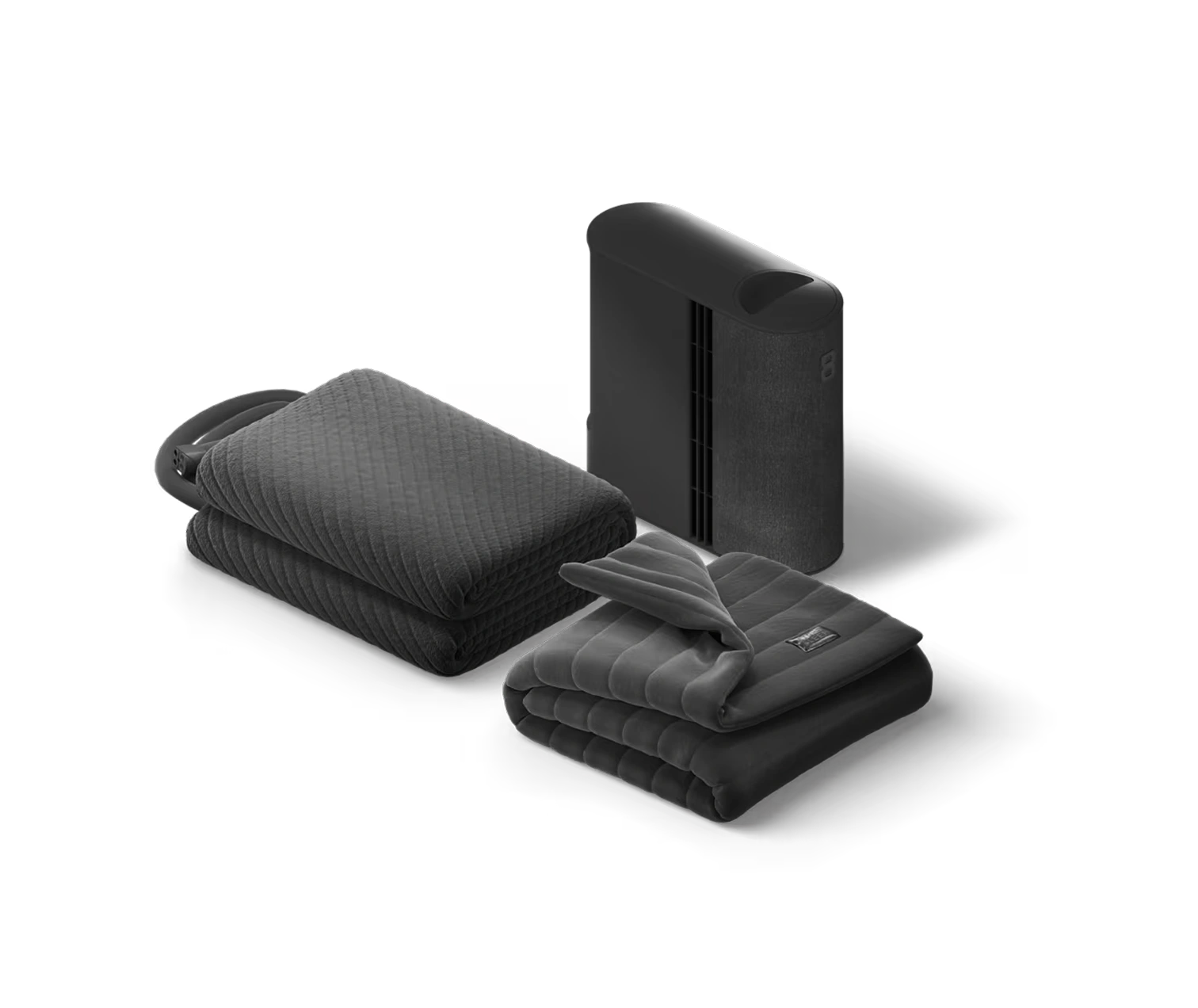
Pod 5 Core
Entry Hardware

Pod 5 Core

Pod 5 Core
  • Cover + Hub
  • Full Autopilot 4.0 support
  • Full software capability
  • Queen from ~$2,949
Check Price on Eight Sleep
Pod Blanket
Full Thermal Coverage

Pod Blanket

Pod Blanket
  • Hydro-powered temperature blanket
  • Works in sync with any Pod 5 cover
  • Full thermal immersion above and below
  • ~$1,049
Check Price on Eight Sleep
Autopilot Membership
Smart Features

Autopilot Membership

Autopilot 4.0
  • Required for Autopilot features
  • 4.0 predictive features
  • Covers both sides for couples
  • Full intelligence layer
Check Price on Eight Sleep
e solution to it — active surface cooling, dual zones, and Autopilot that adjusts all night.

Shop Eight Sleep Pod 5 — Official Site

Space General Gear Up for Adventures Beyond the Ordinary

Space General Gear Up for Adventures Beyond the Ordinary

Save 5% Off On Your All Orders

Save 5% Off On Your All Orders

Save 5% Off On Your All Orders
2N1QT3PG21EC
SHOW COUPON
On Going Offer
  • It Works 100% Success It Doesn’t
  • Signup & Get 10% Off On Your First Order

    Signup & Get 10% Off On Your First Order

    Signup & Get 10% Off On Your First Order
    ACTIVATE DEAL
    On Going Offer
  • It Works 100% Success It Doesn’t
  • Clearance! Save Upto 60% Off On Selective Items

    Clearance! Save Upto 60% Off On Selective Items

    Clearance! Save Upto 60% Off On Selective Items
    ACTIVATE DEAL
    On Going Offer
  • It Works 100% Success It Doesn’t
  • Mid Year Sale! Save Upto 40% Off On Selective Items

    Mid Year Sale! Save Upto 40% Off On Selective Items

    Mid Year Sale! Save Upto 40% Off On Selective Items
    ACTIVATE DEAL
    On Going Offer
  • It Works 100% Success It Doesn’t
  • Shop Our Bathroom Cabinets Starting From $45

    Shop Our Bathroom Cabinets Starting From $45

    Shop Our Bathroom Cabinets Starting From $45
    ACTIVATE DEAL
    On Going Offer
  • It Works 100% Success It Doesn’t
  • Checkout Our Rowing Machines Starting From $189

    Checkout Our Rowing Machines Starting From $189

    Checkout Our Rowing Machines Starting From $189
    ACTIVATE DEAL
    On Going Offer
  • It Works 100% Success It Doesn’t
  • Explore Our Lounge Sets Starting From $199

    Explore Our Lounge Sets Starting From $199

    Explore Our Lounge Sets Starting From $199
    ACTIVATE DEAL
    On Going Offer
  • It Works 100% Success It Doesn’t
  • Eight Sleep Pod 5 Core Review — The Honest Deep Dive

    Eight Sleep Pod 5 Core Review — The Honest Deep Dive

    Eight Sleep Pod 5 Core Review — The Honest Deep Dive
    Eight Sleep Pod 5 10 min read

    The Pod 5 Core is where most Eight Sleep buyers start and where most stay. Not because the Plus and Ultra aren't interesting — the blanket and the adjustable base are real products with real use cases — but because the Core contains everything that makes Eight Sleep worth buying and the additions layer on top of something that's already complete.

    This review is specifically about the Core. Not the full Ultra system. Not the blanket bundle. The cover, the hub, the Autopilot software, and whether the Pod 5 generation represents a meaningful step forward from the Pod 4 that many buyers are upgrading from.

    What Changed From Pod 4 to Pod 5 Core — Specifically

    Eight Sleep doesn't publish detailed engineering changelogs in the way software companies do, which leaves most buyers relying on vague descriptions of "improved" features without specificity. Here's what actually changed in ways that affect daily use.

    The hub is quieter. The Pod 4 hub ran at a level that most people stopped consciously noticing within a week but that was audible in a quiet room. The Pod 5 hub runs quieter — measurably so, and the difference is apparent to anyone who's used both. In a bedroom with any ambient sound — HVAC, street noise, a fan — the Pod 5 hub is effectively inaudible. In a completely silent bedroom, it's a very low background presence rather than something that requires active adjustment.

    The sensor array is more sensitive. The biometric sensors in the cover that detect heart rate, HRV, breathing, and movement have been upgraded. The practical effect: HRV readings from the Pod 5 align more closely with dedicated wearables like Oura and WHOOP than Pod 4 readings did. For people using HRV data to make training and recovery decisions, this matters. For people who check their sleep score and move on, it's less relevant.

    Autopilot learns faster. The Pod 4 Autopilot needed approximately two full weeks before it was making calibrated adjustments. The Pod 5 Autopilot begins making meaningful adjustments in the first week. This is particularly relevant for the 30-night trial — buyers evaluating the product during the trial see the intelligent temperature management working sooner rather than spending nearly half the trial period watching the system gather baseline data.

    The cover material is slightly softer against bare skin. Subtle and the least operationally important change, but real.

    The temperature range is extended at the low end. The Pod 5 Core can get colder than the Pod 4. For most hot sleepers, this doesn't matter — the sweet spot between 60°F and 68°F is reachable on both. For people who run extremely hot and found the Pod 4's minimum insufficient, the extension matters.

    The Setup — What to Expect on Day One

    Setup takes 45 to 60 minutes for most people. This isn't a plug-in-and-go product — it's a water-circulating system and there's a process involved in filling, priming, and calibrating.

    The hub fills with distilled water — not tap water, specifically distilled, which is worth taking seriously. Tap water mineral deposits accumulate over time and eventually affect hub noise and performance. The distilled water recommendation is in the instructions for a reason.

    The priming cycle runs for about 20 minutes after filling — the system circulates water through the cover channels to remove air and establish the water column. This part is automatic; you start it in the app and leave it to run.

    Fitting the cover is similar to putting on a fitted sheet with slightly more structure. The cover has internal straps that anchor to the mattress edges. It takes most people two attempts on the first installation to get the tension right — the second attempt is always faster than the first.

    From the app side, setup involves creating a profile, setting your sleeping side, selecting an initial temperature, and starting the Autopilot learning process. The initial temperature the app recommends is a starting point — most people find their actual preference is two to five degrees different from the starting recommendation and dial it in over the first week.

    The First Two Weeks — What Should and Shouldn't Be Happening

    The most common evaluation mistake people make with the Pod 5 Core is judging it against the wrong expectations for where it is in the learning process.

    Nights one through three: the temperature control is active and the immediate benefit for hot sleepers is usually apparent on the first night. The mattress surface is genuinely cooler than without the system. Autopilot is collecting data but not yet making calibrated adjustments. You're using the Pod 5 Core as a sophisticated manual temperature controller during this period, which is still a meaningfully different experience from sleeping without it but not the full product.

    Week one: Autopilot begins making adjustments. The pre-cooling timing is approximate — the system is estimating when you typically go to bed based on limited data. Temperature transitions during the night are early-stage calibrations rather than refined responses to your specific biology.

    Week two: Autopilot is operating with enough data to make more confident adjustments. Pre-cooling timing improves. The temperature curve across the night gets more precise. HRV data is showing a meaningful trend line rather than scattered readings.

    By the end of week two, you have a real basis for evaluating whether the system is working for you. Hot sleepers who were waking up from heat in their previous setup almost universally report improvement within the first two weeks. People whose sleep problems were not temperature-related typically see no meaningful change and those who pay attention to this recognize it clearly.

    Autopilot 4.0 — The Upgrade That Arrived in April 2026

    Buyers who purchased the Pod 5 Core after launch received Autopilot 4.0 as a free software update in April 2026, which is worth describing because it changed the product meaningfully.

    Autopilot 4.0 integrates with Apple Health and Google Health Connect. This means the system now ingests daytime data — exercise intensity, activity levels, readiness data from other connected apps — and uses it to predict the coming night before it starts. A day that included a hard workout, significant stress, or poor nutrition shows up in the nighttime temperature management before the user has to do anything. The system adjusts proactively rather than only reactively.

    The morning brief that Autopilot 4.0 generates is different from the previous sleep score and stage breakdown. It's a plain-language explanation of what happened during the night — why HRV was lower than average, what patterns the system noticed, what the temperature response was and how effective it appears to have been. This is useful in a way that a number out of 100 isn't — it's information you can act on rather than just a grade.

    For existing Pod 5 Core owners with active subscriptions, this arrived as a free update. For new buyers, it's part of the product from day one.

    The Health Tracking — Honest Assessment

    The Pod 5 Core's sensor improvements over Pod 4 are real and measurable. HRV readings correlate more closely with Oura Ring and WHOOP measurements than the Pod 4 generation did. Heart rate accuracy during still periods is good — within a few beats per minute in most cases. Sleep stage classification is directionally useful for trend tracking and should not be treated as clinically precise, which is true of every consumer sleep tracking product regardless of which company makes it.

    The HRV data becomes significantly more valuable after three to four months of consistent use. In the early weeks, the trend line has too few data points to provide context — a low HRV night could be noise or could be signal. By month three, you have enough history to distinguish between a typical low and a genuinely concerning low, and the patterns that produce each become visible. Alcohol, late eating, hard training without adequate recovery, elevated ambient stress — all of these show up in HRV trend data in ways that eventually change behavior for people who engage with the data seriously.

    The Dual Zone in Practice

    Both sides of the Core are independently controlled from the first night. The partner experience varies based on their relationship with temperature.

    Partners who also sleep hot: both people benefit immediately and the dual zone means both can run their sides at whatever temperature works for them independently. Most couples with matching temperature preferences run similar settings, which means the dual zone is less dramatically useful but still allows independent Autopilot profiles and independent vibration alarms.

    Partners with different temperature needs: this is where the Core earns the most gratitude from the people who use it. A partner who runs cold can set their side to 74°F or 76°F while the hot sleeper runs at 60°F to 64°F. The thermal independence between zones in the Pod 5 Core is well-maintained — there's no meaningful bleed from one side to the other under normal sleeping positions.

    Partners who are skeptical or indifferent: the system works the same on both sides regardless of engagement level. A partner who doesn't want to interact with the app can set a fixed temperature and leave it. Autopilot runs on the engaged partner's side without affecting the other.

    What the Pod 5 Core Doesn't Do

    No adjustable base. No snore response. No integrated speaker. No hydro-powered blanket. If any of these are priorities, the Pod 5 Ultra or the add-on products address them.

    The Core also doesn't fix sleep problems that aren't temperature-related. This is worth repeating specifically because the marketing language around Eight Sleep can imply broader benefits than the product actually delivers. If you're sleeping poorly from anxiety, pain, noise, apnea, or anything unrelated to thermal management, the Core won't change that. It is excellent at what it does. What it does is temperature.

    Pod 5 Core vs Pod 4 — Should Pod 4 Owners Upgrade

    The honest answer: if your Pod 4 is working well and you're not experiencing specific frustrations — excessive hub noise, HRV tracking that doesn't match your wearable, or Autopilot that never seemed to learn your patterns — don't upgrade yet. The Pod 5 Core improvements are real but not compelling enough to replace functional hardware.

    If you're experiencing hub noise that hasn't faded after weeks of use: the Pod 5 Core is meaningfully quieter and the upgrade addresses that specific frustration. If HRV accuracy is important to you and your Pod 4 readings have seemed off relative to a dedicated wearable: the sensor upgrade is worth it. If you're still on Pod 3 or earlier: the generational gap is substantial enough that upgrading to Pod 5 Core is a different product experience.

    The Cost Across Time

    Pod 5 Core Queen pricing: approximately $2,949 to $3,049 at standard pricing, lower during sale events. Black Friday 2025 saw $500 off the Core. The spring event typically brings $150 to $250 off. If timing is flexible, buying during a sale event is material savings on a significant purchase.

    Autopilot subscription: multiple tiers, required for full functionality. One subscription covers both sides for couples. The specific tier pricing is worth checking at eightsleep.com as it has been adjusted over time.

    The 30-night trial with free returns is available on the Core. All 30 nights should be used before making a return decision — the system is not fully calibrated at day 14.

    Products Section:

    Eight Sleep Pod 5 — Find Your Version
    Active cooling at the sleeping surface — not just the room
    Pod Base
    Adjustable Base

    Pod Base

    Pod Base
    • Add-on adjustable base
    • Elevation and snore response
    • Compatible with Pod 5 Core
    • Sold separately
    Check Price on Eight Sleep
    Pod Blanket
    Full Thermal Coverage

    Pod Blanket

    Pod Blanket
    • Hydro-powered temperature blanket
    • Syncs with Core cover
    • Full thermal coverage
    • ~$1,049
    Check Price on Eight Sleep
    Autopilot Membership
    Smart Features

    Autopilot Membership

    Multiple tiers
    • Required for Autopilot features
    • Covers both sides for couples
    • Multiple membership tiers
    • Full Autopilot functionality
    Check Price on Eight Sleep

    Temperature is the most overlooked factor in sleep quality. The Eight Sleep Pod 5 is the most complete solution to it — active surface cooling, dual zones, and Autopilot that adjusts all night.

    Shop Eight Sleep Pod 5 — Official Site

    Eight Sleep Review — Is This Smart Sleep System Actually Worth It?

    Eight Sleep Review — Is This Smart Sleep System Actually Worth It?

    Eight Sleep Review — Is This Smart Sleep System Actually Worth It?
    Eight Sleep Pod 5 10 min read

    There is a specific kind of tired that doesn’t go away with more hours in bed. You sleep eight hours, wake up feeling like you slept five, and have no idea why. You’ve tried earlier bedtimes. You’ve tried melatonin. You’ve tried blackout curtains. Nothing changed. And then someone tells you the problem might be that your bed is too warm and you dismiss it because that sounds too simple to be real.

    For a meaningful number of people — probably more than realize it — that’s exactly what the problem is. Not stress. Not screen time. Not poor sleep habits. A body that can’t cool down properly because the surface it’s lying on traps heat and returns it throughout the night.

    Eight Sleep built an entire company on that insight. Not a mattress company, not a wearable company — a temperature management company that happens to make something you sleep on. The Pod 5 is what a decade of iteration on that original idea looks like, and it’s genuinely different from everything else in the sleep improvement category.

    The Eight Sleep Origin — Why This Exists

    Eight Sleep launched in 2014 with a premise that was obvious once someone said it and completely absent from the market before they said it: the thermal environment of your sleeping surface matters more than almost any other environmental factor for sleep quality, and nobody was doing anything meaningful about it.

    The mattress industry was focused on materials — foam density, coil count, pressure relief. The wearables industry was focused on tracking — heart rate, steps, sleep stages. Eight Sleep’s founders looked at the sleep research showing that body temperature regulation during sleep was one of the primary drivers of sleep quality and decided to own that problem at the hardware level.

    The first version was modest. Each iteration — Pod 2, Pod 3, Pod 4 — added sensor accuracy, software intelligence, and hardware refinement. The Pod 5, which launched in May 2025, represents the current state of that decade-long iteration. Three models, significantly upgraded sensors, Autopilot 4.0 released in April 2026, and a product that’s materially more capable than anything that existed when the company started.

    What Eight Sleep Makes — The Current Lineup

    The product architecture is cleaner than it’s ever been. Three Pod 5 models at different price and feature levels, plus add-ons that extend the system.

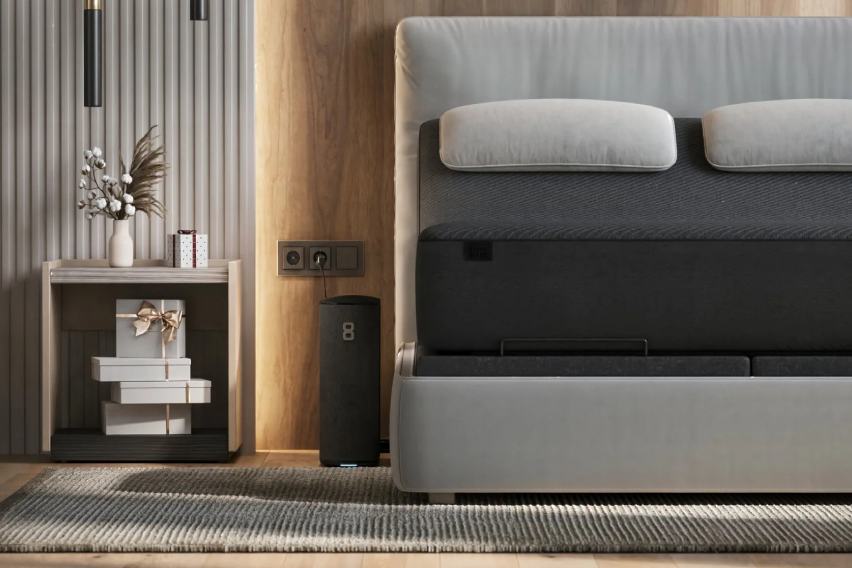
    The Pod 5 Core is the entry point — the cover and hub that goes on any mattress 10 to 16 inches thick. Full-size through Cal King. Active dual-zone water cooling and heating from 55°F to 110°F per side. The biometric sensor array in the cover. Autopilot. This is the product that represents what Eight Sleep is — everything else is either less capable or more elaborate.

    The Pod 5 Plus adds the hydro-powered Pod Blanket. The blanket uses the same water-circulation technology as the cover, extending the temperature management system from below you to above you simultaneously. For extreme hot sleepers who’ve found that cooling the mattress surface alone doesn’t fully solve the problem — heat accumulates above the body under conventional covers — the blanket creates what Eight Sleep calls a fully immersive thermal environment. Both surfaces managed. No trapped heat anywhere in the sleeping system.

    The Pod 5 Ultra adds the adjustable Base to the cover. The Base slides under the mattress and serves two functions. First: head and foot elevation for sleeping position adjustment, pressure relief, and the zero-gravity position that some people find genuinely helpful for lower back comfort. Second: snore detection and automatic head elevation response. When the sensors detect snoring, the Base gently elevates the head position to open the airway — no waking up, no device to wear, just a mechanical adjustment that addresses positional snoring without requiring the snorer to do anything. The Ultra Base also has an integrated speaker for soundscapes, white noise, and Non-Sleep Deep Rest content from Andrew Huberman.

    The Pod Blanket and Pod Base are available as separate add-ons to the Core for buyers who want to build the system incrementally rather than committing to the full Ultra from the start.

    The Autopilot System — Where the Intelligence Lives

    Temperature control alone would be a well-executed cooling pad. Autopilot is what makes it a sleep system.

    The sensor array in the cover — significantly upgraded in the Pod 5 versus Pod 4 — detects heart rate, HRV, breathing rate, and movement without requiring the user to wear anything. These signals feed into Autopilot, which builds a model of your individual sleep architecture over the first two weeks of use and then operates against that model every night.

    What this looks like in practice: the Pod starts cooling 30 to 60 minutes before your typical bedtime — pre-cooling the surface to initiate the body temperature drop that signals sleep onset. During the deep sleep phases that dominate the first half of the night, Autopilot holds the cooler temperatures that support slow-wave sleep and the growth hormone release that drives physical recovery. As sleep transitions toward lighter stages and REM in the second half, the temperature profile adjusts. Before your alarm, warming begins gradually — using temperature as a physiologically aligned wake signal rather than a jarring sound interruption.

    Autopilot 4.0, which arrived in April 2026 as a free update for all active subscribers, added integration with Apple Health and Google Health Connect. The system now ingests daytime activity data — exercise, steps, readiness scores from other apps — and uses that information to predict and optimize the coming night before it starts. A hard training day is recognized before bedtime and recovery-focused temperature management runs without the user having to do anything. The morning brief that Autopilot 4.0 produces explains in plain language what happened during the night and why — not just a score, but a readable account of the sleep that makes the data useful rather than just interesting.

    The Health Tracking — What the Pod 5 Measures and How Well

    Eight Sleep has been careful about health claims since the regulatory environment around medical device classification is complex and they want to stay clearly in the consumer wellness space. But the biometric data the Pod 5 produces has become genuinely useful as the sensor accuracy has improved with each generation.

    Heart rate measurement from the Pod 5 is accurate to within a few beats per minute during the still periods that make up most of sleep. HRV measurement — the metric most actively used by health-focused users for daily recovery assessment — tracks consistently enough that week-over-week trends are meaningful. Sleep stage classification is good for trend awareness and should be treated as directional rather than clinical-grade, which is true of every consumer sleep tracker regardless of price or measurement method.

    The biometric data that Pod 5 users find most immediately actionable is HRV. A declining HRV trend over several days is a signal that physiological stress is accumulating — whether from overtraining, illness onset, alcohol consumption, or lifestyle stress — before symptoms appear. People who check their HRV trend regularly through Eight Sleep consistently report that it changes how they manage their training load, alcohol intake, and recovery practices. The signal has value even when the absolute numbers vary slightly from a dedicated wearable like a WHOOP or Oura Ring.

    Dual Zone — The Feature That Matters Most for Couples

    Every Pod 5 model — Core, Plus, Ultra — includes dual-zone temperature control. Independent water circuits for each side of the bed, independent Autopilot profiles, independent vibration alarms.

    This is worth treating as a central feature rather than a bullet point. Two people in the same bed with different thermal needs have no good solution with conventional bedding or room temperature management. One person is comfortable and the other isn’t, or both are compromising and neither is optimal. The Pod 5 gives both people the temperature they actually need simultaneously.

    The thermal separation between zones in the Pod 5 is clean. The water circuits are independent and there’s no meaningful bleed of temperature from one side to the other under normal sleeping arrangements. One person’s side running at 60°F doesn’t significantly affect a partner sleeping at 75°F on the other side.

    One membership covers both zones. Both people get full Autopilot, independent sleep tracking, and independent alarm profiles under the same subscription.

    What Eight Sleep Gets Right

    The technology is real. Active water cooling removes heat from the sleeping surface rather than absorbing it — the fundamental difference between the Pod and passive cooling products that saturate and stop working. The dual-zone implementation is the best available for couples with different thermal needs. Autopilot’s improvement with more data is genuine — six months in performs noticeably better than week two.

    The software commitment is serious. Autopilot 4.0 being delivered free to existing subscribers is a meaningful gesture in a product category where companies often charge for feature updates. The ongoing software investment makes the hardware purchase more durable.

    The 30-night trial removes a significant amount of financial risk from a $3,000+ purchase.

    Where Eight Sleep Falls Short

    The price is genuinely high. The Pod 5 Core starts at approximately $2,949 for a Queen at standard pricing. The Ultra with its Base starts above $4,900. These numbers are real and not everyone can or should justify them.

    The subscription is a permanent ongoing cost. Autopilot requires active membership — the subscription isn’t optional if you want the system to function as designed. Some buyers find this structurally objectionable regardless of the monthly amount.

    The Hub is not silent. Quieter than earlier generations — significantly quieter than the Pod 3 — but present as a low background noise. Most people stop noticing within a week. Some light sleepers don’t.

    The system requires WiFi for normal operation. A Backup Mode for Bluetooth-only control arrived in late 2025 but full functionality requires connectivity.

    Is Eight Sleep Worth Buying

    For hot sleepers who’ve tried passive solutions — fans, cooling toppers, gel pillows, aggressive thermostat settings — and still wake up overheated regularly: yes, unambiguously. The Pod 5 addresses the sleeping surface temperature problem at a level no passive product can match and the improvement for this group is often immediate and substantial.

    For couples where temperature is a source of either sleep disruption or household negotiation: yes, for the same reasons. The dual zone is the only real solution to this problem.

    For people whose sleep problems are not temperature-related: no. Anxiety, pain, apnea, noise — Eight Sleep doesn’t address these and spending $3,000+ on a product that isn’t solving your problem is never the right call.

    The 30-night trial exists to answer this question with real data rather than speculation. Use it.

    Products Section:

    Eight Sleep Pod 5 — Find Your Version
    Active cooling at the sleeping surface — not just the room
    Pod 5 Ultra
    Best for Snorers

    Pod 5 Ultra

    Pod 5 Ultra
    • Core + Adjustable Base
    • Snore response
    • Integrated speakers
    • Queen from ~$4,899
    Check Price on Eight Sleep
    Pod Blanket
    Best for Hot Sleepers

    Pod Blanket

    Pod Blanket
    • Hydro-powered temperature control
    • Works in sync with the cover
    • Manages the upper sleeping surface
    • ~$1,049
    Check Price on Eight Sleep
    Autopilot Membership
    Smart Features

    Autopilot Membership

    Multiple tiers
    • Required for smart features
    • Multiple membership tiers
    • One subscription covers both sides
    • Full Autopilot functionality
    Check Price on Eight Sleep

    Temperature is the most overlooked factor in sleep quality. The Eight Sleep Pod 5 is the most complete solution to it — active surface cooling, dual zones, and Autopilot that adjusts all night.

    Shop Eight Sleep Pod 5 — Official Site

    McGee & Co vs Pottery Barn vs West Elm — The Honest Comparison

    McGee & Co vs Pottery Barn vs West Elm — The Honest Comparison

    McGee & Co vs Pottery Barn vs West Elm — The Honest Comparison

    These three brands target overlapping audiences with meaningfully different products, price points, and quality tiers. The comparison is worth making honestly because most people shopping one of them are aware of the others and are making a choice — even if that choice isn’t fully conscious.

    What Each Brand Is Actually Doing

    Pottery Barn has been the dominant American home furnishings brand at the accessible-premium price point for decades. They make recognizable, broadly appealing furniture in traditional and transitional styles. Their catalog is enormous, their quality is consistent within categories, and their supply chain is efficient enough that lead times are shorter than most premium alternatives. They’re the safe choice — not the most exciting choice, but reliably good.

    West Elm sits in the same Williams-Sonoma portfolio as Pottery Barn and serves a more design-forward buyer. The aesthetics lean contemporary and globally influenced rather than traditional. The price points are similar to Pottery Barn, sometimes lower. The quality varies more than Pottery Barn does across the catalog — West Elm has some strong categories (textiles, smaller decor pieces) and some weaker ones (upholstered furniture has had inconsistent reviews over the years).

    McGee & Co vs Pottery Barn vs West Elm — The Honest Comparison

    McGee & Co serves the buyer who has a specific aesthetic in mind — the warm neutral, natural texture, California-inflected-traditional look that Studio McGee made famous. The catalog is curated rather than comprehensive. The quality in the strongest categories — lighting, upholstered seating, textiles — is genuinely high. In other categories it’s more variable.

    Price Comparison — The Honest Numbers

    A comparable sofa across the three brands:

    Pottery Barn (comparable to Siena): $1,800 to $2,800 for an upholstered sofa in performance fabric
    West Elm (comparable styling): $1,400 to $2,400
    McGee & Co Siena: $3,000 to $4,500

    McGee & Co is more expensive for comparable pieces. Whether the construction justifies the premium is the central question.

    A comparable dining chair across the three brands:
    Pottery Barn: $300 to $600 each
    West Elm: $250 to $500 each
    McGee & Co: $400 to $700 each

    A comparable area rug (8×10, wool):
    Pottery Barn: $500 to $1,200
    West Elm: $400 to $1,000
    McGee & Co: $700 to $1,800

    McGee & Co runs higher across most categories. The premium ranges from modest (10 to 20 percent more than Pottery Barn) to significant (30 to 50 percent more) depending on the specific piece.

    Construction Quality Comparison

    This is where the comparison gets genuinely useful rather than just being a price list.

    Upholstered seating: McGee & Co’s Siena Sofa and other upholstered pieces are constructed to a higher standard than Pottery Barn’s comparable pieces in most reviews. Kiln-dried hardwood frames versus engineered wood in some Pottery Barn options, higher-quality cushion fill, more careful upholstery execution. West Elm’s upholstered pieces have had the most variable quality reviews of the three — some pieces are excellent, some have had recurring issues with cushion life and fabric performance.

    Lighting: McGee & Co’s lighting is stronger than comparable Pottery Barn or West Elm options at similar price points. The Thea Chandelier specifically outperforms Pottery Barn’s rattan options in construction quality — the rattan weight and weave density is better. West Elm’s lighting varies widely — some pieces are excellent, some are thin and light-feeling.

    Rugs: Pottery Barn’s wool rugs are strong and represent good value in the category. McGee & Co’s wool options are comparable quality at higher price points. West Elm’s rugs vary significantly — their wool options are good, their synthetic options are similar to what you’d find at any price-equivalent retailer.

    Case goods (tables, dressers, shelving): Pottery Barn has the most consistent quality in case goods of the three — their construction is predictable and their joinery is generally solid. McGee & Co is variable in case goods, with some pieces being genuinely well-made and others being aesthetically strong but construction-limited. West Elm is the most variable across case goods.

    Textiles: all three have strong textile categories. McGee & Co’s pillow quality — particularly the insert quality — is notably better than comparable Pottery Barn and West Elm options at similar price points.

    When to Buy From Each

    Buy from McGee & Co when: the specific aesthetic is the priority, you’re buying lighting or upholstered seating where their construction quality advantage shows, or you’re building a room where coherence matters and the McGee curation saves the research time of assembling compatible pieces from multiple sources.

    Buy from Pottery Barn when: you need a piece where reliable construction matters and you’re less committed to the specific McGee aesthetic, when lead times are a concern (Pottery Barn’s in-stock availability is generally better), or when you’re buying case goods where Pottery Barn’s quality consistency is an advantage.

    McGee & Co vs Pottery Barn vs West Elm — The Honest Comparison

    Buy from West Elm when: the design-forward contemporary aesthetic is more aligned with your space, when you’re buying textiles or smaller decor pieces where their quality is strong and the price is competitive, or when you find a specific piece that hits the right combination of aesthetics and price that neither McGee & Co nor Pottery Barn offers.

    The Honest Bottom Line

    McGee & Co is not better than Pottery Barn across the board. McGee & Co is better in specific categories — lighting, upholstered seating, textiles — and at the specific aesthetic. Pottery Barn is better in case goods consistency and availability. West Elm fills a different aesthetic niche than either.

    The buyer who gets the most from McGee & Co is someone who is specifically after the warm neutral, natural texture aesthetic that Studio McGee built its following on. For that buyer, the curation value — not having to determine whether each piece works within the aesthetic — is worth the price premium over assembling a room from multiple brands.

    For the buyer who isn’t committed to that specific aesthetic, Pottery Barn’s broader catalog and more consistent quality across categories is a reasonable alternative at lower price points across most pieces.

    McGee & Co Lighting Guide — The Best Fixtures and How to Choose the Right One

    McGee & Co Lighting Guide — The Best Fixtures and How to Choose the Right One

    McGee & Co Lighting Guide — The Best Fixtures and How to Choose the Right One

    Lighting is the most impactful design decision in any room and the most consistently underinvested category in home design. People spend $3,000 on a sofa and $80 on the light fixture above it. The light fixture is on every time you’re in the room. The sofa gets used for a few hours a day. The priorities are backwards.

    McGee & Co’s lighting is some of the strongest work in their catalog — the quality holds up better across the price range than in their furniture, and the pieces do genuine design work in the rooms they’re placed in. Here’s how to navigate the lighting catalog and which specific pieces are worth buying.

    The Thea Chandelier — Why It's the Piece Most People Should Buy First

    The Thea Chandelier comes up in almost every McGee & Co conversation because it genuinely earns the attention. Woven rattan shade, brass hardware, the warm diffused light that rattan creates when bulbs are inside it — the look is immediately associated with the Studio McGee aesthetic and it’s one that’s held up through several years of popularity without looking dated.

    The quality on the Thea holds up better than the product photography suggests. The rattan is thick and well-woven — not the thin, fragile rattan that shows up in discount versions of this look, but material that has structure and weight and doesn’t shift or crack at stress points. The brass hardware — canopy, chain, socket hardware — is appropriately heavy and maintains its finish.

    In person, the Thea looks more impressive than in product photos. This is the opposite of most things you buy online and it’s worth saying explicitly. The warm glow it creates when lit is something that photos don’t fully capture — the way light filters through the rattan weave creates an ambiance that changes the character of the room it’s in.

    Size selection is the most important decision when buying the Thea. The small works in breakfast nooks, powder rooms, and small dining spaces up to about 8 by 8 feet. The medium — the most versatile option — handles dining rooms up to 10 by 12 feet and works as a statement piece in larger living spaces. The large needs ceiling height and room scale to work — a room with 9-foot or higher ceilings and a dining table that seats 8 or more.

    The ceiling height rule for chandeliers: the bottom of the fixture should hang at least 7 feet from the floor in a room where people walk under it. Over a dining table, the bottom of the fixture should be 30 to 36 inches above the table surface. Measuring before buying is not optional — a chandelier hung at the wrong height looks wrong regardless of how good the fixture is.

    The Other Lighting Worth Knowing About

    Beyond the Thea, McGee & Co’s pendant lights are consistently strong in quality. The pendants over kitchen islands and in entry halls — simple forms in rattan, aged brass, or ceramic — hold up well and represent good value relative to comparable pieces from other brands.

    The table lamps vary more in quality than the pendants and chandeliers. The lamp bases in ceramic and textured plaster are generally good — substantial weight, quality finishes. The ones in thinner materials or with less refined construction are where the catalog weakens. Reading reviews on specific lamp bases before buying is more important in the lamp category than in the chandelier category.

    McGee & Co Lighting Guide — The Best Fixtures and How to Choose the Right One

    The shades across all lamp categories are consistently well-chosen at McGee & Co — linen and fabric shades that diffuse light warmly rather than the white paper shades that dominate the lower end of the market. This is a place where the brand’s aesthetic curation does real work: the shade selection is correct for the warm, layered lighting that the look requires.

    How to Choose the Right Size Fixture

    Sizing a chandelier or pendant correctly is the step most people skip and most often regret.

    For a chandelier over a dining table: measure the table length and subtract 12 inches on each end to find the maximum fixture diameter. A 72-inch table can handle a fixture up to 48 inches in diameter without overpowering the table. Most people buy fixtures that are too small for their tables.

    For a chandelier in an open room without a table below: add the room’s length and width in feet. The result in inches is the approximate right diameter for the fixture. A 12 by 14-foot room (26 total) calls for a chandelier approximately 26 inches in diameter. This is a starting point rather than an absolute rule, but it’s a useful check against the instinct to undersize.

    For pendants over a kitchen island: one pendant for every 2 feet of island length is the standard formula, with pendants sized to be proportional to the island width. A 4-foot island typically takes two pendants. A 6-foot island takes two or three depending on pendant size.

    The Lighting Mistake Most People Make With McGee & Co

    Buying a beautiful fixture and keeping the existing wiring setup that doesn’t work with it.

    Dimmers are the most impactful lighting upgrade most people aren’t using. A rattan chandelier at full brightness and the same fixture on a dimmer set to 40% are two different products. The warmth and ambiance of the McGee lighting look requires dimmable bulbs on a dimmable switch. If your existing switch is a standard on/off, installing a dimmer switch — a $20 to $40 electrical project most people can do themselves — transforms how any quality fixture performs.

    Bulb selection inside quality fixtures is also frequently wrong. A beautiful rattan shade filled with bright white LED bulbs cancels the warmth the shade is supposed to create. 2700K LED bulbs at a wattage appropriate for the fixture’s diffusion — warm enough to glow through the shade without being harsh — are what make quality fixtures perform the way they look like they should.

    Bandolier Phone Case Review 2026: Worth It?

    Bandolier Phone Case Review 2026: Worth It?

    Bandolier Review 2026 - The Crossbody Phone Case That Replaces Your Bag

    The premise of Bandolier is simple and, once you encounter it, slightly obvious in the way that the best product ideas always are: your phone is the thing you carry everywhere, so why is it not the thing that carries your other essentials? A case that doubles as a wallet and hangs crossbody from a leather strap is not a complicated invention – but executing it in genuine leather that feels like a luxury accessory rather than a novelty gadget, at a price that is expensive for a phone case and reasonable for a small leather goods item, is the specific thing that Bandolier has managed where competitors have not. 

    The most important positive evidence in 2026 is specific: multiple fashion editors with professional leather goods assessment backgrounds – including a Who What Wear accessories editor writing in March 2025 – have independently described the Emma crossbody case’s leather quality as comparable to entry-level designer leather goods at two to three times the price. This is a professional materials comparison from sources with specific textile and leather expertise, not general consumer enthusiasm. The most important negative evidence is equally specific: Bandolier’s case range consistently lags new device releases by six to ten weeks – the iPhone 16 launch in September 2024 and the Samsung Galaxy S25 launch in January 2025 both produced a documented window during which early-adopter buyers who had upgraded on release day had no Bandolier case available for their new device, with multiple buyers on Reddit’s r/femalefashionadvice tracking the wait specifically and documenting the frustration in real time.

    Quick Highlights

    ✅ Genuine leather quality independently assessed by professional fashion editors as comparable to entry-level designer leather goods at two to three times the price – the most specific and professionally credible quality evidence for a fashion accessories brand in this tier 

    ✅ Emma crossbody case documented with two-plus years of daily crossbody use without strap hardware failure, leather cracking, or significant surface degradation in multiple independent accounts – a multi-year durability signal that is more meaningful than first-impression reviews for a product purchased as a long-term daily carry 

    ✅ Card slot and cash pocket capacity – two to three cards plus cash – confirmed as functional for complete daily carry in multiple accounts of buyers who describe eliminating wallet carry entirely for regular daily routines 

    ✅ Interchangeable strap system confirmed as compatible across case bodies – a strap purchased for an Emma transfers to a Sarah, allowing aesthetic updates without purchasing a new case body 

    ✅ MagSafe compatibility confirmed for the current iPhone range – full charging and accessory function maintained, with no documented interference from the leather case construction 

    ✅ Customer service documented as responding within 24 hours on compatibility and sizing queries with specific, accurate guidance – a service quality standard that matters for a product where device compatibility is the most common pre-purchase question 

    ✅ Resale value on platforms including Depop and Facebook Marketplace is documented as strong relative to the original price – reflecting genuine brand recognition and demand that sustains secondary market value 

    ❌ Six to ten week compatibility gap between new iPhone and Samsung Galaxy flagship launches and the corresponding Bandolier case becoming available – documented across the iPhone 16 and Galaxy S25 launches specifically, producing a window where early-adopter buyers who upgraded on release day had no Bandolier option 

    ❌ Light-coloured leather – cream, blush, ivory, and champagne colourways – is documented as susceptible to denim colour transfer within weeks of regular carry, a specific risk that Bandolier’s care documentation does not address with sufficient prominence at the point of purchase 

    ❌ Pricing at $68–$128 per case is premium for the phone case category and mid-range for a small leather goods item – the framing determines the price perception, but buyers who approach it as a phone case rather than as a leather wallet-bag are likely to experience the price as high 

    ❌ Samsung Galaxy compatibility range is meaningfully narrower than iPhone – some popular mid-range and flagships Galaxy models are not accommodated, and Galaxy buyers should confirm compatibility specifically before purchasing 

    ❌ Strap length options are limited to the standard length and an extended option – taller buyers and buyers who prefer a longer crossbody drop than the standard strap provides specifically note this constraint, and the available options do not currently resolve it 

    ❌ 30-day return window requires original packaging – a condition that creates friction for the return of a product that most buyers will try during regular use rather than testing over a sink, meaning the packaging has often been discarded before the evaluation is complete

    Why Trust This Review

    This review draws on the Who What Wear accessories editor account (March 2025), Trustpilot’s Bandolier review record, Reddit’s r/femalefashionadvice and r/handbags communities, and Bandolier’s own published compatibility lists, care guidance, and return policy documentation. No commercial relationship with Bandolier. No affiliate link influences any rating or conclusion in this review.

    About Bandolier

    Bandolier is a Los Angeles-based accessories brand founded in 2015, building its entire product line around a single product category: crossbody phone cases in genuine leather. The brand’s design philosophy is that the phone case should function as a replacement for a small handbag – carrying the phone, cards, and cash in a crossbody configuration that frees both hands while keeping essentials accessible. The product range covers cases for iPhone and selected Samsung Galaxy models in multiple leather colours and hardware finishes, with an interchangeable strap system that allows buyers to update the strap independently of the case body. Bandolier sells primarily through its own website and through Anthropologie, Nordstrom, and selected boutiques.

    Full Review Breakdown

    Leather Quality - The Professional Assessment That Matters Most

    The Who What Wear accessories editor’s comparison of the Emma case’s leather to designer leather goods at two to three times the price is the quality evidence that carries the most weight in this review, and it deserves treatment as what it is: a professional materials assessment from a source who handles premium leather goods regularly and who has a professional reference framework for what those goods feel like, grain for grain and weight for weight. The comparison is not that the Bandolier leather looks like designer leather at a glance. It is that the grain consistency, the hand feel, and the weight of the leather fall within the range of entry-level designer leather goods production rather than within the range of mid-market fashion accessories that claim leather quality they do not deliver. 

    The multi-year durability documentation compounds this specific assessment. Accounts of buyers using the Emma case daily for two to three years – worn crossbody on regular commutes and daily errands – without strap hardware failure, leather cracking, or significant surface degradation are the longitudinal confirmation of the material quality assessment. Leather that is described as premium but degrades visibly within twelve months has not earned the professional assessment. Leather that is documented as holding its condition through daily use over multiple years has.

    The Light Colour Transfer Risk - The Most Important Pre-Purchase Information for Certain Buyers

    The denim colour transfer documentation is specific and consequential for buyers choosing cream, blush, ivory, or champagne colourways – which are some of Bandolier’s most popular options – and it deserves the most direct possible treatment here because it is not visible risk information at the point of purchase. The documented pattern: a buyer purchases a cream Emma case, wears it for two days with dark jeans as she normally wears her bags, and finds a visible blue-grey stain on the case body from denim colour transfer. Standard leather cleaning products have not, in the documented accounts, fully removed these stains. The case remains functional and largely attractive, but the transfer is visible in certain light conditions. 

    Bandolier’s care documentation does not prominently surface this risk for light colourways at the point of purchase or immediately post-purchase – buyers discover it through the experience rather than through guidance that could have informed their colour choice. For buyers who regularly wear dark jeans – which describes the majority of daily wardrobe choices in most demographics – this is not a risk to discover after purchase. The specific actionable guidance: choose a darker Bandolier colourway if you regularly wear dark denim, or accept the colour transfer risk consciously if a light colourway is the aesthetic priority. Do not let the risk be a surprise.

    The Device Compatibility Gap - Why It Matters and Who It Affects

    The six to ten week lag between flagship device launches and Bandolier case availability is the most documented operational frustration in Bandolier’s buyer record, and it is worth being specific about who it affects and who it does not. For buyers who upgrade their phone on release day – who have preordered, who queue for launch availability, who specifically want the latest device at the earliest possible moment – the Bandolier case range will not be available for their specific device for weeks. This is not a deal-breaker for the majority of phone purchases, which happen outside the launch window. But for the specific buyer profile of early adopters who are also Bandolier users, the gap produces a documented and specific frustration: the case they want does not exist for the device they have just purchased, and will not for six to ten weeks. 

    The documented pattern across the iPhone 16 launch and the Galaxy S25 launch shows buyers on Reddit tracking the gap in real time, asking each other whether Bandolier has announced the new case yet, and using temporary cases in the interim. Some of these buyers switch to other brands during the gap and do not return. Most wait and return to Bandolier when the case launches. The gap is a brand vulnerability that Bandolier has not resolved across multiple device release cycles.

    The Strap System - The Most Practically Useful Feature After the Leather

    The interchangeable strap system is the Bandolier feature that generates the most specific repeat-purchase behaviour – buyers who own one case and buy a second strap for aesthetic reasons, or who own two case bodies and share straps between them. The financial logic is straightforward: a replacement strap at $38–$55 is meaningfully less than a new complete case at $68–$128, and the strap is typically the component that most visibly signals aesthetic change. Multiple accounts describe owning one Emma case body across two or three years with two or three different straps – updating the look seasonally or with outfit changes while maintaining the same leather case they have broken in and are attached to. 

    The strap length constraint is a documented limitation within this otherwise well-executed system: the standard strap and the extended option do not cover the full range of crossbody drop preferences, and taller buyers specifically note that neither option produces the drop position they would prefer. A longer extended strap or a fully adjustable strap would resolve this specific documented complaint.

    Best Bandolier Products Worth Buying

    The Emma is Bandolier’s most reviewed, most durability-documented, and most professionally assessed product. The structured case body, two card slots, cash pocket, and strap attachment points are the configuration that the leather quality evidence and the multi-year daily use accounts are built on. The specific pre-purchase guidance: choose your colourway with the denim colour transfer risk in mind, confirm your current device model on Bandolier’s compatibility list before purchasing, and check whether your device is a recent launch – if you upgraded in the last six to ten weeks, your case may not be in the range yet.

    The Sarah is the slimmer and more minimal version – a narrower profile, one card slot, lighter carry weight, and the most accessible entry price in the Bandolier range. The same leather quality documentation applies as for the Emma, and the interchangeable strap compatibility means a strap purchased for the Sarah is compatible with an Emma purchased later. For buyers who want to experience the Bandolier leather and crossbody system at a lower initial commitment, the Sarah is the documented starting point.

    The most specifically practical Bandolier purchase for existing owners – a new strap in a seasonal colourway or a contrasting hardware finish gives an existing case body a meaningfully different aesthetic without a new case purchase. The documented Bandolier ownership model for repeat buyers is: one case body maintained for multiple years, updated periodically with a new strap, which represents significantly better value per aesthetic refresh than purchasing a new case body each time.

    What Owners Actually Think

    A Who What Wear accessories editor writing in March 2025 described the Emma case’s leather as matching the grain consistency and hand feel of a small bag from a heritage British leather goods brand at approximately four times the Bandolier price – specifically noting the leather’s weight and the quality of the edge finishing as the details that most clearly differentiated it from the mid-market accessories leather she handles more commonly. 

    A buyer writing on Trustpilot in February 2026 described 26 months of daily Emma case use – worn crossbody every working day, washed through hand sweat and summer heat, exposed to light rain on multiple occasions – with all strap hardware, leather surface, card slot tension, and magnetic closure functioning identically to the day of purchase. She described replacing the strap once for aesthetic reasons, not for functional ones. 

    A Reddit user writing in r/femalefashionadvice in October 2024 described upgrading to an iPhone 16 on launch day and discovering no Bandolier case existed for her device – tracking the launch of the compatible case for seven weeks while using a temporary alternative, and describing the wait as “the most frustrating experience I’ve had with a brand I otherwise genuinely love.” 

    A buyer writing on Trustpilot in January 2026 described purchasing a cream Emma case, wearing it for three days with dark jeans, and discovering a visible blue stain on the case body when she noticed it under direct light. She described the stain as not removable with standard leather cleaning products and noted Bandolier’s care documentation had not prepared her for the risk – concluding the case was still beautiful but that she would have chosen a darker colourway if she had known. 

    A buyer writing in November 2025 described eliminating wallet and small crossbody bag from daily carry entirely after purchasing an Emma case – describing the reduction in daily carry from seven items to four as “the most practically impactful accessory purchase I’ve made in five years.” 

    A long-term owner writing on Reddit’s r/handbags in March 2026 described her three-year relationship with the same Emma case body across four different straps – noting that the case had become more attractive with wear, developing a patina on the leather that she described as “actually an improvement on how it looked new.”

    Is Bandolier Worth It?

    For buyers who want genuine leather daily carry in a crossbody phone case configuration and who are not early-adopter device upgraders: yes – the professional leather quality assessment and the multi-year durability documentation support the premium for a product that functions as both a phone case and a small leather goods item simultaneously. The crossbody carry and the card capacity genuinely deliver on their promise across multiple buyer accounts. 

    For buyers considering light colourways who regularly wear dark denim: understand the colour transfer risk specifically before purchasing and choose a colourway accordingly. 

    For early-adopter device upgraders who purchase the latest iPhone or Samsung flagship on release day: factor the six to ten week compatibility gap into your planning – your case will not be available from Bandolier on launch day. 

    For buyers who are purchasing purely as a phone case and comparing to the $15–$30 phone case category: the frame that produces the most accurate expectation is comparing Bandolier to a small leather wallet or a compact crossbody bag at $68–$128, not to a phone case. The product is a leather goods item with phone case functionality, not a phone case with bag-like features. 

    Bandolier vs Competitors


    Bandolier Emma 

    Vaultskin City 

    Pela Cross-Body 

    Moft Snap Phone Stand Case 

    Kate Spade Phone Crossbody 

    Leather type 

    ✅ Genuine leather 

    ✅ Genuine leather 

    Bio-composite 

    Vegan leather 

    Genuine leather 

    Professional leather assessment 

    ✅ Who What Wear 2025 

    Limited 

    N/A 

    N/A 

    Limited 

    Crossbody function 

    ✅ Core design 

    ✅ 

    ✅ 

    ✅ 

    Limited 

    Card + cash capacity 

    ✅ 2–3 cards + cash 

    ✅ 2 cards 

    Limited 

    Limited 

    ✅ 

    Price 

    $88–$128 

    $55–$85 

    $35–$60 

    $25–$55 

    $60–$120 

    Launch compatibility gap 

    ❌ 6–10 weeks documented 

    Similar 

    ✅ Faster 

    ✅ Fast 

    Similar 

    2+ year durability documented 

    ✅ Multiple accounts 

    Limited 

    Limited 

    Limited 

    Limited 

    Light colour transfer risk 

    ❌ Documented 

    Similar 

    N/A 

    N/A 

    Similar 

    Interchangeable straps 

    ✅ 

    ❌ 

    ❌ 

    ✅ 

    ❌ 

    MagSafe compatible 

    ✅ 

    Limited 

    ✅ Some 

    ✅ 

    Limited 

    Best for 

    Leather quality + long-term carry 

    Value leather 

    Eco-conscious 

    Slim versatility 

    Brand recognition 

    Where to Buy

    bandolier.com – direct, with the full colour and style range. Also available at Nordstrom and Anthropologie, where in-person leather assessment is possible before purchasing – specifically recommended for buyers who want to evaluate the leather quality and the card slot tension before committing at this price point. 

    Before purchasing: confirm your specific device model on Bandolier’s compatibility list. If you upgraded to a new device recently, check whether a case for your model exists yet. For light colourway consideration: make the denim colour transfer risk a conscious choice rather than a discovery.

    FAQs

    Is Bandolier leather real? 

    Yes, genuine leather across the core case range, independently confirmed by professional fashion accessories editors who have assessed it against designer leather goods as a specific comparative reference. 

    How long does a Bandolier case last? 

    Multiple accounts of two-plus years of daily crossbody use without strap hardware failure, leather cracking, or significant degradation. The leather quality documentation supports multi-year daily carry. 

    Does Bandolier work with MagSafe?

    Yes, MagSafe compatibility is confirmed for the current iPhone range, with full charging function and accessory compatibility maintained. 

    When does Bandolier release cases for new iPhones?

    Based on documented patterns across multiple device launches: six to ten weeks after the device release date. Confirm whether a case for your specific model is currently in the range before purchasing. 

    Can I use a Bandolier strap with a different Bandolier case?

    Yes, the interchangeable strap system is compatible across Emma and Sarah case bodies, and replacement straps are available separately for aesthetic updates without case replacement. 

    Is the light-coloured Bandolier leather susceptible to staining?

    Cream, blush, ivory, and champagne colourways are documented as susceptible to denim colour transfer from dark jeans within regular carry use. The stain is documented as not fully removable with standard cleaning products. Choose a darker colourway if you regularly wear dark denim. 

    Final Verdict

    Bandolier makes a genuinely good leather product whose quality is documented at a professional level by assessors with specific comparative reference points, and whose multi-year daily use durability is confirmed by buyer accounts specific enough to be credible rather than promotional. The Emma crossbody case is the recommendation, the most reviewed, most durability-documented, and most professionally assessed product in the range, and it delivers what it promises for the buyer profile it is designed for: someone who wants genuine leather, a crossbody carry, card and cash capacity, and a product that holds up across years of daily use. 

    The device compatibility gap, the light leather colour transfer risk, and the 30-day return window’s packaging condition are the honest, specific concerns that belong in a final verdict alongside the quality evidence. Know your device launch timing. Know your daily outfit. Know what the return process requires before the packaging is discarded. 

    For the right buyer who approaches the purchase with those realities understood, the probability that Bandolier becomes the daily carry object they wanted is documented across two-plus years of owner accounts, specifically and credibly. 


    McGee & Co Rugs — Which Ones Are Actually Worth Buying

    McGee & Co Rugs — Which Ones Are Actually Worth Buying

    McGee & Co Rugs — Which Ones Are Actually Worth Buying

    Rugs are the purchase most people make wrongly at McGee & Co. They either buy the entry-level option because the good rugs are expensive, and then replace it within a year when it shows wear. Or they buy any rug in the McGee & Co aesthetic assuming the brand means consistent quality, and discover that the quality varies significantly across the catalog.

    This guide is about which specific categories of McGee & Co rugs are worth the investment and which ones are better purchased elsewhere or skipped entirely.

    Why Rug Quality Matters More Than Most People Think

    A rug is one of the most used items in a home. Everything walks on it. Things get dropped on it. Light degrades it. In a living room with daily foot traffic, a rug takes more abuse in a year than a sofa takes in five.

    The quality difference between a $400 flatweave rug and a $1,200 wool pile rug is not primarily aesthetic — it’s structural. The flatweave rug is woven from thinner fibers under less tension and will show traffic patterns, matting, and wear within one to two years of daily use in a high-traffic area. The wool pile rug has a resilient structure that bounces back from compression and maintains its appearance through years of use.

    McGee & Co Rugs — Which Ones Are Actually Worth Buying

    At McGee & Co, this quality difference is present across the catalog. Not all rugs are made the same and buying by price alone without understanding the construction leads to disappointment.

    The Rugs Worth Buying — High Traffic Areas

    For living rooms, entry halls, and any area with daily foot traffic from multiple people, the wool options are the only McGee & Co rugs worth considering.

    Wool is naturally resilient — the fiber structure recovers from compression rather than matting permanently. Wool is also naturally soil-resistant — the fiber’s structure causes dirt to sit on the surface of the pile rather than embedding in the fiber, which makes vacuuming genuinely effective at maintaining appearance. And wool ages well — the patina of a wool rug that’s been lived on for years looks richer and more character-laden than a new synthetic rug.

    McGee & Co’s hand-knotted and hand-tufted wool options represent the strongest quality in the rug catalog. Hand-knotted rugs are the most durable — each knot is individually tied and the construction holds up to decades of use. Hand-tufted wool is less expensive than hand-knotted but still significantly more durable than machine-made options.

    The price point for wool options at McGee & Co is real — expect to spend $800 to $2,500 depending on size for a wool rug that will hold up in a high-traffic area. This is not cheap. It’s also significantly less expensive than replacing a budget rug every two years and the performance difference is immediately visible.

    The Rugs Worth Buying — Low Traffic Areas

    For bedrooms, offices, and other areas where foot traffic is light and the rug is primarily aesthetic, the lower-priced flatweave and printed options at McGee & Co perform adequately.

    In a bedroom, a rug is walked on briefly in the morning and evening but it doesn’t experience the sustained daily traffic of a living room. A flatweave rug in a bedroom can last several years without visible wear because it simply isn’t used as intensively. The aesthetic quality of the lower-priced options in bedroom contexts is fine — they look right, they photograph well, and they don’t need to withstand the conditions that expose their construction limits.

    The same applies to home offices, reading nooks, and secondary spaces. Low traffic changes the calculation. You’re buying for aesthetics rather than durability and the lower-priced options deliver on aesthetics adequately.

    The Rugs to Skip

    The entry-level synthetic and polypropylene rugs at the lower end of the McGee & Co catalog are the ones to avoid for most purposes.

    Polypropylene rugs look fine when new and degrade noticeably within one to two years of any meaningful foot traffic. The pile mats, the colors fade with light exposure, and the texture loses the quality that made it appealing. At $200 to $400, they feel like a reasonable compromise at the time of purchase. At year two when they look worn, they feel like a poor decision.

    The exception: outdoor rugs. Polypropylene is appropriate for outdoor use because it’s UV-resistant and water-resistant in a way that natural fibers aren’t. For covered patios and outdoor dining areas, the McGee & Co outdoor synthetic rugs are appropriate for the context and perform well in conditions that would destroy wool.

    Getting the Size Right

    The most common rug mistake at any price point is buying a rug that’s too small. In a living room, the rule that consistently works: the front legs of the sofa and all seating pieces should sit on the rug. A rug that’s in front of the furniture rather than under it makes the seating look like it’s floating rather than anchored.

    Most people shopping for a living room rug buy an 8 by 10 when they need a 9 by 12. The 8 by 10 looks right in the store. In the room, surrounded by furniture, it looks like a bath mat.

    McGee & Co Rugs — Which Ones Are Actually Worth Buying

    Measure the seating area you’re trying to anchor — not the room — before choosing a size. The rug should extend at least 18 inches beyond the sofa on each side and fully accommodate the coffee table with room to spare.

    For bedrooms, the rug should extend at least 24 inches beyond each side of the bed and below the footboard. A 5 by 8 rug under a king bed doesn’t accomplish what a rug is supposed to do in a bedroom aesthetically — it’s visible only as a strip on each side rather than as a grounding element for the whole bed.

    The Layered Rug Approach

    One of the techniques that appears consistently in Studio McGee interiors is rug layering — a larger, lower-pile or flatweave rug as the base with a smaller, higher-pile or more textured rug on top.

    This approach works practically in a few ways. It allows you to cover more floor area with the base rug at lower cost while adding visual texture with the layered piece. It’s also a way to introduce pattern or texture without committing the entire visual weight of the room to a single patterned rug.

    At McGee & Co, the flatweave or lower-priced options are appropriate as the base rug in a layering setup because they’re not visible enough in the full composition to warrant the quality investment of a wool pile rug. The layered piece — the one that’s visible and touched — is where the quality investment makes sense.

    McGee & Co Bedroom Decor — How to Actually Nail the Look

    McGee & Co Bedroom Decor — How to Actually Nail the Look

    McGee & Co Bedroom Decor — How to Actually Nail the Look

    The Studio McGee bedroom is one of the most pinned aesthetics on the internet. Layered white bedding, a statement upholstered headboard, warm light from bedside lamps, a textured throw at the foot of the bed. It looks effortless. It isn’t. There are specific decisions that make it work and specific mistakes that make an expensive bed look like an expensive bed in an otherwise regular bedroom.

    The Bed — Where Everything Starts and Where Most People Make the First Mistake

    The Dawson Bed is McGee & Co’s best bedroom piece and the right foundation for this aesthetic. Low profile, upholstered headboard, clean lines that work as a backdrop rather than competing with the bedding and pillows that go on top.

    The first mistake most people make when buying the Dawson: choosing the wrong headboard height for their ceiling height. The Dawson’s headboard is tall by design — it’s a statement element. In a room with standard 8-foot ceilings, a very tall headboard can feel like it’s touching the ceiling and compress the room visually. In a room with 9 or 10-foot ceilings, the same headboard reads as intended — proportional and anchoring.

    Know your ceiling height before choosing. If you have standard 8-foot ceilings and want the Dawson, it works — but consider how much wall space will be visible between the top of the headboard and the ceiling and whether that proportion feels right to you in the context of your specific room.

    The second mistake: buying the wrong size. Most people in the market for a king bedroom buy a queen bed because it leaves more floor space. In a room that can accommodate a king — typically any room that’s at least 12 by 12 feet — a king bed reads as intended. A queen in a king-scale room looks like the wrong decision. Scale your furniture to the room, not to what feels comfortable in a furniture store.

    The Bedding — Where the McGee Bedroom Look Is Actually Made

    The bed is the foundation. The bedding is where the look happens. Most people undersell the bedding layer when they’re building a McGee-inspired bedroom.

    The McGee bedding approach uses multiple layers — a duvet, a quilt or coverlet, decorative pillows, sleeping pillows in Euro and standard sizes, and a throw blanket. The layering creates the visual depth that makes the bed look like it belongs in a design-forward bedroom rather than a hotel room.

    The color palette for bedding in the McGee aesthetic is warm white and cream — not bright white, which reads as clinical — layered with one or two textured neutrals. A warm white duvet under a cream or oat linen quilt. Sleeping pillows in Euro size (26 by 26) behind standard pillows because the larger format fills the headboard width and reads as intentional.

    McGee & Co Bedroom Decor — How to Actually Nail the Look

    Decorative pillows on the McGee bed typically include three to four pillows in different but coordinating fabrics and sizes. Lumbar pillows — the rectangular pillows in front — are a consistent element in Studio McGee bedroom styling and they’re easy to find at McGee & Co in the right scale and fabric quality.

    The throw blanket at the foot of the bed is the element that makes it look lived-in rather than staged. It needs to be draped rather than folded — a neat fold reads as a hotel. A casually draped throw in a texture that contrasts slightly with the duvet — a chunky knit or a woven textile against a smooth duvet — adds the organic quality that keeps the room from feeling too perfect.

    The Nightstands — Where Most McGee Bedrooms Fall Apart

    Nightstands are an afterthought in most bedroom purchases. In a McGee-inspired bedroom, they’re a critical element and one that commonly goes wrong in three ways.

    The first way: nightstands that are the wrong height. The nightstand surface should be at mattress height or within an inch or two of it. Too low and items on the nightstand are hard to reach and the proportions look off. Too high and the nightstand competes with the headboard visually.

    The second way: nightstands that are too small. A nightstand that’s too narrow for the lamp it needs to hold — leaving the lamp overhanging or sitting awkwardly — makes the whole vignette look wrong. The nightstand needs to accommodate a lamp base, a small object or tray, and a book or glass of water without looking overcrowded.

    The third way: nightstands that don’t match in proportion even if they match in design. In a king bed with wide nightstands flanking it, the proportions work. In a queen bed with the same wide nightstands, the nightstands can overpower the bed. Proportion matching between bed and nightstands matters more than exact design matching.

    McGee & Co’s nightstand options are appropriately proportioned for their bed pieces, which is one of the advantages of buying within the same brand. The design coherence is already done.

    Lighting — The Detail That Separates McGee Bedrooms From Everyone Else's

    Bedside lamps in a Studio McGee bedroom are never the same lamp in two matching versions. The asymmetry is intentional — same height approximately, different base shapes or materials, same shade family. It reads as collected rather than purchased as a set.

    The shade matters as much as the base. McGee bedrooms consistently use linen or fabric shades rather than white paper shades. The warm diffusion of a fabric shade creates the soft pool of light on the bedside table that characterizes the look. A white paper shade puts out a brighter, less warm light that doesn’t have the same effect.

    McGee & Co Bedroom Decor — How to Actually Nail the Look

    Bulb temperature: 2700K maximum in bedroom lamps. Lower is better for bedroom contexts where the light should be warm and relaxing rather than task-oriented. Most people default to whatever bulb comes in the lamp or whatever is easiest to buy — changing this to a warm temperature bulb makes a visible difference in how the room looks and feels.

    The overhead lighting in a McGee bedroom is typically minimal. A statement ceiling fixture if the room has the height and scale for it, or no overhead fixture at all in favor of relying entirely on bedside lamps and floor lamps. Overhead lighting in bedrooms tends to flatten the space and remove the intimacy that makes bedroom lighting feel right.

    The Finishing Layer — What Goes on the Nightstand

    The nightstand vignette is a small but visible detail in every bedroom photo and it’s worth getting right. The McGee formula: a lamp, one small object that has meaning or texture, one organic element, and no more than two to three items total.

    A lamp and a small ceramic vase with a dried botanical. A lamp and a short stack of two books with a small candle on top. A lamp and a single piece of sculptural pottery.

    What doesn’t work in the vignette: too many items, charging cables visible, items that are purely functional without visual interest, or items that are so personal (photos, medicines, phone) that they break the visual calm the nightstand is supposed to create. The phone can charge on the nightstand — the cable should disappear behind the nightstand or be managed so it’s not visible in the vignette.

    McGee & Co Living Room Decor — How to Actually Get the Look Right

    McGee & Co Living Room Decor — How to Actually Get the Look Right

    McGee & Co Living Room Decor — How to Actually Get the Look Right

    The Studio McGee living room has become one of the most recognized aesthetics in American home design over the last decade. You’ve seen it — warm neutrals, natural textures, a statement sofa in performance linen, a rattan chandelier overhead, layered throw pillows that look effortless and definitely weren’t.

    The problem most people run into when trying to recreate it: they buy one or two McGee & Co pieces and the room doesn’t look like the photos. It looks like a regular room with an expensive sofa in it. The pieces are right. The room isn’t.

    This is a styling and context problem, not a product problem. Here’s what actually makes the McGee aesthetic work in a real home.

    The Foundation — What Has to Be Right Before Anything Else

    The McGee living room aesthetic depends on a few non-negotiable foundations that no amount of product buying can compensate for if they’re wrong.

    Lighting is the first one. The rooms in Studio McGee’s portfolio are lit beautifully — a combination of natural light, warm artificial light from table lamps and floor lamps, and usually a statement overhead fixture. The overhead lighting that most people rely on — a single ceiling fixture, often with cool white bulbs — flattens everything and makes warm neutral tones look grey and uninspired.

    Before buying furniture: change the bulb temperature throughout the room to 2700K or below. This single change makes warm neutrals look warm rather than dull. Add a table lamp or floor lamp to create a secondary light source that isn’t overhead. The layered lighting that makes McGee interiors look warm and inviting is achievable in most rooms with two or three lamp additions and a bulb change.

    McGee & Co Living Room Decor — How to Actually Get the Look Right

    The second foundation is scale. McGee & Co pieces tend toward generous proportions — a sofa that’s deep and wide, a coffee table that’s substantial, a rug that goes under the furniture rather than in front of it. The impulse in smaller rooms is to buy smaller pieces. The Studio McGee approach is usually the opposite — fewer, larger pieces rather than more, smaller ones. A single well-scaled sofa in the right size for the room does more for the look than three smaller pieces that don’t fill the space properly.

    The rug is the third foundation. A rug that’s too small — the most common decorating mistake in any style — makes furniture look like it’s floating rather than anchored. The McGee rule of thumb is that the front legs of all major seating pieces should sit on the rug. For most living rooms, this means a rug that’s larger than people initially buy.

    The McGee & Co Pieces That Do the Most Work in a Living Room

    The Siena Sofa is the anchor. It’s where most people start and it’s the right place to start. The sofa is the largest piece in the room and it sets the tone for everything around it. The Siena’s low profile and clean lines don’t compete with other elements — they provide a backdrop for the layered styling that goes on top.

    Get the size right. The Siena comes in 82-inch and 92-inch widths — the 92-inch version is the right choice for most living rooms because it fills space with intention rather than looking like it was placed in a room that could hold more. In rooms that are genuinely small, the 82-inch works. But people consistently undersell the scale their room can handle.

    Performance fabric is the right choice for the first Siena. Not because natural linen isn’t beautiful — it is — but because you’ll use the sofa and living with a $3,000+ sofa that shows every mark creates an anxiety that changes how you live in the room. The performance fabric looks like linen. It cleans like a practical material. The room stays a room rather than becoming a showpiece.

    The Thea Chandelier is the second piece that changes everything. If the Siena anchors the room from the floor, the Thea anchors it from above. Living rooms often don’t have a chandelier — they have a ceiling fan or a flush mount or nothing at all. Adding a Thea or equivalent statement fixture changes the room’s character more than almost any furniture addition could.

    For living rooms without a dedicated dining area, the Thea can work as a general room statement piece rather than over a dining table. Size selection matters here — in a large open living space, the large Thea. In a more intimate room, the medium.

    The Layering — Where Most People Stop Too Early

    The McGee look is built on layering in a way that most people underestimate when they’re shopping. Three throw pillows. Two different textures. A throw blanket draped in a way that looks accidental. A coffee table with a tray, a book, a small object, and something organic like a bowl of dried botanicals.

    Most people add two throw pillows to a sofa and call it done. The McGee version of that sofa has five or six pillows in three different sizes and two or three different but coordinating fabrics. The scale of the pillow arrangement is part of what makes the sofa look finished rather than furnished.

    McGee & Co’s throw pillows are the right place to invest in the layering. The insert quality is high enough that the pillows hold their shape and look full — cheap pillow inserts make expensive pillow covers look sad. The fabric combinations that McGee curates are designed to work together, which removes the guess-work from combining textures and patterns.

    For the coffee table, the styling formula that consistently works: something on a tray (a candle, a small object), a stack of one to three books (horizontal), one organic element (a small plant, a bowl, dried botanicals), and one personal object that isn’t decorative but belongs there (a TV remote, a coaster). The combination of intentional and slightly lived-in is what distinguishes styled from staged.

    What to Avoid When Building a McGee-Inspired Living Room

    Buying too many accent pieces before the foundation is right. A gallery wall and three ceramic vases don’t make a living room look like a Studio McGee space. A properly scaled sofa on an appropriately sized rug under warm lighting does — and the accent pieces build on top of that.

    Buying everything in the exact same shade. The McGee palette is warm neutrals but it’s not monochromatic. Warm white, cream, oat, tan, warm grey — these all sit in the same family but they have visual variation. A room where everything is the same shade of greige looks flat rather than layered.

    McGee & Co Living Room Decor — How to Actually Get the Look Right

    Ignoring the ceiling. McGee interiors consistently have interesting ceilings — painted trim, a statement light fixture, occasionally an architectural treatment like beams. In a rental or a home where the ceiling can’t be changed, a great light fixture does the same work at fraction of the cost of an architectural intervention.

    Skipping the rug because good rugs are expensive. A bad rug — or no rug — undermines everything else in the room. McGee & Co’s wool rug options are the ones worth spending on for living rooms. The lower-priced options hold up for bedrooms but not for the daily foot traffic and use a living room gets.

    The Realistic Budget for Getting the Look Right

    A living room that actually reads as McGee & Co-inspired rather than just having expensive pieces in it requires:

    A properly scaled sofa — $3,000 to $4,500 for the Siena
    A statement light fixture — $500 to $900 for the Thea
    A properly sized rug — $800 to $2,000 for a quality wool option
    Throw pillows and a blanket — $300 to $600 for a well-layered sofa
    A coffee table that works at the right scale — $800 to $1,500

    That’s $5,400 to $9,500 for the core living room. Not cheap. But it’s one-time investment territory for pieces that last years, and the effect of getting all five elements right simultaneously is significantly more than the sum of buying them piecemeal over time.

    That’s $5,400 to $9,500 for the core living room. Not cheap. But it’s one-time investment territory for pieces that last years, and the effect of getting all five elements right simultaneously is significantly more than the sum of buying them piecemeal over time.