

Most sleep technology is reactive. Your wearable tracks what happened last night and shows you the data this morning. The idea that a sleep system could look at what you did during the day — how hard you trained, how much stress you carried, how you fueled — and use that to adjust what happens to your sleeping surface tonight is a fundamentally different approach. It's the difference between reading a weather report after the storm and getting a forecast before it arrives.
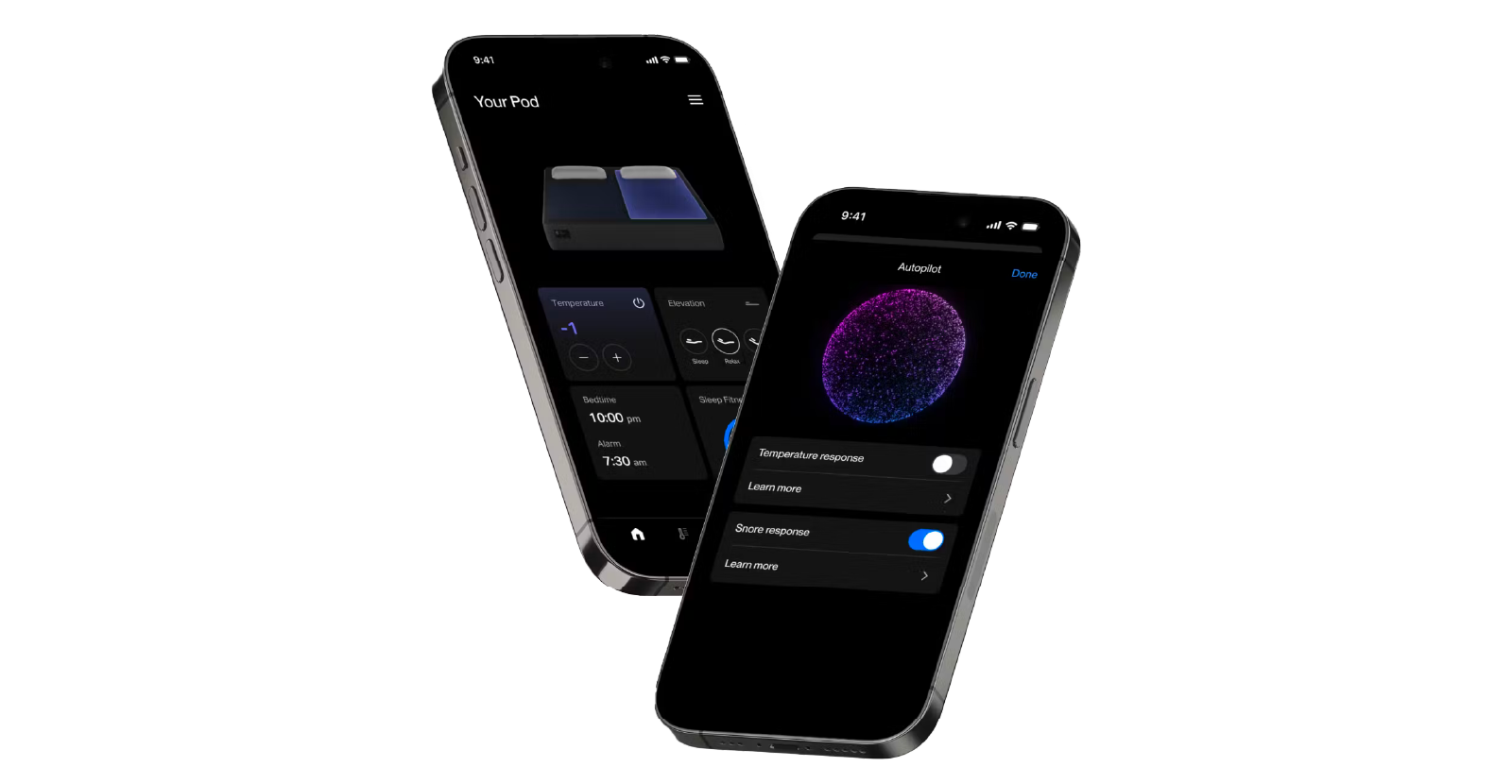
Eight Sleep released Autopilot 4.0 in April 2026. This is the angle nobody is covering properly yet — not the hardware, which has been reviewed extensively, but the software that now runs on top of it. The jump from Autopilot 3.x to 4.0 is the most significant software update in Eight Sleep's history and it changes how the product works in ways that matter for daily use.
What Autopilot 4.0 Actually Changed
The previous versions of Autopilot worked entirely from nighttime data. Sensors in the cover detected biometrics during sleep, the algorithm built a model of your sleep patterns, and temperature adjustments were made based on what your body was doing in the moment and what the system had learned from past nights.
This worked well for reactive management — responding to signals as they happened during sleep. It worked less well for situations where the night was going to be different from baseline for reasons that were already known before bedtime. A hard marathon training run in the afternoon was going to affect that night's recovery needs, but Autopilot 3.x didn't know about the run until it saw the physiological consequences in the nighttime data — elevated heart rate, different HRV pattern, different movement signature.
Autopilot 4.0 connects to Apple Health and Google Health Connect. This gives it access to daytime activity data before the night starts — step count, active calories, workout intensity, readiness scores from other connected apps, and any other health metrics flowing into those platforms. The system now processes this incoming daytime information and uses it to predict what the coming night will look like and what temperature management profile is appropriate before you get into bed.
The morning brief changed completely. Previous Autopilot versions gave you a sleep score and a breakdown — hours of sleep, stage percentages, HRV reading. Autopilot 4.0 gives you a plain-language explanation. Not "your HRV was 42" but "your HRV was lower than your 30-day average, which we think reflects yesterday's long run combined with the later dinner time we detected from your heart rate data. Your deep sleep window was extended by 18 minutes to support recovery." Whether that specific language is accurate to what the system says varies, but the approach — explanation rather than score — is the design direction and it's meaningfully more useful.
The Apple Health Integration — What It Actually Does
The integration is bidirectional in the sense that data flows in from Apple Health and Eight Sleep's sleep data can flow back out to Apple Health for aggregation. The more impactful direction for most users is the inbound flow.
What Autopilot 4.0 ingests from Apple Health: workout data (type, duration, intensity), step count and active calories, heart rate during the day, mindfulness minutes, and any data other apps are contributing to the Health platform — VO2 max from a recent run, recovery metrics from a fitness tracker, stress measurements from a meditation app.
From this daytime picture, the system attempts to predict recovery demand for the coming night. High workout intensity day predicts a recovery-focused night — the Autopilot may run cooler temperatures during the early deep sleep window to support the hormonal recovery response that relies on low sleeping surface temperature. A low-activity, high-stress day with elevated daytime heart rate predicts a different need — potentially different pre-cooling timing and a different temperature curve.
The honest assessment of how well this works: it's demonstrably better than pure reactive management for people with highly variable lifestyles. Athletes who train at varying intensities across the week report that the predictive adjustment aligns with what they'd expect their body needs on heavy versus light training days. For people with very consistent daily patterns — same work routine, consistent exercise schedule, similar stress levels — the predictive layer adds less because there's less variation to predict.
The Morning Brief — Genuinely More Useful Than a Score
The shift from score-and-breakdown to plain language explanation is the user experience change that matters most for how people actually engage with Eight Sleep's data.
A sleep score of 73 is information. It tells you something happened but it doesn't tell you what or why or what to do about it. A morning brief that says "your sleep was disrupted in the second half of the night, which aligns with the elevated respiratory rate we detected — this pattern sometimes precedes illness onset, and your HRV has been declining for three days" is actionable. You know something is happening. You have context for why. You can respond.
The morning brief in Autopilot 4.0 covers what happened, what the system thinks drove it, what the temperature management response was, and occasionally a recommendation — rest more tonight, consider adjusting your training load, your data suggests you're managing the training stress well. The recommendations are general rather than prescriptive and Eight Sleep is careful to stay clearly in wellness language rather than medical language.
For people who check their sleep data and then make decisions with it, the brief is a genuine upgrade over the previous score-and-stages format. For people who glance at a number and move on, the brief is more text than they'll engage with and the previous format was probably adequate.
Pregnancy Mode — The May 2026 Feature Worth Knowing
Eight Sleep released Pregnancy Mode in May 2026 as a free update for all Autopilot subscribers. This is worth mentioning because it's the kind of feature update that demonstrates the ongoing software investment the subscription is paying for.
Pregnancy affects body temperature regulation significantly — pregnant people run warmer, have different HRV patterns, sleep with more disruption as pregnancy progresses, and have specific positional recommendations (particularly left-side sleeping in later trimesters). Pregnancy Mode adjusts Autopilot's temperature management to account for these changes rather than treating the pregnant person as a slightly different version of their pre-pregnancy baseline.
This arrived free for existing subscribers. The fact that a feature of this specificity and development investment was delivered without an additional charge is relevant context for the subscription cost conversation — Eight Sleep is treating the subscription as a commitment to ongoing product development rather than as a recurring charge for static features.
What Autopilot 4.0 Doesn't Do
It doesn't make sleep decisions for you. The temperature management is automatic but you can override any adjustment through the app at any time. If Autopilot has decided tonight requires aggressive cooling based on your training data and you'd prefer a warmer setting, you change it. The system learns from this feedback over time.
It doesn't diagnose anything. The morning brief's observation that your respiratory pattern "sometimes precedes illness onset" is an observation, not a diagnosis. Eight Sleep is appropriately careful about the line between wellness insights and medical claims.
It doesn't work without WiFi during normal operation. The Backup Mode that arrived in late 2025 allows Bluetooth-only temperature control when internet is down, but the predictive features require cloud connectivity to process daytime data and generate the morning brief.
It doesn't compensate for a bad mattress, noise issues, anxiety, or any sleep problem that isn't primarily thermal. Autopilot 4.0 is a sophisticated temperature management intelligence layer. It's not a comprehensive sleep intervention.
Is the Subscription Worth It Specifically for Autopilot 4.0
This is the question most potential buyers are trying to answer and it deserves a direct response.
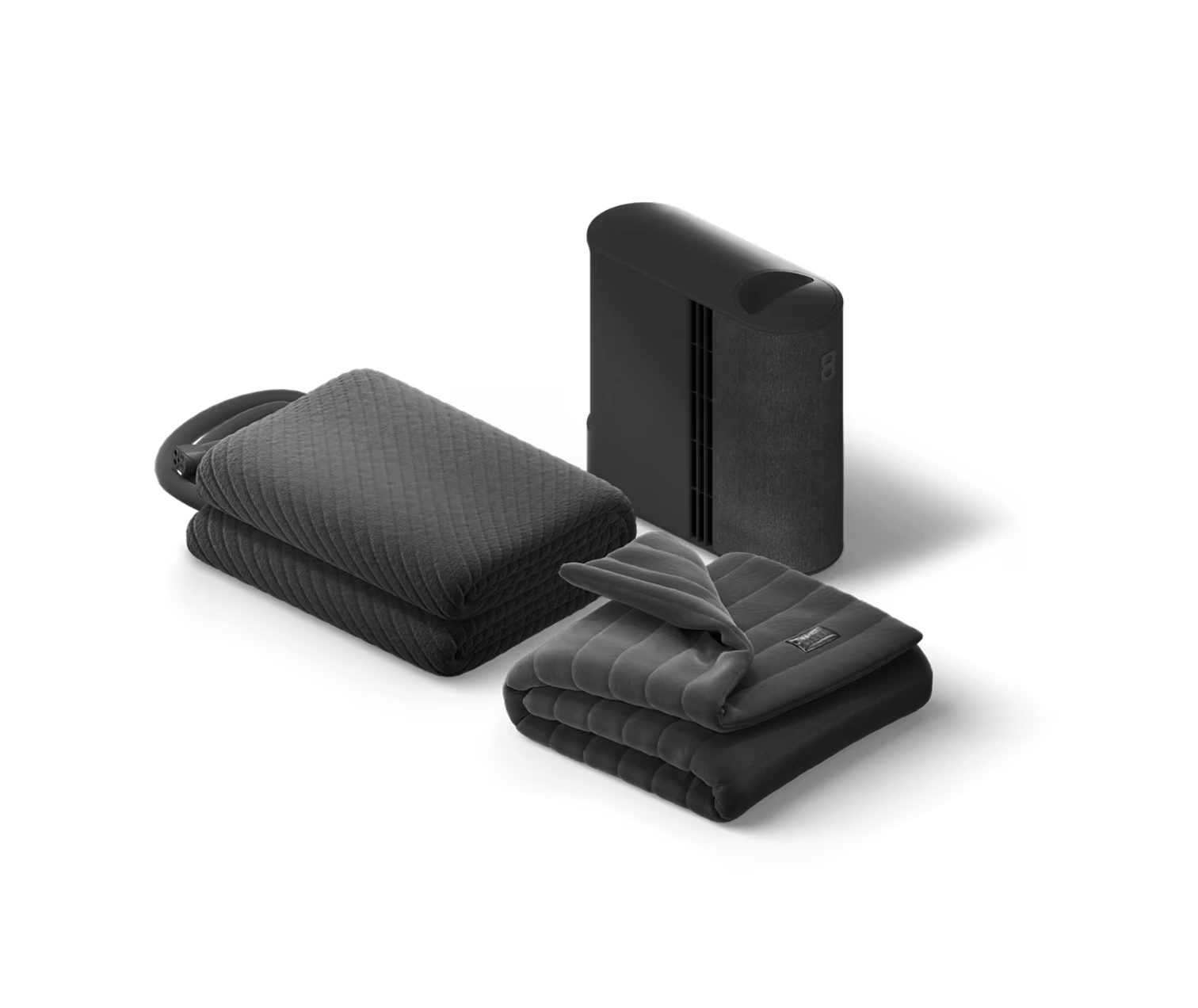
Without the subscription, the Pod 5 Core is a high-quality active temperature-controlled mattress cover that you manage manually. You set your temperature, the system holds it, and you can adjust whenever you want. The biometric sensors still operate and you get a basic sleep overview. The hardware is fully functional. The intelligence layer is off.
With the subscription, you get Autopilot — the pre-cooling scheduling, the dynamic temperature adjustment through the night, the predictive management from daytime data in Autopilot 4.0, and the morning brief. You also get the full health tracking with HRV trending, sleep stage breakdown, and the wellness insights.
The subscription is what the product is designed around. Buying a Pod 5 Core without subscribing is buying a $3,000 manual temperature pad. Most of the design and engineering investment in the Pod 5 exists to support the Autopilot system. Using the hardware without the software is leaving most of the product's value unused.
Whether the subscription dollar amount is justified is a personal economics question. What's not in question is that the subscription-less Pod 5 Core is a fundamentally less complete product than the subscribed version. If the subscription price is prohibitive, the Pod 5 Core is probably not the right product — a lower-cost active cooling option would deliver similar hardware benefits at lower total cost.
The Honest Bottom Line on Autopilot 4.0
Autopilot 4.0 is the most meaningful software update Eight Sleep has shipped. The integration with Apple Health and Google Health Connect moves the product from reactive sleep management to predictive sleep management — a genuine category shift rather than an incremental improvement. The morning brief format change from score to explanation makes the data more usable for everyday decision-making.
For existing Pod 5 owners who received this as a free update: engage with it specifically. Connect Apple Health. Let the system run with daytime data for two to three weeks before evaluating whether the predictive adjustments feel aligned with your actual recovery needs. The feature rewards engagement rather than passive use.
For buyers considering the Pod 5 for the first time: Autopilot 4.0 is part of the product you're buying. The combination of Pod 5 Core hardware and current Autopilot software is meaningfully more capable than the Pod 4 with earlier Autopilot versions that most reviews describe.
For buyers primarily interested in simple temperature control without the data layer: the subscription features add less value and the cost-benefit calculation shifts. The hardware is genuinely good. The intelligence layer is where the differentiation lives.
Products Section:
Pod 5 Lineup
Eight Sleep Pod 5 —


 e solution to it — active surface cooling, dual zones, and Autopilot that adjusts all night.
Shop Eight Sleep Pod 5 — Official Site
e solution to it — active surface cooling, dual zones, and Autopilot that adjusts all night.
Shop Eight Sleep Pod 5 — Official Site
Pod 5 Lineup
Eight Sleep Pod 5 — Find Your Version
Active cooling at the sleeping surface — not just the room
Top Pick
Complete System
Pod 5 Ultra
Pod 5 Ultra
- Core + Adjustable Base
- Snore Response
- Integrated Speaker + NSDR Content
- Queen from ~$4,899
Entry Hardware
Pod 5 Core
Pod 5 Core
- Cover + Hub
- Full Autopilot 4.0 support
- Full software capability
- Queen from ~$2,949
Full Thermal Coverage
Pod Blanket
Pod Blanket
- Hydro-powered temperature blanket
- Works in sync with any Pod 5 cover
- Full thermal immersion above and below
- ~$1,049
Smart Features
Autopilot Membership
Autopilot 4.0
- Required for Autopilot features
- 4.0 predictive features
- Covers both sides for couples
- Full intelligence layer