House On The Crescent

You are viewing Home & Decors

House of Hackney Transform Your Home

House of Hackney Transform Your Home

Get 10% Off On Your All Orders

Get 10% Off On Your All Orders

Get 10% Off On Your All Orders
WELCOME
SHOW COUPON
On Going Offer
  • It Works 100% Success It Doesn’t
  • Shop Our New In Collection Starting From £110

    Shop Our New In Collection Starting From £110

    Shop Our New In Collection Starting From £110
    ACTIVATE DEAL
    On Going Offer
  • It Works 100% Success It Doesn’t
  • Checkout Our Bestsellers Collection Starting From £140

    Checkout Our Bestsellers Collection Starting From £140

    Checkout Our Bestsellers Collection Starting From £140
    ACTIVATE DEAL
    On Going Offer
  • It Works 100% Success It Doesn’t
  • Explore Our Fabric Collection Starting From £85

    Explore Our Fabric Collection Starting From £85

    Explore Our Fabric Collection Starting From £85
    ACTIVATE DEAL
    On Going Offer
  • It Works 100% Success It Doesn’t
  • Our Textiles Collection Starting From £950

    Our Textiles Collection Starting From £950

    Our Textiles Collection Starting From £950
    ACTIVATE DEAL
    On Going Offer
  • It Works 100% Success It Doesn’t
  • Tiles Collection Starting From £5

    Tiles Collection Starting From £5

    Tiles Collection Starting From £5
    ACTIVATE DEAL
    On Going Offer
  • It Works 100% Success It Doesn’t
  • Lighting Collection Starting From £250

    Lighting Collection Starting From £250

    Lighting Collection Starting From £250
    ACTIVATE DEAL
    On Going Offer
  • It Works 100% Success It Doesn’t
  • Mirrors Collection Starting From £595

    Mirrors Collection Starting From £595

    Mirrors Collection Starting From £595
    ACTIVATE DEAL
    On Going Offer
  • It Works 100% Success It Doesn’t
  • McGee & Co Furniture Review — The Best Pieces Worth Buying Right Now

    By Posted on 0 Comments7min read0 views

    McGee & Co Furniture Review — The Best Pieces Worth Buying Right Now

    McGee & Co Furniture Review — The Best Pieces Worth Buying Right Now
    McGee & Co Furniture Review 10 min read

    There's a specific frustration that comes with shopping McGee & Co for the first time. The site is beautiful. Everything looks like it belongs together. You add things to your cart, look at the total, and then spend twenty minutes trying to decide what to cut and whether what you're keeping is actually the right thing.

    Most people end up either buying nothing or buying based on what photographed best rather than what will serve them longest. This review is built to fix that — specific products, honest quality assessments, and a clear sense of which McGee & Co pieces are worth the price and which are better skipped.

    How to Think About McGee & Co Quality

    McGee & Co sources from multiple manufacturers and applies their aesthetic standards rather than manufacturing everything themselves. This means quality is not uniform across the catalog — some pieces are genuinely excellent for the price, some are fair value, and some are pieces where the aesthetic is stronger than the construction. The categories that tend to perform best: upholstered seating, lighting, and textiles. The categories where quality is more variable: case goods — tables, dressers, buffets — where construction details are harder to evaluate from photos.

    McGee & Co — The Pieces Actually Worth Buying
    Specific products with the quality to back up the price — researched and ranked
    McGee and Co Thea Chandelier
    Best Lighting

    Thea Chandelier

    Rattan · Brass · Small / Med / Large
    • Tight, well-made rattan weave
    • Heavy brass hardware
    • Looks better in person than photos
    • Best ROI piece in the catalog
    Check Price on McGee & Co
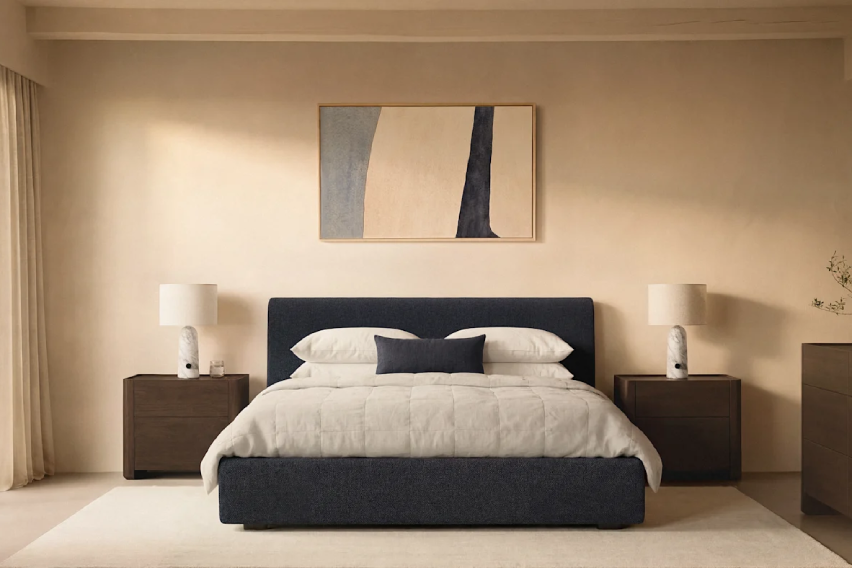
    McGee and Co Dawson Bed
    Best Bedroom

    Dawson Bed

    Bouclé or performance fabric
    • Solid wood frame — no sag
    • Bouclé headboard holds up well
    • Works in most bedroom palettes
    • Makes room look finished
    Check Price on McGee & Co
    McGee and Co Textiles
    Best Value

    Linen Pillows & Throws

    Linen blend · Multiple colorways
    • Best quality-to-price in catalog
    • Dense inserts — holds shape
    • Lowest risk first purchase
    • Start here before furniture
    Check Price on McGee & Co

    Siena Sofa — Still the Best Thing McGee & Co Makes

    The Siena Sofa has been in the catalog long enough to have a real track record and the track record is good. Deep seat — 24 inches from front to back — that actually lets you sit in it rather than perch on it. Low profile with a clean-lined frame in white oak or walnut. The frame is kiln-dried hardwood, not the engineered wood that shows up in fast furniture at similar price points. The cushion filling holds its shape over time. The performance fabric option looks like linen but cleans like a synthetic — right choice for households with kids, pets, or anyone who uses their sofa for anything other than looking at it. Lead time runs eight to twelve weeks. Order before you need it. Price runs $3,000 to $4,500 depending on configuration and fabric.

    Lead time tip: The Siena books up fast — order 10 to 12 weeks before you need it, not when you're ready to furnish the room.

    Thea Chandelier — The Piece With the Best Return on Investment

    A statement chandelier does more design work per dollar than almost anything else you can put in a space. The Thea is the McGee & Co lighting piece worth knowing about most — woven rattan shade, brass hardware, available in small, medium, and large. The rattan is well-made, the weave tight and even, the material thick enough to be structurally sound. The brass hardware is appropriately heavy and reads as quality in person in a way that photos honestly undersell. This is a chandelier that looks more impressive installed and lit than in a product image — the opposite of most things bought online. Price runs $500 to $900 depending on size.


    Dawson Bed — The Right Bedroom Anchor for Most Rooms

    The Dawson does something hard — it looks designed without looking designed. The low profile, the clean-lined upholstered headboard, the solid wood frame visible at the legs — it reads as considered without drawing attention to itself. The bouclé headboard option is the one worth getting if you can. Bouclé adds warmth and visual interest without pattern or color, works in bedrooms pulling toward both warmer and cooler palettes, and holds up well to regular use. The frame is solid, slats included, center support leg prevents sag over time. Price runs $1,800 to $2,500 depending on size and fabric.


    Linen Pillows and Throws — Best Value in the Entire Catalog

    The most underrated section of the McGee & Co website is textiles. The throw pillows and blankets represent the best quality-to-price ratio of anything they sell. The linen-blend throw pillows have substantial inserts — dense enough that pillows hold their shape and look full rather than deflated. The throw blankets have actual weight — blankets you can use rather than decorative pieces that provide no warmth. The practical reason to start here: a $60 throw pillow tells you more about whether the McGee & Co aesthetic works in your room than any amount of website browsing.

    What to Skip — Save Your Money on These

    • Lower-priced side tables and accent tables — veneered surfaces over engineered wood, lightweight frames that feel wrong in person
    • Entry-level flatweave and printed rugs — fine for low-traffic bedrooms, show wear quickly in living rooms and entryways
    • Some outdoor pieces — mixed durability feedback, not all built for real outdoor conditions long-term
    • New catalog pieces without reviews — wait for buyer feedback before committing to anything recently added

    McGee & Co — Buy vs Skip at a Glance

    ProductWorth Buying?Price RangeReason
    Siena Sofa✓ Yes$3,000–$4,500Solid construction, proven track record
    Thea Chandelier✓ Yes$500–$900Best ROI piece in catalog
    Dawson Bed✓ Yes$1,800–$2,500Solid frame, bouclé holds up well
    Linen Pillows & Throws✓ Yes$40–$200Best value in entire catalog
    Entry-level accent tables✕ Skip$300–$600Aesthetic stronger than construction
    Budget flatweave rugs✕ Skip$200–$500Show wear quickly in high traffic

    McGee & Co rewards selective buying. Start with lighting and textiles, move to upholstered seating, be careful with case goods. Buy the right pieces and they'll last years.

    Shop McGee & Co — Official Site

    McGee & Co Review — Is This Premium Home Decor Brand Actually Worth It?

    By Posted on 0 Comments7min read79 views
    McGee & Co Review 10 min read

    Studio McGee built one of the most recognizable interior design aesthetics of the last decade. Clean lines, warm neutrals, natural textures, the kind of spaces that look effortlessly put together without feeling cold or sterile. McGee & Co is where that aesthetic becomes shoppable — the retail brand that Shea and Syd McGee launched so that people who couldn't hire Studio McGee as their interior designer could at least buy the pieces that define the look.

    The question isn't whether the pieces are beautiful. They are. The question is whether the quality justifies the price and whether buying from McGee & Co is actually the right move for someone who loves the aesthetic.

    What McGee & Co Actually Is

    McGee & Co is not a manufacturer. They're a curated retail brand — they source pieces from various manufacturers, apply their design standards and aesthetic filters, and sell them under the McGee & Co label. What you're paying for is curation and trust. The pieces they carry have been selected to work within a specific aesthetic, which means if you buy multiple things from them, they'll likely work together in your space. That's genuinely valuable if you're not a trained designer.

    The brand launched in 2014 alongside the Studio McGee design firm. The Netflix show Dream Home Makeover accelerated awareness significantly and brought a large new audience to both the design studio and the retail brand.

    The McGee & Co Aesthetic — What It Actually Is

    The core look: warm neutrals — whites, creams, taupes, warm greys — layered with natural materials. Linen, jute, rattan, white oak, unlacquered brass. Silhouettes that are clean but not minimal — there's warmth and detail in the pieces, just nothing excessive or fussy. It's an aesthetic that photographs extremely well and also works well in real homes — warm enough to feel livable, structured enough to feel designed, and neutral enough that it doesn't go out of style quickly.

    McGee & Co — Top Picks Worth Buying
    Curated home decor and furniture that actually works together in real spaces
    McGee and Co Thea Chandelier
    Best Lighting

    Thea Chandelier

    Rattan · Brass hardware · Multi-size
    • Woven rattan shade
    • Solid brass hardware
    • Multiple sizes available
    • Anchors any dining room
    Check Price on McGee & Co
    McGee and Co Dawson Bed
    Best Bedroom

    Dawson Bed

    Bouclé or performance fabric
    • Low profile upholstered frame
    • Bouclé headboard option
    • Solid wood construction
    • Makes bedroom look finished
    Check Price on McGee & Co
    McGee and Co Textiles
    Best Value

    Textiles & Throw Pillows

    Linen blend · Wool rugs · Throws
    • Substantial throw blankets
    • High-quality pillow inserts
    • Wool rug options available
    • Best entry point for brand
    Check Price on McGee & Co

    McGee & Co Siena Sofa — The Statement Piece Worth Knowing

    The Siena Sofa is probably the most-discussed McGee & Co furniture piece and it earns the attention. Deep seat, low profile, clean-lined frame in white oak or walnut finish, cushions in a performance fabric that works for real households rather than just showrooms. The performance fabric is worth noting specifically — it looks like linen, doesn't feel synthetic, and handles everyday use in a way that pure natural fabrics often don't.

    The seat depth is generous. This is a sofa you actually sink into rather than perch on, which sounds obvious but isn't a given at this price point. Lead times run eight to twelve weeks — this is not fast furniture. If you need something quickly, this is not the piece. If you're furnishing thoughtfully and can wait, the Siena is worth it. Price around $3,000 to $4,500 depending on configuration.

    Lead time tip: Order the Siena Sofa before you need it — 8 to 12 weeks is typical. Place the order when you start planning the room, not when you're ready to furnish it.

    McGee & Co Thea Chandelier — The Lighting Piece That Changes a Room

    McGee & Co's lighting is some of the strongest work they do and the Thea Chandelier is the centerpiece of that category. Woven rattan shade, brass hardware, available in multiple sizes for different room scales. Lighting is where most people make the biggest design mistake — they treat it as an afterthought and then wonder why their space doesn't look like the design photos they saved. A statement chandelier in the right space does more work than almost any other single piece.

    The rattan is genuinely well-crafted — not the thin brittle rattan in lower-priced versions, but substantial weaving that holds its shape. Price runs $500 to $900 depending on size. For a lighting piece that will anchor a room for years, that's justifiable.


    McGee & Co Dawson Bed — The Bedroom Anchor

    Low profile, clean-lined upholstered headboard in bouclé or performance fabric, solid wood frame. The bouclé option is particularly good — it adds warmth and visual interest without pattern or color, which makes it work in almost any bedroom color scheme. The headboard height is substantial enough to feel like a design choice but not so tall that it overwhelms smaller rooms. Assembly is manageable for two people, slat system included. Price around $1,800 to $2,500 depending on size.


    McGee & Co Textiles — The Underrated Part of the Brand

    Most people come to McGee & Co for furniture and lighting. The textiles are quieter but genuinely good and often represent better value. The throw blankets are thick and substantial. The linen-blend options have a texture and weight that reads as genuinely quality. The rugs vary more — wool options are worth spending on, lower-priced options are fine for low-traffic areas. Throw pillows are where McGee & Co shines quietly — fabric quality, insert quality, and size options better than most brands at this price point.


    What McGee & Co Gets Right

    The curation is the main value. Everything on the site works together — buy a sofa, a rug, throw pillows, and a side table from McGee & Co and know that the pieces will cohere. For people who find sourcing home decor stressful, that's worth real money. The aesthetic has longevity — rooted in classic proportions, natural materials, and warm neutrals, none of which will feel dated in five years the way trend-driven design does.

    Where They Fall Short

    Lead times are the biggest friction point. Eight to twelve weeks on furniture is not unusual in the premium category but McGee & Co's popularity means they sometimes push beyond that, and communication during the wait isn't always proactive. Some pieces are aesthetically strong but constructed to a lower standard than the price implies — lighting and smaller decor tend to be stronger quality-to-price than some case goods.

    Is McGee & Co Worth the Price

    For someone whose aesthetic genuinely aligns with what McGee & Co is doing — yes, with caveats around lead times and selective quality. The honest buying strategy: start with lighting and textiles where the price of being wrong is lower. If those pieces work in your space and you love them, scale up to furniture with more confidence. The curation value is real, the best pieces are excellent, and the brand has enough track record that you can research specific pieces before buying.

    McGee & Co Products — Quick Comparison

    ProductPrice RangeLead TimeBest For
    Siena Sofa$3,000–$4,5008–12 weeksLiving room anchor
    Thea Chandelier$500–$9002–4 weeksDining & entry rooms
    Dawson Bed$1,800–$2,5008–12 weeksBedroom centrepiece
    Textiles & Pillows$40–$4001–2 weeksBest entry point

    McGee & Co is for people who want a designer-curated home without hiring a designer. Start with textiles, scale up to furniture when you're sure. The aesthetic is timeless — buy pieces you'll live with for years.

    Shop McGee & Co — Official Site

    I Tried the Origin Mattress for 6 Weeks — Here’s My Honest Take (Including Which Model to Actually Buy)

    By Posted on 0 Comments8min read1 views

    I Tried the Origin Mattress for 6 Weeks — Here’s My Honest Take (Including Which Model to Actually Buy)

    Save 20% Off On Your All Orders

    Save 20% Off On Your All Orders

    Save 20% Off On Your All Orders
    GaryW20Off1404
    SHOW COUPON
    On Going Offer
  • It Works 100% Success It Doesn’t
  • Get 5% Off On Your All Purchases

    Get 5% Off On Your All Purchases

    Get 5% Off On Your All Purchases
    FH25OFF8728
    SHOW COUPON
    On Going Offer
  • It Works 100% Success It Doesn’t
  • Get Free Shipping On Your All Orders

    Get Free Shipping On Your All Orders

    Get Free Shipping On Your All Orders
    ACTIVATE DEAL
    On Going Offer
  • It Works 100% Success It Doesn’t
  • Sale! Save Upto 34% Off On Selective Items

    Sale! Save Upto 34% Off On Selective Items

    Sale! Save Upto 34% Off On Selective Items
    ACTIVATE DEAL
    On Going Offer
  • It Works 100% Success It Doesn’t
  • Save £418 Off On Origin Lumbar Cloud Mattress

    Save £418 Off On Origin Lumbar Cloud Mattress

    Save £418 Off On Origin Lumbar Cloud Mattress
    ACTIVATE DEAL
    On Going Offer
  • It Works 100% Success It Doesn’t
  • Shop Our Mattresses Collection Starting From £279

    Shop Our Mattresses Collection Starting From £279

    Shop Our Mattresses Collection Starting From £279
    ACTIVATE DEAL
    On Going Offer
  • It Works 100% Success It Doesn’t
  • Checkout Our Origin Coolmax Latex Pillow For £98

    Checkout Our Origin Coolmax Latex Pillow For £98

    Checkout Our Origin Coolmax Latex Pillow For £98
    ACTIVATE DEAL
    On Going Offer
  • It Works 100% Success It Doesn’t
  • Buy Our Origin Contour Mattress Topper For £160

    Buy Our Origin Contour Mattress Topper For £160

    Buy Our Origin Contour Mattress Topper For £160
    ACTIVATE DEAL
    On Going Offer
  • It Works 100% Success It Doesn’t
  • I Tried the Origin Mattress for 6 Weeks — Here's My Honest Take (Including Which Model to Actually Buy)

    Let me start with the thing nobody told me before I bought mine.

    Origin rates the Hybrid mattress at 6.5 out of 10 on firmness. That’s their “medium-firm” positioning — the sweet spot that’s supposed to work for most sleepers. I am a side sleeper. I read that 6.5 and thought: perfect, that’s exactly what I need.

    Three nights in, my hips were aching.

    Not dramatically. Not in a “I need to call someone” way. Just that low, persistent complaint that builds across the day and tells you something isn’t right about how you’ve been sleeping. I switched to my back for a few nights — the aching stopped immediately. I stayed on my back. Aching stayed gone.

    What I’d actually bought was a firm mattress. Closer to an 8 out of 10 if you ask TechRadar’s tester, who spent three weeks on the same model and reached the same conclusion independently. “Much firmer than Origin rates it,” was her exact phrase. She’s right. They’re underselling the firmness, which sounds like a strange complaint to make about a mattress you might actually love — if you’re a back or stomach sleeper.

    I’ll come back to that. First, what Origin actually got right.

    The Thing That Genuinely Surprised Me: How Quiet This Mattress Is

    My partner moves a lot in his sleep. I mean a lot. We’ve tried various mattresses over the years and the nightly earthquake situation has been an ongoing background issue in our relationship — not serious, just persistent and mildly irritating.

    The Origin Hybrid produced the quietest nights we’ve had since we started sleeping in the same bed.

    I didn’t immediately connect this to the mattress. I assumed we were both just tired. But after a week of unusually uninterrupted sleep, I started paying attention. He was moving the same amount. I was just not feeling it the way I normally would.

    NapLab’s independent lab test later confirmed what I’d experienced: the Origin Hybrid produces 30% less motion transfer than the category average across all mattresses they’ve tested. That’s a measured, specific number, not a marketing claim. The wool and memory foam elements in the comfort layer absorb movement before it travels across the surface.

    For couples with mismatched sleep styles, this is genuinely significant. It’s one of the best things about this mattress and one of the least talked-about.

    The Cooling: Real, Effective, Possibly Too Effective

    I’m a cold sleeper. My partner runs hot. We’ve spent years navigating this incompatibility — he pushes the duvet off at 2 a.m., I pull it back, someone is always losing.

    The Origin Hybrid has a bamboo foam layer, a HexaGrid foam structure with an open design that allows air circulation, and a Tencel cover made from wood pulp that regulates surface moisture. These aren’t marketing words for the same thing — they’re three distinct mechanisms that together produce real, measurable cooling.

    TechRadar’s reviewer described her hot-sleeping husband feeling “cool and refreshed throughout the night.” She also described herself — a cold sleeper, like me — as finding it “a little too effective” and feeling “a bit chilly in the night.”

    That’s us exactly. My partner has slept better on this mattress than anything we’ve previously owned. I’ve been wearing thicker socks.

    If you’re a hot sleeper, this is genuinely excellent. If you’re a cold sleeper buying this mattress for yourself, know that the cooling really does work and factor that into your bedding choices.

    The HexaGrid: What It Actually Means in Practice

    Origin’s proprietary HexaGrid is described on their website with enough enthusiasm that I was skeptical before sleeping on it. Developed with orthopaedic specialists, zoned support, pressure distribution, etc. The usual.

    Here’s what it means in practice: the mattress doesn’t feel uniform from head to foot. The center section — roughly where your torso and lower back land — provides more resistance and support. The areas around your shoulders and knees give slightly more. This is the zoned support concept, and it’s a real thing rather than a marketing concept.

    For back sleepers, this matters specifically because your lower back is the area that most needs support and most commonly gets inadequate support on a mattress that’s too soft in the middle. The HexaGrid concentrates support exactly there.

    For people with lower back pain specifically, the Trustpilot UK reviews are full of specific, detailed accounts describing morning improvement. Not vague “I slept better” testimonials — specific descriptions of pain that had been present for years reducing or disappearing within weeks. One buyer describes the LumbarCloud as “the best mattress I ever had, so comfortable. I honestly recommend to anyone who suffers from back pain.”

    I can’t verify individual health claims. But the volume and specificity of back pain improvement accounts across this mattress is unusual enough to be worth noting directly.

    The Edge Support Situation

    Here’s something the origin website definitely doesn’t lead with: the edges of this mattress compress noticeably more than the center.

    I noticed this on the first night when I sat on the edge of the bed to put on my shoes and felt the side compress more than I expected. TechRadar specifically identifies edge support as below average. BestMattressAustralia notes it as a limitation.

    For most sleeping situations this doesn’t matter — you sleep in the middle of the mattress, not on the edge. But if you regularly sleep near the edge (common in couples where one person gets pushed to the perimeter), or if you sit on the edge of the bed as a regular routine, it’s worth knowing before you buy.

    Six Weeks In: What I'd Tell Someone Considering This Mattress

    The Origin Hybrid is a genuinely good mattress. The motion isolation alone made a measurable difference in our household’s sleep quality. The cooling is real and works exactly as described. The construction quality feels appropriate for the price. The 200-night trial (in the UK) is one of the most generous in the category, and the 15-year warranty is meaningfully longer than the 10-year standard most competitors offer.

    But I need to be honest about who it’s for and who it isn’t.

    It’s for you if you’re a back sleeper. This is where the Origin genuinely excels. The firm surface, the zoned HexaGrid support, the lumbar emphasis — all of it is optimized for the position where you need support more than cushioning. Multiple independent testers who sleep primarily on their back describe this as among the best mattresses they’ve used at the price point.

    It’s for you if you’re a stomach sleeper. Same logic. Stomach sleepers need a firm surface to keep their hips level with their shoulders and maintain spinal alignment. The Origin delivers this directly.

    It's for you if you sleep hot. The cooling is real. Ask my partner.

    It might not be for you if you’re a side sleeper. I’m going to be direct here: the firmness means it doesn’t provide adequate cushioning at the shoulder and hip for sustained side sleeping. I know this from my own aching hips in week one. TechRadar’s reviewer confirms it independently. If you’re a dedicated side sleeper, the LumbarCloud is the Origin product designed for you — or look elsewhere in the category.

    It’s for you if you’re on a budget. The near-permanent sale pricing (typically 35–56% off listed RRP with easily-found discount codes) puts this mattress in a tier that’s significantly more accessible than its quality level would suggest if you were paying full price. NapLab rates it the fourth-best mattress they’ve tested within its price tier. That’s a specific, credible framing of what you’re getting for the money.

    The Products: Which Origin to Actually Buy

    The Origin lineup has expanded since launch. Here’s the honest breakdown of which product fits which buyer.

    This is what I bought and what most of this blog is based on. The standard hybrid with the HexaGrid layer, bamboo foam, and pocket springs. Firmly positioned toward back and stomach sleepers at an accessible price.

    Buy this if: You’re a back or stomach sleeper, you run hot at night, you share a bed and motion isolation matters, or you’re on a tighter budget and want the strongest value-per-pound in the Origin lineup.

    Skip this if: You’re a dedicated side sleeper. The firmness will work against you.

    Trial period: 200 nights (UK) | 120 nights (Australia) | 100 nights (US)
    Warranty: 15 years

    The LumbarCloud adds a pillow-top comfort layer over the core hybrid structure, creating a softer initial feel without losing the underlying lumbar support that the HexaGrid provides. It’s the product that addresses the standard Hybrid’s most consistent criticism.

    Dweva’s multi-week testing team — who tested both models simultaneously — found the LumbarCloud “felt gentler on joints” and produced “fewer sleep disruptions when one person moved.” If you’ve read this far and kept thinking “this sounds good but I sleep on my side,” this is the Origin product you’re looking for.

    Buy this if: You’re a side sleeper, a lighter sleeper who wants more cushioning, or you’ve tried firm mattresses before and found them uncomfortable. Also the better choice for couples where sleep positions differ — the pillow-top smooths out what can otherwise feel like a hard landing for the lighter or more pressure-sensitive partner.

    Skip this if: You specifically want a firm surface. The pillow-top softens the initial feel, which is a feature for most buyers and a drawback for the minority who want maximum firmness.

    The Hybrid Plus adds adjustable firmness settings, which allows you to calibrate the feel after purchase rather than committing to a single firmness at the point of sale. This is specifically useful if the gap between Origin’s stated firmness and the independently-tested firmness has made you uncertain about which model to choose.

    Buy this if: You’re genuinely unsure about firmness, or you and your partner have significantly different firmness preferences and want post-purchase adjustment capability.

    Before You Buy: Three Things to Check First

    1. What position do you primarily sleep in?

    This is the only question that really matters for determining which Origin product is right for you. Back or stomach sleeper: standard Hybrid. Side sleeper: LumbarCloud or reconsider the category.

    2. Do you run hot or cold?

    If you’re a hot sleeper, the Origin’s cooling technology is genuinely one of its best features and worth seeking out specifically. If you’re a cold sleeper, the same technology means you may want to upgrade your bedding or sleepwear before the mattress arrives.

    3. Have you checked for a discount code?

    Origin runs near-permanent promotions at 35–56% off listed RRP. The “full price” on the website is rarely what anyone actually pays. Look for a current code before completing your purchase — if there isn’t one active today, there will be one in a few days.

    The Honest Bottom Line

    I came away from six weeks on the Origin Hybrid with a clear, specific view: this is one of the best back-sleeper mattresses available at this price point in the UK market right now. The motion isolation is genuinely excellent, the cooling works, and the 200-night trial is long enough to give you real confidence in your evaluation.

    I wish someone had told me clearly — not in fine print, not buried in a FAQ — that “6.5 firmness” on Origin’s scale means something closer to “firm” on an independent scale. That information would have saved me three nights of hip aching and sent me directly to the LumbarCloud.

    Go in with accurate firmness expectations, matched to your sleep position, and Origin is a genuinely strong purchase at a genuinely competitive price. Go in expecting medium-soft cushioning and you’ll spend your first week confused about what happened.

    The 200-night trial is long enough to figure it out. Just know what you’re expecting before you start the clock.

    Can You Wear Rothy’s in the Kitchen?

    By Posted on 0 Comments10min read0 views

    Can You Wear Rothy’s in the Kitchen?

    Can You Wear Rothy's in the Kitchen?

    I’ll be upfront with you: this is not a question I expected to spend any serious time thinking about.

    Rothy’s are fashion flats. They’re the shoes Meghan Markle wore to a castle. They live in the intersection of “sustainable lifestyle” and “I have my life together enough to spend $149 on a pair of pointed-toe flats made from recycled water bottles.” The kitchen, with its spilled olive oil and flour-dusted floors and the occasional dropped pan, does not immediately feature in that picture.

    And yet.

    The more I thought about it — and the more time I actually spent wearing mine around the house, including in the kitchen — the more the answer started shifting from an automatic “no” to a more considered “actually, yes, with some caveats.”

    Here’s the full, honest case.

    What Makes Rothy's Actually Suited to Kitchen Wear

    The single feature that makes Rothy’s genuinely viable in a kitchen context is the one that defines the entire brand: machine washability.

    Think about what happens to your feet in a kitchen over the course of a normal cooking session. A splash of pasta water. A dusting of flour that works its way under the counter. Olive oil on the floor that you don’t notice until your sock slides slightly. The general accumulation of cooking smells — garlic, fish, roasted vegetables — that embeds itself in fabric over time.

    Now think about what happens to most shoes in that environment. They absorb it. They hold it. You wipe the outside, but the inside stays. Fabric shoes get progressively more kitchen-scented regardless of how carefully you cook. Leather shoes absorb cooking fat in ways that are genuinely difficult to reverse. Most shoes simply aren’t designed to be cleaned from the inside out on a regular basis.

    Rothy’s are.

    The recycled plastic knit construction that makes up the entire upper — the same material that gives these shoes their distinctive woven appearance — is fully machine washable. Gentle cycle, cold water, air dry overnight. The shoe comes out clean. Not just cleaner. Actually clean. The odors, the flour, the general kitchen accumulation — gone.

    Multiple long-term Rothy’s owners confirm this holds up not just once but repeatedly, across months and years of regular washing. A PureWow editor who has owned the same pair of Rothy’s sneakers for five years describes them as maintaining their shape and structure through repeated machine wash cycles. The knit doesn’t degrade, the shape doesn’t distort, and the cleaning process is no more involved than any other item in your laundry.

    For kitchen wear specifically, this is a significant practical advantage over almost every alternative at a comparable price point.

    The Spill Question

    Here’s where the honest answer gets more nuanced, and I want to be direct about it rather than just making the case for the purchase.

    Rothy’s are not waterproof. They are not water resistant. The open-weave knit construction that makes them breathable and lightweight also means that liquid — water, cooking oil, broth, anything wet — goes straight through to your foot.

    For kitchen wear, this means two things.

    The first is actually fine: small splashes, flour, light mess. These sit on the surface of the knit, don’t immediately soak through if you address them quickly, and wash out completely in the next machine cycle. The everyday cooking mess that accumulates in most home kitchens — steam, light splashing, general food prep — is exactly the kind of thing the machine washability handles cleanly.

    The second is genuinely not fine: significant liquid spills directly onto the shoe. If you’re draining a full pot of pasta water and some goes sideways, or you knock a glass off the counter, your feet will be wet. Not damp. Wet. The knit absorbs liquid with the same efficiency it absorbs everything else.

    So the honest kitchen verdict is: Rothy’s handle normal cooking conditions well. They handle actual spills the same way any fabric flat would — which is to say, not particularly well. If you cook in a way that regularly involves significant liquid near your feet, keep that in mind.

    The good news: if your feet do get wet, you throw the shoes in the wash. There’s no permanent damage. No staining. Just a cycle through the machine and they’re fine again.

    The Grip and Safety Reality

    This is worth addressing directly because kitchen floor safety is a genuine practical consideration, not just a theoretical one.

    Rothy’s have a flat, smooth rubber sole. They’re not non-slip shoes. They’re not designed for environments where floor traction is a safety priority. On a dry kitchen floor — tile, hardwood, laminate — they perform fine. The sole grip is adequate for normal movement.

    On a wet or oily kitchen floor, they’re no better or worse than any other flat-soled shoe without specific grip technology. Which means: be aware, wipe up spills when they happen, and don’t wear them in a commercial kitchen environment where floor safety standards require proper non-slip footwear.

    For home kitchen use, this is rarely a practical concern as long as you’re maintaining normal kitchen floor hygiene. Most home cooks aren’t navigating oily or wet floors as a regular condition — they’re cleaning up as they go. In that context, Rothy’s grip is adequate.

    The Comfort Question for Long Kitchen Sessions

    Anyone who has spent three hours on their feet preparing a dinner party knows that kitchen comfort is a real, physical consideration. Standing on hard tile for extended periods in the wrong shoes produces fatigue that starts in your feet and works its way up your legs and lower back by the time you’re plating the dessert.

    Here’s where I need to be honest with you about Rothy’s and arch support, because it comes up in every serious review of these shoes and it applies in the kitchen context too.

    Rothy’s provide minimal arch support. The standard footbed is flat and thin. Multiple independent reviewers describe them as inadequate for extended periods of standing, particularly for anyone with flat feet, plantar fasciitis, or any pre-existing foot condition. One multi-year Rothy’s owner specifically describes needing to give away most of her pairs after having children because her support needs changed — “I just wish they had more support.”

    For a thirty-minute dinner prep, this probably doesn’t matter. For a three-hour Thanksgiving cook, it might.

    The practical fix, if you want to wear Rothy’s in the kitchen for extended sessions: add an aftermarket insole. A basic half-insole from any pharmacy — around $8 to $12 — provides enough additional cushioning to extend the comfortable wearing time meaningfully. It fits within the shoe without changing the external appearance and doesn’t affect the machine-washability since the insole is removed before washing.

    Some Rothy’s styles now come with what the brand calls the In Love Insole — a more cushioned footbed than the original. It’s not a structural arch support insert, but it does provide more initial cushioning than the standard footbed. Worth looking for on current styles if extended standing is a concern.

    Which Rothy's Style Actually Works Best in the Kitchen

    Not all Rothy’s are equally suited to kitchen wear, and it’s worth being specific here rather than just saying “any pair will do.”

    The styles that work best in the kitchen are the ones with the simplest construction — the fewest components that can accumulate kitchen mess and the fastest to clean. Elaborate bows, multiple-part closures, and delicate embellishments create more surface area for flour and cooking residue to settle into.

    The styles with more structural complexity — the Mary Jane with the bow tie that must be tied tightly, the clog with the ankle construction — have also shown more durability concerns in independent reviews generally. A Mary Jane strap tearing after a few wears, clogs showing wear at the ankle area. These aren’t defects specifically related to kitchen use, but they suggest that the simpler, more structurally straightforward styles are better long-term bets.

    For the kitchen specifically, the flat slip-on styles are the clear recommendation. Easy on, easy off, no components to catch mess, fully machine-washable from a single piece of knit construction.

    The Smell Issue — and Why It's Actually Less of a Problem Than You'd Think

    Every honest review of Rothy’s eventually mentions the smell concern. The recycled plastic knit doesn’t breathe the way natural materials do. After enough wear in warm conditions — a summer kitchen, an evening of cooking over a hot stove — they can develop an odor.

    In a regular shoe, this is a problem you manage around. You spray them, air them out, hope for the best.

    In Rothy’s, this is a problem you solve directly. Machine wash. Gentle cycle. Cold water. Air dry overnight. The next morning the shoes smell like nothing at all.

    The kitchen is actually one of the better use cases for Rothy’s specifically because it’s an environment where regular washing makes sense anyway. You’re cooking. Your clothes go in the wash. Your apron goes in the wash. Throwing your Rothy’s in on the same cycle is a perfectly natural extension of the post-cooking cleanup routine rather than an additional chore.

    The Honest Bottom Line

    Can you wear Rothy’s in the kitchen? Yes, with clear eyes about what you’re working with.

    They handle everyday home cooking conditions well. They clean up completely and repeatedly through machine washing. They’re comfortable for moderate cooking sessions, more comfortable with an added insole for longer ones. They look significantly better than dedicated kitchen shoes, which means you can go from food prep to having people over without changing your footwear.

    What they won’t do: protect your feet from significant liquid spills, provide non-slip grip on genuinely wet floors, or support your arches through a marathon cooking session without some help.

    The machine-washability is the thing that makes this work. Without it, Rothy’s would be a terrible kitchen shoe. With it, they become a genuinely practical option for home cooks who want something that looks good, performs adequately, and can be fully cleaned after every use.

    The Products: Which Rothy's to Buy for Kitchen Wear

    The brand’s flagship pointed-toe flat and the strongest recommendation for kitchen wear. The construction is a single piece of knit with a flat rubber sole — minimal components, maximum washability, no delicate elements to catch cooking mess. The Point is also the most extensively reviewed style in the entire Rothy’s catalog, with multiple 4–5 year ownership accounts confirming it holds up through repeated machine washing cycles.

    Size up half a step from your usual. The toe box runs narrow and this is consistent across independent reviews — ordering your standard size will leave your toes compressed.

    Best for: Home cooks who want a smart-looking flat that functions well during normal cooking sessions and cleans up completely afterward.

    Care in the kitchen: Machine wash on gentle cycle, cold water, air dry. Do not tumble dry. If an aftermarket insole is added for support, remove it before washing.

    The rounded-toe version of The Point, offering the same single-knit construction and full machine washability in a slightly more relaxed silhouette. Where The Point’s pointed toe can feel slightly more formal, The Flat reads as everyday casual — which many home cooks find more appropriate for kitchen and around-the-house wear.

    The same size-up-half-a-step guidance applies. The Flat runs narrow across the toe box in the same way The Point does.

    Best for: Buyers who find pointed toes uncomfortable for extended wear or who prefer a more casual everyday silhouette for home cooking and kitchen use.

    If you want the most comfortable Rothy’s for extended kitchen sessions, this is the one. The sneaker construction is the most accommodating silhouette in the lineup — it’s the style most often recommended for wider feet, and it provides slightly more structure around the foot than the flat styles. Multiple reviewers describe it as the most comfortable option for longer-duration wear.

    It’s also the style with the strongest durability evidence in the entire catalog. A PureWow editor’s five-year ownership account is specifically about the sneaker — through repeated machine washes, the knit remained intact and the shape was maintained. That’s the kind of confirmed long-term durability that matters when you’re using a shoe in an environment where regular washing is part of the routine.

    Best for: Home cooks who spend longer periods on their feet in the kitchen, buyers with slightly wider feet, and anyone who prioritizes durability and comfort over the more polished appearance of the flat styles.

    A loafer-adjacent slip-on that sits between the flat styles and the sneaker in terms of formality. Easy to get on and off — relevant in kitchen contexts where you might be stepping out to the garden and back — and the same fully machine-washable single-knit construction.

    One documented note from independent reviews: the loafer and driver category has shown slightly more fabric durability variation than the core Point and Sneaker styles. At least one account describes loafer fabric deteriorating after hand-washing with mild detergent. For kitchen use specifically, machine wash rather than hand-wash, and this concern is largely avoided.

    Best for: Home cooks who want a slightly more structured silhouette than a flat but don’t want the athletic look of the sneaker. Good for the transition from kitchen to sitting down with guests without looking like you’re wearing cooking shoes.

    A Note on Insoles

    If you’re planning to use Rothy’s for extended kitchen sessions — think full holiday cooking, lengthy dinner party prep, or any situation where you’re on your feet for two hours or more — add a basic half-insole before you start. Around $8 to $12 at any pharmacy. The arch support in Rothy’s standard footbed is minimal, and the insole makes a meaningful practical difference for longer wear without affecting the shoe’s appearance or machine-washability. Remove the insole before washing, replace it after.

    Quick Reference: Rothy's in the Kitchen


    The Point

    The Flat

    The Sneaker

    The Driver

    Kitchen suitability

    ✅ Strong

    ✅ Strong

    ✅ Strong

    ✅ Good

    Machine-washable

    ✅ Yes

    ✅ Yes

    ✅ Yes

    ✅ Yes

    Best for extended standing

    Average

    Average

    ✅ Best

    Average

    Wide foot suitability

    Narrow

    Narrow

    ✅ Most accommodating

    Moderate

    Ease of on/off

    Slip-on

    Slip-on

    ✅ Slip-on

    ✅ Slip-on

    Durability evidence

    ✅ 4–5 year accounts

    Good

    ✅ 5-year account

    Good

    Starting price

    $149

    $145

    $149

    $149

    Origin Mattress Review 2026 — Worth Buying?

    By Posted on 0 Comments11min read0 views

    Origin Mattress Review 2026 — Worth Buying?

    Origin Mattress Review 2026 — Worth Buying?

    Origin’s most useful piece of independent evidence in 2026 is a specific, important discrepancy: the brand rates the Hybrid at 6.5 out of 10 on firmness, meaning medium-firm. TechRadar’s hands-on tester rates it closer to 8 out of 10. NapLab’s objective testing places it in the “slightly firm” category. Multiple independent sources agree — this mattress sleeps firmer than Origin’s own marketing suggests, and that single calibration point determines whether Origin is the right mattress for your specific sleep position more than any other factor in this review.

    Quick Highlights

    • ✅ CHOICE Recommended (Australia), ProductReview Award 2026, Product of the Year 2024 — genuine, third-party recognitions across multiple markets
    • ✅ One of the longest trial periods in the category — 200 nights in the UK, 120 nights in Australia, 100 nights in the US — providing real, extended evaluation time well beyond the industry average
    • ✅ 15-year warranty confirmed — meaningfully longer than the 10-year standard most mattress competitors offer
    • ✅ Outstanding motion isolation confirmed by independent testing — NapLab measured 30% less motion transfer than the category average, and TechRadar’s reviewer specifically notes being undisturbed by a partner moving during the night
    • ✅ Temperature regulation genuinely effective — HexaGrid foam and bamboo foam layers confirmed as producing real, noticeable cooling by multiple independent testers, including one who found it slightly too cool
    • ✅ Excellent value-per-dollar confirmed — NapLab rates overall performance below average, but simultaneously rates it the 4th best mattress tested within its price tier, capturing the honest value picture precisely
    • ✅ 2,330 Trustpilot UK reviews with majority positive sentiment — broad, genuine satisfaction base reflecting real commercial scale
    • ❌ Firmness is genuinely higher than Origin’s stated 6.5/10 — independent testers consistently place it closer to 7.5–8/10, which makes it excellent for back and stomach sleepers but potentially uncomfortable for side sleepers
    • ❌ A specific Trustpilot UK account describes a mattress coming apart at the seams, with the company declining to replace it under warranty and classifying the issue as outside covered damage — resolved eventually through the 200-night return policy rather than warranty
    • ❌ Edge support is specifically noted as a weakness across multiple independent tests — TechRadar specifically identifies this as below average, meaning sitting or sleeping near the mattress perimeter produces more compression than central sleeping positions
    • ❌ The cover is not removable or machine-washable — a genuine, practical limitation given how long owners are expected to use the mattress
    • ❌ Near-permanent sale pricing creates pricing confusion — the “RRP” is rarely what buyers pay, with 35–56% discount codes consistently available, making it difficult to evaluate true value against a genuine baseline price
    • ❌ Certain delivery delays and incorrect orders documented in Trustpilot reviews, alongside a minority of customer service experiences described as unhelpful when returns were involved

    Best for: Back sleepers and stomach sleepers specifically, heavy sleepers (90kg+), couples who need good motion isolation, and hot sleepers wanting genuine temperature regulation — who understand going in that this mattress sleeps firmer than Origin’s own stated rating suggests.

    Why Trust This Review

    Cross-referenced from NapLab’s 10-data-point objective lab testing of the Origin Adapt Hybrid, TechRadar’s three-week hands-on test by a sleep writer with extensive comparative mattress experience, BestMattressAustralia’s detailed 2026 structured review with independent firmness assessment, SleepGoodness UK’s detailed five-layer construction analysis, Dweva’s multi-week, multi-tester US review covering both the Adapt and LumbarCloud, and Trustpilot’s UK collection (2,330 reviews). No commercial relationship with Origin Mattress.

    Table of Contents

    • About Origin Mattress
    • Origin Mattress Review: Full Breakdown
    • Best Origin Mattress Products Worth Buying
    • What Customers Actually Think
    • Is Origin Worth It?
    • Origin vs Competitors
    • Where to Buy
    • FAQs
    • Final Verdict

    About Origin Mattress

    Origin is a Singapore-based mattress brand founded in 2018, operating across the UK, US, Australia, and several other markets through a direct-to-consumer model. Despite being relatively new compared to legacy mattress brands, Origin has accumulated genuine industry recognition — including CHOICE Recommendation status in Australia, a 2026 ProductReview Award, and a 2024 Product of the Year national vote. The brand’s stated differentiator is what it calls “world-class German engineering” applied to a value-forward pricing model, with the HexaGrid proprietary foam layer at the center of its technology claims. The current lineup spans the Hybrid (entry-level), Hybrid Plus (with adjustable firmness settings), Hybrid Pro (premium), LumbarCloud (flagship with pillow-top), and the Adapt Hybrid (US market entry).

    Origin Mattress Review: Full Breakdown

    The Firmness Reality — The Single Most Important Thing to Calibrate Before Buying

    This deserves to anchor the entire review because the gap between Origin’s stated firmness and the independently-tested feel directly determines whether this mattress suits you.

    Origin rates the Hybrid at 6.5 out of 10 — their “medium-firm” position. TechRadar’s hands-on tester, after three weeks of sleeping on it, concluded it’s “much firmer and nearer to an 8 out of 10.” BestMattressAustralia’s independent assessment reaches essentially the same finding: “genuinely firm at 7–8/10. You lie on top of it rather than in it.” NapLab’s objective testing categorizes it as “slightly firm.”

    The practical implication is direct and significant: if you’re a side sleeper who checked Origin’s stated medium-firm rating and assumed it would cushion your shoulders and hips adequately, you’re likely to find the actual mattress too firm for comfortable sustained side sleeping. TechRadar’s reviewer specifically states she “didn’t feel that the Origin Hybrid was suited to side sleepers, as it’s a little too firm to provide adequate sinkage at the shoulders and hips.”

    For back sleepers and stomach sleepers — who need a firmer surface to maintain spinal alignment rather than the pressure relief that side sleepers require — this same firmness is a genuine strength. Multiple testers across different markets confirm the Hybrid as “excellent for back sleepers” and “Origin’s sweet spot.”

    The HexaGrid Layer — Genuinely Distinctive, Specifically Explained

    Origin’s proprietary HexaGrid is the most discussed single component across independent reviews, and the description is consistent enough to be credible: a hexagonally-structured foam layer that provides zoned support, concentrating more support in the center third of the mattress where body weight is typically heaviest, while allowing slightly more give at the edges and lighter areas. This was developed “alongside orthopaedic specialists” per TechRadar’s confirmed research.

    The practical effect: the mattress responds differently to different zones of your body rather than providing uniform resistance across the entire surface. Multiple back pain accounts across the Trustpilot UK collection specifically credit this zoned approach with meaningful morning relief — “the best mattress I ever had, is sooo comfortable. I honestly recommend to anyone who suffers from back pain.”

    Temperature Regulation — Genuinely and Specifically Confirmed

    This is one of the categories where independent evidence is both specific and consistent. TechRadar’s reviewer describes her “hot-sleeping husband feeling cool and refreshed throughout the night” — but also notes she personally found it “a little too effective, feeling a bit chilly in the night.” That dual response from the same household is actually useful, credible evidence of genuine cooling performance: a hot sleeper finding it comfortable and a cold sleeper finding it noticeably cool is a meaningful signal that the cooling technology is working as described rather than being a marketing claim.

    The specific materials doing this work: bamboo foam layers (naturally more breathable than standard memory foam), the HexaGrid’s open structure allowing air movement, and a Tencel cover (a wood-pulp-based, highly breathable fabric) that independently regulates surface moisture.

    Motion Isolation — A Specific, Measurable Standout

    NapLab’s objective lab test produced a specific, useful number: 30% less motion transfer than the category average across all mattresses tested. That’s a meaningful, quantified advantage for couples — particularly relevant because hybrid mattresses (which Origin is) typically show more motion transfer than pure foam constructions. The wool and memory foam elements within the comfort layer are specifically identified as the key contributors, with NapLab noting these materials are “having a strong positive impact on motion.” TechRadar’s reviewer independently confirms this through lived experience: undisturbed by a partner moving and a cat jumping on the bed during light sleep.

    Edge Support — A Specific, Documented Weakness

    This deserves honest, direct mention because it appears consistently across independent tests. TechRadar specifically identifies edge support as below average. BestMattressAustralia notes it as a limitation. The practical consequence: the perimeter of the mattress compresses more noticeably when you sit or sleep near the edge than the center does. For buyers who use the full width of their mattress and frequently sleep near the edge, this is worth knowing. For buyers who primarily sleep centrally, it’s less relevant to daily experience.

    The Warranty Claim Account — A Specific, Documented Case

    A specific Trustpilot UK account from a buyer named Martin deserves direct, honest inclusion: a mattress that “came apart at the seams” in multiple areas, documented with photos, with the company declining warranty coverage by citing terms and conditions around damage types — suggesting the seam failure didn’t meet the specific criteria for covered manufacturing defects. The buyer ultimately returned the mattress under the 200-night return policy, describing a cheaper Simba as more comfortable. This is a single documented case rather than a broad pattern, but the company’s response — classifying seam failure across multiple areas as outside warranty coverage — is worth knowing directly.

    NapLab's Overall Performance Score — Context Matters Here

    NapLab’s overall score places the Origin Adapt Hybrid in the bottom 29% of all mattresses tested — a figure that sounds alarming until you read the accompanying context directly: “the price point certainly is [impressive]. Within this pricing tier the Origin Adapt is the 4th best mattress we’ve tested to date.” This is the most precise and honest framing of Origin’s value proposition: not a top performer in absolute terms across the full market regardless of price, but a genuinely strong performer specifically within its affordable price tier. The distinction matters because how you weight it depends on what you’re optimizing for — absolute performance ceiling, or performance per dollar spent.

    Best Origin Mattress Products Worth Buying

    Best for: Back sleepers, stomach sleepers, and heavy sleepers wanting firm hybrid support at a genuinely competitive price point.

    Top Features:

    • Proprietary HexaGrid zoned support layer, developed with orthopaedic specialists, providing more targeted pressure distribution than uniform foam layers
    • Outstanding motion isolation — 30% below category average per objective lab testing, specifically confirmed by independent testing and real-world couple accounts
    • Bamboo foam and Tencel cover for genuine, tested temperature regulation
    • 200-night trial (UK) / 120-night trial (Australia) — among the longest in the category

    One Honest Drawback: Sleeps genuinely firmer than the brand’s stated 6.5/10 rating — independently assessed closer to 7.5–8/10 by multiple separate testers. Side sleepers should factor this in directly before purchasing.

    Verdict: The right choice for back and stomach sleepers wanting solid hybrid support at a below-average price. Side sleepers should look at the LumbarCloud or consider alternatives.

    Best for: Buyers wanting Origin’s core support technology with a pillow-top comfort layer that provides more immediate cushioning — including side sleepers who found the standard Hybrid too firm.

    Top Features:

    • Pillow-top construction adds a softer initial feel without compromising the underlying lumbar support of the core hybrid structure
    • Dweva’s multi-week testing found the LumbarCloud “felt gentler on joints” and produced “fewer sleep disruptions when one person moved” compared to the Adapt
    • Maintains the same temperature regulation and motion isolation advantages of the broader Origin lineup

    One Honest Drawback: At a higher price point than the standard Hybrid, the value-per-dollar advantage that makes the entry Hybrid compelling is reduced — compare against competitors at this tier specifically before deciding.

    Verdict: The right Origin product for side sleepers, lighter sleepers, and buyers wanting more cushioning than the entry Hybrid delivers.

    Best for: Buyers who are uncertain about which firmness will suit them, or couples with genuinely different firmness preferences who want adjustability without purchasing separate mattresses.

    Top Features:

    • Adjustable firmness settings allow post-purchase calibration — a specific, practical advantage given the documented gap between Origin’s stated and independently-felt firmness

    One Honest Drawback: Less extensively reviewed than the core Hybrid or LumbarCloud — less independent long-term evidence available.

    Verdict: Worth considering specifically for buyers whose firmness preference is uncertain or who’ve been surprised by mattress firmness in the past.

    What Customers Actually Think

    Real accounts paraphrased:

    • “I own the LumbarCloud and it is the best mattress I ever had, so comfortable. I honestly recommend to anyone who suffers from back pain.”
    • “Never had such a good night’s sleep until I slept on one of your mattresses. Will certainly recommend to friends and family.”
    • “Mattress came apart at the seams and then was told it would be replaced as a gesture of goodwill, not under warranty. Sent it back under the 200 night policy — wasn’t worth the money. Cheaper Simba is far more comfortable.”
    • “My hot-sleeping husband felt cool and refreshed throughout the night. I actually found it a little too effective — I felt a bit chilly.”
    • “Motion isolation on the Origin Hybrid is outstanding — I’m a light sleeper and wasn’t disturbed by my husband moving about, or the foster cat jumping on the bed.”
    • “Although Origin says the mattress is a medium firm at 6.5 out of 10, I found it much firmer, nearer to an 8 out of 10.”

    Is Origin Worth It?

    For back sleepers, stomach sleepers, and heavy sleepers wanting a firm hybrid with strong motion isolation and genuine cooling at a competitive price: yes, with strong confidence — the independent testing evidence, the trial period length, and the 15-year warranty all support this clearly.

    For side sleepers: approach with real caution given the consistent, independent evidence that the Hybrid sleeps meaningfully firmer than the brand’s stated rating — the LumbarCloud is the more appropriate Origin product for this sleep position if staying within the brand.

    For buyers evaluating against absolute performance ceiling regardless of price: Origin is strong value within its tier, not the top absolute performer across the market. The honest NapLab framing — 4th best in its price tier — is the most accurate way to position it.

    Origin vs Competitors


    Origin Hybrid

    Emma Hybrid

    Simba Hybrid

    Firmness (independent)

    7.5–8/10 (firm)

    Medium

    Medium-firm

    Best sleep position

    Back, stomach

    Side, back

    Back, side

    Trial period (UK)

    ✅ 200 nights

    200 nights

    200 nights

    Warranty

    ✅ 15 years

    10 years

    10 years

    Motion isolation

    ✅ Outstanding (30% below avg)

    Good

    Good

    Temperature regulation

    ✅ Strong

    Comparable

    Comparable

    Price (Queen, UK, sale)

    ✅ ~£399

    ~£499

    ~£549

    Best for

    Value-focused back/stomach sleepers

    Side sleepers, hot sleepers

    Balanced all-rounder

    Where to Buy

    originmattress.co.uk (UK) | originmattress.com (US) | originmattress.com.au (Australia) — direct, with near-permanent discount codes typically reducing prices 35–56% from listed RRP. Free delivery confirmed across most markets. The full trial period begins from delivery date.

    FAQs

    Is Origin Mattress actually medium-firm?

    No — multiple independent testers across different markets consistently place it closer to firm (7.5–8/10) rather than the brand’s stated medium-firm (6.5/10). This is the most important calibration point before purchase.

    Is Origin good for back pain?

    Yes — multiple independent tests and a significant volume of Trustpilot accounts specifically credit the zoned HexaGrid support with meaningful back pain relief, particularly for back and stomach sleepers.

    Is Origin good for side sleepers?

    Not for the standard Hybrid specifically — the firmness is too high for adequate shoulder and hip pressure relief in sustained side sleeping. The LumbarCloud is the better Origin product for side sleepers.

    How long is Origin's trial period?

    200 nights in the UK, 120 nights in Australia, 100 nights in the US — with a minimum of 25 nights required before requesting a return. Among the most generous trial periods in the category.

    Does Origin honor its warranty?

    Generally yes based on the broad evidence base, though one specific, documented case describes seam failure being classified outside warranty coverage based on terms and conditions — the 200-night return policy was ultimately used as the resolution path in that case.

    Final Verdict

    Origin earns its growing market position through a genuinely compelling combination: HexaGrid zoned support backed by orthopaedic input, outstanding independently-measured motion isolation, effective temperature regulation, an exceptionally long trial period, and a 15-year warranty — all at a price point that meaningfully undercuts comparable UK and Australian hybrids.

    The firmness calibration issue is the single most important piece of information in this entire review. This sleeps firm — closer to 8/10 than the brand’s stated 6.5/10 — and that fact entirely determines whether the Hybrid is the right mattress for your sleep position. Back sleepers and stomach sleepers will find it genuinely excellent. Side sleepers should look at the LumbarCloud specifically, or compare against softer alternatives before committing.

    Overall Rating: 8.1 / 10

    Category

    Score

    Back/Stomach Sleeper Support

    9 / 10

    Side Sleeper Suitability

    5.5 / 10

    Temperature Regulation

    8.5 / 10

    Motion Isolation

    9.5 / 10

    Edge Support

    6 / 10

    Trial Period & Warranty

    9 / 10

    Value for Money

    9 / 10

    Overall

    8.1 / 10

    BBQGuys Gas Grill vs Pellet Grill — Which One Should You Actually Buy?

    By Posted on 0 Comments13min read0 views
    BBQGuys Buying Guide

    BBQGuys Gas Grill vs Pellet Grill — Which One Should You Actually Buy?

    BBQGuys Gas Grill vs Pellet Grill

    Every backyard cook eventually lands on the same question: gas grill vs pellet grill — which one is actually worth it?

    The honest answer is that both questions matter more than which technology is objectively superior. What you cook, how often you cook it, and what you want from your backyard setup will tell you more about the right choice than any spec comparison ever will.

    This guide breaks down the real differences between gas and pellet grills, walks through six specific models available from BBQGuys, and gives you a clear recommendation framework based on how you actually cook — not how grill reviewers think you should.

    The Real Difference Between Gas and Pellet Grills

    Gas grills are immediacy machines. Turn a knob, wait ten minutes, and you’re cooking over controlled, direct heat. High temperatures for searing come easily. Multiple independently-controlled burner zones let you run a hot side and a cool side at the same time. Cleanup is straightforward and weekly maintenance is minimal.

    Pellet grills are flavor machines. They burn compressed wood pellets as both a heat source and a smoke generator, which means every cook carries genuine wood-smoke character that a gas grill simply cannot produce. The digital PID controller manages temperature automatically, making them genuinely hands-off once you dial in a target temperature. The tradeoffs are a 20–30 minute warmup period, lower maximum temperatures on most models, and more involved maintenance between cooks.

    Neither is the universal right answer. Both are genuinely excellent at different things. And increasingly, serious backyard cooks own one of each — deployed for the specific tasks each handles best.

    When Gas Beats Pellet

    A gas grill is the right starting point if most of what you cook is weeknight food — steaks, burgers, chicken thighs, fish, vegetables — and you want to be cooking within 15 minutes of walking outside. If you regularly cook for larger groups and need consistent, high heat across a large surface, gas handles that more naturally than pellet. If you already have a natural gas line run to your outdoor kitchen, gas also eliminates the propane refill cycle entirely.

    Gas grills are also the stronger direct-heat searing tool. Most pellet grills max out around 450–500°F with indirect heat, which is fine for smoking and general cooking but doesn’t produce the same exterior crust on a steak that a properly dialed-in gas burner does. Some pellet grills address this with direct flame access systems, but most buyers with serious searing goals are better served by a dedicated gas setup for that specific task.

    When Pellet Beats Gas

    A pellet grill earns its place when wood smoke flavor is the point of the cook. Briskets, pork shoulders, full racks of ribs, whole chickens, salmon fillets — anything that benefits from 4–12 hours of gentle, smoky heat is where pellet grills genuinely outperform gas. The set-and-monitor capability makes them practical for overnight or all-day cooks in a way that gas grills simply aren’t designed for.

    Pellet grills are also meaningfully more beginner-friendly for smoking than traditional offset smokers. The digital controller handles the temperature management that takes experienced pitmasters years to develop on wood and charcoal, which means a new cook can produce genuinely good smoked food on their first or second attempt rather than after months of trial and error.

    Gas Grill vs Pellet Grill: Side-by-Side

    BBQGuys Buying Guide

    Gas Grill vs Pellet Grill

    Gas Grill
    Pellet Grill
    Warmup time
    10–15 min
    20–30 min
    Max cooking temp
    650°F+
    450–650°F
    Wood smoke flavor
    Minimal
    Genuine
    Temperature precision
    Manual burner zones
    Digital PID
    Hands-off cooking
    Limited
    Set-and-monitor
    High-heat searing
    Excellent
    Adequate to good
    Best cooking style
    Direct-heat grilling
    Low-and-slow smoking
    Weekend BBQ (brisket, ribs)
    Possible with add-ons
    Purpose-built
    Weeknight grilling
    Ideal
    Good with planning
    Maintenance
    Simple
    More involved

    The Gas Grills

    Blaze Professional LUX Gas Grill
    Featured Pick

    Blaze Professional LUX Gas Grill

    304 Stainless Steel 18,000 BTU Burners Rotisserie Included H-Style Cast Burners
    Lifetime warranty on all stainless steel components
    Buy Now on BBQGuys →

    The Blaze Professional LUX is the product that results when a manufacturer decides commercial-grade materials should apply to every component of a residential grill. BBQGuys' Chef Tony verified with an XRF gun that every component — firebox, burners, flame tamers, searing rods, control panel, drip pan, and both inner and outer hood walls — is 304 stainless steel throughout.

    The 12mm hexagonal searing rods sit on H-style cast stainless steel burners running 18,000 BTU each. The H-burner design delivers broader flame coverage and more even heat across the entire grate. A waterproof rotisserie kit and 10,000 BTU rear infrared burner come included — ideal for whole birds, pork loins, and large roasts.

    ⚠️ Honest note: Flare-up management requires some attention at high heat. Technique adjustment is needed with high-fat cooks like steaks and burgers.
    Best for: Buyers building a permanent outdoor kitchen who want verified 304 stainless steel construction and a lifetime warranty on the components that matter most.
    Napoleon Prestige Pro Gas Grill
    Featured Pick

    Napoleon Prestige Pro Gas Grill

    Canadian Made 1,800°F Sizzle Zone Infrared Rear Burner RGB LED Knobs
    Lifetime warranty on housing, cooking grids & stainless steel box
    Buy Now on BBQGuys →

    Napoleon manufactures in Canada under Wolf Steel Ltd. — a meaningful distinction when most competitors at this price point have shifted production overseas. That origin shows in the fit and finish of every grill off the line, and it's why Napoleon holds its position as one of the most consistently recommended premium gas grill brands among buyers who've also owned competitive alternatives.

    The standout feature is the SIZZLE ZONE infrared side burner, reaching 1,800°F in just 30 seconds — the range where professional steakhouse broilers operate. Use the main surface for indirect cooking and hit the SIZZLE ZONE for finishing sears without waiting on a separate grill. Also included: an infrared rear burner, commercial-grade rotisserie kit, RGB LED safety knobs, interior hood lighting, and a double-lined Lift-Ease lid for one-handed opening.

    ⚠️ Honest note: Not fully all-stainless construction. Cart legs, back panels, and certain components are cast aluminum and porcelain-enameled steel. Buyers specifically shopping for fully all-stainless builds should know this upfront.
    Best for: Buyers who want genuine infrared searing at steakhouse temperatures alongside a well-featured, Canadian-made premium gas grill with a strong multi-tier warranty structure.
    Victory Gas Grill
    Best Value

    Victory Gas Grill

    Stainless Steel 3 Burner Infrared Side Burner BBQGuys Support
    Backed by BBQGuys direct customer support
    Buy Now on BBQGuys →

    The Victory sits at the value end of the premium gas grill tier — a category that's often the most practically useful for buyers whose honest cooking frequency doesn't justify flagship pricing, or who are splitting a budget between a gas grill and a pellet grill and want to invest more meaningfully in the latter.

    Stainless steel construction, solid BTU output for reliable high-heat performance, and BBQGuys' own direct customer support make the Victory a capable workhorse for regular family grilling. It isn't competing with the Blaze Pro LUX on construction spec or the Napoleon Prestige Pro on feature depth — it's competing on value, and it wins that comparison clearly against comparably-priced alternatives from other brands.

    Best for: Buyers cooking for a family several nights a week who want genuine quality without the premium investment of flagship options — particularly those pairing a gas grill alongside a separate pellet smoker where budget allocation matters.

    The Pellet Grills

    Camp Chef Woodwind Wi-Fi Pellet Grill
    Best Versatility

    Camp Chef Woodwind Wi-Fi Pellet Grill

    Slide & Grill Direct Flame Ash Cleanout System Smoke Control 1–10 Wi-Fi App Control
    Camp Chef manufacturer warranty included
    Buy Now on BBQGuys →

    The Woodwind's most specific differentiator is the Slide and Grill direct flame access system — letting you slide open a section above the fire pot to cook directly over live flame. This meaningfully closes the gap between what a pellet grill can do and what a gas grill handles naturally for high-heat finishing and searing, making it one of the most versatile single-grill options in this price range.

    The Ash Cleanout System is the most practically useful day-to-day detail — pull a lever and it empties ash and unburned pellets into a small cup at the base. No removing grates, drip pans, or baffles. Smart Smoke Technology lets you dial smoke output on a scale of 1 to 10, giving real control over smoke intensity for different proteins without swapping pellet varieties between cooks. Wi-Fi connectivity through the Camp Chef app allows temperature monitoring and adjustment from anywhere during a long cook.

    ⚠️ Honest note: The Camp Chef app isn't as polished as Traeger's. Signal issues can also occur depending on the distance between your router and outdoor cooking area — worth considering for buyers with larger properties.
    Best for: Buyers who want a single pellet grill that handles both genuine low-and-slow smoking and direct-flame finishing without needing a second grill or a dedicated separate sear station.
    recteq RT-2500 BFG Pellet Grill
    Best Large Capacity

    recteq RT-2500 BFG Pellet Grill

    2,535 Sq In Cooking Space 53-Hour Hopper 180–650°F Range PID Smart Controller
    6-year limited warranty against manufacturing defects
    Buy Now on BBQGuys →

    The RT-2500 is for cooks who have genuinely outgrown what a standard-capacity pellet grill can offer. With 2,535 square inches of cooking space, it fits 15 briskets, 27 racks of baby back ribs, or 30 whole chickens simultaneously. A 53-pound hopper supports up to 53 hours of continuous cooking without a refill — making it one of the most capable backyard pellet grills on the market by raw capacity alone.

    Built-in PID Smart Grill Technology maintains temperature within five degrees Fahrenheit of target and is adjustable via the recteq app throughout a cook. The temperature range runs 180–650°F — low-and-slow smoking through high-heat cooking in a single unit. Construction includes 304 stainless steel throughout the firepot, heat deflector, and drip pan, with a heavy-duty powder-coated lid and thick 2¼-inch cooking grates.

    ⚠️ Honest note: At least one owner reported the heat deflector cracking during initial burn-off and a grease leak developing early in ownership. A documented exception — the majority of RT-2500 accounts describe strong long-term performance, but worth knowing before purchase.
    Best for: Caterers, competition BBQ cooks, and serious backyard hosts who regularly feed large groups and need genuine capacity to run multiple large cuts simultaneously without compromising temperature consistency.
    recteq E-Series 1300 Pellet Grill
    Best for Apartments & Condos

    recteq E-Series 1300 Pellet Grill

    No Open Flame 1,300 Sq In Cooking Space Electric Heating Real Wood Smoke
    recteq manufacturer warranty included
    Buy Now on BBQGuys →

    The E-Series 1300 occupies a specific and genuinely useful position in the pellet grill market: it's the solution for buyers who want real wood smoke flavor but live somewhere an open flame grill isn't permitted. Rather than burning pellets as its primary heat source, it uses electric heating elements to maintain cooking temperature and burns pellets purely for smoke generation.

    The practical result is genuine pellet-smoke flavor in finished food without the open flame that HOA regulations, condominium bylaws, or apartment building rules prohibit on decks and balconies. At 1,300 square inches of cooking space, the E-Series handles substantial cooks without requiring the patio footprint of larger freestanding pellet grills.

    Best for: Apartment residents, condo owners, and anyone subject to regulations that restrict open-flame grills who still want genuine wood-smoke flavor from real wood pellets.
    Traeger Pro 780 Pellet Grill
    Best for Beginners

    Traeger Pro 780 Pellet Grill

    780 Sq In Cooking Space WiFIRE App Control D2 Direct Drive Motor Large Owner Community
    Traeger manufacturer warranty included
    Buy Now on BBQGuys →

    Despite the "Pro" in the name, the Traeger Pro 780 is the entry-level model in Traeger's current lineup — something worth understanding clearly before comparing it directly to the Woodwind or RT-2500 on specs. That context doesn't diminish what it does well; it just sets accurate expectations about where it sits within the pellet grill category.

    Traeger's specific strength is ecosystem and app quality. The WiFIRE app is widely considered the most polished, most reliable pellet grill app currently available — clean interface, consistent connectivity, a large recipe library, and a substantial owner community that generates genuinely useful real-world cooking guidance. The D2 Direct Drive brushless motor is a reliability-focused detail that reduces motor failures during long overnight cooks — a practical consideration when a 12+ hour cook is at stake.

    ⚠️ Honest note: At similar price points, several alternatives offer better ash management, variable smoke controls, and direct-flame searing. If performance per dollar is the primary consideration, the Camp Chef Woodwind deserves a direct side-by-side comparison before deciding.
    Best for: First-time pellet grill buyers who specifically value the most polished app experience, the largest owner community, and a straightforward path to learning smoked cooking without the steeper learning curve of a traditional offset smoker.

    Which One Should You Buy?

    You cook on weeknights — steaks, burgers, chicken, fish, vegetables:
    Go gas. The Napoleon Prestige Pro for infrared searing capability, the Blaze Professional LUX for fully verified 304 stainless construction, or the Victory for strong value without the flagship investment.

    You want to smoke brisket, ribs, and pork shoulder on weekends:
    Go pellet. Camp Chef Woodwind Wi-Fi for versatility including direct-flame searing, recteq RT-2500 if you cook for large groups, Traeger Pro 780 if app experience and community matter most.

    You want to do both without making significant compromises on either:
    The honest answer most experienced cooks land on is two grills. Victory Gas Grill paired with a Camp Chef Woodwind Wi-Fi covers both direct-heat grilling and genuine smoking at a combined investment that stays competitive with a single flagship gas grill.

    You live somewhere an open flame grill isn’t permitted:
    The recteq E-Series 1300 is the only realistic path to real wood smoke flavor within those restrictions.

    You’re new to smoking and want the most forgiving entry point:
    Traeger Pro 780 for the app, the online community, and the most accessible learning environment in the pellet grill category.

    The Bottom Line on Pellet vs Gas Grill

    There’s no universally correct answer in the gas grill vs pellet grill debate, and anyone who tells you otherwise is optimizing for their own cooking style rather than yours.

    Gas grills do certain things better — instant heat, high-temperature searing, weeknight simplicity, zone cooking for varied proteins. Pellet grills do other things better — genuine wood smoke flavor, long unattended cooks, digital temperature precision, accessible smoking for beginners. Neither technology replicates what the other does naturally.

    The most satisfied backyard cooks own one of each, deployed deliberately for the tasks each handles best. But if you’re choosing just one, let your actual cooking habits make the decision. What you cook most of the time matters more than occasional aspirational use.

    BBQGuys Review — Best Grills, Smokers & Outdoor Kitchen Gear Worth Buying

    By Posted on 0 Comments8min read25 views

    BBQGuys Review — Best Grills, Smokers & Outdoor Kitchen Gear Worth Buying

    BBQGuys Review — Best Grills, Smokers & Outdoor Kitchen Gear Worth Buying
    BBQGuys Review 10 min read

    Here's the thing about BBQGuys. You land on the site looking for a grill, you see about four thousand options, and twenty minutes later you're somehow reading about built-in outdoor refrigerators when all you wanted was something to cook burgers on. It happens to everyone.

    That's not a complaint — it's a warning. BBQGuys carries everything from a $200 starter grill to full outdoor kitchen builds that cost more than some cars. If you don't go in with some direction, you'll leave without buying anything. So here's the direction.

    What BBQGuys Actually Is

    BBQGuys started in Baton Rouge, Louisiana in 2001 and they've been online-only since the beginning. They don't make anything themselves — they stock and sell products from Weber, Traeger, Napoleon, Kamado Joe, Big Green Egg, Blaze, and a few hundred other brands.

    The reason people buy from BBQGuys instead of Home Depot or ordering direct comes down to three things. Selection — no big-box store carries what BBQGuys carries. Expertise — the people writing their product content actually cook on this stuff. And logistics — white-glove delivery and assembly on large items, which matters a lot when you're buying something that weighs 300 pounds. Their customer service runs out of Louisiana, not outsourced, and that shows up when you actually need to call.

    Weber Spirit II E-310 — The Grill Most People Should Just Buy

    Stop overthinking it. If you want a gas grill that works reliably, lasts years, and doesn't require you to become an expert in BTU ratings — Weber Spirit II E-310 is the answer. Three burners, 529 square inches of cooking space, porcelain-enameled cast iron grates that hold heat properly and don't require obsessive maintenance.

    Weber has been refining this grill for decades. The reason it keeps selling is because nothing at this price point matches it for consistency. Heat distributes evenly. The grease management system works. Replacement parts are available everywhere. It preheats fast, the side tables are useful, and nothing about it is exciting — it just cooks well every single time.

    First time upgrading from a cheap grill? The difference in even heat distribution alone will change what you can cook and how it turns out.

    Weber Spirit II E-310
    Best Gas Grill
    Weber Spirit II E-310
    ~$500
    Check Price on BBQGuys →

    Traeger Pro 575 — Smoking Without the Learning Curve

    Traeger invented the pellet grill category and the Pro 575 is still their most balanced product. 575 square inches of cooking space, WiFIRE connectivity so you can monitor and adjust temperature from your phone, and a hopper that feeds wood pellets automatically to hold your set temperature within about five degrees for hours.

    That last part is what changes things. A traditional offset smoker requires attention, adjustment, and experience to hold 225°F for twelve hours. The Pro 575 just does it. Set the temperature, load the hopper, go do something else. Check the internal temp of your brisket from your phone at 11pm without getting off the couch. The WiFIRE app is not a gimmick — it works, and being able to adjust temperature remotely when the weather drops is something you appreciate more than you'd expect.


    Traeger Pro 575
    Best Pellet Grill
    Traeger Pro 575
    ~$800
    Check Price on BBQGuys →

    Kamado Joe Classic III — For People Who Are Serious About Cooking

    Big Green Egg made the ceramic kamado category famous. Kamado Joe made it better value. The Classic III comes with the divide and conquer flexible cooking system, the SlōRoller hyperbolic smoke chamber, and the kontrol tower top vent — all included. BGE charges extra for equivalent accessories.

    The ceramic construction retains heat in a way steel grills simply can't. One load of charcoal holds 225°F for twelve hours without touching it. The same grill sears a steak at 700°F an hour later. Nothing in the gas or pellet category does both of those things at that level. It's around 250 pounds, costs $1,600 to $2,000, and it's not for someone who wants to fire something up fast on a Tuesday. But for people who care about what actually comes off the grill — the crust on a brisket, the smoke ring, the way a properly seared steak tastes — nothing touches it.


    Kamado Joe Classic III
    Best Kamado Grill
    Kamado Joe Classic III
    ~$1,800
    Check Price on BBQGuys →

    Napoleon Prestige 500 — The Gas Grill Worth Upgrading To

    Weber gets the first-time recommendation. Napoleon gets the upgrade recommendation. The Prestige 500 has four burners plus an infrared rear burner for rotisserie, 500 square inches of primary cooking space, and a sizzle zone infrared side burner that reaches temperatures high enough to actually sear — not just mark — a piece of meat.

    The build is a step above Weber. Full stainless steel, solid construction throughout, lifetime warranty on burners and cooking grids. Napoleon is made in Canada and the quality shows. It runs $1,200 to $1,500 on BBQGuys. If you cook for groups regularly, want rotisserie capability, and care about the quality of your sear — this is the gas grill that makes sense long term.


    Napoleon Prestige 500
    Best Premium Gas Grill
    Napoleon Prestige 500
    ~$1,400
    Check Price on BBQGuys →

    Blaze 32-Inch 4-Burner Built-In — For Outdoor Kitchen Builds

    Built-in grills drop into a cutout in your outdoor counter and stay permanently. Blaze is the brand that makes the most sense for most outdoor kitchen builds — better value than Alfresco or DCS, better build quality than the budget alternatives. The 32-inch 4-burner is their most popular product. 304 stainless steel throughout, 875 square inches of cooking space, flame thrower ignition, rear infrared burner for rotisserie.

    Price runs $1,500 to $1,800 for the grill head. The counter and installation are separate. That sounds steep until you see what Alfresco charges for comparable performance — usually two to three times more. BBQGuys offers a free outdoor kitchen design service. If you're building a permanent setup, use it. It saves expensive mistakes.


    Blaze 32 Inch Built-In Grill
    Best Built-In Grill
    Blaze 32" 4-Burner Built-In
    ~$1,600
    Check Price on BBQGuys →

    Is BBQGuys Actually Worth Buying From

    For anyone making a real purchase — yes. Selection beats every competitor. The expertise is real. Delivery and assembly services for large items are better than anywhere else. Price matching keeps them competitive with buying direct from any brand.

    Don't buy from BBQGuys if you need something fast or want to touch the product before buying. It's online only and large item delivery takes time. But if you're willing to spend twenty minutes finding the right product, you'll find it here at a fair price with better support than anywhere else.

    Best BBQGuys Products Right Now
    Hand-picked across every outdoor cooking category
    Traeger Pro 575
    Best Pellet Grill

    Traeger Pro 575

    ~$800
    Wood Pellet · WiFi Enabled
    • 575 sq in cooking space
    • WiFIRE app control
    • Auto temperature hold
    • Set it and forget it smoking
    Check Price on BBQGuys
    Kamado Joe Classic III
    Best Kamado Grill

    Kamado Joe Classic III

    ~$1,800
    Charcoal · Ceramic
    • SlōRoller smoke chamber included
    • 225°F to 700°F range
    • 12+ hour heat retention
    • Better value than Big Green Egg
    Check Price on BBQGuys
    Napoleon Prestige 500
    Best Premium Gas Grill

    Napoleon Prestige 500

    ~$1,400
    Propane · Natural Gas Option
    • 4 burners + infrared rear burner
    • Sizzle zone infrared side burner
    • Lifetime burner warranty
    • Canadian-made stainless steel
    Check Price on BBQGuys
    Blaze 32 Inch Built-In
    Best Built-In Grill

    Blaze 32" 4-Burner Built-In

    ~$1,600
    Built-In · Natural Gas · Propane
    • 304 stainless steel throughout
    • 875 sq in cooking space
    • Rear infrared rotisserie burner
    • Permanent outdoor kitchen fit
    Check Price on BBQGuys

    All 5 Products — Quick Comparison

    ProductTypePriceBest For
    Weber Spirit II E-310Gas~$500Most people
    Traeger Pro 575Pellet~$800Smoking & BBQ
    Kamado Joe Classic IIICharcoal/Ceramic~$1,800Serious cooks
    Napoleon Prestige 500Gas Premium~$1,400Upgraders
    Blaze 32" Built-InBuilt-In Gas~$1,600Outdoor kitchens

    BBQGuys is the best place to buy a serious grill online. White-glove delivery, real expertise, unmatched selection. Pick the product that matches how you actually cook — you won't regret it.

    Shop BBQGuys — Official Site

    The Best Home Decor Finds Under £100 Worth Buying In 2026 — Small Purchases, Big Impact

    By Posted on 0 Comments5min read5 views

    The Best Home Decor Finds Under £100 Worth Buying In 2026 — Small Purchases, Big Impact

    There’s a specific version of home improvement that requires a renovation, a significant budget, and several months of disruption. And then there’s the other version — the small, considered purchases that change how a room reads without requiring any of that.

    The second version is what this post is about. I’m a collector of the small change with disproportionate impact: the throw pillow that made the sofa make sense, the specific plant that made the corner work, the lamp that transformed the bedroom from somewhere I slept to somewhere I wanted to be in the evening.

    All of these cost under £100. Most cost considerably less. Here’s the honest account of the purchases that made the most difference.

    The Finds Worth Buying

    This is the smallest change on this list and possibly the one I’d recommend most confidently as a starting point for anyone who wants to improve how their home looks without spending much. The standard washing up liquid bottle that sits next to the kitchen sink — the branded plastic bottle in whatever colour the manufacturer chose — is not an attractive object.

    A simple, ceramic or stone soap dispenser in a neutral colour costs £25-40 and changes the appearance of the kitchen counter by removing the most visually disruptive object from it. It’s not dramatic. The effect is immediate and permanent.

    The Umbra Otto Soap Dispenser in concrete look (£28, available at Amazon and John Lewis) is the specific one I’d point to. Simple form, appropriate weight, refillable without fuss.

    Price: £25-40
    Where to buy: Amazon, John Lewis, MUJI

    The most impactful wall change available at this budget. A large-format print (A2 or larger) in a simple black or natural wood frame changes the visual weight and the feeling of a wall more completely than smaller art pieces at higher prices.

    The IKEA Ribba frame (£20-30 for A2 with a mat insert) is the correct starting point for framing because the frame is simple enough to disappear and the mat provides the border that makes affordable prints look gallery-appropriate. The print itself can be sourced from Society6, Etsy independent artists, or IKEA’s own print range at prices that make large-format art accessible.

    Price: £35-75 total (frame plus print)
    Where to buy: IKEA for frames, Society6/Etsy for prints

    The bathmat is the element of the bathroom that most people replace least often and that most reliably shows its age first. A bathmat that’s even slightly greyed from washing, slightly flattened from use, or slightly faded from cleaning products changes how the bathroom reads in a way that accumulates below the level of conscious awareness.

    A quality replacement bathmat in a considered colour transforms the bathroom immediately. Brooklinen’s Super-Plush Bath Mat at £40-55 is genuinely luxurious underfoot and holds its texture through repeated washing in a way that most bath mats don’t.

    Price: £35-55
    Where to buy: Brooklinen directly (brooklinen.com), Parachute Home

    The dinner table with a tablecloth reads differently from the dinner table without one. The specific reading is “someone made an effort” — not in a formal, starched-linen sense but in the sense of a meal being an occasion rather than just consumption.

    A simple linen tablecloth in a warm neutral (natural, oatmeal, soft terracotta) is usable every day rather than being reserved for occasions, and it changes the feeling of meals in a way that’s disproportionate to its cost. The Kultliv linen tablecloth from IKEA (£25-35) is the accessible starting point. For higher quality linen with more considered colours, Etsy independent sellers offer linen tablecloths in the £45-65 range with better material quality.

    Price: £25-65
    Where to buy: IKEA for budget, Etsy for quality

    The ambient scent of a home is noticed by everyone who walks in and by no one who lives there — which is why it’s easy to let it go unaddressed. A single quality diffuser in the hallway or living room creates a consistent ambient scent that visitors notice and that gradually becomes associated with the home in the specific, emotional way that scent associations work.

    The NEST New York Reed Diffuser (£45, available at Anthropologie) is the diffuser that most consistently receives reviews for longevity and projection. The Baies reed diffuser from Diptyque (£60 — slightly over budget but worth including) produces the same fragrance as their candle without requiring lighting.

    Price: £25-45
    Where to buy: Anthropologie, Space NK, NEST New York directly

    The throw blanket on a sofa signals something about the sofa — specifically that it’s for using rather than for looking at. A quality throw in a texture that contrasts with the sofa fabric (a chunky knit on a smooth sofa, a smooth wool on a textured sofa) adds visual and tactile warmth that transforms how the sofa reads.

    The John Lewis Elgin Recycled Wool Throw (£55-75) is the specific recommendation — the weight and texture are appropriate for daily use and the recycled wool is an environmental credential above what most comparable throws offer.

    Price: £35-75
    Where to buy: John Lewis, Anthropologie, IKEA for budget options

    Not home decor in the conventional sense but within the scope of what changes how mornings feel, and mornings are a significant portion of life in a home. A mug that you specifically like — one whose weight in the hand is satisfying, whose colour you find pleasing, whose size holds the exact amount you want — changes the morning routine in a way that sounds trivial and compounds daily into something meaningful.

    Anthropologie’s ceramic mugs (£15-25 each) are the recommendation for design variety and quality at the price. The Fable Home mugs (£18-28) are the alternative for more minimal aesthetics.

    Price: £15-35
    Where to buy: Anthropologie directly, Fable Home directly

    Conclusion

    The home improvements that make the most difference per pound spent are almost never the large renovation projects. They’re the specific, considered small purchases that change how individual moments in the home feel — the morning coffee, the evening on the sofa, walking into a bathroom that smells and looks like someone thought about it. None of the purchases above cost more than £100. Collectively, they’ve changed how our home feels to be in more than several larger and more expensive decisions have. Start with what bothers you most when you notice it. The soap dispenser by the sink, in my case, was the beginning.

    The Best Smart Home Devices Worth Buying In 2026 — What Changed How We Live And What Didn’t

    By Posted on 0 Comments4min read5 views

    The Best Smart Home Devices Worth Buying In 2026 — What Changed How We Live And What Didn’t

    The Best Smart Home Devices Worth Buying In 2026 — What Changed How We Live And What Didn't

    When we moved into this house two years ago, I had a list of smart home devices I planned to install before we’d unpacked the kitchen. I was going to automate everything. The lights would know when we were home. The heating would learn our schedule. The kitchen would probably start dinner.

    Two years on, the reality is both more modest and more genuinely useful than that initial enthusiasm. Some things on the list changed how we live every day in ways that feel permanent and worth the money. Others went in a drawer after three weeks. A few I’m still not sure about.

    The Devices That Changed Daily Life

    The Philips Hue lighting system is the smart home investment that I’d recommend to anyone considering smart home technology because the payback on daily quality of life is immediate and continuous.

    The specific thing it changed: the lighting in our home now suits what we’re doing rather than being set to one level for everything. In the morning, the kitchen lights come on gradually — not a sudden overhead light that announces the start of the day aggressively, but a gentle brightening over fifteen minutes that produces a more natural waking experience. In the evening, the lights warm and dim automatically at sunset, which signals to the body that evening is approaching in a way that constant bright light doesn’t allow. When we watch a film, the lights in the living room dim to a low warm level without anyone getting up.

    These are genuine improvements to daily experience that accumulate into meaningful wellbeing benefits rather than being novelty features that wear off.

    The Hue Bridge (the hub required for the full feature set) is an additional purchase if buying bulbs only, and the initial investment is higher than standard bulbs. The per-bulb cost (£15-25 per bulb) is justified by the quality and longevity — Hue bulbs are rated for 25,000 hours of use and the system supports automations that standard bulbs can’t enable.

    Price: Starter kit from £79, individual bulbs £15-25
    Available at: Philips Hue directly (philips-hue.com), Amazon, John Lewis

    The Nest Learning Thermostat learns the heating schedule from a week or two of manual adjustments and then automates it. The payback in convenience is real — we no longer have a schedule to manage. The payback in energy costs is also real — the Nest’s automatic setback when the house is empty has reduced our heating bill by an amount that covered the cost of the device within the first heating season.

    The specific feature worth knowing about: the Nest’s Home/Away Assist detects when phones leave the house and adjusts the heating accordingly, which means the house isn’t being heated while empty even if the schedule says it should be. This is the feature that produces the actual energy saving rather than just the convenience.

    Installation is straightforward if your existing thermostat is a standard system — the Nest replaces the existing thermostat and works with most standard boiler systems. It’s worth checking compatibility before purchasing.

    Price: £219
    Available at: Nest directly (store.google.com), Amazon, John Lewis

    The Echo Dot is not the Echo that sounds best, is not the most capable, and is not the most impressive. It is the Echo that costs the least and sits in the kitchen answering questions, setting timers, playing podcasts, and controlling the other smart home devices without being asked to do more than it can.

    The things I actually use it for: kitchen timers (hands-free timer setting while cooking is more useful than it sounds when your hands are covered in flour), quick questions while cooking (how long per pound of chicken at 200 degrees, the distance to the nearest hardware shop), and controlling the Hue lights when a phone isn’t to hand.

    Price: £39-49
    Available at: Amazon directly (amazon.co.uk), John Lewis

    The Devices That Went In The Drawer

    The Govee smart LED strips, which I installed under kitchen cabinets with the intention of creating ambient mood lighting. The ambient mood lighting required an app to control, the app required opening, and the threshold of opening an app to turn on ambient lighting proved higher than I’d estimated. They were removed after two months.

    The smart plug system I installed for a lamp in the bedroom to turn it off with a voice command. The lamp was twelve steps from the bed. The time required to say “Alexa, turn off the bedroom lamp” was comparable to the time required to turn it off manually. The novelty was high and short-lived.

    The lesson: smart home devices are most valuable when they do something automatic — when they remove a decision or action entirely rather than simply replacing one form of action with another.

    The Devices I'm Still Not Sure About

    The video doorbell. It shows me who is at the door before I answer it. This has been useful twice (both times delivery companies) and irrelevant hundreds of times. The monthly cloud subscription for video storage is the ongoing cost I find most difficult to justify. I keep it running more out of inertia than conviction.

    Conclusion

    Smart home technology is most valuable when it automates things you currently do regularly and manually, not when it makes manual actions marginally more convenient. Philips Hue automates lighting to suit the time of day and what you’re doing — genuinely valuable. The Nest automates heating to match actual occupancy — genuinely valuable and financially returns its cost. The Echo provides hands-free information and control in the kitchen — genuinely useful. The rest, in our experience, turned out to be solutions to problems we didn’t consistently have. Start with the lighting and the thermostat. Add from there if the return justifies it.