House On The Crescent

You are viewing Beauty

The Best Lip Balms And Treatments Worth Buying In 2026 — What I Use Daily

By Posted on 0 Comments3min read4 views

The Best Lip Balms And Treatments Worth Buying In 2026 — What I Use Daily

The Best Lip Balms And Treatments Worth Buying In 2026 — What I Use Daily

Lip care is the skincare category I paid the least attention to for the longest time, and the condition of my lips during winter reflected this. The standard ChapStick-when-it’s-painful approach produced the specific cycle of dry lips, application, temporary relief, and return to dryness that most people accept as normal.

It is not normal. It’s the result of lip balms that create surface moisture without addressing the underlying lip skin condition, and of using lip balms that contain ingredients that produce temporary comfort while contributing to the dependence cycle.

Breaking the cycle required understanding what lip care is actually supposed to do and buying products that actually do it.

The Products That Actually Work
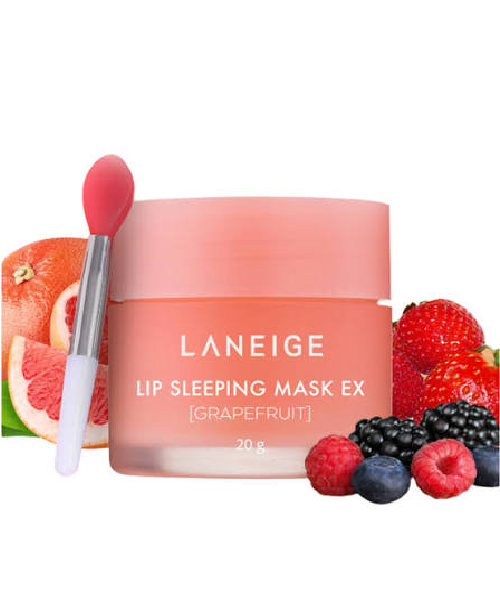
The Laneige Lip Sleeping Mask is the lip treatment that appeared in skincare discussions approximately five years ago and hasn’t left them, for the specific reason that it works in the way overnight lip treatments should work: it repairs lip texture while you’re not using your lips.

Applied before bed, left overnight, the combination of hyaluronic acid, minerals, and antioxidants (specifically the berry mix complex) and the occlusive base that seals moisture in produces lips that feel genuinely different in the morning — softer, smoother, and less in need of immediate reapplication than lips treated with conventional balms.

Applied before bed, left overnight, the combination of hyaluronic acid, minerals, and antioxidants (specifically the berry mix complex) and the occlusive base that seals moisture in produces lips that feel genuinely different in the morning — softer, smoother, and less in need of immediate reapplication than lips treated with conventional balms.

Price: £22-26
Available at: Laneige directly, Cult Beauty, Space NK, ASOS Beauty
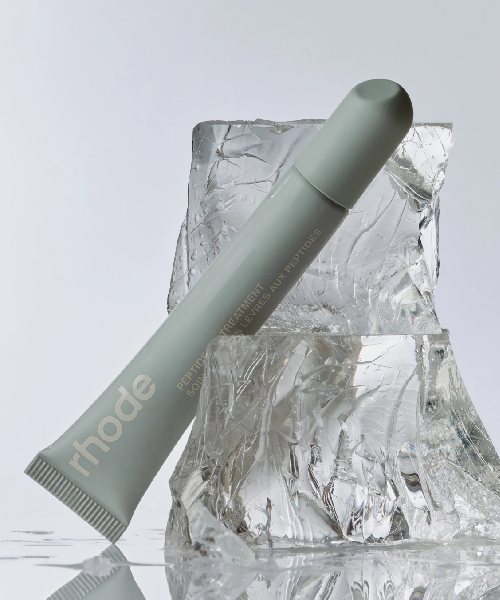
Hailey Bieber’s Rhode brand has produced genuinely impressive products and the Peptide Lip Treatment is the best of them — a sheer lip treatment with peptides that are claimed to improve lip plumpness and texture over time through daily use.

The immediate effect is a comfortable, natural-looking sheen that suits everyday wear. The texture is lighter than most lip balms and doesn’t feel like cosmetics are being applied. The flavours (unscented, vanilla, salted caramel, strawberry) make the application experience pleasant rather than medicated.

The peptide benefit over time is more modest than the product’s popularity suggests — visible plumping from peptide use is gradual and cumulative rather than immediate. What the product delivers consistently is comfortable, well-hydrated lips with a natural finish.

Price: £16-18
Available at: Rhode directly (rhodeskin.com), Sephora (US), Cult Beauty
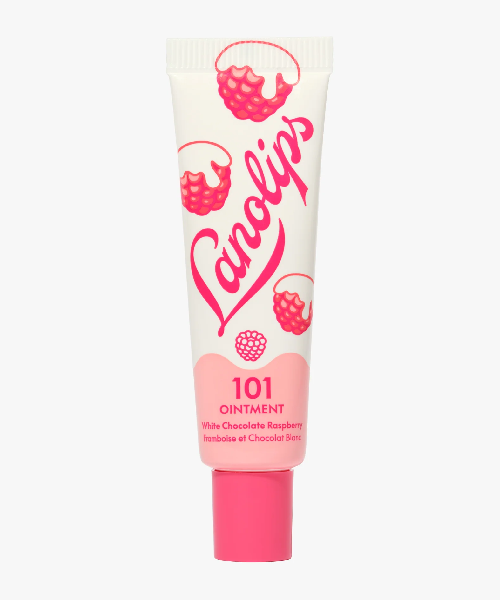
The Lanolip 101 Ointment is the treatment for lips that are beyond routine care — the winter chapping that produces cracking and discomfort, the dry flights, the post-illness recovery. The ultra-pure lanolin base (wool wax purified to pharmaceutical grade) is the most effective emollient available for lip skin — it mimics the lipid structure of human skin closely enough to be absorbed rather than simply sitting on the surface.

Applied heavily at night over the Laneige sleeping mask creates an intensively healing protocol for the worst dry lip situations. Applied alone for maintenance during genuinely harsh conditions, the Lanolip prevents the cracking that conventional balms allow.

Price: £10-14
Available at: Lanolip directly, Boots, ASOS
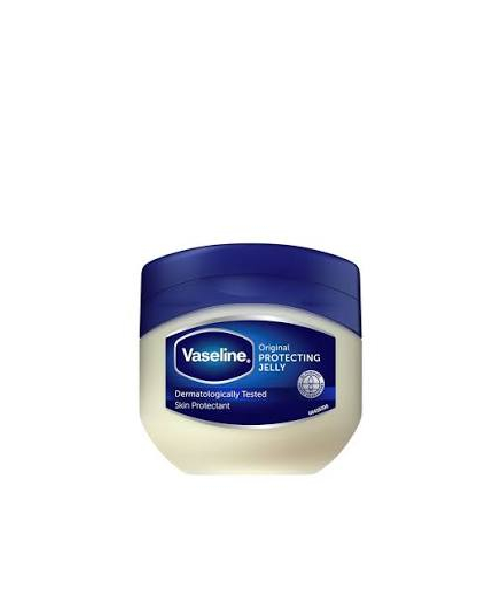
Vaseline is the most effective over-the-counter lip treatment available and costs less than any other product on this list. Pure petrolatum is an occlusive — it seals the lip surface against moisture loss without being absorbed, allowing the lip skin’s natural repair process to proceed without moisture evaporation.

Vaseline is the most effective over-the-counter lip treatment available and costs less than any other product on this list. Pure petrolatum is an occlusive — it seals the lip surface against moisture loss without being absorbed, allowing the lip skin’s natural repair process to proceed without moisture evaporation.

Price: Under £3
Available at: Every pharmacy, supermarket, and convenience store

What Actually Causes The Lip Balm Dependence Cycle

Lip balms containing menthol, camphor, or phenol are the specific formulations that produce the temporary-relief, return-to-dryness cycle. These ingredients provide the cooling sensation that registers as immediate relief while causing mild surface irritation that triggers increased dryness — requiring more application for relief.
Avoiding these ingredients — which means avoiding most flavoured and medicated lip balms — and using occlusive, non-irritating alternatives breaks the cycle within two to three weeks of consistent use.

The Best Niacinamide Serums Worth Buying In 2026 — What I’ve Used And What Works

By Posted on 0 Comments3min read6 views

The Best Niacinamide Serums Worth Buying In 2026 — What I’ve Used And What Works

The Best Niacinamide Serums Worth Buying In 2026 — What I've Used And What Works

Niacinamide is the skincare ingredient I recommend most often to most people because its list of evidence-backed benefits is unusually long and its tolerance profile is unusually gentle. It reduces sebum production, minimises visible pore size, evens skin tone, reduces redness, and provides some anti-ageing benefit through supporting the skin barrier — and it does all of this without the irritation that vitamin C and retinol produce during introduction.

This makes it the sensible second step for a beginner skincare routine and a consistent presence in more advanced routines.

What Concentration You Need

10% is the concentration used in most clinical studies demonstrating niacinamide’s benefits. 5% is effective for gentler introduction or for sensitive skin. Below 5% is present but unlikely to produce significant visible results.

The percentage is almost always stated on the packaging. The Ordinary specifically, and most other reputable brands, list the active percentage clearly.

The Best Niacinamide Serums

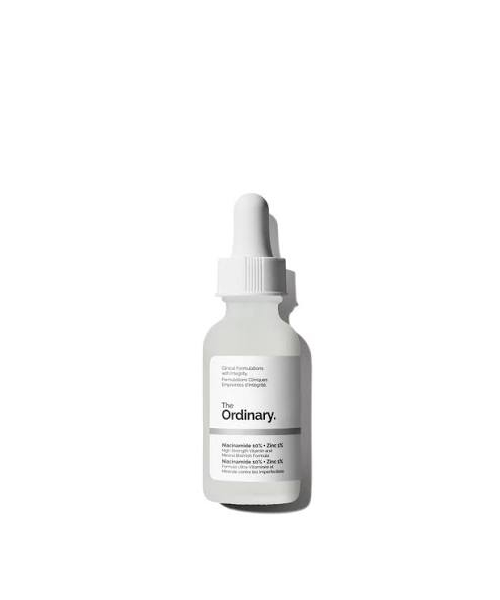
This is the product I’d recommend to anyone who wants to try niacinamide without spending much money to discover whether they respond to it. At £5-8 for a 30ml bottle, the risk of the purchase is genuinely minimal.

The 10% niacinamide produces the sebum-reduction and pore-minimisation benefits that have driven niacinamide’s reputation in skincare communities. The zinc addition specifically targets oil production in a way that makes this formula particularly suitable for oily and combination skin.

The formula is thin and watery. It absorbs quickly and layers under moisturiser and SPF without pilling. It can be used morning or evening.

Price: £5-8
Available at: The Ordinary directly, ASOS Beauty, Boots, Cult Beauty

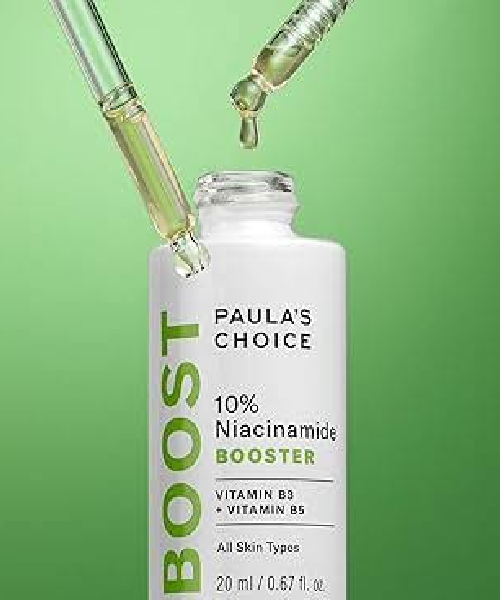
The Paula’s Choice Niacinamide Booster adds hyaluronic acid, vitamin C, and multiple supporting ingredients to the niacinamide base, creating a serum that addresses multiple skin concerns simultaneously. The formulation is more sophisticated than The Ordinary’s single-ingredient approach and produces more complete results for those with multiple concurrent skin concerns.

At £54, the price differential from The Ordinary is significant. The justification is the multi-benefit formula rather than the niacinamide concentration alone.

Price: £54
Available at: Paula’s Choice directly, Space NK

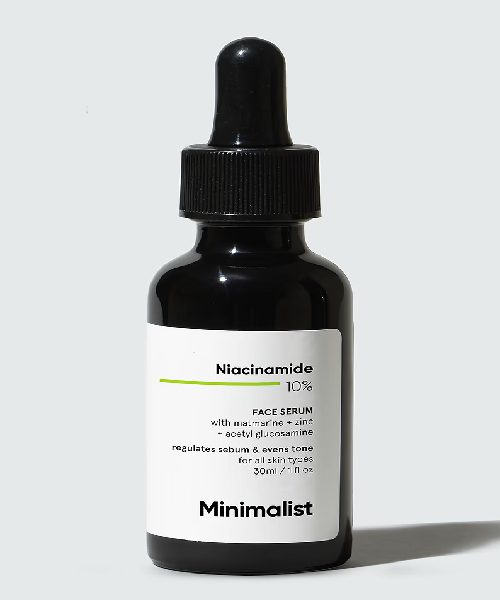
Minimalist is an Indian skincare brand that formulates at similar or identical concentrations to The Ordinary at similar prices. The Niacinamide 10% + Zinc 1% is directly comparable to The Ordinary’s version in formulation and produces comparable results at a similar price point.

For those who prefer to support different brands or who find the Minimalist formulation preferable in texture, it’s a direct alternative.

Price: £7-10
Available at: Minimalist directly (beminimalist.co), Boots

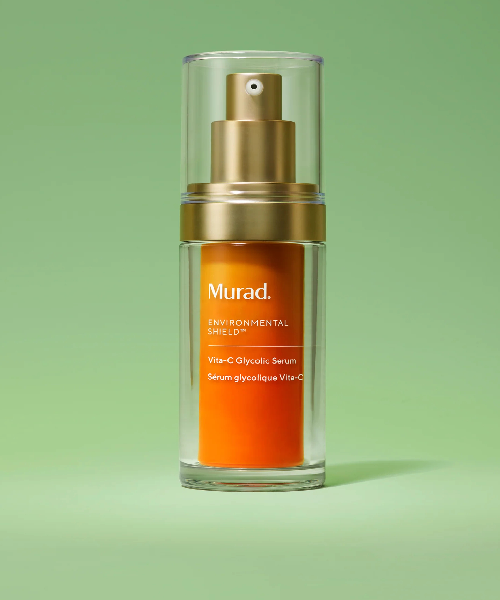
For those who want to spend more on a complete brightening and pore-minimising treatment that includes niacinamide alongside other proven actives, the Murad Vita-C Glycolic Brightening Serum combines vitamin C, glycolic acid, and niacinamide in a formula designed for comprehensive skin tone improvement.

This is not a beginner product — the combination of actives requires established skin tolerance. For those with established routines who want a more aggressive multi-active approach, it’s worth knowing about.

Price: £82
Available at: Murad directly (murad.co.uk), Sephora, Boots

Conclusion

Niacinamide is the skincare ingredient that provides the most benefit per complexity — it does multiple jobs well and is tolerated by most skin types without irritation. The Ordinary at £5-8 is the starting point that removes any financial barrier to trying it. Paula’s Choice provides the more complete multi-benefit formulation for those who want to address multiple concerns in one step. Minimalist is the direct budget alternative for those who prefer it. And Murad serves those ready for a more advanced multi-active approach. Whatever concentration you start with, give it eight weeks of consistent daily use before assessing results — niacinamide produces gradual improvement rather than immediate transformation.

How To Start Using Retinol Without It Ruining Your Skin — The Honest Beginner Guide

By Posted on 0 Comments3min read6 views

How To Start Using Retinol Without It Ruining Your Skin — The Honest Beginner Guide

How To Start Using Retinol Without It Ruining Your Skin — The Honest Beginner Guide

I started using retinol wrong the first time. I bought a product, applied it nightly as the instructions suggested, and had the specific experience of red, flaking, sensitive skin that the retinol introduction guides warn about and that I’d dismissed as applying to people with more sensitive skin than mine.

The flaking and redness lasted ten days. I stopped, let my skin recover, and started again with a more cautious approach that produced the results retinol is supposed to produce without the skin barrier disruption that undermines everything else in a skincare routine.

Why Retinol Causes Irritation And What That Actually Means

Retinol is converted by the skin into retinoic acid, the active form that produces the benefits — accelerated cell turnover, reduced fine lines, improved texture, faded hyperpigmentation. The skin’s ability to tolerate this conversion at the rate retinol produces it depends on how much retinol the skin has been exposed to previously, which for most beginners is none.

The irritation (redness, flaking, sensitivity) is the skin adjusting to a rate of cell turnover it hasn’t previously experienced. Starting at a lower concentration and lower frequency gives the skin time to build this tolerance rather than overwhelming it immediately.

The Protocol That Works

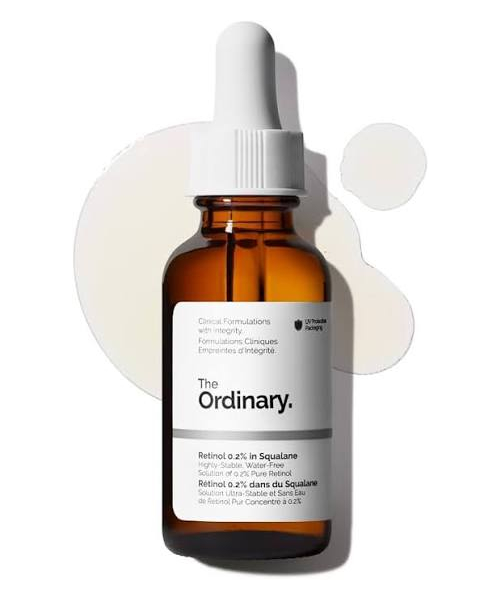
Week 1-2: Once per week, at night only. The Ordinary Retinol 0.2% in Squalane (£7-10) is the starting point — the lowest effective concentration in a hydrating squalane base that reduces irritation.

Week 3-4: If no significant irritation (some mild tingling is normal; redness, flaking, and sensitivity are signals to go slower), increase to twice per week.

Month 2: Increase to every other night if tolerance is established.

Month 3 onwards: Increase toward nightly use at the original concentration before increasing the percentage.

The Specific Products Worth Knowing

The most accessible starting retinol for the price. The 0.2% concentration is the lowest effective concentration and the squalane base provides hydration that reduces the dryness that retinol use can produce.

Price: £7-10
Available at: The Ordinary directly, ASOS Beauty, Boots, Cult Beauty

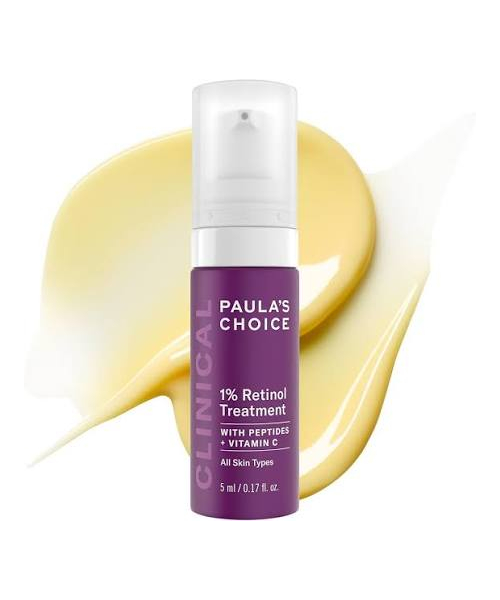
After establishing tolerance at 0.2-0.5% over two to three months, the Paula’s Choice 1% Retinol is the product to progress to. The 1% concentration is at the upper end of over-the-counter retinol and produces more significant results than lower concentrations for established users.

Price: £54-62
Available at: Paula’s Choice directly (paulaschoice.co.uk), Space NK

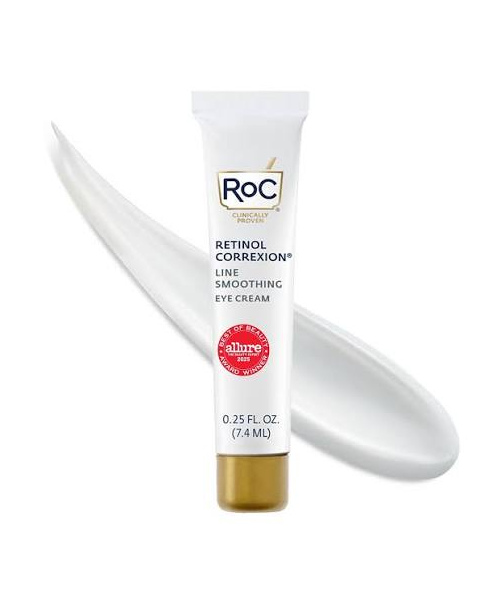
The eye area is thinner and more sensitive than the rest of the face and benefits from a specifically formulated retinol rather than applying face retinol near the eye. The RoC Retinol Correxion is the accessible option with the appropriate concentration for the delicate eye area.

Price: £17-22
Available at: Boots, Superdrug, Target (US)

The Three Rules That Prevent Problems

Always use SPF the morning after retinol application. Retinol increases photosensitivity — UV exposure after retinol application without SPF protection produces the exact damage retinol is trying to reverse.

Moisturise after retinol. The dryness that retinol produces is a barrier function change. Applying a good moisturiser after retinol seals the retinol in and reduces the dryness that produces flaking.

Never combine with other actives at the start. Vitamin C in the morning, retinol at night — not on the same application. AHAs and retinol on the same night — not at the start, when tolerance is being built.

Aesop Skincare Review 2026 — Worth The Price Or Beautiful Packaging?

By Posted on 0 Comments3min read6 views

Aesop Skincare Review 2026 — Worth The Price Or Beautiful Packaging?

Aesop Skincare Review 2026 — Worth The Price Or Beautiful Packaging?

Aesop is the brand that makes people feel good about spending money on skincare before they’ve experienced the products, because the experience of being in an Aesop store, examining the products, and leaving with something in the amber bottle is designed to feel considered and intentional in a way that most beauty retail doesn’t achieve.

Whether the product inside the amber bottle justifies the price is the question I’m actually interested in.

What I've Used And For How Long

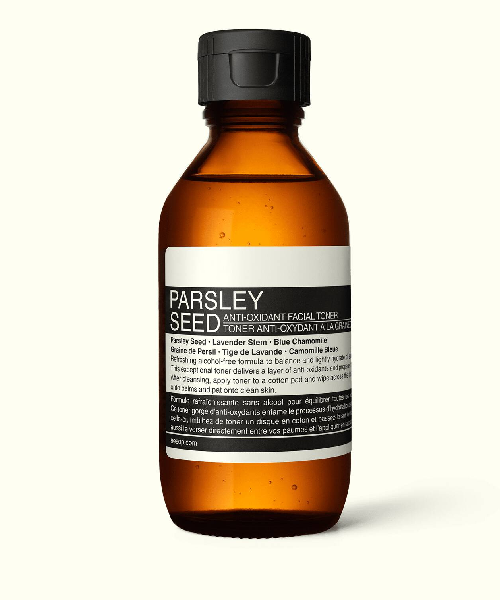
The Resurrection Aromatique Hand Wash for approximately two years. The Parsley Seed Anti-Oxidant Facial Toner for fourteen months. The Camellia Nut Facial Hydrating Cream for eight months. The Geranium Leaf Body Cleanser for six months.

The Products Worth Buying

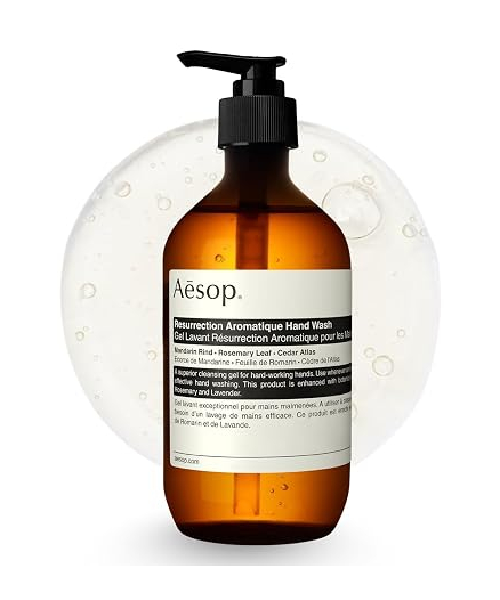
The Resurrection Aromatique Hand Wash is the Aesop product I’d buy without reservation to anyone who asks. The fragrance (mandarin rind, rosemary leaf, cedar atlas) is clean and herbal in a way that smells genuinely fresh rather than soapy, and it’s the fragrance that makes washing hands an experience rather than a task.

The formula uses a gentle surfactant system that doesn’t over-strip the skin — hands washed with this several times per day feel comfortable rather than dry. This is a real functional advantage over cheaper alternatives that strip the skin more aggressively.

Is the fragrance and formula worth the price? Yes, specifically because the hand wash is a product used multiple times daily in a visible, shared space. The experience of using it matters in a way that the experience of using a deep conditioner that’s rinsed out immediately doesn’t.

Price: £16-32 depending on size
Available at: Aesop directly (aesop.com), in Aesop stores

The Parsley Seed Toner is the Aesop facial product I’d most readily recommend. The hydrating toner format — a gentle, non-drying toner applied after cleansing — provides the skin preparation step that makes moisturiser absorb more effectively without the alcohol-heavy formula of traditional toners.

For dry skin specifically, the additional hydration layer between cleansing and moisturising makes a visible difference in how the skin looks and feels throughout the day.

Price: £38-50
Available at: Aesop directly, Selfridges, Net-A-Porter

The Products I'd Consider Alternatives For

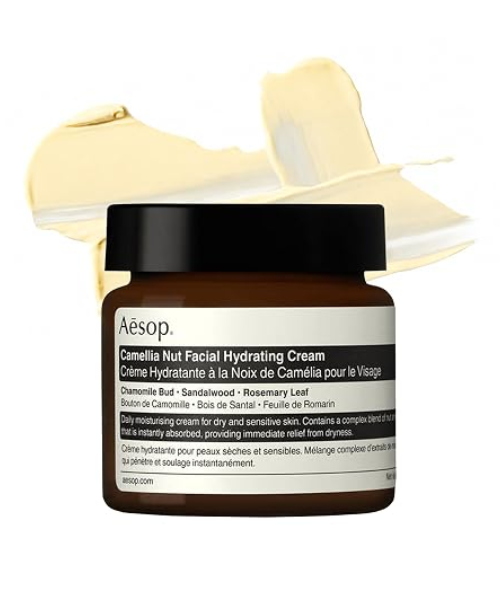
The Camellia Nut Facial Hydrating Cream is a quality moisturiser. It hydrates well, has a pleasant texture, and the fragrance is characteristic Aesop — botanically rooted and non-synthetic.

At £55 for 60ml, it’s competing with the Tatcha Water Cream, the CeraVe PM Facial Moisturising Lotion, and several other moisturisers whose ingredient profiles are more specifically targeted to skin concerns. For those who want an aesthetically considered moisturiser with a botanical fragrance character and are comfortable with the price, it’s a good choice. For those primarily interested in skincare efficacy per pound, there are better-targeted options.

Price: £55
Available at: Aesop directly

The Overall Assessment

Aesop is worth buying for products where the experience of using them is part of the value — the hand wash, the body cleansers, the toners. The brand design, the fragrance, and the considered presentation are genuine added value for products used in visible, shared, or experiential contexts.

For targeted skincare — the products where the active ingredient list and its concentrations matter most — the Aesop premium isn’t always justified by the specific formulation relative to alternatives with more clinically focused ingredient profiles.

Buy the hand wash. Consider the toners. For moisturisers and serums, compare to alternatives at the same price before committing.

Olaplex Review 2026 — Is It Still Worth It? My Honest Take After Years Of Use

By Posted on 0 Comments3min read6 views

Olaplex Review 2026 — Is It Still Worth It? My Honest Take After Years Of Use

Olaplex Review 2026 — Is It Still Worth It? My Honest Take After Years Of Use

Olaplex had a complicated period between 2022 and 2024 that included a class-action lawsuit (since settled), significant social media criticism, and an FDA review of one ingredient (BHMT, subsequently removed from the formulations). If you’re arriving at this review with concerns about that period, I want to address it directly before getting to the product.

The lawsuit was settled without Olaplex admitting wrongdoing. The ingredient of concern (BHMT) has been removed from current formulations. The reformulated products have been independently assessed and no safety concerns have been raised about the current formulations. I’ve continued using Olaplex through this period and have experienced no adverse effects.

What remains is the product question: does it work, and is it worth the price?

My Experience With Olaplex

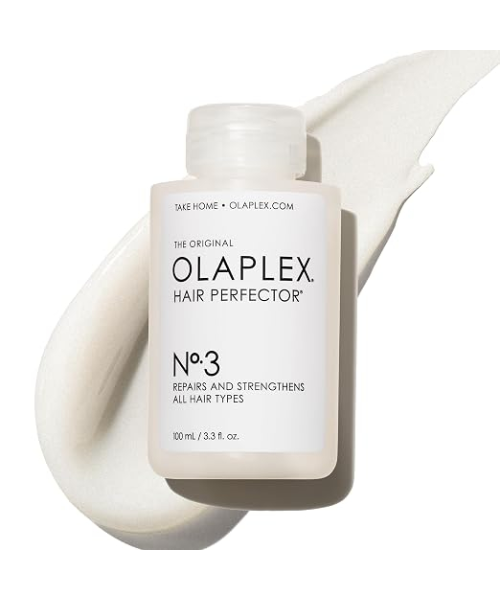
I’ve used Olaplex No. 3 (the at-home treatment) weekly for approximately three years, with occasional use of Nos. 4 and 5 (shampoo and conditioner) and No. 6 (leave-in smoother).

My hair context: naturally wavy, coloured every ten to twelve weeks, moderately heat-styled (a diffuser two to three times per week). The coloured and heat-styled combination produces the specific damage that bond repair treatments are designed to address.

The Olaplex No. 3 is an at-home bond repair treatment — it reconnects the disulfide bonds in the hair’s protein structure that coloring and heat processing break. This is a specific claim with a specific mechanism, and the evidence for this mechanism (bis-aminopropyl diglycol dimaleate, the active Olaplex ingredient) is genuine rather than marketing language.

Applied to clean, damp hair, left for a minimum of ten minutes (I leave it for 45-60 minutes under a shower cap), then washed out as part of normal washing. The difference in hair texture immediately after use and the cumulative improvement in hair strength over weeks and months of consistent use are observable in a way that purely conditioning treatments don’t produce.

The specific thing it does that conditioners don’t: reduces breakage. The hair that would previously snap during styling or brushing is noticeably more resilient with consistent No. 3 use. This is the observable evidence for the bond repair mechanism working rather than simply conditioning the surface.

Price: £28-30
Available at: Olaplex directly (olaplex.com), Space NK, Sephora, Boots

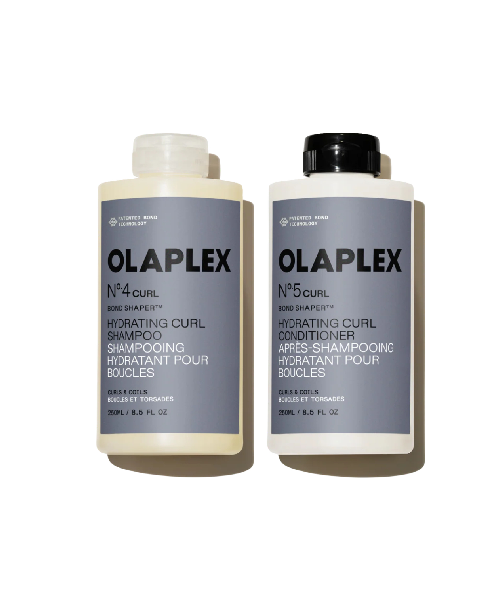
The No. 4 Bond Maintenance Shampoo and No. 5 Conditioner are good haircare products. They’re not as specifically differentiated from other quality shampoos and conditioners as the No. 3 is from other treatments.

For someone committed to the Olaplex system, they’re worth using. For someone who wants the bond repair benefit without switching their entire haircare routine, using the No. 3 treatment weekly alongside a different shampoo and conditioner produces the primary benefit.

Price: £26-28 each
Available at: As above

Olaplex vs K18 — The Current Comparison Question

K18 is the bond repair competitor that emerged during Olaplex’s difficult period and that many people switched to. The two use different mechanisms — Olaplex addresses disulfide bonds, K18’s peptide addresses the broader polypeptide chain — and both have genuine evidence for their approaches.

My experience with K18: the results are faster and more dramatic in the first few uses, and the leave-in format is more convenient than Olaplex’s rinse-out application. The cost per use is higher (K18 is more expensive per application).

For severely damaged hair needing fast results: K18.
For ongoing maintenance and prevention: Olaplex No. 3 is more cost-effective and the cumulative benefit over months is comparable.

Conclusion

Olaplex is still worth buying in 2026. The reformulated products don’t contain the ingredient that prompted safety concerns, the mechanism behind the No. 3’s effectiveness is genuine, and the cumulative benefit of weekly use over months is observable in reduced breakage and improved hair strength. The No. 3 is the specific product worth prioritising. The shampoo and conditioner are good additions but not essential to the benefit.

The Best Skincare Routine For Beginners In 2026 — The Honest Simple Version

By Posted on 0 Comments3min read2 views

The Best Skincare Routine For Beginners In 2026 — The Honest Simple Version

The Best Skincare Routine For Beginners In 2026 — The Honest Simple Version

The skincare industry makes more money from complexity than from simplicity. A twelve-step routine requires twelve products. A four-step routine requires four. The four-step routine, executed consistently, produces better results than the twelve-step routine executed inconsistently — which is what happens to most people who start with an overwhelming routine and gradually abandon the steps that feel like the most effort.

I’m going to describe the routine that actually works for most people most of the time. It’s not the routine that sounds most impressive. It’s the one with the highest compliance rate and the most evidence behind it.

The Four Steps That Actually Matter

Step 1 — Cleanser

A gentle, pH-balanced cleanser that removes what’s on the skin without stripping the moisture barrier. The CeraVe Hydrating Cleanser for dry to normal skin (£12-15) and the La Roche-Posay Toleriane Purifying Foaming Cleanser for oily to combination skin (£16-22) are the two recommendations that most dermatologists would agree on.

Neither of these is exciting. Neither has an impressive list of active ingredients. What they do is clean the skin correctly — removing the day’s pollution, SPF, and skin cell debris without the alkaline stripping that more aggressive cleansers produce.

Step 2 — Moisturiser

The CeraVe Moisturising Cream for dry skin (£12-18) and the Neutrogena Hydro Boost Water Gel for oily to normal skin (£18-22) are the accessible starting points.

The Best Skincare Routine For Beginners In 2026 — The Honest Simple Version

The ceramides in CeraVe are the relevant ingredient — they restore and maintain the skin barrier that cleansing, environment, and the general business of existing gradually deplete. The hyaluronic acid in Neutrogena’s Hydro Boost provides hydration without oil. Both are correct for their skin types in a way that more fashionable products at higher prices often aren’t.

Step 3 — SPF (Morning Only)

Every morning. Without exception. This is the step that produces the most observable long-term improvement in skin quality and appearance and it is consistently the most skipped step in beginner skincare routines.

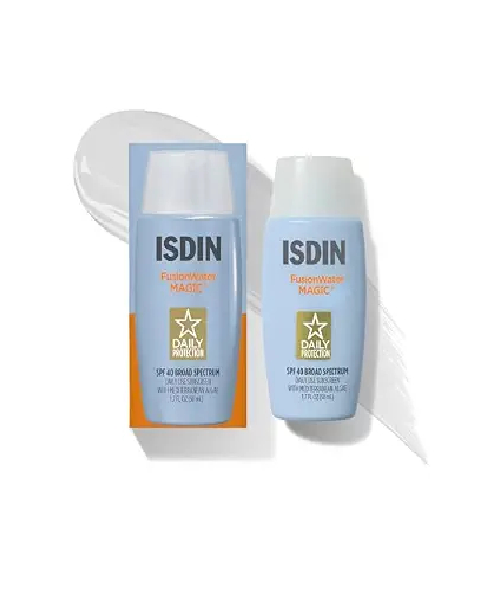
ISDIN Fusion Water SPF50 (£40-46) is the recommendation for the easiest daily application experience. La Roche-Posay Anthelios SPF50+ (£20-28) is the recommendation for sensitive skin. Both are good. Both need to be applied every morning.

The Optional Fourth Step — Targeted Treatment

Once the three-step routine is established and consistent (minimum four weeks), a targeted treatment can be added. For most beginners, this means one of two things: niacinamide for tone evening and pore minimisation, or retinol for longer-term skin renewal.

The Ordinary Niacinamide 10% + Zinc 1% (£5-8) is the accessible starting niacinamide. The Ordinary Retinol 0.2% in Squalane (£7-10) is the accessible starting retinol. Both work. Neither is complicated.

What You Don't Need At The Beginning

Eye cream — a small amount of your regular moisturiser applied gently around the eye area is sufficient for most people until a specific eye concern warrants a targeted product.

The Best Skincare Routine For Beginners In 2026 — The Honest Simple Version

A toner — the primary functions of toner (pH balancing and hydration) are served by a good cleanser and moisturiser. Most toners add a step rather than adding a function.

Multiple serums — pick one targeted ingredient and use it consistently for eight to twelve weeks before assessing results. Adding multiple serums simultaneously makes it impossible to know which is producing any observed effect and increases the likelihood of irritation from ingredient interactions.

The Budget Breakdown

Complete four-step routine at accessible prices:

  • CeraVe Hydrating Cleanser: £12-15
  • CeraVe Moisturising Cream: £12-18
  • ISDIN Fusion Water SPF50: £40-46 (the one worth spending on)
  • The Ordinary Niacinamide: £5-8

Total: approximately £70-87 for a complete, evidence-based routine that produces results.

Conclusion

The skincare routine that produces results is not the most complex one — it’s the one that’s followed consistently with the right ingredients for the right skin concern. Cleanser, moisturiser, SPF, and one targeted treatment: this is the complete routine for most people. Start with this. Use it consistently for three months. Then reassess what, if anything, needs to be added.

Drunk Elephant Review 2026 — Worth The Price Or Overrated? My Honest Take

By Posted on 0 Comments3min read7 views

Drunk Elephant Review 2026 — Worth The Price Or Overrated? My Honest Take

Drunk Elephant Review 2026 — Worth The Price Or Overrated? My Honest Take

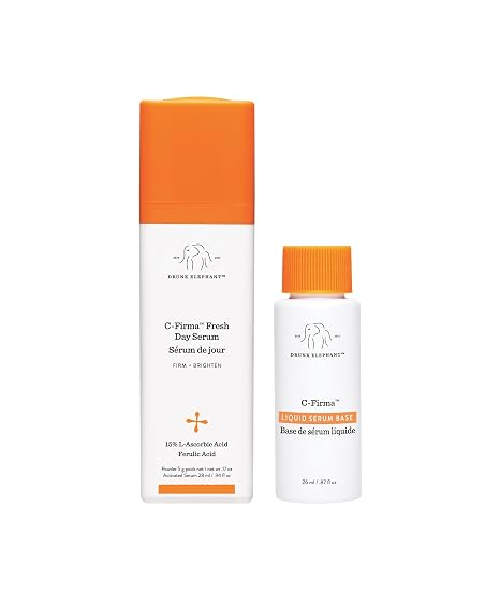
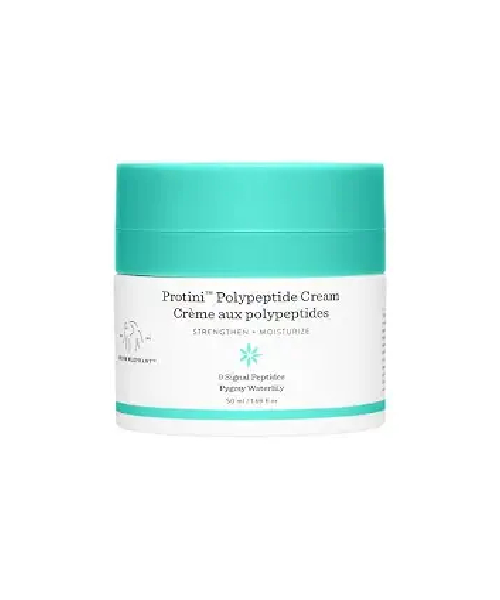
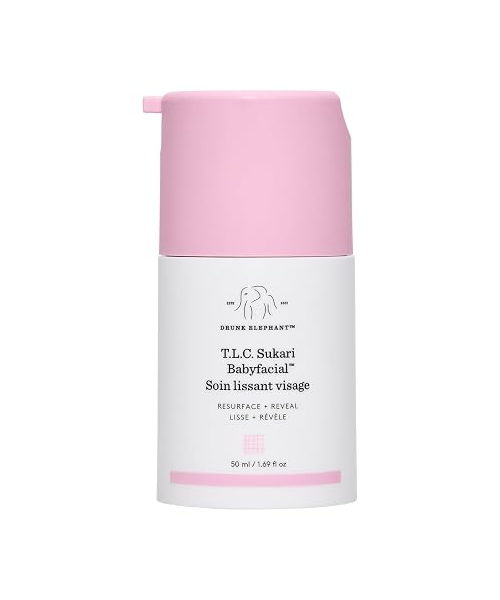
Drunk Elephant is expensive. The C-Firma Fresh Day Serum is £82 for 30ml. The Protini Polypeptide Cream is £62 for 50ml. The T.L.C. Sukari Babyfacial is £78 for a treatment that’s used once a week. These prices require justification rather than the implication that quality automatically follows premium positioning.

I’ve used Drunk Elephant products for approximately fourteen months, having started from a position of genuine skepticism about whether the price was justified. Here is what that experience produced.

The Products And What I Think Of Them

The C-Firma is a vitamin C serum using 15% L-ascorbic acid with ferulic acid and phloretin — the specific combination that the original vitamin C serum research identified as the most effective formulation for stability and efficacy.

The fresh-mixing format is the innovation that addresses vitamin C’s fundamental problem: L-ascorbic acid oxidises rapidly once mixed, which means most vitamin C serums are selling degraded product by the time they reach the consumer. The C-Firma ships with the powder and serum base separated, mixing on first use. The resulting product is potent for the first four to six weeks and then begins to degrade — the orange colour change is visible and tells you when to replace it.

The results over fourteen months of daily morning use: visible improvement in skin tone evenness, progressive fading of post-inflammatory hyperpigmentation from a period of breakouts two years ago, and a luminosity to the skin surface that wasn’t present before beginning vitamin C use. I can’t attribute all of this to the C-Firma alone — other skincare changes happened during the same period — but the correlation is strong enough to keep buying it.

Is it worth £82? The question is whether the fresh-mixing format justifies the premium over cheaper vitamin C serums. My assessment: yes, because the potency at point of use is genuinely different from oxidised serums, and vitamin C that’s still active is categorically more effective than vitamin C that’s partially degraded.

Price: £82
Available at: Drunk Elephant directly (drunkelephant.com), Sephora, Space NK

The Protini is a signal peptide moisturiser — a moisturiser where the peptide content is at concentrations claimed to support collagen synthesis and skin firmness. The texture is medium-weight and absorbs well. The skin feels comfortable after application without any heavy residue.

The honest assessment: I noticed a difference when using the Protini compared to a standard moisturiser without peptides. I am less certain that the difference is attributable to the Protini specifically versus the general improvements in my skincare routine during the same period.

Is it worth £62? Possibly. The alternative for peptide moisturisation at a lower price would be the COSRX Advanced Snail Peptide Cream at approximately £25, which has a different formulation but addresses the same skin concern. Whether the Drunk Elephant’s formulation is sufficiently superior to justify the price difference is a question I’m genuinely uncertain about.

Price: £62
Available at: Drunk Elephant directly, Sephora, Space NK

The Babyfacial is an AHA/BHA exfoliation treatment — 25% AHA and 2% BHA used for twenty minutes once a week. The specific result (skin that looks noticeably smoother and more luminous for three to four days following treatment) is observable in a way that’s less ambiguous than most skincare claims.

At £78 for a 50ml tube that lasts approximately three to four months of weekly use, the per-use cost is manageable at around £5-7 per treatment. The result is sufficiently distinct from regular cleansing and moisturisation that it genuinely earns the separate step.

Price: £78
Available at: Drunk Elephant directly, Sephora, Space NK

The Overall Verdict

Drunk Elephant justifies its price in specific product categories — the C-Firma (fresh-mixing format genuinely matters for vitamin C efficacy) and the Babyfacial (the exfoliation result is visible and consistent). The moisturisers and other products are genuinely good but face more direct competition from lower-priced alternatives that close the quality gap more than they close the gap on vitamin C formulation.

My honest recommendation: buy the C-Firma if daily vitamin C is part of your routine or you want to start one. Buy the Babyfacial if regular exfoliation treatment is a step you’d use consistently. Consider whether the alternative peptide moisturisers at lower prices serve the same need before committing to the Protini.

The Best SPF For Your Face In 2026 — I Tested Several. Here’s What I Actually Wear Every Day

By Posted on 0 Comments4min read5 views

The Best SPF For Your Face In 2026 — I Tested Several. Here’s What I Actually Wear Every Day

The Best SPF For Your Face In 2026 — I Tested Several. Here's What I Actually Wear Every Day

The SPF conversation is one where the honest answer and the popular answer diverge in a way worth addressing directly. The honest answer is: the best sunscreen is the one you’ll actually wear every day. The popular answer is a long list of ingredient requirements and finish preferences that result in a theoretically perfect product many people don’t consistently use.

I’ve been wearing SPF on my face every day for approximately five years. Getting to daily application required going through several SPFs that I didn’t like using — a white cast here, a greasy finish there, a formula that pilled under foundation — before finding products that I forgot I was wearing, which is the sign that an SPF has become part of the routine rather than an obligation on top of it.

The SPFs I've Actually Used Daily

The ISDIN Fusion Water SPF50 is the product I’ve worn most consistently and reached for most automatically. The texture is called “water-like” on the packaging and the description is more accurate than most product descriptions — it absorbs immediately, leaves no residue, and after thirty seconds I genuinely can’t feel it on my face.

No white cast at any skin tone I’ve seen it on (I’ve recommended it to several friends with a range of complexions). It layers under foundation without pilling. It sits over moisturiser without moving. It doesn’t contribute to mid-day shine on normal skin.

After five years of using this SPF, the skin benefits are visible in a way that I’m genuinely uncertain how to attribute specifically to the SPF versus general skincare improvements during the same period. What I can say is that my skin’s evenness and texture have improved over the period during which I’ve been wearing daily SPF, and the dermatological evidence for SPF’s role in this is consistent enough that I don’t feel the attribution is a stretch.

Price: £40-46
Available at: ISDIN directly, Amazon, Space NK

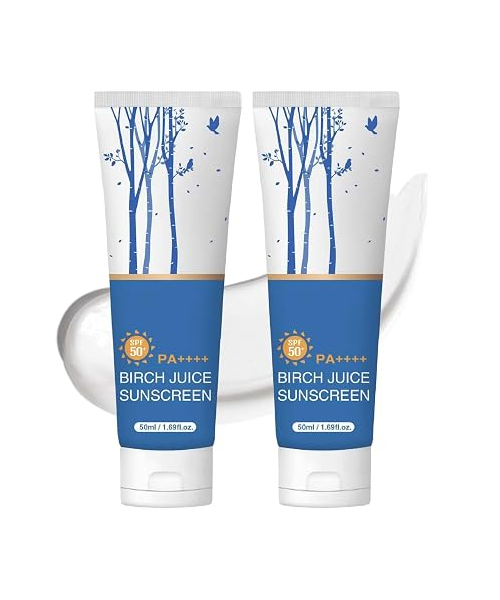
Korean sunscreen formulation has influenced the global SPF market significantly in the past five years, and the Anua Birch Juice Sun Serum represents what Korean SPF does that European and American SPFs often don’t: it feels like skincare rather than medicine.

The serum-weight texture, the birch juice base, and the overall cosmetic elegance of the formula produce an SPF that I’d apply even if the sun protection weren’t the primary motivation. The formula contains additional skin-beneficial ingredients alongside the filters — the hyaluronic acid and birch juice provide genuine hydration that makes the product feel like a step that’s improving the skin rather than just protecting it.

The finish is invisible in a specific way that the ISDIN almost but doesn’t quite match — after application, there is no discernible film or residue, just skin that has had something applied to it without looking like anything was applied to it.

Price: £22-28
Available at: Various Korean skincare retailers online, ASOS Beauty, Space NK

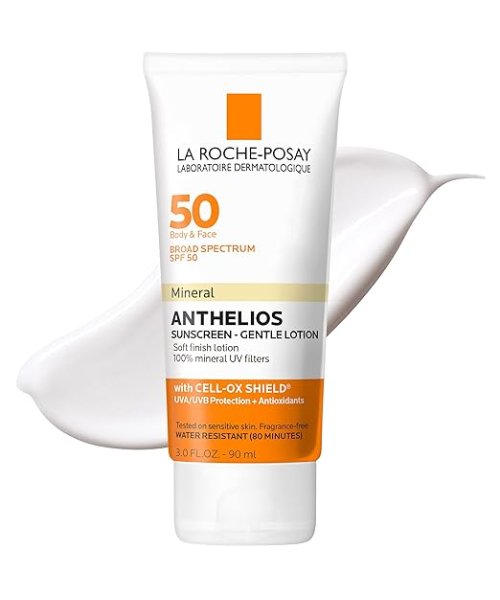
The La Roche-Posay Anthelios range is the SPF that I’d recommend specifically to anyone with reactive or sensitive skin. The formulation has been tested for sensitive skin tolerance and the absence of fragrance and alcohol reduces the irritation risk that many SPFs produce on reactive complexions.

The UV Correct version adds niacinamide to the SPF base, providing the pore-minimising and tone-evening benefits of niacinamide alongside the sun protection. For those who want one product to do multiple things without layering separate products, this is the most coherent combination available.

Price: £20-28
Available at: La Roche-Posay directly, Boots, most pharmacies

Mineral sunscreens (zinc oxide and titanium dioxide) are the safest category from a skin-contact and environmental perspective. They’re also the category most likely to leave a white cast on most skin tones, to feel heavy on the face, and to disrupt makeup application by sitting on rather than absorbing into the skin.

For those who specifically want mineral SPF for ethical or sensitivity reasons, the best available is EltaMD UV Clear SPF46, which uses micronised zinc oxide to minimise the white cast and includes niacinamide for additional skin benefit. It’s not invisible the way the ISDIN or Anua is, but it’s the most cosmetically elegant mineral SPF available.

Price: £35-45
Available at: EltaMD directly, Dermstore

The One Habit That Matters Most

Apply enough. The SPF protection is measured on a 2mg per cm² application — for the face, this is approximately ¼ to ½ teaspoon of product. Most people apply less than half this amount and receive substantially less protection than the stated SPF number. Using enough SPF, even of a less elegant formula, provides more protection than using too little of a perfect formula.

Conclusion

The SPF that works is the one worn every day in sufficient quantity, which means it needs to be a product you genuinely don’t mind applying. ISDIN Fusion Water is my daily standard for the combination of protection and invisible finish. Anua Birch Juice is the Korean alternative that surpasses the ISDIN in cosmetic elegance. La Roche-Posay serves sensitive skin with documented tolerance testing. Whatever you choose, wear it daily and apply enough — consistency and quantity are the two variables that determine whether daily SPF makes the observable difference to skin quality that the evidence says it should.

Kosas Makeup Review 2026 — Is It Worth The Hype? My Honest Assessment

By Posted on 0 Comments3min read5 views

Kosas Makeup Review 2026 — Is It Worth The Hype? My Honest Assessment

Kosas Makeup Review 2026 — Is It Worth The Hype? My Honest Assessment

Kosas positioned itself in the clean beauty space before clean beauty was a mainstream marketing category, and the brand has maintained credibility in a space that now contains many brands with less substantive clean credentials alongside its own. Whether the makeup is good enough to recommend independently of its clean positioning is the question I’m actually answering here.

What I've Used And For How Long

The Kosas Tinted Face Oil for approximately eight months. The DreamBeam Mineral SPF 40 for six months. The Revealer Concealer for four months. The Cloud Set Baked Setting Powder for three months.

The Products I'd Recommend

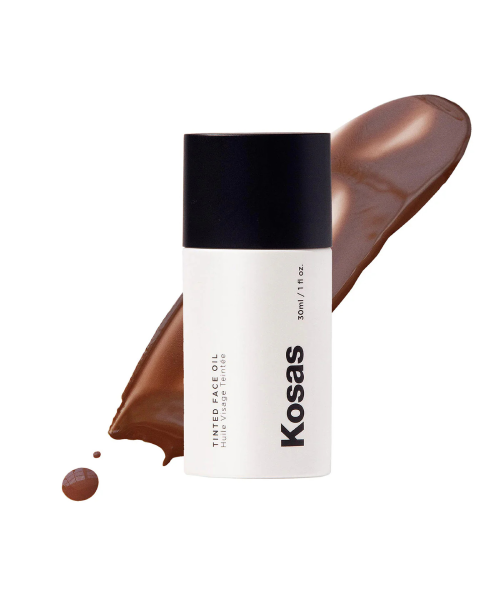
The Kosas Tinted Face Oil is a tinted serum with 10 shades of buildable coverage. I wear it over moisturiser as my daily base — not when I want more coverage, but for the majority of days when I want skin that looks like healthy skin rather than skin that looks covered.

The texture is genuinely serum-like. It absorbs rather than sitting on the skin. The coverage is very light — it evens tone rather than covering anything significantly — and it reads as enhancement rather than application. The result on my skin (normal to dry, slightly uneven tone) is what I’d describe as my face, but a better version of it.

After eight months, I’m on my second bottle. The formula works well with SPF underneath — no pilling or separation. The finish is luminous rather than dewy in a way that suits most skin types without looking oily.

Price: £45-52
Available at: Kosas directly (kosas.com), Space NK, Sephora (US), Cult Beauty

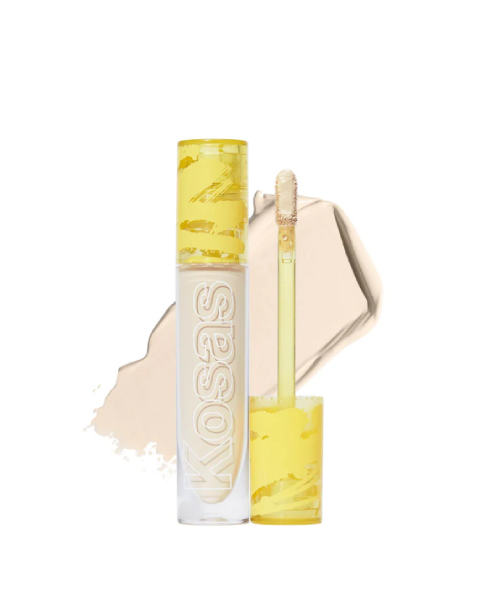
The Revealer Concealer is the under-eye and spot concealer that most consistently delivers the specific result of looking like the area is better rather than looking covered. The formula contains caffeine and hyaluronic acid alongside the pigment, and the brightness it produces under the eye is partly the concealer doing its job and partly the skincare ingredients doing theirs.

The Revealer Concealer is the under-eye and spot concealer that most consistently delivers the specific result of looking like the area is better rather than looking covered. The formula contains caffeine and hyaluronic acid alongside the pigment, and the brightness it produces under the eye is partly the concealer doing its job and partly the skincare ingredients doing theirs.

The Revealer Concealer is the under-eye and spot concealer that most consistently delivers the specific result of looking like the area is better rather than looking covered. The formula contains caffeine and hyaluronic acid alongside the pigment, and the brightness it produces under the eye is partly the concealer doing its job and partly the skincare ingredients doing theirs.

The Product I'd Approach More Carefully

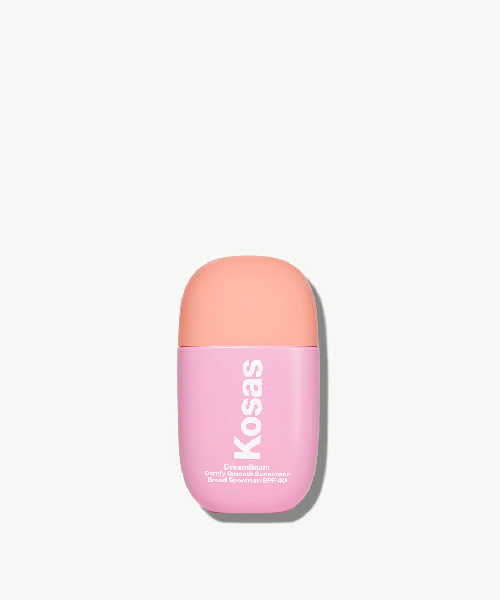
The DreamBeam Mineral SPF is the product I’d recommend with a significant caveat: it’s not appropriate for oily skin. The moisturising base and the luminous finish that make it excellent for dry skin produce a result on oily or combination skin that reads as too shiny by midday.

On dry skin, the DreamBeam is among the best SPF moisturisers I’ve used — it genuinely moisturises, provides genuine SPF protection, and produces a finish that’s appropriate for daily wear without requiring powder on top. On oily skin, look elsewhere.

Price: £45-55
Available at: Kosas directly, Space NK

The Overall Verdict

Kosas is a genuinely good clean beauty brand whose best products (the Tinted Face Oil, the Revealer Concealer) produce results that compete with non-clean alternatives at the same price. The clean formulation is genuine — the ingredients list is genuinely free from the components that most clean beauty certifications target — and the products perform in a way that doesn’t require compromising on performance for cleaner ingredients.

The brand is worth buying from in the specific product categories where their formulation approach suits the result: skin-enhancing base products and skincare-adjacent makeup. For heavy coverage, the clean formulation approach produces limitations that conventional makeup doesn’t have at the same coverage level.

The Ayurveda Experience Review 2026 — Worth the Premium Price?

By Posted on 0 Comments9min read30 views

The Ayurveda Experience has a specific problem that most genuinely good skincare brands eventually run into: the people who love it tend to be patient, consistent, multi-year users, and the people who’re disappointed tend to be looking for the kind of fast, dramatic transformation that traditional Ayurvedic formulations were never designed to deliver in two weeks.

That’s not a dodge. It’s the single most useful thing to understand before you order — and once you do, the rest of the review evidence becomes much easier to interpret correctly.

Quick Highlights

  • ✅ Founded 2010, now serving over 2 million customers across 25+ countries with a substantial multi-year track record
  • ✅ Genuine educational content — Dosha quizzes, webinars, and online courses that go beyond a typical product-only DTC model
  • ✅ Multiple long-term users (3-5+ years) report continued satisfaction and repeat purchasing across face oils, body oils, and hair treatments
  • ✅ Responsive customer service confirmed across multiple independent review platforms, including goodwill exceptions made outside standard policy windows
  • ✅ 30-day return policy with refund or exchange options
  • ✅ No animal testing and genuinely natural ingredient lists
  • ❌ Premium pricing compared to other natural skincare brands offering similar core ingredients
  • ❌ Strong herbal scents (frankincense, vetiver specifically) reported as overpowering by some users
  • ❌ A documented minority of users report skin irritation, breakouts, or allergic-type reactions — patch testing is genuinely advisable
  • ❌ At least one detailed complaint describes a body oil developing a rancid smell that transferred to bedding
  • ❌ Returns can be handled inconsistently — one detailed account describes initial denial of an exchange request before the company made a goodwill exception outside the standard window

Best for: Buyers seeking a gradual, ritual-based natural skincare regimen rather than fast cosmetic correction, particularly those with mature or dry skin types and a tolerance for strong natural herbal scents.

Why Trust This Review

Cross-referenced from Trustpilot’s 800+ verified US/Canada and UK reviews, the brand’s own published customer testimonials, Collected.Reviews’ independent multi-platform analysis, and HonestGuideHub’s detailed product-category breakdown. No commercial relationship with The Ayurveda Experience.

Table of Contents

  • About The Ayurveda Experience
  • The Ayurveda Experience Review: Full Breakdown
  • Best The Ayurveda Experience Products Worth Buying
  • What Customers Actually Think
  • Is The Ayurveda Experience Worth It?
  • TAE vs Mainstream Natural Skincare
  • Where to Buy
  • FAQs
  • Final Verdict

About The Ayurveda Experience

The Ayurveda Experience (often abbreviated TAE) was founded in 2010 by Rishabh Chopra, initially in Singapore, with a specific mission: bring traditional Ayurvedic skincare and wellness practices into ready-to-use, pre-formulated products rather than requiring customers to mix oils and pastes themselves. The brand now operates as Transformative Learning Pte. Ltd. and has grown to serve over 2 million customers across more than 25 countries.

The product catalog spans multiple sub-brands and lines — including the Modernica Naturalis range (modern takes on traditional Ayurvedic formulas), face oils, body oils, hair treatments, and eye care — alongside genuine educational offerings: Dosha quizzes, personalized consultations, webinars, and online courses aimed at making Ayurveda’s traditionally complex framework approachable for newcomers.

The Ayurveda Experience Review: Full Breakdown

The Core Product Philosophy — Set the Right Expectation First

HonestGuideHub’s detailed independent assessment frames this precisely and usefully: TAE represents “a unique segment of the market — holistic, slow-working skincare, influenced by Ayurveda practices,” and “the problem with this particular brand lies in misaligned expectations, rather than the product failing itself.” Their specific conclusion: “it’s a comfortable skincare regimen, not a corrective one.”

This single distinction explains the large majority of the divergence between glowing long-term reviews and disappointed short-term ones. The brand itself addresses this directly in a customer service response: “Our products are natural and based on Ayurveda, which is not a quick fix, and it is best to use them consistently over a prolonged period. Consistency is the key!”

Real Results — What Long-Term Users Actually Report

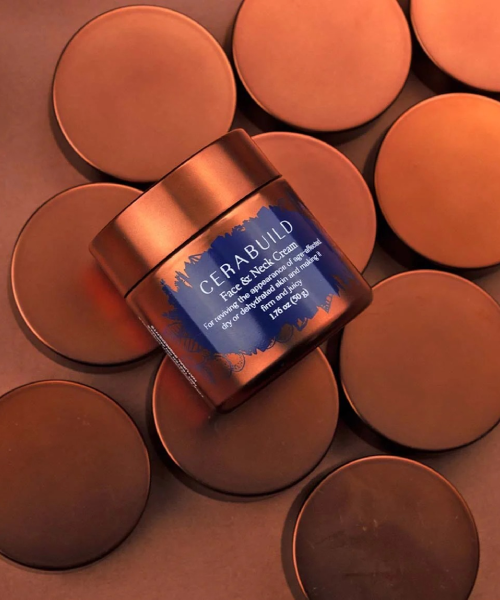
The evidence for genuine efficacy with consistent use is substantial and specific. A 70-year-old long-term user reports five-plus years of use specifically helping acne and reducing “the appearance of wrinkles” after switching from harsher chemical-based products that worsened her skin. Another long-term user — three years and counting — describes building her entire face and body care routine around the line. A separate detailed UK review describes a 70-80% reduction in wrinkles using the Cerabuild moisturizer specifically, with the buyer noting it outperformed “far more expensive products” used for years prior.

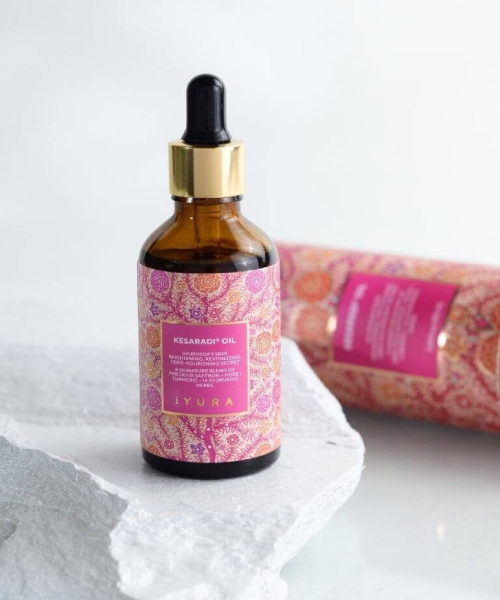
The Kesaradi Face Oil (saffron, rose, turmeric) receives specific, repeated praise for brightening and hydrating without greasiness — “was hesitant at first, but the Kesaradi oil actually made my dull skin brighter within two weeks” is a representative independent account.

The Counter-Evidence — Where the Brand Genuinely Falls Short

This deserves equally direct treatment. Collected.Reviews’ independent multi-platform analysis specifically documents: a body oil that “developed a rancid smell” which then “transferred to bedding,” a neck mask that “caused immediate itching and redness after use,” and a returns process handled poorly in at least one specific instance.

A separate Trustpilot account from a long-term customer describes results that didn’t meet expectations despite the products feeling “moisturizing and pleasant to use” — the company’s response specifically and reasonably acknowledges that “skincare results can vary greatly from person to person” while standing by the product quality.

The fragrance issue is consistent and specific enough to flag directly: certain products using frankincense or vetiver are reported by multiple independent sources as “overpowering” for fragrance-sensitive users. If you’re sensitive to strong herbal scents, sample a smaller size before committing to a full-size bottle.

Customer Service — Generally Responsive, With One Specific Documented Exception

The pattern across most reviews is genuinely positive — “their customer service and fast shipping is certainly awesome,” and “I’ve found their customer service to be easy to reach and responsive” both appear as independent, unprompted observations. One detailed Trustpilot exchange shows the company specifically making a goodwill exception to its standard exchange eligibility window for a customer whose original order fell outside the policy — a meaningful example of flexibility rather than rigid policy enforcement.

The exception worth noting: Collected.Reviews documents “one unresolved returns complaint” where a customer describes the company handling a staining/transfer issue poorly — a reminder that, as with most DTC brands at scale, customer service consistency isn’t universal even when the median experience is good.

Best The Ayurveda Experience Products Worth Buying

Best for: Buyers wanting visible brightening and hydration from a lightweight, fast-absorbing facial oil with a luxurious, warm scent profile.

Top Features:

  • Saffron, rose, and turmeric blend specifically formulated to brighten and even skin tone
  • Absorbs without greasy residue per multiple independent reviewers, including those with naturally oily skin
  • The most frequently cited “noticeable difference within two weeks” product in the catalog — faster-acting than the brand’s average

One Honest Drawback: Premium pricing relative to comparable oil-based facial products from other natural skincare brands.

Verdict: The strongest entry point for first-time TAE buyers based on the volume and specificity of independent positive reviews.

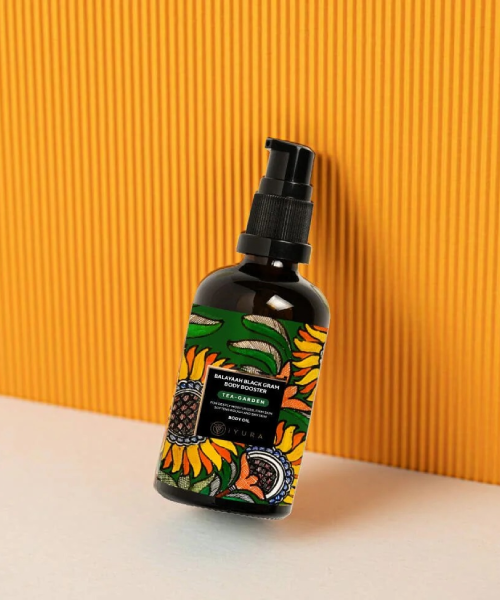
Best for: Severely dry, itchy, or cracking skin where standard lotions haven’t provided lasting relief.

Top Features:

  • Based on urad dal (black gram), a traditional Ayurvedic ingredient specifically chosen for nourishing dry skin
  • One detailed long-term user describes transitioning from needing a separate lotion layer to using the Booster alone as her skin improved
  • Multiple repeat-purchase accounts spanning months of continued use

One Honest Drawback: As a body oil rather than a lotion, the application texture and absorption time differs from what some buyers expect — allow it time to fully absorb before dressing.

Verdict: A genuinely strong option specifically for chronic dry skin concerns, with consistent praise across long-term users.

Best for: Mature skin specifically targeting fine lines, neck firmness, and overall skin texture improvement.

Top Features:

  • One detailed UK review reports a 70-80% reduction in wrinkles with consistent use, specifically outperforming “far more expensive products”
  • Rich, creamy texture described as luxurious without feeling heavy
  • Budget-friendly positioning within TAE’s own catalog relative to some other lines, per the brand’s stated goal for this specific product

One Honest Drawback: As with all TAE products, meaningful results require consistent multi-week use rather than immediate transformation.

Verdict: One of the most specifically and enthusiastically praised individual products across the available independent review set.

Best for: Fine lines and brightness around the eye area, particularly for buyers who’ve tried more expensive eye creams without satisfaction.

Top Features:

  • One detailed reviewer specifically compares it favorably against a $175 eye cream that disappointed her
  • Cruelty-free, all-natural formulation with no animal testing
  • Silky texture without the irritation some other eye creams cause, per multiple accounts

One Honest Drawback: Like the rest of the line, the “no miracles in bottles” caveat applies — one detailed reviewer specifically notes it didn’t eliminate the need for concealer despite genuine improvement.

Verdict: A reasonable, lower-cost entry point to the brand for buyers specifically targeting the eye area.

What Customers Actually Think

Real accounts paraphrased:

  • “I’ve been using these oil products for 5+ years. My face is prone to acne and wearing a face mask just made it worse. Using a regime from Ayurveda has been miraculous, and made a huge difference on the appearance of my wrinkles.”
  • “It turned out the oil was rubbing off on my sheets and becoming rancid.”
  • “I love this company, their products are outstanding, much better than the far more expensive products I’ve used for years. The Cerabuild moisturiser is rich, creamy, luxurious and I’ve experienced a 70-80% reduction in my wrinkles.”
  • “The eye cream did nothing new for me. Still had to use concealer. There are no miracles in bottles. I think The Ayurveda Experience will do best sticking to honest marketing.”
  • “I have been using The Ayurveda Experience for over 3 years, and I keep coming back for beloved products, and new ones that I am sure to love!”
  • “Neck mask caused immediate itching and redness after use.”

Is The Ayurveda Experience Worth It?

For buyers willing to commit to consistent, multi-week use as part of a genuine skincare ritual: yes, based on the weight of long-term, specific, repeatable positive evidence — particularly for brightening, hydration, and mature-skin concerns.

For buyers expecting fast, dramatic correction comparable to active-ingredient Western skincare (retinoids, strong acids): this is the wrong category of product entirely, and the brand’s own customer service responses are honest about that mismatch.

For fragrance-sensitive skin or skin prone to reactions: patch test, and consider sample sizes before committing to full-size bottles given the documented minority irritation reports.

TAE vs Mainstream Natural Skincare


The Ayurveda Experience

Mainstream Natural Skincare (e.g. Drunk Elephant, Tatcha)

Ingredient philosophy

✅ Traditional Ayurvedic formulations

Modern “clean beauty” formulations

Speed of visible results

Gradual, multi-week

Often faster, more dramatic

Educational content

✅ Genuinely extensive (courses, quizzes)

Limited

Price

Premium

Premium

Scent profile

Strong herbal (some find overpowering)

Often milder/more neutral

Best for

Ritual-based, patient skincare routines

Quicker visible transformation

Where to Buy

theayurvedaexperience.com (US/Canada) and theayurvedaexperience.co.uk — full catalog with regional sites for international customers. 30-day return policy. Customer care available Monday-Friday, 8am-8pm EST via email and phone.

FAQs

Does The Ayurveda Experience actually work?

For gradual, ritual-based skincare improvement with consistent multi-week use: yes, based on extensive long-term user evidence. For fast, corrective transformation: this isn’t the right product category — set expectations accordingly.

Is The Ayurveda Experience good for sensitive skin?

Mostly, but a documented minority of users report irritation, breakouts, or itching — particularly with stronger-scented products. Patch test before full-face application.

What is TAE's return policy?

30 days for refund or exchange, generally honored consistently, with at least one documented case of the company making a goodwill exception outside the standard window.

Why do some Ayurveda Experience products smell strong?

Certain formulations use frankincense, vetiver, or other traditional Ayurvedic herbs with naturally potent scent profiles. If you’re fragrance-sensitive, sample before buying full-size.

Final Verdict

The Ayurveda Experience delivers genuinely on its specific promise: a natural, ritual-based skincare approach rooted in traditional Ayurvedic formulations, with substantial long-term user evidence supporting real improvement in skin brightness, hydration, and fine lines for patient, consistent users. The brand’s own honest acknowledgment that results vary and require time is a refreshing departure from the instant-transformation language most skincare marketing uses.

The documented minority of irritation and quality-consistency complaints are real and worth knowing, particularly around fragrance sensitivity. Buy with the right expectation — comfortable, gradual skincare, not a corrective miracle — and the evidence suggests you’re likely to land among the satisfied long-term users rather than the disappointed quick-results seekers.

Overall Rating: 7.9 / 10

Category

Score

Ingredient Quality

8.5 / 10

Long-Term Efficacy

8.5 / 10

Educational Content

9 / 10

Scent/Sensitivity Tolerance

6.5 / 10

Customer Service

7.5 / 10

Value for Money

7 / 10

Overall

7.9 / 10