House On The Crescent

You are viewing Kids

Yoto review: Is It a Smart Long-Term Buy for Kids?

Yoto review: Is It a Smart Long-Term Buy for Kids?

Yoto_Play_Featured_Image

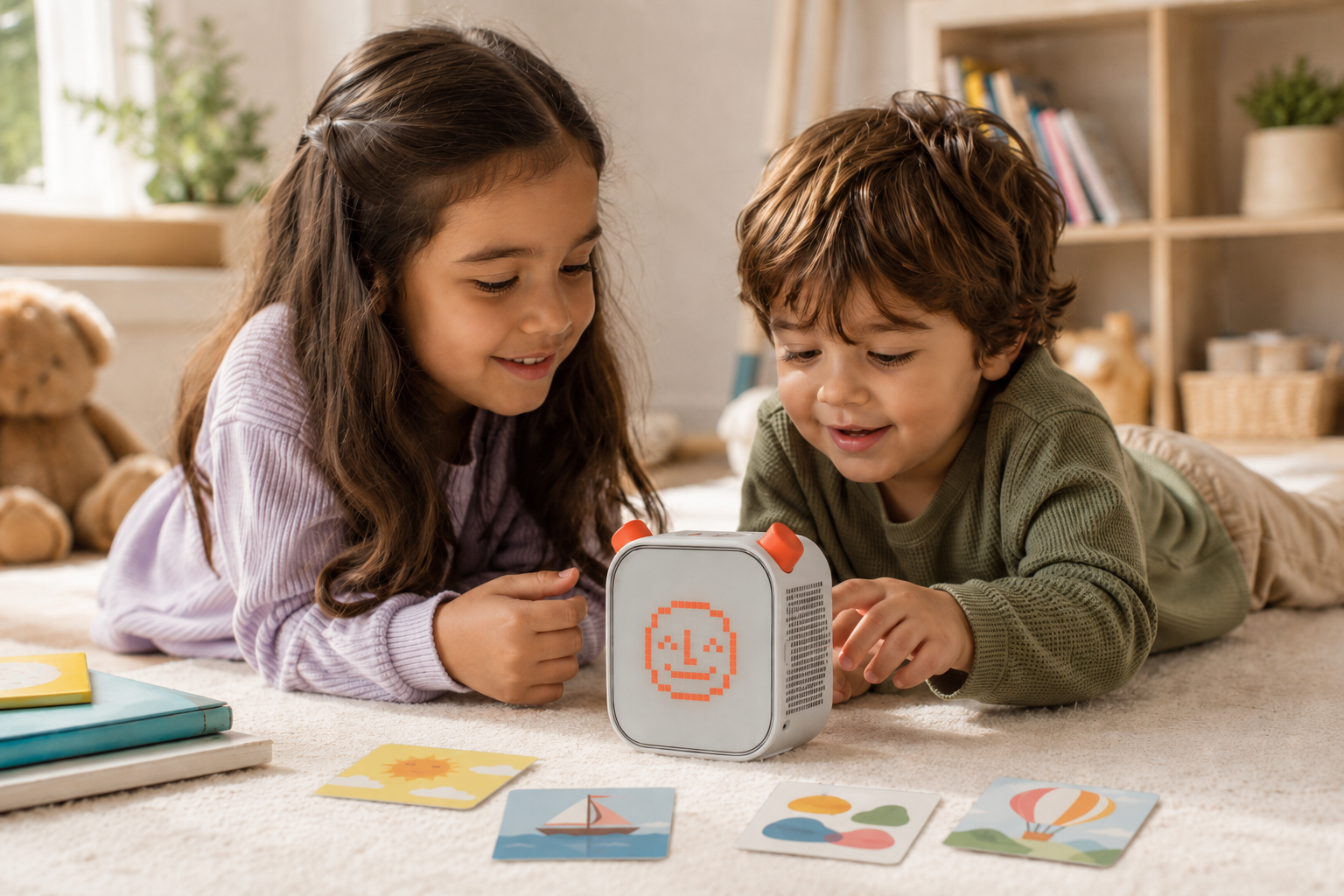
Most parents first look at Yoto because they want less screen time. The more useful question, though, is whether Yoto actually holds up as an everyday system once the novelty wears off. That is what this Yoto review focuses on: not just the player itself, but the bigger ecosystem around cards, bundles, accessories, and repeat use.

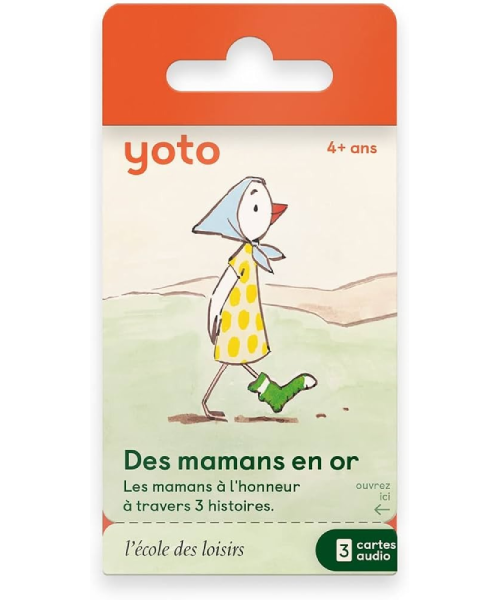
Yoto’s real pitch is not “one cute gadget.” It is a screen-free listening platform children can grow into. The company positions the Yoto Player and Yoto Mini as ad-free, kid-controlled devices with stories, music, sleep sounds, podcasts, radio, and custom content, while the card library stretches from preschool material to older-kid favorites.

This version of the review keeps the same structure as before, but takes a different angle. Instead of centering the plain hardware picks again, I’m focusing more on how Yoto works as a complete system and highlighting a different product mix from the official site: bundles, accessories, and standout cards that show how families actually use it day to day.

Highlights:

    • Yoto makes the most sense as a reusable listening system, not a one-time toy purchase
    • The best value often comes from bundles, not from buying the player alone
    • Yoto Mini is still the strongest option for families who travel often
    • The bigger Yoto Player remains the better fit for bedrooms and quiet-time routines
    • Accessories are more useful than they first seem, especially for families with younger kids
    • Cards and packs are where the long-term cost really shows up
    • Best for families who expect daily listening, bedtime use, and repeat play
    • Less ideal for households that want a cheap starter toy with no ongoing spend
    • A key plus is the ad-free design with no camera and no microphone
    • A key caution is that older 2021–2023 Yoto Mini units are still covered by an active battery replacement program, so resale buyers need to be careful

Why You Should Trust Us?

For this Yoto review, I weighed the product the way a careful parent would: how easy it is for kids to use alone, how much value the bundles add, how durable the ecosystem looks in real family life, how expensive the library becomes over time, and how clear Yoto is about guarantees, returns, and safety updates. Because Yoto is an ecosystem brand, not a single device brand, the ownership experience matters just as much as the hardware.

About Yoto

Yoto says it was started by Ben and Filip, two dads with music-industry backgrounds who wanted something that encouraged independent play without leaning on screens. The brand links that mission to Montessori thinking and to the broader idea of putting children in control of their listening rather than making parents operate everything for them.

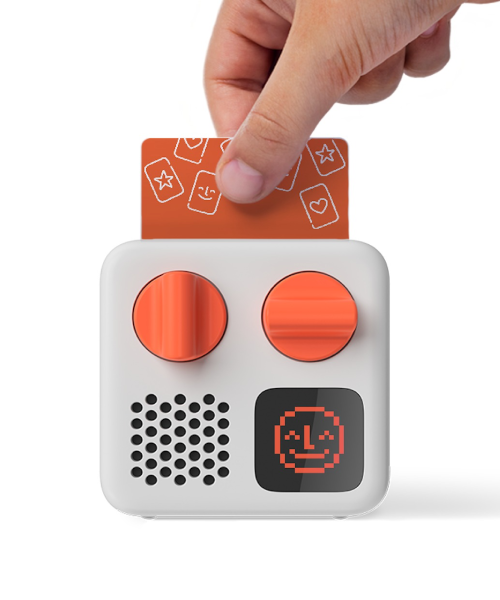
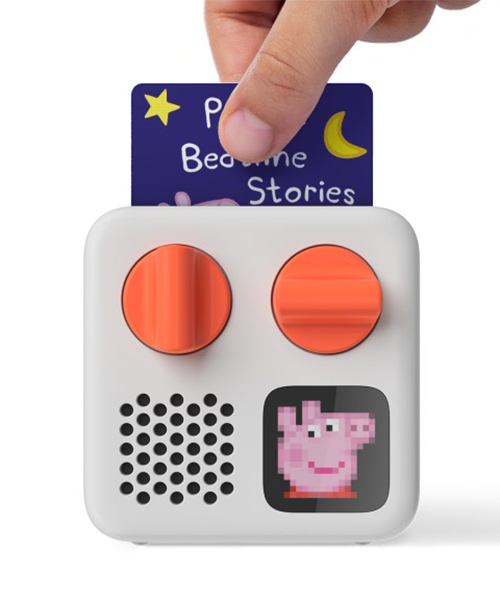
What Yoto is known for is the combination of physical cards and simple hardware. Instead of asking kids to browse an app or use voice commands, the platform is built around inserting a card, pressing buttons, and turning dials. That sounds small, but it is a big part of why Yoto feels more intentional than just handing a child a phone with audio apps on it.

The best fit is a family that wants listening to become part of daily life: wake-up time, independent play, quiet time, car rides, bedtime, and travel. It is much less convincing for shoppers who want a single low-cost toy and do not plan to build out a library or use the player often.

Quality & Build / Materials

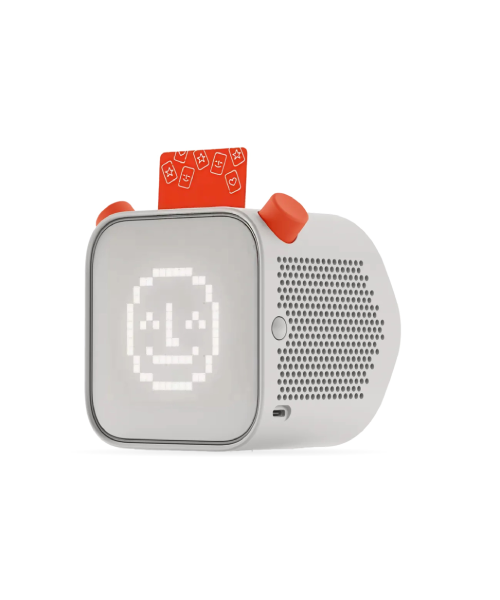
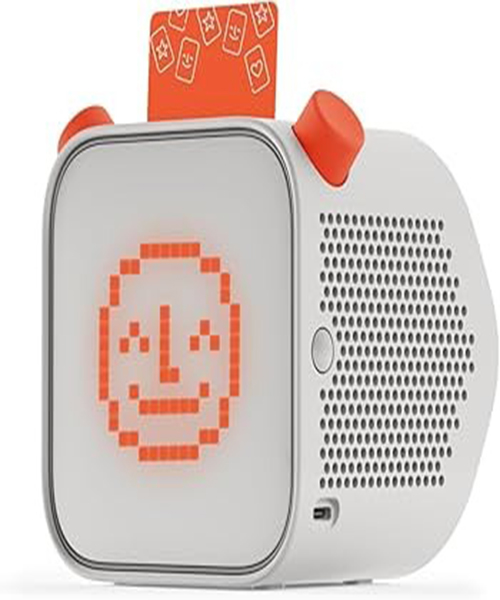
What stands out most about Yoto’s hardware is that it feels built around routine rather than spectacle. The Yoto Player emphasizes home use with stereo sound, a night light, room temperature monitoring, and up to 24 hours of playback. The Yoto Mini is more compact and leans into portability with a smaller frame, up to 14 hours of playback, headphone support, and offline listening from stored content. Both devices are explicitly marketed as ad-free and free of microphones and cameras.

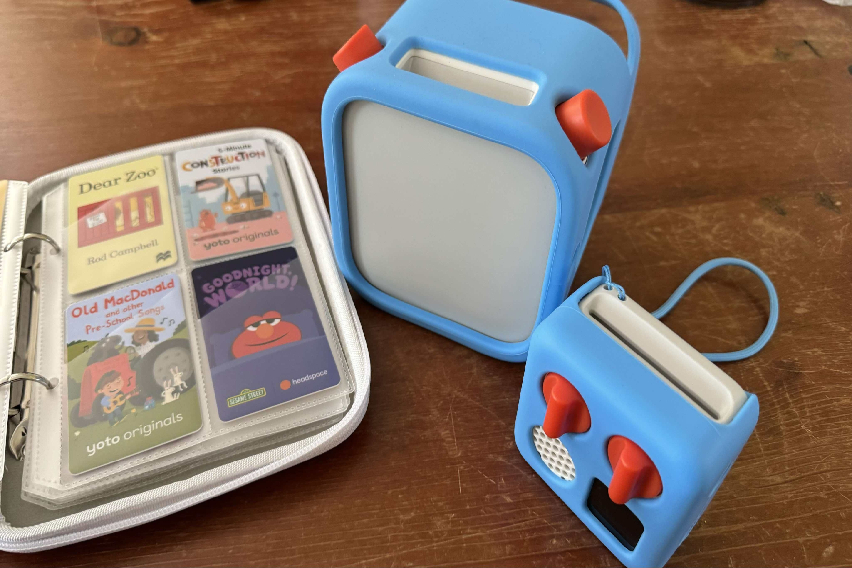
The accessory lineup also makes the overall system feel better thought through. Yoto sells protective jackets, travel cases, wired and wireless headphones, and full bundles that combine those add-ons with the players. That matters because these devices are clearly meant to live in bedrooms, cars, backpacks, and kids’ hands rather than sit untouched on a shelf.

Key Features:

The headline features are not just the players themselves. Yoto’s wider value comes from the way the pieces connect:

    • Physical card-based listening children can manage on their own
    • Free built-in audio, including sleep sounds and other app-linked listening
    • Bluetooth support on current players
    • Offline storage for downloaded content
    • Ok-to-wake clock features on both players
    • A larger bedroom-friendly feature set on Yoto Player
    • A more travel-oriented setup on Yoto Mini
    • Club discounts and credits for families buying cards regularly

The thing that changes the value equation most is that Yoto is not only selling audio cards. It is also selling convenience. Once content is loaded, kids can keep using it without hovering adults, and that independence is a bigger selling point than any single spec line.

Performance / Real-World Use

Yoto performs best when it becomes a habit. Families who use it for ten minutes here and there may not feel the full benefit. Families who use it at bedtime, in the car, on weekends, during quiet time, and for repeat-favorite listening are much more likely to feel like the system earns its place. That is why the bundles make sense: they are selling use cases, not just hardware.

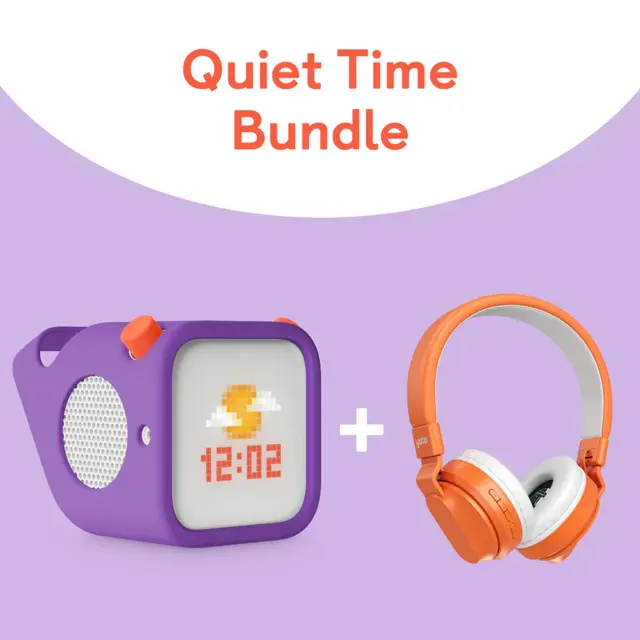
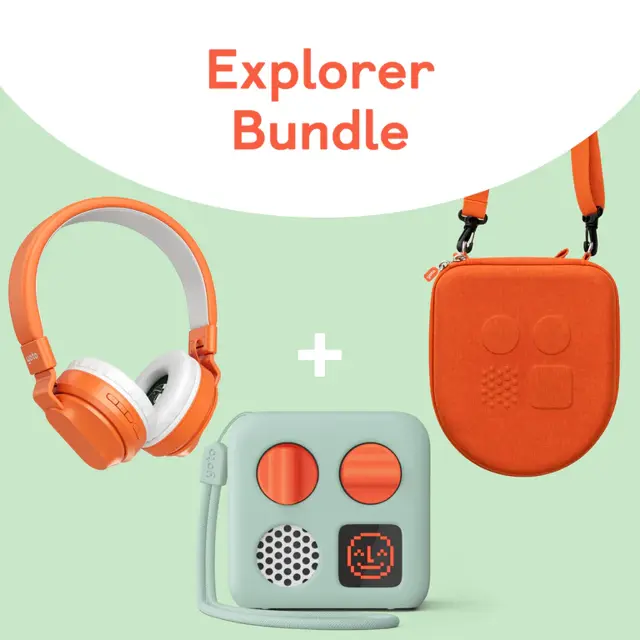
The Yoto Player Quiet Time Bundle is a good example. It packages the player with features that support winding down, including sleep sounds, a night-light clock, stereo sound, and a protective jacket, then adds headphones to make the system more flexible. The Mini Explorer Bundle pushes in the opposite direction: portable listening, a smaller player, wireless headphones, protective casing, and a travel case that can hold up to 30 cards.

Ease of Use

Yoto is easiest for children once they have a few favorite cards they already know. The card system lowers the barrier dramatically because children are not searching menus or relying on reading ability. That makes the device feel less like “kids’ tech” and more like a physical media object scaled for young listeners.

Parents still need the app for setup, controls, and account management, but the core listening flow stays child-friendly. That split is smart. Adults handle the background setup; kids handle the fun part. It is a much cleaner model than products that claim independence for kids but still force constant adult app management.

Maintenance / Care

Yoto’s ownership story is fairly strong, but not perfect. The general product guarantee covers most Yoto products for 24 months, while memory storage issues are covered for 48 months. That is a respectable warranty setup for a product aimed at children.

Returns are less neatly explained. Yoto’s delivery-and-returns page says players, cards, packs, and Yoto-supplied accessories bought from the site can be returned within 60 days of purchase, but the legal refund policy language is more procedural and less shopper-friendly in tone. So the bottom line is decent, but the policy presentation is not especially elegant.

The one issue buyers really should know is the Yoto Mini battery program. Yoto says Minis made between 2021 and 2023 are eligible for a free Battery Replacement Kit because of overheating risk tied to the older battery. The 2024 edition is presented as using a new battery and not requiring the older Smart Cable workaround. That does not make the current Mini a bad buy, but it absolutely matters for secondhand shopping.

What I Like

  • The system feels designed around independence rather than distraction
  • Bundles make the ecosystem easier to understand for first-time buyers
  • The larger player is genuinely useful for bedtime and room routines
  • The Mini bundle is one of the better travel-focused kids’ audio setups available
  • Wireless and wired headphone options make the platform easier to live with in shared spaces
  • Yoto Club can reduce the sting of long-term content buying if you know you will stay in the ecosystem

What I Don’t Like

  • The library cost builds slowly but noticeably over time
  • The return and refund language is more confusing than it should be
  • Buying secondhand takes more homework because of the older Mini battery issue
  • Some families will realize they love the hardware before realizing how much they may spend on cards afterward

Price & Value

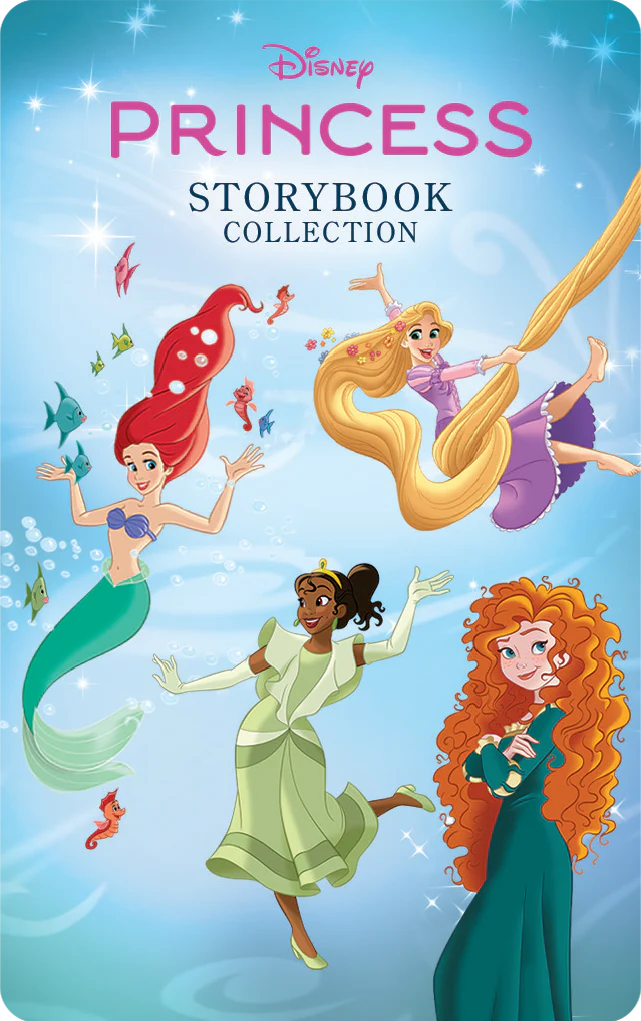
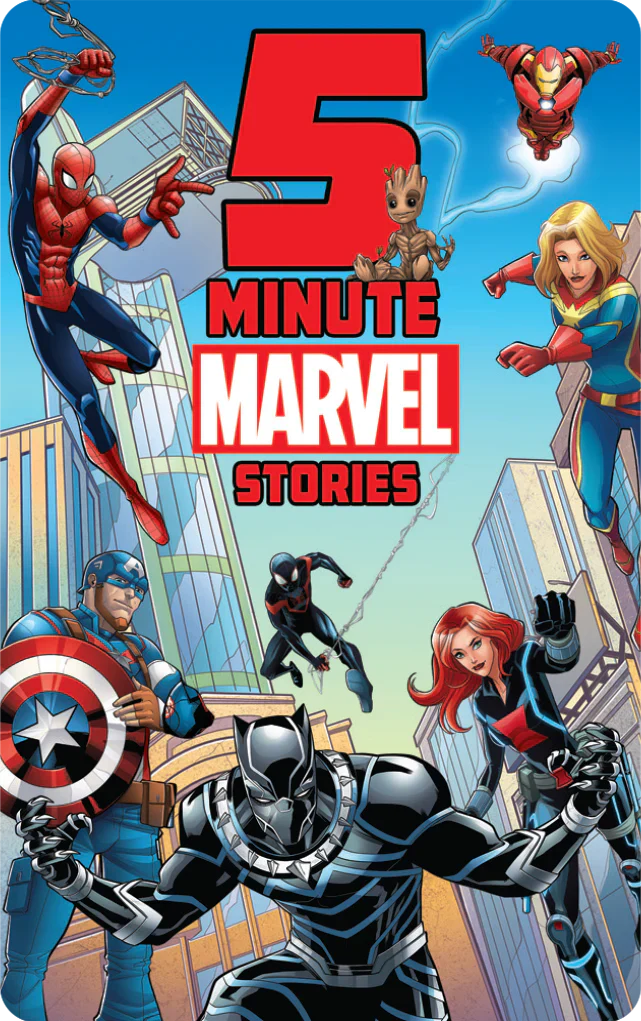
The strongest value on Yoto’s site right now is often in its bundles. The Yoto Player Quiet Time Bundle is listed at $166.47, down from $184.97, while the Yoto Mini Explorer Bundle is listed at $164.66, down from $182.96. Wireless Headphones are $39.99, Disney Princess Storybook Collection is $14.99, and 5-Minute Marvel Stories is $12.99. Yoto Club is promoted from $4.99 per month, with discounts and credits across a large portion of the card store.

That makes Yoto easier to justify when you know how you will use it. If your child will listen every day, and you like the idea of building a reusable content library, it can feel well worth it. If you are only looking for an occasional distraction device, it is much harder to justify the ecosystem cost.

Best-Selling Products from Yoto

Yoto Player Quiet Time Bundle

Yoto Player Quiet Time Bundle
Who it’s best for: Families who want one bedtime-friendly starter setup instead of piecing together accessories later.
  • Includes the 3rd Generation Yoto Player
  • Adds Wireless Headphones and an Adventure Jacket
  • Player includes up to 24 hours of playback, stereo sound, sleep sounds, ok-to-wake night light, and room temperature monitoring
One honest drawback: It is a stronger bedroom bundle than a travel bundle.

Mini verdict: A thoughtful starter option for families who mainly want calm, at-home listening rather than portability.
Shop Now

Yoto Mini Explorer Bundle

Yoto Mini Explorer Bundle
Who it’s best for: Families who travel, commute, or want a full grab-and-go audio setup.
  • Includes Yoto Mini, Wireless Headphones, Mini Adventure Jacket, and Travel Case
  • Travel Case holds the Mini, cable, headphones, and up to 30 cards
  • Mini offers up to 14 hours of playback, Bluetooth, offline listening, and an ok-to-wake clock
One honest drawback: The speaker is naturally smaller and less room-filling than the full-size Player.

Mini verdict: The most convincing Yoto purchase for families who need flexibility outside the house.
Shop Now

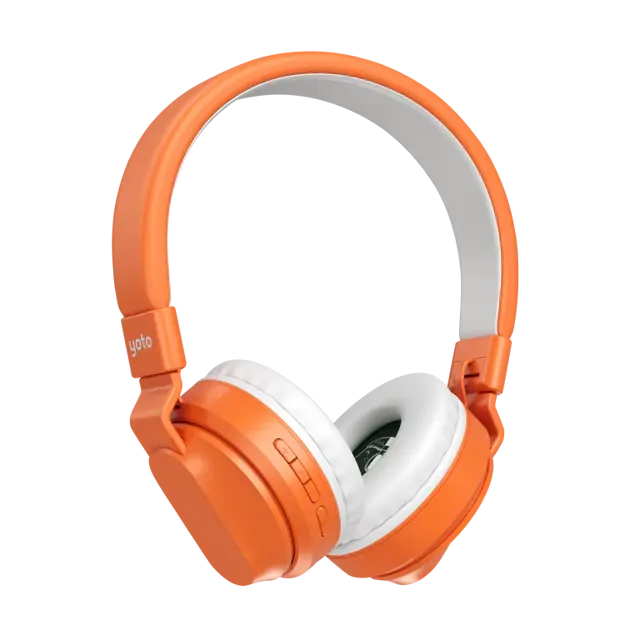
Wireless Headphones

Wireless Headphones
Who it’s best for: Kids who listen in shared bedrooms, cars, or quiet spaces where speaker play is not ideal.
  • Kid-safe volume limiting
  • Up to 20 hours of listening time per charge
  • Braided cable and daisy-chain support alongside wireless use
One honest drawback: They make the most sense once you are already committed to the Yoto ecosystem.

Mini verdict: A practical accessory that solves a lot of real-world family friction.
Shop Now

Disney Princess Storybook Collection

Disney Princess Storybook Collection
Who it’s best for: Kids who want recognizable characters and shorter story sessions that still feel substantial.
  • Marketed as a top-selling storybook collection
  • Includes 14 updated stories
  • Features familiar princess worlds like Tangled, Brave, The Little Mermaid, and The Princess and the Frog
One honest drawback: It is a character-first purchase, so it will not have much appeal outside that fandom lane.

Mini verdict: A very safe starter card if your child already loves Disney storytelling.
Shop Now

What Do Customers Think?

Customer feedback is mostly favorable, especially around everyday usefulness. Trustpilot reviews repeatedly describe Yoto as something families use often rather than occasionally, and many recent reviews highlight responsive customer support when a device or Mini issue comes up.

The positive pattern is pretty clear: parents like that the system feels child-led, kids tend to return to it often, and the brand gets credit when replacements or support are handled well. The recurring negatives are slower shipping, occasional hardware issues, and the usual frustration that comes with dealing with a product ecosystem rather than a simple toy.

Paraphrased customer sentiment examples:

    • Some parents say Yoto becomes part of the bedtime routine very quickly
    • Some reviewers describe the Mini as especially useful for travel and car listening
    • Several customers praise support when replacing faulty units
    • Some complaints mention delivery delays or weak tracking updates
    • A smaller number of buyers report frustration with device or card reliability

Is Yoto Legit?

Yes. Yoto is a legitimate brand with a long-running official store, published delivery and refund policies, a formal product guarantee, a clear safety standards page, and an openly documented Yoto Mini battery replacement program for affected older units. That level of documentation is what you expect from an established consumer brand, not a novelty startup.

Is Yoto Worth It?

For the right family, yes.

Yoto is worth it when you think of it as a long-term family tool rather than a one-off gift. It works especially well for homes where listening happens every day, where children benefit from independent control, and where parents value screen-free entertainment enough to invest in a library over time.

What to look for before you buy:

    • Choose the bigger Player if bedtime and room use matter most
    • Choose the Mini or Mini bundle if portability is the priority
    • Expect the best value from bundles, not just the base hardware
    • Be careful with older resale Minis because of the battery replacement program

5-Minute Marvel Stories

5-Minute Marvel Stories
Who it’s best for: Older kids or superhero fans who want shorter, faster-paced listening.
  • Explicitly labeled Best Selling on the product page
  • Twelve short Marvel stories in one card
  • Includes recognizable characters like Spider-Man, Iron Man, Black Panther, Captain Marvel, and the Guardians
One honest drawback: It is built for kids who already enjoy Marvel-style action, so it is less universal than a sleep or classics card.

Mini verdict: One of the clearest examples of Yoto’s appeal beyond the toddler market.
Shop Now

Yoto vs Tonies

Yoto and Tonies still solve the same general problem, but they do it with different personalities. Tonies feels more toy-forward and collectible, while Yoto feels more like an audio platform with physical media. That difference becomes more noticeable as children get older: Yoto tends to age up better, while Tonies often feels stronger right at the youngest end.

Category Yoto Tonies Who Wins
Best for long-term growth Broader age runway and card ecosystem More toy-like and early-childhood centered Yoto
Best for youngest kids Good, but slightly less toy-like Easier instant appeal Tonies
Travel setup Yoto Mini bundle is especially strong Portable, but less modular Yoto
Custom and flexible feel More platform-like More collectible and character-based Yoto
Best for Families who want listening to grow with the child Families who want immediate toy-like simplicity Depends on shopper

Discounts and Promotions

Yoto currently promotes free shipping on orders over $40, bundle savings of 10%, and Yoto Club memberships from $4.99 per month. The bundle pricing on the Player Quiet Time Bundle and Mini Explorer Bundle shows that the company is actively pushing multi-item starter setups rather than just solo device purchases.

Where Can I Buy Yoto?

You can buy Yoto directly from the official site, which is where the players, bundles, cards, accessories, memberships, and support pages are all organized in one place.

FAQs:

Is this Yoto review positive?
Overall, yes. The strongest case for Yoto is not that it is trendy, but that it becomes genuinely useful in daily family life.
Is Yoto better as a bundle or as a single device?
For most families, bundle value is stronger because accessories and listening use cases matter more than they first appear.
Is Yoto Mini still safe to buy?
Yes, the 2024 edition is sold as having a new battery. The caution mainly applies to older 2021–2023 units, especially secondhand ones.
Are Yoto accessories actually worth it?
Often, yes. The travel case, protective jackets, and headphones all solve real day-to-day problems rather than just adding decoration.
Is Yoto good for older kids?
Yes. The library clearly stretches beyond preschool material, and cards like Marvel and larger collections show that Yoto is trying to hold interest beyond the toddler stage.
Does Yoto require Wi-Fi all the time?
No. Wi-Fi is needed for setup and for downloading content, but downloaded audio can be used offline afterward.
Are Yoto returns good?
They are decent, especially with the 60-day site language, but the policy wording is not as clean or simple as it could be.
Do the headphones only work with Yoto?
No. The wireless model is described as compatible with Yoto devices and other Bluetooth audio devices.
What is the best Yoto purchase for travel?
The Yoto Mini Explorer Bundle is the strongest travel-oriented option because it combines the Mini, headphones, protective case, and travel-friendly storage.
Is Yoto Club necessary?
No, but it makes more sense the more cards you plan to buy, since it offers credits and discounts across a big section of the library.

Similar Brands You Might Like

Tonies
Lunii
Storypod
Mighty
JBL Junior audio players

Final Verdict

Yoto stands out because it feels less like a one-note gadget and more like a system families can actually build around. The players are well thought out, but the real strength is the wider setup: bundles, accessories, cards, and routines that make the product more useful over time instead of less.

The downside is that Yoto only feels like a bargain if you use it often. Families who buy one device and stop there may not see the full value. Families who treat it as an everyday screen-free listening platform usually will.

CrunchLabs Review: Is the Build Box Good for Kids?

By Posted on 0 Comments9min read187 views

If you’re trying to find a STEM subscription that feels more exciting than a basic science kit, this CrunchLabs review should help. CrunchLabs has grown quickly thanks to its hands-on engineering projects, strong educational angle, and the name recognition behind the brand: Mark Rober.

For this review, I looked at the points that matter most for parents and gift buyers: age range, build quality, learning value, ease of setup, replay value, and whether the subscription model makes sense over time. I also considered who each subscription is best for and where the brand may not be the best fit.

The biggest reason families notice CrunchLabs is simple. It turns engineering into something kids can actually build, test, and enjoy. And for many households, the crunchlabs build box looks like the strongest overall choice because it hits the middle ground between beginner-friendly and challenging.

Highlights

  • Strong STEM focus with monthly hands-on projects
  • Founded by former NASA engineer Mark Rober
  • Clear subscription tiers by age and skill level
  • Build Box is the most versatile option for many families
  • Creative Kit is a better entry point for younger kids
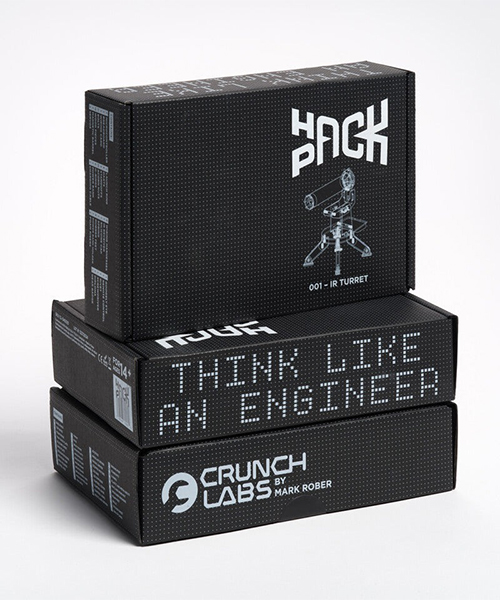
  • Hack Pack adds a more advanced robotics angle
  • Gift certificates make the brand easier to give
  • More premium than buying a one-time science toy
  • Best for kids who like building and problem-solving
  • Less ideal for kids who prefer arts-and-crafts style play

Why You Should Trust Us

This review uses a product-focused editorial approach centered on usefulness, educational value, and long-term appeal. For CrunchLabs, that meant looking closely at how the brand positions each kit, how much support is included, and whether the overall lineup feels thoughtfully built for real families instead of just clever marketing.

About CrunchLabs

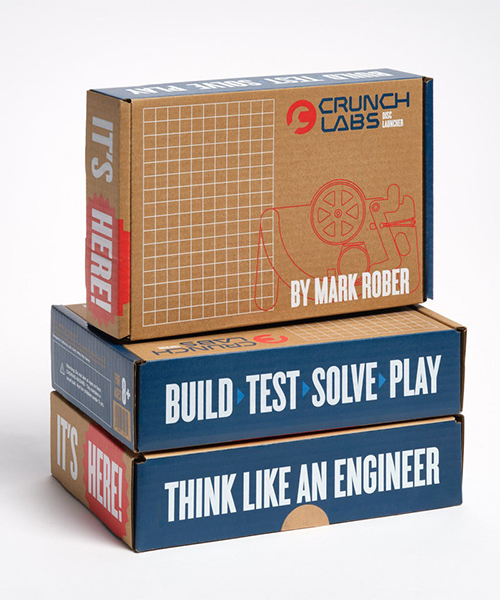
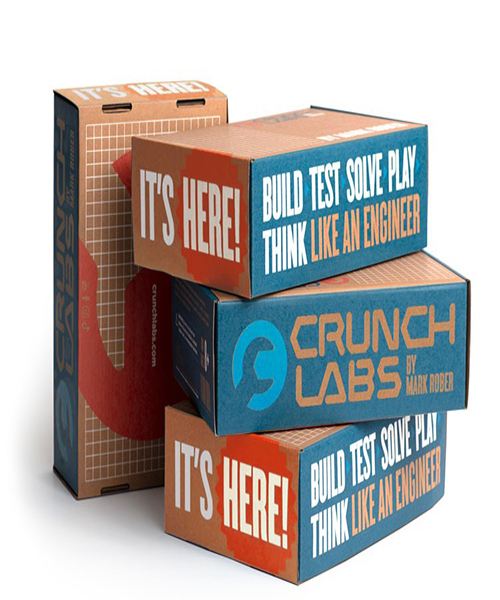
CrunchLabs is a STEM brand built around teaching kids, teens, and adults to think like engineers. The company focuses on monthly subscription kits that combine physical building projects with guided educational content.

Brand background

CrunchLabs is closely tied to Mark Rober, and that connection is a major part of the brand’s appeal. Instead of feeling like a generic subscription company, CrunchLabs has a clear personality and a recognizable teaching style. That gives the brand a more memorable identity than many competitors in the STEM box space.

What they’re known for

CrunchLabs is best known for three core subscriptions:

  • Creative Kit for ages 6 to 10
  • Build Box for ages 8 to 13
  • Hack Pack for ages 14 to 101

The brand also sells gift certificates, replacement parts, and extras, but the subscriptions are clearly the main focus.

Who they’re for

CrunchLabs is best for families who want structured STEM play with a clear learning component. It is especially appealing for kids who like gadgets, moving parts, and step-by-step building. It is less ideal for children who want open-ended creative play or for shoppers looking for the cheapest possible activity box.

CrunchLabs Review

CrunchLabs looks fun at first glance, but the real question is whether it actually delivers enough value to justify a subscription. For many parents, the answer will depend on how much their child enjoys building, following instructions, and learning through hands-on projects.

Quality & Build / Materials

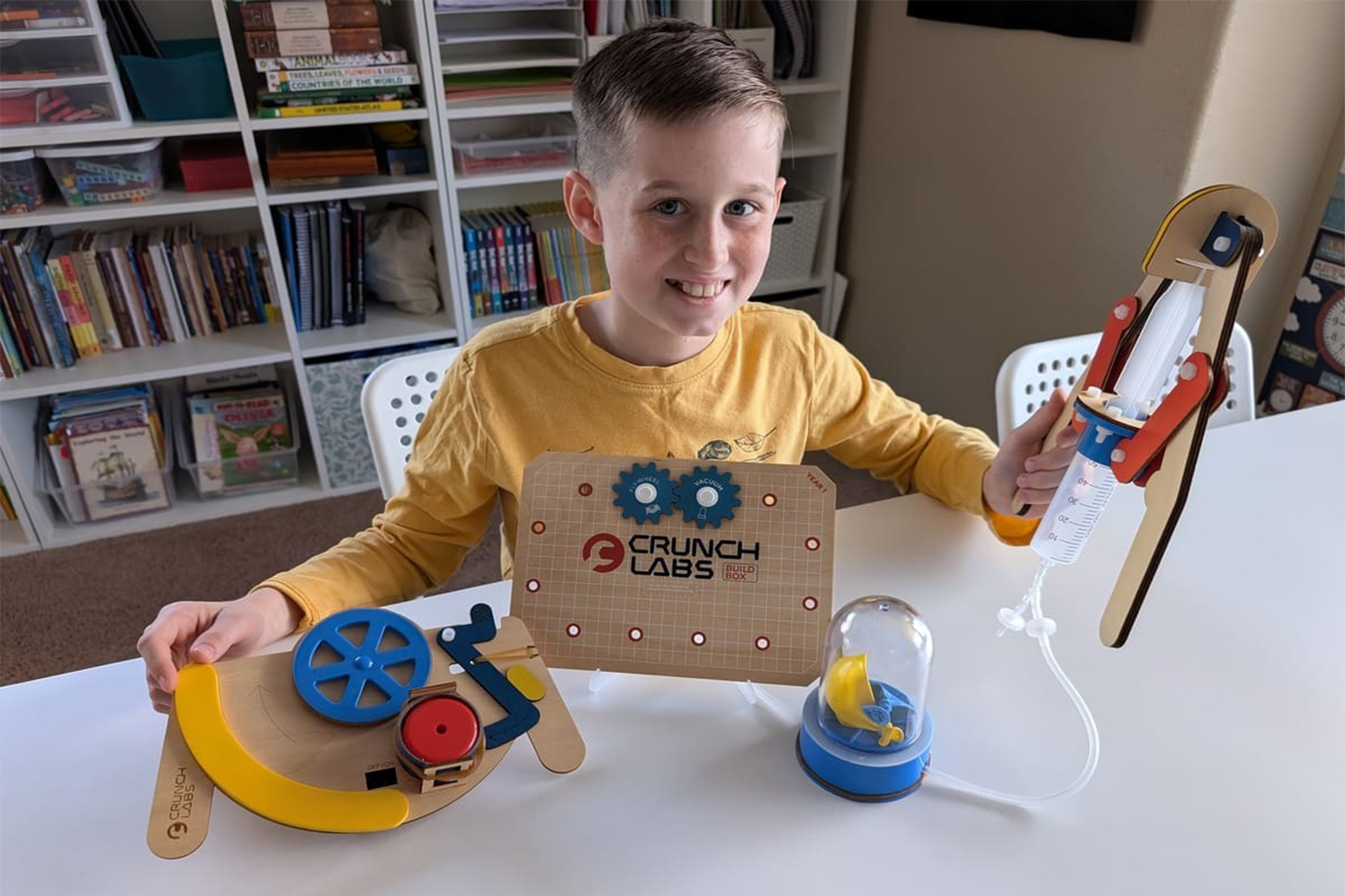
CrunchLabs presents each subscription as a complete build experience rather than a random mix of pieces. Build Box includes a new build-it-yourself toy, an illustrated instruction booklet, and a guided video walkthrough. That level of support makes the product feel more like an educational system than a simple toy-of-the-month box.

The same structure carries across the lineup. Creative Kit is positioned as a simpler STEM build for younger kids, while Hack Pack is designed around robots and more advanced technical projects. That gives the brand a clearer progression path than many competing subscription services.

Key Features

CrunchLabs stands out for a few clear reasons:

  • Three subscriptions with distinct age ranges
  • Monthly hands-on builds
  • Guided videos led by Mark Rober
  • A progression from beginner to advanced
  • Gift certificate options for flexible gifting
  • Build Box includes what most users need to get started
  • Replacement parts support for missing pieces

Performance / Real-World Use

In everyday use, the biggest advantage is engagement. CrunchLabs is built around making kids participate, not just observe. Instead of opening a box and losing interest, they get to assemble something, learn how it works, and then enjoy the finished result.

The crunchlabs build box feels especially strong here because it targets the age range where kids can handle more independence but still get excited by a toy-like outcome. That makes it the easiest subscription in the lineup to recommend broadly.

Creative Kit works better for younger builders who need simpler wins and less frustration. Hack Pack is more specialized and makes more sense for teens or adults who genuinely want the coding and robotics layer.

Ease of Use

Ease of use looks like one of CrunchLabs’ better strengths. Build Box is designed to be approachable, with guided materials and included support. That matters for busy families because fewer setup headaches usually mean a better overall experience.

Creative Kit appears similarly accessible for younger users. Hack Pack is the one subscription that may require more effort, especially for households that are not already comfortable with computers, coding, or more technical projects.

Maintenance / Care

These products do not require much maintenance, but there are still practical things to consider. Families will need space to keep completed builds, leftover parts, and accessories organized. Over time, that can become part of the appeal or part of the clutter, depending on how your household handles projects.

The availability of replacement parts is a plus because it suggests the company expects the builds to be used, not just assembled once and forgotten.

What I Like

  • Clear age segmentation across the brand
  • Strong educational identity
  • Helpful instructions and guided videos
  • Easy to understand lineup
  • Good fit for gifts
  • Strong mark rober crunchlabs branding

What I Don’t Like

  • Subscription costs can add up
  • Best value depends on a child actually enjoying building
  • Hack Pack is less accessible for casual users
  • Gift certificates feel practical, but less exciting than a physical box
  • Narrower overall catalog than some broader STEAM brands

Price & Value

CrunchLabs is not positioned as a low-cost toy brand. It feels more like a premium educational subscription with recurring entertainment value. That means the value will feel strongest for households that plan to use it consistently and know their child is excited about building.

If your child tends to abandon projects halfway through, the subscription may feel expensive. If they love engineering-style activities and hands-on problem-solving, the ongoing format is easier to justify.

Best-Selling Products from CrunchLabs

CrunchLabs does not show one simple five-product “Best Sellers” grid in the same way some brands do, but the official site clearly highlights its core subscriptions and major gift options. Using those official featured items as the closest equivalent, these are the five standout products shown on the brand’s site.

Who it’s best for: Kids ages 8 to 13 who want a monthly engineering project with the best mix of fun, independence, and challenge.

Top 3 key features

  • One new build-it-yourself toy each month
  • Step-by-step illustrated instruction booklet
  • Guided video from Mark Rober with every box

One honest drawback: It is a stronger fit for kids who enjoy following directions than for kids who want more open-ended play.

Mini verdict: The easiest CrunchLabs product to recommend and the best place for most families to start.

Who it’s best for: Younger kids ages 6 to 10 who need a more approachable introduction to STEM building.

Top 3 key features

  • Designed for ages 6 to 10
  • STEM-based toy to build
  • Subscriber video content tied to the project

One honest drawback: More advanced or older builders may outgrow it quickly.

Mini verdict: A smart beginner option for younger kids who need simpler early wins.

Who it’s best for: Teens and adults who want more advanced projects with coding and robotics elements.

Top 3 key features

  • Robots to build and hack
  • Advanced project focus
  • Built for older users who want more depth

One honest drawback: It has the highest barrier to entry in the lineup.

Mini verdict: Best for serious tinkerers who want more than a typical subscription toy box.

Who it’s best for: Shoppers who want to gift Build Box without managing the subscription on someone else’s behalf.

Top 3 key features

  • Flexible gift format
  • Good for birthdays, holidays, and graduations
  • Makes activation easier for the recipient

One honest drawback: It is more practical than exciting on day one.

Mini verdict: A smart gift choice when flexibility matters more than presentation.

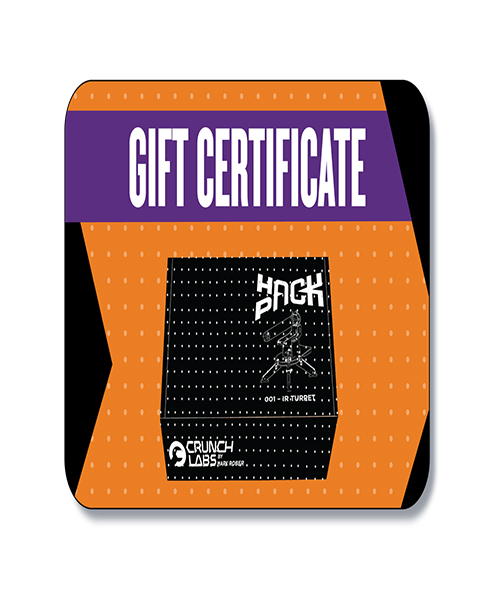
Who it’s best for: Teens or adults who want the advanced CrunchLabs experience on their own schedule.

Top 3 key features

  • Flexible digital gift option
  • Built around the Hack Pack subscription
  • Better for older, more technical recipients

One honest drawback: It only makes sense if the recipient truly wants the more advanced project style.

Mini verdict: A useful gift option for experienced builders who would appreciate the extra depth.

CrunchLabs Review: What Do Customers Think?

CrunchLabs presents itself as a review-heavy, fast-growing brand, and the overall tone of the site suggests strong family enthusiasm. The main customer themes appear to center on engagement, learning value, and how exciting the builds feel compared with more passive toys.

Common themes include:

  • Quality: Families seem to like that the kits feel educational and purposeful.
  • Performance: The projects appear more engaging than standard toys.
  • Fit: The age-based lineup helps parents choose more confidently.
  • Shipping: The subscription structure works well for repeat delivery and gifting.
  • Customer support: FAQs, replacement-part support, and guidance add reassurance.

A few short customer sentiment examples, paraphrased:

  • Parents like that kids are actively building instead of only watching.
  • Some families see the boxes as a stronger long-term gift than a one-time toy.
  • Younger builders seem to benefit from the step-by-step guidance.
  • Older kids and adults are more drawn to the advanced Hack Pack challenge.
  • The mark rober crunchlabs connection adds excitement for kids who already know his content.

Is CrunchLabs Legit?

Yes, CrunchLabs appears to be a legitimate brand. The official site includes detailed subscription pages, comparison tools, FAQs, help resources, replacement-part support, contact information, and gift options. Those are all positive trust signals for a direct-to-consumer educational company.

Is CrunchLabs Worth It?

For the right family, yes. This CrunchLabs review comes out most positive for households that value structured STEM activities and know their child genuinely likes building, tinkering, and problem-solving. The brand is less compelling for bargain shoppers or kids who prefer open-ended crafts, but it is stronger than average for guided engineering fun.

What to look for before buying:

  • Your child’s age and patience level
  • Whether they enjoy following project steps
  • Whether you want beginner-friendly building or more advanced technical projects
  • Whether a subscription makes more sense than a one-time gift

If those points line up, CrunchLabs makes a solid case.

CrunchLabs vs KiwiCo

KiwiCo is the most obvious competitor because it also offers age-based activity subscriptions. CrunchLabs feels more engineering-focused and founder-driven, while KiwiCo generally offers broader STEAM variety. That gives CrunchLabs the advantage for kids who are specifically drawn to mechanisms, build challenges, and problem-solving.

Category

CrunchLabs

KiwiCo

Who Wins

Core focus

Engineering-led builds

Broader STEAM variety

CrunchLabs for engineering

Brand personality

Strong founder identity

Wider category range

Tie

Age targeting

Clear 3-tier path

More overall options

KiwiCo for variety

Best for

Builders and tinkerers

Families wanting broader exploration

Depends on child

Value

Better for recurring engineering fans

Better for wider project variety

Tie

CrunchLabs is the better choice when a child already loves building-style activities. KiwiCo is easier to recommend when parents want broader subject variety.

Discounts and Promotions

CrunchLabs highlights multiple subscription plans, gift certificate options, and occasional promotional moments built around gifting. The brand seems especially well suited to birthdays, holidays, and special-occasion purchases.

Where Can I Buy CrunchLabs?

You can buy CrunchLabs directly from the brand’s official website, where the subscriptions, gift certificates, extras, and support information are all organized in one place. For most shoppers, buying direct is the simplest option.

FAQs

What is CrunchLabs best known for?

CrunchLabs is best known for its STEM subscriptions: Creative Kit, Build Box, and Hack Pack.

Is CrunchLabs good for kids?

Yes, especially for kids who enjoy building, tinkering, and learning how things work.

Is the crunchlabs build box worth it?

For many families, yes. It appears to be the most balanced option in the lineup for ages 8 to 13.

Is Mark Rober really behind CrunchLabs?

Yes. CrunchLabs presents Mark Rober as the founder and central face of the brand.

What ages is CrunchLabs for?

Creative Kit is for ages 6 to 10, Build Box is for ages 8 to 13, and Hack Pack is for ages 14 to 101.

Does CrunchLabs include instructions?

Yes. Build Box includes a step-by-step booklet and guided video support.

Does Hack Pack require a computer?

It may, depending on how much the user wants to explore the coding and hacking elements.

Can I gift CrunchLabs?

Yes. The brand offers gift certificates for its subscriptions.

Is CrunchLabs only for kids?

No. Hack Pack is intended for teens and adults as well.

Is this CrunchLabs review positive overall?

Yes, especially for families who want recurring STEM engagement and guided building projects.

Similar Brands You Might Like

  • KiwiCo
  • MEL Science
  • Tinker Crate
  • Little Passports
  • National Geographic STEM kits

Final Verdict + Rating

CrunchLabs stands out because it has a clear identity, a well-structured product ladder, and a stronger engineering focus than many competing subscription brands. Build Box remains the best all-around option for most shoppers because it feels like the most approachable balance of fun, learning, and independence.

This CrunchLabs review lands on a positive note. The brand is not the cheapest option, and it will not be right for every child. But for kids who genuinely love building and for parents who want a more structured STEM subscription, CrunchLabs looks like a worthwhile pick.

Rating: 8.7/10

Guava Family Growing Together, Wherever You Go

Guava Family Growing Together, Wherever You Go

Save 10% Off On Your All Orders

Save 10% Off On Your All Orders

Save 10% Off On Your All Orders
CLPA15
SHOW COUPON
On Going Offer
  • It Works 100% Success It Doesn’t
  • Get $10 Off On Your All Purchases

    Get $10 Off On Your All Purchases

    Get $10 Off On Your All Purchases
    WELCOME-YRX23
    SHOW COUPON
    On Going Offer
  • It Works 100% Success It Doesn’t
  • Get Free Shiping On Order Over $50

    Get Free Shiping On Order Over $50

    Get Free Shiping On Order Over $50
    ACTIVATE DEAL
    On Going Offer
  • It Works 100% Success It Doesn’t
  • New Year Sale! Save Upto $155 Off On Selective

    New Year Sale! Save Upto $155 Off On Selective

    New Year Sale! Save Upto $155 Off On Selective
    ACTIVATE DEAL
    On Going Offer
  • It Works 100% Success It Doesn’t
  • Save $100 Off On Roam Stroller

    Save $100 Off On Roam Stroller

    Save $100 Off On Roam Stroller
    ACTIVATE DEAL
    On Going Offer
  • It Works 100% Success It Doesn’t
  • Shop Our Crib Collection Starting From $299.95

    Shop Our Crib Collection Starting From $299.95

    Shop Our Crib Collection Starting From $299.95
    ACTIVATE DEAL
    On Going Offer
  • It Works 100% Success It Doesn’t
  • Checkout Our Bassinet Collection Starting From $439

    Checkout Our Bassinet Collection Starting From $439

    Checkout Our Bassinet Collection Starting From $439
    ACTIVATE DEAL
    On Going Offer
  • It Works 100% Success It Doesn’t
  • Explore Our Stroller Collection Starting From $649.95

    Explore Our Stroller Collection Starting From $649.95

    Explore Our Stroller Collection Starting From $649.95
    ACTIVATE DEAL
    On Going Offer
  • It Works 100% Success It Doesn’t
  • Yoto Play Review: The Screen-Free Audio Marvel That Brings Stories to Life

    Introduction

    In an age where digital screens dominate children’s entertainment, finding an engaging, non-digital alternative that fosters imagination and focus seems almost impossible. This is where Yoto Play comes in – an innovative audio player that entertains, educates, and inspires children through the magic of sound.

    This compact yet powerful device transforms storytelling into a multi-sensory adventure, helping children discover creativity, tranquility, and curiosity – all without a glowing screen. Whether for relaxing before bed, a cozy family car ride, or quiet playtime at home, Yoto Play seamlessly blends learning and fun in a refreshingly mindful way.

    About Yoto

    Founded in the UK, Yoto is driven by a simple idea: to provide children with meaningful, screen-free entertainment. The brand aims to empower children to shape their own learning and storytelling experiences and stimulate their imagination through audio.

    This compact yet powerful device transforms storytelling into a multi-sensory experience, helping children unleash their imaginations through audio. Each Yoto device uses special Yoto trading cards that unlock a world of music, stories, and educational adventures. Easy to use, free from intrusive advertising and garish images, Yoto lets children rediscover the timeless joy of listening—simply sound, imagination, and discovery.

    Yoto's Mission & Philosophy 🌿

    Yoto’s philosophy is to reignite the art of storytelling, foster creativity and mindfulness, and provide a screen-free escape from sensory overload.

    What makes Yoto special:

    Imagination-boosting: Children visualize the stories they hear, stimulating their creative thinking.

    Tactile and interactive: The trading cards make learning playful and engaging.

    Completely ad-free: 100% safe audio content, specially designed for children.

    Parent-friendly controls: Volume limits, playlists, and sleep timers can be managed via the Yoto app.

    Developmentally beneficial: Naturally fosters curiosity, concentration, and independence through listening.

    Overview:

    The Yoto Player (3rd Generation) is the brand’s flagship model and was specifically designed for children aged 3 to 12 and older. With crystal-clear stereo sound, an integrated nightlight, alarm clock, and temperature display, it’s more than just a toy—it’s a smart companion for everyday family life.

    Equipped with 32 GB of internal storage, USB-C and wireless charging, and full offline functionality, it guarantees an uninterrupted listening experience at all times. Simply insert a Yoto Card and the story begins—no screens, pop-ups, or distractions.

    Pros

    Excellent sound quality for all ages.

    Practical extras such as a nightlight and alarm clock.

    Large storage capacity and offline functionality – ideal for on the go.

    Encourages creativity through audio stories.

    Designed to grow with your child.

    Cons

    More expensive than basic audio players.

    Fun depends on adding more cards over time.

    Somewhat bulky for travel.

    Requires Wi-Fi for setup and updates.

    May lose its appeal as children outgrow the card system.

    Overview: The Yoto Mini offers the same captivating storytelling experience in a smaller, travel-friendly version. Compact and rugged, it’s perfect for car trips, vacations, or outdoor adventures. It’s compatible with all Yoto cards and features a pixel display, headphone jack, and USB-C port – impressive performance in a pocket-sized package.

    While it lacks a nightlight and temperature sensor, its excellent 14-hour battery life makes it an ideal travel companion for families who prefer screen-free entertainment.

    Pros

    Lightweight and ideal for on the go.

    Compatible with all Yoto cards.

    Long battery life.

    Powerful sound for its size.

    Simple, screen-free user interface – ideal for small hands.

    Cons

    Lakes advanced features such as a temperature display.

    The speaker is smaller than on the larger model.

    The battery drains faster at higher volumes.

    Wi-Fi is required for initial setup.

    There are fewer parental control features than on the main model.

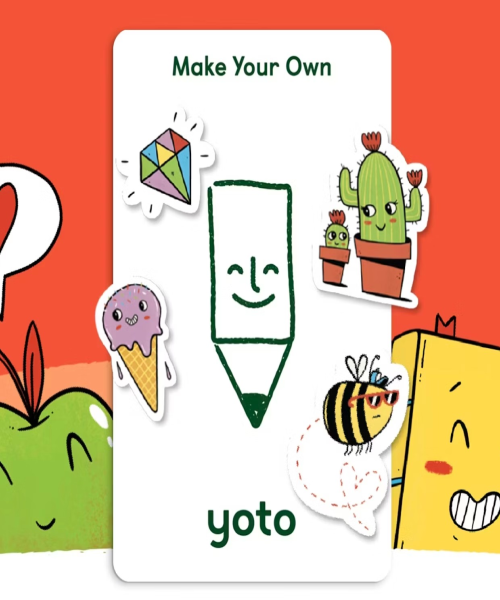
    Overview: The “Design Your Own Cards” set lets families create their own unique Yoto experiences. Each set includes 10 blank, reusable cards and colorful stickers compatible with all Yoto devices. Each card can hold up to 100 audio tracks (or 500 MB), allowing families to upload playlists, bedtime stories, or even their own recordings.

    An eco-friendly and creative way to build a unique audio library—perfect for making listening time extra special.

    Pros

    Fully customizable and reusable.

    Large storage capacity.

    Ideal for quality family time and creative activities.

    Sustainable and reduces waste.

    Cons

    Requires a Yoto device.

    Requires Wi-Fi and adult assistance for setup.

    Not suitable for users who prefer pre-installed content.

    The cards can easily get mixed up if they aren’t properly sorted.

    Interest may wane as children get older.

    Highlights

    100% screen-free entertainment that sparks creativity.

    Durable and child-safe design for everyday use.

    Wide selection of stories, music, and flashcards.

    Nightlight and sleep timer for a peaceful bedtime.

    Offline playback and long battery life for added convenience.

    Customizable content with “Create Your Own Cards.”

    Who is it for? 👥

    Ideal for:

    Parents who want to reduce screen time without sacrificing fun.

    Children ages 3 to 12 who love stories, music, and discovery.

    Families who value independent, imaginative play.

    Travelers who need a portable, child-safe companion.

    Not ideal for:

    Children who prefer visual media or screens.

    Parents who don’t want to regularly buy new cards.

    Households with limited Wi-Fi coverage.

    Our Opinion / Why We Love It ❤️

    Yoto Play impresses with its successful combination of simplicity and innovation. It gives children control over their listening experience, fosters creativity, and transforms breaks into meaningful learning moments. Inserting the cards evokes wonderful nostalgic memories—like a digital version of a cassette recorder.

    Parents especially appreciate that it replaces screen time with quiet, focused play. With excellent sound, smart features, and constantly expanding content, Yoto Play is an investment in your child’s imagination.

    Even though collecting cards incurs additional costs, the benefits—independent play, creativity, and quiet—make it a worthwhile purchase. Yoto grows with your child, offering new stories, songs, and discoveries every year.

    Pros and Cons

    Pros:

    Sleek, robust design.

    High-quality, immersive sound.

    Promotes creativity without screens.

    Portable and incredibly easy to use.

    Educational, calming, and customizable.

    Cons:

    Requires Wi-Fi setup.

    Additional card payments may increase costs.

    The audio-only format may not be suitable for all users.

    Occasional app updates are required.

    Customer Reviews

    Parents worldwide praise Yoto Play for its positive impact on bedtime routines and screen time. Many highlight how it helps children relax, focus, and enjoy stories independently.

    Some note that building a card library can be costly, but almost everyone agrees that the emotional and educational benefits are worth every penny. For countless families, Yoto Play has become an indispensable bedtime companion—and a daily source of peaceful, imaginative enjoyment.

    Frequently Asked Questions

    Q: What age group is Yoto Play ideal for?

    A: Best suited for children aged 3 to 12; younger children can use it with some assistance.

    Q: Does it work offline?

    A: Yes—once the content is downloaded, it works perfectly offline.

    Q: How long does the battery last?

    A: Between 12 and 24 hours, depending on usage.

    Q: Can parents upload their own recordings?

    A: Yes, absolutely – use the “Create Your Own Cards” feature to upload your own stories or playlists.

    Q: Does it have a screen?

    A: No, just a simple pixel display – no pictures, no ads.

    Conclusion

    Yoto Play perfectly combines creativity, technology, and education in a small but powerful device. It encourages children to listen, fantasize, and dream – all without the constant distractions of screens.

    While expanding the card library requires an initial investment, the benefits in terms of imagination, concentration, and independence are invaluable.

    Essentially, Yoto Play is more than just an audio player – it’s a storyteller that grows with your child, nurturing their curiosity and creativity card by card.