House On The Crescent

You are viewing Home & Decors

The Best Scented Candles For Home Worth Buying In 2026 — Honest Picks That Actually Fill A Room

By Posted on 0 Comments5min read3 views

The Best Scented Candles For Home Worth Buying In 2026 — Honest Picks That Actually Fill A Room

The Best Scented Candles For Home Worth Buying In 2026 — Honest Picks That Actually Fill A Room

Let me tell you the specific disappointment I’m trying to help you avoid: buying a beautifully packaged candle, lighting it for the first time with some ceremony, sitting down to enjoy the result, and noticing approximately twenty minutes later that the fragrance extends to about eighteen inches from the flame and no further.

This is the experience of a candle with poor scent throw. The fragrance is present if you lean close. It doesn’t fill the room. It doesn’t change the quality of the air in the space. It burns attractively and smells nice to people standing directly over it, which is only useful if you’re planning to spend the evening leaning over a candle.

The candles worth buying fill the room. Not overwhelmingly — good candle fragrance is ambient rather than aggressive — but perceptibly from across the space. You notice it when you walk in from another room. It changes the feeling of the space.

Why Some Candles Throw And Some Don't

The fragrance load — the percentage of fragrance oil in the wax — is the primary determinant of scent throw. Most mass-market candles use 6-8% fragrance load because it’s the cheaper option and sufficient for the in-shop sniff test that drives purchasing decisions. Premium candles typically use 10-12%.

The wax type also matters. Coconut wax holds and releases fragrance better than most alternatives. Soy wax performs well. Paraffin can hold high fragrance loads but burns less cleanly.

And the wick must be sized correctly for the jar diameter — an undersized wick produces tunnelling (the wax burning down the centre without melting to the jar edges), which wastes fragrance because unmelted wax can’t release its fragrance oil into the air.

The Best Candles To Buy Right Now

I was resistant to the Diptyque price for approximately three years. The candles cost more than I thought any candle warranted. Then I received one as a gift and lit it and understood within twenty minutes why people buy them repeatedly.

The Baies fragrance — blackcurrant and Bulgarian rose — fills a medium-sized room convincingly within thirty minutes of lighting. Not the aggressive synthetic-sweet room fill of a cheap scented candle but a specific, sophisticated ambient fragrance that changed the quality of the air in the room in the way that good candles are supposed to.

I’ve since bought three more. The throw is consistent from candle to candle. The burn time (approximately 60 hours for the medium size) is correct when the candle is used properly — first burn long enough to melt the wax to the jar edges, wick trimmed to 5mm before each subsequent burn.

The honest cost-per-use: at £75 for a 190g candle with approximately 60 hours of burn time, the cost is £1.25 per hour. That’s cheaper than most streaming services and considerably more meaningful to the atmosphere of a room.

Price: £75 (190g), £145 (large)
Available at: Diptyque directly, Selfridges, Space NK, Net-A-Porter

NEST New York’s candles are the American counterpart to Diptyque — a brand built on genuine fragrance quality rather than on packaging alone. The Classic candle in Moroccan Amber is the specific recommendation for those who want strong scent throw in a large space.

The 600g large candle (three wicks) is the format for genuinely filling a living room. The three-wick design melts the wax surface more completely and releases fragrance more aggressively than a single-wick candle of the same size. At 100+ hours of burn time, the per-hour cost is competitive with Diptyque.

Price: £55-75 depending on size
Available at: NEST New York directly, Nordstrom, Anthropologie
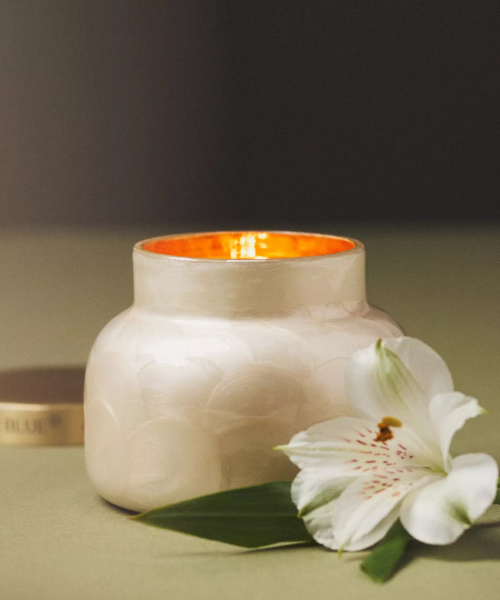
The Anthropologie Volcano candle has maintained its position as the most recommended accessible candle for a genuine reason: the throw is strong for the price. The tropical fruit and sugared citrus fragrance fills a room convincingly and consistently, and the 3-wick format in the large size produces the kind of room-filling result that many more expensive candles don’t achieve.

I keep one in the kitchen where the scent (clean, citrusy) works well alongside cooking smells and the strong throw is most appreciated in a room that experiences regular air circulation.

Price: £22-35 depending on size
Available at: Anthropologie directly, their stores

Boy Smells produces candles that don’t fit neatly into the traditional candle aesthetic — the fragrances combine elements traditionally separated by gendered marketing and the results are genuinely interesting rather than unconventional for the sake of it. The Kush candle (sandalwood, vanilla, cannabis) is the one I’d direct people to who want something that doesn’t smell like anything else in the room-filling fragrance category.

The coconut wax blend holds fragrance exceptionally well and the throw is among the strongest in this comparison at the medium price tier.

Price: £36-55
Available at: Boy Smells directly, Sephora, Anthropologie

Yankee’s large jar candles are the reliable standard for affordable, consistently performing scented candles. The paraffin wax holds high fragrance loads and the throw in the large jar (which I use in the bedroom) fills the room effectively within twenty minutes of lighting.
The Clean Cotton fragrance is the recommendation because it suits the widest range of contexts — a fresh, clean linen-adjacent scent that works in bedrooms, living rooms, and bathrooms without being polarising.

Price: £18-28 depending on size
Available at: Yankee Candle directly, most supermarkets, department stores

How To Make Any Candle Last Longer And Throw Better

Trim the wick to 5mm before every burn. An untrimmed wick creates a flame that’s too large, burns the candle too quickly, and produces more soot than fragrance.
Burn for at least two hours on the first use — until the wax melts to the jar edges. The first burn establishes the “memory” of the melt pool and prevents tunnelling on every subsequent burn.

Never burn for more than four hours at a time. Extended burns overheat the wax and burn off the fragrance oil faster than it can be released into the room.

Conclusion

Candles that fill a room with fragrance are one of the most immediate, low-effort changes to how a home feels, and the brands above deliver this in different ways at different price points. Diptyque is the reference — if you can justify the price once, try it once, because it will recalibrate what you expect from a candle permanently. NEST provides comparable quality at a slightly lower price in formats that suit larger spaces. Anthropologie’s Volcano delivers surprising throw for the money. Boy Smells offers the genuinely different fragrance direction. And Yankee provides reliable everyday fragrance at accessible prices. Whatever you choose, the first burn is the one that determines all subsequent burns — give it two hours the first time.

McGee & Co Review 2026 — Is It Actually Worth The Price?

By Posted on 0 Comments3min read3 views

McGee & Co Review 2026 — Is It Actually Worth The Price?

McGee & Co Review 2026 — Is It Actually Worth The Price?

McGee & Co appeared in my internet life through the Fixer Upper adjacent world of American home content, which is its own specific aesthetic universe of shiplap and neutral linen and vintage-looking new things. I came to it skeptically.

I stayed because the actual products, when they arrived, were better than I expected from a brand built on social media presence. And then I had the experience that every honest review of any home brand should include: the thing that didn’t meet expectations, which taught me the most about when McGee & Co is and isn’t worth the price.

What I Bought And What I Thought

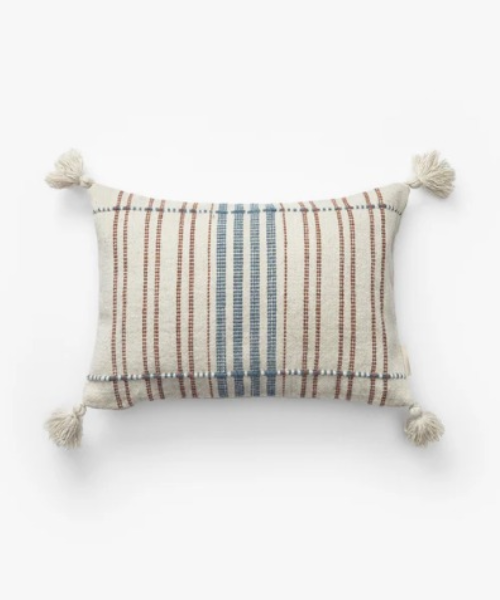
This is the purchase I’d make again without hesitation. The boucle texture on the McGee & Co throw pillows is genuinely luxurious — the loopy, textured fabric catches light differently at different angles and produces the specific warmth that photographs well and feels good in person. The insert quality is above what most decorative pillow inserts provide; the pillow holds its shape on the sofa and doesn’t go flat within six months of regular use.

I have three of these on the living room sofa in warm white and one in a terracotta that works as the accent piece. Fourteen months later, the boucle looks essentially the same as when it arrived. The terracotta has faded marginally in the sun — I’ve since moved it away from direct afternoon light.

Price: £45-65 per pillow
Available at: McGee & Co directly (mcgeeandco.com)
Verdict: Worth it. Possibly the best accessible boucle pillow available.

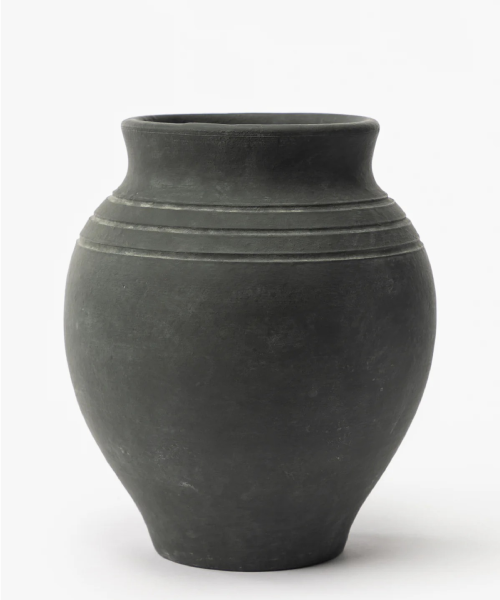
Also worth buying. The glazed finish on the McGee & Co ceramic vases has a specific quality — the slight variation in glaze thickness that produces depth rather than uniform coverage — that distinguishes them from mass-produced alternatives at lower prices. The shapes are simple enough to suit multiple aesthetic directions.

I have two on a floating shelf in the living room and one on the bedroom windowsill. All three look as they did when purchased.

Price: £35-85 depending on size
Available at: McGee & Co directly
Verdict: Worth buying when on sale (which is often).

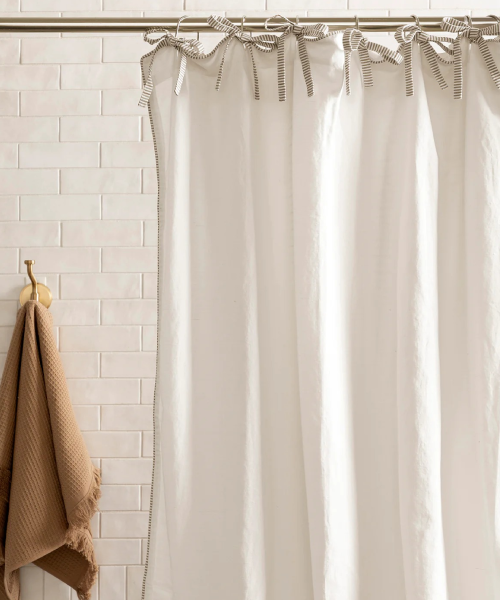
I ordered two panels of the McGee & Co linen curtains for the living room and this is the honest disappointment in the review. The curtains photographed beautifully on the website — the natural linen colour, the gentle texture, the way they hung with the specific relaxed elegance that linen curtains achieve in well-lit rooms.

What arrived was a product that was genuinely good but not extraordinary. The linen content is a blend rather than pure linen, which means the texture is softer and less distinctive than pure linen’s slight irregularity. The weight is lighter than I’d have chosen — the curtains move more in any air circulation than I’d like, which produces a constant slight motion that reads as breezy in some contexts and restless in others.

They’re not bad curtains. They’re above the quality of most high-street alternatives. But at the price, I had expected something closer to pure linen and received something closer to a linen-look blend.

Price: £85-165 per panel
Available at: McGee & Co directly
Verdict: Consider alternatives at this price — specifically pure linen options from specialist curtain suppliers where the linen content is confirmed.

When McGee & Co Is Worth It And When It Isn't

Worth it: Decorative accessories — the pillows, vases, trays, smaller textile pieces. The quality-to-price ratio in these categories is genuinely good and the design aesthetic is distinctive enough to be worth paying for.

Worth checking first: Furniture, which has more variable reviews related to shipping damage and quality consistency than the accessories. Read recent reviews specifically related to the delivery condition before ordering large furniture items.

Look elsewhere: Large textile items like curtains and rugs where the price is high enough that alternatives with more specific material quality are available for comparable amounts.

Conclusion

McGee & Co is a genuinely good home decor brand whose quality is highest in its decorative accessories and whose value proposition makes most sense when buying those pieces rather than furniture or large textiles. The boucle pillows are among the best I’ve found at any price. The ceramics overperform their price. The curtains are good but not exceptional for the money. Understanding which categories represent the brand at its best determines whether any given purchase is satisfying or disappointing — and for the right purchases, the answer is genuinely satisfying.

Ruggable vs A Regular Rug — I’ve Had Both. Here’s My Honest Take

By Posted on 0 Comments4min read3 views

Ruggable vs A Regular Rug — I’ve Had Both. Here’s My Honest Take

Ruggable vs A Regular Rug — I've Had Both. Here's My Honest Take

I want to start where this decision actually started for me: on a Saturday afternoon with a glass of red wine, a distracted conversation, and a rug that absorbed what spilled before I’d registered that it had happened.

We had a wool rug. It was beautiful. It had cost considerably more than I was comfortable admitting when asked. It was at that point approximately eleven months old and had survived one cat, one husband who tends to eat on the sofa, and the general traffic of a house used like a house rather than a showroom. The wine was not the first challenge it had faced, but it was the most significant.

I spent a Sunday afternoon applying everything recommended — specialist cleaner, cold water, blotting rather than rubbing, a fan drying it afterward. The stain faded to something visible only in certain light at certain angles. I was fairly pleased with the result and mildly anxious about it for the remaining time we had the rug.

The Ruggable arrived three months later.

What Ruggable Actually Is

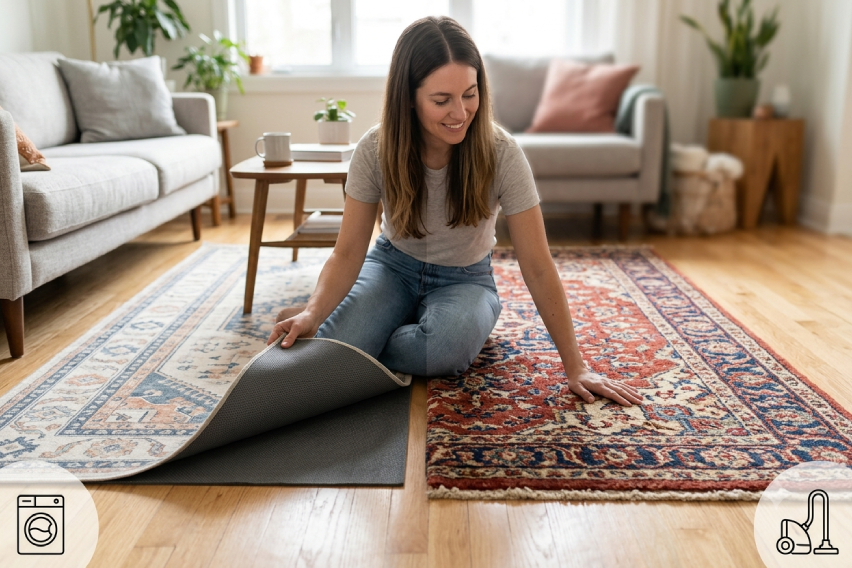
The Ruggable system is two pieces: a non-slip rug pad that stays on the floor and a cover that attaches via a cling mechanism and comes off for washing. The cover goes in a standard washing machine — cold, gentle cycle — and reattaches to the pad when dry.

The attachment is stronger than it sounds. The cling between the cover and pad is firm enough that the cover doesn’t shift during normal foot traffic. It releases when you deliberately pull it up from a corner — not the satisfying Velcro rip you might imagine but a smooth separation that takes a few seconds.

The washing is exactly as described. I’ve washed the cover approximately twelve times over fourteen months. The machine fills, the cycle runs for about an hour, the cover comes out slightly wrinkled and damp, and after an hour or two laid flat (or hanging, though I find flat-drying produces fewer wrinkles) it’s ready to reattach.

The Honest Comparison

Appearance

The wool rug won. Not dramatically, but clearly. There is a depth and warmth to the texture of a quality wool rug that the Ruggable’s flat-pile construction doesn’t replicate. The Ruggable looks like a good rug. The wool rug looked like a great rug.

After twelve washes, the Ruggable still looks good. The colours have not faded noticeably. The pile hasn’t degraded in the way I’d worried it might. The edges are clean without fraying.

Comfort Underfoot

The wool rug won again. The cushioning of a thick wool pile against bare feet on a morning is genuinely different from the Ruggable’s thinner construction. This matters in the living room and bedroom. It matters less in the hallway.

Practical Peace Of Mind

The Ruggable won. Completely. The specific freedom of knowing that anything that happens to the rug can be reversed in a washing machine changed how I lived around the rug in a way I hadn’t fully anticipated. I stopped the small moment of anxiety when my son carries a juice box near the living room. I didn’t strategically position the coffee table to conceal areas of concern.

This is not a trivial thing. Living more freely around your own home because you’re not worried about your rug is a quality of life improvement that photographs of clean rugs don’t capture.

Value Over Time

This depends entirely on what happens to the rug. The wool rug at greater initial cost would have been better value over ten years if nothing had happened to it. The Ruggable at lower cost is better value over ten years if the household produces the kind of life that does things to rugs, because professional cleaning of a regular rug costs £40-80 per clean and you’d need several of these over a decade.

Who Should Buy Which

Regular rug: households without children or pets, those who want the highest visual quality, those whose primary room use doesn’t involve regular food and drink near floor level.

Ruggable: households with children, pets, or anyone who eats near the living room floor; anyone who has had a rug cleaning anxiety before; rental properties or anyone who moves regularly and wants to be able to wash the rug before a move.

The choice between them isn’t a quality question, it’s a lifestyle question. I have both now — the Ruggable in the living room where life happens most actively, a smaller conventional rug in the bedroom where the conditions are more controlled. This combination is, I’ve found, the honest answer to the question.

Our Top Product Picks

Price: From £169 for 3’x5′, up to £599 for 8’x10′

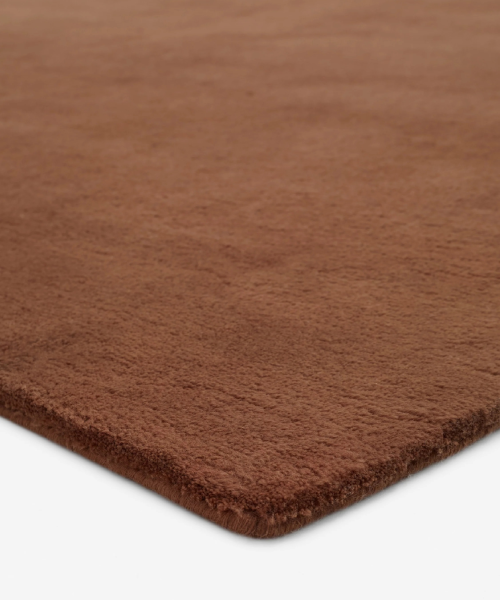
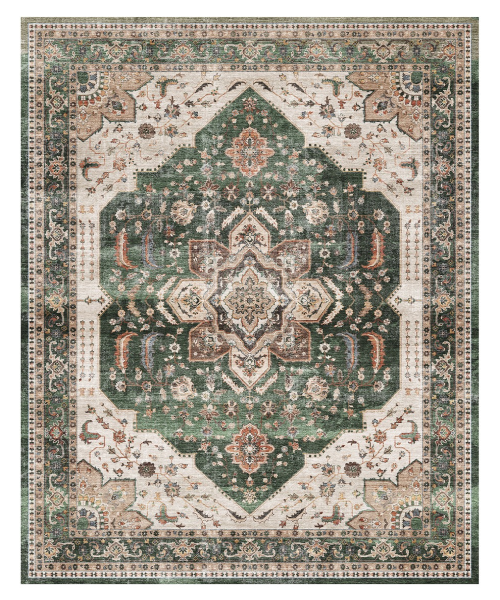
The Ruggable Vintage collection is consistently the most recommended design direction from the brand because the complex pattern hides texture variation after washing more effectively than solid colour options. The Moroccan and Persian-inspired patterns also suit a wide range of furniture styles and read as more traditional and considered than the contemporary abstract options.

Available at: Ruggable directly (ruggable.com)

Price: From £299-899 depending on size

For those who want a conventional rug at the highest accessible quality tier, Lulu and Georgia’s hand-tufted wool options provide genuine wool depth and warmth at prices below what designer rug brands charge for equivalent construction.

Available at: Lulu and Georgia directly (luluandgeorgia.com)

Price: From £89-350 depending on size

The most accessible conventional rug option with genuinely good design for the price. The machine-made construction doesn’t have the depth of hand-tufted wool but the pattern quality and colourways are more sophisticated than the price would predict.

Available at: Wayfair directly (wayfair.co.uk)

The Best Kitchen Organisation Products That Actually Work In 2026 — What I Kept And What I Returned

By Posted on 0 Comments4min read3 views

The Best Kitchen Organisation Products That Actually Work In 2026 — What I Kept And What I Returned

The Best Kitchen Organisation Products That Actually Work In 2026 — What I Kept And What I Returned

There’s a specific type of kitchen organisation content that I find deeply unhelpful: the photographs of pantries where every item has been decanted into identical containers with hand-lettered labels, perfectly sized to their shelves, colour-coordinated by category, and photographed under lighting that makes the whole thing look like a magazine shoot. This content gives you the aesthetic of organisation without the reality of it.

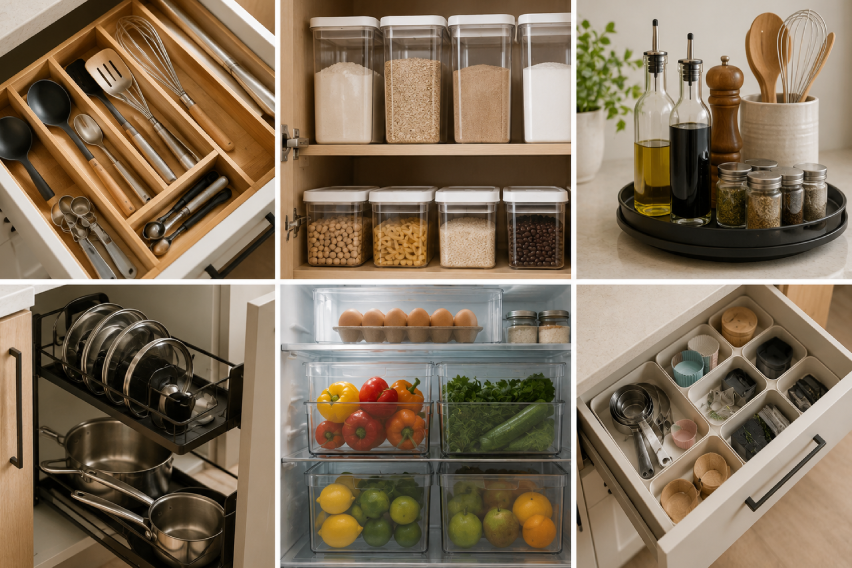
Real kitchen organisation doesn’t look like that. Real kitchen organisation means finding the thing you’re looking for in the time it takes to find it. It means the space under the sink not being a pile of products that fall out when you open the door. It means the pan you want not being underneath four other pans that need to be moved to get to it.

I’ve bought a significant number of kitchen organisation products over the past few years. Some of them genuinely changed how the kitchen functions. Many of them looked promising and made no actual difference. Here’s the honest account of which is which.

The Products That Actually Made A Difference

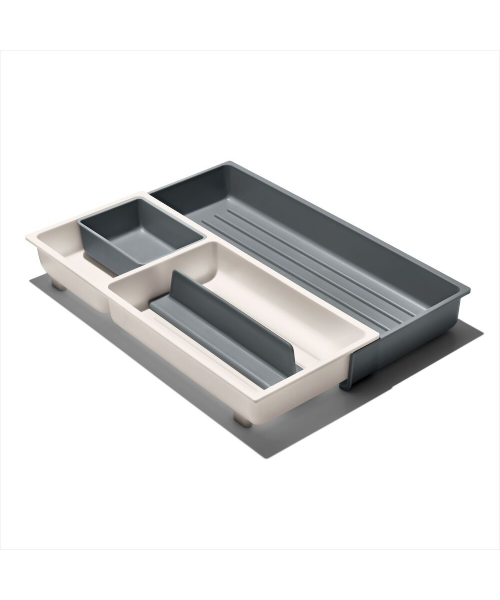
The problem this solves is specific: things stored at the back of a deep cabinet become invisible and therefore unused. The pull-out tray on a sliding mechanism brings everything to the front with one movement, making the full depth of the cabinet accessible in a way that standard shelf storage doesn’t allow.

I installed one in the cabinet under the kitchen sink — the cabinet that had become the place where products went to be forgotten — and the transformation was immediate. Being able to pull the tray out and see every item rather than kneeling on the floor and pulling things out one by one changed how often I actually used what was in that cabinet.

The installation uses tension adjustment to fit most standard cabinet depths without drilling. It’s removable if your circumstances change.

Price: £25-45
Available at: OXO directly (oxo.com), Amazon, John Lewis

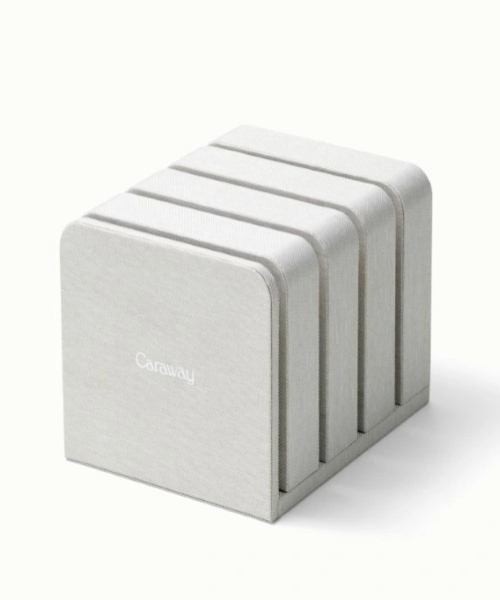
The pan storage problem in most kitchens is stacking — pans stacked in a cabinet require moving everything on top to get to the one at the bottom. Magnetic pan racks solve this by storing pans vertically on a wall or countertop surface, making each pan individually accessible.

The Caraway version (which can be used with any pans, not just Caraway) holds three pans upright with magnetic attachment and includes a lid holder. The pans are visible, accessible, and the nonstick surfaces aren’t being scratched by stacking contact.

This changed how I cook more than I expected. I reach for pans I would previously have not bothered with because getting them out of the stack wasn’t worth the effort for a simple task.

Price: £65-85 standalone
Available at: Caraway Home directly (carawayhome.com), John Lewis

The IKEA KALLAX shelving unit (typically sold for living room use) converts to the most functional pantry addition available at the price when placed in a kitchen with a door or opening facing outward. The cube format allows mixing open storage for frequently used items with door inserts for concealed storage of less attractive items, and the overall organisation is visible without being committed to any specific arrangement.

In a kitchen with limited cupboard space, a KALLAX in a corner with the front accessible converts otherwise wasted space into genuine pantry storage. I use three cubes with baskets for root vegetables and dry goods, two with Kallax doors for products I want concealed, and one open for cookbooks.

Price: From £79 depending on configuration
Available at: IKEA stores and online

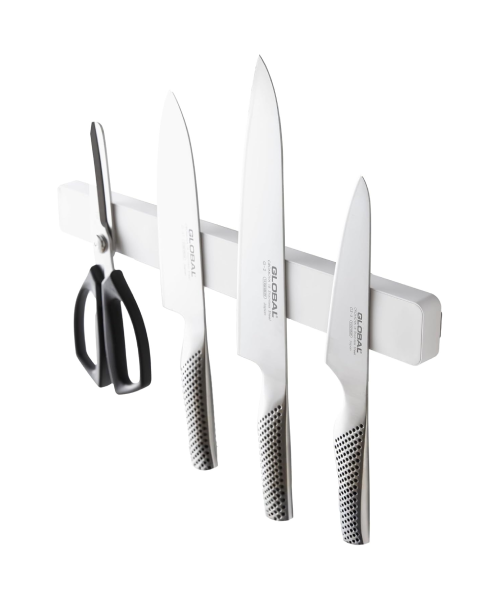
Knife blocks on countertops take up significant counter space in a category where counter space is almost universally limited. Knife strips mounted on the wall put the knives at arm’s reach while removing the block from the counter entirely.

The Yamazaki Home strip in brushed steel is the most consistently recommended because the minimalist design suits most kitchen aesthetics and the magnetic strength handles knives up to an 8-inch chef’s knife securely. The installation requires three screws, which is more permanent than some people want but more secure than adhesive mounting.

Price: £35-55
Available at: Yamazaki Home, Amazon, John Lewis

Products That Made No Actual Difference

The cabinet door-mounted organisers for spices. They look good in photographs. In practice, the spices at the back of the rack are as inaccessible as they were in the cabinet before installing the rack, and the door-mounted weight produced an unnerving degree of swing on opening.

The turntable (lazy Susan) inside a corner cabinet. The concept is good — spin the turntable to access the back. The reality is that corner cabinet dimensions rarely match turntable sizes cleanly, and the few items that don’t fit neatly on the turntable pile up in the gap between the turntable edge and the cabinet wall.

The magnetic spice containers that mount on the fridge. Attractive in a small kitchen with limited storage. Annoying in practice because the containers are small enough that they’re refilled constantly and the magnetic strip occasionally loses grip with heavier containers.

Conclusion

Kitchen organisation is more useful when it solves specific, identified problems than when it attempts to transform the kitchen aesthetically. The OXO pull-out organiser solves deep cabinet inaccessibility. The Caraway pan rack solves pan stacking. The KALLAX solves limited pantry space. The knife strip solves counter clutter. And decant containers solve specifically the flour, sugar, and coffee storage situation. What they all have in common: they change how the kitchen functions rather than how it looks. That’s the difference between organisation that makes cooking easier and organisation that photographs well.

The Best Indoor Plants For Home Decor In 2026 — What I Keep Alive And What I’ve Killed

By Posted on 0 Comments6min read4 views

The Best Indoor Plants For Home Decor In 2026 — What I Keep Alive And What I’ve Killed

The Best Indoor Plants For Home Decor In 2026 — What I Keep Alive And What I've Killed

I’ve killed plants in ways I’m not entirely proud of. I’ve overwatered a cactus. I’ve placed a peace lily in direct afternoon sun and watched it express its feelings about this decision very clearly over forty-eight hours. I’ve bought an expensive fiddle leaf fig, done everything the care card said, and had it drop every leaf within six weeks in a way that felt personally directed.

What I’ve learned from approximately four years of trial and plant-related error is that the difference between a plant surviving and thriving in a real home — not a greenhouse, not a carefully curated Instagram corner with professional lighting — is almost entirely about matching the plant to the conditions that actually exist in your home rather than the conditions you wish existed.

The Plants I Actually Keep Alive

Every plant recommendation I make starts with pothos and for a reason that’s not primarily about the plant’s appearance, which is beautiful, but about its communication style. When a pothos needs water, its leaves droop. Visibly. Obviously. There is no guessing, no checking the soil moisture with a finger, no wondering if the slightly dry-looking leaves are a sign of anything or just normal variation. The plant tells you it’s thirsty and you water it and it recovers within hours.

This feedback loop is the most valuable thing a beginner plant can offer. I’ve had the same golden pothos in my bedroom for two years. It has been moved three times, underwatered twice (both times it drooped dramatically and both times it recovered completely), and overwatered once (fewer, slightly yellowing leaves that were removed and didn’t recur). It currently trails approximately four feet from the top of the wardrobe.

I bought it from The Sill, which is worth mentioning because their plants arrive healthy and their care cards are more specific and more accurate than most. If you’re going to start with one plant, make it a pothos from a reputable source.

Care: Water when the top inch of soil is dry, which in my home is every ten to fourteen days in summer and every three weeks in winter. Tolerates low to bright indirect light. Feed monthly from spring through autumn with a balanced liquid fertiliser.

Where to buy: The Sill (thesill.com), Bloomscape (bloomscape.com), local garden centres
Price: £10-25 depending on size

My bathroom gets approximately two hours of indirect light per day. It is not a hospitable environment for most plants. The snake plant has been in that bathroom for fourteen months and it looks, as best as I can tell, exactly as it did when I bought it — possibly slightly taller, possibly my imagination.

Snake plants store water in their leaves, which means they can go weeks without watering without visible distress. The thick, upright leaves don’t droop or yellow in response to temporary dryness the way soft-leaved plants do. They just sit there, looking good, requiring almost nothing.

The architectural quality of the snake plant — the structured upright form, the clean lines — makes it work in minimal and contemporary interiors in a way that softer, more tropical-looking plants don’t. It looks like a design decision rather than a plant that happened to survive.

Care: Water every three to four weeks in the growing season, every six to eight weeks in winter. This is genuinely all. Avoid direct sun. Tolerates very low light though grows more slowly.

Where to buy: IKEA (seasonal), The Sill, local garden centres
Price: £15-40 depending on size

The monstera is the plant I avoided for two years because I’d read about their care requirements and convinced myself they were difficult. They are not difficult. They are direct. They tell you when they need water (the leaves droop), when they need more light (the new leaves come out without splits, which indicates insufficient light for the fenestration to develop), and when they’re happy (regular new leaves and increasingly split existing leaves).

My monstera has been in the corner of the living room for eight months. It gets bright indirect light from a north-facing window supplemented by a south-facing window on the adjacent wall. It has produced four new leaves in that time. The most recent was the first with significant fenestration (the splits and holes that define the plant’s distinctive appearance), which suggests the plant is finally in conditions it considers optimal.

The monstera in a large white ceramic pot is one of the best value home decor investments available — an impressive, living, improving element of the room that costs less than most furniture pieces and lasts indefinitely.

Care: Water when the top two inches of soil are dry. Bright indirect light. Wipe leaves occasionally with a damp cloth to remove dust and improve photosynthesis.

Where to buy: Bloomscape, local garden centres, Etsy (for more unusual varieties)
Price: £25-80 depending on size

The ZZ plant is the choice for rooms with poor light and infrequent watering schedules. The rhizome root system stores water in a way that allows the plant to survive extended dry periods without visible distress. I’ve had a ZZ in my home office — a room with north-facing windows that gets less natural light than I’d like — for ten months and watered it perhaps fifteen times in that period.

The dark, glossy leaves are genuinely beautiful. They catch ambient light in a way that makes the plant look maintained and healthy even in conditions that would stress most other plants. The waxy surface also makes dusting simple — a damp cloth removes accumulated dust quickly and the plant looks immediately better for it.

Important: ZZ plants are toxic to cats and dogs if ingested. This is relevant to any household with pets that have a plant-eating habit.

Care: Water every three to four weeks, or when the pot feels very light when lifted. Tolerates low to medium indirect light. Very low maintenance.

Where to buy: The Sill, Bloomscape, local garden centres
Price: £20-50 depending on size

The peace lily is the answer to the question “what plant can I have in a low-light room that will also produce flowers?” The answer to this question is genuinely limited — most flowering plants need more light than most homes provide — but the peace lily tolerates genuine low light and produces white flowers (technically spathes, but the effect is of white flowers) for several weeks per year in reasonable conditions.

The drooping communication system (the same as pothos — the plant visibly droops when it wants water and recovers when watered) makes it a good plant for developing the intuition that determines when plants need water.

Care: Water when leaves begin to droop slightly. Indirect light at any intensity. Avoid direct sun.

Where to buy: Garden centres, Bloomscape, local florists
Price: £15-40 depending on size

What I Stopped Buying

The fiddle leaf fig, after two attempts. The conditions it genuinely needs — stable temperature, bright indirect light without drafts, consistent watering — are difficult to provide in most UK homes and the plant’s response to suboptimal conditions is immediate and definitive leaf drop. I accept that it’s a plant I don’t have the conditions for.

Any plant described as “easy” that requires more than indirect light and moderate watering. “Easy” in plant care content almost always means “easy for someone with a well-lit, stable-temperature home and consistent attention to watering schedules.” That’s not most people’s home and it’s not most people’s schedule.

Conclusion

Plants genuinely transform a home — the specific quality of something living and growing in a space that no furniture or art fully replicates. The plants that transform your home successfully are the ones that match what you can actually provide, not the ones that look best in photographs taken in optimal conditions. Start with a pothos. Add a snake plant for your darker rooms. Graduate to a monstera when you’ve learned to read what plants need. The progression from plant-killer to plant-keeper is faster than it feels when you’re standing in front of a dead succulent wondering what you did wrong.

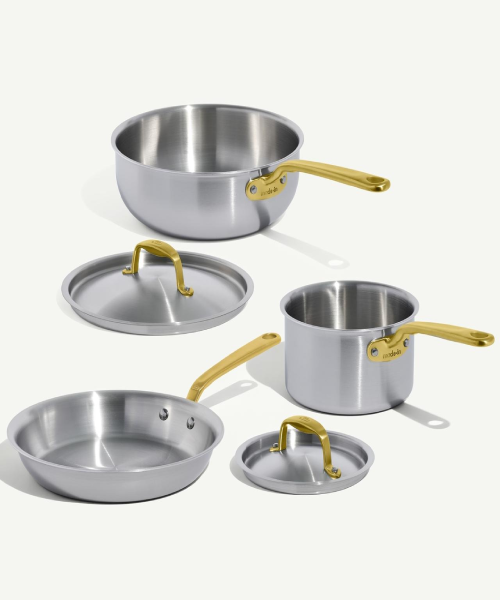
Caraway vs Made In vs Our Place — Three Months of Actual Cooking. My Honest Take

By Posted on 0 Comments5min read5 views

Caraway vs Made In vs Our Place — Three Months of Actual Cooking. My Honest Take

This comparison started because I had a cookware problem. My previous set — something purchased six years ago from a department store during a sale — had reached the point where the nonstick was so degraded that eggs required more oil than a deep fryer and the handles were loose enough to produce genuine anxiety during anything that went in the oven.

I needed to replace everything. And I was tired of buying things that would need replacing in four years.

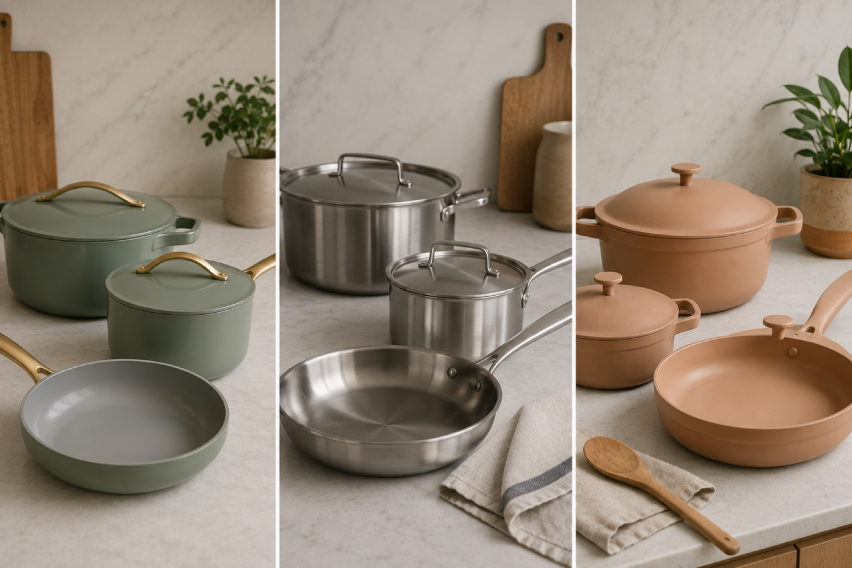
I tested Caraway, Made In, and Our Place over the course of nine months — three months each, cooking actual daily meals rather than demonstration recipes. Here is what that experience produced.

What I Actually Cooked

Caraway vs Made In vs Our Place — Three Months of Actual Cooking. My Honest Take

I cook for two people, usually four to five times per week. The repertoire includes: eggs in the morning several times a week, pasta sauces and braises during the week, weekend cooking that involves higher heat and more technique — seared proteins, pan sauces, the kind of thing that tests a pan rather than just using it. This matters for context because cookware that performs for one type of cooking may not perform for another.

The Three Sets

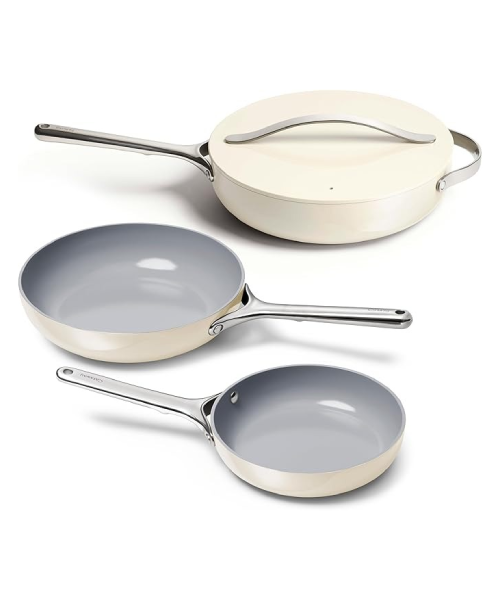
Caraway’s ceramic nonstick is genuinely beautiful. I don’t say that as a throwaway comment — the Dutch oven in sage sitting on the stovetop improved how the kitchen looked in a specific way that sounds vanity and felt meaningful. Cooking is more enjoyable when the things around you look considered.

The performance on eggs and delicate proteins was the best of the three sets in the first three months. Scrambled eggs slid across the surface with a small amount of butter and the specific satisfaction of food releasing cleanly. Fish fillets, which I’d been approaching with anxiety on inadequate nonstick, lifted without stress.

The limitation I hit at around the eight-week mark was heat. I cook chicken thighs regularly and the specific result I want requires a proper sear — higher heat than ceramic nonstick is designed for. The first few times I pushed the heat, the eggs the following morning were fractionally stickier than they had been. By the end of the third month, the coating was performing at about 80% of its new condition.

This is not a product defect. This is ceramic nonstick doing exactly what ceramic nonstick does — it degrades under high heat. Caraway is explicit about this in their care instructions. The question is whether the cooking you do respects these limitations.

Price: £345-495 depending on set
Available at: Caraway Home directly (carawayhome.com), John Lewis
Verdict: Excellent for low-to-medium heat cooking, eggs, sauces, and gentle proteins. Not the right choice if high-heat searing is part of your regular cooking.

Made In stainless clad has a learning curve. I want to be transparent about this because the first two weeks of cooking with stainless steel after years of nonstick was humbling. Eggs stuck. Fish stuck. I came close to returning it.

What changed everything was learning the water bead test — heating the pan until a drop of water beads and rolls rather than immediately evaporating — and understanding that this was the moment to add fat, not before and not later. Once I understood this, the stainless behaved completely differently.

The sear on chicken thighs in the Made In was the best I’ve produced in my kitchen. The fond — the browned residue that becomes the base of a pan sauce — developed properly rather than steaming off because of trapped moisture, which is what happens in a nonstick pan. I made a pan sauce that would not have been possible with the Caraway.

For pasta sauces, braises, and anything that involves deglazing, the stainless is categorically better than ceramic nonstick. The heat distribution in the five-ply construction is even enough that I have not had a hot spot problem in three months of regular use.

The cleaning is honest work. Burnt-on residue requires barkeeper’s friend and a few minutes of effort. This is the specific trade-off — exceptional performance in exchange for more attention in cleaning.

Price: £399-599 depending on set
Available at: Made In directly (madeincookware.com)
Verdict: The best cooking performance of the three sets for serious home cooks. Requires understanding how to use stainless steel and more cleaning effort. Worth it if you cook with intention.

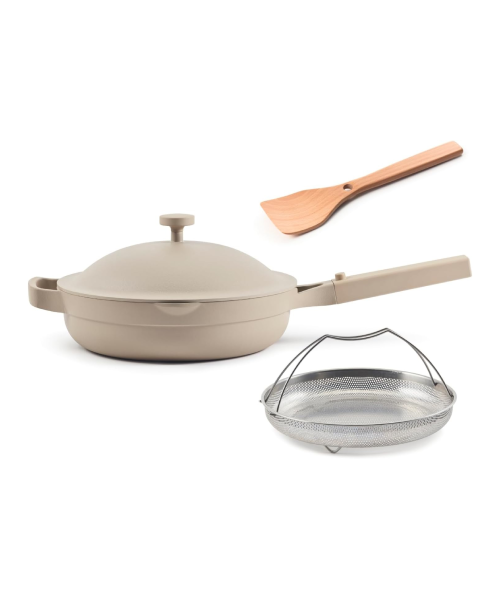
Our Place made its name with the “one pan to replace eight” promise, and the Always Pan 2.0 does genuinely do more things than any other single pan I’ve used. The included steam basket, the lid with built-in strainer, the wooden spoon rest — these are not gimmicks. They work.

What the Always Pan is excellent for: one-pan dinners, steamed vegetables, sauces, smaller braises, cooking for one or two. The size (10 inches) limits batch size in a way that becomes apparent when cooking for more than two people — the pan is genuinely full with a standard pasta sauce for two and the steam function works best with smaller quantities.

The ceramic coating performed similarly to the Caraway over three months — excellent initially, slightly degraded by the end of the test period. I used it at medium heat consistently and the degradation was less than if I’d pushed the heat.

Where the Always Pan genuinely wins is convenience. The number of times I reached for the steam basket instead of pulling out a separate pot, or used the lid strainer instead of a colander for pasta, added up to genuine time savings over the test period.

Price: £145-165
Available at: Our Place directly (fromourplace.com), John Lewis
Verdict: The best option for minimal kitchen setups, single people, or those who cook simple meals and value multifunctionality over cooking performance at the extremes.

The Actual Verdict

These three products are not competing for the same buyer, and I think that’s the honest conclusion.

Caraway is for those who want beautiful, easy-care cookware for everyday cooking that doesn’t involve high heat. It’s genuinely excellent at what it does.

Made In is for those who cook with intention and want the best possible performance from their pans, in exchange for learning how to use stainless steel and accepting more cleaning effort.

Our Place is for those who want maximum functionality from a single pan — the morning egg, the evening steam, the one-pan pasta — in a convenient package.

I kept the Made In as my primary cookware and use the Caraway fry pan specifically for eggs because the nonstick release is genuinely superior for that specific application.

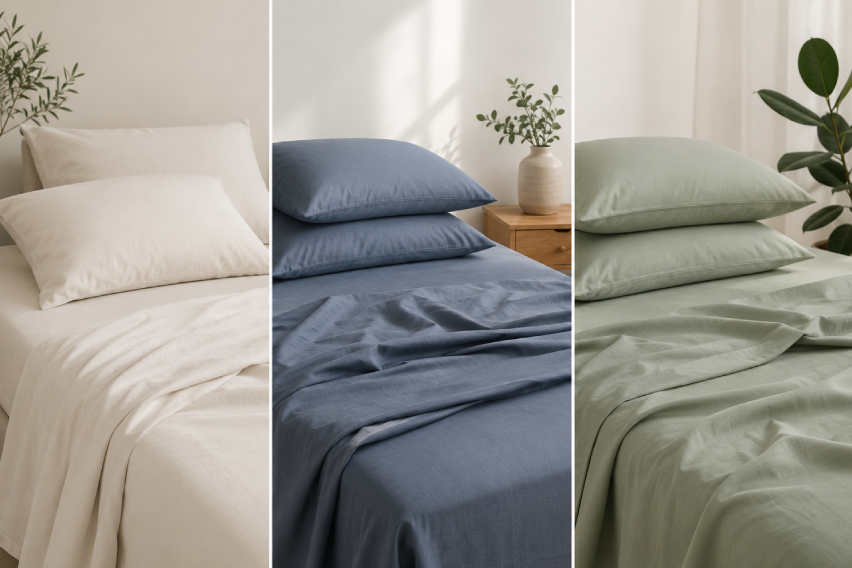
Parachute vs Brooklinen vs Eucalypso Sheets — I Tested All Three. Here’s What I Found

By Posted on 0 Comments5min read3 views

Parachute vs Brooklinen vs Eucalypso Sheets — I Tested All Three. Here’s What I Found

Parachute vs Brooklinen vs Eucalypso Sheets — I Tested All Three. Here's What I Found

I want to start with the admission that I did not expect to become the kind of person who thinks carefully about sheets. I was, until relatively recently, the kind of person who bought whatever was on sale at the department store, waited until the fitted sheet lost its elasticity, and then repeated the process.

What changed was sleeping on hotel sheets once — the specific, immediately apparent quality difference of a bed that had been made with genuine care and genuine materials — and coming home to my standard sheets with a new, unwelcome awareness of what I’d been sleeping on.

I spent the better part of a year testing Parachute, Brooklinen, and Eucalypso through regular use and washing before arriving at conclusions I actually trust. Here’s what six months of actual sleeping produced.

What I Was Testing For

Temperature regulation. I sleep warm. My partner sleeps cold. Finding sheets that regulate temperature bidirectionally — keeping me from sweating and them from feeling chilled — was the specific problem I was trying to solve.

How they change with washing. Most sheets feel their best when new. I wanted to know what they feel like after twenty washes. This matters more than the initial impression.

Durability at the seams and fitted sheet corners. These are the points that fail first and they tell you more about construction quality than any amount of initial softness.

The Three Sets

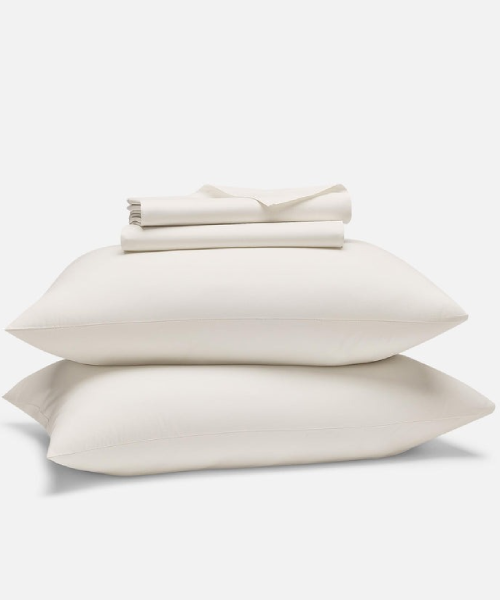
The Parachute Classic Percale arrived crisp. Not unpleasantly so — the crispness of a well-ironed cotton shirt rather than the crispness of something stiff. The percale weave (plain one-over-one-under construction) produces this texture and it’s either the appeal or the initial resistance depending on what you’re used to.

By the sixth washing cycle, the Parachute percale had done something I’d been told to expect but didn’t quite believe until it happened: it got noticeably softer without getting noticeably thinner. The thread structure relaxes with washing in a way that produces genuine improvement rather than simply wear. At wash twelve, I preferred the Parachute to how it felt when new. At wash twenty, I preferred it more again.

The temperature performance was the strongest of the three sets. The open weave of percale allows genuine air circulation — the sheets don’t trap heat the way heavier sateen weaves do. On warm nights, sleeping under Parachute percale felt genuinely comfortable where the other sets I’d been using previously felt clammy. For my partner, the percale’s crispness was initially less comfortable than they’d hoped — they prefer a warmer, softer texture.

The fitted sheet corners held through twenty washes without the elastic showing any signs of loosening. The seams are clean and straight.

Price: £149-179 for a queen set
Available at: Parachute Home directly (parachutehome.com)
Verdict: The best option if you sleep warm, if you’re willing to wait for the softness to develop, and if you want sheets that genuinely improve over time.

Brooklinen’s Classic Core arrived slightly softer than the Parachute and reached its peak softness faster — by the fourth washing cycle, the Classic Core felt completely broken in and comfortable. The thread count (270, long-staple cotton) produces a fabric that’s softer at first use than the Parachute’s more heavily starched initial feel.

The peak softness comparison between the two: at maximum broken-in comfort, I’d give the Parachute a slight edge — the softness it develops feels more luxurious because the cotton fibers relax more completely over more washes. The Brooklinen’s softness peak comes earlier but doesn’t quite reach the same ceiling.

Temperature performance was very close to Parachute. The percale weave breathes similarly and the cotton quality is comparable. For hot sleepers, both the Parachute and Brooklinen outperform the Eucalypso by virtue of the percale weave structure, but the Eucalypso outperforms both through a different mechanism — the fiber itself rather than the weave.

The fitted sheet corners on the Brooklinen held equally well to Parachute through twenty wash cycles. Construction quality at this price point is genuinely competitive.

At £109-139 for a queen set — approximately £40 less than Parachute — the Brooklinen Classic Core is the recommendation for those who want quality very close to Parachute for less money, or who want to furnish multiple beds without spending at the Parachute rate for each.

Price: £109-139 for a queen set
Available at: Brooklinen directly (brooklinen.com)
Verdict: The better value option for quality very close to Parachute at a lower price. Start here if you’re unsure.

Eucalypso is a different product than the other two and comparing it to cotton sheets requires acknowledging that the comparison is between fundamentally different materials rather than better or worse versions of the same thing.

The TENCEL Lyocell fabric used in Eucalypso sheets is made from eucalyptus wood pulp through a closed-loop production process. The resulting fiber is thinner than cotton at the same weight, produces a surface that’s immediately and noticeably cooler to the touch, and has a moisture-wicking property that cotton percale — even the best cotton percale — doesn’t match.

On the first night using Eucalypso, the temperature difference was immediately apparent. The sheets felt cool rather than neutral when getting into bed, and they continued managing heat more aggressively throughout the night than either cotton set. For my partner, who had found the percale sheets slightly cold, the Eucalypso’s temperature management produced a different result — the fabric felt cool initially and then regulated to a comfortable neutral, which they found more pleasant than the cotton’s passive temperature matching.

The softness on first use is the silkiest of the three — the fine fiber produces a surface that’s almost slippery against the skin in the best possible way. After twenty washes, the softness is maintained rather than improved — Eucalypso doesn’t have the same improving-with-washing quality that cotton percale has. It maintains its softness rather than developing it.

The sustainability credentials are genuine — the closed-loop production process recovers and reuses approximately 99% of the water and solvent used, which is significantly better than cotton production by most environmental metrics.

Price: £149-199 for a queen set
Available at: Eucalypso Home directly (eucalypsohome.com)
Verdict: The best choice for hot sleepers for whom temperature regulation is the primary concern. Different to cotton in ways that are immediately apparent — try the sample offering before committing to a full set if possible.

The Actual Verdict After Six Months

If you sleep warm: Eucalypso, then Parachute percale.
If you sleep cold or neutral: Brooklinen Classic Core (softest soonest) or Parachute (softest eventually).
If value is a priority: Brooklinen by a clear margin.
If sustainability is a priority: Eucalypso by a clear margin.
If you want the most luxurious sheets after a year of washing: Parachute percale by a slight margin.

None of these are bad choices. What I was trying to find — sheets that genuinely made the difference to sleep quality rather than simply feeling different — turned out to be all three, for different reasons and different sleepers.

The Best Sofas For Small Living Rooms Worth Buying In 2026 — Honest Picks After A Lot Of Research

By Posted on 0 Comments7min read10 views

The Best Sofas For Small Living Rooms Worth Buying In 2026 — Honest Picks After A Lot Of Research

The Best Sofas For Small Living Rooms Worth Buying In 2026 — Honest Picks After A Lot Of Research

When we were furnishing our living room last year, the sofa decision took three times longer than any other piece of furniture. Not because I’m indecisive — I have opinions about most things fairly quickly — but because a sofa in a small living room is doing so much work simultaneously. It has to fit without dominating. It has to look good without overshadowing everything else. It has to be comfortable enough for actual daily life, not just for sitting upright and looking presentable.

I visited showrooms. I measured the floor with tape at least four times. I returned two sofas that looked completely different in my living room than they did in the warehouse. And I learned a lot about what makes a sofa work in a small space and what makes it fail.

What I Learned About Small Space Sofas

The single most important thing about a sofa in a small living room is the leg height. A sofa with visible legs — where you can see the floor beneath the sofa — makes the room feel larger because the eye reads the continuous floor plane rather than a piece of furniture interrupting it. A sofa that goes to the floor, or worse, has a skirt that conceals the base entirely, visually cuts the room in half at the height of the sofa seat.

The second thing: arm height and depth. Deep sofas with high, padded arms eat into the visual space of a small room aggressively. A sofa with slightly lower, firmer arms and a slightly shallower seat depth (around 85-90cm including the back cushion) provides completely comfortable sitting while taking up considerably less visual real estate.

The third thing I learned the hard way: order fabric samples before ordering. The colour difference between a fabric sample card in a showroom and the same fabric at sofa scale under your home’s specific lighting is not subtle. It’s the reason I returned a sofa.

The Best Sofas For Small Living Rooms

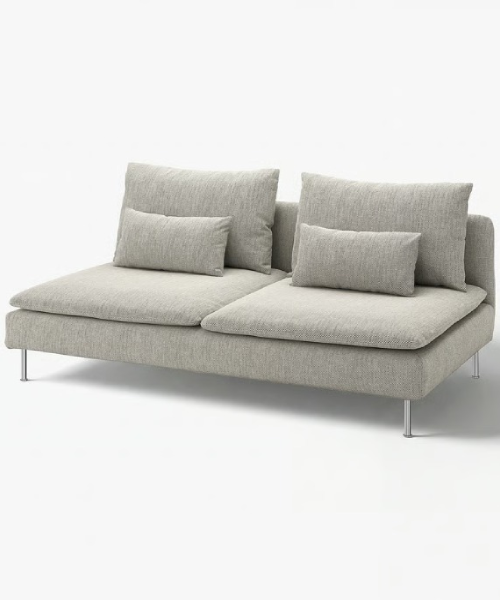
The IKEA Söderhamn is the sofa I’d recommend first to anyone furnishing a small living room on a budget because it solves the small-space sofa problem in a way that most sofas don’t. The modular configuration system allows building the exact size required for the specific space — a two-seat section that’s genuinely two seats, not two seats generously sized for a showroom, is available without compromising on the overall design.

The low profile is the Söderhamn’s strongest quality for small spaces. The back cushions sit lower than most sofas, the seat height is appropriate, and the overall silhouette reads as deliberate Scandinavian minimalism rather than as a sofa that’s been scaled down from something larger. In a small living room, the visual lightness of the Söderhamn makes the room feel more spacious rather than making the sofa feel crowded.

The seat depth is comfortable for actual sitting rather than perching — a criticism sometimes directed at low-profile sofas. At 95cm total depth (approximately 55cm seat depth with the back cushion in position), it accommodates normal adult sitting without feeling cramped.

The honest limitation: the cushion quality requires acknowledging. The Söderhamn cushions soften noticeably after the first year of regular use and will benefit from replacing or upgrading the inserts after two to three years. Budget for this when considering the total cost of ownership.

Price: From £550 for a two-seater
Available at: IKEA stores and online (ikea.com)
Best for: Those furnishing a small living room on a budget who want a genuinely stylish, adaptable sofa.

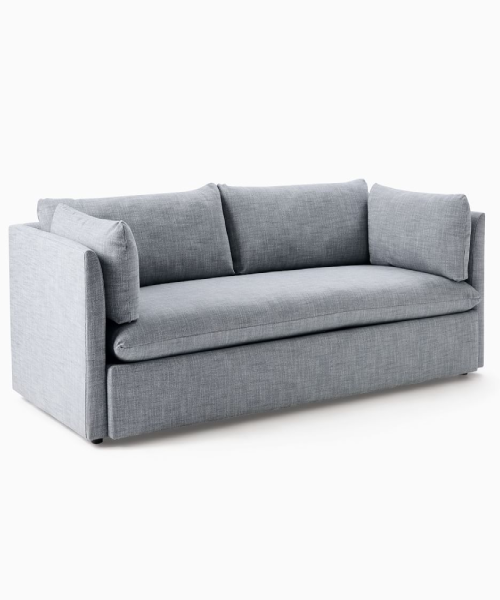
The West Elm Shelter Sofa is the mid-range option that most consistently appears in small space interior design recommendations, and the reason is the specific combination of lower arm height, visible tapered legs, and a compact overall footprint that looks considerably more expensive than the price reflects.

The tapered wooden legs (available in several finishes) are the detail that makes the most difference in a small room — they lift the sofa visually in a way that lets the floor breathe underneath and creates the sense of space that solid-based sofas prevent. The arm height at approximately 55cm (lower than the industry standard of 60-65cm) reduces the visual mass of the sofa from the side without compromising armrest function.

Available in a range of performance fabrics that the brand has improved significantly in recent iterations. The Twill and Velvet options photograph well and hold up to regular use. The performance weave is the practical choice for anyone with pets or children — it cleans more easily than the standard weave options and holds its colour better with repeated wiping.

The delivery timeline from West Elm is a genuine consideration — custom-fabric sofas typically run eight to twelve weeks from order. This is worth planning around rather than discovering after ordering.

Price: From £1,200
Available at: West Elm directly (westelm.com/co.uk), in West Elm stores
Best for: Those who want a genuinely designed, mid-range sofa with good small-space proportions.

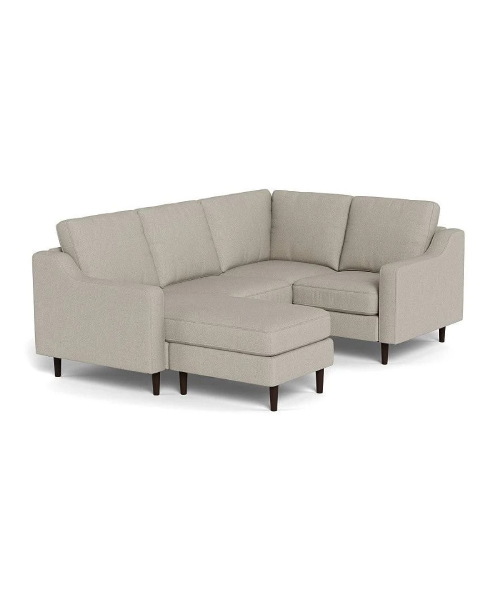
Cozey is a Canadian direct-to-consumer sofa brand that doesn’t have the same brand recognition as IKEA or West Elm but produces sofas that consistently receive strong reviews specifically from small apartment dwellers who found the proportions unusually well-suited to compact spaces.

The Core Sofa is the piece to look at — a modular design that ships flat-packed (boxes that fit through standard doorways, which is a practical consideration many larger sofas fail), self-assembles in about 45 minutes, and produces a sofa that looks considerably more expensive than its price when assembled.

The cushion quality is above what the price would suggest. The foam density maintains its shape better than many sofas at the same price point, and the fabric selection includes several performance options that resist the pilling that cheaper sofa fabrics develop within a year.

Price: From $895 CAD / approximately £520
Available at: Cozey directly (cozey.ca)
Best for: Those in Canada or willing to ship internationally who want a self-assembly sofa with genuinely good proportions for small spaces.

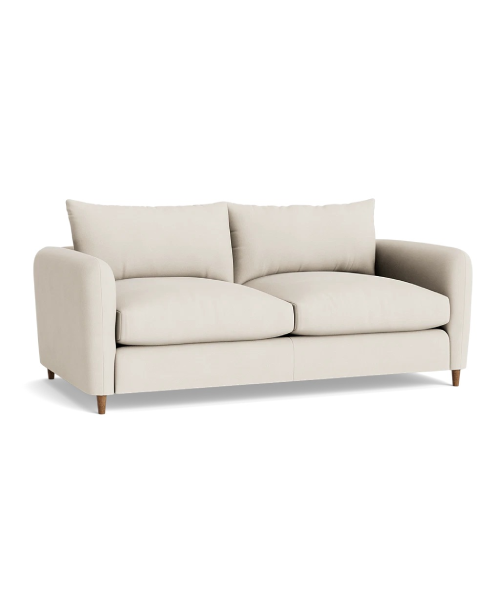
Loaf is a British sofa brand that makes the counter-argument to the minimal, small-space aesthetics described above: genuinely, deeply comfortable sofas that prioritise the experience of sitting in them rather than how they look from across the room.

The Squishmeister is a compact two-seater (220cm wide in the standard size, available in a smaller 180cm configuration) with the specific combination of feather-blend cushions and a slightly deeper seat that makes it the sofa you sink into rather than sit on. For small living rooms where the sofa is used primarily for evenings on the sofa watching films rather than for formal sitting, this distinction matters more than room proportion.

The honest trade-off: the feather-blend cushions require plumping and are not the low-maintenance option that foam cushions provide. They also need to be kept away from damp environments because feathers retain moisture. For those who accept this in exchange for genuine comfort, Loaf sofas are genuinely different to sit in.

Price: From £1,595
Available at: Loaf directly (loaf.com), in Loaf stores
Best for: Those who prioritise comfort above all else in a compact two-seater.

Made.com’s Archive Sofa is the design-forward option at an accessible price. The mid-century inspired silhouette — tapered legs, lower back, piped cushions — reads as significantly more expensive than the price and suits the small living room because the proportions are calibrated rather than simply scaled from a larger sofa.

Available in a genuine range of upholstery options including several velvet choices that photograph beautifully and hold up reasonably well in practice. The velvet does require more care than the fabric options — brushing rather than wiping for most marks, professional cleaning for anything significant.

Price: From £699
Available at: Made.com
Best for: Those who want a design-forward aesthetic at an accessible price with mid-century proportions.

How To Measure For A Small Living Room Sofa

Before buying any sofa for a small space, measure these specific things: the width of the narrowest point the sofa must pass through on delivery (doors, hallways, stairwell turns), the space the sofa will occupy with 45cm of clearance in front of it for passage, and the height of the sofa against the room’s proportions — specifically, the sofa back should not exceed two-thirds of the ceiling height for comfortable visual proportion.

Mark the intended sofa footprint on the floor with masking tape before ordering. Live with it for a day or two. What feels too large in theory often proves fine in practice; what seemed fine in theory sometimes proves oppressively large once you’re living around the tape.

Conclusion

The sofa for a small living room is the decision that most affects how the room feels to live in, and it deserves the deliberation its permanence warrants. IKEA’s Söderhamn is the starting point for budget-conscious buyers who want genuine style and configurability. West Elm’s Shelter provides mid-range quality with genuinely good small-space proportions. Cozey is the Canadian alternative worth investigating for its self-assembly practicality and quality above its price. Loaf’s Squishmeister is for those who want comfort above visual lightness. And Made.com’s Archive Sofa delivers design-forward aesthetics at accessible prices. Whatever you choose, measure twice, order fabric samples first, and mark the footprint on the floor before committing — the sofa you live with for five years deserves the extra two weeks of consideration.

Gozney Review 2026 — Arc, Arc XL, or Dome — Which One to Buy?

By Posted on 0 Comments10min read789 views

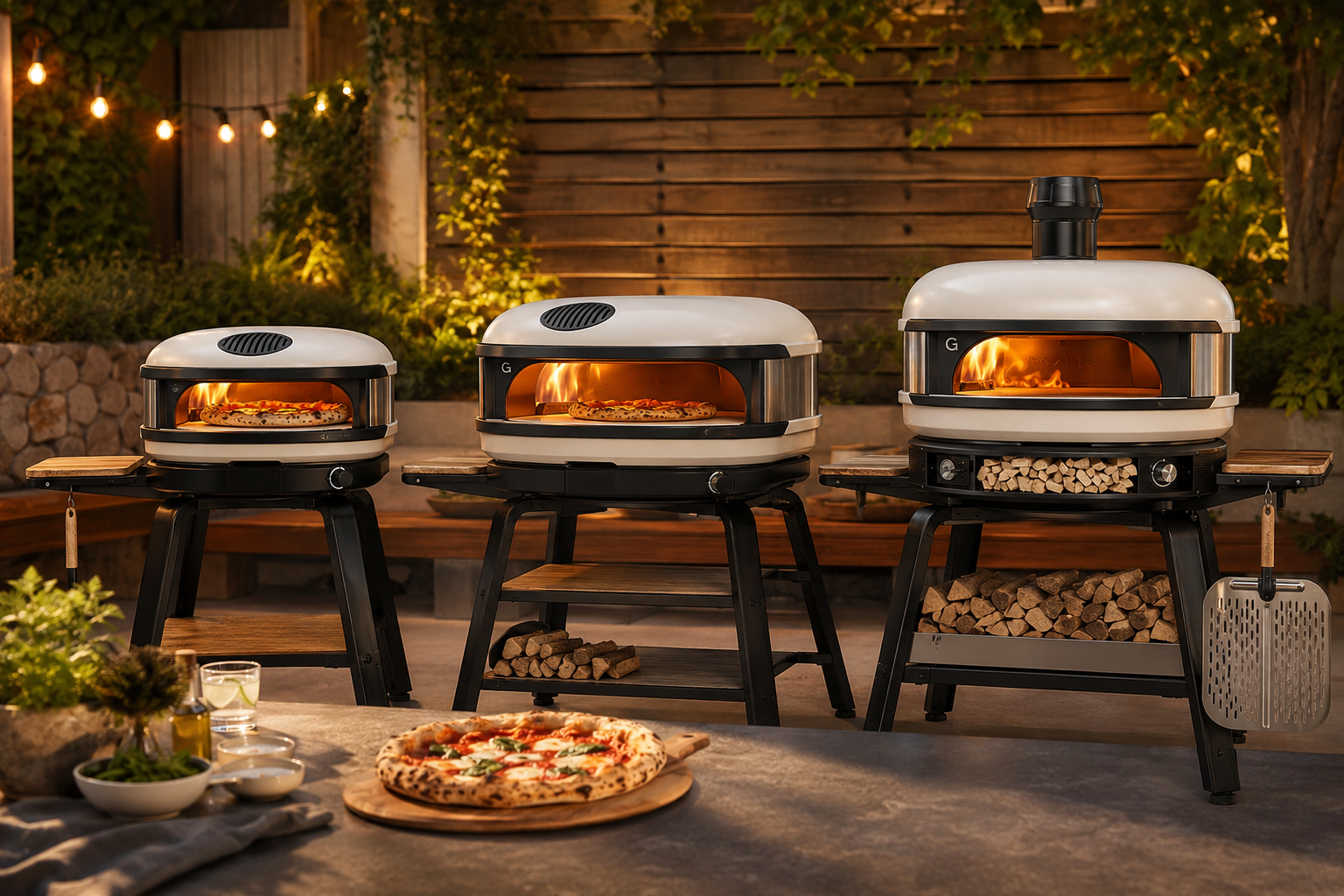
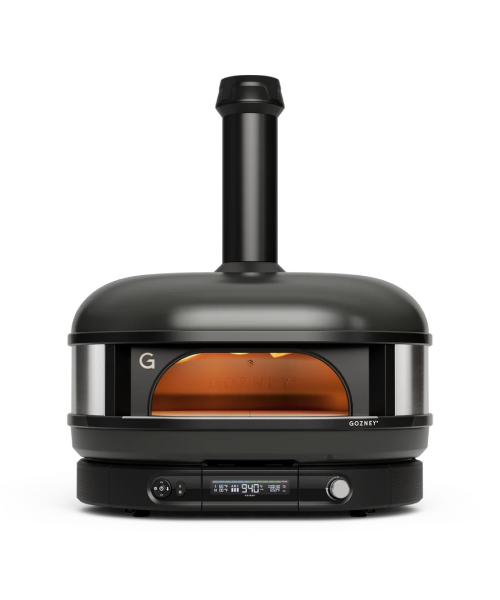
Gozney’s range has grown enough by 2026 that “should I buy a Gozney pizza oven” isn’t really one question anymore — it’s at least three. The Dome, the Arc, the Arc XL, and the Roccbox all carry the Gozney name and the same fundamental engineering philosophy, but they’re built for genuinely different buyers, and the reviewer evidence across this range is specific enough this time to give real, practical guidance on which one fits which person.

Quick Highlights

  • ✅ A tester who’s run more than 30 pizza ovens through controlled testing specifically calls the Arc “the easiest pizza oven I ever used” — a meaningful endorsement from someone with genuine comparative authority
  • ✅ Independent lab-style testing confirms Gozney’s stated temperatures are genuinely accurate — the Arc reaches and holds 950°F with peaks exceeding 1000°F, verified against an infrared thermometer
  • ✅ The Arc XL’s removable stone and larger mouth opening specifically solve the maneuverability complaints documented on smaller ovens
  • ✅ Dome Gen 2’s updated lateral burner design (shared with the Arc series) is a genuine engineering improvement over the original Dome’s back-corner flame
  • ✅ Delivery experience specifically praised — regular tracking updates and careful driver handling for the heaviest models
  • ✅ Extended warranty available simply by registering your product after purchase
  • ❌ None of the larger Gozney ovens are genuinely portable — the Arc alone weighs 47.5 lbs with a near-3-square-foot footprint, and works best as a permanent backyard fixture rather than something you move regularly
  • ❌ Total cost adds up fast once you factor in the stand, cover, and proper peels — one detailed reviewer’s full Dome XL accessory bill came to £639.97 on top of the oven itself
  • ❌ Real heat retention between consecutive pizzas, while better than most competitors, still isn’t as strong as a permanent brick oven — a documented limitation even from a three-year owner who otherwise loves the Dome
  • ❌ Wood-fired operation specifically takes significantly longer to reach temperature and requires real ongoing attention — one specific owner reports roughly three hours to heat via charcoal/wood versus minutes on gas
  • ❌ Genuine beginner learning curve persists across the range — even experienced owners recommend starting at 650-750°F rather than jumping straight to 900°F+ on your first attempts

Best for: Buyers choosing between specific Gozney models based on actual use case — the Arc for most first-time buyers wanting the best balance of ease and performance, the Arc XL specifically if you regularly want pizzas above 14 inches, and the Dome only if you’re already confident in your pizza-making skills and want the multi-fuel flexibility and design statement that comes with the premium price.

Why Trust This Review

Cross-referenced from TechGearLab’s controlled lab testing (infrared thermometer verification), Pala Pizza’s hands-on testing across 30+ pizza ovens, Vincenzo’s Plate’s detailed Arc XL unboxing and cooking test, Domino’s three-year owner review of the Dome Gen 2 XL, and Pizza Every Friday’s two-year Dome ownership account. No commercial relationship with Gozney.

Table of Contents

  • About Gozney
  • Gozney Review: Full Breakdown by Model
  • Best Gozney Products Worth Buying
  • What Customers Actually Think
  • Is Gozney Worth It?
  • Gozney Arc vs Arc XL vs Dome — Which One Should You Buy?
  • Where to Buy
  • FAQs
  • Final Verdict

About Gozney

Gozney was founded by Tom Gozney in the UK, built around a specific frustration: home pizza ovens weren’t delivering the temperatures and results that professional restaurant equipment could achieve. The original Roccbox (2017) established the brand’s credibility, and the Dome that followed became Gozney’s signature multi-fuel statement piece. The Arc and Arc XL, launched more recently, introduced a new lateral gas burner design and digital temperature display that’s since been incorporated into the updated Dome Gen 2 as well — meaning the brand’s newest engineering improvements now run across the entire current lineup rather than being confined to a single flagship model.

Gozney Review: Full Breakdown by Model

The Arc — The Model Most Independent Testers Specifically Recommend for Beginners

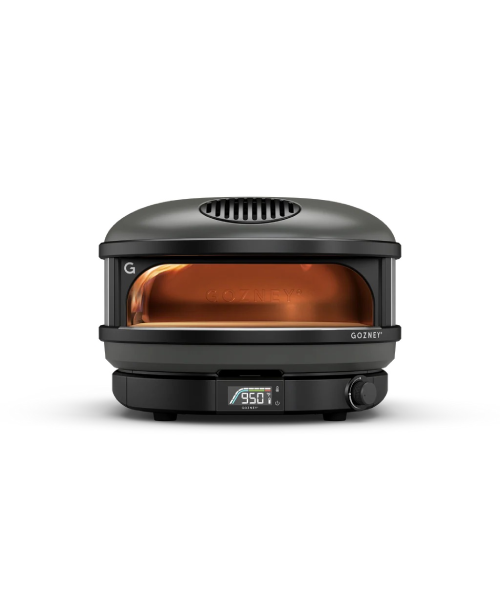
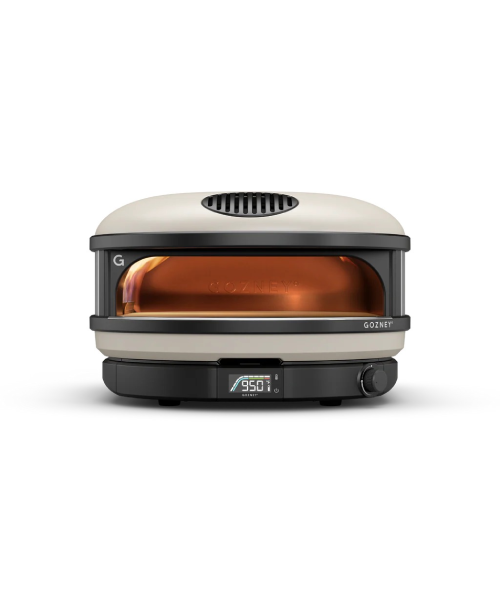
This is where the most useful new evidence concentrates. Pala Pizza’s reviewer, who has personally tested over 30 different pizza ovens, makes a direct and specific comparative claim: “It’s the easiest pizza oven I ever used and performs exceptionally well. I still can’t believe the price of this.” His controlled test documents the actual temperature progression — launching a first pizza at 813°F measured at the center of the stone, cooking for 76 seconds, with results he specifically describes as “fantastic” despite a slightly underdone bottom on the very first attempt; his second pizza, launched at 864°F, produced “an excellent bottom” with what he calls “incredible” cross-section results.

TechGearLab’s independent lab testing — using an infrared thermometer to verify Gozney’s own claims rather than just taking them at face value — confirms the Arc reaches and holds 950°F as advertised, “with peak temperatures well exceeding 1000°F.” Their specific conclusion: “What truly surprised us was that we were able to achieve near-perfect results on our very first attempt — something we rarely experience with backyard pizza ovens.” That’s a meaningfully stronger beginner-friendliness claim than most pizza oven reviews make, and it comes from a testing methodology designed specifically to be skeptical of manufacturer claims.

The Arc XL — Solves the Specific Maneuverability Complaint Smaller Ovens Generate

Vincenzo’s Plate’s detailed unboxing and cooking test of the Arc XL is specifically focused on whether the larger size genuinely improves the experience rather than just accommodating bigger pizzas. His verdict is direct: “the opening is a lot bigger than both the Dome and Roccbox which provides more room to handle the pizza from different angles,” and “the design and burner placement make it compact from the outside and spacious from the inside.”

His comparative conclusion across the full Gozney range, having previously reviewed the Dome extensively: “It literally kills all medium-sized pizza ovens on the market and has a better exhaust design than Dome.” Practically, the Arc XL arrives pre-assembled — “you don’t have to do anything except for placing the ventilation gauze and flame grates” — which removes one of the more common points of first-time setup frustration documented elsewhere in the broader pizza oven category.

The Dome Gen 2 — A Genuine Engineering Upgrade, Still Requires Patience and Real Investment

Pala Pizza’s detailed Gen 2 review documents the specific engineering changes: the cooking area is roughly 16% larger than the original Dome, and the burner design has shifted from the original’s back-corner flame to the newer lateral burner design shared with the Arc series — a change the reviewer specifically endorses as a meaningful improvement based on his experience across Gozney’s other current models.

The honest tradeoffs are specific and worth knowing precisely. Heat-up time is genuinely longer than the smaller Arc models — “it took 35 minutes to reach temperatures for baking New York style pizza, and even longer for Neapolitan,” with Gozney’s own stated estimate of 50-55 minutes for full heat saturation, varying with outside temperature and wind conditions. Domino’s three-year-owning reviewer (testing the Dome XL Gen 2 specifically) makes a comparative material observation worth flagging: “Gozney’s feels slippery underneath the pizza; it wasn’t as easy for me to maneuver it” compared to his prior Ooni-brand experience — a specific, practical detail about pizza handling rather than overall oven performance.

The same reviewer’s honest, specific recommendation for first-time buyers: “I’d start with a smaller model, like the Arc or the Tread, and work your way up” before committing to the Dome’s price and learning curve, having specifically noted that his own comfort with the Dome comes partly from “doing this for three years.”

The Total Cost of Ownership — A Detail Worth Planning Around in Advance

This is consistently underweighted in initial purchase decisions and worth flagging directly with a real number attached. Livingetc’s reviewer documents the actual accessory cost for a fully-equipped Dome XL Gen 2 setup: Cover, Stand, and Balance Placement Peel together add £639.97 on top of the oven’s own price — a substantial addition that doesn’t show up in the headline oven price most buyers compare when shopping.

Wood and Charcoal Fuel — A Real, Documented Time and Attention Cost

Pala Pizza’s Dome Gen 2 testing specifically documents charcoal heat-up taking “at least 3 hours” compared to the minutes required for gas, plus the need for the optional Neapolitan arch accessory specifically to retain enough heat for genuine Neapolitan-style results on charcoal. The reviewer’s direct, useful framing: “Don’t expect to be making Neapolitan pizza without a proper wood fire” if that specific style and flavor profile genuinely matters to you — gas alone, even at the right temperature, produces a meaningfully different result for that specific pizza style.

Best Gozney Products Worth Buying

Best for: First-time Gozney buyers and most home pizza enthusiasts wanting the best ratio of ease-of-use to genuine performance.

Top Features:

  • Lateral rolling gas burner with front-mounted temperature control — no walking around the oven to adjust flame
  • Built-in digital temperature display removes the single biggest beginner guessing game
  • 30mm thick pizza stone with two-layer insulation maintains consistent heat across consecutive pizzas

One Honest Drawback: At 47.5 lbs with a near-3-square-foot footprint, this is a permanent backyard fixture, not something you tuck away between uses.

Verdict: Independently described by a tester with 30+ oven comparisons as “the easiest pizza oven I ever used.” The single most consistently recommended starting point in the current Gozney range.

Best for: Buyers who specifically and regularly want pizzas larger than 14 inches, or anyone who’s found smaller ovens frustrating to maneuver pizzas within.

Top Features:

  • Larger mouth opening than both the Dome and Roccbox, providing genuinely more room to work the pizza from multiple angles
  • Arrives pre-assembled — setup is limited to attaching the ventilation gauze and flame grates
  • Compatible with the same Gozney stand and Booster accessories as the standard Arc

One Honest Drawback: If your typical pizza size is 12-14 inches, the extra size and cost over the standard Arc may not deliver a proportional benefit — one detailed reviewer specifically notes most of his own pizzas run around 12 inches even while owning the XL.

Verdict: The right upsize specifically for buyers with a genuine, recurring need for larger pizzas — not a default upgrade for everyone.

Best for: Experienced home pizza makers who specifically want multi-fuel flexibility and are prepared to invest real time learning the oven, particularly for genuine wood-fired Neapolitan results.

Top Features:

  • Updated lateral burner design (shared with the Arc series) — a genuine engineering improvement over the original Dome’s back-corner flame placement
  • Larger cooking area, roughly 16% bigger than the first-generation Dome
  • Multi-fuel capability genuinely produces different, authentic results depending on which fuel you choose — not just a marketing checkbox

One Honest Drawback: Total realistic investment, once you add the recommended stand, cover, and proper peels, runs several hundred dollars/pounds above the oven’s own sticker price — budget for this before purchase rather than discovering it afterward.

Verdict: A genuinely excellent oven for buyers who’ve already confirmed pizza-making is a long-term hobby. Not the right first purchase for someone still deciding whether they’ll stick with it.

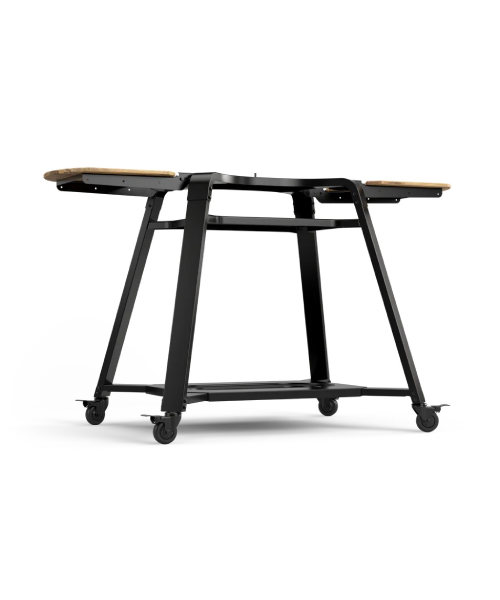
Best for: Any Dome or Arc/Arc XL owner who doesn’t already have a suitable outdoor surface at the correct working height.

Top Features:

  • Powder-coated steel construction with two fold-down acacia wood shelves for prep and tool storage
  • Interchangeable between the Arc and Arc XL (though not compatible with the Dome, which has its own dedicated stand option)
  • Specifically described by multiple reviewers as sturdy, good-looking, and worth the additional cost

One Honest Drawback: This is a genuine additional cost beyond the oven price that most buyers underestimate when budgeting initially.

Verdict: Effectively a required purchase rather than optional, unless you already have an appropriately sturdy, heat-safe outdoor counter or table.

What Customers Actually Think

Real accounts paraphrased:

  • “Based on my experience after testing over 30 pizza ovens, the Arc is the easiest pizza oven I ever used. I still can’t believe the price of this.”
  • “What truly surprised us was that we were able to achieve near-perfect results on our very first attempt — something we rarely experience with backyard pizza ovens.”
  • “It literally kills all medium-sized pizza ovens on the market. Perfect for everyone, whether you’re a beginner, professional, or pizza lover.”
  • “Gozney’s feels slippery underneath the pizza compared to my previous oven; it wasn’t as easy for me to maneuver.”
  • “I’d start with a smaller model, like the Arc, and work your way up. It can be very frustrating when you mess up in the beginning, so you don’t want to spend a lot before you’re certain this hobby is for you.”
  • “My gas-fired pizzas were just as good — sometimes better — than the wood-fired ones. And in my house, we know our pizza.”

Is Gozney Worth It?

For most home pizza enthusiasts, including first-timers: yes, specifically with the Arc, based on the strongest independently verified beginner-friendliness evidence in the entire range.

For buyers specifically wanting larger pizzas as a recurring, regular need: the Arc XL, with the size upgrade justified by genuine maneuverability and capacity benefits rather than just bragging rights.

For experienced pizza makers wanting multi-fuel flexibility, genuine wood-fired Neapolitan results, and the most premium aesthetic statement: the Dome Gen 2, with full awareness of the real total cost of accessories and the genuine time investment wood/charcoal operation requires.

Gozney Arc vs Arc XL vs Dome — Which One Should You Buy?


Arc

Arc XL

Dome Gen 2

Pizza size

Up to 14″

Up to 16″

Up to 16″ (18″ on Dome XL)

Fuel options

Gas only

Gas only

Gas, wood, charcoal

Heat-up time (gas)

Fast

Fast

35-55 minutes

Beginner friendliness

✅ Best in range

✅ Very strong

More demanding, recommend prior experience

Pre-assembled

✅ Mostly

✅ Yes

✅ Yes, but heavier (136 lbs)

Price (oven only)

~$699-799

~$799-899

~$1,799-1,999

Best for

Most first-time buyers

Larger-pizza regulars

Experienced, multi-fuel enthusiasts

Where to Buy

gozney.com — full range, also available through John Lewis for UK Arc purchases specifically. Register your product after purchase to activate the extended warranty.

FAQs

Which Gozney oven is best for beginners?

The Arc, based on multiple independent reviewers — including one with over 30 pizza ovens tested — specifically describing it as the easiest to use, with near-perfect first-attempt results documented in controlled lab testing.

Is the Gozney Dome worth the extra cost over the Arc?

Only if you specifically want multi-fuel flexibility (genuine wood-fired results) and have already confirmed pizza-making is a long-term hobby — multiple experienced owners specifically recommend starting smaller first.

How accurate are Gozney's advertised temperatures?

Independent lab testing using infrared thermometers confirms the Arc genuinely reaches and holds 950°F with peaks exceeding 1000°F, matching Gozney’s own claims.

What's the real total cost of a Gozney Dome setup?

Beyond the oven itself, a fully accessorized setup (cover, stand, balance peel) can add several hundred dollars/pounds — one detailed UK reviewer’s total accessory cost came to £639.97.

Final Verdict

Gozney’s current range has matured into a genuinely well-differentiated lineup rather than a single flagship product with size variants. The Arc earns the strongest, most specific beginner-friendliness endorsement from testers with real comparative authority across dozens of competing ovens. The Arc XL solves a real, documented maneuverability problem for anyone wanting larger pizzas. The Dome Gen 2 remains the premium, multi-fuel statement piece — genuinely excellent, but best approached after you’ve confirmed your own commitment to the hobby and budgeted realistically for the accessories that complete the setup.

Overall Rating: 9.0 / 10

Category

Score

Pizza Performance (Arc/Arc XL)

9.5 / 10

Pizza Performance (Dome, multi-fuel)

9 / 10

Beginner Accessibility

8.5 / 10

Build Quality & Design

9.5 / 10

Total Cost Transparency

7 / 10

Delivery Experience

9 / 10

Overall

9.0 / 10

Santos Grills Review 2026 — Great Seminars, A Real Post-Purchase Warning

By Posted on 0 Comments10min read35 views

Santos Grills generates two genuinely different categories of review depending on exactly where a customer is in their relationship with the company. While shopping and attending seminars, the praise is detailed, specific, and enthusiastic. Once a defect appears after the sale, at least one detailed, dated, multi-month case shows a meaningfully harder experience — one specific enough and serious enough that it deserves to be the central focus of this review rather than a footnote.

Quick Highlights

  • ✅ 4.58/5 aggregate across 6,052 reviews.io reviews, and a separate 4-star Trustpilot average from 562 reviews — a substantial and broadly positive verified rating base
  • ✅ The basic and advanced cooking seminars at the Cologne and Frankfurt locations are consistently and specifically praised by name across multiple distinct instructors (Esther, Alex, Thomas, Samuel, Jochen, Klaus)
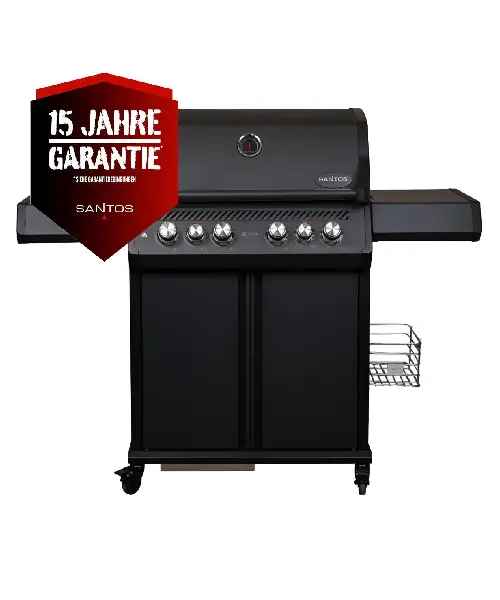
  • ✅ S-Series gas grills use genuinely premium materials — double-walled stainless steel lid, cast aluminum components, cast iron grates — positioned by the company directly against professional outdoor kitchen standards
  • ✅ Infrared side burners on S-Series models reach genuinely high temperatures (up to 800°C/1,472°F), suitable for proper searing and rotisserie cooking
  • ✅ Direct-from-manufacturer pricing model (the company describes its products going “only a few steps” to the customer) genuinely undercuts comparable competitor pricing per the brand’s own positioning
  • ✅ Up to 10-year warranty available on select models
  • ❌ A specific, dated, and detailed complaint documents a €3,000+ Broil King grill (sold through Santos) arriving with a loose ignition rail and a dangling, exposed electrode cable — discovered immediately on installation day
  • ❌ The same case documents Santos redirecting the defect to the manufacturer, who initially offered only a self-installation replacement part with a minimum one-month wait — the customer specifically refused this and pursued legal options instead
  • ❌ A separate, earlier documented case describes over 20 unanswered emails across roughly two months regarding multiple defects (non-functioning thermometer, faulty gas supply) on a different grill purchased from Santos, eventually resolved only after the customer threatened to return the unit and a manufacturer technician was sent out directly
  • ❌ No telephone support for post-purchase technical issues per at least one detailed, specific account — staff reportedly unable to assist by phone and directing the customer to an online contact form instead
  • ❌ Santos still does not offer pellet grills or charcoal kettle grills as of 2026, per independent German grill-retail comparison guides — gas, charcoal, electric, and smoker categories are covered, but Weber-style charcoal kettles and Weber-style pellet grills sit outside the current Santos own-brand range

Best for: German buyers specifically purchasing Santos’s own-brand gas grill range, and anyone primarily interested in the in-person cooking seminar experience — approach third-party brand purchases (Broil King and similar) sold through Santos with realistic expectations about post-sale support speed, and keep all documentation from day one in case a defect surfaces.

Why Trust This Review

Cross-referenced from reviews.io’s 6,052-review aggregate, Trustpilot’s 562 verified Santos Grills GmbH reviews, two separate detailed, dated TripAdvisor complaint accounts spanning 2021-2026, and multiple independent seminar reviews across the Cologne and Frankfurt locations. No commercial relationship with Santos Grills.

Table of Contents

  • About Santos Grills
  • Santos Grills Review: Full Breakdown
  • Best Santos Grills Products Worth Buying
  • What Customers Actually Think
  • Is Santos Grills Worth It?
  • Santos Grills vs Buying Direct From Weber/Napoleon
  • Where to Buy
  • FAQs
  • Final Verdict

About Santos Grills

Santos Grills GmbH is a German outdoor cooking specialty retailer with a flagship operation centered in Cologne, alongside additional locations including Frankfurt and Santos Nord near Hamburg. The company sells both its own-brand gas grill line (the S-Series and E-Series) and third-party brands including Broil King, positioning itself as a direct-from-manufacturer retailer that cuts out traditional retail markup — “Produkte unserer Eigenmarke gehen nur wenige Schritte bis zum Kunden,” as the company’s own site describes it.

A genuinely distinctive part of the Santos business model is its in-person cooking seminar program, run at multiple locations, where customers learn grilling technique hands-on while eating what they prepare — a fundamentally different retail experience than walking through a static showroom of display units.

Santos Grills Review: Full Breakdown

The Defect Cases — The Evidence That Deserves the Most Direct Attention

This is where the review requires unusually specific, careful treatment, because the available evidence includes two separate, dated, detailed complaint accounts rather than vague dissatisfaction — and both describe a meaningfully similar pattern.

The more recent and most serious case involves a Broil King Imperial S570 (a premium third-party brand sold through Santos), purchased for over €3,000 after the customer had previously returned an earlier Santos-brand grill due to other problems. On installation day, the customer discovered the ignition rail was “totally loose” with an electrode cable “dangling loose in the grease tray” — reported to Santos the same day. Santos’s specific response, per the customer’s account, was to redirect responsibility to the manufacturer rather than resolve it directly. The manufacturer then offered to send a replacement ignition rail and electrodes for self-installation — but “at the earliest in one month.” The customer specifically declined this resolution and stated an intent to “examine my legal options,” closing with a direct, pointed comment: “Eigentlich sehr schade. Denn der Grill macht ansonsten einen sehr guten Eindruck” (Genuinely a shame, because the grill otherwise makes a very good impression) — and a suggestion that Broil King itself “should ask whether they shouldn’t part ways with such a retailer.”

A separate, earlier dated complaint (2023) describes a different but structurally similar pattern on a different grill: multiple defects discovered the same day as purchase and setup (non-functioning thermometer, malfunctioning gas supply), an explicit statement that phone support wasn’t available because “according to their own information, the employee has no idea about grills and also can’t connect further,” over 20 unanswered emails across roughly two months, and resolution only achieved after the customer threatened to return the unit entirely — at which point a manufacturer technician (not a Santos employee) was sent out and successfully repaired the grill on-site.

The honest pattern across both cases: when a defect is genuinely the manufacturer’s responsibility rather than Santos’s own fault, Santos appears to step back from resolution speed in a way that leaves the customer managing a multi-week or multi-month gap directly with the manufacturer — a structurally different and slower experience than the in-store seminar enthusiasm would predict.

The Seminar Experience — Genuinely, Consistently Excellent, Unconnected to the Defect Pattern

This remains the strongest and most consistently documented part of the Santos experience, and it’s worth understanding as a genuinely separate business line from grill sales support. Multiple specific, dated accounts across different locations and different instructors describe consistently strong experiences: “Fingerfood Grillseminar mit Esther war einfach Klasse! Sehr pfiffig, humorvoll und mit vielen praktischen Tipps” (the fingerfood seminar with Esther was simply great — very clever, humorous, with lots of practical tips), and a separate Frankfurt seminar with instructors Alex, Thomas, and Samuel specifically described as “sehr viel Spaß” with food described as delicious “für jeden Geschmack” (for every taste).

A large-scale corporate event account — approximately 200 people — specifically describes staff as “professional and very nice, always wanting to help and with a smile” even at that volume, suggesting the seminar service quality holds consistently at scale rather than only in small curated groups.

The Product Engineering — Genuinely Premium Materials on the Own-Brand Range

Santos’s own technical description of the S-Series is specific rather than vague marketing language: double-walled stainless steel lid, cast aluminum components, cast iron grates “ideally shaped for perfect heat distribution,” and infrared side burners capable of reaching up to 800°C — genuinely high-performance specifications suitable for proper searing and rotisserie cooking, positioning the line directly against what the company calls “Profi-Liga” (professional league) outdoor kitchen standards.

The genuine product line gap that independent German grill-retail comparison guides specifically note: as of 2026, Santos still doesn’t manufacture its own pellet grill or charcoal kettle grill — a deliberate, specific positioning choice that buyers wanting those fuel types should plan around by looking elsewhere (typically Weber) for that specific category.

Best Santos Grills Products Worth Buying

Best for: Buyers specifically wanting a gas grill (not pellet, not charcoal) with genuinely premium construction at direct-from-manufacturer pricing.

Top Features:

  • Double-walled stainless steel lid, cast aluminum components, cast iron grates for even heat distribution
  • Infrared side burner reaching up to 800°C — genuine high-heat searing and rotisserie capability
  • Available in 3- or 4-burner configurations, in both black and stainless steel finishes

One Honest Drawback: As an own-brand product, if a defect does occur, resolution speed appears to depend on whether the issue is something Santos can fix directly versus something requiring manufacturer involvement — the documented complaint cases suggest the latter path is meaningfully slower.

Verdict: A competitively specified gas grill on its own technical merits. Inspect thoroughly on delivery day and document everything immediately if anything looks off, given the documented resolution pattern.

Best for: Buyers wanting Santos’s most premium own-brand gas grill tier, with up to 28.5 kW total burner output.

Top Features:

  • Fully stainless steel construction from lid to base, positioned as Santos’s “classic” flagship line
  • Foldable side shelves and lid thermometer included as standard
  • Strong burner output across the full range, suited to serious regular grilling volume

One Honest Drawback: Premium pricing reflects the premium materials — confirm exact current pricing and warranty terms directly given the documented variability in resolution speed for defects.

Verdict: The strongest own-brand option for buyers wanting maximum build quality within the Santos gas grill range specifically.

Best for: Anyone — regardless of whether you’re buying a Santos grill — wanting genuine, hands-on grilling instruction with quality ingredients in a social setting.

Top Features:

  • Structured curriculum covering meat, vegetable, and side preparation with active participant involvement, not passive demonstration
  • Vegetarian and vegan options consistently confirmed available
  • Multiple specifically named instructors repeatedly praised for engaging, informative, humor-balanced teaching style

One Honest Drawback: Current seminar pricing wasn’t consistently available across the documented reviews — confirm directly with the specific location before booking.

Verdict: This remains the single most consistently and specifically praised element of the entire Santos business, entirely separate from the documented post-purchase support concerns.

What Customers Actually Think

Real accounts paraphrased:

  • “Genuinely a shame, because the grill otherwise makes a very good impression. Found the ignition rail totally loose with an exposed electrode cable dangling. Santos pushed the problem to the manufacturer. I’ll be examining my legal options.”
  • “Same-day call, no phone help possible — according to their own statement, the employee had no grill knowledge and couldn’t connect me further. Over 20 emails ignored across two months. Finally resolved after threatening to return the unit.”
  • “The fingerfood seminar with Esther was simply great — very clever, humorous, and full of practical tips. Mega delicious food and a great experience! Seven stars!”
  • “Our barbecue seminar with Alex, Thomas and Samuel was a lot of fun. There was delicious food for every taste and the fridge was full of drinks.”
  • “Been there for a business event of approximately 200 people. Very interesting grills, always grilled hot food available. The staff were all very professional and very nice, always wanting to help and with a smile.”

Is Santos Grills Worth It?

For the cooking seminars specifically: yes, with strong, consistent confidence — this remains a genuinely distinctive, well-executed part of the business.

For Santos’s own-brand S-Series and E-Series gas grills: reasonably, on product specification merits, but inspect thoroughly on delivery and document everything immediately — the documented complaint pattern suggests defect resolution can be meaningfully slower than the purchasing experience predicts.

For third-party brands (Broil King and similar) purchased through Santos specifically: proceed with the most caution. The most serious documented complaint involves exactly this category, with Santos redirecting responsibility to the manufacturer rather than resolving the issue directly.

Santos Grills vs Buying Direct From Weber/Napoleon


Santos Grills

Weber/Napoleon Direct

Gas grill specifications

✅ Genuinely premium, competitive

✅ Strong, established

Pellet/charcoal kettle range

❌ None as of 2026 (own-brand)

✅ Full range available

In-person seminar experience

✅ Genuinely distinctive

Limited

Post-purchase phone support

❌ Documented weakness

✅ Established support network

Defect resolution speed

❌ Documented multi-week/month delays in specific cases

Generally faster, manufacturer-direct

Best for

Gas grill buyers wanting in-person guidance and seminars

Buyers prioritizing post-purchase support reliability

Where to Buy

santosgrills.de — full range with locations in Cologne, Frankfurt, and Norderstedt (Santos Nord). Document your unboxing and installation thoroughly with photos and video from the first moment, regardless of which model you purchase.

FAQs

Does Santos make pellet grills?

No — as of 2026, Santos’s own-brand range does not include pellet grills. Weber’s SmokeFire series remains the recommended alternative for that fuel type.

What happens if my Santos grill arrives defective?

Based on documented cases, resolution speed varies significantly depending on whether Santos can resolve the issue directly or must redirect to the original manufacturer — the latter path has been documented taking weeks to months in specific, dated accounts.

Is Santos phone support reliable for technical issues?

Multiple specific, dated accounts describe phone support as either unavailable or staffed by representatives unable to provide meaningful grill-specific help. In-person visits or persistent written follow-up have been the paths to resolution in documented cases.

Are Santos cooking seminars worth attending even if I don't buy a grill there?

Yes — this is consistently the most positively and specifically reviewed part of the entire Santos business, independent of any grill purchase.

Final Verdict

Santos Grills genuinely excels at exactly two things: building competitively specified own-brand gas grills, and running a hands-on cooking seminar program that generates consistently enthusiastic, specifically detailed praise across multiple locations and instructors.

The documented post-purchase defect resolution pattern — two separate, dated, detailed cases spanning several years, both involving multi-week to multi-month delays when a manufacturer (rather than Santos directly) needed to be involved — is serious enough to weight heavily in this review. Buy with thorough delivery-day inspection and documentation as standard practice, attend a seminar with confidence regardless of your purchase decision, and approach third-party brand purchases through Santos with particular caution given where the most serious documented complaint originates.

Overall Rating: 7.0 / 10

Category

Score

Gas Grill Product Quality

8.5 / 10

In-Person Seminar Experience

9.5 / 10

Product Range Breadth

6 / 10

Post-Purchase Defect Resolution

3.5 / 10

Phone/Technical Support

3.5 / 10

Value for Money (at point of sale)

8 / 10

Overall

7.0 / 10