House On The Crescent

All Posts By Elody Von

Nisolo Shoes Review — Are They Worth The Price? My Honest Experience

By Posted on 0 Comments3min read16 views

Nisolo Shoes Review — Are They Worth The Price? My Honest Experience

Nisolo Shoes Review — Are They Worth The Price? My Honest Experience

Nisolo makes ethical shoes. They pay their workers above living wage (published on their website with specifics), use sustainably sourced materials where possible, and produce at a smaller scale than fast fashion competitors in a way that allows quality control. The sustainability story is documented rather than claimed, which is meaningful in a category where greenwashing is common.

The product has to stand alongside this story rather than relying on it, and here is my honest assessment of whether it does.

What I Bought

The Nisolo Huarache Loafer in cognac and the Nisolo Chelsea Boot in black. Both purchased approximately fourteen months ago.
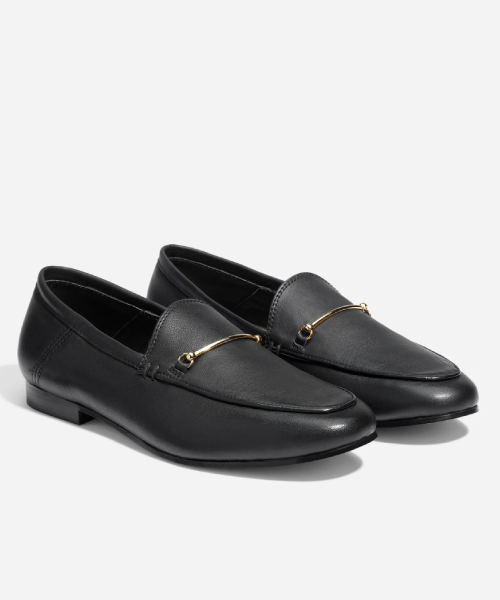
The Huarache Loafer is the Nisolo product I’d recommend without qualification. The woven leather construction is genuinely distinctive — the interlaced leather strips produce a texture that no other shoe in my collection has and that looks interesting rather than unusual in the specific way that makes me reach for them repeatedly.

The leather quality is above what I expected at the price. After fourteen months of regular wear (approximately twice per week through the warmer months), the leather has developed a patina rather than showing wear damage. The woven construction has remained tight at every intersection — I’d expected some loosening with repeated wear and haven’t observed it.

The comfort from the first wearing, without break-in required, was noticeable. The footbed is adequately cushioned for a flat shoe and the fit is consistent with European sizing.

Price: £195-215
Available at: Nisolo directly (nisolo.com)
Verdict: Genuinely worth buying. The design is distinctive, the quality is above the price, and the ethical production credentials are documented rather than claimed.
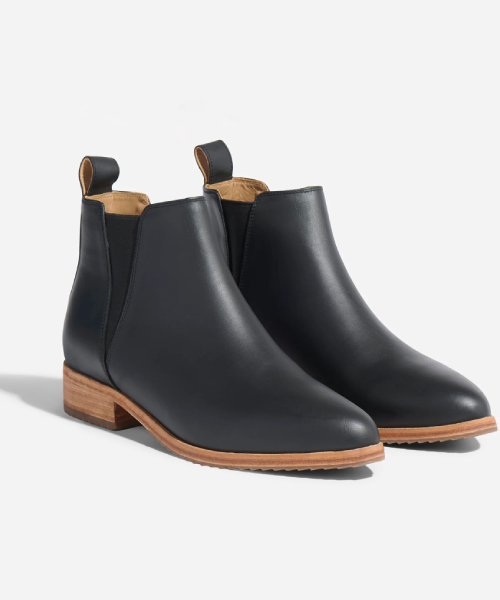
The Chelsea Boot at £215-235 is a more mixed story. The leather quality is equivalent to the loafers — genuinely good — but the construction of the elastic gussets (the fabric panels on the sides of a Chelsea boot that allow it to be put on and removed) is less impressive than on comparable quality boots from other brands.

After fourteen months, the elastic has relaxed more than I’d expect from quality Chelsea boots at this price. The boot still fits and functions, but the fit at the ankle is slightly looser than when new in a way that wouldn’t occur on boots with better gusset construction.

The sole is solid and shows minimal wear after fourteen months. The leather at the toe and heel — the areas of highest contact — shows appropriate wear marks that buff to acceptable appearance.

Verdict: Good but the elastic construction is a limitation. Worth buying at sale price; at full price, I’d compare to other Chelsea boots at the same tier.
The Overall Assessment

Nisolo’s ethical production story is genuine and worth supporting if sustainable and fairly produced goods align with your purchasing values. The product quality is above what I expected and justifies the price in most categories.

The loafers are the clear recommendation. The Chelsea boots are good but have a specific construction limitation that’s worth being aware of. The brand’s other categories — the Derby shoes and Oxford silhouettes — receive reviews that are more consistently positive than the Chelsea boot and would be my next purchase.

Everyday Leather Bags for Women That Are Truly Worth Buying — Honest Picks That Last

By Posted on 0 Comments4min read10 views

Everyday Leather Bags for Women That Are Truly Worth Buying — Honest Picks That Last

The Best Everyday Leather Bags For Women Worth Buying In 2026 — Honest Picks That Last

The bag that I carry most days is a Polène Numéro Un in camel. I’ve carried it for eighteen months. It looks better than it did when new — the matte leather has developed the specific warmth that good leather develops with handling, the edges are slightly darkened at the points of most contact, and the overall patina reads as quality rather than wear.

This is what a good leather bag does. It ages into something better than it was. A bag that looks worse at eighteen months than at new is either poor quality leather or has been mistreated — usually the former, occasionally both.

What I Look For In An Everyday Leather Bag

Full-grain leather is the first criterion. Full-grain is the outermost layer of the hide — the most durable, the layer that develops patina with age rather than simply deteriorating. Top-grain leather (sanded to remove surface imperfections) is acceptable for the price tier below full-grain. Bonded leather and PU are not alternatives worth considering for a bag intended for years of daily use.

The hardware. Zippers should glide smoothly at first use and continue to do so after a year. Clasps should close with positive resistance rather than rattling loosely. D-rings for straps should have no flex when the strap is pulled at bag weight. Hardware that’s lightweight at purchase doesn’t improve.

The stitching at the corners and the handle attachment points. These are the areas of highest stress. Quality stitching at these points doesn’t pull or loosen when pressed. Cheap stitching shows weakness at the first application of force.

The Bags I'd Recommend

I’ve covered my experience of the Numéro Un already. The specific things worth noting for those considering it: the Peau de Blé leather is genuinely distinctive — the matte, textured surface looks different from most leather bags on the market in a way that reads as deliberately designed rather than simply different. The storage system (the magnetic pan rack equivalent for bags — the structure that keeps the bag organised and accessible) is thoughtfully considered.

Available in a range of colours that are updated seasonally with a core permanent range. The neutral tones — camel, black, greige — are the ones to buy for a bag that works with most wardrobes.

Price: £290-350
Available at: Polène directly (polene-paris.com)

I bought the Strathberry East/West Mini last year and have used it specifically for occasions where the Polène is slightly too large — evenings out, events where a smaller bag makes more sense than a day bag.

The bar closure hardware is the distinctive detail — a horizontal bar that opens to access the bag — and it works as well in practice as it looks in product photographs. The leather is full-grain, made in Spain, and the construction at every inspection point is careful.

Price: £495
Available at: Strathberry directly (strathberry.com), Selfridges, Nordstrom

The Cuyana Classic Zip Tote is the work bag that does the job I need a work bag to do: holds a laptop up to 13 inches, a notebook, daily essentials, and doesn’t look like a work bag in the way that briefcases and laptop bags do.

The Argentinian leather holds up to the daily use of a work bag — which is more than a handbag faces: being set on floors, desks, and public transport seats repeatedly. After a year of this use, the Cuyana looks like a quality leather bag that’s been used well rather than a quality leather bag that’s been damaged by use.

Price: £265-295
Available at: Cuyana directly (cuyana.com)

At £178-228, the Madewell Transport Tote is the bag I’d recommend for someone who wants genuine full-grain leather quality at the most accessible price in the category. The open-top format is practically better for daily access than zipped alternatives, the leather quality is above the price, and the bag has the simplicity that makes it versatile across outfit contexts.

Price: £178-228
Available at: Madewell directly, Nordstrom

Conclusion

The leather bag worth buying is the one that improves with use rather than deteriorating through it. Polène delivers this in a design that’s distinctive enough to be interesting and neutral enough to be versatile. Strathberry is the smaller bag for occasions where the day bag is too much. Cuyana solves the work bag problem. And Madewell is the most accessible quality leather bag recommendation for those building a bag wardrobe without large investments. Whatever you choose, buy full-grain leather and care for it with appropriate conditioner — the bag that’s conditioned every few months looks better at year three than the same bag neglected looks at year one.

Bemz IKEA Sofa Covers Review — Worth It Or Not?

By Posted on 0 Comments3min read7 views

Bemz IKEA Sofa Covers Review — Worth It Or Not?

Bemz IKEA Sofa Covers Review 2026 — Worth It Or Not?

Bemz is a Swedish company that makes premium replacement covers for IKEA sofas. The proposition is straightforward: if you have an IKEA sofa frame that’s structurally sound but whose original cover is worn, stained, or simply not what you wanted, Bemz allows replacing the cover with a higher-quality alternative in a range of fabrics that IKEA doesn’t offer.

I had a Söderhamn sofa with a standard beige cover that had survived two years and a child and looked it. The frame was fine. The cover was not.

What I Ordered

The Söderhamn cover in Bemz’s Brera Linen in the colour “Mushroom” — a warm greige that I’d been unable to find in IKEA’s standard cover range. The linen content (40% linen, 60% cotton) was the primary reason for choosing Bemz over replacing with another IKEA standard cover.

The Ordering And Fitting Experience

The Bemz website specifies which cover fits which IKEA sofa configuration — you enter the sofa model and the number of sections and the system identifies the compatible covers. This is more straightforward than I expected.

Delivery took approximately three weeks from Sweden. The cover arrived with fitting instructions that were genuinely useful rather than aspirationally simple — the actual fitting is a physical process requiring approximately forty-five minutes and a second pair of hands for the larger sections.

The fit was precise. The cover sat on the Söderhamn frame in a way that looked considerably more tailored than the standard IKEA cover — the Bemz cover doesn’t have the slightly loose quality that IKEA standard covers develop over time.

The Quality After Fourteen Months

The linen-cotton blend has developed in the way that linen develops with use and washing — slightly softer, with the texture becoming more pronounced rather than degrading. The colour has been consistent through six washes (cold, gentle cycle, air dry).

The specific quality improvement over the standard IKEA cover is visible in person in a way that’s difficult to convey in photographs. The Brera Linen has a texture and weight that’s noticeably different from IKEA’s polyester and cotton blends, and the difference makes the sofa read as a considered choice rather than an accessible purchase.

The Honest Assessment

Worth buying if:

  • Your IKEA sofa frame is in good condition and you want to extend its life with a better cover
  • You want a fabric or colour that IKEA doesn’t offer in standard covers
  • The quality difference between IKEA standard covers and natural fiber alternatives matters to you

Consider alternatives if:

  • The total cost of the Bemz cover plus IKEA frame purchase approaches or exceeds the cost of a different sofa entirely
  • You’re replacing a cover primarily for aesthetic reasons that could be served by IKEA’s own cover range at lower cost

The price: The Söderhamn cover in my configuration cost approximately £285. This is significant — it’s a third of what the sofa cost. But the resulting sofa looks and feels like a genuinely different piece of furniture, which for another five to ten years of daily use represents acceptable value.

Products:

Price: £200-350 depending on configuration
Available at: Bemz directly (bemz.com)

Conclusion

Bemz is worth buying for the specific scenario where a good IKEA sofa frame has an inadequate cover and the replacement cost with a better material is justified by the remaining life of the frame. The quality difference is genuine and the fabric range, particularly the natural fiber options, produces a result that IKEA’s standard covers don’t. The fitting process is more involved than simply ordering but produces a result that looks considerably more considered than an off-the-shelf replacement cover.

Away Luggage Review — I’ve Travelled With It For Two Years. Here’s My Honest Take

By Posted on 0 Comments3min read8 views

Away Luggage Review — I’ve Travelled With It For Two Years. Here’s My Honest Take

Away Luggage Review — I've Travelled With It For Two Years. Here's My Honest Take

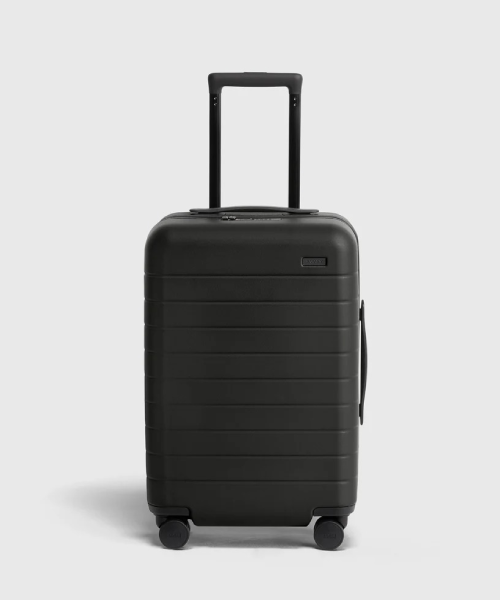
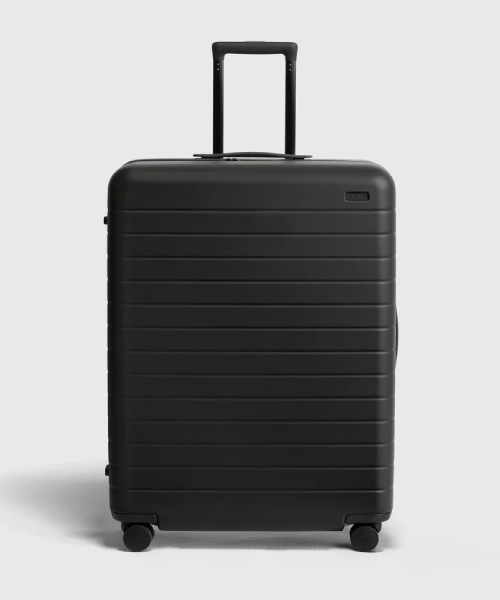
Away luggage is one of those products that accumulated a cultural following before I paid much attention to it, and when I finally bought a carry-on in 2023, I was prepared to be disappointed by something whose reputation seemed built more on aesthetics and marketing than on genuine product quality.

Two years and a significant number of trips later, I’m not disappointed. But I also have specific things to say about what it does well and where the gaps are that other luggage might close more effectively.

What I Bought And How I've Used It

The Away Carry-On Aluminium in slate. I travel for work four to six times per year and with the family three to four times per year, which means the bag gets regular use in a range of contexts — quick one-night business trips, long-weekend family trips where I’m carrying the minimum, and the occasional week-long trip where carry-on only is a commitment that requires careful packing.

What Works Genuinely Well

The spinner wheels are the most immediately apparent quality feature. Luggage wheels are one of those components where the quality difference is immediately tactile — cheap wheels resist direction changes, vibrate on smooth surfaces, and require effort to control. The Away spinner wheels on smooth airport floors genuinely feel like the bag is floating rather than being dragged. In busy airports where the difference between a luggage that’s easy to navigate and one that requires constant correction is significant, this matters.

The compression system (a divider that compresses the main compartment) is genuinely useful in the specific scenario of trying to fit slightly more than the bag comfortably holds. It’s not miraculous — you can’t compress an overpacked bag into a carry-on allowance — but it bridges the gap between a well-packed bag and a correctly-sized bag in a way that’s useful in practice.

The hardshell construction has survived two years without cracking, despite a specific incident where it was dropped from an overhead bin height (approximately 2 metres) onto the floor of a plane by someone who did not handle other people’s luggage with the care I’d apply to my own. There are scuff marks that I consider patina. There is no structural damage.

What's Less Good

The interior organisation. For a bag marketed as thoughtfully designed, the main compartment is essentially one large space with a compression divider. The front compartment has some organisation (a laundry bag, a few pockets) but the main packing space requires either packing cubes or acceptance of everything loose together.

The battery option (which Away offers on some models) is no longer the differentiator it once was — battery regulations on airlines have become more restrictive and several airports have issues with lithium batteries in checked bags, making the ejectable battery a more complicated proposition than it was when the feature was introduced.

The price. The Carry-On Aluminium is approximately £650-700, which positions it at the top of the premium luggage market without quite reaching the absolute reference brands (Rimowa, Samsonite’s premium lines). Whether this price is justified is a calculation based on how much you travel, whether you value the specific quality features, and what comparative alternatives you’ve tried.

The Honest Verdict

Away makes genuinely good luggage that’s worth the price if you travel frequently enough that the quality features (spinner wheels, compression system, hardshell durability) are experienced regularly rather than occasionally. For someone who travels once or twice a year, the premium over a mid-range alternative isn’t justified by usage frequency regardless of the absolute quality.

For someone who travels eight to twelve times per year in a professional context — which is the use case the brand is primarily targeting — the daily-use quality is worth the investment.

The Carry-On in polycarbonate (the standard plastic rather than aluminium) at £295-375 is the recommendation for most buyers — it provides the same wheel quality, the same compression system, and comparable hardshell durability at approximately half the aluminium price.

Our Product Picks

Price: £295-375
Available at: Away directly (awaytravel.com), in Away stores

Price: £345-425
Available at: Away directly, in Away stores

Eucalypso Home Review — Are The Cooling Sheets Actually Worth It?

By Posted on 0 Comments3min read7 views

Eucalypso Home Review — Are The Cooling Sheets Actually Worth It?

Eucalypso Home Review — Are The Cooling Sheets Actually Worth It?

Eucalypso is the bedding brand that appeared on my radar through a specific search: “sheets for people who sleep hot.” I sleep hot. My partner sleeps cold. Finding bedding that serves both people in the same bed has been a years-long search that produced various compromises, none entirely satisfying.

The Eucalypso sheets are not a compromise. They are a specific solution to a specific problem, and whether they’re the right solution depends entirely on which problem you have.

What Eucalypso Is

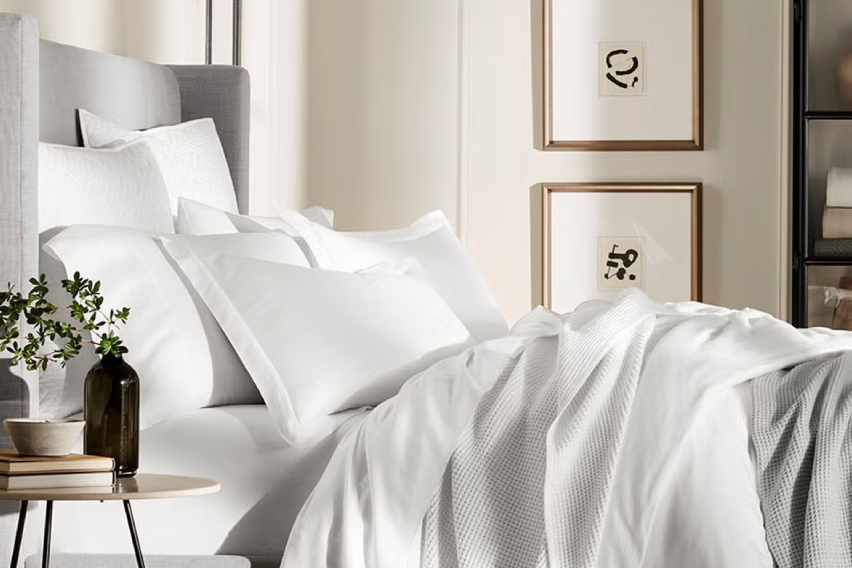
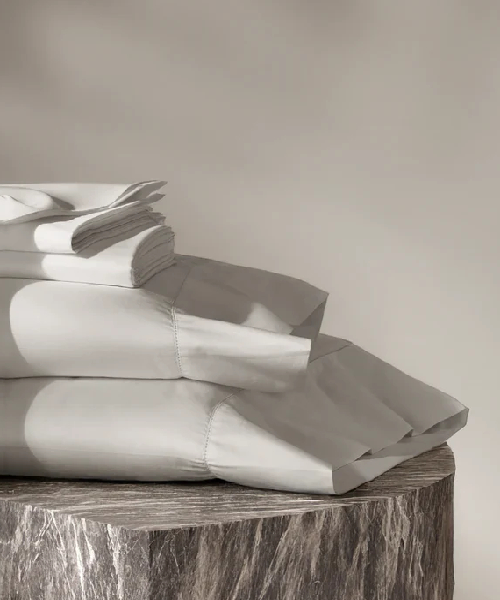
Eucalypso makes sheets from TENCEL Lyocell, a fiber derived from eucalyptus wood pulp through a closed-loop production process. The fiber properties are different from cotton in specific ways: it’s finer than cotton at the same weight (producing a softer surface), it wicks moisture more effectively than cotton (the specific property that makes it cooler to sleep in), and it’s produced with significantly less water than conventional cotton.

The cooling property is not a surface treatment or a phase-change material — it’s intrinsic to the fiber structure. This means it doesn’t wash away, doesn’t degrade over time, and produces the same effect after fifty washes as after five.

My Experience After Six Months

The first night, the cooling difference was immediately apparent. The sheets felt cool rather than neutral when getting into bed — a subtle but perceptible temperature difference from cotton. Through the night, the moisture management produced less of the clammy warmth that I’ve experienced with cotton sheets during warm weather.

My partner, who was concerned the cooling sheets would make them too cold, reported that the temperature regulation produced a comfortable neutral rather than the over-cooling they’d expected. The sheets adjust to body temperature rather than maintaining a constant cool that would be uncomfortable for cold sleepers.

After six months and approximately thirty washes (cold, gentle cycle, air dry as recommended), the cooling effect is unchanged. The softness has maintained rather than improved in the way cotton percale improves — TENCEL Lyocell doesn’t have the same improving-with-washing quality that cotton does, but it doesn’t degrade either.

The Honest Comparison With Parachute Percale

I have both sets and use them seasonally — Eucalypso in the warmer months when temperature management is the priority, Parachute in the cooler months when I want the specific texture and warmth of well-broken-in percale.

This seasonal rotation is the honest answer to “which is better?” They’re different products for different needs. The Parachute is better as a material experience — the texture development with washing, the specific quality of well-broken-in cotton. The Eucalypso is better as a temperature management experience.

If forced to choose only one: for hot sleepers, Eucalypso. For neutral or cold sleepers who want the most luxurious cotton experience, Parachute.

The Products

Price: £149-199 for a queen set
Available at: Eucalypso Home directly (eucalypsohome.com)

Price: £119-149
Available at: Eucalypso Home directly

Conclusion

Eucalypso sheets work as described for hot sleepers and work better than cotton alternatives at temperature regulation for most people who try them. The cooling property is genuine and lasting. The sustainability credentials (closed-loop production, significantly lower water usage than cotton) are documented rather than claimed. And the softness from the first night is genuinely different from cotton.

They are not the sheets for those who specifically love the texture of cotton percale — the TENCEL Lyocell feel is distinct and some people prefer cotton’s specific hand. Sample if possible before buying a full set, and if Eucalypso offers a trial option (they have in the past), use it.

IKEA Review — What’s Worth Buying And What To Avoid, Honestly

By Posted on 0 Comments3min read5 views

IKEA Review — What’s Worth Buying And What To Avoid, Honestly

IKEA Review 2026 — What's Worth Buying And What To Avoid, Honestly

IKEA is possibly the most honest furniture retailer I’ve experienced, in the specific sense that the quality and limitations of their products are entirely consistent with the price — which is a quality that most furniture retailers at higher price points can’t claim. The IKEA sofa that disappoints at £400 would not have been better for £800 at IKEA. The IKEA storage system that works excellently at £89 is not inferior to alternatives at £300 — it’s often better.

The challenge with IKEA is knowing which categories represent their best value and which categories are served better by alternatives at comparable or slightly higher prices.

What's Worth Buying

KALLAX, PAX wardrobes, BILLY bookshelves, ALEX drawer units — these are IKEA products that consistently outperform what you’d expect for the price because the engineered wood construction is more durable than solid wood alternatives in similar price tiers and the design systems are genuinely well-considered.

The PAX wardrobe specifically is the product I’d recommend unreservedly. The internal fittings (drawers, shelves, hanging rails in various combinations) allow configuring exactly the storage required, the construction quality holds through decades of regular use (this is not a claim — the PAX design has been in production for decades and people keep them across multiple house moves), and the price for a configured wardrobe is a fraction of equivalent custom-fitted alternatives.

The IKEA APTITLIG bamboo chopping board at £7 is the best budget chopping board available. The bamboo is harder than plastic and gentler on knives than ceramic or glass, and the price makes it replaceable when worn.

The IKEA POKAL glasses and IKEA VARDAGEN kitchen basics are genuinely good functional kitchen products at prices that make breakage and replacement unconcerning.

IKEA’s seasonal plant availability varies, but the terracotta pots and basic ceramic pots are consistently the best value for plant display at accessible prices. The functional quality is appropriate for the purpose.

What To Get Elsewhere

Sofas — IKEA's Most Variable Category

IKEA sofas range from excellent (the Söderhamn, mentioned elsewhere on this site, is a genuinely good sofa for its price) to genuinely disappointing (the entry-level upholstered sofas that lose their shape within two years of regular use). The specific sofa matters enormously and the lowest-price options in the category should be approached with research.

The frame construction on most IKEA sofas is solid — the issue is the cushion density and the cover durability. Read specific reviews for the specific sofa rather than IKEA sofas generally.

Beds — The Frame Is Fine, Invest In The Mattress

IKEA bed frames are structurally solid and appropriately priced. The MALM and HEMNES frames are both durable and well-designed.

The IKEA mattresses are where I’d spend more carefully. The HÁSVÅG and MORGEDAL mattresses at lower price points receive mixed reviews for longevity and comfort maintenance. At the price, the alternative is a significantly better mattress from Emma, Simba, or Casper at comparable or slightly higher total cost.

Curtains — The Textile Category To Approach Carefully

IKEA curtains are the category where the quality variability is highest and the disappointment is most frequent. The specific complaint: the blackout curtains that are partially blackout, the linen-look curtains that wrinkle dramatically and don’t hang with the natural fall that genuine linen achieves.

For curtains specifically, the John Lewis own-brand ready-made range or Dunelm’s made-to-measure service at similar price points produces more consistent results.

The Honest Summary

IKEA is excellent at: storage systems, kitchen basics, lighting infrastructure, plant pots, and specific furniture pieces (Söderhamn sofa, POÄNG chair, HEMNES storage) with strong review histories.

IKEA requires more research in: sofas generally, mattresses, and curtains.

IKEA is not where I’d buy: the statement pieces that define a room aesthetically — these are better sourced from secondhand markets or mid-range brands with more consistent design quality.

Cashmere Sweaters for Women Worth Buying — What Doesn’t Pill

By Posted on 0 Comments4min read4 views

Cashmere Sweaters for Women Worth Buying — What Doesn’t Pill

The Best Cashmere Sweaters For Women Worth Buying — What Doesn't Pill

The cheap cashmere that pills within the first three months is the knitwear equivalent of jeans that stretch out by noon — a product that demonstrates its quality limitations in the first season of ownership. The pilling happens because the fibre is short-staple cashmere: short fibres break loose from the yarn and tangle into pills at the friction points (underarms, elbows, where bag straps contact the shoulder) in a timeline that reveals the quality tier purchased.

Long-staple cashmere — the fibre length specification that distinguishes quality cashmere from commodity cashmere — pills significantly less because the longer fibres are more securely held in the yarn structure. The visible pilling pattern of an expensive cashmere sweater after three years of regular wear looks better than the pilling pattern of a cheap cashmere sweater after three months.

What I Buy And Why

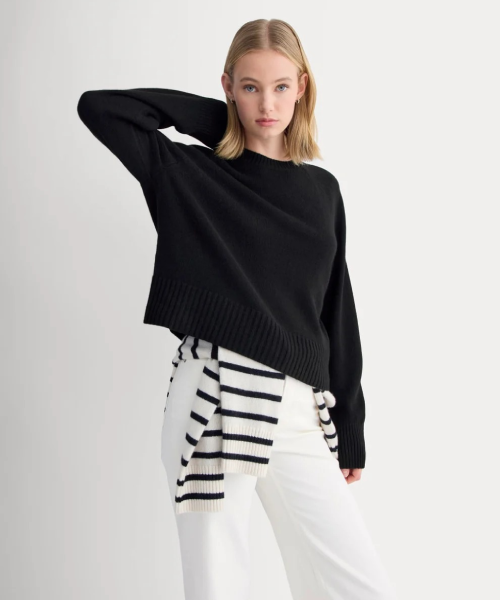
Johnstons of Elgin has manufactured cashmere in Elgin, Scotland since 1797. The continuity of this manufacturing history is not merely heritage marketing — it represents accumulated knowledge of cashmere processing that produces results observable in the finished garment.

The cashmere they use is long-staple from Inner Mongolia, processed in Scotland using water from the local river (which has specific mineral properties that affect the finishing). The resulting sweater has a weight and drape that I’ve noticed is different from other cashmere — a specific density and warmth that lighter cashmere doesn’t replicate.

After three winters of regular wear on the crewneck I bought from them, the pilling is confined to the underarm area and is modest rather than dramatic. The colour has maintained its depth. The shape is as it was when purchased.

At £350-420 for a crewneck, this is a genuine investment. The per-year cost over ten years of ownership — which is entirely achievable with appropriate care — works out to £35-42 per year of wearing something beautiful every day from October through March.

Price: £350-420
Available at: Johnstons of Elgin directly (johnstonsofelgin.com), Selfridges, Net-A-Porter

I want to include this because it answers a question that the cashmere conversation often avoids: what’s the right choice when you want quality knitwear without the cashmere investment?

Uniqlo’s Extra Fine Merino is not cashmere. It’s merino wool, processed finely enough that it doesn’t itch against bare skin. It has different properties — slightly more durable than cashmere, less insulating per weight, a slightly different hand. It is, for everyday wear where the knitwear is the top layer and practicality matters as much as luxury, the correct choice.

At £39.90, I buy multiple colours and wear them hard. They wash well, hold their shape, and the Extra Fine Merino specification means they don’t itch. This is what budget knitwear should look like — not cheap cashmere that disappoints, but quality merino at the right price for the material.

Price: £39.90
Available at: Uniqlo directly, in stores

Arket’s merino is a step up from Uniqlo in construction and colourway quality while remaining accessible. The GOTS certification covers both the organic fibre standard and the processing conditions. The turtleneck construction specifically is well-done — the ribbing is tight and consistent, the seam at the neck-to-body transition is clean, and the overall shape retention after washing is above what the price would predict.

Price: £89-110
Available at: Arket directly (arket.com), ASOS, in stores

Everlane’s cashmere is the place I’d direct someone who wants to try cashmere before committing to Johnstons pricing. The Grade-A specification is genuine — the fibre is longer than commodity cashmere and the pilling timeline is longer than cheap alternatives.

The honest limitation: it’s not Johnstons quality. After a season of regular wear, there’s more pilling than I’d see on the Scottish cashmere at the same point. The trade-off is a price approximately three times lower, which means the per-year cost comparison is closer than it appears.

Price: £100-140
Available at: Everlane directly (everlane.com)

How To Prevent Cashmere From Pilling

Hand wash or use the delicate cycle in a mesh bag — the mechanical action of a standard wash cycle accelerates fibre breakage. Lay flat to dry rather than tumble drying — heat and tumbling accelerate shrinkage and fibre stress. Store folded rather than hung — cashmere stretches under its own weight when hung for extended periods. Remove pills with a cashmere comb or fabric shaver — this doesn’t address the underlying cause but removes the visible evidence and improves appearance.

Conclusion

Cashmere is the category where buying quality once is more satisfying and ultimately more economical than buying cheap repeatedly. Johnstons of Elgin is the reference — the investment that produces genuine luxury for a decade of wearing. Uniqlo Extra Fine Merino is the correct alternative when the investment doesn’t make sense — quality merino is genuinely better than cheap cashmere at the same price. Arket bridges the gap at a quality level above Uniqlo. And Everlane is the accessible cashmere starting point for those who want cashmere without the Johnstons commitment. Whatever you choose, the fibre length is the specification that determines how long the sweater looks good — invest in that specification rather than in the brand name.

Reformation Review — Is It Actually Worth The Price? My Honest Take

By Posted on 0 Comments3min read7 views

Reformation Review — Is It Actually Worth The Price? My Honest Take

Reformation Review — Is It Actually Worth The Price? My Honest Take

Reformation is the brand that appeared in my feed first as a sustainability story and then, once I’d bought a few things, as an actual product assessment. The sustainability story is genuine — the brand publishes RefScale data for each product showing water usage, carbon output, and waste generated, and the numbers reflect genuine investment in sustainable production rather than greenwashing. I appreciated this when buying and continue to appreciate it.

The product assessment is more nuanced. Some Reformation pieces are genuinely excellent. Some have been disappointing in ways that matter. Here’s the honest account after two years and several purchases.

What I've Bought And What I Think

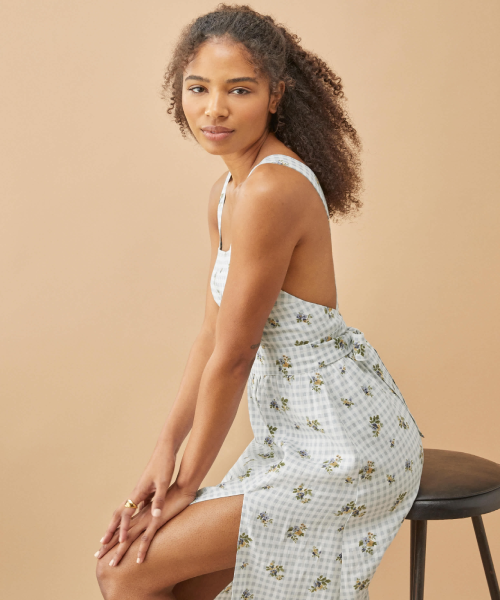
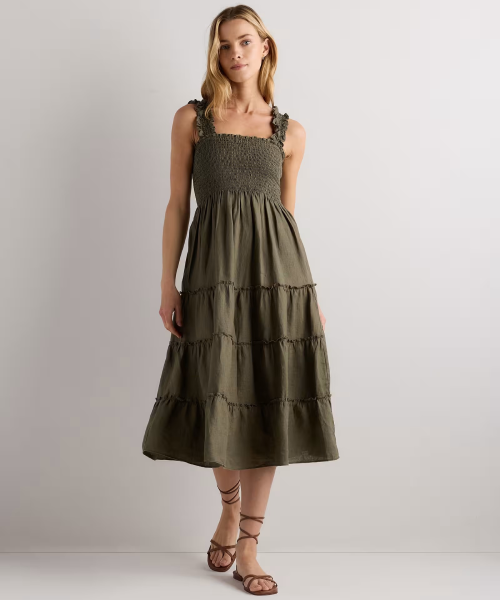
The Elara is the dress that most consistently justifies Reformation’s positioning. The Tencel-Lyocell fabric drapes in a way that makes the dress look considerably more expensive than the price, the adjustable straps accommodate different torso lengths so the length falls correctly across heights, and the colour options are thoughtfully curated rather than simply comprehensive.

After six months of regular wear and monthly washing (following their specific care instructions — cool wash, air dry), the Elara looks essentially the same as when I bought it. The drape hasn’t changed, the colour hasn’t faded, and the stitching at the adjustable straps is intact.

Price: £198-248
Available at: Reformation directly (thereformation.com)
Verdict: Worth buying. The drape and quality justify the price at this specific piece.

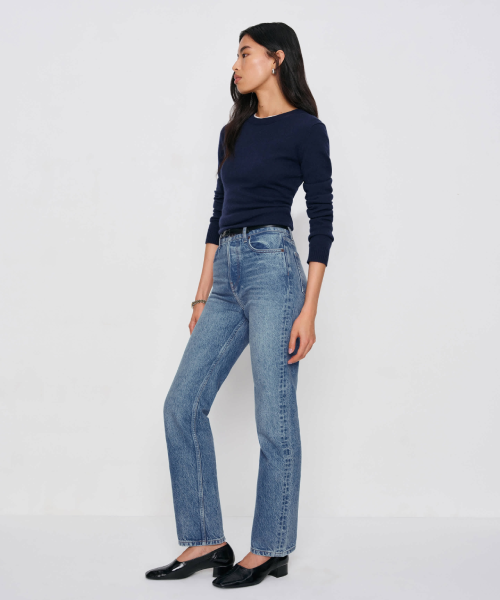
Reformation’s Los Angeles factory produces denim that’s among the most honest in the accessible luxury category. The Cynthia wide leg uses rigid denim that holds its shape because it can’t stretch significantly — no elastane, cotton construction, and the specific silhouette that wide-leg jeans should have (wide from the hip rather than from the knee).

The waistband fits high and stays there. The leg falls straight and maintains its fall through a day of wear. After washing, the dimensions return accurately.

Price: £148
Available at: Reformation directly
Verdict: Worth buying for the denim quality and shape retention.

I’ve bought two Reformation linen pieces — a shirt and a pair of trousers. Both are good. Neither is exceptional for the price in the specific way the dresses and denim are.

The linen is a blend rather than pure linen, which means the texture is softer and less distinctive than pure linen’s characteristic feel. The pieces look good and wear comfortably but at the price, I’d have preferred pure linen. This is a specific criticism rather than a general quality complaint.

Price: £98-168
Verdict: Good but check whether the linen content suits what you’re looking for before buying.

The Reformation knitwear has received more mixed reviews in my experience than the other categories. The pieces I’ve tried have pilled earlier than the price would predict. For knitwear specifically, Uniqlo’s Extra Fine Merino or Arket’s equivalent provides better quality per pound.

Price: £98-148
Verdict: Look elsewhere for knitwear at this price.

The Honest Overall Assessment

Reformation is genuinely good at: dresses (the Tencel drape is exceptional), denim (the rigid construction holds its shape), and the sustainability credentials (genuinely substantive rather than superficial).

Reformation is not exceptional at: knitwear, linen blends, and any category where the fabric blend falls short of what the price suggests.

The brand is worth buying from if you’re buying the right pieces. The dress and denim categories are the right pieces. The knitwear category is not.

The Candles We Keep Buying — Our Honest Favourites

By Posted on 0 Comments2min read6 views

The Candles We Keep Buying — Our Honest Favourites

The Candles We Keep Buying — Our Honest Favourites For 2026

This is a different kind of recommendation than a list of candles I’ve tried and assessed. These are the candles that have earned something harder to fake than a positive review: a repeat purchase. When a candle is finished and the next online shopping session produces the same candle in the basket rather than an exploration of alternatives, the candle has passed the actual test.

The Repeat Purchases And Why

We have bought Diptyque Baies approximately eight times in the past three years. The specific occasions: gifts (six times) and our own home (twice). The gift occasions are relevant because the frequency of giving a specific candle as a gift reflects confidence in its quality and universal appeal that I wouldn’t have for most candles.

The blackcurrant and rose combination fills a room. Not aggressively — the projection is appropriate rather than overwhelming — but perceptibly from across the living room within twenty minutes of lighting. The burn time is consistent at approximately 60 hours when burned correctly (first burn two hours minimum, wick trimmed before each subsequent burn).

At £75-80 for the medium size, the per-hour cost is approximately £1.25-1.35. I’ve made peace with this number.

Price: £75-80 (190g)
Available at: Diptyque directly, Selfridges, Space NK

The Anthropologie Volcano is the candle we’ve bought five times specifically for the kitchen because the clean, citrusy fragrance (tropical fruit and sugared citrus) works alongside cooking smells in a way that heavier, more complex fragrances don’t. It freshens rather than competes.

The large 3-wick version genuinely fills the kitchen-to-living-room open plan space. At £32 for the large, the throw-to-price ratio is the best on this list.

Price: £22-32 depending on size
Available at: Anthropologie directly, in stores

The Skandinavisk HYGGE (their signature comfort fragrance — apple, cinnamon, musk) is the candle we light on evenings when the intention is to slow down. The specifically warm, slightly sweet fragrance combination has become associated in our home with evenings that are for being rather than doing, which is the specific ambient role that candles serve most effectively.

At £32-40, it’s accessible enough to buy regularly.

Price: £32-40
Available at: Skandinavisk directly, John Lewis, Space NK

Boy Smells produces candles in fragrance combinations that don’t fit existing categories neatly, and the result is the candles we put on when we want the room to smell interesting rather than familiar. The Kush (warm cannabis, vanilla, sandalwood) and the HINOKI FANTÔME (cypress, sandalwood, musk) are the two we’ve bought multiple times.

These are the candles that produce the “what is that?” response from visitors rather than the recognition of a known fragrance.

Price: £36-55
Available at: Boy Smells directly, Sephora, Anthropologie

Ankle Boots for Women Worth Buying — What I’ve Bought and What I’d Buy Again

By Posted on 0 Comments4min read5 views

Ankle Boots for Women Worth Buying — What I’ve Bought and What I’d Buy Again

The Best Ankle Boots For Women Worth Buying — What I've Bought And What I'd Buy Again

The ankle boot is the most-used shoe in my wardrobe from September through March, which means the pair I buy in September receives approximately six months of near-daily wear before the weather changes. This use frequency is the most honest test of what boots are actually worth buying — the pair that looks great in October and shows significant wear by February is not, objectively, a good purchase regardless of how it looked when new.

I’ve learned more from the boots that disappointed me than from the ones that worked. The specific points of failure — the heel that compressed and lost its height, the leather that scuffed without the marks that good leather develops into character, the zipper that started catching at month four — each taught me something about what to look for.

What I Look For Now

The heel attachment. Block heels that are screwed or nailed into the boot sole are more durable than those that are glued only. You can’t tell from the outside, but you can tell from how the heel feels when you press it — it should be completely solid without any flex between heel and sole.

The leather quality. Good leather scratches into marks that buff partially out and develop into the patina of a worn-in boot. Poor leather scuffs into marks that stay as damage. The difference becomes apparent within a month of regular wear. Before buying, look for leather with some visible grain — completely smooth, highly processed leather is often lower quality than it appears.

The lining. An unlined leather boot becomes uncomfortable in cold weather because the leather conducts cold. A leather-lined boot is warmer. A synthetic-lined boot is warm but can cause foot moisture issues. Worth checking before buying.

The Boots I'd Buy Again

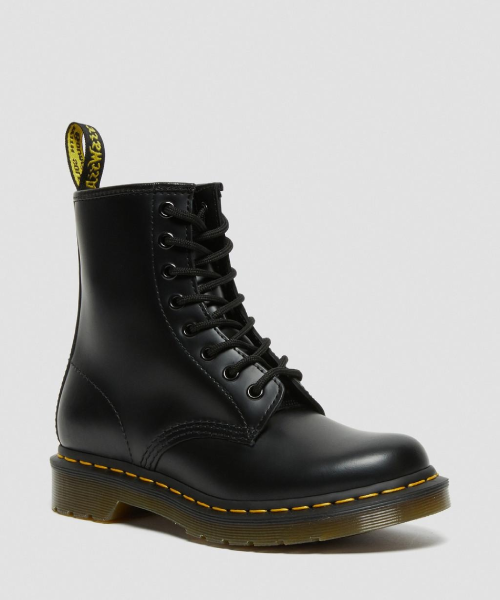
I’ve owned one pair of Dr. Martens 1460 boots since 2019. They are sitting in my wardrobe right now looking exactly as they looked when I bought them, accounting for the patina of five years of regular wear that I would describe as improvement rather than deterioration.

The Goodyear welt construction — heat-bonded sole to upper — is the reason. The bond doesn’t fail in cold or wet conditions the way adhesive-only soles do. The PVC sole resists oil and water. The leather (Smooth, Pebble, or the newer alternatives) is thick enough to be genuinely durable while being soft enough to become comfortable after the break-in period.

The break-in period is real. The first two to three weeks of regular wear are uncomfortable in the specific way of stiff leather that hasn’t yet shaped to the foot. Thick socks help. After break-in, these are the most comfortable boots I own.

Price: £170-200
Available at: Dr. Martens directly (drmartens.com), ASOS, Schuh

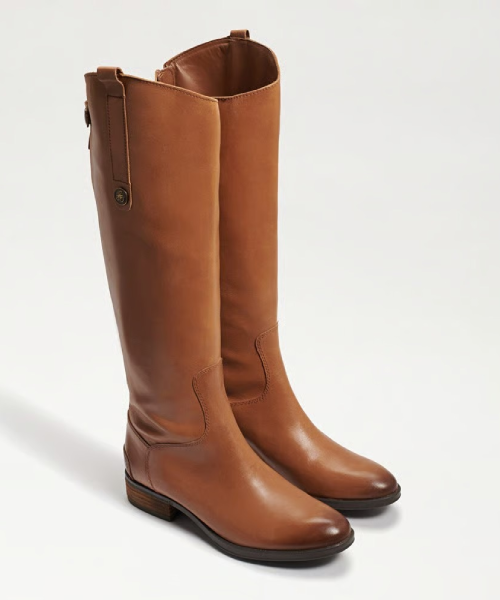
The Sam Edelman Packer at £150-180 has been the mid-range boot I’ve recommended most consistently because the shape retention through a full day of wear is above what the price predicts and the leather, while top-grain rather than full-grain, holds up through a season of regular use without the rapid deterioration that cheaper alternatives produce.

The riding boot silhouette suits a wide range of outfits — more versatile than the more fashion-specific silhouettes — and the block heel (low, functional) makes it genuinely comfortable for the walking that a daily-wear boot requires.

Price: £150-180
Available at: Sam Edelman, Nordstrom, ASOS

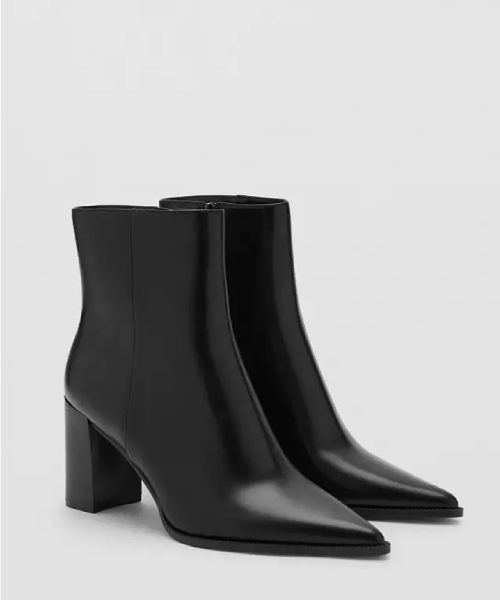
Mango produces leather ankle boots that consistently outperform their price, and the flat or low-heeled ankle boot is the specific category where this is most apparent. The leather is genuine, the construction is solid for the price, and the simple silhouette suits the widest range of outfits in the wardrobe.

Price: £99-135
Available at: Mango directly (mango.com), in stores

I bought the Totême knee-high boot at the beginning of last autumn and this is the first mention of them in my regular context rather than in a review context. They’re the boots I reach for most during the colder months.

The specific quality: the leather is supple from day one (no break-in period), the block heel is stable for extended walking, and the knee-high shaft fits a genuine range of calf sizes without alteration. After one season of regular wear, they look like quality leather boots that have been worn well — which is exactly what they are.

Price: £595-695
Available at: Totême directly, Net-A-Porter

Conclusion

The ankle boot that’s worth buying is the one that maintains its appearance and comfort through a full season of daily wear. Dr. Martens is the durability reference — the boots that genuinely last years, even with minimal care beyond occasional conditioning. Sam Edelman provides mid-price quality that holds up through a season without the Dr. Martens break-in commitment. Mango is the accessible leather option for those who want genuine leather without significant investment. And Totême is the premium investment for those who want the most considered boot for daily wear over multiple years. Whatever you choose, prioritise the quality of the sole attachment and the leather thickness over any other visible features — these are the elements that determine whether a boot lasts one season or five.