
Eucalypso Home Review — Are The Cooling Sheets Actually Worth It?
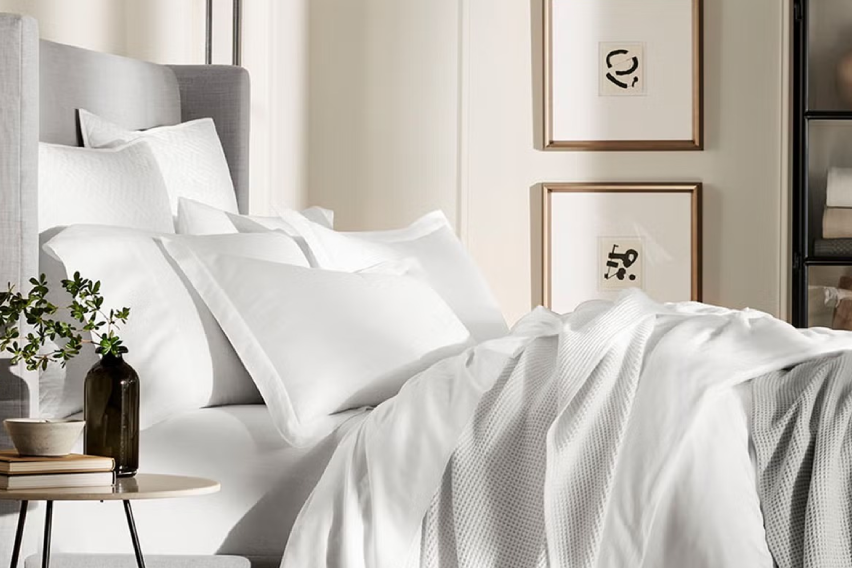
Eucalypso is the bedding brand that appeared on my radar through a specific search: “sheets for people who sleep hot.” I sleep hot. My partner sleeps cold. Finding bedding that serves both people in the same bed has been a years-long search that produced various compromises, none entirely satisfying.
The Eucalypso sheets are not a compromise. They are a specific solution to a specific problem, and whether they’re the right solution depends entirely on which problem you have.
What Eucalypso Is
Eucalypso makes sheets from TENCEL Lyocell, a fiber derived from eucalyptus wood pulp through a closed-loop production process. The fiber properties are different from cotton in specific ways: it’s finer than cotton at the same weight (producing a softer surface), it wicks moisture more effectively than cotton (the specific property that makes it cooler to sleep in), and it’s produced with significantly less water than conventional cotton.
The cooling property is not a surface treatment or a phase-change material — it’s intrinsic to the fiber structure. This means it doesn’t wash away, doesn’t degrade over time, and produces the same effect after fifty washes as after five.
My Experience After Six Months
The first night, the cooling difference was immediately apparent. The sheets felt cool rather than neutral when getting into bed — a subtle but perceptible temperature difference from cotton. Through the night, the moisture management produced less of the clammy warmth that I’ve experienced with cotton sheets during warm weather.
My partner, who was concerned the cooling sheets would make them too cold, reported that the temperature regulation produced a comfortable neutral rather than the over-cooling they’d expected. The sheets adjust to body temperature rather than maintaining a constant cool that would be uncomfortable for cold sleepers.
After six months and approximately thirty washes (cold, gentle cycle, air dry as recommended), the cooling effect is unchanged. The softness has maintained rather than improved in the way cotton percale improves — TENCEL Lyocell doesn’t have the same improving-with-washing quality that cotton does, but it doesn’t degrade either.
The Honest Comparison With Parachute Percale
I have both sets and use them seasonally — Eucalypso in the warmer months when temperature management is the priority, Parachute in the cooler months when I want the specific texture and warmth of well-broken-in percale.
This seasonal rotation is the honest answer to “which is better?” They’re different products for different needs. The Parachute is better as a material experience — the texture development with washing, the specific quality of well-broken-in cotton. The Eucalypso is better as a temperature management experience.
If forced to choose only one: for hot sleepers, Eucalypso. For neutral or cold sleepers who want the most luxurious cotton experience, Parachute.
The Products
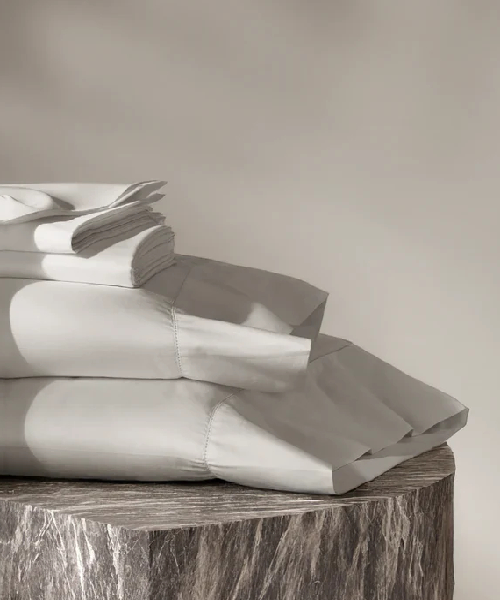
Price: £149-199 for a queen set
Available at: Eucalypso Home directly (eucalypsohome.com)
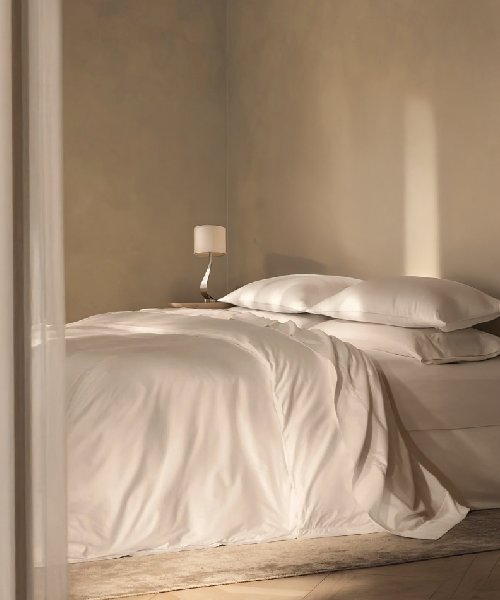
Price: £119-149
Available at: Eucalypso Home directly
Conclusion
Eucalypso sheets work as described for hot sleepers and work better than cotton alternatives at temperature regulation for most people who try them. The cooling property is genuine and lasting. The sustainability credentials (closed-loop production, significantly lower water usage than cotton) are documented rather than claimed. And the softness from the first night is genuinely different from cotton.
They are not the sheets for those who specifically love the texture of cotton percale — the TENCEL Lyocell feel is distinct and some people prefer cotton’s specific hand. Sample if possible before buying a full set, and if Eucalypso offers a trial option (they have in the past), use it.