House On The Crescent

All Posts By Elody Von

White Sneakers Worth Buying — I’ve Bought a Lot of Them, Here’s What I Know

By Posted on 0 Comments6min read6 views

White Sneakers Worth Buying — I’ve Bought a Lot of Them, Here’s What I Know

The Best White Sneakers Worth Buying — I've Bought A Lot Of Them. Here's What I Know

The white sneaker has been the most versatile shoe in my wardrobe for the better part of eight years. This is not a fashion observation — it’s a practical one. White sneakers with a midi dress, with straight-leg jeans, with tailored trousers, with weekend casual: they work. More consistently than any other shoe I own, white sneakers require no decision-making about whether they’re appropriate. They just work.

The problem is that I’ve bought several pairs that didn’t. The pair that yellowed at the sole within three months. The pair that came apart at the toe after six months of daily wear. The pair that looked exactly right and felt wrong enough that I’d find reasons not to wear them. The expensive pair that I babied so much they became more anxiety than footwear.

Here’s what I’ve actually learned from too many pairs of white sneakers.

What Makes A White Sneaker Actually Worth Buying

The upper material is the main variable. Leather (genuine full-grain leather) holds its shape, takes a polish, and develops a patina that looks intentional rather than worn. Canvas is lighter, more casual in character, absorbs dirt more readily. Technical mesh breathes well and is typically the least durable of the three for daily wear.

The sole material determines yellowing. All white rubber soles yellow eventually — it’s a chemical reaction between the rubber compounds and UV light that can’t be fully prevented, only slowed. Quality rubber compounds yellow more slowly. Cleaning the sole regularly with a melamine sponge removes surface oxidation before it sets.

The construction quality is visible in the glue line at the sole. Cheap sneakers cemented with visible, uneven glue lines fail at the toe within months of regular wear. Quality sneakers have either vulcanized soles (heat-bonded) or a clean, even cement line that holds through years of use.

The Best White Sneakers I've Bought

I’ve bought three pairs of Stan Smiths over eight years. Not because they fall apart — the first pair lasted three years of regular wear before I replaced them because they needed a professional resoling that wasn’t worth the cost at that point. I replaced them because I’d tried alternatives and kept coming back to the Stan Smith as the reference.

The specific proportions are why. The Stan Smith is not a fashion shoe that’s been popularised — it’s a shoe designed in the 1970s whose proportions turned out to be genuinely correct for the purpose of a simple, flat, low-profile white leather trainer. The silhouette sits on the foot without calling attention to itself, works with a genuinely unusual range of outfits, and doesn’t look dated because it was never specifically dated to begin with.

The leather version is the only one worth buying for longevity. The suede version looks beautiful and scuffs. The canvas version is fine for summer but doesn’t hold its shape through seasons of use. The full-grain leather upper is the material that makes this shoe worth its price.

Sizing runs slightly narrow in the toe box. I size up a half for comfortable daily wear.

Price: £90-100
Available at: Adidas directly (adidas.co.uk), ASOS, Foot Locker

I was resistant to Veja for the same reason I’m resistant to most things that develop a following: the following obscures the product. The Campo became the sneaker that everyone had for about two years, which made me want to assess it as a product rather than as cultural currency.

The assessment: genuinely good. The Campo’s leather is sourced from farms audited for environmental practices, the sole uses Amazon wild rubber, and the overall supply chain transparency is more substantive than most brands offering similar claims. This matters to me in the specific sense that I prefer knowing what I’m buying and from whom.

The product itself: the sole is noticeably more substantial than the Stan Smith’s thinner unit, the leather quality is good, and the proportions are slightly different — a rounder toe than the Stan Smith, a slightly higher profile. It doesn’t disappear into an outfit in the same way; it has more visible presence.

The break-in period is real. The Campo is stiff for the first two to three weeks and then becomes comfortable as the leather shapes to the foot.

Price: £140-170
Available at: Veja directly (veja-store.com), Net-A-Porter, ASOS

The New Balance 550 is a basketball shoe silhouette — originally released in 1989, brought back to lifestyle prominence in the past few years — and this heritage shows in the construction. The build quality reflects the shoe’s original purpose of withstanding court use, which means it’s genuinely durable for the more modest demands of daily city wear.

The silhouette is chunkier than the Stan Smith or Veja. The sole is thicker, the toe box rounder, the overall profile more substantial. I wear these specifically with wide-leg jeans and straight-cut trousers, where the proportion balance works. With slim trousers or tailored pieces, the volume of the sole can feel disproportionate.

Price: £110-120
Available at: New Balance directly (newbalance.co.uk), JD Sports, ASOS

I’ve owned one pair of Common Projects. I bought them secondhand for significantly less than retail from someone who had sized wrong. They are the most considered, best-made white sneaker I’ve worn.

The Italian manufacturing is visible in every detail — the weight of the leather, the precision of the sole attachment, the specific way the upper holds its shape regardless of what it’s put through. The gold foil numbers on the heel (the production details rather than a logo) are the visible expression of the manufacturing philosophy.

At £450 new, the Common Projects are not an accessible recommendation. At 40-50% of retail secondhand (they appear regularly on The RealReal, Vestiaire Collective, and eBay), they become a compelling value proposition for people who treat footwear as a long-term investment rather than a seasonal purchase.

Price: £450 new, £180-280 secondhand
Available at: Common Projects directly, SSENSE, Selfridges; secondhand on The RealReal, Vestiaire

At £65-80, the Superga 2750 is the most honest white sneaker at an accessible price: Italian manufacturing, vulcanized rubber sole, canvas upper in genuine white (not off-white or cream claiming to be white), and a silhouette that’s been unchanged since 1925 for the reason that it doesn’t need to change.

Canvas has different wear characteristics from leather — it absorbs dirt more readily and doesn’t develop the same patina. The Superga can go in a washing machine (cold, gentle cycle, in a laundry bag) which is a genuine practical advantage. After washing, the canvas returns close to its original white.

Price: £65-80
Available at: Superga directly (superga.com), ASOS, Selfridges

How I Keep Mine Looking Good

A damp cloth after every wear before dirt sets — thirty seconds and prevents most cleaning work later. A Magic Eraser (melamine sponge) on yellowed rubber soles when they start to look grey — genuinely the most effective tool for white sole restoration. Proper storage (not piled under other shoes, ideally with shoe trees in leather pairs) between wears.

The sneakers I take care of look better after a year than the ones I don’t. This sounds obvious and is consistently the thing that determines whether a white sneaker is a good investment or a disappointing one.
Conclusion

The white sneaker worth buying is the one matched to how you’ll actually treat it. If you’re careful with footwear and want the shoe to last years, the leather Stan Smith or Veja Campo is the correct choice at accessible prices. If you want the most considered construction available, Common Projects secondhand is the most financially sensible path to it. If you’re lighter on care or want a more casual character, the Superga 2750 is honest about what it is and delivers it well. Whatever you choose, buy the leather version where it exists — it will outlast everything else at a similar price.
Lip Balms And Treatments Worth Buying — What I Use Daily

By Posted on 0 Comments3min read4 views

Lip Balms And Treatments Worth Buying — What I Use Daily

The Best Lip Balms And Treatments Worth Buying — What I Use Daily

Lip care is the skincare category I paid the least attention to for the longest time, and the condition of my lips during winter reflected this. The standard ChapStick-when-it’s-painful approach produced the specific cycle of dry lips, application, temporary relief, and return to dryness that most people accept as normal.

It is not normal. It’s the result of lip balms that create surface moisture without addressing the underlying lip skin condition, and of using lip balms that contain ingredients that produce temporary comfort while contributing to the dependence cycle.

Breaking the cycle required understanding what lip care is actually supposed to do and buying products that actually do it.

The Products That Actually Work

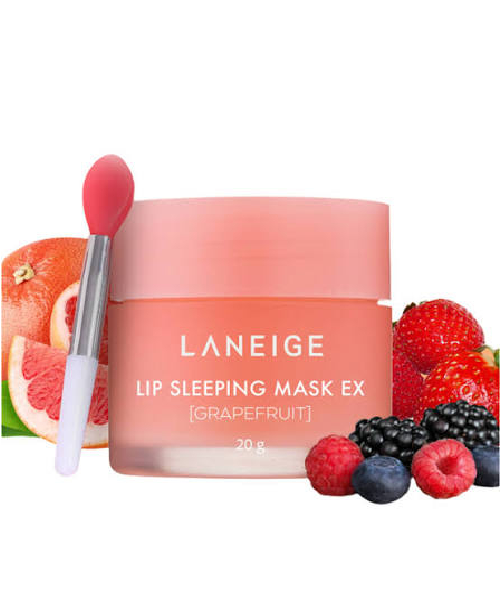
The Laneige Lip Sleeping Mask is the lip treatment that appeared in skincare discussions approximately five years ago and hasn’t left them, for the specific reason that it works in the way overnight lip treatments should work: it repairs lip texture while you’re not using your lips.

Applied before bed, left overnight, the combination of hyaluronic acid, minerals, and antioxidants (specifically the berry mix complex) and the occlusive base that seals moisture in produces lips that feel genuinely different in the morning — softer, smoother, and less in need of immediate reapplication than lips treated with conventional balms.

Applied before bed, left overnight, the combination of hyaluronic acid, minerals, and antioxidants (specifically the berry mix complex) and the occlusive base that seals moisture in produces lips that feel genuinely different in the morning — softer, smoother, and less in need of immediate reapplication than lips treated with conventional balms.

Price: £22-26
Available at: Laneige directly, Cult Beauty, Space NK, ASOS Beauty

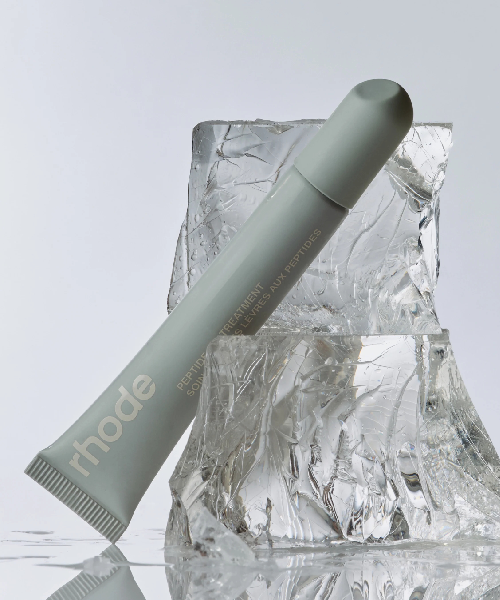
Hailey Bieber’s Rhode brand has produced genuinely impressive products and the Peptide Lip Treatment is the best of them — a sheer lip treatment with peptides that are claimed to improve lip plumpness and texture over time through daily use.

The immediate effect is a comfortable, natural-looking sheen that suits everyday wear. The texture is lighter than most lip balms and doesn’t feel like cosmetics are being applied. The flavours (unscented, vanilla, salted caramel, strawberry) make the application experience pleasant rather than medicated.

The peptide benefit over time is more modest than the product’s popularity suggests — visible plumping from peptide use is gradual and cumulative rather than immediate. What the product delivers consistently is comfortable, well-hydrated lips with a natural finish.

Price: £16-18
Available at: Rhode directly (rhodeskin.com), Sephora (US), Cult Beauty

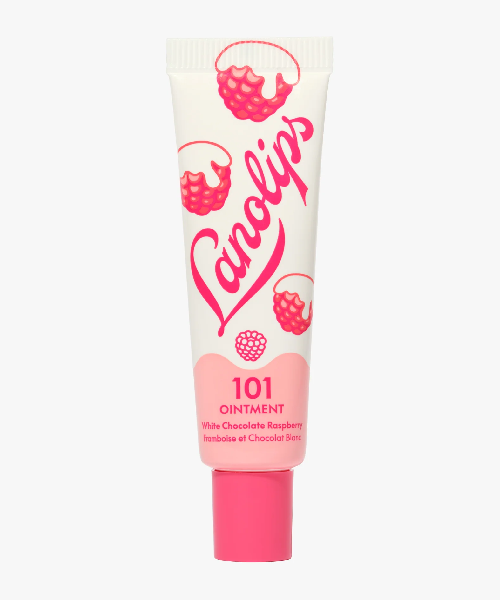
The Lanolip 101 Ointment is the treatment for lips that are beyond routine care — the winter chapping that produces cracking and discomfort, the dry flights, the post-illness recovery. The ultra-pure lanolin base (wool wax purified to pharmaceutical grade) is the most effective emollient available for lip skin — it mimics the lipid structure of human skin closely enough to be absorbed rather than simply sitting on the surface.

Applied heavily at night over the Laneige sleeping mask creates an intensively healing protocol for the worst dry lip situations. Applied alone for maintenance during genuinely harsh conditions, the Lanolip prevents the cracking that conventional balms allow.

Price: £10-14
Available at: Lanolip directly, Boots, ASOS

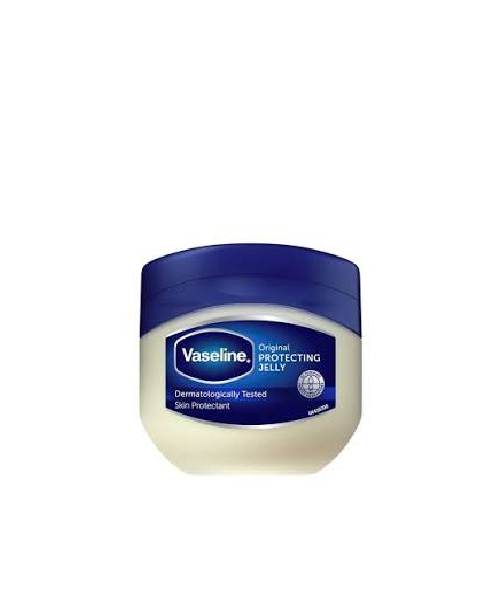
Vaseline is the most effective over-the-counter lip treatment available and costs less than any other product on this list. Pure petrolatum is an occlusive — it seals the lip surface against moisture loss without being absorbed, allowing the lip skin’s natural repair process to proceed without moisture evaporation.

Vaseline is the most effective over-the-counter lip treatment available and costs less than any other product on this list. Pure petrolatum is an occlusive — it seals the lip surface against moisture loss without being absorbed, allowing the lip skin’s natural repair process to proceed without moisture evaporation.

Price: Under £3
Available at: Every pharmacy, supermarket, and convenience store

What Actually Causes The Lip Balm Dependence Cycle

Lip balms containing menthol, camphor, or phenol are the specific formulations that produce the temporary-relief, return-to-dryness cycle. These ingredients provide the cooling sensation that registers as immediate relief while causing mild surface irritation that triggers increased dryness — requiring more application for relief.

Avoiding these ingredients — which means avoiding most flavoured and medicated lip balms — and using occlusive, non-irritating alternatives breaks the cycle within two to three weeks of consistent use.

BBQGuys Review — Grills, Smokers & Outdoor Kitchen Gear Worth Buying

By Posted on 0 Comments8min read25 views

BBQGuys Review — Best Grills, Smokers & Outdoor Kitchen Gear Worth Buying

BBQGuys Review — Best Grills, Smokers & Outdoor Kitchen Gear Worth Buying
BBQGuys Review 10 min read

Here's the thing about BBQGuys. You land on the site looking for a grill, you see about four thousand options, and twenty minutes later you're somehow reading about built-in outdoor refrigerators when all you wanted was something to cook burgers on. It happens to everyone.

That's not a complaint — it's a warning. BBQGuys carries everything from a $200 starter grill to full outdoor kitchen builds that cost more than some cars. If you don't go in with some direction, you'll leave without buying anything. So here's the direction.

What BBQGuys Actually Is

BBQGuys started in Baton Rouge, Louisiana in 2001 and they've been online-only since the beginning. They don't make anything themselves — they stock and sell products from Weber, Traeger, Napoleon, Kamado Joe, Big Green Egg, Blaze, and a few hundred other brands.

The reason people buy from BBQGuys instead of Home Depot or ordering direct comes down to three things. Selection — no big-box store carries what BBQGuys carries. Expertise — the people writing their product content actually cook on this stuff. And logistics — white-glove delivery and assembly on large items, which matters a lot when you're buying something that weighs 300 pounds. Their customer service runs out of Louisiana, not outsourced, and that shows up when you actually need to call.

Weber Spirit II E-310 — The Grill Most People Should Just Buy

Stop overthinking it. If you want a gas grill that works reliably, lasts years, and doesn't require you to become an expert in BTU ratings — Weber Spirit II E-310 is the answer. Three burners, 529 square inches of cooking space, porcelain-enameled cast iron grates that hold heat properly and don't require obsessive maintenance.

Weber has been refining this grill for decades. The reason it keeps selling is because nothing at this price point matches it for consistency. Heat distributes evenly. The grease management system works. Replacement parts are available everywhere. It preheats fast, the side tables are useful, and nothing about it is exciting — it just cooks well every single time.

First time upgrading from a cheap grill? The difference in even heat distribution alone will change what you can cook and how it turns out.

Weber Spirit II E-310
Best Gas Grill
Weber Spirit II E-310
~$500
Check Price on BBQGuys →

Traeger Pro 575 — Smoking Without the Learning Curve

Traeger invented the pellet grill category and the Pro 575 is still their most balanced product. 575 square inches of cooking space, WiFIRE connectivity so you can monitor and adjust temperature from your phone, and a hopper that feeds wood pellets automatically to hold your set temperature within about five degrees for hours.

That last part is what changes things. A traditional offset smoker requires attention, adjustment, and experience to hold 225°F for twelve hours. The Pro 575 just does it. Set the temperature, load the hopper, go do something else. Check the internal temp of your brisket from your phone at 11pm without getting off the couch. The WiFIRE app is not a gimmick — it works, and being able to adjust temperature remotely when the weather drops is something you appreciate more than you'd expect.


Traeger Pro 575
Best Pellet Grill
Traeger Pro 575
~$800
Check Price on BBQGuys →

Kamado Joe Classic III — For People Who Are Serious About Cooking

Big Green Egg made the ceramic kamado category famous. Kamado Joe made it better value. The Classic III comes with the divide and conquer flexible cooking system, the SlōRoller hyperbolic smoke chamber, and the kontrol tower top vent — all included. BGE charges extra for equivalent accessories.

The ceramic construction retains heat in a way steel grills simply can't. One load of charcoal holds 225°F for twelve hours without touching it. The same grill sears a steak at 700°F an hour later. Nothing in the gas or pellet category does both of those things at that level. It's around 250 pounds, costs $1,600 to $2,000, and it's not for someone who wants to fire something up fast on a Tuesday. But for people who care about what actually comes off the grill — the crust on a brisket, the smoke ring, the way a properly seared steak tastes — nothing touches it.


Kamado Joe Classic III
Best Kamado Grill
Kamado Joe Classic III
~$1,800
Check Price on BBQGuys →

Napoleon Prestige 500 — The Gas Grill Worth Upgrading To

Weber gets the first-time recommendation. Napoleon gets the upgrade recommendation. The Prestige 500 has four burners plus an infrared rear burner for rotisserie, 500 square inches of primary cooking space, and a sizzle zone infrared side burner that reaches temperatures high enough to actually sear — not just mark — a piece of meat.

The build is a step above Weber. Full stainless steel, solid construction throughout, lifetime warranty on burners and cooking grids. Napoleon is made in Canada and the quality shows. It runs $1,200 to $1,500 on BBQGuys. If you cook for groups regularly, want rotisserie capability, and care about the quality of your sear — this is the gas grill that makes sense long term.


Napoleon Prestige 500
Best Premium Gas Grill
Napoleon Prestige 500
~$1,400
Check Price on BBQGuys →

Blaze 32-Inch 4-Burner Built-In — For Outdoor Kitchen Builds

Built-in grills drop into a cutout in your outdoor counter and stay permanently. Blaze is the brand that makes the most sense for most outdoor kitchen builds — better value than Alfresco or DCS, better build quality than the budget alternatives. The 32-inch 4-burner is their most popular product. 304 stainless steel throughout, 875 square inches of cooking space, flame thrower ignition, rear infrared burner for rotisserie.

Price runs $1,500 to $1,800 for the grill head. The counter and installation are separate. That sounds steep until you see what Alfresco charges for comparable performance — usually two to three times more. BBQGuys offers a free outdoor kitchen design service. If you're building a permanent setup, use it. It saves expensive mistakes.


Blaze 32 Inch Built-In Grill
Best Built-In Grill
Blaze 32" 4-Burner Built-In
~$1,600
Check Price on BBQGuys →

Is BBQGuys Actually Worth Buying From

For anyone making a real purchase — yes. Selection beats every competitor. The expertise is real. Delivery and assembly services for large items are better than anywhere else. Price matching keeps them competitive with buying direct from any brand.

Don't buy from BBQGuys if you need something fast or want to touch the product before buying. It's online only and large item delivery takes time. But if you're willing to spend twenty minutes finding the right product, you'll find it here at a fair price with better support than anywhere else.

Best BBQGuys Products Right Now
Hand-picked across every outdoor cooking category
Traeger Pro 575
Best Pellet Grill

Traeger Pro 575

~$800
Wood Pellet · WiFi Enabled
  • 575 sq in cooking space
  • WiFIRE app control
  • Auto temperature hold
  • Set it and forget it smoking
Check Price on BBQGuys
Kamado Joe Classic III
Best Kamado Grill

Kamado Joe Classic III

~$1,800
Charcoal · Ceramic
  • SlōRoller smoke chamber included
  • 225°F to 700°F range
  • 12+ hour heat retention
  • Better value than Big Green Egg
Check Price on BBQGuys
Napoleon Prestige 500
Best Premium Gas Grill

Napoleon Prestige 500

~$1,400
Propane · Natural Gas Option
  • 4 burners + infrared rear burner
  • Sizzle zone infrared side burner
  • Lifetime burner warranty
  • Canadian-made stainless steel
Check Price on BBQGuys
Blaze 32 Inch Built-In
Best Built-In Grill

Blaze 32" 4-Burner Built-In

~$1,600
Built-In · Natural Gas · Propane
  • 304 stainless steel throughout
  • 875 sq in cooking space
  • Rear infrared rotisserie burner
  • Permanent outdoor kitchen fit
Check Price on BBQGuys

All 5 Products — Quick Comparison

ProductTypePriceBest For
Weber Spirit II E-310Gas~$500Most people
Traeger Pro 575Pellet~$800Smoking & BBQ
Kamado Joe Classic IIICharcoal/Ceramic~$1,800Serious cooks
Napoleon Prestige 500Gas Premium~$1,400Upgraders
Blaze 32" Built-InBuilt-In Gas~$1,600Outdoor kitchens

BBQGuys is the best place to buy a serious grill online. White-glove delivery, real expertise, unmatched selection. Pick the product that matches how you actually cook — you won't regret it.

Shop BBQGuys — Official Site

Niacinamide Serums Worth Buying — What I’ve Used And What Works

By Posted on 0 Comments3min read6 views

Niacinamide Serums Worth Buying — What I’ve Used And What Works

The Best Niacinamide Serums Worth Buying — What I’ve Used And What Works

Niacinamide is the skincare ingredient I recommend most often to most people because its list of evidence-backed benefits is unusually long and its tolerance profile is unusually gentle. It reduces sebum production, minimises visible pore size, evens skin tone, reduces redness, and provides some anti-ageing benefit through supporting the skin barrier — and it does all of this without the irritation that vitamin C and retinol produce during introduction.

This makes it the sensible second step for a beginner skincare routine and a consistent presence in more advanced routines.

What Concentration You Need

10% is the concentration used in most clinical studies demonstrating niacinamide’s benefits. 5% is effective for gentler introduction or for sensitive skin. Below 5% is present but unlikely to produce significant visible results.

The percentage is almost always stated on the packaging. The Ordinary specifically, and most other reputable brands, list the active percentage clearly.

The Best Niacinamide Serums

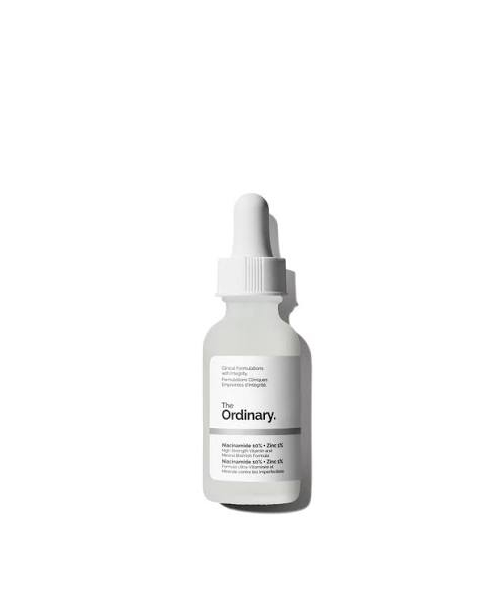
This is the product I’d recommend to anyone who wants to try niacinamide without spending much money to discover whether they respond to it. At £5-8 for a 30ml bottle, the risk of the purchase is genuinely minimal.

The 10% niacinamide produces the sebum-reduction and pore-minimisation benefits that have driven niacinamide’s reputation in skincare communities. The zinc addition specifically targets oil production in a way that makes this formula particularly suitable for oily and combination skin.

The formula is thin and watery. It absorbs quickly and layers under moisturiser and SPF without pilling. It can be used morning or evening.

Price: £5-8
Available at: The Ordinary directly, ASOS Beauty, Boots, Cult Beauty

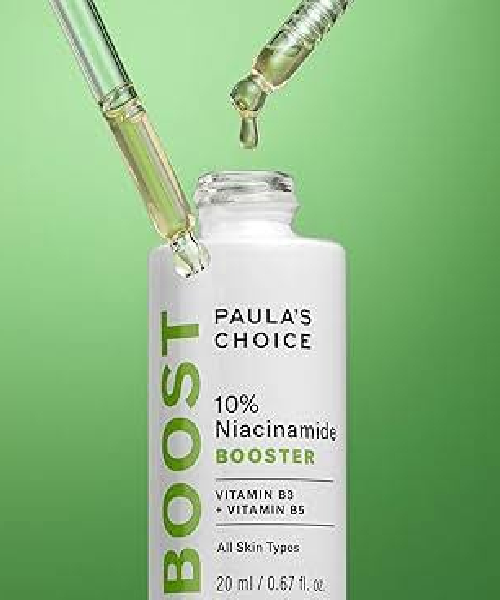
The Paula’s Choice Niacinamide Booster adds hyaluronic acid, vitamin C, and multiple supporting ingredients to the niacinamide base, creating a serum that addresses multiple skin concerns simultaneously. The formulation is more sophisticated than The Ordinary’s single-ingredient approach and produces more complete results for those with multiple concurrent skin concerns.

At £54, the price differential from The Ordinary is significant. The justification is the multi-benefit formula rather than the niacinamide concentration alone.

Price: £54
Available at: Paula’s Choice directly, Space NK

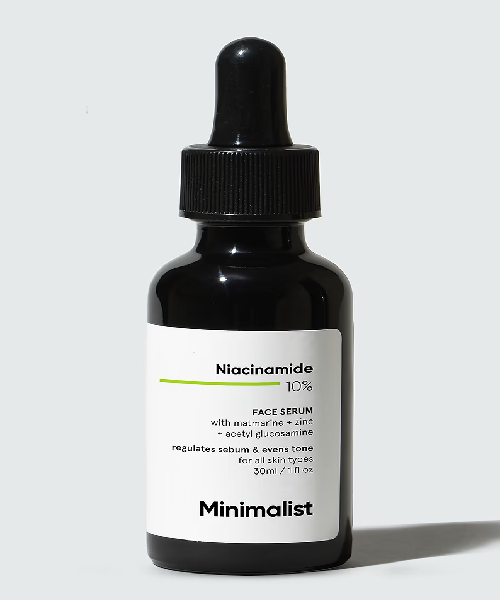
Minimalist is an Indian skincare brand that formulates at similar or identical concentrations to The Ordinary at similar prices. The Niacinamide 10% + Zinc 1% is directly comparable to The Ordinary’s version in formulation and produces comparable results at a similar price point.

For those who prefer to support different brands or who find the Minimalist formulation preferable in texture, it’s a direct alternative.

Price: £7-10
Available at: Minimalist directly (beminimalist.co), Boots

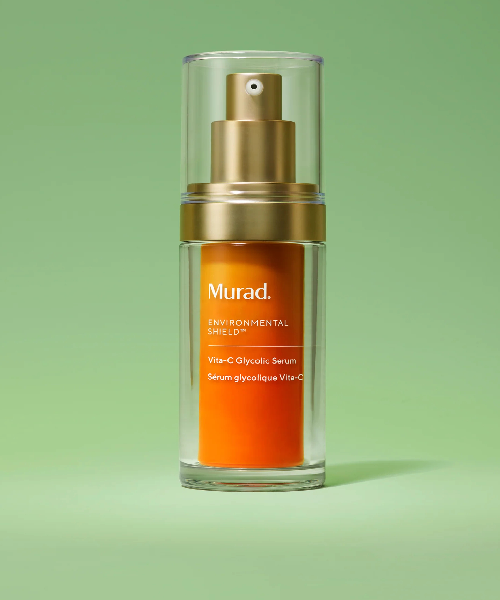
For those who want to spend more on a complete brightening and pore-minimising treatment that includes niacinamide alongside other proven actives, the Murad Vita-C Glycolic Brightening Serum combines vitamin C, glycolic acid, and niacinamide in a formula designed for comprehensive skin tone improvement.

This is not a beginner product — the combination of actives requires established skin tolerance. For those with established routines who want a more aggressive multi-active approach, it’s worth knowing about.

Price: £82
Available at: Murad directly (murad.co.uk), Sephora, Boots

Conclusion

Niacinamide is the skincare ingredient that provides the most benefit per complexity — it does multiple jobs well and is tolerated by most skin types without irritation. The Ordinary at £5-8 is the starting point that removes any financial barrier to trying it. Paula’s Choice provides the more complete multi-benefit formulation for those who want to address multiple concerns in one step. Minimalist is the direct budget alternative for those who prefer it. And Murad serves those ready for a more advanced multi-active approach. Whatever concentration you start with, give it eight weeks of consistent daily use before assessing results — niacinamide produces gradual improvement rather than immediate transformation.

Home Decor Finds Under £100 Worth Buying — Small Purchases, Big Impact

By Posted on 0 Comments5min read5 views

Home Decor Finds Under £100 Worth Buying — Small Purchases, Big Impact

Home Decor Finds Under £100 Worth Buying — Small Purchases, Big Impact

There’s a specific version of home improvement that requires a renovation, a significant budget, and several months of disruption. And then there’s the other version — the small, considered purchases that change how a room reads without requiring any of that.

The second version is what this post is about. I’m a collector of the small change with disproportionate impact: the throw pillow that made the sofa make sense, the specific plant that made the corner work, the lamp that transformed the bedroom from somewhere I slept to somewhere I wanted to be in the evening.

All of these cost under £100. Most cost considerably less. Here’s the honest account of the purchases that made the most difference.

The Finds Worth Buying

This is the smallest change on this list and possibly the one I’d recommend most confidently as a starting point for anyone who wants to improve how their home looks without spending much. The standard washing up liquid bottle that sits next to the kitchen sink — the branded plastic bottle in whatever colour the manufacturer chose — is not an attractive object.

A simple, ceramic or stone soap dispenser in a neutral colour costs £25-40 and changes the appearance of the kitchen counter by removing the most visually disruptive object from it. It’s not dramatic. The effect is immediate and permanent.

The Umbra Otto Soap Dispenser in concrete look (£28, available at Amazon and John Lewis) is the specific one I’d point to. Simple form, appropriate weight, refillable without fuss.

Price: £25-40
Where to buy: Amazon, John Lewis, MUJI

The most impactful wall change available at this budget. A large-format print (A2 or larger) in a simple black or natural wood frame changes the visual weight and the feeling of a wall more completely than smaller art pieces at higher prices.

The IKEA Ribba frame (£20-30 for A2 with a mat insert) is the correct starting point for framing because the frame is simple enough to disappear and the mat provides the border that makes affordable prints look gallery-appropriate. The print itself can be sourced from Society6, Etsy independent artists, or IKEA’s own print range at prices that make large-format art accessible.

Price: £35-75 total (frame plus print)
Where to buy: IKEA for frames, Society6/Etsy for prints

The bathmat is the element of the bathroom that most people replace least often and that most reliably shows its age first. A bathmat that’s even slightly greyed from washing, slightly flattened from use, or slightly faded from cleaning products changes how the bathroom reads in a way that accumulates below the level of conscious awareness.

A quality replacement bathmat in a considered colour transforms the bathroom immediately. Brooklinen’s Super-Plush Bath Mat at £40-55 is genuinely luxurious underfoot and holds its texture through repeated washing in a way that most bath mats don’t.

Price: £35-55
Where to buy: Brooklinen directly (brooklinen.com), Parachute Home

The dinner table with a tablecloth reads differently from the dinner table without one. The specific reading is “someone made an effort” — not in a formal, starched-linen sense but in the sense of a meal being an occasion rather than just consumption.

A simple linen tablecloth in a warm neutral (natural, oatmeal, soft terracotta) is usable every day rather than being reserved for occasions, and it changes the feeling of meals in a way that’s disproportionate to its cost. The Kultliv linen tablecloth from IKEA (£25-35) is the accessible starting point. For higher quality linen with more considered colours, Etsy independent sellers offer linen tablecloths in the £45-65 range with better material quality.

Price: £25-65
Where to buy: IKEA for budget, Etsy for quality

The ambient scent of a home is noticed by everyone who walks in and by no one who lives there — which is why it’s easy to let it go unaddressed. A single quality diffuser in the hallway or living room creates a consistent ambient scent that visitors notice and that gradually becomes associated with the home in the specific, emotional way that scent associations work.

The NEST New York Reed Diffuser (£45, available at Anthropologie) is the diffuser that most consistently receives reviews for longevity and projection. The Baies reed diffuser from Diptyque (£60 — slightly over budget but worth including) produces the same fragrance as their candle without requiring lighting.

Price: £25-45
Where to buy: Anthropologie, Space NK, NEST New York directly

The throw blanket on a sofa signals something about the sofa — specifically that it’s for using rather than for looking at. A quality throw in a texture that contrasts with the sofa fabric (a chunky knit on a smooth sofa, a smooth wool on a textured sofa) adds visual and tactile warmth that transforms how the sofa reads.

The John Lewis Elgin Recycled Wool Throw (£55-75) is the specific recommendation — the weight and texture are appropriate for daily use and the recycled wool is an environmental credential above what most comparable throws offer.

Price: £35-75
Where to buy: John Lewis, Anthropologie, IKEA for budget options

Not home decor in the conventional sense but within the scope of what changes how mornings feel, and mornings are a significant portion of life in a home. A mug that you specifically like — one whose weight in the hand is satisfying, whose colour you find pleasing, whose size holds the exact amount you want — changes the morning routine in a way that sounds trivial and compounds daily into something meaningful.

Anthropologie’s ceramic mugs (£15-25 each) are the recommendation for design variety and quality at the price. The Fable Home mugs (£18-28) are the alternative for more minimal aesthetics.

Price: £15-35
Where to buy: Anthropologie directly, Fable Home directly

Conclusion

The home improvements that make the most difference per pound spent are almost never the large renovation projects. They’re the specific, considered small purchases that change how individual moments in the home feel — the morning coffee, the evening on the sofa, walking into a bathroom that smells and looks like someone thought about it. None of the purchases above cost more than £100. Collectively, they’ve changed how our home feels to be in more than several larger and more expensive decisions have. Start with what bothers you most when you notice it. The soap dispenser by the sink, in my case, was the beginning.

How To Start Using Retinol Without It Ruining Your Skin — The Honest Beginner Guide

By Posted on 0 Comments3min read6 views

How To Start Using Retinol Without It Ruining Your Skin — The Honest Beginner Guide

How To Start Using Retinol Without It Ruining Your Skin — The Honest Beginner Guide

I started using retinol wrong the first time. I bought a product, applied it nightly as the instructions suggested, and had the specific experience of red, flaking, sensitive skin that the retinol introduction guides warn about and that I’d dismissed as applying to people with more sensitive skin than mine.

The flaking and redness lasted ten days. I stopped, let my skin recover, and started again with a more cautious approach that produced the results retinol is supposed to produce without the skin barrier disruption that undermines everything else in a skincare routine.

Why Retinol Causes Irritation And What That Actually Means

Retinol is converted by the skin into retinoic acid, the active form that produces the benefits — accelerated cell turnover, reduced fine lines, improved texture, faded hyperpigmentation. The skin’s ability to tolerate this conversion at the rate retinol produces it depends on how much retinol the skin has been exposed to previously, which for most beginners is none.

The irritation (redness, flaking, sensitivity) is the skin adjusting to a rate of cell turnover it hasn’t previously experienced. Starting at a lower concentration and lower frequency gives the skin time to build this tolerance rather than overwhelming it immediately.

The Protocol That Works

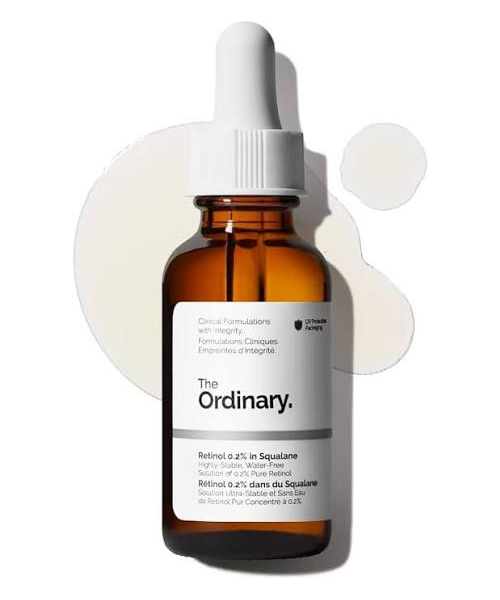
Week 1-2: Once per week, at night only. The Ordinary Retinol 0.2% in Squalane (£7-10) is the starting point — the lowest effective concentration in a hydrating squalane base that reduces irritation.

Week 3-4: If no significant irritation (some mild tingling is normal; redness, flaking, and sensitivity are signals to go slower), increase to twice per week.

Month 2: Increase to every other night if tolerance is established.

Month 3 onwards: Increase toward nightly use at the original concentration before increasing the percentage.

The Specific Products Worth Knowing

The most accessible starting retinol for the price. The 0.2% concentration is the lowest effective concentration and the squalane base provides hydration that reduces the dryness that retinol use can produce.

Price: £7-10
Available at: The Ordinary directly, ASOS Beauty, Boots, Cult Beauty

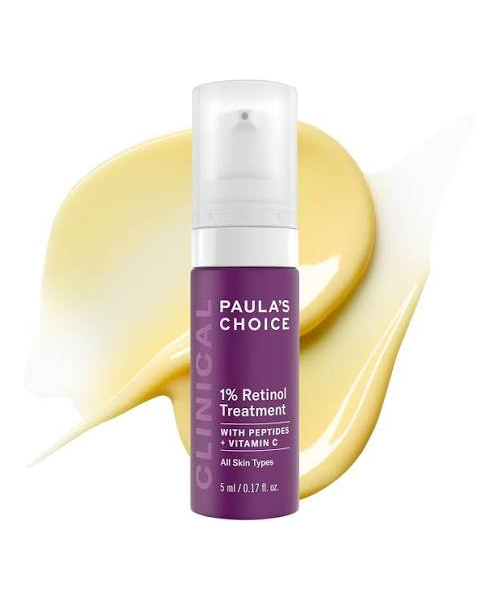
After establishing tolerance at 0.2-0.5% over two to three months, the Paula’s Choice 1% Retinol is the product to progress to. The 1% concentration is at the upper end of over-the-counter retinol and produces more significant results than lower concentrations for established users.

Price: £54-62
Available at: Paula’s Choice directly (paulaschoice.co.uk), Space NK

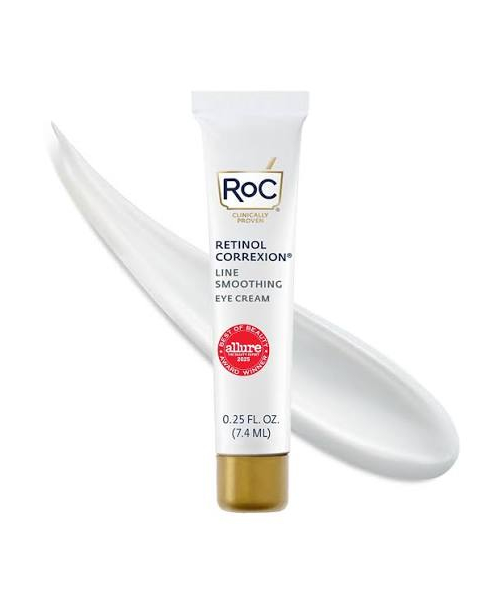
The eye area is thinner and more sensitive than the rest of the face and benefits from a specifically formulated retinol rather than applying face retinol near the eye. The RoC Retinol Correxion is the accessible option with the appropriate concentration for the delicate eye area.

Price: £17-22
Available at: Boots, Superdrug, Target (US)

The Three Rules That Prevent Problems

Always use SPF the morning after retinol application. Retinol increases photosensitivity — UV exposure after retinol application without SPF protection produces the exact damage retinol is trying to reverse.

Moisturise after retinol. The dryness that retinol produces is a barrier function change. Applying a good moisturiser after retinol seals the retinol in and reduces the dryness that produces flaking.

Never combine with other actives at the start. Vitamin C in the morning, retinol at night — not on the same application. AHAs and retinol on the same night — not at the start, when tolerance is being built.

Aesop Skincare Review — Worth The Price Or Beautiful Packaging?

By Posted on 0 Comments3min read6 views

Aesop Skincare Review — Worth The Price Or Beautiful Packaging?

Aesop Skincare Review — Worth The Price Or Beautiful Packaging?

Aesop is the brand that makes people feel good about spending money on skincare before they’ve experienced the products, because the experience of being in an Aesop store, examining the products, and leaving with something in the amber bottle is designed to feel considered and intentional in a way that most beauty retail doesn’t achieve.

Whether the product inside the amber bottle justifies the price is the question I’m actually interested in.

What I've Used And For How Long

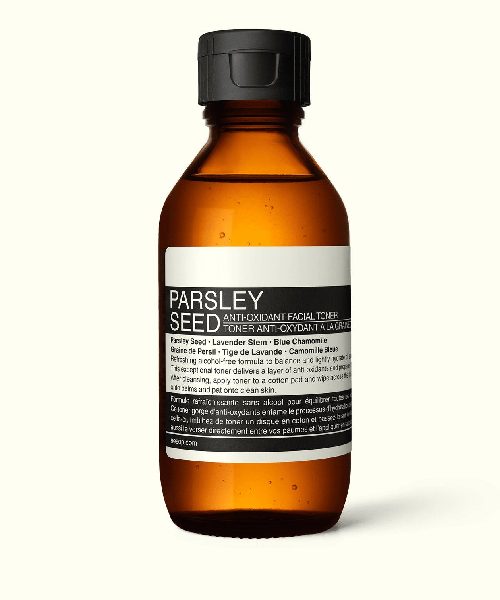
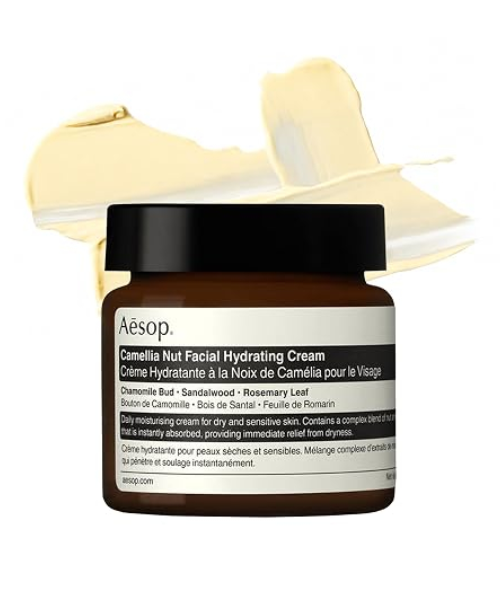
The Resurrection Aromatique Hand Wash for approximately two years. The Parsley Seed Anti-Oxidant Facial Toner for fourteen months. The Camellia Nut Facial Hydrating Cream for eight months. The Geranium Leaf Body Cleanser for six months.

The Products Worth Buying

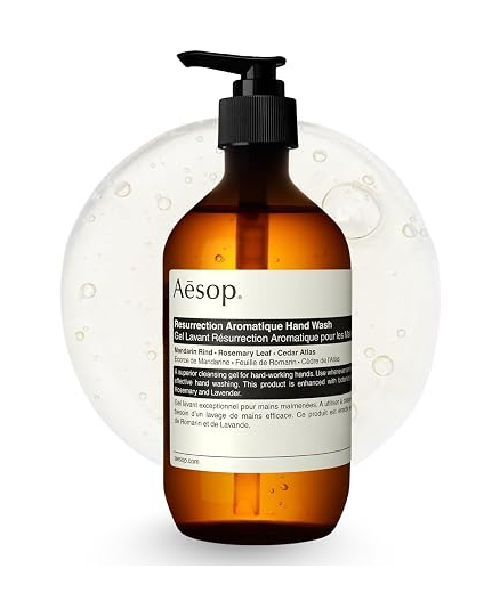
The Resurrection Aromatique Hand Wash is the Aesop product I’d buy without reservation to anyone who asks. The fragrance (mandarin rind, rosemary leaf, cedar atlas) is clean and herbal in a way that smells genuinely fresh rather than soapy, and it’s the fragrance that makes washing hands an experience rather than a task.

The formula uses a gentle surfactant system that doesn’t over-strip the skin — hands washed with this several times per day feel comfortable rather than dry. This is a real functional advantage over cheaper alternatives that strip the skin more aggressively.

Is the fragrance and formula worth the price? Yes, specifically because the hand wash is a product used multiple times daily in a visible, shared space. The experience of using it matters in a way that the experience of using a deep conditioner that’s rinsed out immediately doesn’t.

Price: £16-32 depending on size
Available at: Aesop directly (aesop.com), in Aesop stores

The Parsley Seed Toner is the Aesop facial product I’d most readily recommend. The hydrating toner format — a gentle, non-drying toner applied after cleansing — provides the skin preparation step that makes moisturiser absorb more effectively without the alcohol-heavy formula of traditional toners.

For dry skin specifically, the additional hydration layer between cleansing and moisturising makes a visible difference in how the skin looks and feels throughout the day.

Price: £38-50
Available at: Aesop directly, Selfridges, Net-A-Porter

The Products I'd Consider Alternatives For

The Camellia Nut Facial Hydrating Cream is a quality moisturiser. It hydrates well, has a pleasant texture, and the fragrance is characteristic Aesop — botanically rooted and non-synthetic.

At £55 for 60ml, it’s competing with the Tatcha Water Cream, the CeraVe PM Facial Moisturising Lotion, and several other moisturisers whose ingredient profiles are more specifically targeted to skin concerns. For those who want an aesthetically considered moisturiser with a botanical fragrance character and are comfortable with the price, it’s a good choice. For those primarily interested in skincare efficacy per pound, there are better-targeted options.

Price: £55
Available at: Aesop directly

The Overall Assessment

Aesop is worth buying for products where the experience of using them is part of the value — the hand wash, the body cleansers, the toners. The brand design, the fragrance, and the considered presentation are genuine added value for products used in visible, shared, or experiential contexts.

For targeted skincare — the products where the active ingredient list and its concentrations matter most — the Aesop premium isn’t always justified by the specific formulation relative to alternatives with more clinically focused ingredient profiles.

Buy the hand wash. Consider the toners. For moisturisers and serums, compare to alternatives at the same price before committing.

Smart Home Devices Worth Buying — What Changed How We Live and What Didn’t

By Posted on 0 Comments4min read5 views

Smart Home Devices Worth Buying — What Changed How We Live and What Didn’t

The Best Smart Home Devices Worth Buying — What Changed How We Live And What Didn't

When we moved into this house two years ago, I had a list of smart home devices I planned to install before we’d unpacked the kitchen. I was going to automate everything. The lights would know when we were home. The heating would learn our schedule. The kitchen would probably start dinner.

Two years on, the reality is both more modest and more genuinely useful than that initial enthusiasm. Some things on the list changed how we live every day in ways that feel permanent and worth the money. Others went in a drawer after three weeks. A few I’m still not sure about.

The Devices That Changed Daily Life

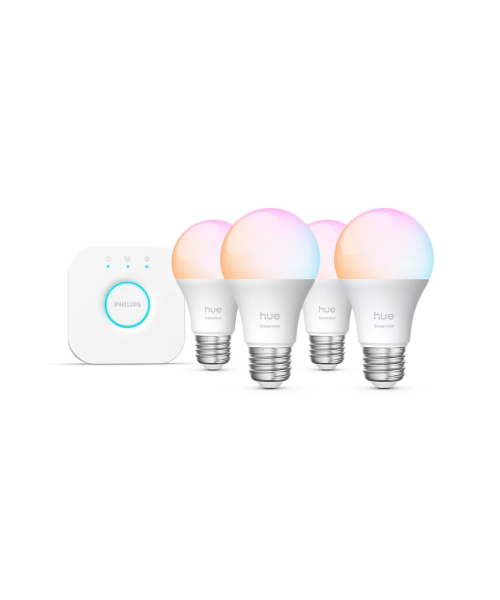
The Philips Hue lighting system is the smart home investment that I’d recommend to anyone considering smart home technology because the payback on daily quality of life is immediate and continuous.

The specific thing it changed: the lighting in our home now suits what we’re doing rather than being set to one level for everything. In the morning, the kitchen lights come on gradually — not a sudden overhead light that announces the start of the day aggressively, but a gentle brightening over fifteen minutes that produces a more natural waking experience. In the evening, the lights warm and dim automatically at sunset, which signals to the body that evening is approaching in a way that constant bright light doesn’t allow. When we watch a film, the lights in the living room dim to a low warm level without anyone getting up.

These are genuine improvements to daily experience that accumulate into meaningful wellbeing benefits rather than being novelty features that wear off.

The Hue Bridge (the hub required for the full feature set) is an additional purchase if buying bulbs only, and the initial investment is higher than standard bulbs. The per-bulb cost (£15-25 per bulb) is justified by the quality and longevity — Hue bulbs are rated for 25,000 hours of use and the system supports automations that standard bulbs can’t enable.

Price: Starter kit from £79, individual bulbs £15-25
Available at: Philips Hue directly (philips-hue.com), Amazon, John Lewis

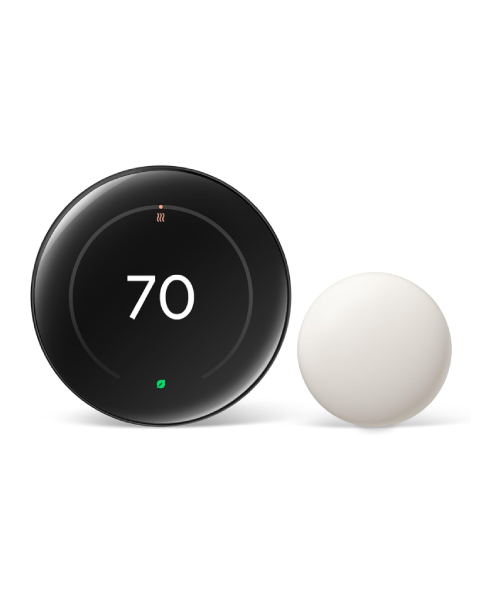
The Nest Learning Thermostat learns the heating schedule from a week or two of manual adjustments and then automates it. The payback in convenience is real — we no longer have a schedule to manage. The payback in energy costs is also real — the Nest’s automatic setback when the house is empty has reduced our heating bill by an amount that covered the cost of the device within the first heating season.

The specific feature worth knowing about: the Nest’s Home/Away Assist detects when phones leave the house and adjusts the heating accordingly, which means the house isn’t being heated while empty even if the schedule says it should be. This is the feature that produces the actual energy saving rather than just the convenience.

Installation is straightforward if your existing thermostat is a standard system — the Nest replaces the existing thermostat and works with most standard boiler systems. It’s worth checking compatibility before purchasing.

Price: £219
Available at: Nest directly (store.google.com), Amazon, John Lewis

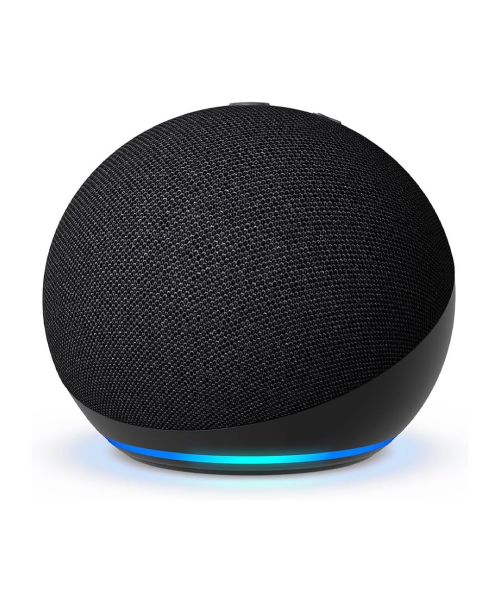
The Echo Dot is not the Echo that sounds best, is not the most capable, and is not the most impressive. It is the Echo that costs the least and sits in the kitchen answering questions, setting timers, playing podcasts, and controlling the other smart home devices without being asked to do more than it can.

The things I actually use it for: kitchen timers (hands-free timer setting while cooking is more useful than it sounds when your hands are covered in flour), quick questions while cooking (how long per pound of chicken at 200 degrees, the distance to the nearest hardware shop), and controlling the Hue lights when a phone isn’t to hand.

Price: £39-49
Available at: Amazon directly (amazon.co.uk), John Lewis

The Devices That Went In The Drawer

The Govee smart LED strips, which I installed under kitchen cabinets with the intention of creating ambient mood lighting. The ambient mood lighting required an app to control, the app required opening, and the threshold of opening an app to turn on ambient lighting proved higher than I’d estimated. They were removed after two months.

The smart plug system I installed for a lamp in the bedroom to turn it off with a voice command. The lamp was twelve steps from the bed. The time required to say “Alexa, turn off the bedroom lamp” was comparable to the time required to turn it off manually. The novelty was high and short-lived.

The lesson: smart home devices are most valuable when they do something automatic — when they remove a decision or action entirely rather than simply replacing one form of action with another.

The Devices I'm Still Not Sure About

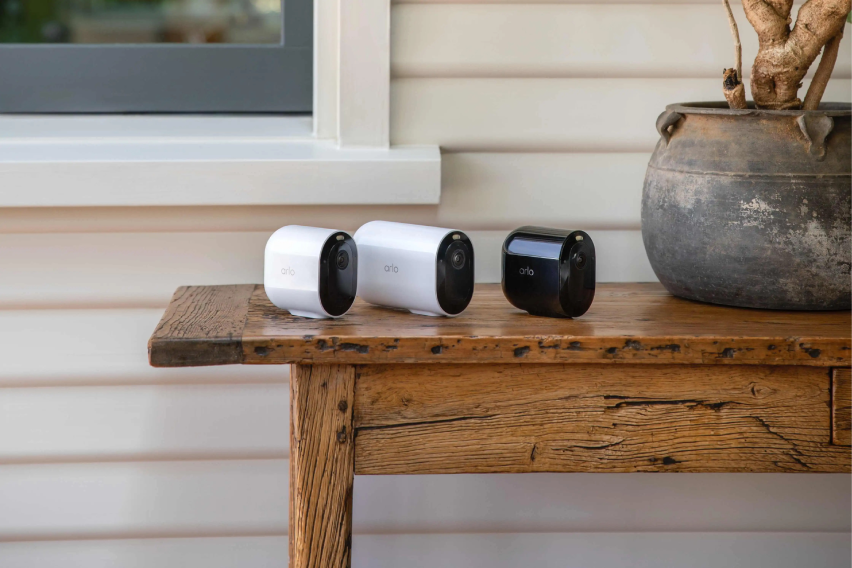
The video doorbell. It shows me who is at the door before I answer it. This has been useful twice (both times delivery companies) and irrelevant hundreds of times. The monthly cloud subscription for video storage is the ongoing cost I find most difficult to justify. I keep it running more out of inertia than conviction.

Conclusion

Smart home technology is most valuable when it automates things you currently do regularly and manually, not when it makes manual actions marginally more convenient. Philips Hue automates lighting to suit the time of day and what you’re doing — genuinely valuable. The Nest automates heating to match actual occupancy — genuinely valuable and financially returns its cost. The Echo provides hands-free information and control in the kitchen — genuinely useful. The rest, in our experience, turned out to be solutions to problems we didn’t consistently have. Start with the lighting and the thermostat. Add from there if the return justifies it.

Olaplex Review — Is It Still Worth It? My Honest Take After Years Of Use

By Posted on 0 Comments3min read6 views

Olaplex Review — Is It Still Worth It? My Honest Take After Years Of Use

Olaplex Review — Is It Still Worth It? My Honest Take After Years Of Use

Olaplex had a complicated period between 2022 and 2024 that included a class-action lawsuit (since settled), significant social media criticism, and an FDA review of one ingredient (BHMT, subsequently removed from the formulations). If you’re arriving at this review with concerns about that period, I want to address it directly before getting to the product.

The lawsuit was settled without Olaplex admitting wrongdoing. The ingredient of concern (BHMT) has been removed from current formulations. The reformulated products have been independently assessed and no safety concerns have been raised about the current formulations. I’ve continued using Olaplex through this period and have experienced no adverse effects.

What remains is the product question: does it work, and is it worth the price?

My Experience With Olaplex

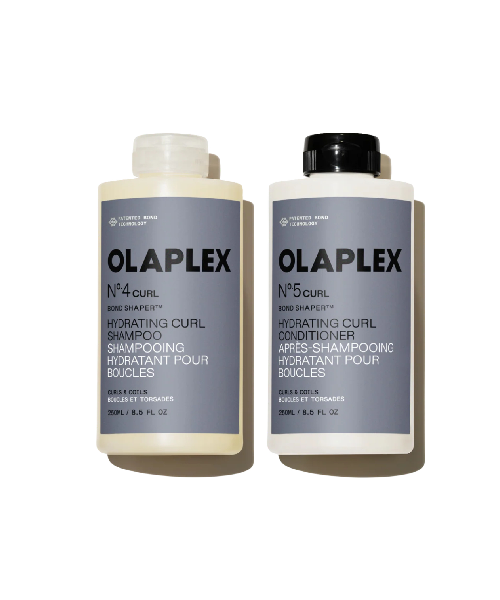
I’ve used Olaplex No. 3 (the at-home treatment) weekly for approximately three years, with occasional use of Nos. 4 and 5 (shampoo and conditioner) and No. 6 (leave-in smoother).

My hair context: naturally wavy, coloured every ten to twelve weeks, moderately heat-styled (a diffuser two to three times per week). The coloured and heat-styled combination produces the specific damage that bond repair treatments are designed to address.

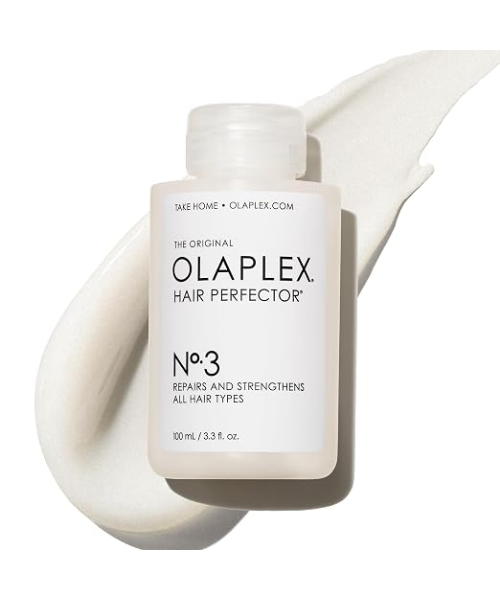
The Olaplex No. 3 is an at-home bond repair treatment — it reconnects the disulfide bonds in the hair’s protein structure that coloring and heat processing break. This is a specific claim with a specific mechanism, and the evidence for this mechanism (bis-aminopropyl diglycol dimaleate, the active Olaplex ingredient) is genuine rather than marketing language.

Applied to clean, damp hair, left for a minimum of ten minutes (I leave it for 45-60 minutes under a shower cap), then washed out as part of normal washing. The difference in hair texture immediately after use and the cumulative improvement in hair strength over weeks and months of consistent use are observable in a way that purely conditioning treatments don’t produce.

The specific thing it does that conditioners don’t: reduces breakage. The hair that would previously snap during styling or brushing is noticeably more resilient with consistent No. 3 use. This is the observable evidence for the bond repair mechanism working rather than simply conditioning the surface.

Price: £28-30
Available at: Olaplex directly (olaplex.com), Space NK, Sephora, Boots

The No. 4 Bond Maintenance Shampoo and No. 5 Conditioner are good haircare products. They’re not as specifically differentiated from other quality shampoos and conditioners as the No. 3 is from other treatments.

For someone committed to the Olaplex system, they’re worth using. For someone who wants the bond repair benefit without switching their entire haircare routine, using the No. 3 treatment weekly alongside a different shampoo and conditioner produces the primary benefit.

Price: £26-28 each
Available at: As above

Olaplex vs K18 — The Current Comparison Question

K18 is the bond repair competitor that emerged during Olaplex’s difficult period and that many people switched to. The two use different mechanisms — Olaplex addresses disulfide bonds, K18’s peptide addresses the broader polypeptide chain — and both have genuine evidence for their approaches.

My experience with K18: the results are faster and more dramatic in the first few uses, and the leave-in format is more convenient than Olaplex’s rinse-out application. The cost per use is higher (K18 is more expensive per application).

For severely damaged hair needing fast results: K18.
For ongoing maintenance and prevention: Olaplex No. 3 is more cost-effective and the cumulative benefit over months is comparable.

Conclusion

Olaplex is still worth buying in 2026. The reformulated products don’t contain the ingredient that prompted safety concerns, the mechanism behind the No. 3’s effectiveness is genuine, and the cumulative benefit of weekly use over months is observable in reduced breakage and improved hair strength. The No. 3 is the specific product worth prioritising. The shampoo and conditioner are good additions but not essential to the benefit.

Skincare Routine For Beginners — The Honest Simple Version

By Posted on 0 Comments3min read2 views

Skincare Routine For Beginners — The Honest Simple Version

The Best Skincare Routine For Beginners — The Honest Simple Version

The skincare industry makes more money from complexity than from simplicity. A twelve-step routine requires twelve products. A four-step routine requires four. The four-step routine, executed consistently, produces better results than the twelve-step routine executed inconsistently — which is what happens to most people who start with an overwhelming routine and gradually abandon the steps that feel like the most effort.

I’m going to describe the routine that actually works for most people most of the time. It’s not the routine that sounds most impressive. It’s the one with the highest compliance rate and the most evidence behind it.

The Four Steps That Actually Matter

Step 1 — Cleanser

A gentle, pH-balanced cleanser that removes what’s on the skin without stripping the moisture barrier. The CeraVe Hydrating Cleanser for dry to normal skin (£12-15) and the La Roche-Posay Toleriane Purifying Foaming Cleanser for oily to combination skin (£16-22) are the two recommendations that most dermatologists would agree on.

Neither of these is exciting. Neither has an impressive list of active ingredients. What they do is clean the skin correctly — removing the day’s pollution, SPF, and skin cell debris without the alkaline stripping that more aggressive cleansers produce.

Step 2 — Moisturiser

The CeraVe Moisturising Cream for dry skin (£12-18) and the Neutrogena Hydro Boost Water Gel for oily to normal skin (£18-22) are the accessible starting points.

The Best Skincare Routine For Beginners In 2026 — The Honest Simple Version

The ceramides in CeraVe are the relevant ingredient — they restore and maintain the skin barrier that cleansing, environment, and the general business of existing gradually deplete. The hyaluronic acid in Neutrogena’s Hydro Boost provides hydration without oil. Both are correct for their skin types in a way that more fashionable products at higher prices often aren’t.

Step 3 — SPF (Morning Only)

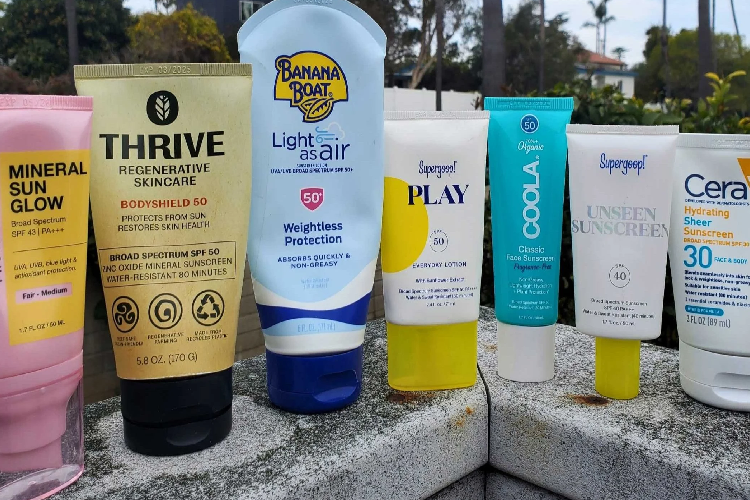
Every morning. Without exception. This is the step that produces the most observable long-term improvement in skin quality and appearance and it is consistently the most skipped step in beginner skincare routines.

ISDIN Fusion Water SPF50 (£40-46) is the recommendation for the easiest daily application experience. La Roche-Posay Anthelios SPF50+ (£20-28) is the recommendation for sensitive skin. Both are good. Both need to be applied every morning.

The Optional Fourth Step — Targeted Treatment

Once the three-step routine is established and consistent (minimum four weeks), a targeted treatment can be added. For most beginners, this means one of two things: niacinamide for tone evening and pore minimisation, or retinol for longer-term skin renewal.

The Ordinary Niacinamide 10% + Zinc 1% (£5-8) is the accessible starting niacinamide. The Ordinary Retinol 0.2% in Squalane (£7-10) is the accessible starting retinol. Both work. Neither is complicated.

What You Don't Need At The Beginning

Eye cream — a small amount of your regular moisturiser applied gently around the eye area is sufficient for most people until a specific eye concern warrants a targeted product.

The Best Skincare Routine For Beginners In 2026 — The Honest Simple Version

A toner — the primary functions of toner (pH balancing and hydration) are served by a good cleanser and moisturiser. Most toners add a step rather than adding a function.

Multiple serums — pick one targeted ingredient and use it consistently for eight to twelve weeks before assessing results. Adding multiple serums simultaneously makes it impossible to know which is producing any observed effect and increases the likelihood of irritation from ingredient interactions.

The Budget Breakdown

Complete four-step routine at accessible prices:

  • CeraVe Hydrating Cleanser: £12-15
  • CeraVe Moisturising Cream: £12-18
  • ISDIN Fusion Water SPF50: £40-46 (the one worth spending on)
  • The Ordinary Niacinamide: £5-8

Total: approximately £70-87 for a complete, evidence-based routine that produces results.

Conclusion

The skincare routine that produces results is not the most complex one — it’s the one that’s followed consistently with the right ingredients for the right skin concern. Cleanser, moisturiser, SPF, and one targeted treatment: this is the complete routine for most people. Start with this. Use it consistently for three months. Then reassess what, if anything, needs to be added.