House On The Crescent

All Posts By Elody Von

The Ayurveda Experience Review — Worth the Premium Price?

By Posted on 0 Comments9min read39 views

The Ayurveda Experience Review — Worth the Premium Price?

The Ayurveda Experience Review — Worth the Premium Price?

The Ayurveda Experience has a specific problem that most genuinely good skincare brands eventually run into: the people who love it tend to be patient, consistent, multi-year users, and the people who’re disappointed tend to be looking for the kind of fast, dramatic transformation that traditional Ayurvedic formulations were never designed to deliver in two weeks.

That’s not a dodge. It’s the single most useful thing to understand before you order — and once you do, the rest of the review evidence becomes much easier to interpret correctly.

Quick Highlights

  • ✅ Founded 2010, now serving over 2 million customers across 25+ countries with a substantial multi-year track record
  • ✅ Genuine educational content — Dosha quizzes, webinars, and online courses that go beyond a typical product-only DTC model
  • ✅ Multiple long-term users (3-5+ years) report continued satisfaction and repeat purchasing across face oils, body oils, and hair treatments
  • ✅ Responsive customer service confirmed across multiple independent review platforms, including goodwill exceptions made outside standard policy windows
  • ✅ 30-day return policy with refund or exchange options
  • ✅ No animal testing and genuinely natural ingredient lists
  • ❌ Premium pricing compared to other natural skincare brands offering similar core ingredients
  • ❌ Strong herbal scents (frankincense, vetiver specifically) reported as overpowering by some users
  • ❌ A documented minority of users report skin irritation, breakouts, or allergic-type reactions — patch testing is genuinely advisable
  • ❌ At least one detailed complaint describes a body oil developing a rancid smell that transferred to bedding
  • ❌ Returns can be handled inconsistently — one detailed account describes initial denial of an exchange request before the company made a goodwill exception outside the standard window

Best for: Buyers seeking a gradual, ritual-based natural skincare regimen rather than fast cosmetic correction, particularly those with mature or dry skin types and a tolerance for strong natural herbal scents.

Why Trust This Review

Cross-referenced from Trustpilot’s 800+ verified US/Canada and UK reviews, the brand’s own published customer testimonials, Collected.Reviews’ independent multi-platform analysis, and HonestGuideHub’s detailed product-category breakdown. No commercial relationship with The Ayurveda Experience.

Table of Contents

  • About The Ayurveda Experience
  • The Ayurveda Experience Review: Full Breakdown
  • Best The Ayurveda Experience Products Worth Buying
  • What Customers Actually Think
  • Is The Ayurveda Experience Worth It?
  • TAE vs Mainstream Natural Skincare
  • Where to Buy
  • FAQs
  • Final Verdict

About The Ayurveda Experience

The Ayurveda Experience (often abbreviated TAE) was founded in 2010 by Rishabh Chopra, initially in Singapore, with a specific mission: bring traditional Ayurvedic skincare and wellness practices into ready-to-use, pre-formulated products rather than requiring customers to mix oils and pastes themselves. The brand now operates as Transformative Learning Pte. Ltd. and has grown to serve over 2 million customers across more than 25 countries.

The product catalog spans multiple sub-brands and lines — including the Modernica Naturalis range (modern takes on traditional Ayurvedic formulas), face oils, body oils, hair treatments, and eye care — alongside genuine educational offerings: Dosha quizzes, personalized consultations, webinars, and online courses aimed at making Ayurveda’s traditionally complex framework approachable for newcomers.

The Ayurveda Experience Review: Full Breakdown

The Core Product Philosophy — Set the Right Expectation First

HonestGuideHub’s detailed independent assessment frames this precisely and usefully: TAE represents “a unique segment of the market — holistic, slow-working skincare, influenced by Ayurveda practices,” and “the problem with this particular brand lies in misaligned expectations, rather than the product failing itself.” Their specific conclusion: “it’s a comfortable skincare regimen, not a corrective one.”

This single distinction explains the large majority of the divergence between glowing long-term reviews and disappointed short-term ones. The brand itself addresses this directly in a customer service response: “Our products are natural and based on Ayurveda, which is not a quick fix, and it is best to use them consistently over a prolonged period. Consistency is the key!”

Real Results — What Long-Term Users Actually Report

The evidence for genuine efficacy with consistent use is substantial and specific. A 70-year-old long-term user reports five-plus years of use specifically helping acne and reducing “the appearance of wrinkles” after switching from harsher chemical-based products that worsened her skin. Another long-term user — three years and counting — describes building her entire face and body care routine around the line. A separate detailed UK review describes a 70-80% reduction in wrinkles using the Cerabuild moisturizer specifically, with the buyer noting it outperformed “far more expensive products” used for years prior.

The Kesaradi Face Oil (saffron, rose, turmeric) receives specific, repeated praise for brightening and hydrating without greasiness — “was hesitant at first, but the Kesaradi oil actually made my dull skin brighter within two weeks” is a representative independent account.

The Counter-Evidence — Where the Brand Genuinely Falls Short

This deserves equally direct treatment. Collected.Reviews’ independent multi-platform analysis specifically documents: a body oil that “developed a rancid smell” which then “transferred to bedding,” a neck mask that “caused immediate itching and redness after use,” and a returns process handled poorly in at least one specific instance.

A separate Trustpilot account from a long-term customer describes results that didn’t meet expectations despite the products feeling “moisturizing and pleasant to use” — the company’s response specifically and reasonably acknowledges that “skincare results can vary greatly from person to person” while standing by the product quality.

The fragrance issue is consistent and specific enough to flag directly: certain products using frankincense or vetiver are reported by multiple independent sources as “overpowering” for fragrance-sensitive users. If you’re sensitive to strong herbal scents, sample a smaller size before committing to a full-size bottle.

Customer Service — Generally Responsive, With One Specific Documented Exception

The pattern across most reviews is genuinely positive — “their customer service and fast shipping is certainly awesome,” and “I’ve found their customer service to be easy to reach and responsive” both appear as independent, unprompted observations. One detailed Trustpilot exchange shows the company specifically making a goodwill exception to its standard exchange eligibility window for a customer whose original order fell outside the policy — a meaningful example of flexibility rather than rigid policy enforcement.

The exception worth noting: Collected.Reviews documents “one unresolved returns complaint” where a customer describes the company handling a staining/transfer issue poorly — a reminder that, as with most DTC brands at scale, customer service consistency isn’t universal even when the median experience is good.

Best The Ayurveda Experience Products Worth Buying

Best for: Buyers wanting visible brightening and hydration from a lightweight, fast-absorbing facial oil with a luxurious, warm scent profile.

Top Features:

  • Saffron, rose, and turmeric blend specifically formulated to brighten and even skin tone
  • Absorbs without greasy residue per multiple independent reviewers, including those with naturally oily skin
  • The most frequently cited “noticeable difference within two weeks” product in the catalog — faster-acting than the brand’s average

One Honest Drawback: Premium pricing relative to comparable oil-based facial products from other natural skincare brands.

Verdict: The strongest entry point for first-time TAE buyers based on the volume and specificity of independent positive reviews.

Best for: Severely dry, itchy, or cracking skin where standard lotions haven’t provided lasting relief.

Top Features:

  • Based on urad dal (black gram), a traditional Ayurvedic ingredient specifically chosen for nourishing dry skin
  • One detailed long-term user describes transitioning from needing a separate lotion layer to using the Booster alone as her skin improved
  • Multiple repeat-purchase accounts spanning months of continued use

One Honest Drawback: As a body oil rather than a lotion, the application texture and absorption time differs from what some buyers expect — allow it time to fully absorb before dressing.

Verdict: A genuinely strong option specifically for chronic dry skin concerns, with consistent praise across long-term users.
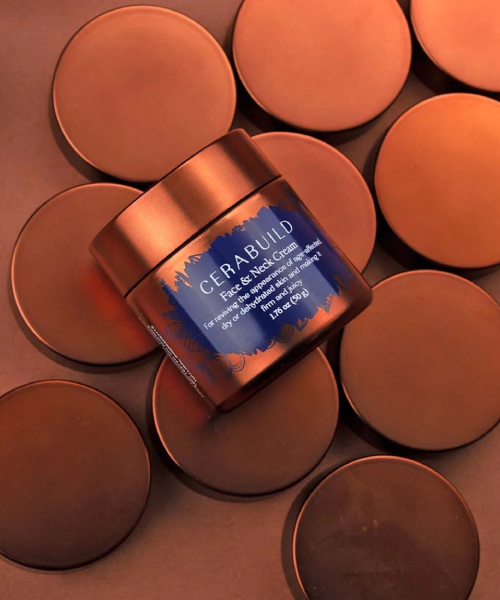
Best for: Mature skin specifically targeting fine lines, neck firmness, and overall skin texture improvement.

Top Features:

  • One detailed UK review reports a 70-80% reduction in wrinkles with consistent use, specifically outperforming “far more expensive products”
  • Rich, creamy texture described as luxurious without feeling heavy
  • Budget-friendly positioning within TAE’s own catalog relative to some other lines, per the brand’s stated goal for this specific product

One Honest Drawback: As with all TAE products, meaningful results require consistent multi-week use rather than immediate transformation.

Verdict: One of the most specifically and enthusiastically praised individual products across the available independent review set.
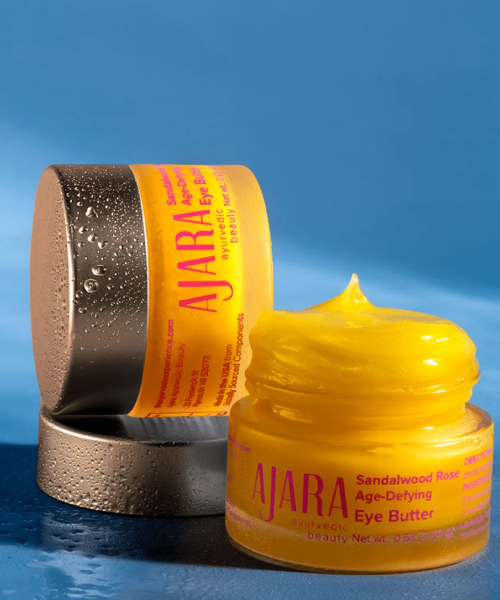
Best for: Fine lines and brightness around the eye area, particularly for buyers who’ve tried more expensive eye creams without satisfaction.

Top Features:

  • One detailed reviewer specifically compares it favorably against a $175 eye cream that disappointed her
  • Cruelty-free, all-natural formulation with no animal testing
  • Silky texture without the irritation some other eye creams cause, per multiple accounts

One Honest Drawback: Like the rest of the line, the “no miracles in bottles” caveat applies — one detailed reviewer specifically notes it didn’t eliminate the need for concealer despite genuine improvement.

Verdict: A reasonable, lower-cost entry point to the brand for buyers specifically targeting the eye area.

What Customers Actually Think

Real accounts paraphrased:

  • “I’ve been using these oil products for 5+ years. My face is prone to acne and wearing a face mask just made it worse. Using a regime from Ayurveda has been miraculous, and made a huge difference on the appearance of my wrinkles.”
  • “It turned out the oil was rubbing off on my sheets and becoming rancid.”
  • “I love this company, their products are outstanding, much better than the far more expensive products I’ve used for years. The Cerabuild moisturiser is rich, creamy, luxurious and I’ve experienced a 70-80% reduction in my wrinkles.”
  • “The eye cream did nothing new for me. Still had to use concealer. There are no miracles in bottles. I think The Ayurveda Experience will do best sticking to honest marketing.”
  • “I have been using The Ayurveda Experience for over 3 years, and I keep coming back for beloved products, and new ones that I am sure to love!”
  • “Neck mask caused immediate itching and redness after use.”

Is The Ayurveda Experience Worth It?

For buyers willing to commit to consistent, multi-week use as part of a genuine skincare ritual: yes, based on the weight of long-term, specific, repeatable positive evidence — particularly for brightening, hydration, and mature-skin concerns.

For buyers expecting fast, dramatic correction comparable to active-ingredient Western skincare (retinoids, strong acids): this is the wrong category of product entirely, and the brand’s own customer service responses are honest about that mismatch.

For fragrance-sensitive skin or skin prone to reactions: patch test, and consider sample sizes before committing to full-size bottles given the documented minority irritation reports.

TAE vs Mainstream Natural Skincare


The Ayurveda Experience

Mainstream Natural Skincare (e.g. Drunk Elephant, Tatcha)

Ingredient philosophy

✅ Traditional Ayurvedic formulations

Modern “clean beauty” formulations

Speed of visible results

Gradual, multi-week

Often faster, more dramatic

Educational content

✅ Genuinely extensive (courses, quizzes)

Limited

Price

Premium

Premium

Scent profile

Strong herbal (some find overpowering)

Often milder/more neutral

Best for

Ritual-based, patient skincare routines

Quicker visible transformation

Where to Buy

theayurvedaexperience.com (US/Canada) and theayurvedaexperience.co.uk — full catalog with regional sites for international customers. 30-day return policy. Customer care available Monday-Friday, 8am-8pm EST via email and phone.

FAQs

Does The Ayurveda Experience actually work?

For gradual, ritual-based skincare improvement with consistent multi-week use: yes, based on extensive long-term user evidence. For fast, corrective transformation: this isn’t the right product category — set expectations accordingly.

Is The Ayurveda Experience good for sensitive skin?

Mostly, but a documented minority of users report irritation, breakouts, or itching — particularly with stronger-scented products. Patch test before full-face application.

What is TAE's return policy?

30 days for refund or exchange, generally honored consistently, with at least one documented case of the company making a goodwill exception outside the standard window.

Why do some Ayurveda Experience products smell strong?

Certain formulations use frankincense, vetiver, or other traditional Ayurvedic herbs with naturally potent scent profiles. If you’re fragrance-sensitive, sample before buying full-size.

Final Verdict

The Ayurveda Experience delivers genuinely on its specific promise: a natural, ritual-based skincare approach rooted in traditional Ayurvedic formulations, with substantial long-term user evidence supporting real improvement in skin brightness, hydration, and fine lines for patient, consistent users. The brand’s own honest acknowledgment that results vary and require time is a refreshing departure from the instant-transformation language most skincare marketing uses.

The documented minority of irritation and quality-consistency complaints are real and worth knowing, particularly around fragrance sensitivity. Buy with the right expectation — comfortable, gradual skincare, not a corrective miracle — and the evidence suggests you’re likely to land among the satisfied long-term users rather than the disappointed quick-results seekers.

Overall Rating: 7.9 / 10

Category

Score

Ingredient Quality

8.5 / 10

Long-Term Efficacy

8.5 / 10

Educational Content

9 / 10

Scent/Sensitivity Tolerance

6.5 / 10

Customer Service

7.5 / 10

Value for Money

7 / 10

Overall

7.9 / 10

Guava Family Review — Is the Lotus Travel Crib Worth It?

By Posted on 0 Comments10min read106 views

Guava Family Review — Is the Lotus Travel Crib Worth It?

Save 15% Off On Your All Orders

Save 15% Off On Your All Orders

Save 15% Off On Your All Orders
LPA15
SHOW COUPON
On Going Offer
  • It Works 100% Success It Doesn’t
  • Get 10% Off On Your All Purchases

    Get 10% Off On Your All Purchases

    Get 10% Off On Your All Purchases
    WELCOME-YRX23
    SHOW COUPON
    On Going Offer
  • It Works 100% Success It Doesn’t
  • Get Free Shiping On Order Over $50

    Get Free Shiping On Order Over $50

    Get Free Shiping On Order Over $50
    ACTIVATE DEAL
    On Going Offer
  • It Works 100% Success It Doesn’t
  • Sale! Save Upto $155 Off On Roam Stroller

    Sale! Save Upto $155 Off On Roam Stroller

    Sale! Save Upto $155 Off On Roam Stroller
    ACTIVATE DEAL
    On Going Offer
  • It Works 100% Success It Doesn’t
  • Hurry! Save Upto $101 Off On Crib

    Hurry! Save Upto $101 Off On Crib

    Hurry! Save Upto $101 Off On Crib
    ACTIVATE DEAL
    On Going Offer
  • It Works 100% Success It Doesn’t
  • Shop Our Crib Collection Starting From $299.95

    Shop Our Crib Collection Starting From $299.95

    Shop Our Crib Collection Starting From $299.95
    ACTIVATE DEAL
    On Going Offer
  • It Works 100% Success It Doesn’t
  • Checkout Our Bassinet Collection Starting From $439

    Checkout Our Bassinet Collection Starting From $439

    Checkout Our Bassinet Collection Starting From $439
    ACTIVATE DEAL
    On Going Offer
  • It Works 100% Success It Doesn’t
  • Explore Our Stroller Collection Starting From $649.95

    Explore Our Stroller Collection Starting From $649.95

    Explore Our Stroller Collection Starting From $649.95
    ACTIVATE DEAL
    On Going Offer
  • It Works 100% Success It Doesn’t
  • Guava Family Review 2026 — Is the Lotus Travel Crib Worth It?

    There’s a specific quality signal in baby gear reviews that matters more than initial unboxing enthusiasm: whether the product is still in active use a year, two years, or four years after purchase. Guava Family’s Lotus Travel Crib has an unusually large number of reviews specifically describing multi-year, multi-child, multi-continent use — which is a meaningfully stronger signal than the typical “just arrived, looks great” review pattern that dominates most baby product categories.

    Quick Highlights

    • ✅ GreenGuard Gold certified — independently tested for thousands of chemical emissions, free of PVC, lead, formaldehyde, arsenic, and phthalates
    • ✅ Multiple documented multi-year (2-4+ years) reviews, including one family that used it as their child’s main bed for nearly two years
    • ✅ Genuine no-weight-limit design — mattress rests directly on the floor, meaning it works from newborn through toddler climbing-out age
    • ✅ Lightweight at 15 lbs with a genuinely functional backpack-style carrying case — described as the standout feature across nearly every independent review
    • ✅ Side zip door allows parents to lie down and help baby fall asleep before zipping closed — a specific, repeatedly praised feature
    • ✅ 60-day risk-free trial with full refund if unsatisfied
    • ❌ Setup, while not difficult, can take a few minutes longer than instant pop-up alternatives — a minor but documented friction point for some buyers
    • ❌ Mesh sides can develop wear and small holes after extended heavy use (months of toddler face-pressing specifically documented), requiring eventual replacement
    • ❌ Premium pricing relative to standard pack-and-play alternatives
    • ❌ Some toddlers can learn to tip the crib on its side and escape around age two, though this was reported as a minor distraction rather than a safety incident in the documented case
    • ❌ Doesn’t fit easily into standard checked suitcases — works in larger duffel-style luggage or as its own backpack/carry-on

    Best for: Families who travel frequently with infants and toddlers, parents seeking a chemical-conscious alternative to standard pack-and-plays, and anyone wanting a single travel sleep solution that genuinely lasts from newborn through toddlerhood without a weight-limit cutoff.

    Why Trust This Review

    Cross-referenced from multiple independent long-term parent reviews spanning 1-4+ years of documented use (Parenthood Adventures, Away Go We, Tandra Nicole, Cubby, HomeAndTome), Amazon verified buyer reviews, and the brand’s own published certification and warranty information. No commercial relationship with Guava Family.

    Table of Contents

    • About Guava Family
    • Guava Family Review: Full Breakdown
    • Best Guava Family Products Worth Buying
    • What Customers Actually Think
    • Is Guava Family Worth It?
    • Guava Lotus vs Standard Pack-and-Play
    • Where to Buy
    • FAQs
    • Final Verdict

    About Guava Family

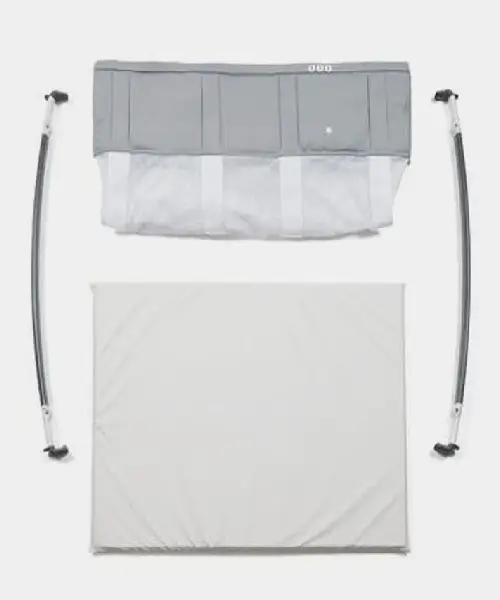
    Guava Family makes the Lotus Everywhere Travel Crib and Bassinet — a lightweight, foldable infant and toddler sleep system specifically engineered around portability and chemical safety. The core design philosophy addresses a specific frustration with traditional travel cribs and pack-and-plays: most are bulky, heavy, difficult to set up and break down, and use materials with questionable chemical safety profiles for products babies breathe and sleep in for hours daily.

    The Lotus uses proprietary “3D Z-Fold” technology that allows the crib to compress into a backpack-sized carrying case weighing just 15 lbs — over 50% lighter than traditional raised-mattress portable cribs, according to the brand. The mattress rests directly on the floor rather than on a raised platform, which eliminates both the squeaking/shaking “startle effect” some raised-mattress cribs cause and the weight limit that typically caps traditional play yards around 30 lbs.

    Guava Family Review: Full Breakdown

    The Core Design — Why It Genuinely Differs From a Pack-and-Play

    The floor-resting mattress design is the single most consequential engineering decision in the product, and it shows up across nearly every independent review as the explanation for why the Lotus works differently than competitors. One detailed multi-year reviewer specifically explains: because the mattress isn’t supported by a raised platform structure, there’s no weight limit — “I was able to keep using it until my kids began trying to climb out,” rather than hitting an artificial 30-lb cutoff that forces an early transition for taller or heavier babies.

    Multi-Year Durability — The Strongest Evidence in This Entire Review Series

    This is genuinely remarkable relative to most baby gear categories. One detailed independent review describes using the same Lotus crib “continuously for four years as both a primary bed AND travel crib” across multiple children, backpacking trips throughout Southeast Asia, hotels, flights, buses, and boats. A separate reviewer describes daily use from age four months to twenty months as her son’s actual home crib — not just a travel backup — specifically crediting the side-zip door for solving a real, specific problem: being able to lie next to her son as he fell asleep, then quietly zip the door closed rather than risking a wake-up during a lap-to-crib transfer.

    A separate Amazon reviewer who used the crib as her twins’ primary sleeping arrangement “from the time they were born until they stopped sleeping in cribs around age 2” reports it “saw some heavy use,” with the only documented issue being mesh sides developing small holes after “months (and months and months) of pretty heavy use” — specifically attributed to her toddlers repeatedly “smashing their faces to the side of the mesh for fun” rather than a structural defect. She specifically credits Guava’s customer service for handling the issue when she contacted them about the safety concern.

    Portability — The Feature That Drives the Most Specific Enthusiasm

    Every reviewer who mentions travel specifically cites the backpack carrying case as the standout practical feature. “I flew cross-country by myself with our baby girl. The Lotus Travel Crib was light and easy to carry on my back” is a representative independent account. A mother of five specifically describes this as the deciding factor over a traditional Pack and Play: “the idea of hauling a bulky, heavy play yard just wasn’t going to cut it… the backpack straps were locked nicely within a zipper pocket.”

    One honest practical limitation documented across multiple sources: it doesn’t fit easily into a standard checked suitcase — most families either check it separately, use it as a carry-on backpack through the airport, or fit it into larger duffel-style luggage like an Eagle Creek checked bag, per one specific account.

    GreenGuard Gold Certification — A Genuine, Verifiable Safety Differentiator

    This matters more than a typical marketing claim because GreenGuard Gold is a real third-party certification process, testing for thousands of specific chemical emissions rather than a brand’s own self-reported safety claims. Multiple parents specifically cite this as their deciding factor over competitors — one reviewer who was “looking for the least amount of plastic and additionally, chemical free certifications” describes the Guava Lotus as fitting those requirements “perfectly,” with breathable mesh surrounding the entire crib rather than solid panels at face level, addressing a specific suffocation-risk concern some parents have with traditional play yard fabric walls.

    The One Documented Limitation — Setup Speed and the Mesh Durability Tradeoff

    A detailed independent reviewer who used the product for four years across two children offers the most balanced critique available: setup, while genuinely simple compared to a traditional Pack and Play, “takes about three minutes” — not instant, though he reasonably notes that “if I get to the point where I can’t even spare three minutes to get this thing set up, setting up a folding portable crib… is probably the least of my issues.” The same reviewer documents one of his two children learning to tip the crib onto its side and climb out around age two — describing this as “never… a safety issue for us, so much as a distraction,” with the novelty wearing off after a few weeks.

    Best Guava Family Products Worth Buying

    Best for: Families needing a single sleep solution that works from infancy through toddlerhood, both at home and while traveling, without a weight-limit cutoff.

    Top Features:

    • 3D Z-Fold technology compresses to a 15-lb backpack-portable size — over 50% lighter than traditional raised-platform cribs
    • No weight limit since the mattress rests directly on the floor — usable from newborn through age three or until climbing-out age
    • GreenGuard Gold certified, with breathable ClearView mesh surrounding the entire structure

    One Honest Drawback: Mesh sides can develop small holes after extended heavy daily use over many months, particularly from toddlers pressing against them — though this appears to be a wear issue addressable through customer service rather than a structural safety defect.

    Verdict: The single most consistently, specifically, and durably praised product across this entire travel and baby gear review series. Multiple independent multi-year accounts support the premium price.

    Best for: Parents wanting to use the same Lotus frame as a raised newborn bassinet before transitioning to floor-level crib mode as the baby grows.

    Top Features:

    • Converts the same Lotus frame between bassinet height (for newborns) and full crib mode (for older infants/toddlers)
    • One detailed reviewer specifically used this transition pathway from newborn through 20 months without needing a separate product purchase
    • Genuinely extends the useful life of a single Lotus purchase across multiple developmental stages

    One Honest Drawback: This is an add-on accessory rather than a standalone purchase — confirm compatibility with your specific Lotus crib generation before buying.

    Verdict: A smart purchase alongside the main crib for parents wanting maximum use out of a single piece of gear across the newborn and infant stages.

    Best for: Existing Lotus owners wanting spare bedding for easier laundering rotation, or replacing a worn original sheet.

    Top Features:

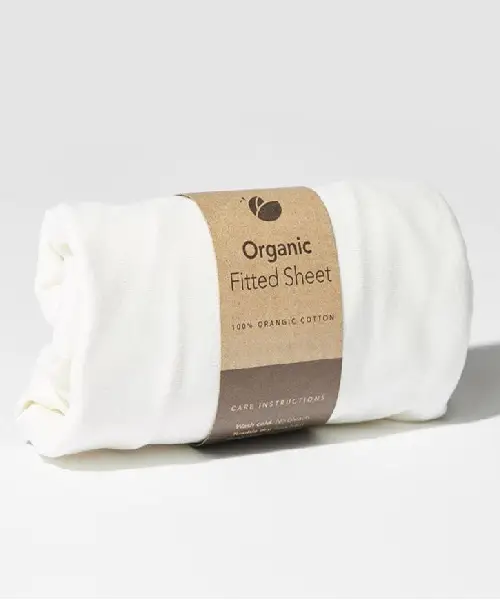
    • 100% organic jersey cotton — soft and breathable, consistent with the brand’s broader non-toxic materials philosophy
    • One specific reviewer notes needing to order sheets separately as the “closest thing to a con” she could identify about the otherwise excellent product

    One Honest Drawback: Sheets are sold separately from the main crib purchase — budget for this additional cost when calculating the total investment.

    Verdict: A reasonable, low-cost addition. Order at least one spare alongside your initial crib purchase to avoid the gap one reviewer specifically experienced waiting for sheets to arrive separately.

    Best for: Families specifically traveling to mosquito-prone destinations.

    Top Features:

    • One detailed long-term traveler reviewer specifically used this accessory on trips to Bali, Singapore, and Thailand
    • Designed to fit directly over the existing crib structure without requiring a separate frame

    One Honest Drawback: A niche accessory only necessary for specific travel destinations — not a universal must-buy alongside the main crib.

    Verdict: Worth adding specifically if your travel plans include mosquito-prone tropical destinations; otherwise skippable.

    What Customers Actually Think

    Real accounts paraphrased:

    • “We used it daily, brought it with us on over 20 trips to 10 different countries, and even after all of that, it still looks new.”
    • “After months of pretty heavy use, the mesh sides started to come apart at the seams. More than anything, this was probably due to my toddlers smashing their faces to the side of the mesh for fun. As soon as I noticed, I contacted Guava’s customer service.”
    • “This crib has been a life-saver as we transitioned our baby from cosleeping, and it might be the best investment in baby gear that we have ever made, on par only with our baby carrier.”
    • “It’s so quick and easy that I prefer it to asking for a hotel crib. I know that it’s safe, I know that he is familiar with it.”
    • “We looked at basically every other travel crib available on Amazon and in the big box stores and found that the Guava Family travel cribs are the only ones that are very high quality and sturdy, ultra portable, and most importantly, do not have any fabric border at what would be nose-level for our infant.”

    Is Guava Family Worth It?

    For families who travel with infants and toddlers regularly, or who specifically want a chemical-conscious, GreenGuard-certified alternative to standard pack-and-plays: yes, based on an unusually deep and consistent body of multi-year independent evidence — a rare and meaningful signal in baby gear specifically.

    For occasional travelers who’ll use a travel crib only once or twice a year: the premium price may be harder to justify versus a basic hotel crib or borrowed pack-and-play, though the GreenGuard certification remains a genuine differentiator if chemical exposure is a specific concern.

    Guava Lotus vs Standard Pack-and-Play


    Guava Lotus Travel Crib

    Standard Pack-and-Play

    Weight

    ✅ 15 lbs

    20-30+ lbs

    Weight limit (child)

    ✅ None (floor-resting mattress)

    Typically ~30 lbs

    Portability

    ✅ Backpack-style carry case

    Often a separate, bulkier carry bag

    Chemical certification

    ✅ GreenGuard Gold

    Varies by brand

    Side-access door

    ✅ Zippered, lockable

    Rare on most standard models

    Price

    Premium ($200-250)

    Budget to mid-range ($50-150)

    Best for

    Frequent travelers, chemical-conscious parents

    Occasional/budget-focused use

    Where to Buy

    guavafamily.com — full product range. 60-day risk-free trial with full refund if unsatisfied, with a prepaid return label process described as straightforward.

    FAQs

    Is the Guava Lotus Travel Crib safe?

    Yes — it meets the US Federal Standard for Play Yards (16 CFR 1221 / ASTM F406) and CPSIA 2008 requirements, and is GreenGuard Gold certified for chemical emissions.

    Does the Guava Lotus have a weight limit?

    No — because the mattress rests directly on the floor rather than a raised platform, there’s no weight limit, unlike most traditional pack-and-plays which typically cap around 30 lbs.

    How long does the Guava Lotus typically last?

    Multiple independent reviews document 2-4+ years of regular, sometimes daily, use across single and multiple children, including international travel.

    Does the Guava Lotus fit in a suitcase?

    It generally doesn’t fit in a standard checked suitcase but works well as its own backpack carry-on or fits into larger duffel-style checked luggage.

    Final Verdict

    The Guava Family Lotus Travel Crib has earned an unusually strong, unusually consistent body of multi-year independent praise — a genuinely rare signal in baby gear, where most products generate enthusiastic unboxing reviews that never follow up months or years later. The GreenGuard Gold certification is a real, verifiable safety differentiator, and the no-weight-limit floor-resting design solves a genuine practical problem that traditional pack-and-plays create through premature size cutoffs.

    The mesh durability under sustained heavy toddler use and the premium price relative to basic alternatives are the two honest tradeoffs — both reasonable given the documented multi-year value the product delivers for families who actually use it as intended.

    Overall Rating: 9.0 / 10

    Category

    Score

    Build Quality & Durability

    9 / 10

    Safety Certification

    9.5 / 10

    Portability

    9.5 / 10

    Long-Term Value

    9.5 / 10

    Customer Service

    8.5 / 10

    Value for Money

    8 / 10

    Overall

    9.0 / 10

    The M Jewelers Review — Celebrity-Loved Jewelry, Real Risk?

    By Posted on 0 Comments9min read57 views

    The M Jewelers Review — Celebrity-Loved Jewelry, Real Risk?

    The M Jewelers Review — Celebrity-Loved Jewelry, Real Risk?

    The M Jewelers built one of the most successful influencer-marketing playbooks in jewelry retail. Mark Shami sent free personalized pieces to up-and-coming names — Bella Hadid among them — and watched the brand grow into a self-described largest online personalized jewelry company in the world, with over 1.2 million Instagram followers and coverage in Vogue, Forbes, and Esquire.

    That marketing success is real. So is a genuinely concerning, specific, and repeated pattern of custom order delays and refund disputes that anyone considering a personalized piece needs to read before ordering.

    Quick Highlights

    • ✅ Genuine craftsmanship praise on delivered pieces — multiple long-term owners describe daily wear holding up well for years
    • ✅ Wide personalization range — nameplate necklaces, custom engraving, MLB licensed collection, locket photo inserts
    • ✅ In-person retail locations in NYC and LA offer try-on and consultation before buying
    • ✅ Gift wrapping and presentation consistently praised
    • ✅ 4.0-4.1 star ratings on BirdEye (nearly 1,000 reviews) reflect a meaningfully more positive picture than Trustpilot’s
    • ❌ Trustpilot rating of 2.6 from 562+ reviews shows a starkly different pattern than other review platforms — extended, sometimes multi-month shipping delays on custom orders documented repeatedly
    • ❌ Multiple BBB complaints describe orders taking 5+ months past the original delivery estimate, including one specifically affecting a disabled veteran’s gift purchase
    • ❌ Vermeil base metal disclosure concerns — one detailed complaint alleges the company sold pieces marketed as vermeil that were confirmed by the company itself to be brass underneath
    • ❌ Engraving quality complaints — multiple buyers describe engravings as too shallow, too small, or barely visible
    • ❌ Custom and engraved items are non-returnable per stated policy — a real risk given the documented quality and delay issues
    • ❌ Tarnishing reported on vermeil and lower-tier pieces within days in some accounts

    Best for: Buyers purchasing non-personalized, in-stock pieces (which ship faster per the brand’s own stated policy) or visiting the NYC/LA retail locations in person, rather than custom or engraved orders purchased online for a specific deadline.

    Why Trust This Review

    Cross-referenced from BBB’s documented complaint filings, Trustpilot’s 600+ verified reviews across multiple regional sites, BirdEye’s nearly 1,000-review aggregate, and detailed independent brand assessments from Go Beyond, ExpertBeacon, and JewellersReviews. No commercial relationship with The M Jewelers.

    Table of Contents

    • About The M Jewelers
    • The M Jewelers Review: Full Breakdown
    • Best The M Jewelers Products Worth Buying
    • What Customers Actually Think
    • Is The M Jewelers Worth It?
    • The M Jewelers vs Mejuri
    • Where to Buy
    • FAQs
    • Final Verdict

    About The M Jewelers

    The M Jewelers was founded in 2013-2014 by Mark Shami, a former musician with a family background in jewelry retail, alongside business partner Anthony Frisina. Rather than traditional advertising, the founders invested heavily in Instagram influencer marketing — gifting personalized jewelry to rising style icons including Bella Hadid in exchange for organic posts. The strategy worked: the brand built over 1.2 million Instagram followers and has been covered by Vogue, Forbes, Style Democracy, and Esquire.

    The brand operates from New York City’s Diamond District with a flagship retail boutique in Nolita and an additional LA location, alongside a substantial e-commerce operation. Products are crafted primarily in sterling silver and gold vermeil (color-coated sterling silver), with 14k and 18k solid gold options available for buyers willing to pay more. The brand has also expanded into licensed MLB merchandise and collaborations with major retailers including Net-a-Porter, Nordstrom, Revolve, and Urban Outfitters.

    The M Jewelers Review: Full Breakdown

    Quality — Where Independent Reviews Genuinely Diverge

    This is the section requiring the most careful, honest treatment, because the review platforms tell meaningfully different stories. BirdEye’s nearly 1,000 verified reviews average 4.1 out of 5, with specific long-term praise: “Been coming to The M for years now. All my pieces are in great condition and I never take them off.” A separate detailed account from a five-year-plus customer specifically describes necklaces and rings worn daily that “still look as sparkly and shiny as the day I got them,” while acknowledging that sterling silver and vermeil require some maintenance to stay that way.

    Trustpilot’s picture is considerably less positive — 2.6 out of 5 across 562+ reviews, with recurring, specific complaints: “I ordered a custom gold ring and on the first day it started turning silver — it looks like it was painted in gold and the gold didn’t last a day.” Another describes a sterling silver piece that “felt like the metal of a soda can… extremely light, feels and sounds like poor quality.”

    The honest synthesis: quality appears to vary meaningfully by specific piece, metal tier, and possibly by production batch — a pattern consistent with a brand manufacturing at significant scale across multiple price points. Solid gold pieces draw less of the tarnishing criticism than vermeil and sterling silver items.

    The Vermeil Disclosure Issue — A Specific, Serious Allegation

    One detailed BBB complaint deserves direct attention: a customer alleges they specifically contacted the company to confirm the base metal of a piece marketed as vermeil, and was told the base metal was brass — “technically they are selling low quality plated metals and passing it off as vermeil.” True gold vermeil requires a sterling silver base by industry and FTC definition; brass-based plated jewelry marketed as vermeil would be a meaningful, specific concern about product labeling accuracy. This is a single documented allegation rather than a confirmed pattern across the full catalog, but it’s specific enough and serious enough to flag directly — buyers who want assurance about vermeil authenticity should request written confirmation of the base metal before purchasing, particularly for higher-value pieces.

    Shipping Delays — The Most Consistent, Most Serious Documented Pattern

    This is where the evidence is most extensive and most concerning. Multiple BBB complaints describe custom orders taking far longer than promised — one details a locket necklace ordered as a December Christmas gift that the company couldn’t fulfill at all, with a promised refund that didn’t materialize for over a month past the stated timeline. A separate, more serious complaint describes a custom necklace ordered by a 100% disabled combat veteran as a Christmas gift for his daughter — as of the complaint filing in May 2025, the item still hadn’t arrived nearly five months past the expected date, with the company’s resolution being a small, unrelated “free necklace” rather than the original meaningful piece or a refund.

    A 2025 Trustpilot review documents the same shipping pattern persisting into recent order history: non-personalized items advertised to ship within 3-4 business days took 7+ business days with “no updates, no tracking, no separation of items,” followed by “repeated, unhelpful, copy-paste email responses,” and eventually the company “simply stopped responding altogether.”

    Customer Service — A Real Split Between In-Person and Digital

    The Go Beyond review specifically praises the brand’s virtual consultation service and in-person retail experience as “top-notch,” and this appears consistent with the BirdEye review pattern. The digital, email-based customer service handling shipping disputes and refund requests is where the more serious, documented complaint pattern concentrates.

    Best The M Jewelers Products Worth Buying

    Best for: Buyers wanting the brand’s signature personalized nameplate style with the metal tier least associated with the documented tarnishing complaints.

    Top Features:

    • Solid gold construction avoids the vermeil and sterling silver quality variance documented in lower-tier reviews
    • The nameplate necklace remains the brand’s most recognizable and most-replicated signature style
    • Handcrafted with custom name, date, or word personalization options

    One Honest Drawback: Personalized and engraved items are non-returnable, and the brand’s documented shipping delay pattern applies regardless of metal tier — order with significant lead time before any deadline.

    Verdict: The lowest-quality-risk purchase in the catalog, though the shipping timeline risk remains regardless of which metal you choose.

    Best for: Sports fans wanting officially licensed team jewelry — pendants, rings, and cufflinks in team colors and logos.

    Top Features:

    • Officially licensed MLB merchandise spanning all 30 teams
    • Available across both sterling silver (starting ~$180) and gold (up to $1,500) price tiers
    • A genuinely differentiated product category compared to most fashion jewelry brands

    One Honest Drawback: As a non-personalized, in-stock category in many cases, this should ship within the brand’s faster stated timeline — but verify stock status before ordering for a specific date, given the documented shipping delay pattern on the broader catalog.

    Verdict: A strong gift option for sports fans specifically, with less custom-order risk than personalized pieces if purchased as a ready-made item.

    Best for: Sentimental gifting — photo or text inserts inside a locket pendant.

    Top Features:

    • Genuinely meaningful customization (printed photo inserts) that few mainstream jewelry brands offer at this price
    • One detailed positive account describes a locket with a printed mother-daughter photo as “such great quality” and “such a great gift to give”

    One Honest Drawback: This is also the specific product category cited in one of the most serious documented BBB complaints — a December-ordered Christmas gift locket that the company was ultimately unable to fulfill at all. Order with several months of buffer if this is for a specific occasion.

    Verdict: A beautiful concept with real documented fulfillment risk for time-sensitive gifting. Order well ahead of any deadline, or buy in-person at a retail location if possible.

    Best for: Personalized everyday jewelry where engraving is the primary customization.

    Top Features:

    • Wide range of font and initial styling options
    • Available across sterling silver, vermeil, and solid gold tiers

    One Honest Drawback: Multiple specific complaints describe engraving quality as too shallow or too small to be clearly visible — request engraving photos before the item ships if the seller’s process allows it, and understand that engraved items cannot be returned per stated policy even if the engraving quality disappoints.

    Verdict: A reasonable purchase if you’re comfortable with the documented engraving quality variance and understand the no-return policy on this category specifically.

    What Customers Actually Think

    Real accounts paraphrased:

    • “Been coming to The M for years now. All my pieces are in great condition and I never take them off.”
    • “I ordered a custom gold ring on the first day it started turning silver — it looks like it was painted in gold and the gold didn’t last a day.”
    • “My boyfriend ordered me 2 items on Black Friday. It never arrived, so he emailed and no response. I started commenting on their Instagram posts (which they later hide from the public) and they finally sent the package six weeks later.”
    • “They arrived beautifully packaged with a handwritten note. The band is delicate and lovely for every day wear.”
    • “As of today, May 2025, we still have not received the item — nearly five months past when it should have arrived. He was offered a free necklace, which we did receive, but it was a small, generic item that does not remotely replace the original order.”

    Is The M Jewelers Worth It?

    For solid gold pieces, MLB licensed merchandise, or in-stock (non-custom) items: reasonably, with the understanding that the brand’s documented shipping reliability has real gaps.

    For custom, engraved, or personalized gifts tied to a specific occasion or deadline: proceed with significant caution. The documented evidence — BBB complaints, multiple Trustpilot accounts, and the specific veteran’s gift case — shows a real, repeated pattern of multi-week and multi-month delays on exactly the category of order the brand is most known for.

    For anyone buying vermeil specifically and wanting certainty about the base metal: request written confirmation before purchasing, given the one documented brass-base allegation.

    The M Jewelers vs Mejuri


    The M Jewelers

    Mejuri

    Personalization

    ✅ Extensive (engraving, photo lockets)

    Limited

    Trustpilot rating

    2.6/5

    Generally higher

    Shipping reliability (custom orders)

    ❌ Documented serious delays

    Generally more consistent

    Solid gold options

    ✅ Yes

    ✅ Yes

    In-person retail

    ✅ NYC, LA

    Multiple US/Canada locations

    Best for

    Personalized gifts (with lead time)

    Everyday fine jewelry basics

    Where to Buy

    themjewelersny.com — full catalog and customization tools.

    In-person retail — Nolita, New York City and a Los Angeles boutique, recommended specifically for buyers wanting to verify quality and avoid shipping delay risk.

    Authorized retailers — Net-a-Porter, Nordstrom, Revolve, and Urban Outfitters carry select non-custom pieces with those retailers’ own return policies, which may offer better post-purchase protection than buying custom direct.

    FAQs

    Are The M Jewelers pieces good quality?

    Reviews diverge significantly by platform and metal tier. Solid gold pieces and long-term owner accounts skew positive; vermeil and sterling silver pieces generate more documented tarnishing and quality complaints.

    How long does The M Jewelers shipping take?

    The brand states non-personalized items ship within 3-4 business days and personalized items take longer. Multiple documented complaints describe both categories taking significantly longer than stated, in some cases multiple months.

    Can I return a custom or engraved piece from The M Jewelers?

    No — per stated policy, custom and engraved jewelry cannot be returned or exchanged, which is a meaningful risk given the documented quality and delay issues.

    Is The M Jewelers' vermeil really vermeil?

    Most reviews don’t dispute this, but one detailed BBB complaint alleges a specific piece’s base metal was confirmed as brass rather than sterling silver. Request written confirmation of base metal before purchasing if this matters to you.

    Final Verdict

    The M Jewelers built a genuinely successful brand on personalized jewelry and influencer marketing, and a meaningful number of long-term customers describe years of satisfied daily wear. The documented evidence on custom order fulfillment — spanning BBB complaints, Trustpilot reviews, and specific, serious individual cases — shows real, repeated risk that anyone ordering a custom or personalized piece for a deadline needs to understand before paying.

    Buy solid gold over vermeil where budget allows. Order with significant time buffer before any gift deadline. Visit the NYC or LA store in person if you can. And keep documentation of order confirmations and promised delivery dates in case a dispute becomes necessary.

    Overall Rating: 6.0 / 10

    Category

    Score

    Design & Personalization Range

    9 / 10

    Quality (solid gold)

    8 / 10

    Quality (vermeil/sterling)

    5 / 10

    Shipping Reliability

    3.5 / 10

    Customer Service (in-person)

    8 / 10

    Customer Service (digital/shipping disputes)

    3.5 / 10

    Return Policy

    4 / 10

    Overall

    6.0 / 10

    Pilates Flo Review — Portable Reformer or Money Trap?

    By Posted on 0 Comments11min read316 views

    Pilates Flo Review — Portable Reformer or Money Trap?

    Save 21% Off On Your All Orders

    Save 21% Off On Your All Orders

    Save 21% Off On Your All Orders
    EVIA21
    SHOW COUPON
    On Going Offer
  • It Works 100% Success It Doesn’t
  • Get $25 Off On Your All Purchases

    Get $25 Off On Your All Purchases

    Get $25 Off On Your All Purchases
    WELCOME25
    SHOW COUPON
    On Going Offer
  • It Works 100% Success It Doesn’t
  • 10% Off Sitewide

    10% Off Sitewide

    10% Off Sitewide
    WELCOME10
    SHOW COUPON
    On Going Offer
  • It Works 100% Success It Doesn’t
  • Signup & Get 5% Off On Your First Order

    Signup & Get 5% Off On Your First Order

    Signup & Get 5% Off On Your First Order
    ACTIVATE DEAL
    On Going Offer
  • It Works 100% Success It Doesn’t
  • Get Free Shipping On Order Over $100

    Get Free Shipping On Order Over $100

    Get Free Shipping On Order Over $100
    ACTIVATE DEAL
    On Going Offer
  • It Works 100% Success It Doesn’t
  • Sale! Save Upto 55% Off On Selective Items

    Sale! Save Upto 55% Off On Selective Items

    Sale! Save Upto 55% Off On Selective Items
    ACTIVATE DEAL
    On Going Offer
  • It Works 100% Success It Doesn’t
  • Shop Our Apparel Collection Starting From $29.99

    Shop Our Apparel Collection Starting From $29.99

    Shop Our Apparel Collection Starting From $29.99
    ACTIVATE DEAL
    On Going Offer
  • It Works 100% Success It Doesn’t
  • Checkout Our Accessories Collection Starting From $19.99

    Checkout Our Accessories Collection Starting From $19.99

    Checkout Our Accessories Collection Starting From $19.99
    ACTIVATE DEAL
    On Going Offer
  • It Works 100% Success It Doesn’t
  • Pilates Flo Review 2026 — Portable Reformer or Money Trap?

    Pilates Flo’s marketing pitch is genuinely appealing: a $130-150 portable reformer alternative that folds flat and slides under a couch, paired with an app, at a tiny fraction of the $2,000+ cost of a real studio reformer. The board itself gets reasonably mixed-to-positive reviews on its own merits.

    The subscription billing pattern documented across BBB complaints, Trustpilot, and the Apple App Store is the part that requires direct, serious attention before you order — because it’s specific, repeated, and affects a meaningful number of buyers in nearly identical ways.

    Quick Highlights

    • ✅ Genuinely effective resistance workout per multiple independent testers — one reviewer specifically describes being “humbled” by the intensity within 12 minutes of first use
    • ✅ Compact, foldable design that fits under furniture — a real space-saving advantage over a full-size reformer or even most home gym equipment
    • ✅ Significantly cheaper than a traditional reformer (~$2,000+) or ongoing studio class costs
    • ✅ Some customer service representatives (specifically named Otto, Jared, Jeremy) receive genuinely strong individual praise for resolving issues once contacted
    • ✅ Free shipping advertised, with bundled accessories (resistance bands, push-up attachment, knee mat) included in most orders
    • ❌ Documented, repeated pattern of customers being automatically charged a $129-187 annual app subscription after a “free” trial period, often without clear upfront disclosure
    • ❌ Multiple BBB complaints describe refund requests met with partial offers (10-40% of the charge) rather than full refunds, even when the customer never used the paid service
    • ❌ Return process specifically documented as requiring customer-paid return shipping plus a restocking fee, undermining the advertised “99-day money-back guarantee”
    • ❌ App content criticized independently as thin, short, and not well-organized by skill level, with at least one tester describing the experience as “disappointing” after paying separately for access
    • ❌ Shipping delays documented extensively, including customs-related delays of 2+ months on some orders
    • ❌ Some customer service interactions described as AI-bot-driven with generic, unhelpful responses, particularly for billing disputes

    Best for: Buyers who specifically want the physical reformer board as a standalone piece of home exercise equipment, who immediately decline or cancel any app trial before the billing date, and who keep detailed records of their order and any trial cancellation in case a dispute becomes necessary.

    Why Trust This Review

    Cross-referenced from BBB’s documented complaint filings, Trustpilot’s 360+ verified reviews, Apple App Store reviews, and independent hands-on tests from My Subscription Addiction and Snoopviews. No commercial relationship with Pilates Flo.

    Table of Contents

    • About Pilates Flo
    • Pilates Flo Review: Full Breakdown
    • Best Pilates Flo Products Worth Buying (With Caution)
    • What Customers Actually Think
    • Is Pilates Flo Worth It?
    • Pilates Flo vs a Real Reformer
    • Where to Buy
    • FAQs
    • Final Verdict

    About Pilates Flo

    Pilates Flo (also branded Flo Pilates) makes a compact, foldable Pilates reformer board — using pulley ropes and resistance bands rather than the spring-and-carriage mechanism of a traditional studio reformer — designed to provide a comparable resistance-training workout in a fraction of the size and cost. The product is marketed heavily through social media, with a suggested retail price around $310 that is “almost always discounted,” typically selling closer to $130-150.

    Pilates Flo (also branded Flo Pilates) makes a compact, foldable Pilates reformer board — using pulley ropes and resistance bands rather than the spring-and-carriage mechanism of a traditional studio reformer — designed to provide a comparable resistance-training workout in a fraction of the size and cost. The product is marketed heavily through social media, with a suggested retail price around $310 that is “almost always discounted,” typically selling closer to $130-150.

    Pilates Flo Review: Full Breakdown

    The Physical Product — Reasonably Positive on Its Own Merits

    Independent testing of the board itself, separated from the app and billing issues, lands in a genuinely mixed-but-leaning-positive place. My Subscription Addiction’s reviewer — who admits she “judged the Flo Pilates Pocket Reformer hard” initially, dismissing it as an “Instagram-only fitness toy” — describes being surprised: “legs shaking, core lit up, fully sweating, and deeply humbled” after just 12 minutes of testing, concluding it gave her “more resistance and challenge than half the big machines I’ve tried in gyms.”

    Multiple BBB-documented buyers who focus specifically on the physical product, separate from billing issues, describe genuine satisfaction: “I love how compact and sturdy it is. It fits perfectly in my small home gym,” and a Trustpilot reviewer reports losing two inches off her waist and gaining muscle in her hips over a few months of use, describing the physical changes positively despite separately documenting app and shipping frustrations.

    The counter-evidence is also specific and worth weighing: Snoopviews’ detailed independent review describes “very light resistance,” an “unsteady” feel during workouts, and “long rope pulleys that do not glide smoothly” — concluding it’s “not a full Pilates reformer replacement,” more accurately described as “a Pilates inspired exercise board.” This reviewer specifically compared it unfavorably to a separately gifted Amazon alternative (the PAETA reformer).

    The Subscription Billing Pattern — The Single Most Important Thing to Know Before Ordering

    This is where the evidence becomes genuinely serious and warrants direct, unambiguous treatment. The pattern across multiple independent BBB complaints, Trustpilot reviews, and App Store reviews is remarkably consistent: a free trial period (commonly 7-14 days) is included with reformer purchase, often described in marketing as a “free app subscription,” with the recurring annual charge ($129-187, figures vary by promotion) disclosed only in small print or triggered automatically without a clear, separate opt-in step.

    One detailed BBB complaint describes the trial period starting “the moment I purchased” the physical product — while the reformer itself took until early March to actually arrive, meaning the trial clock ran out before the buyer had even received the hardware needed to use the app. She was charged the full annual fee two days after delivery, with customer support canceling future charges but refusing to refund the already-processed payment, offering only a $20 credit instead.

    A separate documented complaint describes ordering the reformer with bands, expecting a 30-day free app subscription, instead being billed immediately for the account used to purchase the reformer — for a reformer that hadn’t even arrived yet at the time of the complaint.

    Customer Service — A Genuine, Documented Split Between Individual Staff and Systemic Process

    This is worth distinguishing carefully because the evidence shows two different things happening simultaneously. Individual representatives — Otto, Jared, Jeremy, and Steven are each specifically and repeatedly named — receive genuine, detailed praise: “Things happen. When they do, what happens next is what matters. Their customer service is really top notch… thanks especially to Otto and Jared.” Another describes being “for the most part satisfied” specifically because “OTTO was amazing and helped me achieve my overall goal,” rating him “10/10” despite an overall complicated experience.

    The systemic process, separate from individual representatives, is where the most serious documented problems concentrate: one detailed Trustpilot account describes the company offering only a “10%” refund as resolution for a billing dispute, while a separate, more serious complaint alleges a specific, repeated pattern: “bait and switch… false satisfaction guarantee (where you are told to pay return shipping) and they don’t give a refund anyway… bot-driven customer service.” This same reviewer specifically notes the company started with responsive real people before what they describe as a shift toward automated, less helpful responses “as they grew a customer base” — and references unsuccessful attempts by other customers to get BBB assistance, describing the pattern as warranting “a class action lawsuit.”

    The "99-Day Money-Back Guarantee" — Read the Fine Print Carefully

    Snoopviews’ detailed independent review specifically flags this: “Flo advertises a money back guarantee and a 1 year warranty, but returning the product comes with significant costs. Customers are required to pay exorbitant return shipping fees and a restocking fee, even if the unit is defective… it feels deceptive.” A separate documented BBB complaint describes attempting to use this exact “90-day return” policy, only to be met with multiple unanswered requests for a return label across eight separate contact attempts, before a representative finally responded — coincidentally, ten minutes after the customer filed a credit card dispute — offering to keep the item and refund only 10%.

    Best Pilates Flo Products Worth Buying (With Caution)

    Best for: Buyers specifically wanting a compact, resistance-based home workout tool, who plan to decline or immediately cancel the bundled app trial.

    Top Features:

    • Genuinely intense resistance workout per multiple independent testers, described by one as more challenging than several gym machines
    • Compact, foldable, slides under furniture for storage — a real space advantage over any full-size home gym equipment
    • Significantly less expensive than a traditional reformer (~$2,000+) or ongoing studio membership costs

    One Honest Drawback: This is the exact product where the documented automatic subscription billing pattern attaches — set a calendar reminder to cancel any included app trial well before the stated trial period ends, and screenshot your cancellation confirmation.

    Verdict: Reasonably solid as a standalone piece of equipment based on independent testing. Treat any bundled app access as something to actively decline rather than passively accept.

    Best for: Buyers specifically and deliberately choosing to pay for guided Pilates content, rather than those who discover a charge after assuming a “free” trial covered ongoing access.

    Top Features:

    • Includes beginner-through-intermediate guided workout programs when functioning as described

    One Honest Drawback: Multiple independent reviewers describe the content as thin — limited program variety (one tester specifically found only three total programs), workouts that “skip days” within structured challenges, and instruction that assumes familiarity with the board’s setup without adequately explaining positioning.

    Verdict: Not recommended as a standalone purchase based on the volume and specificity of content-quality complaints. If you’ve already bought the board and want to evaluate the app, do so only within a trial period you’ve actively confirmed and plan to cancel before billing regardless of satisfaction.

    Best for: Extending the variety of exercises possible on the base reformer board.

    Top Features:

    • Adds upper body and arm-focused exercise variety to the core reformer workout
    • Generally included free with standard reformer board purchases rather than sold separately

    One Honest Drawback: As with the core product, verify exactly what’s included in your specific purchase — multiple complaints describe advertised bonus items (grip socks, gift cards) not arriving despite being listed on the order confirmation.

    Verdict: A reasonable value-add when it does arrive as promised; document your order confirmation in case bundled items go missing.

    What Customers Actually Think

    Real accounts paraphrased:

    • “I have used it for a couple of months and have lost two inches in my waist and gained an inch in my hips from new muscle. I love feeling stronger. It did take a while to arrive though, so long that the free trial for the app had already expired by the time it arrived, so I got stuck paying for a subscription for a barely functional app.”
    • “Things happen. When they do, what happens next is what matters. Flo Pilates makes a very useful high value machine and their customer service is really top notch. Thanks especially to Otto and Jared.”
    • “For $139, plus additional money for app access, the Flo Pilates Reformer feels incomplete, poorly built, and overhyped. The misleading advertising and customer service experience make it difficult to trust the brand.”
    • “I am currently in touch with customer service, which is an AI with automated response stating that the 14-day trial is part of my subscription, but will ‘escalate’ my claim. This is all false description — I’ve gone back to the site multiple times and they still have the sale with the ‘free app’ but in no way do they describe that it’s only for 14 days.”
    • “I brought the Flo board into my studio space just to give it a try… cue me 12 minutes later: legs shaking, core lit up, fully sweating, and deeply humbled. I wasn’t just impressed, I was genuinely shocked.”

    Is Pilates Flo Worth It?

    For the physical board specifically, evaluated on its own resistance-training merits: reasonably, based on genuinely mixed-but-leaning-positive independent testing — it’s a real, compact resistance workout tool, even if it’s accurately described as “Pilates-inspired” rather than a true reformer replacement.

    For the bundled app and the advertised guarantees: approach with serious, specific caution. The documented pattern of automatic subscription billing, partial-refund-only resolutions, and a “99-day guarantee” that in practice requires customer-paid return shipping and a restocking fee represents a real, repeated risk that goes well beyond normal e-commerce friction.

    The single most important practical advice: if you order, calendar the exact trial expiration date the day your order ships (not the day you purchase), screenshot any trial cancellation confirmation, and never assume a “free” subscription offer doesn’t have an automatic renewal attached without reading the fine print directly on the order page.

    Pilates Flo vs a Real Reformer


    Pilates Flo Board

    Traditional Studio Reformer

    Price

    ✅ ~$130-150

    $2,000+

    Space required

    ✅ Folds flat, fits under furniture

    Significant dedicated floor space

    Resistance quality

    Decent per most testers; “light” per one detailed critic

    ✅ Consistent, precise spring resistance

    Full reformer experience

    ❌ Not equivalent — band/pulley based

    ✅ True reformer mechanics

    Subscription/billing risk

    ❌ Documented, repeated pattern

    Not applicable (one-time purchase)

    Best for

    Budget-conscious, space-constrained beginners

    Serious, consistent practitioners

    Where to Buy

    pilatesflo.com — set a calendar reminder for the exact trial expiration date upon shipping confirmation (not purchase date), and screenshot any cancellation. Consider using a payment method that supports easy dispute filing given the documented refund resolution pattern.

    FAQs

    Does Pilates Flo automatically charge for the app after a free trial?

    Multiple documented complaints describe exactly this pattern — a trial period that begins at purchase (sometimes before the physical product even arrives) followed by an automatic annual charge of $129-187. Read the order confirmation carefully and cancel before the trial period ends if you don’t want the subscription.

    Is the Pilates Flo reformer board good quality?

    Independent testing is genuinely mixed — some testers describe a surprisingly intense, effective workout; others describe light resistance and an unsteady feel during use. It is consistently described as not equivalent to a true studio reformer.

    Can I get a refund from Pilates Flo?

    Documented complaints describe refund requests frequently met with partial offers (10-40% of the charge) rather than full refunds, even within the stated return window, and the advertised “99-day guarantee” in practice requires customer-paid return shipping plus a restocking fee.

    Is Pilates Flo customer service good?

    Mixed and specific to who you reach — individual representatives (Otto, Jared, Jeremy, Steven) receive genuine, repeated praise for resolving issues once contacted. The broader systemic billing dispute process is where the most serious, repeated complaints concentrate.

    Final Verdict

    Pilates Flo’s physical reformer board is a reasonably decent, genuinely affordable piece of home exercise equipment based on independent testing — compact, surprisingly challenging for some users, and a fraction of the cost of true reformer alternatives. That part of the evidence is mixed but not alarming.

    The documented subscription billing pattern is alarming, specific, and repeated across enough independent sources — BBB, Trustpilot, and the App Store — to warrant direct, serious caution rather than a passing mention. If you order, treat the trial period as something to actively manage and cancel, document everything, and understand that the advertised money-back guarantee comes with real, undisclosed costs in practice.

    Overall Rating: 5.2 / 10

    Category

    Score

    Physical Product Quality

    6.5 / 10

    App Content Quality

    4 / 10

    Subscription Billing Transparency

    2.5 / 10

    Customer Service (individual reps)

    8 / 10

    Customer Service (systemic dispute resolution)

    3 / 10

    Return/Refund Policy (as practiced)

    3 / 10

    Value for Money

    5 / 10

    Overall

    5.2 / 10

    Ruggable Review — Are Washable Rugs Actually Worth It for Real Homes?

    By Posted on 0 Comments7min read49 views

    Ruggable Review — Are Washable Rugs Actually Worth It for Real Homes?

    Ruggable Review — Are Washable Rugs Actually Worth It for Real Homes?

    I want to be upfront about something before I get into this. When I first heard about Ruggable — a rug you can throw in the washing machine — my reaction was somewhere between skeptical and mildly condescending. A washable rug sounded like a product designed for people who hadn’t figured out how to vacuum properly. I did not think I needed one.

    Then we got a dog.

    Not a small, tidy dog. A large, enthusiastic dog who tracked mud through the living room approximately forty-eight hours after we’d laid down a very nice, very non-washable wool rug that I’d spent weeks choosing. That rug is now rolled up in our garage. The Ruggable that replaced it has been in our washing machine six times.

    I now have Ruggable in three rooms. Here’s what I actually think.

    The concept — and why it's smarter than it sounds

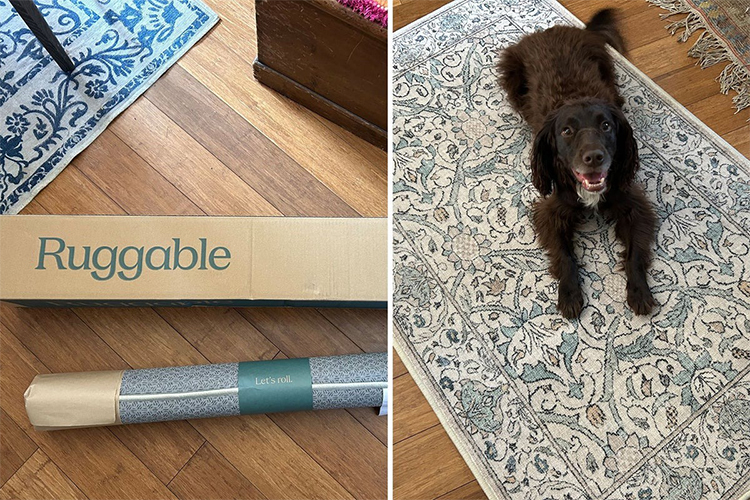
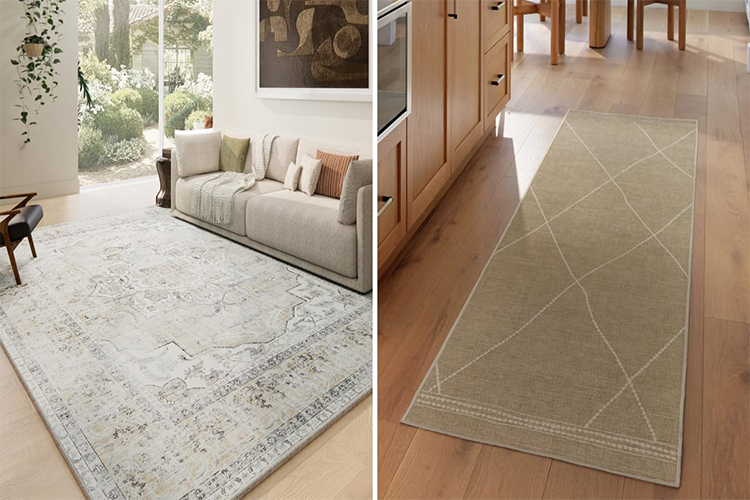
    The Ruggable system is two pieces. There’s a rug cover — the part you see, the patterned or solid fabric layer that sits on top. And there’s the rug pad underneath, a non-slip base that stays on the floor while the cover goes in the wash. The cover attaches to the pad with a cling system that holds better than you’d expect and releases when you pull it up to wash it.

    Ruggable Review — Are Washable Rugs Actually Worth It for Real Homes?

    The covers are machine washable up to 5×7 in a standard home washing machine. Anything larger — the 8×10, the 9×12 — needs a commercial machine, which is worth knowing upfront if you’re eyeing a large format. Our local laundromat has handled the 8×10 in our living room without issue, but it’s an extra step.

    When I first heard this explained I assumed the two-piece system would be obvious and strange-looking in person — like you could tell something was slightly off. You can’t. The rug sits flat, the cover doesn’t shift during normal use, and nobody who has visited our house has ever asked why our rug looks weird. Several people have asked where we got it.

    What we actually have

    The 8×10 Mercer in Ivory in the living room. This is one of Ruggable’s more popular patterns — a traditional medallion design that reads as neutral and works with a lot of different furniture styles. We have warm wood floors and a mix of cream and terracotta in the room, and this rug sits with all of it without demanding attention. It’s not trying to be the statement piece. It’s doing its job.

    The 5×7 Solid Chunky Boucle in Oatmeal in the primary bedroom. This one I was most uncertain about before it arrived. Boucle texture sounds like it shouldn’t work in a machine-washable format — the texture is part of what boucle is, and I assumed it would flatten or distort through washing. It hasn’t, at least not after two washes. It still looks exactly like it did when we unboxed it.

    A 2×3 Runner in one of the tiled bathrooms — the Ombre Stripe in Rust. This one gets washed most frequently, probably once a month. It comes out of the dryer looking the same as it went in. I genuinely cannot tell it’s been washed twelve or fifteen times at this point.

    After more than a year — what's held up

    The living room rug has been through six washes. Four of those were routine maintenance. Two were actual emergencies — one red wine incident, one muddy paw situation that I’d rather not describe in detail. Both times the rug came out clean. Fully clean, not just better-than-before clean. I was prepared to accept some residual staining and there wasn’t any.

    Ruggable Review — Are Washable Rugs Actually Worth It for Real Homes?

    The texture has changed very slightly on the living room rug. Not in a way that looks bad — if anything it looks slightly more broken-in, which I prefer. But if you bought a Ruggable expecting it to look pristine-new indefinitely through repeated washing, you might notice something around the fourth or fifth wash. It’s subtle. I wouldn’t call it deterioration, more like aging.

    The two-piece system continues to hold. The cover has never shifted meaningfully during regular use — walking across it, moving furniture onto it, our dog flopping down on it repeatedly. The cling between cover and pad is stronger than I expected it to be when I first felt it.

    What I'd push back on

    The pile height is lower than most traditional rugs at comparable price points. Ruggable rugs are thinner — which is partly structural, because a thick pile doesn’t survive machine washing the same way a flatter weave does. If you’re used to sinking your feet into a deep shag or a thick wool rug, Ruggable will feel noticeably different underfoot. Not bad, just different. This is probably the most consistent honest criticism you’ll find from long-term Ruggable owners, and I think it’s accurate.

    The pricing has increased since the brand launched. When Ruggable first came on the scene they were positioned as a more accessible washable option. They’re still reasonable, but they’re not cheap. An 8×10 cover and pad together runs a few hundred dollars depending on the design. For that price you could buy a decent traditional rug that, if treated carefully, might outlast a Ruggable. If you have kids, dogs, or genuinely high traffic areas, the washability changes that math considerably. If you have a formal living room that nobody sits in, it changes it less.

    The commercial washer requirement for larger sizes is a genuine inconvenience. Not a dealbreaker for us — our laundromat is ten minutes away and the rug doesn’t need washing that often. But for someone who specifically wants the convenience of washing at home without any extra steps, the 5×7 is the practical size ceiling.

    The rooms where Ruggable makes obvious sense

    Anywhere with a dog or cat. Full stop. The peace of mind alone is worth a significant portion of the price premium over a traditional rug.

    Dining rooms. We don’t have ours in a dining room but I’ve recommended it to three different friends who do, and all three have messaged me at some point to say they don’t know how they ate dinner over a non-washable rug before. Food drops, wine, kids — the dining room is genuinely one of the highest-risk rooms for a rug and Ruggable is built for exactly that risk.

    Entryways and mudrooms. The runner we have in the bathroom gets more actual dirt than anything else in our house and it looks better after washing than most traditionally cleaned rugs look after professional cleaning.

    Kids’ rooms. The texture options have expanded significantly since Ruggable launched — there are now options that read as genuinely design-forward rather than practical compromise, which matters if you want the room to feel considered rather than functional.

    The rooms where I'd think harder about it

    Formal spaces where you want a specific underfoot feeling. A dining room with a beautiful thick wool rug has a sensory quality that Ruggable doesn’t replicate. If you’re furnishing a formal space and the rug is meant to feel luxurious underfoot as much as look good, traditional is probably still the answer.

    Ruggable Review — Are Washable Rugs Actually Worth It for Real Homes?

    Very large rooms. Once you get above 8×10 you’re in commercial washer territory, and at the largest sizes the convenience factor that makes Ruggable compelling becomes less convenient. An 8×10 at a laundromat every few months is manageable. A 9×12 is a bigger lift.

    How the patterns and collections have evolved

    One thing worth mentioning that doesn’t come up in most reviews: the design range has gotten genuinely better over the last couple of years. The early Ruggable catalogue leaned heavily on traditional patterns and a specific kind of neutral-friendly aesthetic that worked but wasn’t particularly interesting. The current range includes collaborations with designers, more sophisticated solid options like the Chunky Boucle, and patterns that you’d see in the kind of home you’d screenshot on Instagram.

    The Cali Shag in particular — a plush-looking option that manages to survive the washing process reasonably well — has expanded what I thought was possible from a washable rug. It looks considerably more expensive than it is. I almost bought one for the bedroom before I went with the boucle, and I’m still not certain I made the right call.

    The honest verdict

    Ruggable is not the answer for every rug in every room. It’s a specific solution to a specific problem — what do you put on the floor in spaces where rugs inevitably get dirty and traditional cleaning options are expensive, inconvenient, or insufficient.

    For that problem, which describes a meaningful portion of the rooms in our house, Ruggable is the best answer I’ve found. The washing actually works. The design options are good enough that you’re not making an aesthetic compromise to get the functionality. The two-piece system is less visually obvious than it sounds.

    I don’t think we’ll ever go back to non-washable rugs in the rooms our dog uses. The math doesn’t work out once you’ve experienced what washability actually means in practice — not in theory, but at eleven o’clock on a Tuesday when something has gone wrong and you need the floor to be recoverable.

    That’s the thing about Ruggable that takes a while to fully appreciate. The value isn’t in any individual wash. It’s in knowing that whatever happens, the rug can be fixed. That’s worth quite a lot in a real home.

    Wayfair vs IKEA vs Lulu & Georgia: Where I Actually Buy

    By Posted on 0 Comments7min read52 views

    Wayfair vs IKEA vs Lulu & Georgia: Where I Actually Buy

    Wayfair vs IKEA vs Lulu & Georgia

    I’ve given money to all three of these brands multiple times. Some of those purchases were excellent decisions. A couple were expensive lessons about trusting product photography more than I should have.


    The question I get asked most by people furnishing a new place or updating an old one is some version of: “Should I go Wayfair or IKEA?” And lately, more often: “What about Lulu & Georgia — is it actually worth it?”


    So here’s my honest answer, built from years of buying actual furniture from all three. Not a feature comparison pulled from their websites. What I’ve actually experienced, what I’d buy again, and what I’d skip.

    The Quick Answer — Because You Might Not Have Time to Read All of This

    • IKEA: Buy this for storage, shelving, and anything where function matters more than feeling special about the piece. The KALLAX and BILLY will outlast the trend that made you buy them.
    • Wayfair: Buy this for rugs, mid-range accent furniture, and anything where you need style variety and have time to research the specific listing carefully. Do not buy blindly.
    • Lulu & Georgia: Buy this for rugs when you want something genuinely beautiful, and for designer collaboration pieces if the budget allows. Skip it for core furniture unless you’ve read the product’s specific reviews carefully.

    Now the longer version, for anyone deciding where to spend real money.

    About Each Brand in One Paragraph

    IKEA has been making flat-pack furniture since 1943. They don’t hire a designer and then figure out the cost — they set a price target first and engineer around it. That backwards approach explains both why their storage systems are so good and why their sofas aren’t something you’ll have for fifteen years.


    Wayfair doesn’t make anything. They’re a marketplace connecting you with thousands of different manufacturers. This is why their selection is enormous and why quality ranges from genuinely impressive to a picture that looked better on screen. No single Wayfair product is representative of all Wayfair products. That’s the whole thing you have to hold in your head when shopping there.


    Lulu & Georgia was founded in 2012 by Sara Sugarman, whose family spent decades in the high-end rug and home furnishings industry. That background shows clearly in the rug category. The brand positions itself between mass-market and boutique — editorial aesthetic, real designer collaborations, upper-mid-range prices.

    Wayfair vs IKEA vs Lulu & Georgia: Where I Actually Buy

    Where Each One Actually Wins

    IKEA Wins: Storage and Shelving


    No competition. The KALLAX, the BILLY, the PAX wardrobe system, the ALEX drawer unit — these are some of the most cost-effective, well-designed storage pieces available at any consumer price point. Interior designers surveyed by Apartment Therapy in early 2026 named the BILLY bookcase their single most recommended IKEA piece. Twelve designers independently. One product.


    I have a BILLY that’s survived three apartments and eleven years. I have a KALLAX that I bought for $65 and configured as a room divider in my home office that I genuinely love looking at. Neither is fancy. Both just work, reliably, for longer than anything at the price should.


    For first apartments, rental properties, children’s rooms, home offices, and anywhere you need organized storage without spending serious money — IKEA is the answer and there’s no real debate about it.

    Wayfair Wins: Rugs and Style Variety

    Wayfair’s selection is genuinely hard to argue with when you need style-specific filtering. The ability to search by aesthetic, material, room, dimensions, and price simultaneously — and have it actually narrow things down usefully — is better than anything IKEA or Lulu & Georgia offers.


    For rugs specifically, Wayfair at the mid-range tier delivers solid value. The Magnolia Home x Loloi Sinclair has been in my living room for two years and looks identical to how it arrived. That rug handles two people, one dog, and apparently unlimited spilled coffee without protest.


    For accent furniture — chairs, side tables, console tables, lighting — Wayfair works well when you’ve done your homework. Read the materials spec. Read the customer review photos, not the hero images. Stick to mid-range listings from established brand labels (Sand & Stable, AllModern, Mercury Row) and you’ll usually be fine. Buy something cheap from a listing with no brand name and three reviews and you’re rolling the dice.

    Lulu & Georgia Wins: Rugs and Designer Pieces

    Lulu & Georgia Wins Rugs and Designer Pieces

    The wool rug category is where Lulu & Georgia genuinely earns the price premium. Sara Sugarman’s family background in high-end rugs shows up in everything from material selection to pattern design. The Katasha hand-tufted wool rug is among the best-reviewed pieces in the entire catalog for good reason — it’s genuinely beautiful, made from proper material, and looks like something you’d find in a well-appointed boutique.


    The designer collaboration pieces — particularly anything from Jake Arnold or Heidi Caillier — are the real thing. Not a name slapped on a catalog item. Actual design direction applied to proportions, materials, details. For buyers who care about that distinction and have the budget, these pieces are hard to match at similar prices.

    Where Each One Disappoints

    IKEA sofas are fine for two to three years of light-to-moderate use. Fine. Not great. The frames are a mix of particleboard and solid wood, the foam compresses, and customers consistently describe needing to replace their sofa sooner than they hoped. If you’re looking for a sofa you’ll sit on daily for the next decade with a family, you should probably spend more somewhere that specializes in upholstered furniture.


    Wayfair budget furniture — anything in the sub-$200 range for most furniture categories — is a gamble. Some of it is surprisingly decent. Some of it bubbles, wobbles, or arrives looking noticeably worse than the photography suggested. The listing can’t tell you which outcome you’ll get. Customer photos and material specs can, if you use them.


    Lulu & Georgia customer service is the consistent weak point across every independent review platform I checked. Email only. Slow responses. When something goes wrong — a damaged item, a return request — the process is more work than it should be for a brand charging premium prices. One buyer documented a dining chair joint failure within the first week of use and couldn’t get a response for over a week. That’s not what you want to be dealing with after spending $700 on a chair.

    The Head-to-Head Breakdown

    Category


    IKEA

    Wayfair

    Lulu & Georgia

    Storage and shelving


    ✅ Best in class

    Good

    Not a focus

    Budget furniture


    ✅ Predictably decent

    Variable

    N/A

    Mid-range furniture


    Acceptable

    Good when researched

    ✅ Designer collabs excellent

    Rugs


    Limited

    ✅ Strong mid-range

    ✅ Best quality

    Style variety


    Narrow — IKEA look

    ✅ Enormous

    Curated and editorial

    In-store experience


    ✅ You can test it

    Online only

    Online only

    Sofa longevity


    Short-to-medium term

    Variable

    Variable

    Customer service


    Understaffed stores

    Inconsistent

    ❌ Slow email only

    Price


    ✅ Lowest

    Mid-range

    Premium

    Best for


    Storage, first apartments

    Style variety, rugs, accent furniture

    Statement rugs, designer pieces

    How I Actually Use All Three

    I don’t think of these brands as competitors I have to choose between. I use them for different things because they’re genuinely different tools.


    When I need to organize something — a closet, a home office, a storage situation that’s gotten out of control — I go to IKEA. I know what I’m getting. I know it’ll work. I know I can get replacement parts if a cam lock strips two years later.


    When I need a rug, I start at Wayfair for the mid-range and Lulu & Georgia for anything I want to feel genuinely special about. These are the two places worth spending time on rug research because the selection and quality at their respective price points are both real.


    When I’m furnishing a main living space and want a sofa or accent chair that I’ll feel good about long-term, I don’t go to any of these three first. I look at Article, Castlery, or West Elm for that category — brands where upholstered furniture is the core business and quality consistency is noticeably higher.


    That sounds like a criticism of all three, but it isn’t. It’s just being honest about what each one is actually built to do well.

    What I'd Buy Right Now from Each

    From IKEA: KALLAX for any storage situation. BILLY for books. POÄNG chair for a reading corner — over 40 years in continuous production for a reason. ALEX drawer unit if you’re setting up a home office.


    From Wayfair: The Magnolia Home x Loloi Sinclair rug or the Hillsby Oriental rug if you want something pattern-forward and durable. A Sand & Stable accent chair if you’ve checked the specific reviews. Lighting — Wayfair’s lighting category is consistently strong and I’ve never had a bad experience there.


    From Lulu & Georgia: The Katasha hand-tufted wool rug, no hesitation. Anything from the Heidi Caillier or Jake Arnold collaboration lines if you’re ready to spend on a statement piece. The Louie rug as a more accessible entry point into the catalog.

    What I'd Skip

    From IKEA: Any sofa you plan to use daily for years. Any large wardrobe that needs to survive multiple moves.

    From Wayfair: Anything under $200 for furniture without reading customer photos carefully first. Anything listed under a brand name with fewer than 30 reviews.

    From Lulu & Georgia: Large furniture purchases if you’re not prepared to research the specific product thoroughly. Anything where you’ll need customer service to go smoothly and quickly.

    The Honest Summary

    IKEA is the most dependable of the three in a specific lane. You know what you’re getting and it delivers on that consistently, especially in storage.


    Wayfair is the most useful tool of the three if you know how to use it — which means reading specs, checking customer photos, and avoiding the temptation to buy based on hero photography alone. Used well, it’s hard to beat for variety and value.


    Lulu & Georgia is the most aspirational of the three and delivers on that aspiration in specific categories — rugs and designer collaboration pieces — in a way that genuinely justifies the price. In other categories it’s less reliable and the customer service limitations make problems harder to navigate than they should be.


    None of them is the right answer for every purchase. All three have a real role in a smart home furnishing strategy. The people who get the most out of each one are the people who understand what each brand is actually good at rather than expecting one of them to be good at everything.

    Caraway vs HexClad: 3 Months of Real Cooking. My Honest Take

    By Posted on 0 Comments8min read271 views

    Caraway vs HexClad: 3 Months of Real Cooking. My Honest Take

    Caraway vs HexClad: 3 Months of Real Cooking. My Honest Take

    I want to start with something nobody says in these comparisons: both of these pans are better than what most people are cooking on right now.


    That’s not a hedge. I genuinely mean it. If you came here expecting me to tell you one of them is a scam — the Gordon Ramsay hype machine or the Instagram-pretty ceramics that fall apart in six months — I don’t have that story for you. What I have is three months of cooking eggs, searing chicken thighs, making pasta sauce, burning garlic twice, and washing dishes more than I’d like to admit. Both pans survived. Neither was perfect.


    Here’s what actually matters.

    Why I Tested Both

    I’d been using a scratched up nonstick set I’d had since 2021. It did its job for a few years and then started doing that thing old nonstick does — food sticking in little patches, the coating looking vaguely questionable up close. Time to replace everything.


    I had roughly $400 to spend and two choices that kept coming up everywhere: Caraway’s ceramic set, which my friend had been raving about for a year, and HexClad, which I’d seen in what felt like every other kitchen video since Gordon Ramsay attached his name to it.


    So I bought both. Tested them for three months. Cooked the same types of meals on both. And then made a decision.

    Quick Highlights

    • ✅ Caraway: PFAS-free, PTFE-free ceramic coating — independently tested, genuinely clean
    • ✅ Caraway: Beautiful design, excellent for eggs and delicate foods at low-to-medium heat
    • ✅ Caraway: Magnetic pan rack storage system is genuinely clever
    • ✅ HexClad: Metal utensil safe — the raised steel hexagons protect the nonstick underneath
    • ✅ HexClad: Handles high heat and searing in ways ceramic simply can’t
    • ✅ HexClad: Lifetime warranty vs Caraway’s one year
    • ❌ Caraway: Ceramic coating starts degrading with regular high-heat use — some users report within 9–12 months
    • ❌ Caraway: No metal utensils, no dishwasher, handles get hot
    • ❌ HexClad: PTFE lawsuit and $2.5 million settlement over “non-toxic” claims (for pans made before 2024)
    • ❌ HexClad: New TerraBond coating is proprietary — no full third-party ingredient disclosure yet
    • ❌ HexClad: Significantly more expensive

    Best for Caraway: Home cooks who prioritize non-toxic certification, cook mostly at low-to-medium heat, and want something beautiful on the stovetop.

    Best for HexClad: People who cook hard and often, need metal utensil compatibility, want to sear properly, and plan to keep the same pan for many years.

    Caraway vs HexClad: 3 Months of Real Cooking. My Honest Take

    The Background on Each Brand

    Caraway launched in 2019 with a clear positioning: nonstick cookware without the chemicals you’ve been reading about. PFAS-free, PTFE-free, PFOA-free, lead-free, cadmium-free. The coating is a mineral-based ceramic and independent lab testing — including through Light Labs — has confirmed no detectable PFAS or heavy metals. The brand grew quickly on Instagram because it looks genuinely beautiful. Sage green, cream, periwinkle, navy. The pans photograph well and look better in real life than most cookware on the market.


    HexClad has a more complicated story going into 2026. The brand built its reputation on a hybrid design — raised stainless steel hexagons protecting a recessed nonstick coating — and Gordon Ramsay’s endorsement. The problem: their original nonstick coating was PTFE, which is a PFAS compound, and they marketed the pans as “non-toxic” and “PFAS-free.” A class action lawsuit followed. They settled for $2.5 million in early 2025 without admitting wrongdoing, and as part of that settlement they had to stop using those claims for PTFE-containing pans. They also switched to a new ceramic coating called TerraBond starting in 2024/25, which they say is PTFE and PFAS free. The transparency issue: TerraBond’s full composition is proprietary and no independent third-party testing has been publicly released. We know what HexClad says it doesn’t contain. We don’t have full independent verification of what it does.


    That context matters when you’re spending $200-plus on a single pan.

    Three Months in the Kitchen — What I Actually Found

    Eggs

    Caraway vs HexClad: 3 Months of Real Cooking. My Honest Take

    Caraway wins here, clearly. The first morning I used it, a two-egg omelet slid out of the pan with so little resistance I actually laughed. No oil. No spray. Just a pan that worked exactly the way nonstick is supposed to. This is what ceramic nonstick does best — delicate, low-heat cooking where you want food to release cleanly without any fat.


    HexClad with eggs requires a bit of technique. You need to preheat properly, add some oil or butter, and get the temperature right before you add the eggs. Get it wrong and you’ll have eggs stuck in the hexagon pattern, which is annoying. Get it right and the result is excellent. But there’s a learning curve that Caraway simply doesn’t have for eggs.


    Caraway: ✅ HexClad: takes practice

    Searing Chicken and Steak

    Caraway is not the pan for this. I tried twice. The ceramic coating is not designed for high heat and you can feel it — the coating technically handles up to 550°F but real-world sustained high heat degrades it over time. Using Caraway for aggressive searing is how you shorten its lifespan. I stopped doing it.


    HexClad is genuinely excellent at searing. The raised stainless steel sections hit the food first and create real Maillard reaction browning — not the steam-cooked grey you sometimes get with nonstick. A chicken thigh came out of the HexClad with skin that was actually crispy. That’s the whole point of the hybrid design and it works.


    Caraway: ❌ HexClad: ✅

    Pasta Sauce and Braising

    Both are fine here. Medium heat, some liquid, occasional stirring — neither has an issue. The Caraway was slightly easier to clean after a tomato-based sauce because ceramic releases more readily from acidic foods. HexClad cleaned up without much trouble either.


    Push: roughly equal

    Cleanup

    Caraway is genuinely easy. Warm water and a soft cloth and you’re done. The ceramic releases food cleanly and doesn’t trap residue in a textured surface. The instruction to hand-wash is real — dishwasher use will shorten the coating’s life — but hand-washing Caraway is genuinely faster than most dishes.


    HexClad’s hexagonal texture traps small food particles. I needed a brush rather than a cloth to get into the recesses after anything with a lot of seasoning or fond from searing. It cleans up fine but it takes more effort than Caraway. To HexClad’s credit, metal utensils and dishwasher are technically fine — the steel protects the coating — which Caraway cannot claim.


    Caraway: ✅ HexClad: more effort

    Caraway vs HexClad: 3 Months of Real Cooking. My Honest Take

    Durability

    This is the big one and also the one I can’t fully answer after three months because three months isn’t long enough.


    What I can say: Caraway’s ceramic coating is the known long-term concern. Reports from multiple independent reviewers describe coating degradation, scuffing, and reduced nonstick performance starting around 9–12 months under regular use. I haven’t hit that yet. But it’s documented enough to plan for. At Caraway’s price and with a one-year warranty, that timeline means you might be replacing pans more often than you’d like.


    HexClad’s raised steel design protecting the recessed nonstick is genuinely clever for physical durability. Scratching the coating is much harder than with exposed ceramic. The lifetime warranty backs that up. The unknown is whether TerraBond ceramic performs long-term the way stainless-protected PTFE did — that data doesn’t exist yet because the coating is too new.

    The Safety Question

    I can’t write this comparison without addressing it directly.


    Caraway: Third-party tested by Light Labs with no detectable PFAS, PTFE, lead, or cadmium. This is the most transparent safety record of the two. If non-toxic certification verified by independent labs matters to you, Caraway has it and HexClad doesn’t — at least not yet.


    HexClad: The older pans (pre-2024) contained PTFE. The lawsuit confirmed this. The new TerraBond coating claims to be PTFE and PFAS free. What’s missing is independent third-party verification of the full ingredient list. HexClad says it’s proprietary. That’s their right. It’s also a reason some buyers will remain cautious until independent testing catches up.


    This isn’t me saying HexClad is unsafe. The FDA considers PTFE safe under normal cooking conditions, and the new coating may be perfectly fine. But if you’re specifically buying cookware to move away from chemicals you can’t identify, Caraway’s transparency record is meaningfully stronger right now.

    Price

    Caraway Cookware Set (4 pieces): roughly $395 at regular pricing, often on sale for $295–$345. Includes fry pan, sauté pan, sauce pan, Dutch oven, magnetic pan racks, canvas lid holder.


    HexClad 7-Piece Set: regularly $599, sometimes lower during promotions. Individual pans start around $120–$200 each.


    HexClad is more expensive. The lifetime warranty partially justifies that if durability delivers on the promise over many years. Caraway’s one-year warranty at its price point is the weaker value story long-term.

    Head-to-Head Summary


    Caraway

    HexClad

    Coating material

    Ceramic (PFAS-free, PTFE-free)

    TerraBond ceramic (PTFE-free, 2025+)

    Independent safety testing

    ✅ Light Labs verified

    Not publicly available

    Best heat range

    Low to medium

    Low to very high

    Metal utensil safe

    ❌ No

    ✅ Yes

    Dishwasher safe

    ❌ Not recommended

    ✅ Yes

    Best for eggs

    ✅ Excellent

    Requires technique

    Best for searing

    ❌ No

    ✅ Excellent

    Cleanup ease

    ✅ Easier

    More effort

    Warranty

    1 year

    Lifetime

    Price (full set)

    ~$395

    ~$599+

    Coating durability concern

    9–12 months reported decline

    Unknown — coating too new

    Aesthetic

    ✅ Genuinely beautiful

    Functional, industrial

    What I Actually Decided

    I kept both. Not as a dodge — because they genuinely serve different purposes in my kitchen.


    The Caraway is my morning pan. Eggs, pancakes, reheating leftovers, anything delicate and low heat. It does those things better than anything else I’ve used and I don’t have to think about it.


    The HexClad is my weeknight dinner pan. Chicken, stir fry, searing anything that needs real heat. It handles abuse in a way the Caraway can’t and shouldn’t.


    If I could only keep one: for how I actually cook — more weeknight dinners than weekend brunches — it would be the HexClad. The metal utensil compatibility alone removes a kind of kitchen anxiety that’s not worth carrying. And the searing performance is genuinely excellent.


    If you cook mostly at home for one or two people and your diet leans toward eggs, vegetables, fish, and lighter proteins at medium heat — Caraway will make your kitchen more enjoyable and your cleanup faster. Just be realistic about the coating’s lifespan and treat it gently.

    The One Thing I'd Tell Anyone Buying Either

    For Caraway: Treat it like the delicate, beautiful thing it is. Medium heat maximum. Never a metal spatula. Always hand wash. Do those three things and it will reward you. Ignore them and you’ll be replacing it within a year.


    For HexClad: If you’re buying new — and you should buy new, not old stock — you’re getting the TerraBond ceramic rather than the PTFE-containing pans from the lawsuit era. Make sure of that. And once you have it, learn the preheating technique before you expect it to behave like pure nonstick.


    Neither pan is perfect. Both are genuinely good. Which one is right for you comes down to how you actually cook, not how you imagine you cook.

    Eucalypso vs Belgian Linen vs Simba Sleep: Which Bedding Wins?

    By Posted on 0 Comments7min read83 views

    Eucalypso vs Belgian Linen vs Simba Sleep: Which Bedding Wins?

    Eucalypso vs Belgian Linen vs Simba Sleep Best Bedding 2026

    I’ve been trying to find my perfect bedding for about four years. Not in an obsessive way — just in the way that anyone who sleeps hot and wakes up at 3am in a sweaty tangle of cotton starts quietly reading reviews and eventually ends up with three different sheet sets in a linen closet.


    All three sets I’m reviewing here are genuinely good. None of them are perfect. And which one you should buy depends almost entirely on how you sleep — not on which one has the best marketing.


    Here’s what I actually found.

    Why These Three

    Eucalypso kept coming up in recommendations for hot sleepers. Belgian linen — specifically sheets woven from Belgian flax — is what every slow-living interiors account has been posting for three years and I finally caved. Simba Sleep I tried because the brand’s Brushed TENCEL bundle landed on my desk for review and I was curious whether a mattress company could make bedding worth caring about.


    Tested all three for at least six weeks each. Same bed, same bedroom, different seasons — which mattered, as it turned out.

    Quick Comparison


    Eucalypso

    Belgian Linen

    Simba Sleep

    Material

    TENCEL Lyocell from eucalyptus

    100% Belgian flax linen

    Brushed TENCEL or Egyptian cotton

    Best for

    Hot sleepers, sensitive skin

    Year-round comfort, longevity

    Hotel-quality feel, occasional warm sleepers

    Softness (night one)

    ✅ Immediately silky

    Rough at first — improves over months

    ✅ Immediately smooth

    Cooling

    ✅ Excellent

    ✅ Excellent

    Good

    Durability

    Some durability concerns at year 1

    ✅ 8–10+ years

    Good, still testing

    Eco credentials

    ✅ OEKO-TEX, TENCEL certified

    ✅ European Flax certified

    ✅ TENCEL certified

    Price (queen set)

    ~$169

    ~$250–$320

    ~$219 bundle

    Verdict

    Best for hot sleepers right now

    Best long-term investment

    Best hotel-bed feel

    Eucalypso — The Hot Sleeper's Best Friend

    Eucalypso — The Hot Sleeper's Best Friend

    I want to be upfront: I was skeptical. “Eucalyptus sheets that keep you cool” sounds like the kind of thing that performs brilliantly in marketing and adequately in bed.


    These actually delivered. First night I put them on in July — no AC, humid, the kind of night where you flip the pillow every hour — and I slept through until 6am. I don’t do that in summer. The sheets weren’t cold; they were just neutral in a way that cotton never manages. Cotton eventually gets warm and stays warm. The Eucalypso TENCEL stays closer to ambient temperature regardless of body heat.


    The softness is real too. Not soft-like-silk, more soft-like-nothing — they have a smooth, slightly cool hand that feels expensive without being delicate. A reviewer on Trustpilot described them as “buttery” and I thought that was overwrought until I felt them. It’s the right word.


    The caveat I can’t ignore: durability. One Trustpilot reviewer reported a tear between the selvage and the sheet after washing the second set. Another mentioned the bottom sheet wearing through. I’ve had mine for about seven months and haven’t seen that yet, but the reports are consistent enough across reviews that it’s something to go in with eyes open about. TENCEL is inherently a finer, softer fiber than linen or cotton — and finer can mean more delicate under repeated washing. The one-year warranty is thin for a $169 investment.


    If I were recommending Eucalypso in one sentence: the best sheets I’ve slept on for hot weather, but wash them gently and don’t expect them to last a decade.


    Best for: Hot sleepers, people with sensitive or acne-prone skin, anyone coming from scratchy cotton who wants immediate softness improvement.


    Skip if: You wash your sheets aggressively or want something you’ll still be using in ten years.

    Belgian Linen — The One That Gets Better

    Belgian Linen — The One That Gets Better

    Belgian linen is one of those things where the first experience is genuinely confusing. The sheets arrive, you make the bed, you get in, and your immediate reaction is: these are very expensive and somewhat scratchy.


    Then you wash them. And wash them again. And three months later you’re lying there thinking “when did these become my favorite sheets?”


    That’s the linen arc. It’s not for everyone and it’s important to be honest about the upfront experience. The first few weeks feel textured and cool in a way that reads almost rough if you’ve been sleeping on smooth cotton or TENCEL. There’s no “immediately luxurious” moment. What there is, gradually, is a lived-in softness that other materials don’t develop — cotton gets pilled and flat, TENCEL stays smooth but doesn’t deepen, and linen just keeps getting better. By month three mine felt like the softest version of slightly structured, and by month five they’re what I reach for most.


    The breathability is exceptional. Linen fibers are hollow and the weave is open, which means airflow in a way that’s different from TENCEL’s moisture-wicking mechanism. On genuinely hot nights I preferred the Eucalypso because of the moisture control. For most nights — including warm ones — Belgian linen is actually my first choice now.


    The longevity argument is real. Belgian flax linen, certified with the European Flax mark, is documented to last 8–10 years under regular use. Linen at $280 over ten years costs $28 per year. My Eucalypso at $169 over three years — if the durability concerns are real — costs more per year. The math changes how you think about the price.


    One thing worth knowing: “Belgian linen” is a fiber origin claim, not a quality guarantee on its own. Sheets labeled Belgian or European linen without a European Flax certification or OEKO-TEX mark are worth scrutinizing. The certification exists for a reason. Brooklinen uses Belgian and French flax with solid credentials; Quince’s European Linen set is a well-reviewed lower-price option. I tested Brooklinen’s washed linen and it’s the most accessible entry point into this category I’ve found.


    Best for: People who want bedding that improves with age, anyone who runs warm but not hot, year-round use across seasons, buyers thinking long-term.


    Skip if: You want softness immediately and don’t have patience for a three-month break-in period.

    Simba Sleep — The Hotel Bed at Home

    Simba Sleep — The Hotel Bed at Home

    Simba is primarily a mattress company. Their bedding range is newer and I’ll be honest — I expected it to be an afterthought, the kind of thing a mattress brand adds because they want to sell you a complete sleep setup.


    It’s not an afterthought. The Brushed TENCEL bundle is genuinely well made.


    The fabric has an immediate smoothness that feels closer to Eucalypso than linen. The “brushed” finish adds a subtle warmth and softness beyond standard TENCEL — like the difference between a smooth bamboo sheet and a good jersey: both nice, different feelings. You get in and it feels like a properly made hotel bed. Not the scratchy-but-serviceable ones, the actually expensive ones.


    What makes Simba specifically interesting is a small detail that one reviewer singled out and was completely right about: a tiny orientation tab on the fitted sheet that tells you which way to put it on. This is such a stupidly minor thing to care about and yet I have spent real minutes of my life turning a fitted sheet around trying to figure out the right orientation. It has its own minor place in the annals of bedroom frustration. That tab solves it. I now notice its absence on every other fitted sheet I own.


    The Egyptian cotton bundle — also available — is 300 thread count sateen. Smooth, slightly glossy, that cool crisp feel when you first get in. Hotel bed in the best way. Less interesting for hot sleepers than the TENCEL, but for anyone who wants that classic fresh cotton feeling, it delivers.


    Simba’s bedding sits at the £219/$230-ish price point depending on where you shop, which is competitive given the quality. It’s also the newest of the three and I have less data on long-term durability than I’d like. Everything about it feels well-made; I just can’t tell you yet whether it’s still performing the same in two years.


    Best for: Anyone who wants that polished hotel-bed experience at home, people who find linen too textural but want something better than standard cotton.


    Skip if: You sleep extremely hot — TENCEL is good but Eucalypso’s moisture-wicking specifically for hot sleepers is more targeted.

    How I'd Describe Each in a Single Sentence

    Eucalypso: The softest, coolest sheet you’ll sleep on — just treat it gently.


    Belgian linen: Rough for a month, your favorite for the next decade.


    Simba Sleep: The hotel bed you’ve always wanted, in your own bedroom.

    What I Actually Use Now

    Eucalypso goes on in June, July, and August. It’s the clear summer sheet. Nothing else I’ve tried manages heat and moisture at that level.


    Belgian linen is on the bed from September through May. Once it broke in it became the default — the texture that gets better, the breathability that works across seasons, the satisfaction of using something that will still be there in five years.


    Simba gets used when the Belgian linen is in the wash and as my guest room set. It’s the most immediately impressive of the three to hand someone who’s never slept on it.


    If I could only keep one: Belgian linen. But I’m genuinely glad I don’t have to choose.

    The One Thing Nobody Tells You About Each

    Eucalypso: The sheets get softer with every wash — but that softness comes with a trade-off in fiber integrity over time. Wash on gentle. Every time.


    Belgian linen: The price will feel wrong the first time you unbox them. Give it ninety days before you decide whether it was worth it.


    Simba Sleep: That fitted sheet tab is the most useful small feature in bedding I’ve encountered. The day you have it you can’t stop noticing that nothing else has it.

    Final Rankings

    For hot sleepers: Eucalypso → Simba TENCEL → Belgian linen


    For long-term value: Belgian linen → Simba → Eucalypso


    For immediate luxury feel: Simba Egyptian cotton → Eucalypso → Belgian linen


    For sensitive skin: Eucalypso → Belgian linen → Simba


    Overall, if I had to send one set to someone: Belgian linen, with the caveat that they need to give it three months before judging.

    Smart Home Upgrades I’ve Actually Added — And What Wasn’t Worth It

    By Posted on 0 Comments9min read67 views

    Smart Home Upgrades I’ve Actually Added — And What Wasn’t Worth It

    Smart Home Upgrades I've Actually Added — And What Wasn't Worth It

    When we moved into our house two years ago, I had a list. A slightly embarrassing, overly optimistic list of smart home devices I was going to install before we’d even unpacked the kitchen boxes.

    Some things on that list genuinely changed how we live in this house. Others were $80 gadgets that sat in a drawer after three weeks because the novelty wore off faster than I expected. A few were fine but not worth what I paid.

    What follows is the honest version — not a roundup of products I found in a buyer’s guide, but specifically what I’ve installed, what I’d install again, and what I’d skip.

    The One Rule I Learned the Hard Way

    A device isn’t smart if managing it makes you feel stupid.

    I had an evening early on where every light in the living room turned off simultaneously while we were watching a film. Took me twelve minutes and three separate apps to figure out that a firmware update had reset a scene. That’s not a smart home experience. That’s a new category of domestic frustration.

    Since then I’ve had a simple filter for any new device: if it requires active management to work reliably, it’s not worth the setup. The best upgrades are the ones you stop thinking about within a week because they just work.

    What I've Added, Honestly Reviewed

    Installed: Month one. Still the best decision I made.


    I was skeptical of smart thermostats because I didn’t think I was wasteful enough with heating and cooling to justify $250. I was wrong about both.


    The Ecobee uses SmartSensors you place in different rooms to detect occupancy. Not schedule-based — actual detection. When the bedroom is empty during the day, it stops trying to heat it. When everyone’s in the living room in the evening, it prioritizes that space. Sounds simple. It’s not how any thermostat worked before this and the difference shows up in the energy bills within the first month.


    The app is genuinely good. Not performatively good in a way that requires you to use it constantly, but useful when you actually need it — changing the schedule, adjusting remotely when you’re coming home early, getting a nudge to change the HVAC filter. It works with Alexa, Google, and Apple HomeKit. That matters less than it sounds in day-to-day life but it means you’re not locked into anything.


    Ecobee claims average savings of around $230 a year for their customers. I’ve tracked my energy bills carefully enough to say mine are lower than the previous owners’ comparable months. The device paid for itself somewhere around month fourteen.


    What I’d tell anyone considering it: Install the SmartSensors in the rooms you actually spend time in. That’s where the intelligence comes from, not the thermostat unit itself.


    One honest caveat: Wiring setup requires knowing which wires your old thermostat used. If you’ve never looked at a thermostat’s wiring before, the Ecobee app walks you through it well, but it’s a thirty-minute job that some people find stressful. An electrician takes twenty minutes if you’d rather not deal with it.

    Installed: Month two. Still running bulbs I’ve had for years in other places.


    Smart lighting has a reputation problem. Most people think it means controlling colors from your phone, which is mildly fun for about two weeks before you forget the app exists. That’s not actually why Philips Hue is worth having.


    The reason is schedules and automations that you set once and then never think about again.


    My outdoor lights come on at dusk and off at dawn. The living room dims to 40% at 9pm automatically without me touching anything. The kitchen goes to a warm, lower light in the evening rather than the harsh bright setting I want during the day. None of these things require me to be home, remember to do anything, or open an app. They just happen.


    I’ve had Philips Hue light strips in my office that are now six years old — bought at a previous apartment and moved twice. They still work. That longevity is one reason the price is justified over time.


    The Hue Bridge is the part nobody gets excited about and the part that actually matters. It runs local control — meaning if your internet goes down, your lights still work and automations still run because the system isn’t dependent on a cloud server. A lot of cheaper smart bulbs are cloud-dependent only, which means an outage or a company shutting down their servers breaks your entire setup. The Bridge solves that.


    What I’d tell anyone considering it: Start with the starter kit — three bulbs and the Bridge. See what you actually automate. Then add more bulbs as you figure out where they’re most useful rather than replacing every light in the house on day one.


    One honest caveat: It’s expensive compared to alternatives. TP-Link Tapo bulbs work reliably at about a quarter of the price if budget is a constraint. The tradeoff is ecosystem depth and the local control that Bridge enables. For most people, the cheaper option works fine.

    Installed: Month three. Use it every day without thinking about it.


    Video doorbells are the most universally useful smart home device. That’s the thing I didn’t expect. I thought it would be a security feature I checked occasionally. It’s actually just how I answer my door now.


    The delivery situation alone justified it within the first week. I work from home and spend a lot of time on calls. I can see the delivery person on my phone, tap a button, and say “just leave it by the door” without breaking off a conversation or running downstairs. That’s not a dramatic quality of life improvement. It’s a small daily convenience that accumulates into something meaningful.


    The reason I specifically chose Eufy over Ring is the subscription question. Ring stores video in the cloud and charges monthly for access to it. Eufy stores video locally on the device. You get full functionality — video review, person detection, alerts — without a monthly fee. Ring is a fine product. I just didn’t want an ongoing subscription for a doorbell.


    The video quality on the E340 is strong — dual cameras give you a wide view and a close-up simultaneously. Night vision is clear. The battery-powered option means no wiring if you don’t want it. I went with the wired version because I have an existing doorbell wire and it means I never think about charging.


    What I’d tell anyone considering it: The app setup takes a few minutes but once it’s done you never open the app to manage it. It just sends you notifications. That’s how these things should work.


    One honest caveat: Motion sensitivity needs tuning when you first install it. Default settings will send you a notification every time a car drives past. Spend twenty minutes adjusting the detection zones and it becomes genuinely useful rather than noise.

    Installed: Month five. The one my partner and I disagree about most.


    I love it. My partner tolerates it.


    The case for it: our floors are mostly hardwood with two area rugs and we have a dog. Before the Roborock, visible dog hair on the floors was a daily reality that required regular action to address. Now the vacuum runs every morning at 7am while we’re making coffee and the floors are clean by the time we sit down to work. I have genuinely not thought about vacuuming since month six of owning it.


    The case against it: it costs around $500 to $600 depending on the configuration. It needs its dock emptied every week or two. It occasionally gets stuck on a charging cable someone left on the floor and sends you an alert saying it needs help. My partner’s view is that a regular vacuum is $150 and doesn’t require troubleshooting.


    She’s not wrong. The Roborock is a luxury convenience and it requires occasional intervention even though the whole point is supposed to be autonomy. On weeks where nothing goes wrong, it’s completely invisible and the floors are always clean. On the occasional week where it gets confused by a moved piece of furniture, it’s slightly annoying.


    For a household with pets and hard floors: I’d buy it again without hesitation. For a carpeted apartment without pets: the math is less clear.


    What I’d tell anyone considering it: Map your home carefully during the initial setup. The better it knows your floor plan, the smarter its routing gets. Don’t skip the mapping stage.

    Installed: Month eight. The upgrade I wish I’d done sooner.


    I didn’t think I needed a smart lock until I stood outside my front door at 10pm with my hands full of groceries for the third time in a month, fumbling for keys I’d put in the wrong pocket.


    The Yale Assure Lock 2 has a keypad. You enter a code, the door unlocks. You can also unlock from an app. You can give temporary codes to house guests, a dog walker, or anyone who needs access for a specific window of time and then have those codes expire automatically. Auto-lock means the door locks itself behind you.


    None of these features are revolutionary. All of them are things I now use several times a day and take completely for granted. Keyless entry to your own home turns out to be one of those small changes that makes you wonder why you lived differently before.


    It works with Apple HomeKit, Google Home, and Alexa. Installation is about thirty minutes if you can follow directions — it replaces the deadbolt and that’s all. No extra wiring.


    What I’d tell anyone considering it: Auto-lock is the feature you’ll use most. Enable it on day one. The peace of mind of knowing the door is always locked behind you is quietly significant.


    One honest caveat: Battery life runs six to twelve months. When it runs low the lock gives you warnings via the app. Don’t ignore them. Replacing the batteries is a two-minute job but locking yourself out because you ignored four notifications is an avoidable bad evening.

    What I Tried and Wouldn't Bother With Again

    Smart plugs: In theory — plug anything in and control it from your phone, set schedules, monitor energy usage. In practice — I set up four of them and use one. The others are plugged in doing nothing because the things they were controlling didn’t need smart functionality as much as I thought they did. Unless you have a specific use case (a lamp that has no smart bulb option, a fan you want on a schedule), I’d skip them.


    Smart speakers as a “hub”: I have an Amazon Echo in the kitchen and use it mainly for timers and the occasional music request. As a smart home controller it’s fine. As something I use deliberately for home automation — I don’t. The voice interaction for home control sounds useful until you’re actually standing in front of a light switch and the light switch is faster than saying “Alexa, turn on the kitchen light.” Voice control shines for hands-free situations, not as a primary interface.

    Where I'd Start If Starting Over

    If I were moving into a new place tomorrow and had $500 to spend on smart home upgrades, here’s where that money would go:

    1. Ecobee thermostat ($249) — biggest real-world return, both financial and comfort
    2. Eufy video doorbell ($130) — most daily utility, no subscription, easy install
    3. Philips Hue starter kit ($135) — the foundation for everything else in lighting, add bulbs slowly over time

    That $514 would change the daily experience of living in a home more than anything else I’ve found. Everything else is incremental improvement from there.

    The Honest Bottom Line

    Smart home technology has a specific failure mode: buying things because they’re interesting rather than because they solve something you actually find annoying. The thermostat solved a real problem (energy waste and uneven comfort). The doorbell solved a real problem (answering the door while on a call). The smart lock solved a real problem (hands full at the front door). The light automations solved a real problem (I kept forgetting to turn off outdoor lights).

    Buy things that solve problems you actually have. The rest is impressive to show people and mostly lives in a drawer.

    Rugs Direct Step Into Style with Rugs Direct

    By Posted on 0 Comments0min read0 views

    Rugs Direct Step Into Style with Rugs Direct

    Save 20% Off On Your All Orders

    Save 20% Off On Your All Orders

    Save 20% Off On Your All Orders
    JUNE20
    SHOW COUPON
    On Going Offer
  • It Works 100% Success It Doesn’t
  • Get 10% Off On Your All Orders

    Get 10% Off On Your All Orders

    Get 10% Off On Your All Orders
    SAVE10
    SHOW COUPON
    On Going Offer
  • It Works 100% Success It Doesn’t
  • Signup & Get 10% Off On Your First Order

    Signup & Get 10% Off On Your First Order

    Signup & Get 10% Off On Your First Order
    ACTIVATE DEAL
    On Going Offer
  • It Works 100% Success It Doesn’t
  • Get Free Shipping On Your All Orders

    Get Free Shipping On Your All Orders

    Get Free Shipping On Your All Orders
    ACTIVATE DEAL
    On Going Offer
  • It Works 100% Success It Doesn’t
  • Sale! Save Upto 66% Off On Selective Items

    Sale! Save Upto 66% Off On Selective Items

    Sale! Save Upto 66% Off On Selective Items
    ACTIVATE DEAL
    On Going Offer
  • It Works 100% Success It Doesn’t
  • Save Upto 43% Off On Vibe By Jaipur

    Save Upto 43% Off On Vibe By Jaipur

    Save Upto 43% Off On Vibe By Jaipur
    ACTIVATE DEAL
    On Going Offer
  • It Works 100% Success It Doesn’t
  • Shop Our New In Collection Starting From $19

    Shop Our New In Collection Starting From $19

    Shop Our New In Collection Starting From $19
    ACTIVATE DEAL
    On Going Offer
  • It Works 100% Success It Doesn’t
  • Checkout Our Bestsellers Collection Starting From $29

    Checkout Our Bestsellers Collection Starting From $29

    Checkout Our Bestsellers Collection Starting From $29
    ACTIVATE DEAL
    On Going Offer
  • It Works 100% Success It Doesn’t