House On The Crescent

All Posts By Elody Von

Hostinger Review: The Hosting I Recommend to Every Beginner — Here’s Why

Hostinger Review: The Hosting I Recommend to Every Beginner — Here’s Why

Hostinger Review: The Hosting I Recommend to Every Beginner — Here's Why

Hostinger’s most specific independent validation comes from WPBeginner — the largest WordPress resource site with over 3 million readers — who awarded it an 88 out of 100 WPBeginner Score, tied for the highest score given to any host they tested across all categories. A WordPress developer who personally uses Hostinger for her own site at msangeetha.com, and has used Bluehost and SiteGround for client projects, puts it directly: “For WordPress beginners in 2026, Hostinger is the best balance of ease, affordability, and performance.” The most important pricing truth buyers need upfront: the 82% off introductory rate does not reflect what the plan costs at renewal, and the free domain offered with Premium and Business plans renews at standard domain pricing after the first year — two documented “first-year rule” charges that require transparent budgeting before committing.

Quick Highlights

✅ WPBeginner Score of 88/100 — tied for highest score across all tested hosts. WPBeginner’s testing methodology is documented and independent — covering performance, uptime, support, and ease of use across real hosting environments. An 88/100 tied for the highest score is the most credible endorsement available in the web hosting category.

✅ LiteSpeed servers deliver page load speeds in the excellent 0–3.4s range — June 2026 independent test. Cybernews’ June 2026 speed testing documents LCP at 1.87 seconds and TTFB at 0.707 seconds — both improving from December 2025’s results. These are independently measured, not Hostinger’s own statistics.

✅ hPanel is the most beginner-friendly hosting control panel available. Multiple independent reviewers — including a developer who has used cPanel, Bluehost’s panel, and SiteGround’s custom panel — consistently rate Hostinger’s hPanel as the easiest to navigate for non-technical users. WordPress installation, SSL setup, and domain management are all one-click accessible.

✅ AI website builder, AI content tools, and free website migration included. Hostinger includes an AI website builder on all plans — tested by a developer who found website creation possible “within a few minutes.” Free website migration from the previous host with zero downtime is documented as a genuine service, not a sales promise.

✅ 82% introductory discount brings Premium to approximately $2.99/month. The introductory pricing is genuinely the most accessible entry point among legitimate hosting providers. For buyers who want to start a blog, portfolio, or small business site without significant upfront hosting cost, Hostinger’s first-term pricing is documented as the category low.

✅ Serves 3 million-plus customers globally — operational scale provides infrastructure reliability. At 3 million-plus customers, Hostinger operates at a scale that requires enterprise-level infrastructure. The LiteSpeed server network, global data centres, and documented uptime track record reflect genuine hosting infrastructure rather than shared server shortcuts.

✅ Free SSL certificate on all plans — security baseline for every website. SSL is no longer optional for any website — Google uses it as a ranking signal and browsers flag non-SSL sites as “not secure.” Hostinger includes it at no additional cost across all plan tiers.

✅ Cloud Startup and VPS options provide a clear upgrade path as traffic grows. The progression from Premium to Business to Cloud Startup to VPS is a documented, accessible upgrade path. A blogger who starts on Premium can scale to Cloud Startup without changing hosting providers — reducing migration friction as the site grows.

❌ Renewal pricing significantly higher than introductory rates — first-year rules require budgeting. WPBeginner specifically documents “a few extras that follow first-year rules” — the free domain renews at standard pricing, and the 82% discount does not apply at renewal. Buyers who budget based on $2.99/month and receive a much higher renewal bill are experiencing an expected outcome that Hostinger could communicate more prominently upfront.

❌ No daily backups on the Premium plan — Business plan required. Premium plan includes weekly backups only. For any website where daily backup matters — an active blog, a small e-commerce site, a client project — the Business plan is the correct entry point. WPBeginner’s editorial guidance: “Move to Business when you need daily backups.”

❌ No phone support on any plan. Live chat and tickets are the support channels. For buyers who need verbal guidance during critical issues — site downtime, migration problems, email configuration — the absence of phone support is a structural limitation. SiteGround and Bluehost both include phone support at comparable pricing.

❌ Account suspension risk documented from support team instruction errors. Multiple documented accounts — including a buyer who followed Hostinger support’s own URL instructions and was suspended for using the wrong URL — show a gap in account management communication that can have serious consequences for live websites. The risk is specific and documented, not generalized.

❌ Premium plan not recommended for WooCommerce stores with more than 10 products. Hostinger’s own documentation states this limitation directly. For e-commerce buyers who plan to grow beyond a small starter store, the Premium plan’s resource limitations will require upgrading sooner than the pricing comparison suggests.

Why Trust This Review

This review draws on WPBeginner’s independent score (88/100, tested across real hosting environments), Cybernews’ June 2026 speed testing data (LCP 1.87s, TTFB 0.707s), msangeetha.com’s personal developer ownership review, WebHostingCat’s independent assessment, and Hostinger’s own plan documentation. No affiliate relationship with Hostinger exists.

Hostinger Review: The Hosting I Recommend to Every Beginner — Here's Why

About Hostinger

Hostinger was founded in 2004 in Kaunas, Lithuania, and now serves over 3 million customers globally with shared hosting, WordPress hosting, cloud hosting, VPS, and domain registration. The brand operates data centres across the US, UK, Europe, Asia, and Brazil. Hostinger’s growth has been driven by an aggressive introductory pricing strategy — regularly at 82% off for first-term buyers — combined with genuine product investment in LiteSpeed server infrastructure and hPanel development. The brand holds a 4.6 Trustpilot rating from over 40,000 reviews.

Full Review Breakdown

Speed — Independently Verified in June 2026

Cybernews’ June 2026 test is the most recent independent speed data available. LCP at 1.87 seconds falls within the “excellent” range (0–3.4s). TTFB at 0.707 seconds is documented as “almost two times faster” than the December 2025 result of 1.208 seconds — showing active infrastructure improvement rather than static performance. For a shared hosting plan at $2.99/month introductory pricing, these results are competitive with hosts charging significantly more.

hPanel — The Real Differentiator for Beginners

Every independent reviewer who has used both cPanel and hPanel notes the same thing: hPanel is easier for non-technical users. The wizard-guided website creation process, one-click WordPress installation, and built-in caching and security tools eliminate the friction that makes traditional web hosting intimidating for beginners. The developer who uses it for her own site and for client projects confirms: “Even for WordPress, hPanel is one of the easiest website creation features I’ve seen.” For a first-time website owner who wants to launch without a learning curve, this is Hostinger’s most practical advantage.

The Pricing Reality

The 82% introductory discount is real and documented. The renewal pricing is also real and documented — significantly higher. The practical approach: commit to the longest available introductory term (typically 48 months) to maximise the introductory rate’s duration. At the end of the term, compare renewal pricing against competitors and consider migrating if better pricing is available — Hostinger’s free migration service makes moving to them easy, and the same tools that make migrating to Hostinger work for migrating away.

Who It's For

WPBeginner’s framing is the most practically accurate: Hostinger is the best starting point for beginners with a new blog or small business site. It is not the right choice for established high-traffic sites that need staging environments, phone support, and advanced caching (SiteGround or WP Engine), for large WooCommerce stores that need dedicated resources (WP Engine or BigCommerce hosting), or for buyers who specifically need phone support during setup.

Hostinger Plans — What You Actually Need

Premium Shared Hosting — from ~$2.99/month (introductory)

Up to 100 websites, 100GB SSD, free SSL, free domain year one, weekly backups. Best for: blogs, portfolios, and small business sites under moderate traffic. Not recommended for WooCommerce stores with more than 10 products.

Business Shared Hosting — from ~$3.99/month (introductory)

Adds daily backups, more storage, CDN, and improved performance. Best for: any site where daily backup matters, active blogs, growing small business sites, starter WooCommerce stores.

Cloud Startup — from ~$9.99/month

Dedicated resources, auto-scaling, higher performance ceiling. Best for: sites that have grown beyond shared hosting traffic and resource limits.

VPS Hosting — from ~$4.99/month

Root access, dedicated resources. Best for: technical users who want server control. Note the documented CPU spike issues on Hostinger’s VPS that make it less suitable for resource-intensive applications compared to SiteGround or DigitalOcean.

What Customers Actually Think

“Hostinger is the hosting provider I recommend to most beginners in 2026 — and it’s what I use for my own website. For pure beginners, Hostinger wins on value. The limitations are real but not dealbreakers.” — msangeetha.com developer, personal ownership review

“Yes, Hostinger is worth it for most people who want to start a WordPress website. It scored 88 out of 100 on our WPBeginner Score, tied for the highest score we gave any host we tested.” — WPBeginner independent review
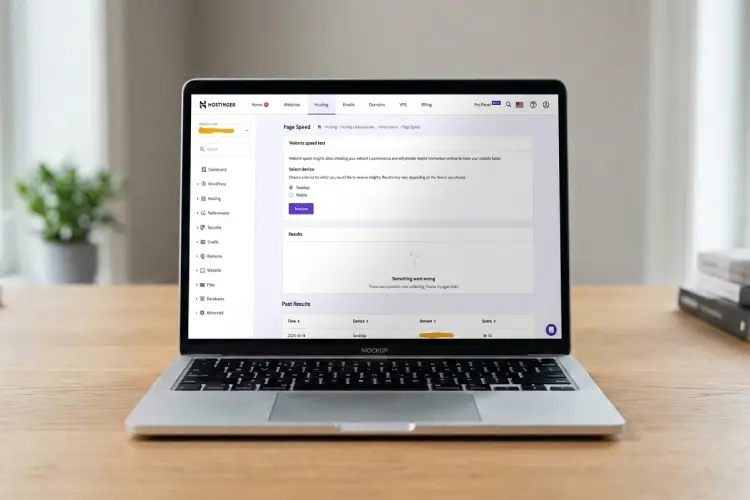
Hostinger Review: The Hosting I Recommend to Every Beginner — Here's Why

“Hostinger is fast, secure, beginner-friendly, and really offers some of the best priced hosting in 2025. The hPanel is more modern and easier to navigate than cPanel.” — Kaira developer review

“I was thoroughly impressed. I created a WordPress website within a few minutes using the wizard. The Business plan provides true managed WordPress hosting features along with outstanding website speed and performance.” — WebHostingCat independent assessment

Is Hostinger Worth It?

Worth buying if: You are launching your first website, blog, or small business site. You want the most accessible pricing with verified performance at the introductory rate. You are comfortable with live chat rather than phone support for any technical questions.

Choose Business over Premium if: You need daily backups, you are running a small WooCommerce store, or you want the CDN included rather than as an add-on.

Consider SiteGround instead if: You need phone support, staging environments, or more advanced caching for an established site. SiteGround starts more expensive but serves growing traffic better.

Hostinger vs Competitors

Feature

Hostinger Premium

SiteGround StartUp

Bluehost Basic

WP Engine Starter

DreamHost Shared

Namecheap

Introductory Price

~$2.99/mo

~$2.99/mo

~$2.95/mo

~$20/mo

~$2.59/mo

~$1.98/mo

WPBeginner Score

88/100

87/100

82/100

95/100

85/100

75/100

LiteSpeed Servers

✅

✅

❌

✅

❌

❌

Daily Backups

❌ Premium

✅

❌

✅

✅

❌

Phone Support

❌

✅

✅

✅

❌

❌

Free Domain Yr 1

✅

❌

✅

❌

✅

✅

hPanel/Custom Panel

✅ Easiest

✅ Good

⚠️ Standard

✅ Custom

✅ Custom

⚠️ cPanel

Account Suspension Risk

⚠️ Documented

Low

Low

Low

Low

Low

Where to Buy

Hostinger direct at hostinger.com — the only purchase channel. Choose the longest available introductory term to lock in the discount rate for the maximum period. Always select Business over Premium if daily backups are important to your site.

FAQs

Is Hostinger good for WordPress?

Yes — WPBeginner gave it 88/100, tied for the highest score among all tested hosts. One-click installation, LiteSpeed caching, and hPanel’s simplicity make it specifically well-suited for WordPress beginners and small business sites.

Is Hostinger better than Bluehost?

On speed and ease of use — yes, per multiple independent comparisons including WPBeginner (88 vs 82). Bluehost has phone support which Hostinger lacks. For beginners prioritising performance and ease, Hostinger wins. For beginners who need phone support availability, Bluehost is the safer choice.

Does Hostinger price increase after the first year?

Yes — the 82% introductory discount does not apply at renewal. The free domain renews at standard pricing. Budget the renewal rate, not the introductory rate, for multi-year planning.

Is Hostinger good for WooCommerce?

For starter stores with under 10 products — yes on the Business plan. For growing stores with higher traffic and product volumes, the Cloud Startup or a managed WooCommerce host provides better resources. Hostinger’s own documentation states the Premium plan is not recommended for stores with more than 10 products.

Is Hostinger reliable enough for a small business?

WPBeginner’s 100% uptime in a 30-day monitored window and Cybernews’ June 2026 speed improvements document reliable small business hosting performance. The account suspension risk documented from specific support team interactions is the honest caveat for business-critical sites.

Final Verdict

Hostinger earns its WPBeginner 88/100 score — the performance is independently verified, the hPanel is genuinely the most beginner-accessible control panel available, and the introductory pricing is the most accessible entry point in legitimate web hosting. The limitations are specific: no phone support, no daily backups on Premium, renewal prices that require honest upfront budgeting, and a documented account suspension risk from support instruction errors that is serious enough to warrant explicit buyer awareness. For first-time website owners, bloggers, and small business sites that don’t need phone support or daily backups at the Premium tier — Hostinger is the most defensible starting choice in 2026.

Category

Score

Speed & Performance

9.0 / 10

Ease of Use (hPanel)

9.5 / 10

Introductory Value

9.5 / 10

Renewal Price Transparency

6.0 / 10

Customer Support

6.5 / 10

Account Safety

6.5 / 10

WordPress Integration

9.0 / 10

Scalability

8.0 / 10

Overall

8.0 / 10

Luhxe Travel Bag Review: The Carry-On Built for Destination Weddings — With One Big Catch

Luhxe Travel Bag Review: The Carry-On Built for Destination Weddings — With One Big Catch

Luhxe Travel Bag Review: The Carry-On Built for Destination Weddings — With One Big Catch

The most specific documented proof that Luhxe works comes from a traveller who packed a floor-length chiffon dress for a destination wedding, arriving at the hotel to find it “largely wrinkle-free — a massive win.” That specific outcome — arriving at a destination wedding with a formal dress that goes straight from bag to body without ironing — is the product’s entire value proposition in one documented moment. The most documented honest problem comes from the same trip report: one of the side zippers separated slightly under the stress of a fully packed bag on that same first journey, prompting the reviewer to “baby it the entire trip, afraid that one aggressive tug would snap a zipper pull.” First trip success, first trip zipper anxiety — that is the honest Luhxe experience documented in one review.

Quick Highlights

✅ Floor-length dresses arrive wrinkle-free — the product’s documented core capability. The dedicated garment hanging compartment — which unfolds to 52.5 inches to accommodate full-length gowns — keeps formal wear flat during transit. Multiple independent reviewers across different trips document arriving at weddings, conferences, and business meetings with clothes that go straight from the bag to wear without ironing.

✅ 2.0 model specifically addresses the original’s hardware failures — improved zipper system. Amazon’s 2.0 listing documents “improved zipper and reinforced straps” as the specific engineering changes from the original. The 2.0 model’s aggregated review data shows only 2% zipper failure complaints versus a higher rate on the original — suggesting the hardware improvements are real, not cosmetic.

✅ 78% five-star rating on the 2.0 model from verified purchasers — garment storage praised. Luhxe’s own aggregated 2.0 review data from multiple purchase platforms documents 78% five-star ratings specifically citing “excellent garment storage and wrinkle-free results.” The 12% four-star ratings praise aesthetic design and the shoe compartment. The product works for the majority of buyers.

✅ Saves $45 per flight in checked bag fees — documented cost-benefit. At $129 retail, a buyer who saves one checked bag fee of $45 per round trip sees the bag pay for itself within three round trips. For frequent destination wedding guests, conference travellers, or anyone who regularly travels with formal wear, the economics are well-documented.

✅ 290D PU leather — water and tear resistant construction. The outer material is documented as water and tear resistant — practical for airport handling, taxi transfers, and the incidental moisture of travel without babying the exterior.

✅ Carry-on compliant at 20 × 9 × 12.5 inches — fits most airline overhead bins. Luhxe documents airline compliance across most carriers and multiple buyers confirm successful overhead bin storage on domestic and international flights.

✅ Separate shoe pouch keeps footwear away from clean garments. A documented practical feature: a dedicated compartment that isolates shoes from clothing. Multiple reviewers specifically name this as a meaningful improvement over packing shoes in a bag alongside clothes.

✅ Foldable design extends to accommodate 10-plus days of clothing. The foldable expansion system allows the bag’s main compartment to extend — buyers document packing 10-plus days of travel clothing for extended trips that would normally require checking a bag.

❌ Side zipper separated on first trip under full pack stress — reviewer “babied it” all trip. The most specific documented first-use failure: a reviewer packed a full trip’s worth of clothing, had a side zipper separate under stress on the first journey, managed to fix it manually, and spent the rest of the trip avoiding aggressive zipper use. For a $300-plus priced bag — pre-2.0 pricing — this is an unacceptable first-use failure.

❌ Wheels do not rotate 360 degrees — tipping under load documented. Pack Light’s independent review documents the wheel system as a consistent disappointment: no full 360-degree rotation, causing the bag to tip when navigated at angles. “The wheel system disappoints consistently. Limited rotation and tipping problems create frustration. The bag becomes more burden than help during airport navigation.”

❌ Zipper design makes the bag feel like it was “designed for the gram, not the grit.” The comparer maniac reviewer’s conclusion is the most honestly phrased assessment: the bag “felt like a bag designed for the gram, not necessarily for the grit of frequent travel.” Looking premium in an Instagram post and performing reliably through airport handling, rain, and heavy packing are different standards.

❌ Lifetime warranty only — 100-day window for repair/replace/refund. The warranty language at Luhxe advertises “lifetime guarantee” while the practical enforcement is a 100-day window for actionable claims. Buyers who experience zipper failure on trip three — say, five months in — discover the practical warranty is significantly shorter than the marketing language implies.

❌ Returns ship to China — international return shipping approaches product price. Returns process through Luhxe’s China warehouse. Return shipping costs from North America or Europe can approach or exceed $50–$80 — making a return economically irrational for most buyers. The Amazon purchase option provides domestic returns and meaningful buyer protection.

Why Trust This Review

This review draws on Pack Light’s independent Luhxe Travel Bag editorial assessment, CompareManiac’s destination wedding travel test, Amazon verified buyer accounts on the 2.0 model, and Luhxe’s own 2.0 model aggregated review data. No affiliate relationship with Luhxe exists.

Full Review Breakdown

The Garment Concept — Genuinely Solved

The wrinkle-free garment compartment is the product’s genuine innovation and documented achievement. Unfolding to 52.5 inches — longer than most adult formal dresses — the hanging compartment keeps floor-length gowns, suits, and blazers in a suspended, flat position during transit. The destination wedding reviewer’s “largely wrinkle-free” dress result is consistent across multiple independent travel tests. For the specific use case of travelling with formal wear that cannot be folded without creasing — the product works.

The 2.0 Upgrade — Is It Enough?

The original Luhxe’s zipper failures drove the 2.0 redesign. Luhxe explicitly markets “improved zipper and reinforced straps” as the 2.0’s headline engineering changes. The aggregated review data on the 2.0 shows 78% five-star and only 2% one-star — a meaningfully better quality distribution than the original’s documented failure rate. Whether the 2.0’s improved hardware resolves the fundamental tension between the bag’s premium aesthetic and its structural durability under genuine travel stress is the honest open question for buyers in 2025.

Wheels vs No Wheels — The Key Decision

The Luhxe comes in a standard carry-on version and a Roller Edition with detachable wheels. Pack Light’s documented wheel assessment is direct: limited rotation, tipping under load, and more burden than help during airport navigation. For buyers who need to navigate long airport corridors, cobblestone streets, and multi-terminal connections — the wheel system is documented as inadequate. The standard non-wheeled version, carried as a shoulder bag or duffel, avoids the tipping problem entirely and is more maneuverable in tight spaces.

The Amazon vs Direct Purchase Decision

The most practically impactful buying decision at Luhxe is not which model — it is where to buy. Amazon’s Luhxe storefront offers Prime delivery, domestic US returns at no cost, and Amazon’s dispute resolution if a product fails. Luhxe’s direct site routes returns to China at buyer’s expense, enforces the 100-day practical warranty window, and has documented slower customer service response. Buy from Amazon.

Best Luhxe Products Worth Buying

The improved-hardware version. Best for destination wedding guests, business conference travellers, and anyone who regularly carries formal wear in a carry-on. Buy through Amazon for domestic returns and Prime delivery.

The compact version for shorter trips. Best for day trips and commutes where full carry-on capacity isn’t needed but garment protection for a blazer or top matters.

What Customers Actually Think

“My dress was largely wrinkle-free — a massive win. However, one of the side zippers had separated slightly under the stress of being fully packed. I managed to fix it, but I found myself babying the bag the entire trip, afraid one aggressive tug would snap a zipper pull.” — CompareManiac destination wedding reviewer

“The wrinkle free garment storage works as advertised. The organized compartments provide genuine utility. However, quality problems overwhelm these benefits. The zipper failures represent unacceptable quality for any price point.” — Pack Light independent review

“The foldable design is a game-changer, letting me pack for over 10 days without feeling like a sardine. The wrinkle-free garment compartment felt like magic on my last business trip.” — Amazon 2.0 verified buyer

“The non-slip metal zippers have kept my clothes wrinkle-free and the multiple compartments make it easy to find what I need on the go.” — Amazon verified buyer, positive 2.0 account

Is Luhxe Worth It?

Best for: Destination wedding guests who specifically need to transport a formal dress carry-on without checking a bag. Business conference travellers who carry suits or blazers. Buyers who purchase through Amazon for domestic return protection.

Not ideal for: Frequent travellers who need zipper hardware that holds up through dozens of trips without babying, buyers who need 360-degree spinner wheels for airport navigation, and anyone who purchases direct and may face the China return shipping issue.

The 2.0 verdict: Buy the 2.0 over the original — the improved zipper hardware is documented as a real engineering improvement, not a cosmetic rebrand.

Luhxe vs Competitors

Feature

Luhxe 2.0

Away Carry-On

Briggs & Riley

Horizn Studios

Paravel Aviator

Standard Garment Bag

Price

$129

$295

$699

$229

$295

$30–$60

Garment Hanger

✅

❌

✅

✅

✅

✅

Wrinkle-Free System

✅

❌

✅

✅

✅

✅

360° Spinner Wheels

❌

✅

✅

✅

✅

N/A

Zipper Reliability

⚠️ Improved 2.0

✅ Strong

✅ Strong

✅ Strong

✅ Good

✅ Strong

Domestic Returns

✅ Via Amazon

✅

✅

✅

✅

✅

Weight Empty

2.2 lbs

7.3 lbs

7.2 lbs

6.8 lbs

5.5 lbs

0.5–1 lb

Price Point

Budget

Mid

Premium

Mid

Mid

Budget

FAQs

Does Luhxe 2.0 fix the zipper problem?

The 2.0 explicitly markets improved zipper hardware and reinforced straps. Aggregated review data on the 2.0 shows 2% one-star complaints versus a higher rate on the original. The improvement appears real but long-term durability across dozens of trips is not yet independently verified.

Is Luhxe carry-on compliant?

At 20 × 9 × 12.5 inches, yes — compliant with most airlines’ overhead bin requirements. Multiple buyers confirm acceptance on domestic and international carriers.

How many clothes fit in Luhxe bag?

The brand documents 10-plus days of clothing capacity. The garment compartment extends to 52.5 inches — accommodating floor-length dresses and long coats. Verified buyers confirm 7-plus full outfits in real-world packing.

Should I buy Luhxe from Amazon or direct?

Amazon — for domestic US returns, Prime delivery, and Amazon’s buyer protection if hardware fails. Luhxe direct routes returns to China at buyer’s expense.

Final Verdict

Luhxe’s garment compartment genuinely works — the destination wedding reviewer’s wrinkle-free floor-length dress is documented proof of the concept’s real-world value. The 2.0’s improved zipper addresses the original’s most documented failure. The honest tension remains between the bag’s premium visual positioning and its structural hardware durability under the grit of genuine frequent travel. Buy the 2.0 through Amazon, use it for its documented primary purpose — formal wear transport in a carry-on — and manage expectations on the wheel system. For the specific buyer it is designed for, it delivers. For frequent travellers who need guaranteed hardware reliability across dozens of trips, Away or Briggs & Riley are the more defensible long-term investment.

Category

Score

Garment Wrinkle-Free System

8.5 / 10

Packing Capacity

8.0 / 10

Zipper Reliability (2.0)

7.0 / 10

Wheel System

5.0 / 10

Value for Money

7.5 / 10

Warranty Transparency

4.5 / 10

Return Policy (Amazon)

8.5 / 10

Airline Compliance

8.5 / 10

Overall

7.2 / 10

Bohme Review: The Boho Brand That’s Better In Person Than Online

Bohme Review: The Boho Brand That’s Better In Person Than Online

Bohme Review: The Boho Brand That's Better In Person Than Online

Bohme’s most specific documented strength is a Yelp reviewer’s observation that captures the brand’s genuine appeal perfectly: “I love the clothes here — every time I come in, Bohme has something new. Makes me want to come every week.” That specific pattern — a buyer compelled to return weekly because of new inventory — reflects a brand with genuine design velocity and a clear aesthetic identity. The most important buying guidance is delivered by a separate Yelp reviewer who has purchased from Bohme extensively over years: “Bohme can be hit or miss. I have purchased from them A LOT over the years but finally decided to write a review. Here is my advice: don’t buy from them online.”

Quick Highlights

✅ Named to Inc. 500 Fastest Growing Companies and SBA Utah Top Business of the Year. These are independently evaluated recognitions — not self-awarded designations. Inc. 500 placement requires documented revenue growth verified by a third-party accountant. For a female-founded boutique brand from Sandy, Utah, these achievements represent genuine business success beyond social media aesthetics.

✅ 363,000 Instagram followers — covered in Wall Street Journal, Forbes, and Cosmopolitan. The editorial coverage is real. Cosmopolitan, Forbes, and WSJ editorial teams independently chose to feature Bohme — documenting design credibility that marketing budgets cannot manufacture. The brand’s boho aesthetic has genuine editorial appeal.

✅ In-store experience consistently praised — staff knowledge, layout, and fresh weekly inventory. Yelp buyers across multiple Bohme store locations describe organised layouts, knowledgeable staff, and stock that rotates frequently enough to justify repeat visits. For buyers near a Bohme location, the in-store experience is the brand’s most reliable offering.

✅ 4.7 rating from 26 WorthePenny verified buyers — fit praised as true to size. WorthePenny’s community specifically notes Bohme sizing as consistent and true to the size chart — a direct positive for online buyers who follow the measurements. Dresses and tops arriving “exactly like the pictures” is the dominant positive theme.

✅ Loyalty program and regular sales make premium pricing accessible. Bohme’s loyalty points structure and seasonal sale events are documented as meaningfully reducing the cost of pieces that retail at $65–$95. Buyers who use the loyalty program consistently document better value than buyers who purchase at full price.

✅ 9,267 Trustpilot reviews — one of the largest review bases for a US boutique brand. The review volume at Bohme is exceptional for an independent boutique brand. For buyers who want to research specific items before purchasing, this volume of reviews provides a meaningful data pool to draw from.

✅ Female-founded by Brazilian sisters — authentic brand identity with community roots. Vivien and Fernanda Böhme founded the brand in 2006 after immigrating from Rio de Janeiro. The brand’s boho identity is connected to the founders’ personal aesthetic rather than trend-chasing — giving the design language more consistency than brands built around rotating trend cycles.

✅ Giving back is documented as a genuine brand practice. Pick Superb’s editorial review specifically praises Bohme’s “genuine dedication to giving back and supporting others” — a community-focused practice that goes beyond the brand’s commercial operation and is documented as a differentiator from purely commercial fashion brands.

❌ $69.95 sweater documented as low-quality fabric — “the whole thing just felt cheap.” A verified buyer who paid $69.95 for a sweater documents the fabric as “low-quality” and the experience as “pretty disappointing” for the price. At nearly $70 for a sweater that feels cheap, the quality-to-price gap is the most frequently recurring complaint across independent review platforms.

❌ Return policy is strict and confusing — clearance items non-refundable, buyer-paid return shipping. RealReviews.io’s aggregated summary flags this as the brand’s most consistent complaint pattern: “a strict, sometimes confusing return policy — particularly regarding non-refundable clearance items and short return windows.” Buyer-paid return shipping adds cost to any return on items that cost $35–$95.

❌ Inconsistent product quality — some items thin and not matching descriptions. RealReviews.io’s editorial summary documents “inconsistent product quality — with some items described as thin or not matching descriptions” as a consistent buyer complaint. The hit-or-miss quality pattern documented by loyal long-term buyers is a structural characteristic of the brand rather than an isolated batch issue.

❌ Online order with no shipping update after a week — no proactive communication. A Trustpilot buyer placed a dress order, had payment processed, and received no shipping update after a full week. No proactive communication from Bohme. For buyers with event deadlines, this undocumented fulfilment delay is a real risk.

❌ Scam sites impersonating Bohme are documented — URL verification essential. bohme.com is the legitimate domain. Multiple buyer warnings document impersonating sites that process payments and ship poor-quality or no goods. Social media ads sometimes link to these fraudulent sites. Verify the URL is bohme.com before any purchase.

Why Trust This Review

This review draws on Trustpilot verified reviews (9,267 total), WorthePenny community reviews (4.7 from 26 reviews), RealReviews.io aggregated editorial summary, Pick Superb’s independent brand review, Yelp aggregate reviews (13 US locations), and US-Reviews.com buyer accounts. No affiliate relationship with Bohme exists.

About Bohme

Bohme was founded in 2006 by sisters Vivien and Fernanda Böhme in Sandy, Utah, after immigrating from Rio de Janeiro, Brazil. The brand operates 13 physical store locations across Utah and neighbouring states and sells through bohme.com. Bohme’s aesthetic — boho-chic, minimalist, vacation-ready feminine styles — has attracted 363,000 Instagram followers and editorial coverage from Forbes, WSJ, and Cosmopolitan. The brand was named to the Inc. 500 list of Fastest Growing Companies and earned the SBA Utah Top Business of the Year award — documented recognitions of genuine business performance beyond marketing.

Full Review Breakdown

Design — The Consistent Strength

Bohme’s design velocity is the brand’s most genuine attribute. New styles drop regularly enough that weekly returning buyers consistently find something new — the Kara Embroidered Blouse, Gwendolyn Embroidered Top, and seasonal collection pieces represent a design language that is specific, coherent, and differentiated from mass-market alternatives. The Wall Street Journal, Forbes, and Cosmopolitan editorial teams independently chose to cover Bohme — a meaningful third-party endorsement of the brand’s aesthetic credibility.

Quality — The Honest Inconsistency

The most honest characterisation of Bohme’s quality comes from long-term loyal buyers who have purchased extensively: “hit or miss.” Some pieces are well-constructed and arrive exactly as pictured. Others — including a $69.95 sweater documented as cheap-feeling — fall short of the price point. The quality inconsistency appears to be item-specific rather than category-wide: some dresses from the same collection are praised while others are criticised. The practical implication: research specific items, not just the brand, before purchasing online.

In-Store vs Online — The Critical Distinction

The most consistent documented finding across all Bohme review platforms is the gap between in-store and online experiences. In-store: Yelp buyers describe organised layouts, helpful staff, and the ability to assess fabric quality before committing. Online: inconsistent shipping communication, buyer-paid returns, confusing clearance policy, and the inability to assess fabric weight before purchase. A long-term Bohme buyer’s Yelp advice — “don’t buy from them online” — represents the honest conclusion from documented repeat purchase experience across both channels.

Return Policy — The Risk to Know

The return policy has three documented friction points: buyer-paid return shipping, a final-sale clearance policy that is not always clearly communicated pre-purchase, and a short return window. For online buyers who receive an item that doesn’t match online photography or runs thin relative to description, the cost of returning — both in time and money — is material. Always read the return policy before ordering, and never purchase clearance items online unless you are certain about fit and fabric.

Best Bohme Products Worth Buying

Bohme’s embroidered tops are the most consistently praised product category — the craftsmanship on embroidered details is documented as a genuine quality differentiator from mass-market alternatives. The Kara Embroidered Blouse specifically draws editorial praise.

The dress category drives most positive reviews and repeat purchases. Buyers who follow the size chart consistently describe good fit. Most suited for vacation, beach, and casual occasion wear.

Sale-priced non-clearance items represent the best value entry point. Loyalty points stacked with sale pricing brings pieces to genuinely accessible price points without the clearance final-sale risk.

What Customers Actually Think

“I absolutely love shopping at Bohme. I could honestly be a walking billboard for Bohme — the majority of my clothes that I consistently wear are from here!” — Trustpilot loyal buyer

“I ordered a dress and a couple of tops from Bohme, the fit was really good. Everything felt true to size — not too tight and not awkward in the arms.” — WorthePenny verified buyer

“I love the clothes here. Every time I come in, Bohme has something new. Makes me want to come every week.” — Yelp in-store buyer

“Bohme can be hit or miss. I have purchased from them A LOT over the years. Here is my advice: don’t buy from them online.” — Yelp long-term buyer

“I bought a sweater for $69.95 and was pretty disappointed. The fabric was low-quality and the whole thing just felt cheap for that price.” — US-Reviews verified buyer

Is Bohme Worth It?

Worth buying if: You live near a Bohme store location and can assess fabric quality in person, you are buying embroidered tops and flowy dresses during sale events with loyalty points applied, and you are comfortable with buyer-paid return shipping if items don’t work out.

Not worth buying if: You are buying online without a nearby store for exchanges, you need guaranteed fast shipping for a specific event, or you are purchasing clearance items without understanding the final-sale policy.

Best strategy: Shop in-store at one of 13 US locations whenever possible. Online purchases: stick to non-clearance dresses and embroidered tops based on item-specific reviews, use the size chart religiously, and read the return policy before checkout.

Bohme vs Competitors

Feature

Bohme

Free People

Anthropologie

ASOS

Spell & Gypsy

Lucky Brand

Price Range

$35–$90

$50–$200

$40–$300

$15–$100

$80–$250

$30–$150

Boho Aesthetic

✅ Core identity

✅ Strong

✅ Good

⚠️ Mixed

✅ Best in class

⚠️ Limited

Quality Consistency

⚠️ Hit or miss

✅ Good

✅ Good

⚠️ Variable

✅ Strong

✅ Good

Free Returns

❌

✅

✅

✅

❌

✅

Physical Stores

✅ 13 US

✅ 100+

✅ 200+

❌

❌

✅

Inc. 500 Recognition

✅

❌

❌

❌

❌

❌

Weekly New Drops

✅

✅

✅

✅

⚠️ Seasonal

⚠️ Seasonal

Where to Buy

Bohme in-store at one of 13 US locations — the recommended purchase method. Online at bohme.com only — verify the URL before entering payment. Sign up for email to access loyalty points and sale notifications.

FAQs

Is Bohme a good brand?

For in-store shoppers near a Bohme location — yes, the design is genuine and staff are helpful. For online shoppers — hit or miss quality, buyer-paid returns, and confusing clearance policy create documented risks. Research specific items before ordering online.

Does Bohme have free returns?

No. Return shipping is buyer-paid. Clearance items are final sale. The return window is short. Always read the current return policy before purchasing.

Is Bohme clothing good quality?

Item-dependent. Embroidered tops and flowy dresses have stronger quality documentation than knitwear. A $69.95 sweater documented as cheap-feeling is the specific quality gap complaint.

Is Bohme better in store or online?

In store — consistently. Long-term buyers who have experienced both channels specifically advise against online purchasing. In-store shopping allows fabric quality assessment before committing.

Where is Bohme located?

Headquarters: Sandy, Utah. 13 physical store locations across Utah and neighbouring states.

Final Verdict

Bohme delivers genuine boho-chic design at a price that positions it between fast fashion and premium boutique brands. The Inc. 500 recognition, editorial coverage, and loyal weekly-returning in-store customers document a brand with real design credibility and business substance. The honest limitations are equally documented: hit-or-miss quality on specific items, a return policy that requires careful reading, and an online purchase experience that long-term buyers specifically advise against. Shop in-store, buy during sale events, and stick to the embroidered tops and dresses that have the strongest quality documentation.

Category

Score

Design & Aesthetic

8.5 / 10

In-Store Experience

8.5 / 10

Online Fulfilment

6.0 / 10

Quality Consistency

6.0 / 10

Return Policy

5.0 / 10

Pricing & Value

6.5 / 10

Brand Credibility

8.0 / 10

Customer Service

6.5 / 10

Overall

6.9 / 10

Frank Green Australia Review: The Reusable Cup Australia Loved, Then Regretted

Frank Green Australia Review: The Reusable Cup Australia Loved, Then Regretted

Frank Green Australia Review: The Reusable Cup Australia Loved, Then Regretted

Frank Green’s most repeated positive in Australian reviews is the aesthetic — the colour range, the customisable components, and the design sensibility that made it the most photographed reusable cup in Australian cafes. The most specific documented negative is a ProductReview.com.au buyer who purchased three Frank Green bottles in November 2025 and documented five separate failures on the same order: a two-week customer service response time, leaking from the lid within one month, overpriced basic construction compared to a $10 alternative still working years later, a handle that snapped clean off under the weight of a full litre, and mould buildup in the straw and lid compartment. Five failures on three bottles from a single order is the honest summary of what Frank Green’s 2025 production quality delivers for some Australian buyers.

Quick Highlights

✅ Design and colour customisation is genuinely unmatched in Australian reusable drinkware. No Australian or international reusable cup brand offers Frank Green’s depth of colour customisation — mix-and-match lid, base, and button across dozens of colour options. The visual appeal that built the brand’s loyal community is real.

✅ Ceramic lining eliminates metallic taste — documented as a genuine differentiator. Multiple ProductReview buyers who received functional units confirm the ceramic lining delivers on its promise — no metallic taste that standard stainless alternatives produce. For coffee drinkers specifically, this taste difference is meaningful enough to justify trying the product.

✅ Positive customer service experiences documented — broken lid replaced at no cost. A ProductReview buyer whose son had a broken lid received a replacement email within a short time at no cost and describes the service as “second to none.” This experience exists alongside documented failures — the service outcome depends on which team member handles the claim.

✅ Better than expected thermal performance when the product works correctly. A ProductReview buyer who tried the ceramic cup “finally” after resisting describes it as “wonderful — no leaks, keeps coffee hot over a few hours, outside stays remarkably cool.” When the product functions as intended, the thermal and taste performance is well-reviewed.

✅ Australian-founded brand — designed in Melbourne. Frank Green was founded in Melbourne, Australia in 2013. For Australian buyers who specifically want to support local brands, the origin story is genuine — though manufacturing is overseas.

✅ Australian-founded brand — designed in Melbourne. Frank Green was founded in Melbourne, Australia in 2013. For Australian buyers who specifically want to support local brands, the origin story is genuine — though manufacturing is overseas.

✅ Monogramming and personalisation available — strong gifting market. The personalisation service — monogrammed cups, custom colour combinations — drives the gifting market. When personalised items arrive correctly, buyers consistently describe them as well-received gifts.

❌ Mould in lids documented within months of purchase — described as “gross” and “embarrassing.” A ProductReview buyer documents black mould inside the cap after regular washing, a chemical smell that persists through cleaning, and scratching that makes the bottle look dirty within months. Another buyer describes mould in their children’s bottles as “up to my standard I was unable to clean” — despite regular washing. For a product marketed as a healthier alternative to disposables, mould in the lid is a documented safety failure.

❌ Handle on 1L bottle snapped clean off — “cheap rubber band material.” A ProductReview buyer’s 1L bottle handle snapped completely off under the weight of a full bottle. The buyer documents this as a design failure — the handle material does not account for the weight of a full litre of liquid. A handle that fails under normal full-bottle weight is a structural defect, not user error.

❌ Paint peeling within one month on Christmas 2025 gift — warranty denied. A ProductReview buyer received a Frank Green cup as a Christmas 2025 gift. By end of January 2026 — under one month — the paint was chipping. Frank Green’s response: no accountability, no replacement. The same buyer owns older Frank Green bottles with no wear after three years — documenting a specific quality decline in newer production batches.

❌ Leaking lids documented — “leaks even standing upright on a desk.” Multiple Trustpilot and ProductReview buyers document lids that leak during normal upright use. A Trustpilot buyer describes it leaking “all down the side” when lifting to drink. The “spill proof” claim on Frank Green’s own website is directly contradicted by multiple documented buyer experiences.

❌ Refund policy deducts shipping both ways — buyer paid $71.85, received $52 back. A ProductReview buyer documents returning two cups and receiving only $52 of their original $71.85 — shipping deducted both ways from the refund. For a premium-priced product returned due to quality failure, absorbing double shipping costs is a documented buyer complaint.

❌ Ceramic cup insulation underperforms marketing claims — coffee cold in 30 minutes. A ProductReview buyer documents their extra-hot coffee going cold in 30 minutes under the ceramic cup. Multiple buyers note cups “don’t hold heat” and perform worse than cheaper alternatives from Decathlon and Anaconda. For buyers choosing Frank Green specifically for thermal performance, this documented gap is critical.

❌ Customer service customer described as “rude and dismissive” — paint flaking blamed on dishwasher when buyer confirms hand-washing only. A Trustpilot buyer who used their bottle exclusively for drinking water and never put it in the dishwasher had paint flaking begin shortly after purchase. Frank Green’s response: “you must have put it in a dishwasher.” The buyer describes the service as “incredibly” frustrating — a blame-the-buyer response to a documented manufacturing failure.

Why Trust This Review

This review draws on ProductReview.com.au verified Australian buyer accounts (930+ reviews), Trustpilot AU verified reviews (949 total), and Frank Green’s own product documentation. No affiliate relationship with Frank Green exists.

About Frank Green Australia

Frank Green was founded in Melbourne, Australia in 2013, built on the specific insight that reusable cups were ugly enough that people didn’t want to be seen with them. The brand’s solution: make reusable drinkware so visually appealing that carrying it becomes a statement rather than a compromise. The ceramic-lined push-button cup became the most recognisable reusable cup in Australian cafes through the mid-2010s and early 2020s. The brand has since expanded internationally — UK, US, and European markets — and diversified into bottles, food containers, and homewares. Manufacturing is overseas despite the Melbourne origin.

The Quality Gap — Old vs New Production

The most revealing pattern in Frank Green Australia’s current review landscape is the contrast between older and newer products documented by the same buyers. The ProductReview buyer who received the Christmas 2025 gift that chipped within one month also owns an older Frank Green bottle with “no wear at all — not even a chip” after three years. Multiple separate buyers document older Frank Green products performing well while newer purchases fail faster. Whether this represents a manufacturing change, a supplier shift, or quality control decline is not publicly documented — but the pattern of older units outperforming newer ones appears consistently enough across independent accounts to be a real, documented trend rather than isolated bad luck.

Mould — The Underdiscussed Problem

The mould complaint is the most practically serious issue in Frank Green’s current review data. Multiple ProductReview buyers document black mould growing inside the lid and straw components despite regular washing — in some cases after fewer than six months of use. For a brand marketed specifically as a healthier, cleaner alternative to disposables, mould in the lid and straw components is a contradiction of the core brand promise. The design of the lid — specifically the compartmentalised sections that trap moisture — is the documented structural cause. Buyers who are considering Frank Green specifically for hygiene reasons should note this pattern carefully.

Thermal Performance — The Honest Assessment

The ceramic lining is Frank Green’s most differentiated feature for taste — and the marketing leads with thermal performance as an equally important benefit. The documented buyer experience on thermal performance is mixed in a way that suggests the ceramic cup specifically underperforms relative to claims. Coffee cold in 30 minutes, cups performing worse than cheap alternatives, and insulation described as “not as advertised” are the consistent thermal complaints. The stainless steel bottle range performs better on thermal metrics than the ceramic cup line — buyers who prioritise heat retention should choose stainless, not ceramic.

Customer Service — Inconsistent

The service pattern at Frank Green AU is the same documented globally: some buyers receive same-day, no-cost replacement without question. Others are told their manufacturing defects are user error. The dishwasher accusation — telling buyers who explicitly confirm hand-washing only that paint damage must have been caused by a dishwasher — appears in multiple independent accounts. This is not a response a buyer reporting a genuine manufacturing defect should receive, and its documented recurrence suggests it is a trained customer service response rather than an isolated agent error.

Best Frank Green Products — If You Buy

The bottle format has a stronger thermal and durability record than the ceramic cup. For buyers who specifically want Frank Green’s colour customisation and sustainability positioning, the stainless bottle is the safer purchase. Avoid the ceramic cup if thermal performance is your primary requirement.

The original product that built the brand. Buy it for the ceramic lining’s taste benefit — not for thermal performance. The taste difference from stainless is documented and genuine. The thermal claim is documented as inconsistent. Buy with a return option.

When monogramming arrives correctly, it is consistently described as a well-received gift. The colour customisation is the strongest gifting argument for Frank Green in the Australian market. Use the frankgreen.com.au direct personalisation service — not third-party retailers — for most accurate colour and monogram placement.

What Australian Customers Actually Think

“Worse bottles ever. Less than a month — lid leaking. Handle snapped clean off. Mould in the straw. Overpriced. I still have a bottle from years ago that cost under $10 and works better.” — ProductReview.com.au verified buyer, November 2025 order

“Paint peeled in less than six months despite hand washing after every use. Bubbles appeared under the paint. They wouldn’t honour the 12-month warranty — said it was general wear and tear. Bubbles appearing under the surface of the paint does not suggest wear and tear.” — ProductReview.com.au verified buyer

“I’ve just tried my new Frank Green ceramic coffee cup and it’s wonderful. No leaks, keeps coffee hot over a few hours. Outside stays remarkably cool. So glad I finally got one.” — ProductReview.com.au positive buyer

“Second to none customer service! My son’s broken lid was replaced at no cost within a short time. I will absolutely recommend to all family and friends.” — ProductReview.com.au positive buyer

“It’s an embarrassment to call this Australian made — not durable, not up to standard, hardly reusable when you have to buy a new one every three months.” — ProductReview.com.au verified buyer

Is Frank Green Worth It?

Worth buying if: You want the most visually distinctive reusable cup in Australia with ceramic lining for taste, you prioritise the aesthetic and personalisation over thermal performance, and you purchase from a retailer with a return policy as backup for the documented quality inconsistency risk.

Not worth buying if: You need guaranteed thermal performance, you are buying for children who will use it daily and need a mould-resistant design, or you want a reusable cup that performs better than cheap alternatives on basic functional metrics.

Better alternatives for specific needs:

  • Thermal performance: Yeti Rambler
  • Value: Decathlon or Anaconda house brands
  • Ceramic lining + better quality: Joco or Kinto
  • Australian brand with stronger QC: KeepCup (also Melbourne-founded)

Frank Green vs Competitors

Feature

Frank Green

Yeti Rambler

KeepCup

Joco

Kinto

Chilly’s

Price (12oz cup)

AU$44.95

AU$49.95

AU$39.95

AU$39.95

AU$42

AU$45

Ceramic Lining

✅

❌

❌

✅

✅

❌

Colour Customisation

✅ Extensive

❌ Limited

✅ Good

❌ Limited

❌ Limited

✅ Good

Paint Durability

❌ Documented issues

✅ Strong

✅ Good

✅ Good

✅ Good

✅ Good

Mould Risk

⚠️ Documented

✅ Low

✅ Low

✅ Low

✅ Low

✅ Low

Thermal Performance

⚠️ Mixed

✅ Excellent

✅ Good

✅ Good

✅ Good

✅ Excellent

Warranty Enforcement

❌ Inconsistent

✅ Strong

✅ Good

✅ Good

✅ Good

✅ Good

Australian Founded

✅

❌

✅

❌

❌

❌

Where to Buy

Frank Green direct at frankgreen.com.au for personalisation and full colour range. Myer, David Jones, and selected homewares retailers for in-store purchase with retailer return policy protection. Buy from a retailer rather than direct if quality risk concerns you — retailer return policies provide more practical protection than Frank Green’s own warranty enforcement record suggests.

FAQs

Is Frank Green good quality?

Inconsistently. Older Frank Green products are documented as durable across three-plus years of regular use. Newer products — particularly post-2024 — show documented paint chipping within weeks, mould in lids within months, and handles that snap under full-bottle weight. The quality gap between older and newer production is the most documented pattern in current Australian reviews.

Does Frank Green cup leak?

Multiple Australian and international buyers document leaking lids — including leaking when the cup is sitting upright on a desk. Frank Green markets the lid as “spill proof.” The documented buyer experience contradicts this claim on specific units.

Does Frank Green honour its warranty in Australia?

Inconsistently. Some buyers receive same-day, no-cost replacement. Others are told paint bubbling under the surface within six months is “general wear and tear” and refused. The warranty exists; enforcement is the documented problem.

Is Frank Green better than Yeti?

Yeti wins on thermal performance, durability, and warranty reliability. Frank Green wins on ceramic lining taste benefit, colour customisation, and aesthetic distinctiveness. The right choice depends on whether you prioritise taste performance or thermal performance.

Why does my Frank Green cup smell?

Multiple buyers document a chemical smell that persists through washing — particularly in the lid components. Baking soda and vinegar rinses are the documented home remedy. If the smell persists after multiple cleaning attempts, contact Frank Green customer service — though buyer experience with this specific complaint suggests variable resolution outcomes.

Final Verdict

Frank Green built Australia’s most recognisable reusable cup on genuine product differentiation — ceramic lining for taste, colour customisation for aesthetics, and a sustainability mission that resonated with the market. The current production quality documented across ProductReview.com.au and Trustpilot AU tells a more complicated story: mould in lids, paint peeling within weeks on newer units, handles that snap under full weight, and warranty claims denied on documented manufacturing defects. The gap between Frank Green’s oldest loyal buyers — who document three-plus years of zero wear — and its newest buyers — who document five failures on one order — is the defining honest tension. Buy the stainless steel bottle over the ceramic cup for better thermal performance. Buy from a retailer with return policy protection. And if you are buying for children or daily heavy use, consider KeepCup or Yeti first.

Category

Score

Design & Colour Range

9.0 / 10

Ceramic Taste Performance

7.5 / 10

Thermal Performance

5.5 / 10

Paint & Coating Durability

4.5 / 10

Mould Resistance

4.0 / 10

Warranty Enforcement

4.0 / 10

Customer Service

5.0 / 10

Value for Money

5.0 / 10

Overall

5.6 / 10

Lulus vs Revolve — The Fashion Brand Comparison Worth Reading Before You Buy

Lulus vs Revolve — The Fashion Brand Comparison Worth Reading Before You Buy

Lulus vs Revolve — The Fashion Brand Comparison Worth Reading Before You Buy

If you’ve spent any time shopping for occasion wear or elevated everyday fashion online, you’ve landed on both of these sites. Possibly multiple times. Possibly with multiple browser tabs open, comparing the same type of dress across both, trying to figure out which one to trust.

I’ve been there. I’ve also now bought from both brands enough times across enough different categories to give you an account that’s based on experience rather than on promotional copy. Here’s what I found out.

Products

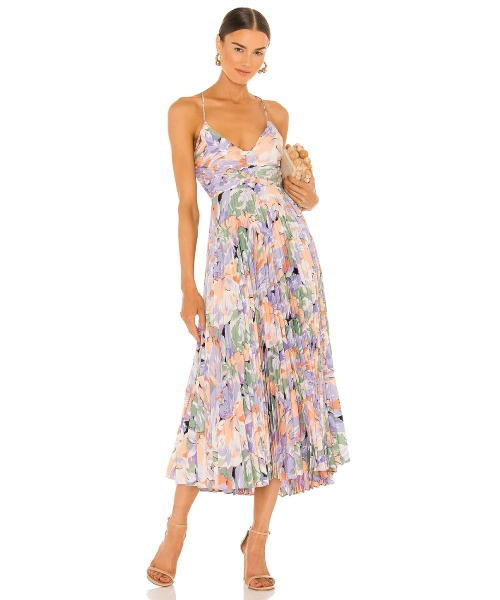
Lulus built its reputation on occasion dresses — the bridesmaid category, the wedding guest category, the formal event category where you need something that photographs well, fits properly, and doesn’t require spending significantly more than you want to on a dress you’ll wear twice. The quality for the price in this specific category is consistently above what the price suggests. The silhouettes are current without being aggressively trend-driven. The sizing runs true to the published size chart in most cases, which matters more than it might seem for a brand where most purchases are made without trying things on.

  • Available at: Lulus (lulus.com)
  • Best for: Occasion wear, bridesmaid dresses, wedding guest looks, and any situation where you need something that looks significantly more expensive than it is without spending significantly more than you want to

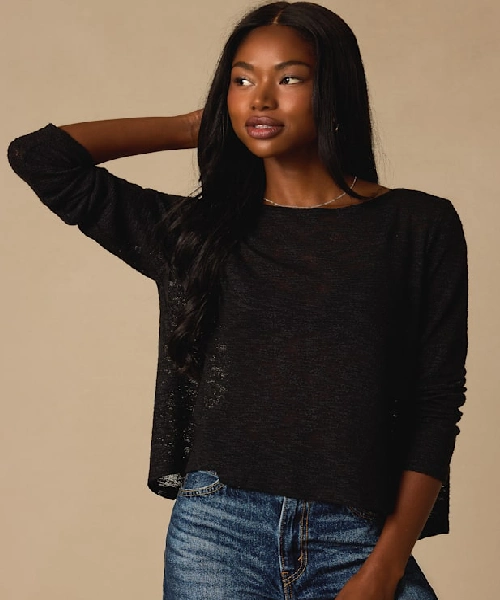
Beyond occasion wear, Lulus produces an everyday range of blouses, tops, and casual dresses that extends the brand beyond the event category. The quality here is more variable than the occasion wear — the best pieces are excellent for the price, the weaker pieces are obviously more mass-market in their construction. The everyday range rewards specific searching rather than broad browsing: knowing the category you want and reading the individual product reviews rather than trusting the brand as a whole.

  • Available at: Lulus (lulus.com)
  • Best for: Completing an outfit around a specific Lulus occasion piece, or finding specific elevated basics at accessible prices when the individual product quality reviews support it

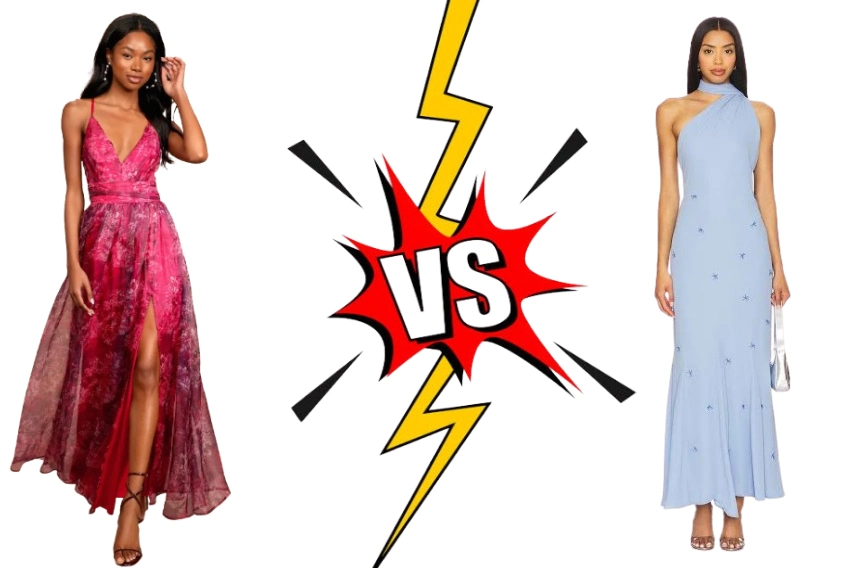
Revolve is not a clothing brand in the way Lulus is — it’s a multi-brand retailer that carries a curated selection of independent and premium brands alongside its own private labels. The dresses at the upper end of the Revolve range are genuinely premium — better fabric, better construction, better finishing than the occasion wear at Lulus. They are also priced accordingly, with $200–$400 representing the middle of the range rather than the top of it.

  • Available at: Revolve (revolve.com)
  • Best for: Investment occasion pieces where quality genuinely matters, event dressing where the dress will be worn multiple times and needs to hold up, or specific brands only available through Revolve’s curation

The Quality Gap — What the Price Difference Actually Buys

This is the most important question in this comparison and the one most reviews answer vaguely.

At equivalent price points, Lulus and Revolve’s own label products are comparable in quality. The fabric weights are similar. The construction finishing — seam allowances, zipper quality, lining — is in the same tier. Lulus has spent years refining the specific categories it’s known for, particularly occasion wear, and the quality in those categories is consistently competitive with brands that charge more.

At higher price points, Revolve’s third-party brand curation pulls ahead. A $280 dress from a brand Revolve carries — AMUR, Lovers + Friends, NBD — is a genuinely better-made garment than a $280 hypothetical at Lulus, because Revolve at that price is sourcing from brands that make that quality their standard, not their ceiling.

The practical implication: if your budget is under $150, Lulus consistently provides better value than Revolve. If your budget is over $200 and quality longevity matters, Revolve’s premium brands deliver the quality the price suggests.

Sizing — The Variable That Trips Everyone Up

Lulus sizing is relatively consistent and their size chart is reliable. The brand publishes measurements for each size, the model height and measurements are listed on product pages, and the community review sizing notes are accurate often enough to be genuinely useful. You can buy from Lulus with reasonable confidence that the size chart will tell you what you need to know.

Revolve sizing is considerably more complicated because Revolve carries dozens of brands, each with its own sizing conventions. A size S in one brand on Revolve is not the same garment dimension as a size S in another. The individual product pages vary in how much sizing guidance they provide. Returns are processed, but shipping back international returns adds friction.

For first-time purchases, Lulus is significantly less risky from a sizing perspective. For Revolve purchases, reading the specific brand reviews rather than general Revolve reviews is essential — sizing notes for a brand are brand-specific, not site-specific.

Returns — The Experience That Reveals the Brand

Lulus returns are free within the US and the process is straightforward. The return window is reasonable. The refund process is consistent. For a brand operating primarily online, the returns experience is one of the things they’ve clearly invested in getting right — because a buyer who has a frictionless return is more likely to buy again than one who fought for a refund.

Revolve’s returns are also free within the US. The Prime Wardrobe-style try-before-you-buy approach they offer for some customers is genuinely useful for the multi-brand sizing uncertainty issue. The return process is functional, though the scale and variety of brands means resolution occasionally takes longer than Lulus’ more controlled operation.

Both brands are better than the average online fashion retailer on returns. Neither should give you pause about ordering something you’re uncertain about.

The Instagram Aesthetic Question

Both brands have built significant social media presences and both have cultivated specific visual identities through influencer marketing. Lulus’ aesthetic skews younger, more accessible, more trend-responsive. Revolve’s aesthetic is more aspirational, more vacation-and-event-focused, more aligned with the specific visual language of the high-follower lifestyle influencer.

This matters more than it seems because buying into an aesthetic that isn’t yours produces the specific disappointment of a garment that looked right in the content you saw it in and looks wrong in the context of your actual life and wardrobe. Lulus is more versatile precisely because its aesthetic is less specific. Revolve is more distinctive precisely because its aesthetic is more specific — which means it’s right for you or it isn’t.

The Honest Verdict

Buy from Lulus if: you need occasion wear that looks expensive without being expensive, your budget is under $150 for individual pieces, you want reliable sizing and easy returns, or you’re shopping for bridesmaid or wedding guest looks where coordinating across multiple people requires a consistent quality floor.

Buy from Revolve if: your budget reaches the premium tier where Revolve’s brand curation delivers genuine quality improvement, you’re looking for specific brands that Revolve carries exclusively, or the specific Revolve aesthetic is genuinely yours rather than an aspiration.

Buy from both if you’re smart about it: Lulus for occasion dresses and the specific categories where they’ve refined their quality, Revolve for investment pieces and the premium brands whose quality justifies their price. The brands are not in competition for the same customer in the same moment — they serve different budgets doing different things, and using them accordingly is more useful than choosing one as definitively better than the other.

Vessi vs Allbirds — The Comfortable Sneaker Comparison That Actually Tells You Something

Vessi vs Allbirds — The Comfortable Sneaker Comparison That Actually Tells You Something

Vessi vs Allbirds — The Comfortable Sneaker Comparison That Actually Tells You Something

The comfortable, casual, daily-wear sneaker category has become genuinely crowded in the past few years, and Vessi and Allbirds represent two of the most consistently recommended options in it — for reasons that are more different from each other than their visual similarity implies.

Both brands make lightweight, casual sneakers that prioritise everyday comfort over athletic performance. Both have strong sustainability narratives. Both have built significant followings among buyers who want footwear that works for a full day of walking without the visual language of a traditional running shoe. That’s approximately where the similarities end.

The specific difference that determines which brand is right for you comes down to one question: does it rain where you live, or do you care about it raining when it does?

Products

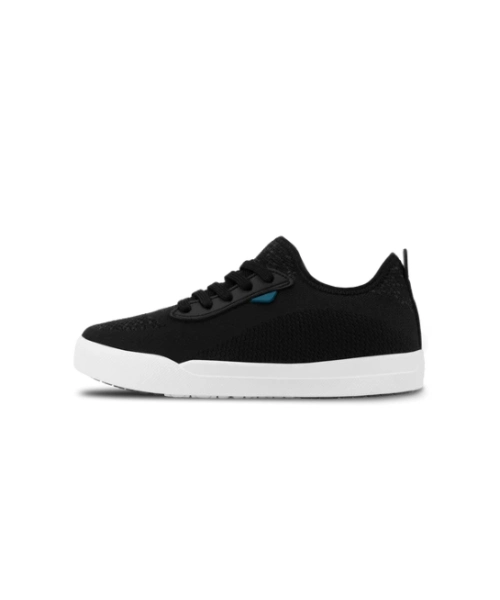
The Everyday Move is Vessi’s core casual sneaker — the shoe built on their proprietary Dyma-tex waterproof knit upper that blocks water completely while remaining breathable enough for year-round daily wear. The waterproofing is not a coating applied over fabric. The fabric itself is the waterproof element, woven in a way that prevents water penetration from outside while allowing moisture vapour from the foot to escape. It works. Not approximately — completely. Water does not get through the Vessi upper.

  • Available at: Vessi (vessi.com)
  • Best for: Anyone who walks in wet conditions regularly, commutes in variable weather, or simply wants the freedom of not thinking about whether it’s going to rain — the shoe that removes weather as a footwear consideration entirely

The Weekend is Vessi’s slightly more casual, slightly lower-profile silhouette — the same Dyma-tex waterproof knit in a shape that sits closer to a classic canvas sneaker than the Everyday Move’s athleisure profile. For those who want the waterproofing in a shoe that works more naturally with casual and smart-casual outfits rather than activewear, the Weekend is the better fit.

  • Available at: Vessi (vessi.com)
  • Best for: Those who want Vessi’s waterproofing in a more versatile casual silhouette — works with jeans and chinos in a way the Everyday Move doesn’t quite achieve

The Tree Runner is Allbirds’ flagship — the shoe that built the brand. A lightweight, breathable sneaker made from TENCEL lyocell with a natural rubber sole and the specific cushioning that made Allbirds the shoe that technology company offices adopted as the unofficial uniform for approximately three years. The comfort is genuine. The breathability is excellent. The shoe is not waterproof in any meaningful sense.

  • Available at: Allbirds (allbirds.com), select retailers
  • Best for: Dry climates and indoor environments where waterproofing is irrelevant and breathability and comfort are the primary requirements — the shoe that genuinely is the most comfortable thing on feet that don’t need to be dry

The Wool Runner uses merino wool — a warmer, slightly more structured upper than the Tree Runner’s lyocell. The wool construction provides natural odour resistance and temperature regulation that makes the shoe comfortable across a wider temperature range than most synthetics. Still not waterproof — merino wool in rain is a wet foot waiting to happen — but the warmth and comfort profile makes these the better Allbirds choice for cooler, drier weather.

  • Available at: Allbirds (allbirds.com), select retailers
  • Best for: Cooler weather where breathability is less critical than warmth, and where weather conditions are predictable enough that rain isn’t a regular variable

The Waterproofing Gap — The Most Honest Thing I Can Tell You

This is the difference that everything else in this comparison flows from.

Vessi’s Dyma-tex upper is genuinely, completely waterproof. Not water-resistant — that coating that keeps light drizzle out for the first six months before it starts to fail. Genuinely waterproof, in the way that a proper rain jacket is waterproof. I have walked through puddles deep enough to feel the water pressing against the upper and come out with completely dry feet. This works. Consistently. Across the full expected lifespan of the shoe.

Allbirds are not waterproof. The Tree Runner’s lyocell upper and the Wool Runner’s merino upper both absorb water when wet. Not dramatically — neither shoe becomes a sponge in light drizzle — but in genuine rain or puddle contact, your feet will get wet. This is the honest bottom line.

For anyone who lives somewhere it rains regularly, commutes on foot or by public transit in variable weather, or simply does not want to check the weather before choosing shoes, this difference is decisive. Vessi solves a real daily problem. Allbirds does not attempt to.

For anyone in a dry climate where rain is genuinely rare, or who primarily wears shoes indoors or in controlled environments, the waterproofing advantage is theoretical rather than practical. In those conditions, the Allbirds’ superior breathability and the specific lightweight comfort of the Tree Runner is the more relevant factor.

Comfort — The Variable That's Harder to Quantify

Both brands are comfortable. The nature of the comfort is different.

Allbirds’ comfort comes primarily from the cushioning — the SweetFoam midsole has a soft, slightly springy quality that makes standing and walking for extended periods less fatiguing than most shoes at a comparable price. The shoe is extremely lightweight, which amplifies the comfort during long days. The upper conforms to the foot without pressure points in a way that requires very little break-in period. You can wear Allbirds on the day you buy them for twelve hours without paying for it.

Vessi’s comfort is solid but different in character. The Dyma-tex knit upper has a slightly firmer texture than the Tree Runner’s lyocell — it’s comfortable and breathable, but it doesn’t have the same next-to-nothing quality that makes Tree Runners feel almost like wearing nothing at all. The midsole cushioning is adequate rather than exceptional. If you stand in place for long periods, Allbirds wins this comparison. If you walk for long periods, the difference is smaller.

Durability — What Holds Up Over Time

Vessi holds up well. The waterproof knit maintains its integrity across the expected life of the shoe — the waterproofing doesn’t degrade the way applied waterproof coatings do, because the waterproofing is structural rather than applied. The soles show normal wear. The upper doesn’t fray or lose shape significantly with regular use.

Allbirds has a more variable durability record, particularly with the Tree Runner. The lyocell upper can develop pilling and matting with heavy daily use. The shoe is washable — machine washing on a cold gentle cycle is the recommended maintenance — and washing helps extend the life. But the Tree Runner at six to twelve months of daily use often shows wear that Vessi at the same usage level typically doesn’t.

The Wool Runner is more durable in terms of the upper maintaining its appearance, but the wool can felt slightly with washing if not handled carefully.

The Sustainability Narrative — Worth Reading Beyond the Marketing

Both brands lead with sustainability credentials and both are genuine rather than purely marketing in this.

Allbirds is certified B Corp, uses TENCEL lyocell from sustainably sourced eucalyptus, Merino wool from ZQ-certified farms, and carbon offsets their entire supply chain. The carbon footprint transparency — Allbirds labels each shoe with its specific carbon footprint in grams of CO2 equivalent — is genuinely unusual and worth acknowledging.

Vessi uses recycled materials in the Dyma-tex knit and has B Corp certification. The waterproof construction also has an indirect sustainability argument: a shoe that can be worn in any weather without damage lasts longer in practical daily use than a non-waterproof alternative that gets avoided in wet conditions and potentially replaced sooner.

Neither brand’s sustainability commitment should be the primary purchase driver, but both are genuinely ahead of the footwear industry’s mainstream on this dimension.

The Honest Verdict

Buy Vessi if: you live somewhere it rains, you commute in variable weather, you want to stop thinking about weather when choosing shoes, or you’ve been disappointed by water-resistant coatings that failed within a year. The waterproofing is the entire case for Vessi and it’s a strong case.

Buy Allbirds if: weather genuinely isn’t a variable in your daily life, you stand more than you walk, you want the most comfortable casual shoe in the category from the first wear, or the breathability of the Tree Runner’s construction is specifically important to you.

Buy neither if: you need arch support, plan to run or do serious exercise in them, or want a shoe that will hold up to genuinely rough conditions. Both are casual everyday sneakers and both are best used as exactly that.

McGee & Co vs Pottery Barn — The Home Decor Comparison Nobody Is Being Honest About

McGee & Co vs Pottery Barn — The Home Decor Comparison Nobody Is Being Honest About

McGee & Co vs Pottery Barn — The Home Decor Comparison Nobody Is Being Honest About

There is a particular type of home decor brand comparison that gets written constantly and says almost nothing. It lists the price differences, reproduces the marketing language of both brands, and arrives at a conclusion so hedged it could apply to any two things in the same general category.

This is not that comparison.

McGee & Co and Pottery Barn occupy genuinely different positions in the home decor market, and understanding what those positions actually are — rather than what each brand’s Instagram presence implies they are — is what makes this comparison useful. I have purchased from both, lived with pieces from both, and returned things from both. Here is what that experience actually taught me.

Products

The Larkin is one of McGee & Co’s most consistently recommended upholstered pieces — a tight-back, bench-seat sofa with clean lines and the specific kind of restrained silhouette that reads as considered rather than trend-driven. The fabric options run toward natural linens and bouclés that photograph beautifully and require the specific care that natural fiber upholstery always requires. The lead time is the thing to know before ordering: custom upholstered pieces from McGee & Co run eight to fourteen weeks as a standard expectation, occasionally longer. This is not a sofa you order on Tuesday and have by the weekend.

  • Available at: McGee & Co (mcgeeandco.com)
  • Best for: Those building a room with a specific aesthetic in mind and for whom the wait time is manageable — the sofa that holds a room together rather than competing with it

The Pottery Barn Roll Arm is the upholstered piece that has been in the Pottery Barn range long enough to qualify as a classic rather than a current offering — the rolled arm silhouette, the deep seat, the variety of fabric options that spans performance weaves to natural linens. The lead time is typically shorter than McGee & Co for in-stock fabric options, and the performance fabric choices are genuinely better for households with children, pets, or the specific anxiety about a light linen sofa in a high-use room.

  • Available at: Pottery Barn (potterybarn.com), in stores
  • Best for: Those who want upholstered furniture in a proven, timeless silhouette with better performance fabric availability and shorter lead times than boutique alternatives

The Benchwright is Pottery Barn’s solid wood coffee table — genuinely solid, not veneered, in a reclaimed wood finish that has been a consistent seller because it works in most living room aesthetics without demanding a specific style commitment. The construction quality is honest for the price point and the finish wears well. It’s not a bespoke furniture piece. It is a reliably well-made, solid wood coffee table at a price that Pottery Barn’s scale makes possible.

  • Available at: Pottery Barn (potterybarn.com), in stores
  • Best for: Solid wood quality at a mid-range price — the table that does its job without demanding attention

What McGee & Co Actually Is — And What It Isn't

McGee & Co started as the product line of Studio McGee, the interior design firm behind the Netflix series. This context matters for understanding what the brand is selling and who it’s selling it to.

The brand’s aesthetic is specific and internally consistent — warm neutrals, natural materials, pieces with visual weight that photographs beautifully in the specific way that matters for interior design content. The pieces are designed to work together within that aesthetic, and they do. If the Studio McGee visual language is your visual language, the pieces are genuinely excellent for creating the rooms the brand is known for.

What the brand is not: a furniture manufacturer with decades of quality control refinement across every category. Some pieces are outstanding. Others are beautiful in product photography and less impressive in person. The woven and textured pieces tend to deliver on the visual promise consistently. The upholstered pieces are more variable — the quality depends significantly on the specific piece and the fabric choice.

The pricing is premium without being luxury. You are paying for the curation, the aesthetic coherence, and the brand association with a design studio that has a specific and significant cultural reach. Whether that premium is worth it depends on whether the aesthetic is genuinely yours or whether you’re buying into an aspirational version of it.

What Pottery Barn Actually Is — And What It Isn't

Pottery Barn is a mall brand that has been making home furnishings longer than most of its newer competitors have existed. This longevity cuts both ways: the brand has refined what it does well over decades, and it has also calcified in some areas where newer brands have moved ahead.

What Pottery Barn does consistently well: solid wood furniture at mid-range prices, upholstered furniture with genuinely good performance fabric options, and a consistent quality floor that means the worst thing you’ll buy from Pottery Barn is probably not a disaster. The quality control is real, the returns process is functional, and the lead times for in-stock items are manageable.

What Pottery Barn doesn’t do particularly well: the aesthetic. The Pottery Barn look is safe, coastal-adjacent, and recognisable in a way that immediately marks a room as Pottery Barn rather than Pottery Barn as part of a considered room. For buyers who want their home to have a distinct personality rather than a brand identity, this is the limitation.

The sale pricing at Pottery Barn is also worth knowing about specifically. The brand runs promotions frequently enough that paying full price is rarely the right decision. Patience is rewarded with meaningful discounts that aren’t available at McGee & Co, whose pricing is more stable and less promotion-driven.

Quality — The Honest Head-to-Head

Upholstered furniture: Comparable quality at similar price points, with Pottery Barn having better performance fabric availability and McGee & Co having better aesthetic coherence within their specific design language.

Solid wood furniture: McGee & Co uses solid wood more consistently across the range. Pottery Barn uses solid wood in specific pieces — like the Benchwright — but engineered wood with veneer is more common at the mid-range price points than the product descriptions always make immediately clear.

Accessories and decor: McGee & Co is consistently better. The textiles, the ceramic vessels, the woven baskets and lighting — the curation is more considered and the quality is more uniformly above what mass market brands provide.

Rugs: McGee & Co wins clearly in this category. The rug range is more specifically designed, better calibrated for room scale, and available in the specific colorways that work within the brand’s aesthetic rather than the broader market.

The Delivery and Returns Reality

McGee & Co lead times are long and need to be planned for. Eight to fourteen weeks for custom upholstery is not an unusual wait — it’s the standard expectation. For anyone furnishing a home on a timeline, this requires either planning ahead or buying from stock rather than custom.

Pottery Barn’s lead times vary significantly between in-stock and made-to-order items. In-stock items ship reasonably quickly. Custom upholstery lead times approach McGee & Co’s — four to eight weeks is common. The returns process at Pottery Barn is more established for a brand of its scale, with in-store return options that McGee & Co, as a primarily online brand, doesn’t offer.

The Honest Conclusion

Buy from McGee & Co if: the Studio McGee aesthetic is genuinely yours, you’re building a room with a specific visual coherence in mind, you care about decor accessories and rugs as much as furniture, and you can work within their lead times.

Buy from Pottery Barn if: you need performance fabric options for a high-use room, you want solid wood furniture at mid-range prices without the boutique premium, you want in-store availability and returns, or you want to wait for a sale rather than paying full price.

The comparison that is least useful: treating one as obviously better than the other. They’re not in the same market. McGee & Co is selling a specific and coherent aesthetic with the quality to support it. Pottery Barn is selling reliable home furnishings at scale with the finish and service infrastructure that comes from decades of refinement. Both are legitimate. Neither is right for everyone.

Valinor Active Review: Read This Before You Order

Valinor Active Review: Read This Before You Order

Valinor Active Review: Read This Before You Order

Valinor Active’s most important documented fact is not about product quality — it is about corporate identity. A Trustpilot buyer who initially referred the brand to friends in the wellness industry documents publicly available Florida corporate records showing that Colton Lamb — the co-founder of Namarie, a brand that accumulated a BBB scam alert and thousands in unfulfilled orders — is the exact same person who legally registered Valinor Active, Inc. The same buyer documents that Valinor’s Chief Science Officer, Dr. Mansour AbdulBaki, moved directly from Namarie to Valinor. Multiple buyers document not receiving orders placed between August 2025 and mid-2026 despite payment being processed.

Quick Highlights

✅ First orders shipped when the brand launched — early buyers received product. Multiple Trustpilot accounts and the buyer who documented the rebrand confirm that initial orders placed when Valinor launched were fulfilled. The brand produced and shipped real product in its early phase.

✅ Product quality praised by buyers who received their orders. Buyers who received Valinor Active products describe the activewear quality positively — consistent with what Namarie produced when it was operational. The product concept and material quality are not the documented complaint.

❌ Valinor Active is documented as a rebrand of Namarie — same leadership, same corporate address. Florida corporate registration records document Colton Lamb as the registrant of Valinor Active, Inc. — the same person who co-founded Namarie. Dr. Mansour AbdulBaki moved from Namarie’s Chief Science Officer role directly to the same position at Valinor. Valinor’s claim of “new ownership” is documented as false by public corporate records.

❌ Namarie accumulated a BBB scam alert and thousands in unfulfilled orders before shutting down. The brand that Valinor Active is documented as being a continuation of — Namarie — has a recorded BBB scam alert. The closure of Namarie followed documented consumer complaints about unfulfilled orders, the same pattern now appearing at Valinor.

❌ Orders placed between August 2025 and mid-2026 not received by multiple buyers. Multiple independent Trustpilot buyers document placing orders during this period, having payment processed, and not receiving products despite multiple follow-up attempts.

❌ Brand actively claims “new ownership” that public records contradict. Valinor Active’s response to buyer concerns about its Namarie connection is to claim new ownership — a claim that Florida corporate registration records, reviewed by the Trustpilot buyer, directly contradict. This documented misrepresentation is the clearest consumer fraud indicator in the available evidence.

Why Trust This Review

This review draws on Trustpilot verified buyer accounts (21 reviews), Florida corporate registration records cited by documented buyers, and BBB Namarie complaint records referenced in buyer documentation. This review serves a consumer protection function — not a product quality evaluation.

Is Valinor Active Worth Buying?

Direct answer: Do not purchase from Valinor Active until the corporate identity and fulfilled order pattern can be independently verified. The documented evidence — same leadership as a BBB-flagged failed brand, unfulfilled orders since August 2025, and active misrepresentation of ownership — constitutes a consumer fraud risk pattern that requires explicit buyer warning rather than a balanced review.

If you have already placed an order: File a dispute with your credit card company immediately. Do not wait for Valinor to resolve the order through their own channels — the documented pattern of non-response suggests this approach will not succeed.

If you are researching before buying: The Namarie BBB scam alert, the documented Florida corporate registration showing identical leadership, and the August 2025-onward unfulfilled order pattern are specific, verifiable facts that buyers deserve to know before purchasing.

Category

Score

Brand Transparency

1.0 / 10

Order Fulfilment

2.0 / 10

Consumer Safety

1.5 / 10

Corporate Accountability

1.0 / 10

Product Quality (when received)

7.0 / 10

Overall

2.5 / 10

Arhaus Review: Beautiful Furniture, Broken Promises

Arhaus Review: Beautiful Furniture, Broken Promises

Arhaus Review: Beautiful Furniture, Broken Promises

Arhaus’ most specific documented positive comes from a BBB complaint — not a praise review — where the buyer documents delivery team members who “discovered a broken corner on the unit before completing delivery and were unable to deliver it” rather than trying to pass off a damaged piece. That moment of delivery team honesty about product defects stands out in a complaint record where the brand’s delivery and quality control failures dominate. The most damaging pattern documented across PissedConsumer, Trustpilot, BBB, and Reviews.io is a combination of seven-month delivery delays on paid orders, cushion failures within one to two years on $7,000-plus sofas, and warranty claims that remain unresolved after months of unanswered emails and calls — on furniture positioned as a premium luxury brand.

Quick Highlights

✅ Design quality and showroom experience consistently praised. Multiple Trustpilot reviewers who experienced poor post-purchase service specifically note the showroom is “very good” and individual sales staff like Matthew are praised as “remarkably kind, patient, and knowledgeable about the entire inventory.” The aesthetic design point of view is genuinely premium and distinguishes Arhaus from mass-market furniture retailers.

✅ Artisan-crafted and handmade positioning delivers on aesthetics. Arhaus positions its furniture as artisan-crafted with natural materials — and buyers who receive undamaged pieces consistently find the initial look and feel aligned with the premium pricing. PissedConsumer documents a Calista king bed delivery as “handled very professionally with a friendly and courteous team.”

✅ Free design consultations at 80-plus US locations. Arhaus offers in-store design services at all showroom locations — a genuine value-add for buyers who want guided furniture selection rather than independent browsing.

✅ Lifetime guarantee is marketed as comprehensive — covers manufacturing defects. Arhaus advertises a lifetime guarantee covering manufacturing defects across its furniture range. The honest caveat — documented in the next section — is that enforcement of this guarantee is the brand’s most-complained-about operational failure.

✅ Some individual staff members deliver outstanding service. Despite the systemic complaints, individual Trustpilot and PissedConsumer reviewers document specific staff members who go above and beyond — warranty cases handled well, individual sales reps who follow through. The service failure is systemic, not universal at the individual staff level.

❌ Seven-month delivery delays documented on paid orders — with four changing delivery dates. A Reviews.io buyer paid in full on November 10, 2024 for dining chairs. By June 2025 — seven months later — the chairs still hadn’t arrived, with four different promised delivery dates all missed. The buyer documents spending significant money furnishing a new home with Arhaus and stating they will “never do business with this company again.”

❌ Kipton sofa cushion covers coming undone within one year — warranty claim unanswered for three months. A Trustpilot buyer purchased an Arhaus Kipton sofa in April 2025 at premium pricing. By early November 2025 — under eight months of use — six cushion covers had come undone, exposing the inserts. After filing a warranty claim, the buyer emailed nearly 10 times and called at least five times. By February 2026, no timeline, no resolution, and no meaningful response.

❌ Second couch failure within two years — third-party repair company assessment disputed. A Trustpilot buyer documents a second couch failure within two years — with a third-party furniture repair company hired by Arhaus producing an assessment that “no reasonable person could determine” was a legitimate root cause analysis for a leaning couch. The buyer characterises the repair company as pro-Arhaus rather than independent.

❌ A $7,126.92 couch paid in full had repeated delivery delays with no proactive communication. A BBB complaint documents a $7,126.92 couch ordered from Arhaus Norwalk, CT on November 26, 2025 with a January 2026 promised delivery. Multiple delays followed — with the buyer stating Arhaus “never actively shared” delay information. They had to call to discover each delay.

❌ Three separate delivery attempts for a single sideboard — third delivery crew damaged a newly installed mailbox. A BBB complaint documents: first delivery — door defect, replacement agreed. Second delivery — delivery crew discovered broken corner before delivery completion and refused to complete. Third delivery — crew pushed the unit out of the truck and struck and broke a newly installed copper mailbox off its granite post. Three failed delivery attempts for one piece of furniture represents a logistics failure across multiple points.

❌ Outdoor furniture quality complaints include cracking teak and manufacturing inconsistencies. A Trustpilot reviewer documents Arhaus outdoor furniture replacement pieces arriving with the same length issues that caused the original rejection, plus cracking teak and manufacturing inconsistencies. The buyer specifically identifies “a non-robust final inspection and manufacturing process validation” as the root cause — and switched to RH for outdoor furniture as a result.

❌ A $10,000-plus sofa cushion sinking after two years — warranty denied by fabric shaver suggestion. A Reviews.io buyer purchased an Arhaus Coburn Modular Sofa for a second home with “little use.” By May 2024 — approximately seven months after purchase — a distinct seat flaw appeared. Arhaus’ warranty resolution was a suggestion to use a fabric shaver. The buyer documents never purchasing from Arhaus again.

Why Trust This Review

This review draws on PissedConsumer’s aggregated data (1.8 stars from 79 reviews, 77% unfavorable), Trustpilot verified buyer accounts (165 total reviews), Reviews.io documented buyer accounts, BBB complaint filings (multiple), Yelp aggregate (2.6 from 3,141 reviews), and Seeking Alpha’s 2023 investor analysis of Arhaus quality and customer satisfaction issues. No affiliate relationship with Arhaus exists.

About Arhaus

Arhaus is a publicly traded premium home furnishings company (Nasdaq: ARHS) founded in 1986 in Hudson, Ohio. The brand positions itself as an artisan-crafted, natural materials furniture retailer — competing with RH (Restoration Hardware), Pottery Barn, and West Elm in the premium segment. Arhaus operates 80-plus US retail locations and sells through arhaus.com. The brand’s marketing emphasises sustainable sourcing, handcrafted construction, and lifetime warranty coverage. Its Seeking Alpha 2023 investor analysis flagged “poor customer reviews, quality issues, and low employee satisfaction” as documented business risks alongside the brand’s strong growth.

Full Review Breakdown

Design and Showroom — The Genuine Strength

Arhaus’ aesthetic is its undeniable strength — natural wood, leather, woven textures, and classic silhouettes that hold up over time better than trend-driven competitors. The showroom experience is consistently praised: multiple buyers who had terrible post-purchase service specifically note the showrooms are well-designed and individual sales staff are knowledgeable and helpful. The issue at Arhaus is not the design or the showroom — it is what happens after payment is made.

Delivery — The Most Documented Failure

The delivery failure pattern at Arhaus is documented across every major review platform and spans both standard and custom orders. Seven-month delays on paid orders, four changing delivery dates with no proactive communication, damaged pieces on delivery, replacement pieces arriving with the same defects as the originals, and delivery crews causing property damage to buyers’ homes. This pattern is too consistent across independent buyer accounts to attribute to isolated incidents or specific store locations — it represents a systemic delivery operations problem.

Product Quality — Inconsistent at Premium Prices

The cushion failure pattern — Kipton sofa cushion covers undone within eight months, Coburn sofa cushion sinking within seven months of light use at a second home — creates a documented quality gap between Arhaus’ premium pricing and its actual product durability. A buyer who spends $7,000–$10,000 on a sofa and finds cushion structural failure within a year of normal use has a legitimate quality grievance that a “fabric shaver” suggestion and months of unanswered warranty emails do not resolve.

Warranty Enforcement — The Brand's Biggest Gap

The lifetime guarantee is Arhaus’ most prominent buyer protection claim. The documented enforcement across BBB, PissedConsumer, and Trustpilot tells a different story: warranty claims that go unanswered for months despite 10-plus email attempts and multiple calls, assessments by pro-brand third-party repair companies that buyers describe as non-independent, and resolutions that don’t match the severity of documented defects. For a brand positioned as a premium luxury furniture retailer, the documented gap between the lifetime guarantee marketing and the actual claim enforcement is the single most damaging consumer protection finding.

Best Arhaus Products — If You Buy

In-stock items at showroom locations only. Reviews.io and PissedConsumer buyers explicitly document that “unless you are buying a product in stock at the local retail store or distribution center, do not trust anything they say about delivery times.” In-stock pieces at the showroom are the only category where delivery timing is predictably reliable.

Solid wood tables and case goods — lower upholstery risk. The documented quality failures are concentrated in upholstered seating — sofas, sectionals, and chairs where cushion construction and fabric are the primary failure modes. Solid wood dining tables and case goods have fewer documented failure patterns across the available review data.

Sale items with in-person inspection. Arhaus runs significant seasonal sales. Buying in-person, inspecting before delivery, and purchasing items available from the local distribution centre are the documented risk-reduction strategies from buyers who have navigated Arhaus’ quality and delivery system successfully.

What Customers Actually Think

“I purchased an Arhaus Kipton couch in April 2025. Less than a year later, six cushion covers have come undone, exposing the cushion inserts. I filed a warranty claim in early November 2025. It is now approaching February 2026. I have emailed nearly 10 times and called at least five times. Still no timeline, no resolution, no meaningful response.” — Trustpilot verified buyer

“We are currently waiting seven months for a product that was promised to be delivered within two months. We have been given at least four different delivery dates. This is for dining chairs. I will never do business with this company in the future.” — Reviews.io verified buyer

“In all the years I have been making furniture purchases — more than 60 — I have never been so completely dissatisfied with quality, lack of response, and continual postponements.” — BBB verified complaint, 2026

“The customer care is rude and unhelpful. The furniture is very poorly made and not worth the money spent.” — PissedConsumer verified buyer

“Matthew went above and beyond to help me find the perfect pieces for my home. He is remarkably kind, patient, and knowledgeable about the entire inventory.” — Trustpilot positive experience

Is Arhaus Worth It?

The direct answer: For most buyers at Arhaus’ price point — no. The documented combination of seven-month delivery delays, cushion structural failures within eight months on $7,000-plus sofas, warranty claims unanswered for months, and outdoor furniture replacement pieces arriving with the same defects as the originals does not describe a brand that delivers premium value for premium pricing. RH and Pottery Barn have their own delivery and quality documented complaints — but neither has the specific pattern of warranty silence and repeat delivery failures that Arhaus’ most recent buyer accounts document.

If you still want Arhaus: Buy only in-stock items that you can take from the local showroom or distribution centre on a confirmed date. Inspect everything before the delivery team leaves. Document any defect immediately with video. Do not rely on the lifetime guarantee as a safety net — documented enforcement suggests it functions as a sales tool rather than a practical buyer protection.

Arhaus vs Competitors

Feature

Arhaus

RH

Pottery Barn

Crate & Barrel

West Elm

Article

Price Range

$1,200–$8,000+

$2,000–$15,000+

$799–$5,000

$999–$6,000

$599–$4,000

$599–$3,000

Design Quality

✅ Premium

✅ Excellent

✅ Good

✅ Good

⚠️ Mixed

✅ Good

Delivery Reliability

❌ Poor

⚠️ Mixed

⚠️ Mixed

❌ Poor

⚠️ Mixed

✅ Good

Warranty Enforcement

❌ Documented failures

✅ Better

✅ Better

⚠️ Mixed

✅ Better

✅ Good

Customer Service

❌ Poor

⚠️ Mixed

✅ Better

❌ Poor

⚠️ Mixed

✅ Good

Lifetime Warranty

✅ (marketed)

✅

✅ Limited

❌

✅ Limited

✅

In-Store Locations

80+

70+

100+

120+

100+

❌

Where to Buy

Arhaus in-store at one of 80-plus US showrooms — in-store purchase with same-day or local distribution centre delivery is the only documented reliable purchase path. arhaus.com for browsing — but only purchase if confirmed in-stock at a local distribution centre. Do not order custom or made-to-order items unless you have significant timeline flexibility beyond the promised delivery date.

FAQs

Is Arhaus good quality furniture?

At the design and material specification level — yes, when the furniture arrives correctly. In practice, documented cushion failures within eight months, outdoor furniture arriving with the same defects as rejected pieces, and sofas sinking within two years on $10,000-plus purchases suggest quality control is not matching the premium pricing.

Why is Arhaus delivery so slow?

Multiple documented delivery delays range from weeks to seven-plus months. Buyers report no proactive communication about delays — they have to call to discover each date change. PissedConsumer’s editorial summary specifically flags “delivery delays and limited communication about orders” as the brand’s primary documented pattern.

Does Arhaus honour its warranty?

The lifetime guarantee is marketed prominently. Multiple documented warranty cases — including a buyer who emailed 10 times and called 5 times over three months with no resolution — suggest warranty enforcement falls significantly short of the guarantee language. Budget for the possibility that warranty resolution will require sustained effort.

Arhaus vs RH — which is better?

RH is significantly more expensive but has stronger documented warranty enforcement and delivery reliability. Multiple Arhaus buyers who switched to RH after quality disputes describe RH’s sales team as “professional and courteous” by comparison. At comparable price points, RH’s buyer protection is more reliably enforced.

Final Verdict

Arhaus makes beautiful furniture. The aesthetic is genuinely premium, the showroom experience is well-executed, and individual pieces — when delivered correctly and undamaged — live up to the design positioning. The documented operational reality across seven-month delivery delays, repeated damaged deliveries, cushion failures within a year, and warranty claims that go unanswered for months is the honest counter to the showroom promise. Buyers who enter an Arhaus purchase expecting RH-level post-purchase service will be disappointed by the documented record. Buyers who enter with clear expectations about delivery timing risk, inspect everything at delivery, and document any defect immediately have better outcomes. The in-stock-only buying strategy is the clearest practical guidance from the available buyer evidence.

Category

Score

Design & Aesthetics

9.0 / 10

Showroom Experience

8.5 / 10

Product Quality (When Correct)

7.5 / 10

Quality Control Consistency

4.5 / 10

Delivery Reliability

3.5 / 10

Warranty Enforcement

3.5 / 10

Customer Service

4.0 / 10

Value for Money

5.0 / 10

Overall

5.7 / 10

Lovevery Play Kit Review: Two Years, Two Kids, One Honest Assessment

Lovevery Play Kit Review: Two Years, Two Kids, One Honest Assessment

Lovevery Play Kit Review: Two Years, Two Kids, One Honest Assessment

Lovevery’s most specific documented strength is durability across siblings: The Everymom’s editorial team — multiple parents with children at different ages — consistently documents Lovevery toys holding up “remarkably well with both kids no matter how rough our tiny humans are,” with multiple editors advising new moms to skip cheap plastic toys specifically because Lovevery items survive to serve a second child. The most important honest context for buyers evaluating the subscription cost is manufacturing origin: Lovevery is designed in Boise, Idaho, but manufactured in China — a fact that Anna in the House’s independent review documents as initially surprising to buyers who assume the premium pricing reflects US manufacturing.

Quick Highlights

✅ Toys survive two-child households — documented durability across siblings. The Everymom’s multi-parent editorial team documents Lovevery toys holding up “remarkably well with both kids no matter how rough our tiny humans are” — with multiple editors specifically noting items from the first child are still functional for the second. This sibling-tested durability is the strongest practical evidence for the subscription’s cost-per-use value.

✅ Expert-designed developmental progression matched to specific age windows. Lovevery’s kits are designed by child development experts — each kit covers a specific developmental window from newborn through age 4, with toys targeting the precise cognitive and physical milestones documented for that stage. Today’s Parent’s reviewer found the Reading Skillset Kit’s skill breakdown for letter sounds, syllables, and rhyming genuinely well-matched to her 4-year-old’s developmental stage.

✅ Reading Skillset Kit held a “notoriously distracted” 4-year-old’s attention independently. Today’s Parent documents a 4-year-old who normally resists non-screen play choosing to play the Lovevery syllable game independently, without prompting. That specific, documented instance of voluntary engagement from a screen-preferring preschooler is the strongest real-world developmental engagement proof available.

✅ High resale value on Vinted, eBay, and Facebook Marketplace. Wanderlust Chloe specifically documents strong resale value for Lovevery kits — meaning buyers who purchase a subscription can recover a meaningful portion of the cost by selling completed kits as children outgrow them. The preloved market demand is high enough that Lovevery has built its own preloved shop.

✅ Lovevery Preloved shop — buy used kits or resell completed ones. The brand operates an official preloved resale platform where buyers can purchase previously used kits at reduced prices and sellers can list completed kits after their child moves to the next stage. This significantly reduces the net cost of the subscription for buyers willing to use secondhand options.

✅ No subscription required — individual kit purchase available from $80. The Good Trade confirms kits start at $80 and can be purchased individually without subscription commitment. For parents who want to test the product before committing or who only need specific developmental stage coverage, single-kit purchase is documented and available at Target in the US.

✅ Subscription flexibility — pause, cancel, and gift options available. The subscription structure allows pausing and cancelling without documented friction — a meaningful difference from subscription brands that create cancellation barriers. Gifting subscriptions and gift cards are also documented options.

✅ 90% renewable materials target by 2025, net zero carbon by 2030 — documented sustainability commitments. Lovevery documents specific, dated sustainability targets rather than general green language. By 2025, 90% of materials to be from renewable, biobased, or recycled sources. By 2030, net zero carbon across the supply chain.

❌ Made in China — not made in the USA as many buyers initially assume. Multiple reviewers document initial surprise at the China manufacturing origin given the premium pricing and Boise, Idaho design origin. Anna in the House is explicit: “Lovevery is designed in Boise ID, but made in China, NOT made in the USA.” For buyers who specifically want American-made children’s products, this is a definitive disqualifier.

❌ Cost accumulates significantly over the full birth-to-4 subscription. Starting at $80 per kit, delivered every 2–3 months from birth to age 4, the full subscription represents a meaningful cumulative investment over four years. For families who purchase every kit across the full range, the total spend is significant — the preloved shop and resale market are the practical cost mitigation tools.

❌ Some kits have items “on the easier end” — not all pieces equally challenging. Today’s Parent documents the Reading Skillset Kit containing items “on the easier end of the spectrum” for a 4-year-old alongside age-appropriate challenges. For parents with children who develop ahead of the stated age window, some items in a given kit may be below current engagement level.

❌ Play Guides, while helpful, feel “intuitive” for many activities — not essential for all. Today’s Parent notes many of the included Play Guide instructional booklets “felt intuitive” — suggesting the included adult guidance material is more confirmatory than essential for experienced parents who understand developmental play. The guides add more value for first-time parents than for experienced parents who find the activities self-explanatory.

Why Trust This Review

This review draws on Today’s Parent’s expert editorial test of the Reading Skillset Kit (November 2025), The Everymom’s multi-parent editorial review, Wanderlust Chloe’s two-year subscription ownership review, The Good Trade’s independent assessment, Anna in the House’s two-child ownership review including manufacturing origin investigation, and Loopla’s independent 5-6 month kit review. No affiliate relationship with Lovevery exists.

About Lovevery

Lovevery was founded in 2015 in Boise, Idaho by Rod Morris and Jessica Rolph — a husband and wife team with backgrounds in child development research and education. The brand’s core proposition is stage-based play: toys and activities precisely matched to each developmental window from newborn through age 4, based on decades of child development research and Montessori principles. Products are designed in Idaho and manufactured in China with documented sustainability and labour standards. Lovevery sells through lovevery.com, Target, and its own preloved resale marketplace.

Full Review Breakdown

Developmental Design — The Core Justification

The developmental precision of Lovevery’s kit design is the product’s genuine differentiator from generic toy subscriptions. Each kit’s contents are mapped to specific milestones — not broad age ranges but precise developmental windows where particular cognitive or physical skills are emerging. The Reading Skillset Kit’s breakdown into syllables, letter sounds, and rhyming — documented by Today’s Parent as genuinely well-matched to a 4-year-old’s emerging reading capability — reflects the level of specificity that makes Lovevery different from toy boxes that include generically age-appropriate items without developmental sequencing.

Material Quality — Durable Enough for Siblings

The durability documentation across multiple parent reviewers is consistent enough to treat as a reliable finding rather than isolated praise. Multiple Everymom editors note Lovevery toys surviving two children “no matter how rough our tiny humans are” — a standard of durability that cheap plastic toys and many premium toy brands fail to meet. Anna in the House, who has produced her own wooden toys and evaluated products across American and European markets, explicitly confirms: “all Lovevery items I’ve had were very good quality — you can be assured that the toys won’t fall apart and that nothing is toxic.”

The Subscription vs One-Time Purchase Decision

Lovevery’s flexibility on this point is a genuine positive: buyers don’t have to subscribe to access the products. Individual kits from $80 are available at lovevery.com and select Target locations. The subscription structure — 2-month delivery intervals in year one, 3-month in years 2–4 — adds convenience and a small per-kit cost reduction but is not mandatory. For parents who are uncertain about the commitment, buying a single kit to evaluate the quality and child engagement before subscribing is the documented smart approach.

Resale Value — The Cost Recovery Tool

The preloved market for Lovevery kits is active enough that Lovevery has built its own resale platform. Wanderlust Chloe specifically documents strong Vinted, eBay, and Facebook Marketplace prices for completed kits. For parents who systematically resell each kit after their child moves to the next stage, the net subscription cost can be reduced meaningfully — turning the subscription from a sunk cost into a rotating inventory investment.

Best Lovevery Products Worth Buying

Lovevery’s most recommended entry product. Multiple editorial teams specifically recommend starting here before committing to the full subscription. Develops visual tracking, motor skills, and sensory engagement from newborn through approximately 12 months.

The period where Lovevery’s developmental precision is most clearly justified — newborn and infant development windows are short and specific enough that age-matched toys deliver measurable engagement advantages over generic alternatives.

Today’s Parent’s specific endorsement as a developmental kit that meaningfully reduces screen time and maintains a 4-year-old’s independent engagement. The 10 skill-based games across syllables, letter sounds, and rhyming are documented as genuinely age-appropriate with appropriate challenge range.

What Parents Actually Think

c”All our Lovevery products have held up remarkably well with both kids no matter how rough our tiny humans are. It’s infinitely more worth it to have a subscription that delivers beautiful and durable items every 2–3 months and will still hold up for future littles.” — The Everymom editorial team parent

“I’ll be honest: at first I thought Lovevery was ridiculously overpriced. It wasn’t until I was producing and making my own toys that I realized toys that aren’t cheap plastic are pricy due to materials, work, and shipping.” — Anna in the House, toy maker and Lovevery reviewer

“The resale value is really good. If you’re partial to selling on Vinted, eBay or Facebook Marketplace, you’ll discover you can get some really great prices when you finally want to pass on your items.” — Wanderlust Chloe, two-year subscriber

“I like that you don’t have to have a subscription now. In the US you can buy some of them even at Target. I hand them down to friends with younger kids once we are done with them.” — A Life Well Consumed parent reviewer

Is Lovevery Worth It?

Worth buying if: You are a first-time parent who values having expert-curated developmental guidance delivered rather than researching and curating toys independently, your child is in the 0–12 month window where developmental precision matters most, and you plan to use the preloved resale market to recover a portion of the subscription cost.

Not worth buying if: You specifically want American-made children’s products, you are buying for a second child whose older sibling’s Lovevery toys are still in good condition, or you are a developmentally experienced parent who finds toy guidance intuitive and values the kit items less for the developmental framework than for the items themselves.

Best entry strategy: Start with the Play Gym as a standalone purchase before committing to the subscription. If your child engages well and the quality meets expectations, subscribe from the 3–4 month kit onward. Use the preloved shop for birth–3 month kits if your baby is already past that window.

Lovevery vs Competitors

Feature

Lovevery

KiwiCo

Green Kid Crafts

Tinkergarten

Monti Kids

Melissa & Doug

Price per Kit

~$80–$120

$25–$40

$20–$35

$100+/mo (classes)

$350 (set)

$10–$50

Developmental Precision

✅ Expert-backed

✅ Good

⚠️ General

✅ Strong

✅ Strong

❌ Not age-specific

Age Range

0–4 years

0–16 years

3–10 years

2–10 years

0–3 years

All ages

Montessori Inspired

✅

⚠️ Partial

❌

✅

✅ Strong

❌

Material Quality

✅ Strong

✅ Good

✅ Good

N/A

✅ Strong

✅ Good

Resale Value

✅ High

⚠️ Moderate

❌ Low

N/A

✅ High

✅ Good

Made in USA

❌ (China)

❌

✅ Some

N/A

✅ Some

❌

No Subscription Option

✅

✅

✅

❌

✅

✅

Where to Buy

Lovevery direct at lovevery.com for subscriptions, individual kits, gifting, and preloved shop access. Target in-store and online for select kits without subscription commitment — the most accessible first-purchase option for buyers who want to evaluate before subscribing.

FAQs

Is Lovevery worth it?

For first-time parents in the 0–12 month window — generally yes, given documented durable quality across two children, developmental precision, and strong resale value that reduces net cost. For parents with prior Lovevery items from an older child, or experienced parents who find developmental guidance intuitive — the cost-benefit calculation is less clear.

Where is Lovevery made?

Designed in Boise, Idaho. Manufactured in China with documented sustainability and labour standards. Not made in the USA — this surprises some buyers given the premium pricing.

How much does Lovevery cost per month?

Individual kits start at $80. Delivered every 2–3 months depending on age, meaning the effective monthly cost is approximately $27–$40/month depending on the stage. The subscription does not charge monthly — payment is per kit at delivery.

Can you buy Lovevery without a subscription?

Yes — individual kits are available at lovevery.com and at Target in-store. No subscription is required. Single-kit purchase is the recommended evaluation approach for buyers who want to test the product before committing.

Lovevery vs KiwiCo — which is better for babies?

Lovevery for 0–4 years — more developmental precision, higher material quality, and stronger resale value. KiwiCo for broader age range and significantly lower per-kit cost. For infant and toddler developmental focus — Lovevery is the clearer recommendation. For school-age STEM activity — KiwiCo has more breadth.

Final Verdict

Lovevery delivers what it promises: expertly designed, developmentally precise, durable toys matched to specific age windows from birth through four years. The documented sibling durability, the resale value that partially offsets subscription cost, and the specific instances of children engaging voluntarily — without screen alternatives — are the product’s genuine proofs. The honest caveats are equally specific: manufactured in China rather than the US, cumulative subscription cost that requires the preloved market for optimal value, and developmental guidance that adds less value for experienced parents than for first-time ones. Buy the Play Gym to evaluate before subscribing. Use the preloved shop for past-window kits. Resell completed kits to recover cost.

Category

Score

Developmental Design

9.5 / 10

Material Quality & Durability

9.0 / 10

Child Engagement

8.5 / 10

Value for Money

7.0 / 10

Resale Value

8.5 / 10

Subscription Flexibility

8.5 / 10

Sustainability Credentials

8.0 / 10

Made in USA (Not Applicable)

N/A

Overall

8.4 / 10