By
By 
I’ve given money to all three of these brands multiple times. Some of those purchases were excellent decisions. A couple were expensive lessons about trusting product photography more than I should have.
The question I get asked most by people furnishing a new place or updating an old one is some version of: “Should I go Wayfair or IKEA?” And lately, more often: “What about Lulu & Georgia — is it actually worth it?”
So here’s my honest answer, built from years of buying actual furniture from all three. Not a feature comparison pulled from their websites. What I’ve actually experienced, what I’d buy again, and what I’d skip.
The Quick Answer — Because You Might Not Have Time to Read All of This
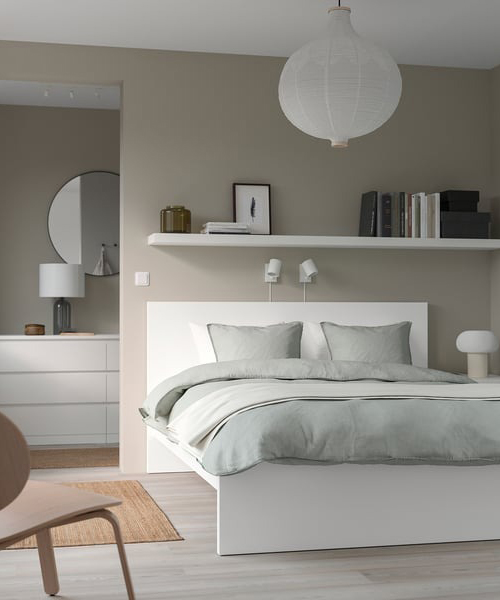
- IKEA: Buy this for storage, shelving, and anything where function matters more than feeling special about the piece. The KALLAX and BILLY will outlast the trend that made you buy them.
- Wayfair: Buy this for rugs, mid-range accent furniture, and anything where you need style variety and have time to research the specific listing carefully. Do not buy blindly.
- Lulu & Georgia: Buy this for rugs when you want something genuinely beautiful, and for designer collaboration pieces if the budget allows. Skip it for core furniture unless you’ve read the product’s specific reviews carefully.
Now the longer version, for anyone deciding where to spend real money.
About Each Brand in One Paragraph
IKEA has been making flat-pack furniture since 1943. They don’t hire a designer and then figure out the cost — they set a price target first and engineer around it. That backwards approach explains both why their storage systems are so good and why their sofas aren’t something you’ll have for fifteen years.
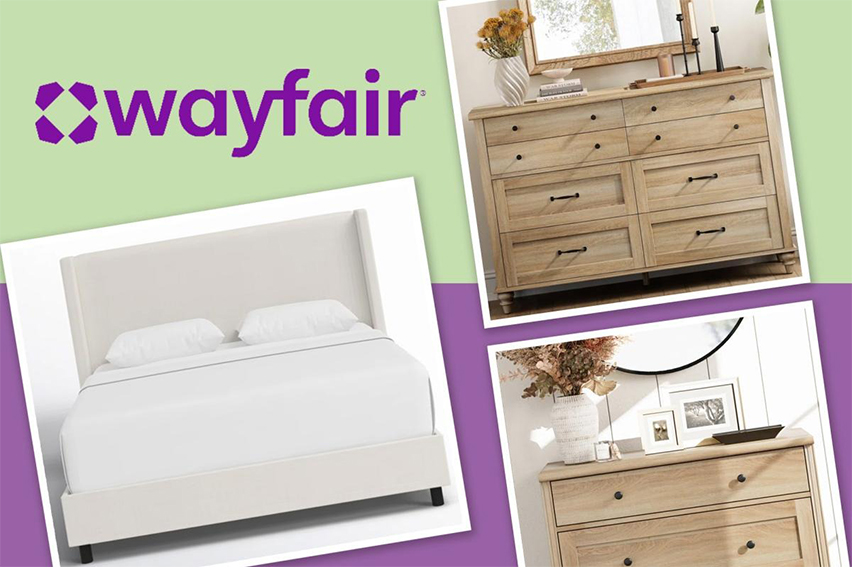
Wayfair doesn’t make anything. They’re a marketplace connecting you with thousands of different manufacturers. This is why their selection is enormous and why quality ranges from genuinely impressive to a picture that looked better on screen. No single Wayfair product is representative of all Wayfair products. That’s the whole thing you have to hold in your head when shopping there.
Lulu & Georgia was founded in 2012 by Sara Sugarman, whose family spent decades in the high-end rug and home furnishings industry. That background shows clearly in the rug category. The brand positions itself between mass-market and boutique — editorial aesthetic, real designer collaborations, upper-mid-range prices.
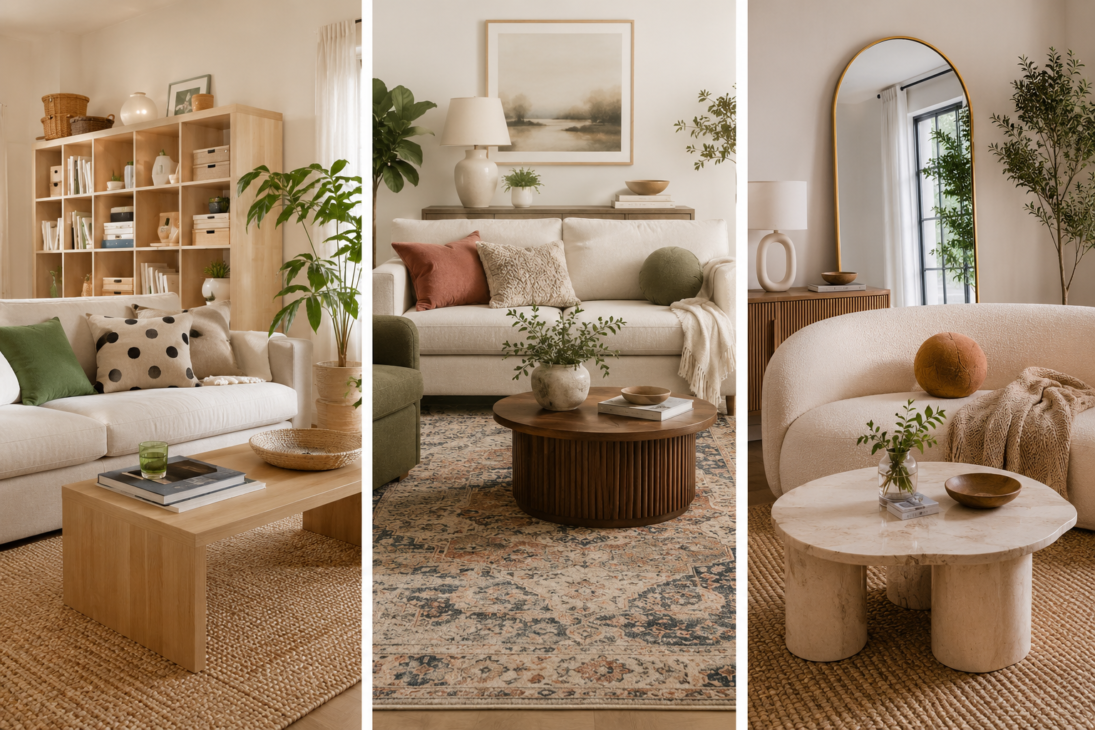
Where Each One Actually Wins
IKEA Wins: Storage and Shelving
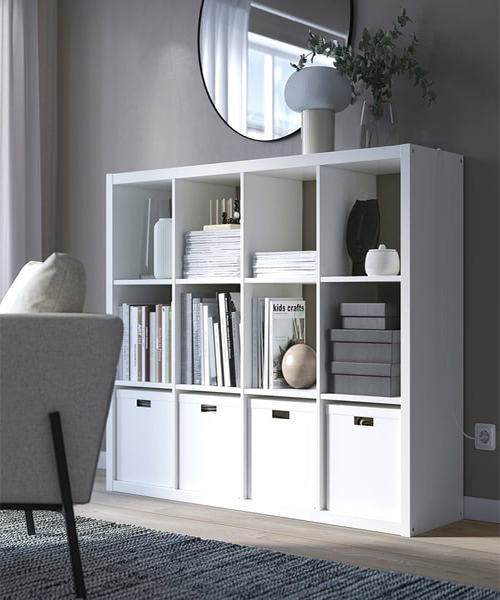
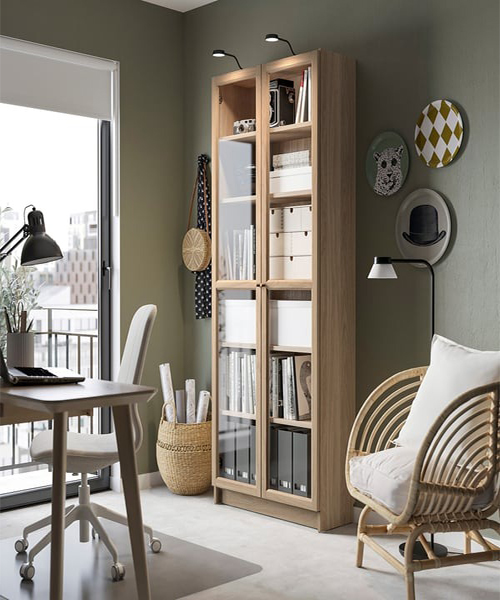
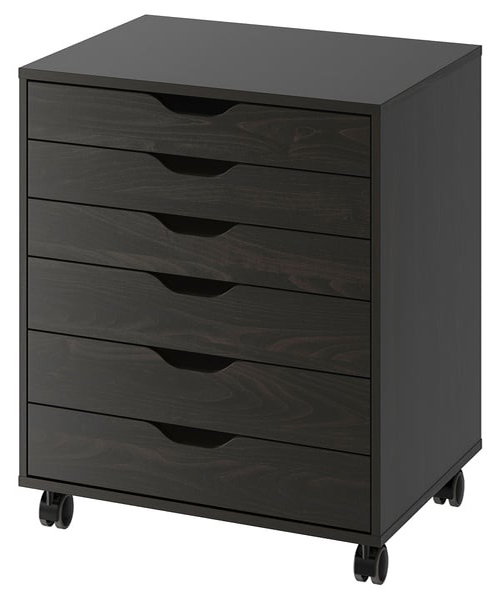
No competition. The KALLAX, the BILLY, the PAX wardrobe system, the ALEX drawer unit — these are some of the most cost-effective, well-designed storage pieces available at any consumer price point. Interior designers surveyed by Apartment Therapy in early 2026 named the BILLY bookcase their single most recommended IKEA piece. Twelve designers independently. One product.
I have a BILLY that’s survived three apartments and eleven years. I have a KALLAX that I bought for $65 and configured as a room divider in my home office that I genuinely love looking at. Neither is fancy. Both just work, reliably, for longer than anything at the price should.
For first apartments, rental properties, children’s rooms, home offices, and anywhere you need organized storage without spending serious money — IKEA is the answer and there’s no real debate about it.
Wayfair Wins: Rugs and Style Variety
Wayfair’s selection is genuinely hard to argue with when you need style-specific filtering. The ability to search by aesthetic, material, room, dimensions, and price simultaneously — and have it actually narrow things down usefully — is better than anything IKEA or Lulu & Georgia offers.
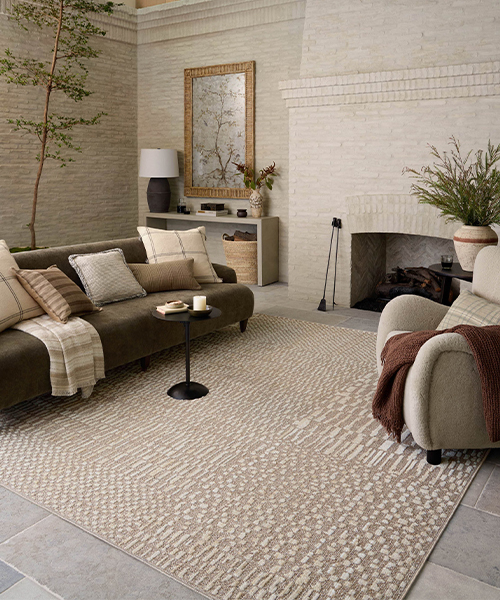
For rugs specifically, Wayfair at the mid-range tier delivers solid value. The Magnolia Home x Loloi Sinclair has been in my living room for two years and looks identical to how it arrived. That rug handles two people, one dog, and apparently unlimited spilled coffee without protest.
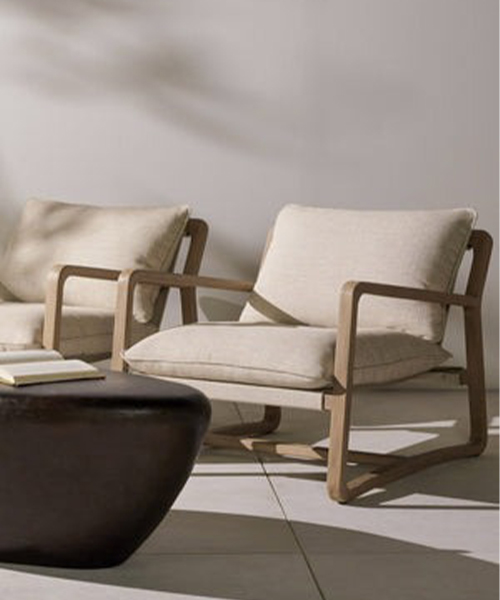
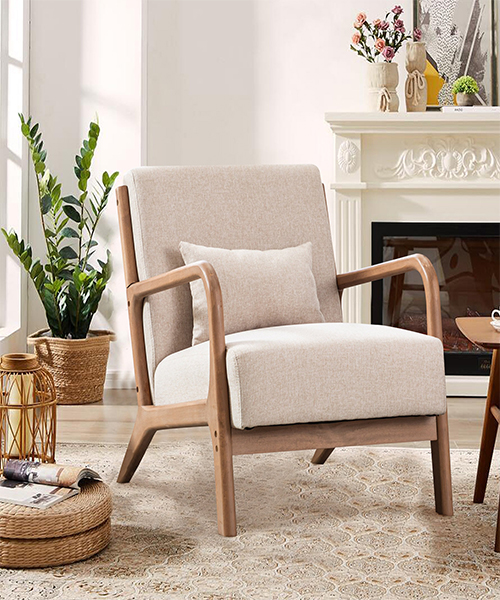
For accent furniture — chairs, side tables, console tables, lighting — Wayfair works well when you’ve done your homework. Read the materials spec. Read the customer review photos, not the hero images. Stick to mid-range listings from established brand labels (Sand & Stable, AllModern, Mercury Row) and you’ll usually be fine. Buy something cheap from a listing with no brand name and three reviews and you’re rolling the dice.
Lulu & Georgia Wins: Rugs and Designer Pieces

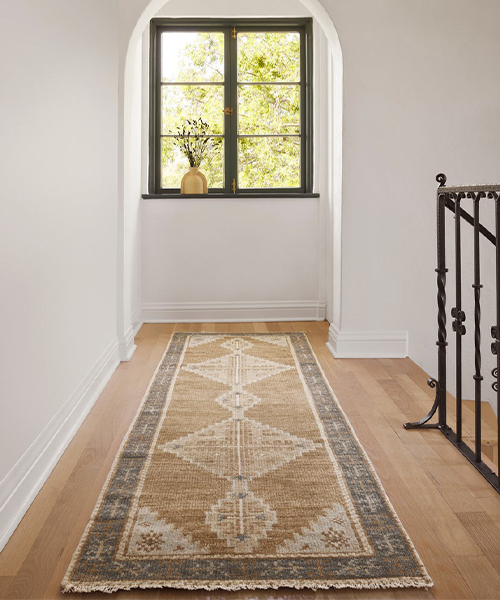
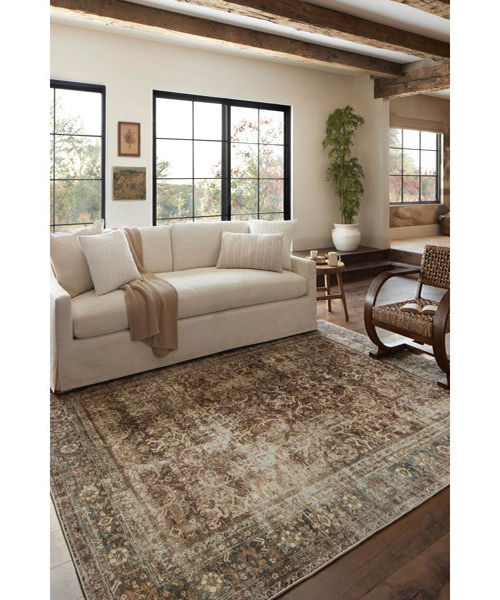
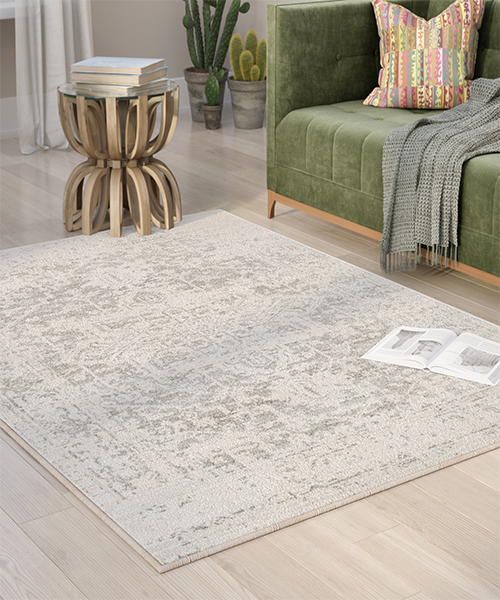
The wool rug category is where Lulu & Georgia genuinely earns the price premium. Sara Sugarman’s family background in high-end rugs shows up in everything from material selection to pattern design. The Katasha hand-tufted wool rug is among the best-reviewed pieces in the entire catalog for good reason — it’s genuinely beautiful, made from proper material, and looks like something you’d find in a well-appointed boutique.
The designer collaboration pieces — particularly anything from Jake Arnold or Heidi Caillier — are the real thing. Not a name slapped on a catalog item. Actual design direction applied to proportions, materials, details. For buyers who care about that distinction and have the budget, these pieces are hard to match at similar prices.
Where Each One Disappoints
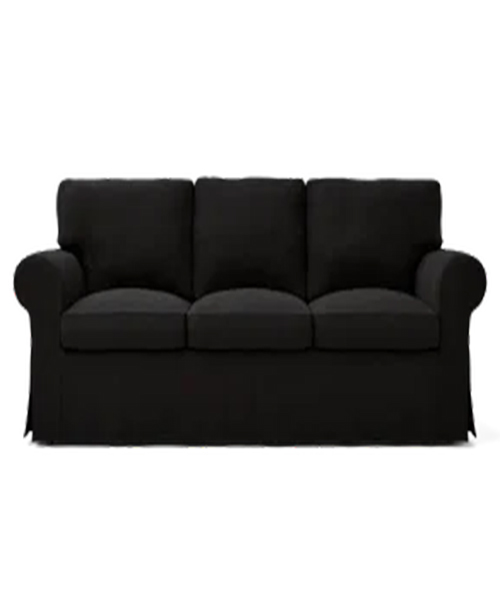
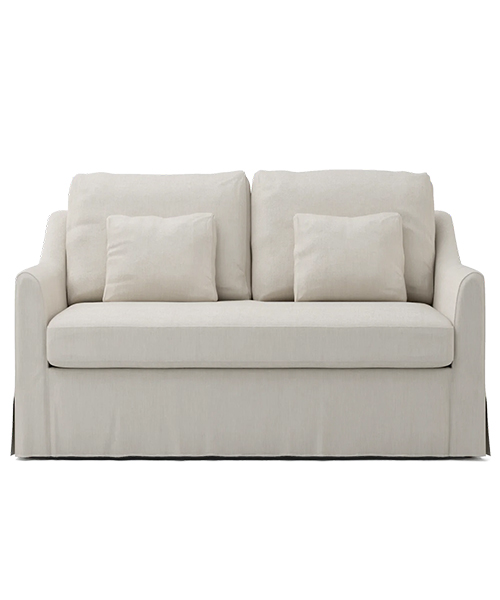
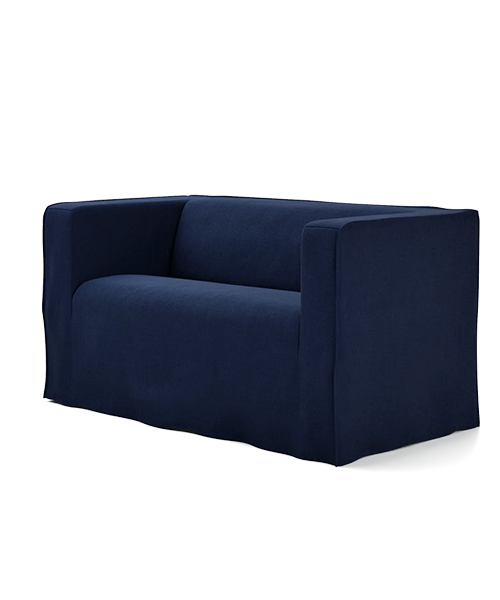
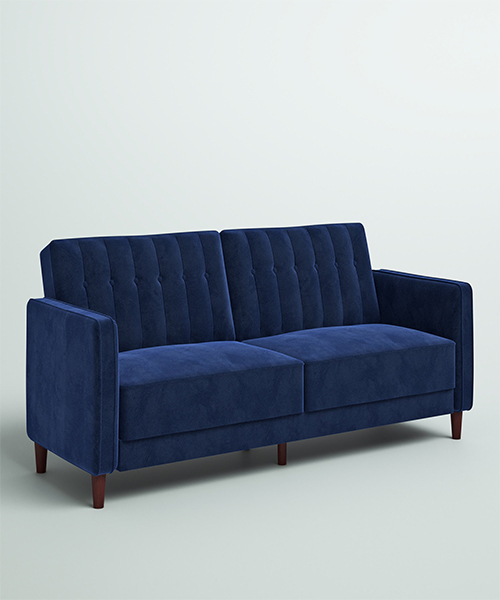
IKEA sofas are fine for two to three years of light-to-moderate use. Fine. Not great. The frames are a mix of particleboard and solid wood, the foam compresses, and customers consistently describe needing to replace their sofa sooner than they hoped. If you’re looking for a sofa you’ll sit on daily for the next decade with a family, you should probably spend more somewhere that specializes in upholstered furniture.
Wayfair budget furniture — anything in the sub-$200 range for most furniture categories — is a gamble. Some of it is surprisingly decent. Some of it bubbles, wobbles, or arrives looking noticeably worse than the photography suggested. The listing can’t tell you which outcome you’ll get. Customer photos and material specs can, if you use them.
Lulu & Georgia customer service is the consistent weak point across every independent review platform I checked. Email only. Slow responses. When something goes wrong — a damaged item, a return request — the process is more work than it should be for a brand charging premium prices. One buyer documented a dining chair joint failure within the first week of use and couldn’t get a response for over a week. That’s not what you want to be dealing with after spending $700 on a chair.
The Head-to-Head Breakdown
Category |
| IKEA | Wayfair | Lulu & Georgia |
Storage and shelving |
| ✅ Best in class | Good | Not a focus |
Budget furniture |
| ✅ Predictably decent | Variable | N/A |
Mid-range furniture |
| Acceptable | Good when researched | ✅ Designer collabs excellent |
Rugs |
| Limited | ✅ Strong mid-range | ✅ Best quality |
Style variety |
| Narrow — IKEA look | ✅ Enormous | Curated and editorial |
In-store experience |
| ✅ You can test it | Online only | Online only |
Sofa longevity |
| Short-to-medium term | Variable | Variable |
Customer service |
| Understaffed stores | Inconsistent | ❌ Slow email only |
Price |
| ✅ Lowest | Mid-range | Premium |
Best for |
| Storage, first apartments | Style variety, rugs, accent furniture | Statement rugs, designer pieces |
How I Actually Use All Three
I don’t think of these brands as competitors I have to choose between. I use them for different things because they’re genuinely different tools.
When I need to organize something — a closet, a home office, a storage situation that’s gotten out of control — I go to IKEA. I know what I’m getting. I know it’ll work. I know I can get replacement parts if a cam lock strips two years later.
When I need a rug, I start at Wayfair for the mid-range and Lulu & Georgia for anything I want to feel genuinely special about. These are the two places worth spending time on rug research because the selection and quality at their respective price points are both real.
When I’m furnishing a main living space and want a sofa or accent chair that I’ll feel good about long-term, I don’t go to any of these three first. I look at Article, Castlery, or West Elm for that category — brands where upholstered furniture is the core business and quality consistency is noticeably higher.
That sounds like a criticism of all three, but it isn’t. It’s just being honest about what each one is actually built to do well.
What I'd Buy Right Now from Each
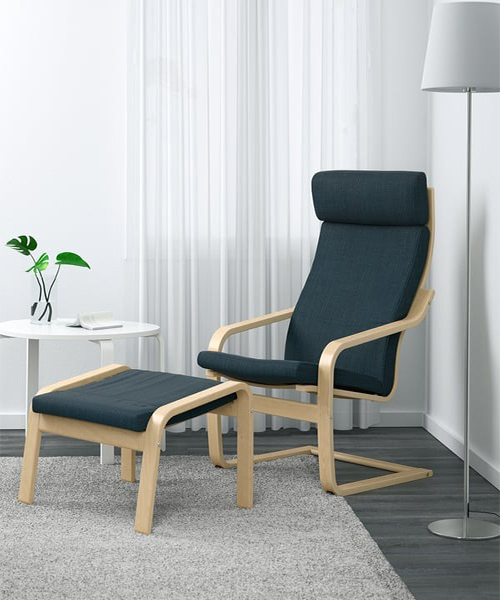
From IKEA: KALLAX for any storage situation. BILLY for books. POÄNG chair for a reading corner — over 40 years in continuous production for a reason. ALEX drawer unit if you’re setting up a home office.
From Wayfair: The Magnolia Home x Loloi Sinclair rug or the Hillsby Oriental rug if you want something pattern-forward and durable. A Sand & Stable accent chair if you’ve checked the specific reviews. Lighting — Wayfair’s lighting category is consistently strong and I’ve never had a bad experience there.
From Lulu & Georgia: The Katasha hand-tufted wool rug, no hesitation. Anything from the Heidi Caillier or Jake Arnold collaboration lines if you’re ready to spend on a statement piece. The Louie rug as a more accessible entry point into the catalog.
What I'd Skip
From IKEA: Any sofa you plan to use daily for years. Any large wardrobe that needs to survive multiple moves.
From Wayfair: Anything under $200 for furniture without reading customer photos carefully first. Anything listed under a brand name with fewer than 30 reviews.
From Lulu & Georgia: Large furniture purchases if you’re not prepared to research the specific product thoroughly. Anything where you’ll need customer service to go smoothly and quickly.
The Honest Summary
IKEA is the most dependable of the three in a specific lane. You know what you’re getting and it delivers on that consistently, especially in storage.
Wayfair is the most useful tool of the three if you know how to use it — which means reading specs, checking customer photos, and avoiding the temptation to buy based on hero photography alone. Used well, it’s hard to beat for variety and value.
Lulu & Georgia is the most aspirational of the three and delivers on that aspiration in specific categories — rugs and designer collaboration pieces — in a way that genuinely justifies the price. In other categories it’s less reliable and the customer service limitations make problems harder to navigate than they should be.
None of them is the right answer for every purchase. All three have a real role in a smart home furnishing strategy. The people who get the most out of each one are the people who understand what each brand is actually good at rather than expecting one of them to be good at everything.
Share






 By
By