House On The Crescent

All Posts By Elody Von

The Best Cashmere Sweaters For Women Worth Buying In 2026 — What Doesn’t Pill

By Posted on 0 Comments4min read4 views

The Best Cashmere Sweaters For Women Worth Buying In 2026 — What Doesn’t Pill

The Best Cashmere Sweaters For Women Worth Buying In 2026 — What Doesn't Pill

The cheap cashmere that pills within the first three months is the knitwear equivalent of jeans that stretch out by noon — a product that demonstrates its quality limitations in the first season of ownership. The pilling happens because the fibre is short-staple cashmere: short fibres break loose from the yarn and tangle into pills at the friction points (underarms, elbows, where bag straps contact the shoulder) in a timeline that reveals the quality tier purchased.

Long-staple cashmere — the fibre length specification that distinguishes quality cashmere from commodity cashmere — pills significantly less because the longer fibres are more securely held in the yarn structure. The visible pilling pattern of an expensive cashmere sweater after three years of regular wear looks better than the pilling pattern of a cheap cashmere sweater after three months.

What I Buy And Why

Johnstons of Elgin has manufactured cashmere in Elgin, Scotland since 1797. The continuity of this manufacturing history is not merely heritage marketing — it represents accumulated knowledge of cashmere processing that produces results observable in the finished garment.

The cashmere they use is long-staple from Inner Mongolia, processed in Scotland using water from the local river (which has specific mineral properties that affect the finishing). The resulting sweater has a weight and drape that I’ve noticed is different from other cashmere — a specific density and warmth that lighter cashmere doesn’t replicate.

After three winters of regular wear on the crewneck I bought from them, the pilling is confined to the underarm area and is modest rather than dramatic. The colour has maintained its depth. The shape is as it was when purchased.

At £350-420 for a crewneck, this is a genuine investment. The per-year cost over ten years of ownership — which is entirely achievable with appropriate care — works out to £35-42 per year of wearing something beautiful every day from October through March.

Price: £350-420
Available at: Johnstons of Elgin directly (johnstonsofelgin.com), Selfridges, Net-A-Porter

I want to include this because it answers a question that the cashmere conversation often avoids: what’s the right choice when you want quality knitwear without the cashmere investment?

Uniqlo’s Extra Fine Merino is not cashmere. It’s merino wool, processed finely enough that it doesn’t itch against bare skin. It has different properties — slightly more durable than cashmere, less insulating per weight, a slightly different hand. It is, for everyday wear where the knitwear is the top layer and practicality matters as much as luxury, the correct choice.

At £39.90, I buy multiple colours and wear them hard. They wash well, hold their shape, and the Extra Fine Merino specification means they don’t itch. This is what budget knitwear should look like — not cheap cashmere that disappoints, but quality merino at the right price for the material.

Price: £39.90
Available at: Uniqlo directly, in stores

Arket’s merino is a step up from Uniqlo in construction and colourway quality while remaining accessible. The GOTS certification covers both the organic fibre standard and the processing conditions. The turtleneck construction specifically is well-done — the ribbing is tight and consistent, the seam at the neck-to-body transition is clean, and the overall shape retention after washing is above what the price would predict.

Price: £89-110
Available at: Arket directly (arket.com), ASOS, in stores

Everlane’s cashmere is the place I’d direct someone who wants to try cashmere before committing to Johnstons pricing. The Grade-A specification is genuine — the fibre is longer than commodity cashmere and the pilling timeline is longer than cheap alternatives.

The honest limitation: it’s not Johnstons quality. After a season of regular wear, there’s more pilling than I’d see on the Scottish cashmere at the same point. The trade-off is a price approximately three times lower, which means the per-year cost comparison is closer than it appears.

Price: £100-140
Available at: Everlane directly (everlane.com)

How To Prevent Cashmere From Pilling

Hand wash or use the delicate cycle in a mesh bag — the mechanical action of a standard wash cycle accelerates fibre breakage. Lay flat to dry rather than tumble drying — heat and tumbling accelerate shrinkage and fibre stress. Store folded rather than hung — cashmere stretches under its own weight when hung for extended periods. Remove pills with a cashmere comb or fabric shaver — this doesn’t address the underlying cause but removes the visible evidence and improves appearance.

Conclusion

Cashmere is the category where buying quality once is more satisfying and ultimately more economical than buying cheap repeatedly. Johnstons of Elgin is the reference — the investment that produces genuine luxury for a decade of wearing. Uniqlo Extra Fine Merino is the correct alternative when the investment doesn’t make sense — quality merino is genuinely better than cheap cashmere at the same price. Arket bridges the gap at a quality level above Uniqlo. And Everlane is the accessible cashmere starting point for those who want cashmere without the Johnstons commitment. Whatever you choose, the fibre length is the specification that determines how long the sweater looks good — invest in that specification rather than in the brand name.

Reformation Review 2026 — Is It Actually Worth The Price? My Honest Take

By Posted on 0 Comments3min read7 views

Reformation Review 2026 — Is It Actually Worth The Price? My Honest Take

Reformation Review 2026 — Is It Actually Worth The Price_ My Honest Take

Reformation is the brand that appeared in my feed first as a sustainability story and then, once I’d bought a few things, as an actual product assessment. The sustainability story is genuine — the brand publishes RefScale data for each product showing water usage, carbon output, and waste generated, and the numbers reflect genuine investment in sustainable production rather than greenwashing. I appreciated this when buying and continue to appreciate it.

The product assessment is more nuanced. Some Reformation pieces are genuinely excellent. Some have been disappointing in ways that matter. Here’s the honest account after two years and several purchases.

What I've Bought And What I Think

The Elara is the dress that most consistently justifies Reformation’s positioning. The Tencel-Lyocell fabric drapes in a way that makes the dress look considerably more expensive than the price, the adjustable straps accommodate different torso lengths so the length falls correctly across heights, and the colour options are thoughtfully curated rather than simply comprehensive.

After six months of regular wear and monthly washing (following their specific care instructions — cool wash, air dry), the Elara looks essentially the same as when I bought it. The drape hasn’t changed, the colour hasn’t faded, and the stitching at the adjustable straps is intact.

Price: £198-248
Available at: Reformation directly (thereformation.com)
Verdict: Worth buying. The drape and quality justify the price at this specific piece.

Reformation’s Los Angeles factory produces denim that’s among the most honest in the accessible luxury category. The Cynthia wide leg uses rigid denim that holds its shape because it can’t stretch significantly — no elastane, cotton construction, and the specific silhouette that wide-leg jeans should have (wide from the hip rather than from the knee).

The waistband fits high and stays there. The leg falls straight and maintains its fall through a day of wear. After washing, the dimensions return accurately.

Price: £148
Available at: Reformation directly
Verdict: Worth buying for the denim quality and shape retention.

I’ve bought two Reformation linen pieces — a shirt and a pair of trousers. Both are good. Neither is exceptional for the price in the specific way the dresses and denim are.

The linen is a blend rather than pure linen, which means the texture is softer and less distinctive than pure linen’s characteristic feel. The pieces look good and wear comfortably but at the price, I’d have preferred pure linen. This is a specific criticism rather than a general quality complaint.

Price: £98-168
Verdict: Good but check whether the linen content suits what you’re looking for before buying.

The Reformation knitwear has received more mixed reviews in my experience than the other categories. The pieces I’ve tried have pilled earlier than the price would predict. For knitwear specifically, Uniqlo’s Extra Fine Merino or Arket’s equivalent provides better quality per pound.

Price: £98-148
Verdict: Look elsewhere for knitwear at this price.

The Honest Overall Assessment

Reformation is genuinely good at: dresses (the Tencel drape is exceptional), denim (the rigid construction holds its shape), and the sustainability credentials (genuinely substantive rather than superficial).

Reformation is not exceptional at: knitwear, linen blends, and any category where the fabric blend falls short of what the price suggests.

The brand is worth buying from if you’re buying the right pieces. The dress and denim categories are the right pieces. The knitwear category is not.

The Candles We Keep Buying — Our Honest Favourites For 2026

By Posted on 0 Comments2min read6 views

The Candles We Keep Buying — Our Honest Favourites For 2026

The Candles We Keep Buying — Our Honest Favourites For 2026

This is a different kind of recommendation than a list of candles I’ve tried and assessed. These are the candles that have earned something harder to fake than a positive review: a repeat purchase. When a candle is finished and the next online shopping session produces the same candle in the basket rather than an exploration of alternatives, the candle has passed the actual test.

The Repeat Purchases And Why

We have bought Diptyque Baies approximately eight times in the past three years. The specific occasions: gifts (six times) and our own home (twice). The gift occasions are relevant because the frequency of giving a specific candle as a gift reflects confidence in its quality and universal appeal that I wouldn’t have for most candles.

The blackcurrant and rose combination fills a room. Not aggressively — the projection is appropriate rather than overwhelming — but perceptibly from across the living room within twenty minutes of lighting. The burn time is consistent at approximately 60 hours when burned correctly (first burn two hours minimum, wick trimmed before each subsequent burn).

At £75-80 for the medium size, the per-hour cost is approximately £1.25-1.35. I’ve made peace with this number.

Price: £75-80 (190g)
Available at: Diptyque directly, Selfridges, Space NK

The Anthropologie Volcano is the candle we’ve bought five times specifically for the kitchen because the clean, citrusy fragrance (tropical fruit and sugared citrus) works alongside cooking smells in a way that heavier, more complex fragrances don’t. It freshens rather than competes.

The large 3-wick version genuinely fills the kitchen-to-living-room open plan space. At £32 for the large, the throw-to-price ratio is the best on this list.

Price: £22-32 depending on size
Available at: Anthropologie directly, in stores

The Skandinavisk HYGGE (their signature comfort fragrance — apple, cinnamon, musk) is the candle we light on evenings when the intention is to slow down. The specifically warm, slightly sweet fragrance combination has become associated in our home with evenings that are for being rather than doing, which is the specific ambient role that candles serve most effectively.

At £32-40, it’s accessible enough to buy regularly.

Price: £32-40
Available at: Skandinavisk directly, John Lewis, Space NK

Boy Smells produces candles in fragrance combinations that don’t fit existing categories neatly, and the result is the candles we put on when we want the room to smell interesting rather than familiar. The Kush (warm cannabis, vanilla, sandalwood) and the HINOKI FANTÔME (cypress, sandalwood, musk) are the two we’ve bought multiple times.

These are the candles that produce the “what is that?” response from visitors rather than the recognition of a known fragrance.

Price: £36-55
Available at: Boy Smells directly, Sephora, Anthropologie

The Best Ankle Boots For Women Worth Buying In 2026 — What I’ve Bought And What I’d Buy Again

By Posted on 0 Comments4min read5 views

The Best Ankle Boots For Women Worth Buying In 2026 — What I’ve Bought And What I’d Buy Again

The Best Ankle Boots For Women Worth Buying In 2026 — What I've Bought And What I'd Buy Again

The ankle boot is the most-used shoe in my wardrobe from September through March, which means the pair I buy in September receives approximately six months of near-daily wear before the weather changes. This use frequency is the most honest test of what boots are actually worth buying — the pair that looks great in October and shows significant wear by February is not, objectively, a good purchase regardless of how it looked when new.

I’ve learned more from the boots that disappointed me than from the ones that worked. The specific points of failure — the heel that compressed and lost its height, the leather that scuffed without the marks that good leather develops into character, the zipper that started catching at month four — each taught me something about what to look for.

What I Look For Now

The heel attachment. Block heels that are screwed or nailed into the boot sole are more durable than those that are glued only. You can’t tell from the outside, but you can tell from how the heel feels when you press it — it should be completely solid without any flex between heel and sole.

The leather quality. Good leather scratches into marks that buff partially out and develop into the patina of a worn-in boot. Poor leather scuffs into marks that stay as damage. The difference becomes apparent within a month of regular wear. Before buying, look for leather with some visible grain — completely smooth, highly processed leather is often lower quality than it appears.

The lining. An unlined leather boot becomes uncomfortable in cold weather because the leather conducts cold. A leather-lined boot is warmer. A synthetic-lined boot is warm but can cause foot moisture issues. Worth checking before buying.

The Boots I'd Buy Again

I’ve owned one pair of Dr. Martens 1460 boots since 2019. They are sitting in my wardrobe right now looking exactly as they looked when I bought them, accounting for the patina of five years of regular wear that I would describe as improvement rather than deterioration.

The Goodyear welt construction — heat-bonded sole to upper — is the reason. The bond doesn’t fail in cold or wet conditions the way adhesive-only soles do. The PVC sole resists oil and water. The leather (Smooth, Pebble, or the newer alternatives) is thick enough to be genuinely durable while being soft enough to become comfortable after the break-in period.

The break-in period is real. The first two to three weeks of regular wear are uncomfortable in the specific way of stiff leather that hasn’t yet shaped to the foot. Thick socks help. After break-in, these are the most comfortable boots I own.

Price: £170-200
Available at: Dr. Martens directly (drmartens.com), ASOS, Schuh

The Sam Edelman Packer at £150-180 has been the mid-range boot I’ve recommended most consistently because the shape retention through a full day of wear is above what the price predicts and the leather, while top-grain rather than full-grain, holds up through a season of regular use without the rapid deterioration that cheaper alternatives produce.

The riding boot silhouette suits a wide range of outfits — more versatile than the more fashion-specific silhouettes — and the block heel (low, functional) makes it genuinely comfortable for the walking that a daily-wear boot requires.

Price: £150-180
Available at: Sam Edelman, Nordstrom, ASOS

Mango produces leather ankle boots that consistently outperform their price, and the flat or low-heeled ankle boot is the specific category where this is most apparent. The leather is genuine, the construction is solid for the price, and the simple silhouette suits the widest range of outfits in the wardrobe.

Price: £99-135
Available at: Mango directly (mango.com), in stores

I bought the Totême knee-high boot at the beginning of last autumn and this is the first mention of them in my regular context rather than in a review context. They’re the boots I reach for most during the colder months.

The specific quality: the leather is supple from day one (no break-in period), the block heel is stable for extended walking, and the knee-high shaft fits a genuine range of calf sizes without alteration. After one season of regular wear, they look like quality leather boots that have been worn well — which is exactly what they are.

Price: £595-695
Available at: Totême directly, Net-A-Porter

Conclusion

The ankle boot that’s worth buying is the one that maintains its appearance and comfort through a full season of daily wear. Dr. Martens is the durability reference — the boots that genuinely last years, even with minimal care beyond occasional conditioning. Sam Edelman provides mid-price quality that holds up through a season without the Dr. Martens break-in commitment. Mango is the accessible leather option for those who want genuine leather without significant investment. And Totême is the premium investment for those who want the most considered boot for daily wear over multiple years. Whatever you choose, prioritise the quality of the sole attachment and the leather thickness over any other visible features — these are the elements that determine whether a boot lasts one season or five.

Home Organisation Tips That Actually Work In 2026 — What Changed How We Live

By Posted on 0 Comments3min read5 views

Home Organisation Tips That Actually Work In 2026 — What Changed How We Live

Home Organisation Tips That Actually Work In 2026 — What Changed How We Live

I’ve tried most of the popular organisation systems at least once. The KonMari method produced a weekend of enthusiastic sorting and then a wardrobe that returned to its previous state within three months. The colour-coded pantry system produced two weeks of beautiful pantry photographs and then the reality of actually using a pantry under time pressure while making dinner. The minimalism commitment produced a period of genuinely owning fewer things and then a gradual re-accumulation.

What actually works for organising a home that’s used by real people under real time pressure is different from what looks good in organisation content. Here’s the honest version.

The Principles That Actually Stuck

Everything Needs A Designated Home

The clutter that accumulates in most homes is not primarily excess stuff — it’s stuff without a designated place to be. Keys that don’t have a bowl. Post that doesn’t have a tray. Phone chargers that don’t have a cable tidy. Each of these items migrates to whatever flat surface is nearest when it’s not actively in use.

The solution is giving each category of commonly misplaced items a specific, permanent home and making returning to that home easier than leaving it elsewhere. This sounds obvious and is consistently underimplemented — most homes have homes for their furniture and not for their small daily-use items.

A bowl by the front door for keys. A tray on the kitchen counter for post. A cable station on the bedroom side table for chargers. None of these require purchasing anything specific — a bowl is a bowl, a tray is a tray.

The One-In-One-Out Rule For Accumulation Categories

Clothing, kitchen equipment, books, children’s toys — the categories that accumulate without a removal mechanism. For each of these, establishing an explicit rule (one item in requires one item out) prevents the gradual accumulation that makes organised spaces disorganised over time.

Home Organisation Tips That Actually Work In 2026 — What Changed How We Live

This requires less ongoing effort than regular decluttering sessions because it prevents accumulation rather than addressing it after the fact. A purchase that triggers a removal decision at the point of purchase is less disruptive than a decluttering weekend that evaluates everything simultaneously.

Less Stuff Actually Stored More Effectively

The specific insight I’d offer from the last three years of thinking about this: the storage systems that make homes feel organised are almost always removing items from a space rather than providing more places to put things.

The kitchen that feels chaotic usually has too many items on the counter rather than insufficient counter organisation. The bathroom that feels busy usually has too many products on the shelf rather than insufficient shelf space. The addition of more storage units to house more stuff is almost never the right solution — the addition of less stuff is.

The Specific Changes That Made A Difference In Our Home

The entryway: A small table with a bowl for keys, hooks for bags, and a tray for post. Everything that previously migrated across the house now has a specific landing spot at the door.

Home Organisation Tips That Actually Work In 2026 — What Changed How We Live

The kitchen: Removing all countertop appliances except the ones used daily (kettle and toaster). The coffee machine, the food processor, and the blender live in cabinets and come out when used. The counter space this produced changed how cooking feels.

The bedrooms: A specific phone charging location (not the bedside table) moved charging to a purposeful spot and removed the phone from the sleep environment. The bedside table reduced to two items: lamp and current book.

The bathroom: Decanting the three daily-use products into matching dispensers and storing everything else in the cabinet. The counter has three items. The visual calm this produces is disproportionate to the actual change.

The Best Jeans That Actually Hold Their Shape For Women In 2026 — Honest After Multiple Pairs

By Posted on 0 Comments4min read4 views

The Best Jeans That Actually Hold Their Shape For Women In 2026 — Honest After Multiple Pairs

The Best Jeans That Actually Hold Their Shape For Women In 2026 — Honest After Multiple Pairs

The jeans that stretch out by noon are the specific frustration I spent several years accepting as inevitable before discovering it wasn’t. The waistband that fitted perfectly when I got dressed and had relaxed by midday. The thighs that bagged with each sitting-and-standing cycle until the jeans looked like they belonged to someone with larger legs. The knees that developed forward-pointing bubbles by hour six.

This is elastane failing to recover. Modern jeans contain elastane for comfort — it allows stretch that rigid denim doesn’t have. The problem is that elastane’s elastic memory degrades during wear and returns (partially) only after washing. The rate of degradation and recovery is determined by the quality of the elastane, the percentage of it in the fabric, and the construction of the denim weave around it.

Better jeans stretch. Better jeans also return.

The Jeans That Actually Held Their Shape

Agolde jeans are the ones I buy when I want the pair that works for years rather than seasons. The Low Slung Baggy is not actually baggy — it’s a relaxed straight leg that drapes rather than clings, and the 100% cotton construction (no elastane) is why it holds its shape through a full day of wear and returns to its original dimensions after washing.

Cotton without elastane doesn’t stretch into new shapes — it stretches slightly and returns. The trade-off is that the initial wear is stiffer and requires a break-in period of a few uses before the cotton relaxes to comfortable. After that, the jeans move with the body without memorising new shapes.

The washing and drying instructions matter with Agolde: cold wash, air dry. Machine heat shrinks rigid denim and produces dimensional changes that are difficult to reverse.

Price: £220-250
Available at: Agolde directly, SSENSE, Net-A-Porter, Revolve

The Madewell Superwide Leg is a genuine wide leg — not a widened straight leg — and the fabric uses a cotton-elastane blend with a high enough elastane quality that the shape recovery is noticeably better than cheaper denim at similar elastane percentages.

After a full day of wearing, the waistband needs no readjustment. The leg maintains its width and fall rather than compressing inward at the thigh from sitting. After washing, the dimensions return accurately enough that the jeans feel the same on day-one-post-wash as they do when first put on.

At £138, these are the mid-price recommendation that I’d suggest before spending the Agolde amount, specifically to confirm whether the wide-leg silhouette works for the wearer before committing to the premium version.

Price: £138
Available at: Madewell directly, Nordstrom

The Levi’s 501 is rigid denim and zero elastane — the original construction that predates the elastane era. It does not stretch during the day because it cannot stretch. The trade-off is a stiffer initial wearing experience and a break-in period measured in weeks of regular wear rather than uses.

What you get in return is the most consistent shape retention of any denim available. The specific fading pattern that develops on rigid denim — wear lines at the knees, front thighs, and back of the knee — is the patina that makes worn-in denim look genuinely good rather than simply used.

At £80-90, it’s the most accessible quality denim recommendation and the one that produces the most character with time.

Price: £80-90
Available at: Levi’s directly (levi.com), ASOS, department stores

FRAME is a Los Angeles denim brand that uses premium Japanese denim in constructions calibrated for shape retention as a primary design criterion. The Le Garcon (their boyfriend-fit option, though the name undersells how flattering it actually is) is the recommendation for those who want to spend more for clear quality improvement.

The Japanese selvedge denim holds its shape through a day of wear, develops character over time, and the quality of the hardware — buttons, rivets, waistband — reflects the same attention as the fabric.

Price: £285-320
Available at: FRAME directly (frame-store.com), Nordstrom, Net-A-Porter

The One Thing That Makes Any Jeans Last Longer

Wash less frequently. Denim companies including Levi’s explicitly recommend not washing jeans after every wear — the mechanical action of washing degrades the fibers faster than wearing does, and most of the changes that happen during a day of wear (shape relaxation, minor marks) can be addressed with spot cleaning and airing.

I wash my jeans every four to six wears unless something specific requires earlier washing. The shape recovery after washing is more complete on rested denim than on denim washed repeatedly at short intervals.

Lulu And Georgia Review 2026 — Is The Furniture Worth The Price?

By Posted on 0 Comments3min read5 views

Lulu And Georgia Review 2026 — Is The Furniture Worth The Price?

Lulu And Georgia Review 2026 — Is The Furniture Worth The Price?

I discovered Lulu and Georgia through their rugs, which appear in interior design content with the kind of frequency that suggests either excellent marketing or genuinely excellent design — in this case, both.

I’ve since bought two rugs and a side table from them. The experience of the products versus the expectation set by the product photography is the subject of this review.

What I Bought

The Nia Rug in a 8×10 — their Moroccan-inspired pattern in ivory and rust. The Aria Rug in a runner size for the hallway. The Paloma Side Table in antique brass.

The Nia Rug is the most beautiful rug I own. The pattern complexity, the colour selection, the way the hand-tufted pile catches light differently at different angles — it reads as genuinely expensive in person in a way that machine-made alternatives at lower prices don’t.

The quality holds: after two years of living room use (significant traffic, a child, a periodic cat), the pile has maintained its texture and the colours have maintained their depth. Professional cleaning at month fourteen returned it to essentially new condition.

The hand-tufted construction is the reason for both the quality and the price — the pattern precision in a hand-tufted rug requires human judgment that machine production doesn’t replicate. The price is appropriate for what it is.

The Aria runner in the hallway has worn equally well under higher-traffic conditions.

Price: Rugs from £299-1,200+ depending on size and design
Available at: Lulu and Georgia directly (luluandgeorgia.com)
Verdict: Worth buying for the main rug in a room you care about the most. The quality justifies the price.

The Paloma Side Table looks exactly as it does in the photographs, which is the first genuine compliment I can offer — colour and finish accuracy is where online furniture buying most frequently disappoints.

The construction is solid for an accent piece — it’s a side table that holds a lamp, a book, and a glass of water without any structural concern. The antique brass finish is applied well and has maintained its appearance through cleaning and regular use.

At £285 for a side table, it’s expensive for what it is. It’s not more expensive than comparable pieces from other considered home brands (CB2, West Elm’s premium lines) but it’s expensive enough that I’d compare before buying.

Price: £285
Verdict: Buy it at a sale price. Compare to CB2 and West Elm alternatives at full price.

The Delivery Experience — Honest Notes

The rug delivery is slow — the large rug took six weeks from order to delivery, which the website discloses but which is longer than most furniture retailers. The condition on arrival was excellent (professional roll packaging that protected the pile), but the timeline requires planning.

The side table arrived in three weeks in adequate packaging. No damage.

The Overall Assessment

Lulu and Georgia is worth buying from for the specific product categories where their design and quality are genuinely differentiated — the rugs, specifically, where the hand-tufted quality is immediately apparent and the design selection is more interesting than most accessible alternatives.

For furniture and accessories, the design is genuinely good but the quality-to-price ratio faces more direct competition from West Elm, CB2, and similar brands. Shopping their sale (which reduces prices by 20-30%) is the sensible approach for non-rug purchases.

Nisolo Review — Are These Ethical Leather Shoes Actually Worth the Price?

By Posted on 0 Comments8min read16 views

Nisolo Review — Are These Ethical Leather Shoes Actually Worth the Price?

Save 25% Off On Your All Orders

Save 25% Off On Your All Orders

Save 25% Off On Your All Orders
VIP25
SHOW COUPON
On Going Offer
  • It Works 100% Success It Doesn’t
  • 15% Off Sitewide

    15% Off Sitewide

    15% Off Sitewide
    FIRST15
    SHOW COUPON
    On Going Offer
  • It Works 100% Success It Doesn’t
  • Get Free Shipping On Order Over $130

    Get Free Shipping On Order Over $130

    Get Free Shipping On Order Over $130
    ACTIVATE DEAL
    On Going Offer
  • It Works 100% Success It Doesn’t
  • Sale! Save Upto 40% Off On Selective Items

    Sale! Save Upto 40% Off On Selective Items

    Sale! Save Upto 40% Off On Selective Items
    ACTIVATE DEAL
    On Going Offer
  • It Works 100% Success It Doesn’t
  • Shop Our New In Collection Starting From $9

    Shop Our New In Collection Starting From $9

    Shop Our New In Collection Starting From $9
    ACTIVATE DEAL
    On Going Offer
  • It Works 100% Success It Doesn’t
  • Checkout Our Bestsellers Collection Starting From $24

    Checkout Our Bestsellers Collection Starting From $24

    Checkout Our Bestsellers Collection Starting From $24
    ACTIVATE DEAL
    On Going Offer
  • It Works 100% Success It Doesn’t
  • Explore Our Boots Collection Starting From $57

    Explore Our Boots Collection Starting From $57

    Explore Our Boots Collection Starting From $57
    ACTIVATE DEAL
    On Going Offer
  • It Works 100% Success It Doesn’t
  • Nisolo Review — Are These Ethical Leather Shoes Actually Worth the Price
    Nisolo Review 9 min read

    Sustainable fashion has a credibility problem. Most brands that lead with the ethics angle are counting on you not looking too closely at what they're actually selling. The photography is great, the About page is full of language about fair wages and artisan craftsmanship, and then the shoes fall apart within a year.

    Nisolo looks the same from the outside. Handcrafted in Peru. Certified B Corp. Ethical wages. It sounds like every other DTC brand that figured out which words to put on a homepage. The difference shows up when the shoes actually arrive.

    Who Nisolo Actually Is

    Nashville, 2011. A small group of people who had spent time in Peru noticed something obvious — skilled shoemakers in Cusco were producing quality work and getting paid badly for it. Nisolo started as a direct connection between those craftspeople and consumers willing to pay a fair price for what they were making. The original Cusco factory still runs. They've added facilities in Mexico and Kenya since then, all certified under Fair Trade and B Corp standards.

    What actually sets Nisolo apart from other ethical brands is how specific they get. Every product carries a sustainability facts label — not "we pay living wages" in vague language, but the actual wage paid to the worker who made the shoe, the carbon footprint in CO2 equivalent, the facility name and location. Numbers, not promises. Nisolo has been doing it consistently since 2011.

    Price range is $120 to $250 for most styles. More than fast fashion, less than European heritage brands making comparable shoes. A Goodyear welt shoe from a British or Spanish brand with equivalent leather quality costs $350 to $500. Nisolo is the middle option that doesn't compromise on construction.

    Why Construction Method Matters Before You Buy

    Most people have never owned a Goodyear welt shoe. Cemented shoes — which covers most footwear under $200 — are glued together. Upper to midsole to outsole, all adhesive. When the glue fails or the sole wears through, the shoe is done. This is intentional. It drives repeat purchases. The shoe has a built-in expiration date.

    Goodyear welt shoes are stitched together through multiple layers of material. When the sole wears out, a cobbler stitches on a new one. The upper keeps going. A properly maintained Goodyear welt shoe can last twenty years. The purchase price looks different when you divide it by twenty rather than two. Nisolo uses this construction on their leather dress shoes and boots at $168 to $220 — a construction level most shoes at twice the price don't offer.

    Which Nisolo Is Right for You?
    Handcrafted leather shoes built to last years, not seasons
    Chelsea Boot
    Best Boot

    Chelsea Boot

    ~$218
    Full-grain · Goodyear welt
    • Works with jeans and trousers
    • Elastic panels hold shape
    • Develops patina with wear
    • Resoleable construction
    Check Price on Nisolo
    Huarache Sandal
    Best Sandal

    Huarache Sandal

    ~$128
    Handwoven leather · Rubber sole
    • Hand-woven by Cusco artisans
    • Footbed molds to your foot
    • Better worn-in than new
    • Best entry point for Nisolo
    Check Price on Nisolo
    Go-To Sneaker
    Best Sneaker

    Go-To Sneaker

    ~$148
    Leather upper · Leather lining
    • Clean minimal silhouette
    • True to size fit
    • Works with almost anything
    • Short break-in period
    Check Price on Nisolo

    Nisolo Santiago Derby

    The Santiago Derby is the most versatile shoe in the lineup. Clean silhouette, full-grain leather upper, leather sole with rubber heel cap. Works with tailored trousers and dark jeans without looking out of place in either direction.

    Two things to know before ordering. The fit runs narrow — if you have a wider foot or sit between sizes, go up half a size. And the break-in is real. Leather soles on hard floors feel stiff for the first week. Not painful, just structured in a way foam-soled shoes aren't. Push through it. By week two the leather has softened enough to mold to your foot. Full-grain leather at this price develops patina rather than cracking — it looks better at three years than it did at three weeks. Price around $168.

    Sizing tip: The Santiago runs narrow. If you're between sizes or have a wider foot, go up half a size before ordering.

    Nisolo Chelsea Boot

    Chelsea boots are easy to get wrong. The wrong version has a toe that's too pointed, synthetic leather that creases badly within months, and proportions that only work with one outfit. The Nisolo Chelsea doesn't have those problems. The toe sits between rounded and squared — not aggressively either direction, which is what makes it work with jeans and trousers equally well. Full-grain leather upper, elastic side panels that hold their shape after extended wear.

    This is a boot that improves with age. Real leather develops patina. Scuffs either polish out or become part of the character. A year of regular wear on a Nisolo Chelsea makes it look more considered than it did brand new. Break-in is similar to the Derby, one week then the leather softens properly. Price around $218.


    Nisolo Huarache Sandal

    This is where Nisolo's Peruvian roots are most visible. The woven leather upper is done by hand by artisans in Cusco — slightly irregular in the way handwork always is, which reads as craft rather than imperfection. Genuine leather footbed, rubber outsole, adjustable ankle strap.

    Most leather sandals at this price look good in photos and fall apart within a summer. The Huarache is built differently. The leather softens with wear rather than drying out. The footbed develops a custom impression of your foot over time. They look better worn-in than new. Price around $128 — the most accessible entry point in the lineup.


    Nisolo Go-To Sneaker

    The Go-To Sneaker works because it doesn't try to compete with performance sneakers. Leather upper, leather lining, cupsole. No logo on the side panel. No color blocking. The silhouette is clean in a way that reads intentional rather than boring. Fit is true to size here, unlike the narrow derby and boot. Works with jeans, chinos, shorts, and most casual outfits precisely because it doesn't call attention to itself. Price around $148.


    What Nisolo Gets Right

    The leather quality is the main thing. Full-grain at this price point is unusual — most competitors use corrected-grain with a heavy surface coating that cracks within two years. Full-grain ages rather than deteriorates. The sustainability numbers are real specificity rather than marketing language. Wages paid. Carbon figures. Certifications with documentation. That level of transparency is hard to fake over thirteen years of operation.

    Where They Fall Short

    The break-in period catches people off guard because Nisolo doesn't warn about it loudly enough. Someone who buys the Derby and wears it to an event on day one will be uncomfortable and blame the shoe — it needs a week of casual wear first. The narrow fit on the derby and boot catches people who skip the fit guide. The catalog is also intentionally small — if you want lots of options and variety, this isn't that brand.

    The Honest Answer on Whether Nisolo Is Worth It

    For anyone replacing cheap shoes every year or two — yes, the math works. A $168 derby that lasts eight years and can be resoled is cheaper per year than a $65 shoe replaced annually. Better looking, better fitting over time, and not ending up in landfill on a fourteen-month cycle. Derby for dress and smart casual. Chelsea for boots season. Huarache for summer. Go-To for everyday casual. That's a complete footwear rotation from one brand at a combined cost lower than most people spend on shoes over three years without thinking about it.

    All 4 Products — Quick Comparison

    ProductPriceConstructionBest For
    Santiago Derby~$168Goodyear WeltDress & smart casual
    Chelsea Boot~$218Goodyear WeltAutumn & winter
    Huarache Sandal~$128Handwoven leatherSummer everyday
    Go-To Sneaker~$148CupsoleCasual everyday

    Nisolo is for people who want to buy less and buy better. Real leather, real construction, made by people paid fairly. Four products cover everything you need.

    Shop Nisolo — Official Site

    How To Make Your Bedroom Feel Luxurious Without Spending Much — What Actually Works

    By Posted on 0 Comments3min read5 views

    How To Make Your Bedroom Feel Luxurious Without Spending Much — What Actually Works

    How To Make Your Bedroom Feel Luxurious Without Spending Much — What Actually Works

    The most luxurious-feeling bedroom I’ve ever slept in was a hotel room in Edinburgh that had no particularly extraordinary furniture, no designer anything, and walls that were a standard cream. What it had was high-quality white bedding, a reading lamp at the correct height, complete blackout curtains, and absolute silence. The luxury was sensory rather than material.

    This is the lesson I’ve applied to our own bedroom over two years of incremental changes. None of them were expensive. All of them changed how the room feels to be in.

    The Changes That Made The Most Difference

    Better Bedding — The Most Impactful Single Change

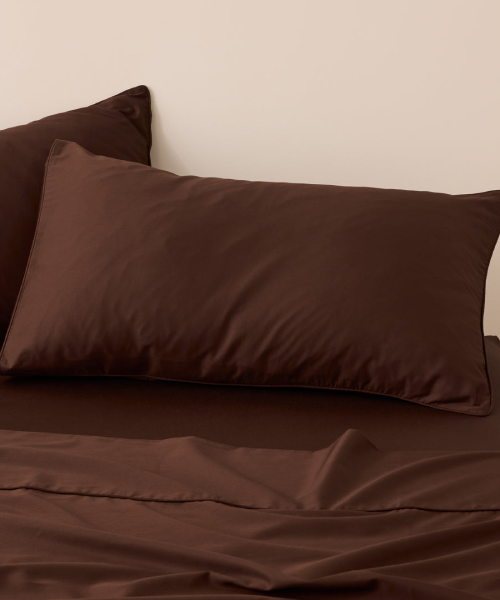
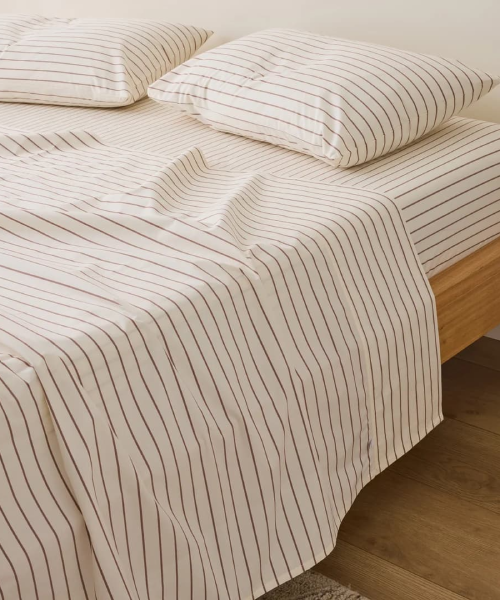
    The Parachute percale sheets mentioned elsewhere in this site transformed our bedroom more than any visual change. The specific difference is tactile and thermal — getting into a bed with genuinely good sheets is a different experience from getting into a bed with mediocre ones, in a way that compounds across every night.

    The white bedding specifically — not cream, not grey, but actual white — creates the hotel quality that the colour registers as. Coloured or patterned bedding can be beautiful, but the clean, hotel-white aesthetic specifically produces the sense of freshness that hotel rooms have and that most bedrooms lack.

    Investment required: £149-179 for sheets, £40-55 for the bath mat if wanted in the bedroom. Total: approximately £200.

    Blackout Curtains — The Sleep Quality Change

    Light entering the bedroom during sleep affects sleep quality at a physiological level that most people don’t attribute to the curtains. The specific experience of sleeping in a properly blacked-out room for the first time — waking without being gradually light-woken for hours before the alarm — is noticeable enough that I’d list blackout curtains as the second most impactful bedroom change available.

    How To Make Your Bedroom Feel Luxurious Without Spending Much — What Actually Works

    The Nicetown blackout curtains (£25-40 per panel) are the consistently recommended budget option. They work — the blackout is genuine and the quality holds through repeated washing.

    Investment required: £50-80 for two panels.

    A Lamp At The Correct Height — The Lighting Change

    A bedside lamp at the correct height — where the bottom of the shade is at approximately shoulder height when sitting up in bed — changes the quality of light in the bedroom in the evening in a way that changes the feeling of the room. Overhead lights in a bedroom produce the flat, institutional quality that working offices use. A bedside lamp produces warm, directional light that’s associated with rest.

    The specific lamp matters less than the correct height and a warm bulb (2700K maximum). An IKEA lamp at the right height with a warm bulb outperforms a beautiful lamp at the wrong height with a cool bulb.

    Investment required: £20-60 for a lamp with the right proportions. A warm bulb: £5-10.

    Minimal Surfaces — The Visual Clarity Change

    The bedroom with three items on each bedside table (phone charger, lamp, book, glass of water, miscellaneous) reads as busier and smaller than the same bedroom with two items per surface (lamp, one item of choice). Clearing the surfaces of everything except what’s deliberately placed there produces the visual calm that makes a bedroom feel spacious rather than cramped.

    This costs nothing. It produces an immediate visible difference.

    A Scent — The Ambient Element Most Bedrooms Lack

    A reed diffuser with a calming fragrance — lavender, sandalwood, vetiver — in the bedroom produces the specific ambient quality that hotel rooms have and most bedrooms don’t. It’s the element that visitors notice first and that the bedroom’s occupants stop noticing within a week of it being present.

    How To Make Your Bedroom Feel Luxurious Without Spending Much — What Actually Works

    The NEST New York Reed Diffuser at £45 is the recommendation. For a smaller investment, the M&S room spray in a calming fragrance at £8-12 provides the same ambient quality in a less persistent format.

    Investment required: £8-45.

    The Total Investment For A Significantly Better Bedroom

    Parachute percale sheets: £169
    Blackout curtains (two panels): £60
    Bedside lamp with warm bulb: £35
    Reed diffuser: £45

    Total: £309 for changes that transform how the room feels to sleep in.

    This is considerably less than most bedroom furniture upgrades and produces more improvement to the actual experience of the room than different furniture would.

    How I Built A Capsule Wardrobe That Actually Works — What I Kept, What I Let Go

    By Posted on 0 Comments4min read7 views

    How I Built A Capsule Wardrobe That Actually Works — What I Kept, What I Let Go

    How I Built A Capsule Wardrobe That Actually Works — What I Kept, What I Let Go

    I tried the capsule wardrobe concept twice before it worked. The first attempt was in 2019, when I read the right articles and bought a specific set of “capsule essentials” that the content told me I needed. I still have a camel wrap coat I wore five times and a pair of wide-leg navy trousers that required more thought to style than my wardrobe apparently had available. Both are very nice pieces. Neither suits my actual life.

    The second attempt was more successful but still flawed — I edited aggressively, felt virtuous about owning fewer things, and then gradually re-accumulated because I’d removed things that were actually useful alongside things that weren’t.

    The third attempt, which I’ve now maintained for about two years, works. Here’s what’s different about it.

    What Was Wrong With The First Two Attempts

    The first attempt was built around an aspirational version of my life. The capsule wardrobe I assembled was appropriate for a person who works in an office four days a week, attends events regularly, and has a lifestyle that requires a consistent range of semi-formal outfits. My actual life involves working from home, occasional dinners out, and weekends that are a mix of errands and outdoor time with the kids. The aspirational wardrobe and the real wardrobe had almost no overlap.

    The second attempt was built around what I thought I should want rather than what I actually reached for. I kept the “high quality investment pieces” that the capsule wardrobe guides told me to keep and removed the things that felt too casual or too trend-specific — which turned out to be a significant portion of what I actually wore every day.

    The third attempt started with tracking what I actually wore for two weeks before touching anything in the wardrobe. The result was that my real wardrobe was approximately twelve pieces worn repeatedly and about forty pieces worn rarely or never.

    What A Real Capsule Wardrobe Looks Like

    My current working wardrobe for the colder months: three pairs of jeans (dark wash straight leg worn most, light wash straight leg for weekends, a slightly dressier pair for occasions), four simple tops (two white, one grey, one black), two knitwear pieces (a merino crewneck, a heavier boucle cardigan), one blazer (camel, oversized, from Cos — worn almost daily), one pair of smart trousers for occasions requiring them, a leather jacket, and the trench coat.

    Shoes: Stan Smiths for daily wear, ankle boots for evenings and colder days, loafers for work-adjacent occasions, one pair of heels that I actually like wearing.

    That’s it. The specific number is not the point — the point is that every item in the current version is something I reach for, something that works with most other items, and something that suits my actual life rather than an aspirational version of it.

    The Brands I Actually Buy From

    The Cos oversized blazer is the most-worn single garment I own. The cut, the fabric weight, the way it makes everything under it look more intentional — it’s the piece that validates the investment in a quality version of what might otherwise seem like a basic item. I’ve bought two of the same blazer in two years because the first one wore enough that I wanted a backup.

    Cos also does knitwear, trousers, and simple tops that occupy the same quality-to-price position — better than high street, not as expensive as true investment brands.

    Price: Blazer from £175, knitwear from £75
    Available at: Cos directly (cos.com), in stores

    The specific denim problem I had before Madewell was jeans that stretched out by midday and required a wash to return to their original fit. The Madewell 10-inch High Rise Slim holds its shape through a full day of wear in a way that cheaper denim doesn’t, and returns to original dimensions after washing rather than permanently stretching.

    Price: Jeans from £108
    Available at: Madewell directly (madewell.com), Nordstrom

    The white t-shirt, the simple grey crew neck, the merino wool base layers — Uniqlo does these better than most brands at much higher prices and there’s no sensible argument for spending more on these categories when Uniqlo’s quality is genuinely good and consistently reliable.

    The Extra Fine Merino crewneck at £39.90 is the single best value knitwear available. Full stop.

    Price: From £12.90 for basics
    Available at: Uniqlo directly (uniqlo.com), in stores

    The Actual Lesson

    The capsule wardrobe that works is built around your real life, assembled through observation of what you actually wear, and maintained by being honest about what “useful” means rather than what “quality investment piece” means to someone whose life is different from yours.

    The internet capsule wardrobe is beautiful and largely irrelevant to most people’s actual circumstances. Your capsule wardrobe should look like your actual life and feel like the best version of it.