
 By
By 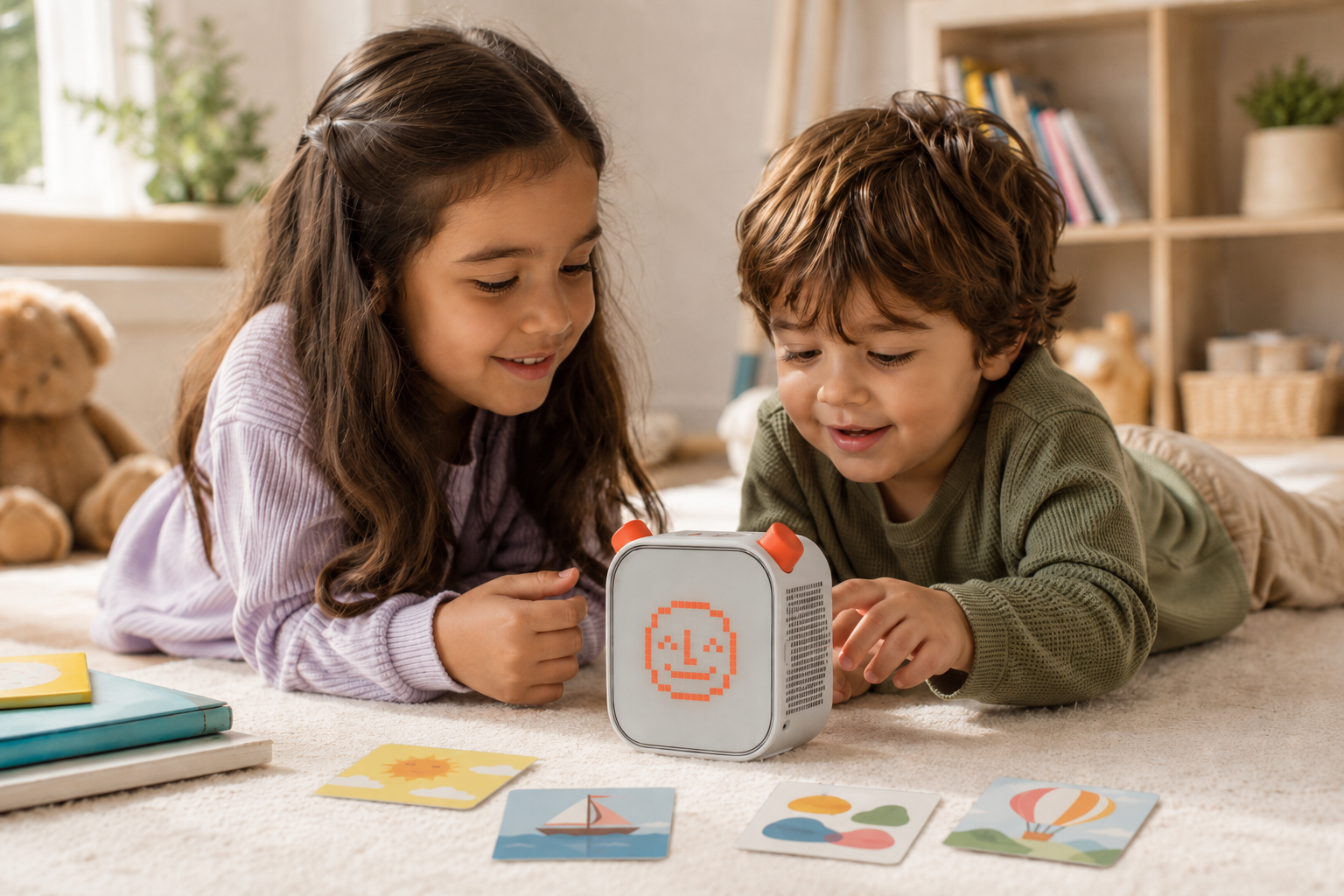
Most screen-free audio players are marketed and reviewed exclusively around toddlers and preschoolers. The most interesting evidence I found this time wasn’t from that age group at all — it was a reviewer whose 13-year-old son tested a Yoto Mini expecting to find it “too young,” and instead used his own money five days later to buy a second one so he wouldn’t have to share with his younger sister.
That single detail tells you more about whether Yoto actually has staying power than almost any glowing toddler review could.
Quick Highlights
- ✅ A direct multi-year comparison reviewer with 7 years of Toniebox use, 5 years of Yoto use, and a newer Voxblock all in active rotation specifically rates Yoto’s app and content range as the strongest of the three
- ✅ Genuinely surprises parents of tweens and teens — multiple independent accounts document 10-13 year olds engaging seriously, not just younger children
- ✅ 600+ hours of offline audio storage per device — genuinely useful for road trips and areas without reliable Wi-Fi
- ✅ Doubles as a functional night light with 7 selectable colors — a specific, repeatedly praised secondary feature
- ✅ Yoto Club membership ($-/year) includes free shipping and 10% off everything, even during sales, with no lock-in commitment
- ✅ 41,900+ Trustpilot reviews, consistently positive on core product satisfaction
- ❌ Individual cards are genuinely expensive — $10-39 depending on content length, and building a real library adds up
- ❌ Still requires Wi-Fi for initial setup and first-time card content download, despite “screen-free” marketing — worth knowing if you’re buying specifically for fully offline use
- ❌ Documented shipping delays on expedited orders, including a specific case of “more than two weeks” wait despite paying for 3-5 day delivery
- ❌ One specific documented case shows a hardware issue (audio jack failure) requiring the unit to be sent back for replacement
- ❌ Discount code application is reported as unnecessarily clunky by at least one reviewer
Best for: Families wanting genuine, multi-year audio entertainment that scales from toddler stories through tween podcasts and music — not just a temporary toddler distraction device.
Why Trust This Review
Cross-referenced from Busy Busy Learning’s direct 5-7 year multi-brand comparison (Toniebox, Yoto, Voxblock), Family Holiday Destinations’ tween/teen-focused field test during an 11-day camping trip, Trustpilot’s 41,900+ verified reviews, and PureWow and Two Mama Bears’ independent product breakdowns. No commercial relationship with Yoto.
Table of Contents
- About Yoto
- Yoto Review: Full Breakdown
- Best Yoto Products Worth Buying
- What Customers Actually Think
- Is Yoto Worth It?
- Yoto vs Toniebox — A Direct Multi-Year Comparison
- Where to Buy
- FAQs
- Final Verdict
About Yoto
Yoto is a UK-founded screen-free audio platform, designed around a simple mechanic: children insert physical cards into the top of the player to trigger audio content — stories, music, podcasts, and educational material — without any screen, app navigation, or video involvement on the child’s side. The device range covers the full-size Yoto Player (stereo output, designed for bedroom/home use) and the more compact, headphone-focused Yoto Mini, designed specifically for travel and portability.
The card catalog has grown to over 800 titles, spanning age ranges from toddler through early teens, with content including licensed movie soundtracks (Encanto, Wicked, K-Pop Demon Hunters are specifically documented examples), original audiobooks, podcasts, and a daily-updating Yoto Daily content stream that’s accessible for free without requiring a specific card.
Yoto Review: Full Breakdown
The Most Valuable Evidence — A Direct, Multi-Year, Multi-Brand Comparison
This is genuinely the strongest single piece of evidence available, because it comes from a reviewer who isn’t comparing Yoto against a single competitor from a brief test period, but against two other screen-free audio brands across years of actual household use: “I have a wealth of experience with using audio players in our home including Tonieboxes for around 7 years, Yoto Players for around 5 years and most recently the addition of Voxblock.” That’s a reviewer with genuine comparative authority rather than a single-brand enthusiast.
Her honest framing of the central tradeoff: “if you’re deciding between them, the choice usually comes down to portability versus sound depth” — and her core conclusion on long-term value is appropriately conditional rather than universally enthusiastic: “in homes where it gathers dust, it becomes an expensive speaker. Used well, it’s a tool that can genuinely support independence, imagination, and literacy.” That’s a more honest, more useful framing than most single-use-case reviews offer, because it correctly identifies that the product’s value is entirely dependent on whether your specific child is naturally inclined toward audio content — not a guarantee that applies to every household equally.
The Tween and Teen Surprise — Evidence the Product Genuinely Scales With Age
This is the most interesting new evidence in this review cycle. A detailed field test specifically conducted with children aged 10 and 13 — well outside Yoto’s typical marketing demographic — documents the reviewer “quietly assuming it might be a little young” before being proven decisively wrong. The specific evidence: within five days of receiving a review unit, the 13-year-old son “ended up using his own money to buy a second one — purely so he didn’t have to share it with his younger sister.” That’s a meaningfully different signal than a parent’s positive review; it’s a teenager voting with his own money.
The same reviewer specifically notes the content library’s breadth surprised her: “there is also a decent range for tweens and younger teens,” including movie soundtrack cards and audiobook content that engaged a child with a Specific Learning Disorder who had previously shown no interest in audiobooks through any other format — a meaningful outcome for a family specifically trying to encourage reading-adjacent engagement through an alternative medium.
The "Screen-Free" Claim — One Honest Technical Clarification
This deserves direct, specific clarification because the marketing language can create a slightly inaccurate impression. PureWow’s detailed review notes precisely: “despite the ‘screen-free’ language, the Yoto needs Wi-Fi for the initial setup and to download the audio content from Yoto cards for the first time. After the content is downloaded, the cards can be played offline without a Wi-Fi connection. Streaming content like Yoto Radio and podcasts requires Wi-Fi.”
This isn’t a flaw exactly — it’s a reasonable technical requirement for a connected device — but it’s worth understanding precisely before you buy specifically for fully offline use (camping, international travel without reliable Wi-Fi). The practical workaround that multiple reviewers confirm: download your card library at home before traveling, and the device functions completely offline from that point forward, with up to 600 hours of audio storage capacity per device.
The Card Cost — A Real, Ongoing Expense Worth Budgeting For
Multiple independent reviewers flag this directly and specifically rather than glossing over it. One detailed account states plainly: “the cards are expensive, usually anywhere from $10 to $39 based on the scope of content,” with the honest acknowledgment that “buying a Yoto means buying more stories” on an ongoing basis. The mitigating factor that shows up consistently: young children frequently re-listen to the same content repeatedly rather than needing constant new purchases — “we’re actually still cycling through her original cards from the Mini” months later, per one specific account — and the free Make Your Own card functionality lets parents record content at no ongoing cost.
Shipping and Customer Service — Generally Strong, With Documented Exceptions
The Trustpilot pattern across 41,900+ reviews shows a brand that generally resolves issues when contacted, though not always on the first attempt. One specific account describes paying for expedited 3-5 day delivery and waiting “more than two weeks,” with the company’s response acknowledging the gap directly and committing to process improvements rather than deflecting. A separate documented case describes an audio jack hardware failure resolved through a straightforward return-and-replace process after troubleshooting steps were exhausted.
Best Yoto Products Worth Buying
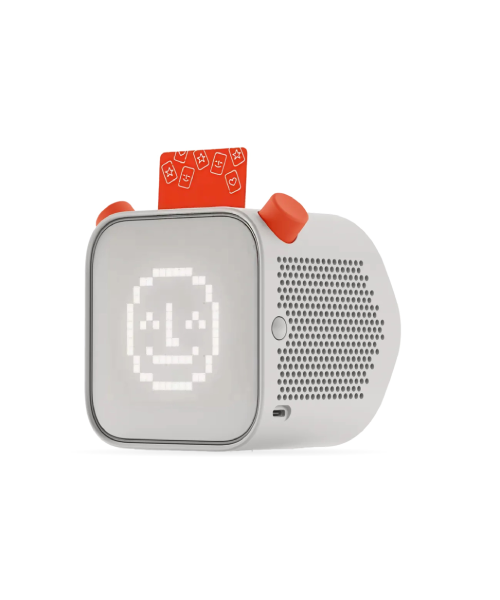
Best for: The primary home device — bedroom and bedtime use, where the stereo speaker output and night light function matter most.
Top Features:
- Stereo sound output, functions as a night light with 7 color options, includes a room thermometer and OK-to-wake settings
- Comes with one free Make Your Own card for custom recordings out of the box
- Supports both wired and Bluetooth headphone connections on the current generation
One Honest Drawback: Less portable than the Mini — designed as a home-base device rather than a travel companion.
Verdict: The right primary purchase for most families, with the night light feature specifically solving a real secondary problem for children developing fear of the dark, per multiple independent accounts.
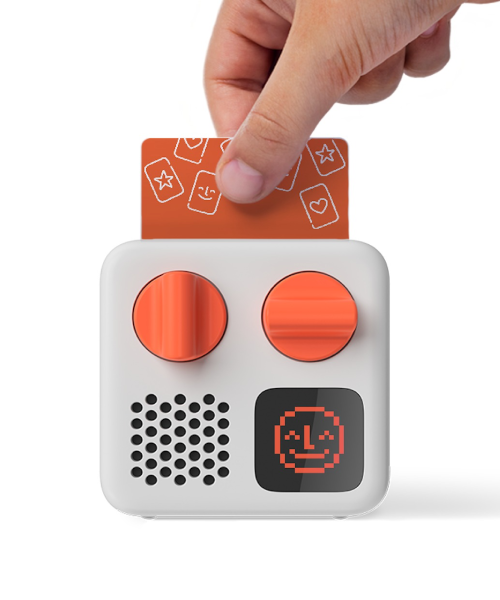
Best for: Travel, road trips, camping, and any context where portability matters more than stereo sound depth — and genuinely effective for tweens and young teens, not just younger children.
Top Features:
- Compact, durable build specifically praised as feeling “sturdy” and travel-ready by multiple independent reviewers
- Designed primarily for headphone use, making it ideal for shared car rides or quiet spaces
- Survived an 11-day camping trip including a 7-hour drive each way in one specific documented field test, with no durability issues reported
One Honest Drawback: The headphone-focused design means it’s less suited as a room-filling speaker compared to the full-size Player.
Verdict: One of the most consistently and surprisingly praised products in this entire review series — specifically because of how well it engaged older children who weren’t the intended primary audience.
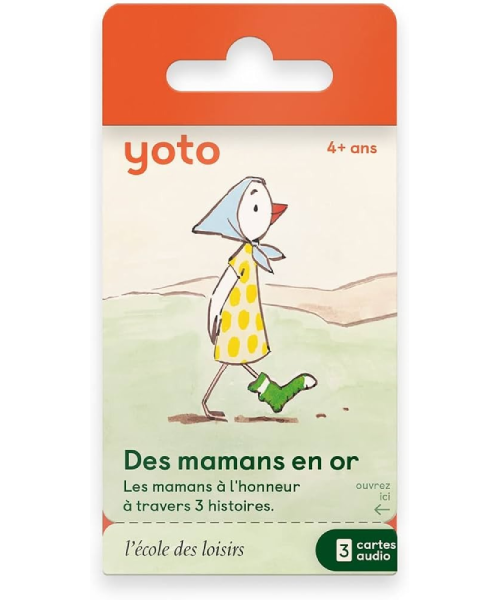
Best for: Building out content variety once you’ve confirmed your child engages with the format.
Top Features:
- Over 800 titles spanning toddler through early-teen content, including licensed movie soundtracks
- Yoto Daily provides genuinely free, daily-updating content without requiring card purchases
- Cards download once and then play offline indefinitely — no recurring streaming cost per use
One Honest Drawback: Per-card pricing is genuinely premium, and a real card library represents an ongoing investment beyond the initial device purchase.
Verdict: Budget deliberately rather than buying impulsively — start with a handful of titles your specific child is likely to enjoy, then expand based on actual engagement patterns.
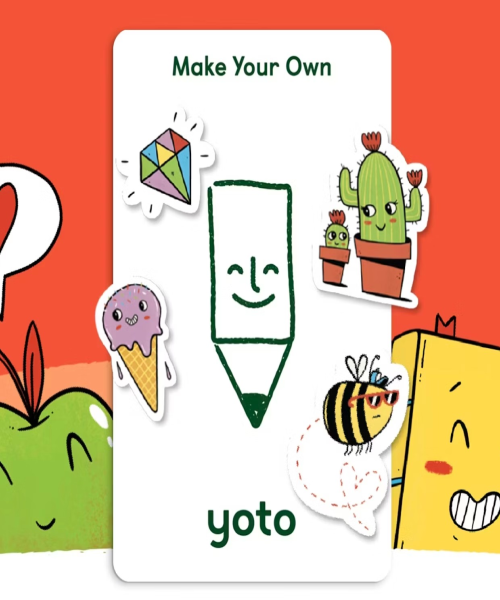
Best for: Cost-conscious families wanting to add personal, custom content without the per-card commercial pricing.
Top Features:
- Record personal stories, family messages, or custom playlists directly onto a reusable, wipeable card
- One specific account describes using this functionality for “positive affirmations” cards recorded by family members, used specifically during moments of big emotions
- Genuinely extends the device’s value beyond the commercial card catalog
One Honest Drawback: Requires some parental setup time through the app to record and load content.
Verdict: One of the most distinctive and cost-effective features in the entire Yoto ecosystem — worth using actively rather than relying purely on purchased cards.
What Customers Actually Think
Real accounts paraphrased:
- “I have a wealth of experience with audio players including Tonieboxes for around 7 years, Yoto Players for around 5 years, and a newer Voxblock. Used well, Yoto is a tool that can genuinely support independence, imagination, and literacy.”
- “My 13-year-old son ended up using his own money to buy a second Yoto Mini, purely so he didn’t have to share it with his younger sister. That alone probably tells you everything you need to know.”
- “My kid loves her Yoto! It’s great to have an entertainment option that leaves a lot of room for imagination, and she is enjoying the independence of being able to choose exactly what she listens to.”
- “Order didn’t arrive. Followed up twice and got an AI reply after the second attempt. Zero resolution. Update: the Yoto humans are super helpful and sorted it out properly once I reached them directly.”
- “My only complaint is how hard it is to apply discounts to an order. The discount links in the emails don’t always work smoothly.”
- “As a parent of a preschooler, I think the Yoto Player is 100 percent worth the price. It’s one of the best gifts she’s ever gotten.”
Is Yoto Worth It?
For families whose children are naturally drawn to audio content, and who’ll genuinely integrate it into daily routine rather than buying as a one-time novelty: yes, with strong confidence, based on the depth of multi-year evidence and the genuinely surprising tween/teen engagement data.
For families uncertain whether their specific child will engage with audio storytelling over screens: the multi-year comparison reviewer’s honest framing is the right one to apply — “frequency of use is the real deciding factor… if it’s rarely used, it will feel expensive.” Consider starting with the lower-cost Mini and a small card selection before committing to the full ecosystem.
For anyone planning fully offline use (camping, international travel): download your card content at home first — the device requires Wi-Fi for initial setup and first-time content download despite the “screen-free” marketing positioning.
Yoto vs Toniebox — A Direct Multi-Year Comparison
Yoto | Toniebox | |
Years of comparative use (one reviewer) | 5 years | 7 years |
Content library breadth | ✅ 800+ cards, broader age range | Smaller, more toddler-focused |
App quality | ✅ Specifically rated stronger | Comparatively less refined |
Tween/teen engagement | ✅ Documented, genuinely surprising | Less suited per the same reviewer |
Portability | Mini version specifically excels | Single compact figurine-based design |
Night light feature | ✅ Yes, 7 colors | No |
Best for | Broader age range, growing with the child | Very young children, simplest interaction |
Where to Buy
yotoplay.com — full range, also available through Amazon, Target, and Maisonette. Yoto Club membership provides free shipping and ongoing 10% discount with no lock-in commitment.
FAQs
Does the Yoto Player really work without Wi-Fi?
Once content is downloaded onto a card while connected to Wi-Fi, it plays fully offline. Initial setup and first-time card downloads, plus streaming features like Yoto Radio and podcasts, require an internet connection.
Is Yoto good for older kids, not just toddlers?
Yes, based on specific independent field testing — a 13-year-old in one documented account engaged seriously enough to buy a second unit with his own money, and the card library includes content (movie soundtracks, podcasts) suited to tweens and young teens.
How much storage does the Yoto Player have?
Up to 600 hours of audio content can be stored for fully offline playback per device.
Are Yoto cards expensive?
Yes, relative to many alternatives — typically $10-39 per card depending on content length. Budget for this as an ongoing cost beyond the initial device purchase, and use the free Make Your Own card feature to supplement the commercial library at no extra cost.
Final Verdict
Yoto’s strongest evidence this review cycle wasn’t from a toddler’s parent — it was from a 13-year-old who voted with his own allowance money. Combined with a genuinely rare direct multi-year, multi-brand comparison reviewer rating Yoto’s app and content range above two established competitors, the evidence supports a product that scales meaningfully with a child’s age rather than being a temporary, quickly-outgrown novelty.
Overall Rating: 8.9 / 10
Category | Score |
Content Library Breadth | 9 / 10 |
Age-Range Scalability | 9.5 / 10 |
Build Quality & Durability | 9 / 10 |
App Experience | 8.5 / 10 |
Card Cost/Value | 7 / 10 |
Customer Service | 8 / 10 |
Overall | 8.9 / 10 |
What do you think?