
 By
By 
My relationship with Wayfair is complicated. That’s the most honest way I can put it.
There’s a velvet accent chair sitting in my bedroom that I bought from them three years ago for $160. Still looks great. No wobble, no pilling, exact color from the photos. Total win. Then there’s the dining table situation from 2023 that I don’t like thinking about — engineered wood so thin it flexed when you leaned on it, assembly instructions that appeared to be translated from another language by someone who’d never assembled furniture, and a finish that started bubbling near the corner after about eight months.
Same platform. Completely opposite experiences. That’s Wayfair in a nutshell.
If you’re trying to figure out whether to spend money there — especially on something big like a sofa or a bed frame — I want to give you the information I wish I’d had before some of my worse purchases. Not a press release summary. Not a list of features the brand already put on their own website. The actual, lived experience of shopping here over several years and about twenty orders.
Quick Highlights
- ✅ Enormous selection — 18 million-plus products across furniture, rugs, lighting, bedding, and decor
- ✅ Free shipping on most orders, including large furniture — genuinely one of the best policies in the space
- ✅ 3D room planner and AR app actually work and help prevent expensive sizing mistakes
- ✅ Customer review photos are honest and genuinely useful for setting realistic expectations
- ✅ Way Day and seasonal sales offer real discounts — not fake markups
- ✅ White-glove delivery available and reasonably priced for heavy items
- ✅ 30-day returns on most items
- ❌ Quality at the budget tier is a gamble — some great, some genuinely disappointing
- ❌ Product photos can make things look considerably better than they are
- ❌ Assembly instructions are inconsistent — some are clear, some are baffling
- ❌ Large furniture returns involve freight coordination, which is a process
- ❌ Customer service during peak sale periods can be slow
Best for: Anyone furnishing a home on a realistic budget, renters, first apartment situations, people who want style variety and aren’t expecting heirloom longevity from their furniture.
Why Trust This Review
I’ve been ordering from Wayfair since 2019. I’ve assembled furniture, returned items, used the room planning tool, and dealt with customer service twice when things went sideways. Beyond my own experience, I’ve spent time reading through verified buyer reviews across multiple platforms, talked to people who’ve furnished whole apartments through Wayfair, and cross-referenced findings with independent home goods reviewers. No financial relationship with Wayfair here.
About Wayfair
Most people don’t know this, but Wayfair started life as dozens of separate niche websites — one sold outdoor furniture, one sold kitchen stuff, another did rugs — all quietly owned by the same company. They consolidated everything under the Wayfair name in 2011, went public on the NYSE in 2014, and have been one of the most visited home goods destinations in the US ever since.
The thing that makes Wayfair different from a traditional furniture retailer is that they don’t actually make anything. Not a single product. They’re a marketplace — a very large, very sophisticated middleman that connects buyers with thousands of third-party suppliers from the US, China, Vietnam, India, and elsewhere. The platform handles the transaction, shipping, and returns. The actual manufacturing happens somewhere entirely separate.
This explains both why the selection is so vast and why the quality is so variable. There’s no Wayfair factory with a quality control team. Every supplier has different standards, different materials, different levels of craftsmanship. When you buy something from Wayfair, you’re really buying from whoever made that specific item.
They also run four sister brands worth knowing about. AllModern for clean contemporary stuff. Birch Lane for traditional and classic styles. Joss & Main for boho and transitional. Perigold for genuinely high-end and designer pieces. Same basic infrastructure and supplier network, just with different aesthetic filters applied.
So who is Wayfair actually for? Honestly, most people — but with caveats. It works brilliantly for renters, for people setting up a first home on a budget, for anyone who needs variety and wants style options that don’t require visiting five different stores. What it’s not great for is someone who wants to buy a sofa once and have it last a decade. That requires a different kind of shopping strategy than Wayfair usually rewards.
Wayfair Review: Full Breakdown
Quality — Let’s Be Honest About What You’re Buying
This is the section where I need to be direct, because Wayfair’s quality is the number one thing people get confused about before they buy.
There isn’t a single Wayfair quality level. There are about twenty different quality levels depending on which product, which supplier, and which price tier you’re shopping in. The $150 coffee table and the $550 coffee table might look nearly identical in product photos. They are not the same thing, and you won’t know the difference until one is sitting in your living room.
Under roughly $200 for most furniture — you’re generally in particleboard and MDF territory. Hollow tabletops. Polyester blend fabric. Hardware that strips if you overtighten. Some of these pieces are surprisingly decent for what they cost. Others start showing wear within a year. The difference between the good ones and the bad ones often comes down to which supplier made it, which is information you don’t have direct access to on the listing.
Between $250 and $700 or so, things genuinely improve. This is where Wayfair’s in-house brand labels — Sand & Stable, AllModern, Birch Lane — tend to live, and the quality there is real. Kiln-dried hardwood frames appear. Foam density ratings improve. Fabric options expand to include performance weaves that hold up to actual daily use. I’ve had pieces from this range that I’d describe as genuinely good furniture. Not custom, not heirloom, but solidly made things I expect to use for years without issue.
The single most useful thing I can tell you: before you buy anything on Wayfair, scroll past the main product photos and open the specs section. Look for the words “solid wood” versus “engineered wood.” Check if there’s a foam density rating. Read what the upholstery composition actually is. The specs don’t lie even when the photography flatters.
Features That Actually Help
The 3D Room Planner is better than I expected it to be. You can drop furniture into a digital version of your room and actually see if a sectional is going to block the doorway or whether that bed frame will overwhelm the space. I’ve used it twice and both times it saved me from ordering something that wouldn’t have worked proportionally. Not every room planning tool lives up to its marketing, but this one does.
The AR viewer on the Wayfair app lets you point your phone camera at a spot in your room and see a virtual version of the rug or chair or table in that space. The scaling is more accurate than you’d expect. If you struggle to visualize how furniture will look or fit in a room — which is most people, honestly — this feature alone is worth downloading the app for.
The style filters are genuinely excellent. You can filter by aesthetic (mid-century modern, coastal, farmhouse, industrial), material, room, color, dimensions, and price simultaneously. If you know what you’re looking for stylistically, you can narrow 18 million products down to a manageable shortlist in a few minutes. That level of filtering doesn’t exist on most competitor platforms.
The verified customer review photos are the most useful tool on the whole site, and I mean that. Real buyers photographing their purchases in actual living rooms under normal lighting conditions shows you what something genuinely looks like more than any professional photography session can. I use these before buying anything now. They’ve talked me out of three purchases I would have regretted.
The Delivery Experience
Shipping is fast. This is one of the things Wayfair actually does consistently well. Most standard items arrive within three to five days. For large furniture, one to two weeks. Those timelines hold reasonably well outside of peak sale periods.
Free shipping on most items — including big, heavy pieces of furniture — is a genuine differentiator. Other furniture retailers charge $50–$150 to deliver a sofa. Wayfair doesn’t. That’s real money.
White-glove delivery (item brought into your room, assembled, packaging removed) is available as an add-on and it’s priced much lower than what dedicated furniture stores charge for the same service. If you live alone and the thought of assembling a bed frame by yourself sounds like your personal version of hell, this option exists and is reasonably accessible.
Assembly — The Honest Version
Some Wayfair assembly instructions are clear, logical, and get you from pile of parts to finished furniture without incident. Others are a different experience entirely. I’ve had instructions that skipped critical structural steps, had hardware labeled so ambiguously I had to use context clues, and one set of instructions where steps 7 and 8 appeared to contradict each other.
The assembly difficulty rating on product listings is helpful but consistently underestimates how long things actually take. “Moderate” usually means “budget 45 minutes more than you think and maybe text a friend.” For anything structurally significant — bed frames, dressers, anything over six feet — having two people makes the whole thing substantially less frustrating.
Returns — What's Real
The 30-day return window is real and covers most items. For smaller things — rugs, decor, lamps, accent furniture — returns are handled through standard carriers and the process is generally smooth. Request it through the app or website, print a label, schedule pickup.
Large furniture returns are a different process. They go via freight, which means coordinating a carrier pickup rather than just dropping something off at UPS. It works, but it takes more effort. If you’re buying a large item and are anything less than confident it’ll work in your space, use the room planner first. The return process isn’t designed to be a casual undo button for sofas.
Customer service response quality varies. Outside of peak periods — Way Day, Black Friday, the days around major holidays — most people get useful help in a reasonable timeframe. During those peak periods, response times stretch noticeably. Plan accordingly if something goes wrong during a sale window.
What I Keep Coming Back For
Rugs, lighting, throw pillows, bedding, curtains, wall art. Basically anything in the decor category. These are the items where Wayfair consistently delivers strong value — the quality is easier to evaluate than furniture, the pricing is competitive, and the breadth of styles is genuinely hard to match anywhere else. I’ve never had a bad rug experience on this platform and I’ve bought probably eight of them.
Mid-range furniture from the established in-house brand labels also keeps me coming back. Sand & Stable specifically has a track record I trust at this point. The quality has been reliable across multiple purchases and the style tends toward things that actually look current without being aggressively trendy.
What I’d Tell a Friend
Don’t trust the hero photos. Click every single customer review photo you can find and look at those instead. Check the materials spec before buying anything you plan to use daily. And for furniture under $200, go in knowing you’re buying something functional and temporary, not an investment.
5 Best-Selling Products from Wayfair
These are drawn from Wayfair’s most popular and top-rated sections — the consistently repurchased items across their highest-traffic categories.
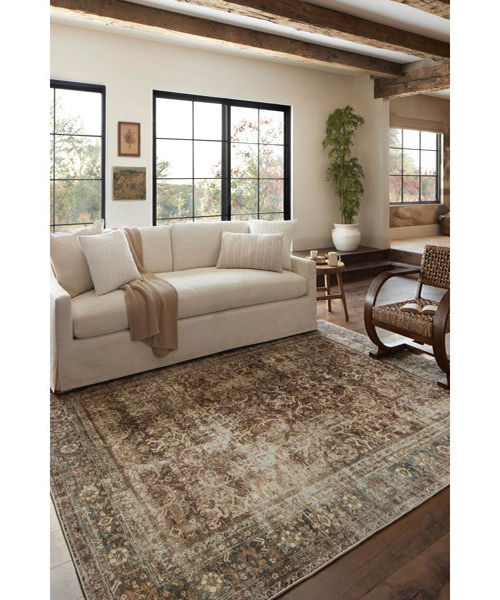
Best for: Anyone who wants a design-forward rug that actually handles real life — including kids, dogs, and the occasional red wine situation.
Top Features:
- Made from recycled polyester certified under the Global Recycling Standard — soft underfoot, shed-free, and genuinely durable
- Machine washable in most sizes, which is rarer than it should be at this style level and significantly reduces the maintenance anxiety
- Available from small accent sizes through large room-anchoring dimensions, with consistent quality across sizes
One Honest Drawback: The antique medallion pattern is beautiful but specific. It fits beautifully in neutral, earthy, or traditional-leaning rooms. In a very contemporary or boldly colorful space, it can feel like a mismatch.
Verdict: One of Wayfair’s most consistently praised rugs across thousands of reviews, and after having one in a heavily trafficked room for two years, I understand why. It still looks good. That’s the whole test.

Best for: Studio apartment dwellers and anyone who needs a single piece to serve as both daily sofa and occasional guest bed without spending a lot of money or floor space.
Top Features:
- Available in multiple velvet colorways — charcoal, sage, blush, navy — that read as genuinely upscale in photos and even more so in person
- Converts to a twin-size sleeper by pulling the back flat, no complicated mechanism required, nothing to break or jam
- Compact proportions make it usable in spaces where a full sectional would be excessive
One Honest Drawback: The cushions sit on the firmer end of the spectrum. A lot of people prefer this for posture and the sofa holds its shape better because of it. If you want to sink deeply into your couch, this isn’t that.
Verdict: One of the most repurchased sofas on the platform, and the price-to-style ratio is legitimately difficult to match elsewhere. The convertible function is genuinely useful rather than a gimmick.
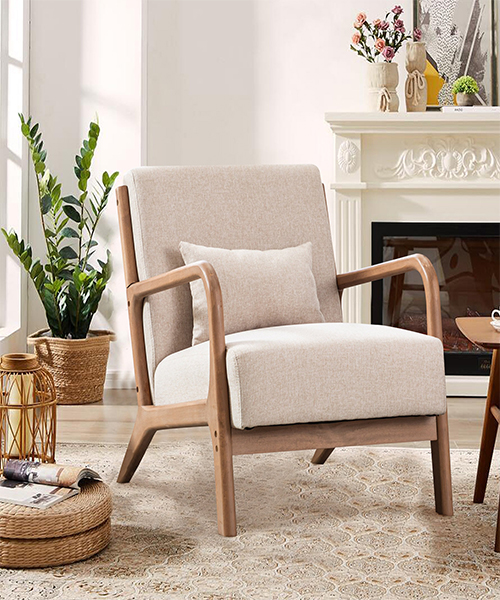
Best for: A living room corner, a reading nook, a bedroom spot — anywhere you want something that adds real character to a space without requiring a serious furniture budget.
Top Features:
- Kiln-dried solid wood frame on the actual structural components, not the particleboard-with-wood-detail you find on cheaper alternatives at this price point
- Ships fully assembled in most configurations, which sounds minor until you realize how much that matters on a weeknight when your dining table arrives in twelve labeled bags
- Available in several fabric options including performance weaves suited to daily contact and the occasional spilled coffee
One Honest Drawback: Seat depth is on the shallower side. Perfectly comfortable for most people, but if you’re tall and prefer an enveloping sit where your whole leg is supported, this one might feel slightly upright.
Verdict: Sand & Stable consistently earns the strongest quality marks among Wayfair’s in-house brand labels, and the Hertford chair is why. It looks like something from a boutique furniture shop. It costs what a Wayfair sale item costs.

Best for: Anyone wanting a traditional bedroom centerpiece with actual construction quality — not MDF wrapped in veneer — at a price significantly below what boutique bedroom furniture commands.
Top Features:
- Solid wood and solid wood veneer construction — that distinction matters considerably for long-term stability, especially across multiple moves
- Platform design means no box spring required, which is real savings on top of the frame price itself
- Ornate spindle detailing gives it an heirloom-adjacent character that’s surprisingly uncommon in this price category
One Honest Drawback: Assembly on queen and king sizes is a genuine two-person job and runs two to three hours. Most negative reviews are about the process rather than the finished product. Do not attempt alone on a Sunday evening with plans afterward.
Verdict: Consistently among Wayfair’s most recommended bed frames for buyers who want real wood and real presence in their bedroom. Build it once with help, and it’s the kind of thing you keep.
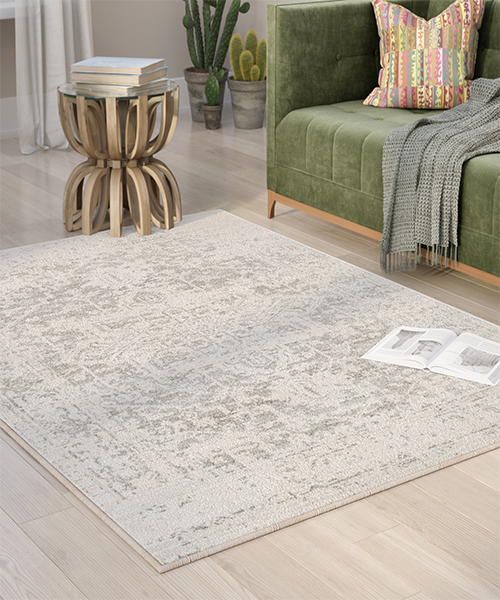
Best for: Anyone who wants a vintage-inspired, high-traffic-worthy rug that can anchor a living room or dining space without eating the entire decorating budget.
Top Features:
- Power-loomed from polypropylene in a distressed Persian-inspired pattern — the faded, lived-in look works across traditional and transitional interiors
- Medium pile height at 0.39 inches sits in the sweet spot between cushioned and easy to vacuum
- Available in a wide range of sizes at accessible price points, making it one of the more approachable entry points into the Wayfair rug category
One Honest Drawback: Some buyers mention an initial off-gassing smell for the first few days after unboxing — common with machine-woven polypropylene rugs. Ventilate the room when you first unroll it and it dissipates within a few days.
Verdict: One of Wayfair’s most-purchased rug styles for a simple reason: it does what a rug is supposed to do, looks like something that costs more, and holds up to daily life better than the price implies.
What Customers Actually Think
Reading through Wayfair reviews across independent platforms, a consistent pattern emerges. People who went in knowing how the platform works — checked the materials spec, read the customer photos, spent time with the filters — tend to be happy. People who bought based on the hero photo alone and expected the result to match it exactly are where the frustration concentrates.
Here’s the thing that stands out: the positive reviews are specific. People describe the exact weight of a table base, the way fabric held up through two cats, the fact that assembly took thirty minutes instead of an hour. That specificity is a reliable signal of genuine experience.
The negative reviews are also specific, and the patterns are consistent. Bubbling laminate on cheap wood products. Items arriving with packaging damage. Assembly hardware that doesn’t quite align. Missing pieces in otherwise complete orders. None of these are random — they’re the predictable failure modes of a marketplace sourcing from hundreds of different manufacturers without uniform quality control.
Here’s a cross-section of what real buyers say:
- “Ordered a velvet sofa on a Tuesday, it was on my porch Friday. Assembly took less than twenty minutes and it looks better in person than the photos. Genuinely surprised for the price.”
- “The rug is softer than I expected and has survived two years of a large dog without looking destroyed. The color hasn’t shifted. I’d buy it a second time without hesitating.”
- “The bed frame looks incredible — like something I’d find in a boutique. Took about two and a half hours to assemble with my partner, but the finished thing is solid. No movement, no creaking.”
- “I’ve placed maybe fifteen orders over the years. Twelve were exactly what I hoped for. Two came damaged, both replaced quickly and without argument. One was just the wrong color despite matching the photo — that one stung a bit.”
- “The dining table I ordered looked perfect in the listing. When I put weight on it, it flexed noticeably. The description said engineered wood and I should have paid more attention to that before buying.”
- “Assembly instructions for the dresser had two steps out of order and one that was just missing. Figured it out eventually. The dresser is fine. Just budget extra time and don’t do it the night before you need the bedroom functional.”
Is Wayfair Legit?
Yes. Wayfair has been operating since 2002, is publicly traded on the NYSE under ticker W, is headquartered in Boston, and has been covered extensively as a major company by the Wall Street Journal, Forbes, and financial media for years. Standard secure payment processing, documented return policies, FedEx and UPS for small items and contracted freight services for large furniture.
The nuance worth understanding: individual products come from thousands of different third-party suppliers, and Wayfair can’t personally inspect every piece. The platform is legitimate; the quality of individual listings depends on whichever manufacturer is behind that specific item. That’s why reading verified customer reviews with photos on each product page matters so much — the platform itself is trustworthy, but individual listings require your own due diligence.
Is Wayfair Worth It?
For the right purchases, straightforwardly yes.
Decor, rugs, lighting, bedding, curtains, accent furniture — Wayfair delivers consistently competitive value in these categories and I’d stack it against almost any alternative. For mid-range furniture from established brand labels, it also performs well for buyers who do their research.
For inexpensive furniture you plan to replace in a few years anyway — a guest room bed frame, a desk for a rental office, furniture for a first apartment you know you’ll be leaving — the math works and the style options are hard to match elsewhere at the price.
For foundational furniture you’re hoping to keep for a decade — the main sofa your family uses every day, a dining table that needs to survive heavy meals and kids — this is where I’d encourage stepping up to a brand that specializes rather than a marketplace that aggregates.
That distinction isn’t a criticism. Knowing what a platform is good for and using it for exactly that is smart shopping.
Wayfair vs. Amazon for Home Goods
This comes up constantly. Both are massive online marketplaces. Both offer free shipping. Both have product quality that varies wildly by listing. The meaningful differences are worth knowing.
Wayfair | Amazon | |
Focus | Home goods specialist | General marketplace |
Style filters | Excellent — by aesthetic, material, room | Basic |
Room visualization tools | 3D planner and AR view | Very limited |
In-house home brands | AllModern, Birch Lane, Sand & Stable, Joss & Main | Rivet, Stone & Beam |
Furniture quality at mid-range | Generally stronger | Comparable but less curated |
Delivery speed | 3–7 days most items | 2 days with Prime |
White-glove delivery | Available, reasonably priced | Available, pricier |
Return window | 30 days | 30 days |
Way Day sale equivalent | Yes — twice yearly | Prime Day (not home-specific) |
Best use case | Furniture, rugs, home decor | Speed, small accessories, kitchen appliances |
For furniture specifically — bed frames, sofas, dining sets, rugs — Wayfair’s style-specific filtering, room planning tools, and curated home-focused catalog make it the stronger choice. For things where you need it in two days or it’s a small item under $50, Amazon wins on speed and convenience. Using both for what each does best is the genuinely smart approach.
Discounts and Promotions
Way Day is the most important one to know. Wayfair runs it twice a year — spring and fall — and it’s their biggest sale event, with discounts up to 80% site-wide and free shipping on literally everything, no minimum. The spring event focuses heavily on patio and outdoor. The fall event is timed around holiday hosting prep. These are real discounts with real savings on mid-range furniture. If you’ve been watching something for a while, Way Day is when to buy it.
Black Friday and Cyber Monday bring comparable depth of discounts, particularly on furniture and appliances.
Daily flash sales rotate categories constantly in the “Daily Sales” section year-round. These are genuine deals that sell out, not manufactured urgency on items that are always on sale.
Wayfair Rewards membership gives you 5% back on purchases and early access to Way Day deals — worth considering if you plan to shop there more than once.
First-order discounts appear at checkout periodically for new accounts. Worth checking before your first purchase.
One practical tip that experienced Wayfair shoppers swear by: add items to your wishlist and wait. Prices on Wayfair fluctuate regularly. Something you put in your wishlist at $400 on a Monday can show up in a flash sale at $280 three weeks later. The wishlist price tracking notification is a genuinely useful feature that a lot of people don’t know about.
Where Can I Buy from Wayfair?
Wayfair is primarily an online-only retailer. The main site is wayfair.com, accessible on desktop and mobile. The Wayfair app on iOS and Android includes the AR room visualization and 3D planner tools and occasionally has app-exclusive deals.
The four sister brands — AllModern, Birch Lane, Joss & Main, and Perigold — each have their own websites with curated selections from the same supplier network, useful if you want a more focused browsing experience for a specific aesthetic.
Wayfair has also been opening physical retail locations in select US cities. If you’re near one, it’s worth a visit before buying larger pieces — seeing actual fabric and finish quality in person before committing to something expensive makes a real difference.
Shipping covers the contiguous United States. Alaska, Hawaii, and Puerto Rico may have additional charges and delivery timeline variations. No shipping to PO boxes or military APOs. Most standard items arrive in 3–7 business days; large freight furniture takes longer.
FAQs
Is Wayfair furniture actually good quality
Variable — and that’s the honest answer. Quality ranges from genuinely impressive to disappointing depending on the price tier and supplier. Budget items under $200 for most furniture categories are usable but often not durable. Mid-range pieces from Wayfair’s in-house brand labels are reliably decent. Reading verified customer review photos on each specific listing before buying is the most reliable quality check available.
Does Wayfair offer free shipping?
Yes, on most items over $35, including large furniture. This is one of Wayfair’s strongest real advantages over traditional furniture retailers who routinely charge $50–$150 for furniture delivery.
What is Way Day?
Wayfair’s biggest annual sale event, running twice a year in spring and fall. Discounts up to 80% site-wide with free shipping on everything. The best time of year to buy large furniture from the platform.
Is Wayfair cheaper than IKEA?
Depends on the category. IKEA wins on storage systems and flat-pack basics. Wayfair often wins on sofas, accent furniture, and rugs — especially during sales. Using both strategically gets better results than committing to one.
What is Wayfair's return policy?
30 days from delivery on most items. Smaller items use standard carrier returns. Large furniture uses freight pickup, which is more involved but works. Damaged or defective items are typically replaced or refunded with minimal friction if documented with photos.
Does Wayfair use real wood?
Some items do, most budget items don’t. Check the product specifications. “Solid wood” means solid wood. “Engineered wood,” “MDF,” or “wood composite” means particleboard-grade material. Both are acceptable for the right application — you just need to know what you’re buying.
How long does Wayfair delivery take?
Standard items typically arrive in 3–7 business days. Large freight furniture takes 1–2 weeks. During Way Day and other peak events, add a few days to those estimates.
Is Wayfair better than Amazon for furniture?
Generally yes, for furniture specifically. Better style filtering, superior room visualization tools, more curated home-focused selection. Amazon wins for delivery speed and small accessories where Prime two-day shipping is the priority.
Does Wayfair have an app?
Yes. iOS and Android, includes augmented reality room visualization and the 3D planner. The AR viewer in particular is worth using before buying anything that requires spatial judgment — rugs, large accent pieces, anything where scale could surprise you.
Why do similar products appear under different names on Wayfair?
This is a genuine Wayfair quirk. The same physical product from the same manufacturer sometimes gets listed under multiple white-label brand names at slightly different prices. It happens because suppliers can list under multiple labels. Running a reverse image search on product photos sometimes reveals identical items across listings.
What is the best category to buy on Wayfair?
Rugs, lighting, bedding, and decor are consistently strong value. Mid-range furniture from Sand & Stable, AllModern, and Birch Lane is reliable. Budget furniture under $200 for anything you plan to use daily carries more risk.
Can I trust Wayfair's customer reviews?
The verified purchase review system is one of the platform’s strongest assets. Reviews are tagged as verified and frequently include buyer photos. They’re more candid than you’d expect and genuinely useful for calibrating expectations — especially the customer-submitted photos, which show real rooms under real lighting conditions.
Similar Brands Worth Knowing
IKEA — unbeatable for storage systems, kitchen basics, and flat-pack furniture at budget prices. Quality is more consistent than Wayfair’s budget tier because IKEA designs and sources everything directly. The limitation is a narrower style range and the reality that you’re mostly building everything yourself regardless of price.
Article — direct-to-consumer furniture with a focused, well-curated catalog and significantly more consistent quality than Wayfair’s mid-range. Higher average prices, fewer unpleasant surprises. Worth looking at if you want mid-century or contemporary furniture and don’t want to do as much pre-purchase research to get a good result.
West Elm — a step up in price and quality from Wayfair’s mid-range. Designer-influenced pieces, in-store availability so you can see things before buying, and construction quality that’s noticeably stronger for foundational furniture. Worth the premium for pieces you’re planning to keep long-term.
Target — underrated as a furniture source, particularly for accent pieces and decor. Comparable style range to Wayfair on many items with the convenience of in-store availability and effortless returns. Better for lower-stakes purchases where the ability to return it same-day matters.
Overstock (now Bed Bath & Beyond) — similar marketplace model to Wayfair with competitive pricing on furniture and bedding. Worth using as a comparison tool when you find something you like on Wayfair — occasionally you’ll find the same item cheaper, occasionally not, but the five-minute check is worth it on significant purchases.
Final Verdict
Wayfair is the most useful home goods platform most people have access to, provided you shop it with your eyes open.
The selection genuinely is unmatched. The free shipping on everything including large furniture genuinely is a differentiator. The room planning tools genuinely work. The Way Day sales are genuinely good.
And the quality inconsistency is also genuine. This is a marketplace sourcing from thousands of different manufacturers, and that means the $180 bookshelf and the $180 bookshelf are not necessarily the same experience. Learning to navigate that — checking materials specs, reading the customer review photos, sticking to mid-range and established brand labels for anything you plan to live with daily — is the skill that separates a Wayfair success story from a Wayfair complaint.
Master that, and Wayfair is hard to beat for the value you get. Don’t, and it can feel like a gamble.
The platform deserves its reputation. So does the caveat that comes with it.
Overall Rating: 7.5 / 10
Category | Score |
Product Selection & Variety | 10 / 10 |
Pricing & Value | 8 / 10 |
Quality Consistency | 6 / 10 |
Shopping & App Experience | 8.5 / 10 |
Delivery & Shipping Speed | 8 / 10 |
Customer Service | 6.5 / 10 |
Returns & Issue Resolution | 7 / 10 |
Overall | 7.5 / 10 |
What do you think?