By
By 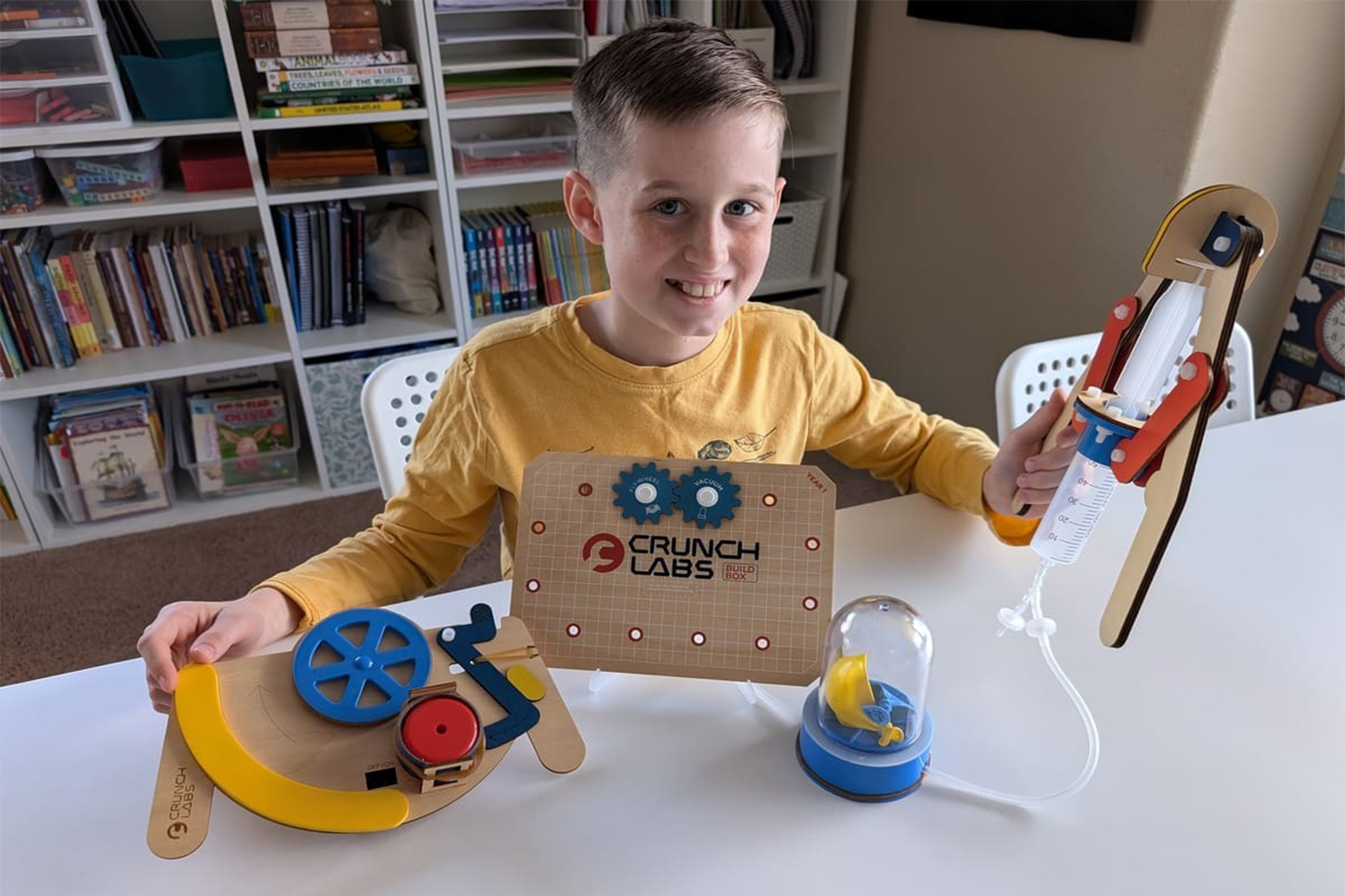
If you’re trying to find a STEM subscription that feels more exciting than a basic science kit, this CrunchLabs review should help. CrunchLabs has grown quickly thanks to its hands-on engineering projects, strong educational angle, and the name recognition behind the brand: Mark Rober.
For this review, I looked at the points that matter most for parents and gift buyers: age range, build quality, learning value, ease of setup, replay value, and whether the subscription model makes sense over time. I also considered who each subscription is best for and where the brand may not be the best fit.
The biggest reason families notice CrunchLabs is simple. It turns engineering into something kids can actually build, test, and enjoy. And for many households, the crunchlabs build box looks like the strongest overall choice because it hits the middle ground between beginner-friendly and challenging.
Highlights
- Strong STEM focus with monthly hands-on projects
- Founded by former NASA engineer Mark Rober
- Clear subscription tiers by age and skill level
- Build Box is the most versatile option for many families
- Creative Kit is a better entry point for younger kids
- Hack Pack adds a more advanced robotics angle
- Gift certificates make the brand easier to give
- More premium than buying a one-time science toy
- Best for kids who like building and problem-solving
- Less ideal for kids who prefer arts-and-crafts style play
Why You Should Trust Us
This review uses a product-focused editorial approach centered on usefulness, educational value, and long-term appeal. For CrunchLabs, that meant looking closely at how the brand positions each kit, how much support is included, and whether the overall lineup feels thoughtfully built for real families instead of just clever marketing.
About CrunchLabs
CrunchLabs is a STEM brand built around teaching kids, teens, and adults to think like engineers. The company focuses on monthly subscription kits that combine physical building projects with guided educational content.
Brand background
CrunchLabs is closely tied to Mark Rober, and that connection is a major part of the brand’s appeal. Instead of feeling like a generic subscription company, CrunchLabs has a clear personality and a recognizable teaching style. That gives the brand a more memorable identity than many competitors in the STEM box space.
What they’re known for
CrunchLabs is best known for three core subscriptions:
- Creative Kit for ages 6 to 10
- Build Box for ages 8 to 13
- Hack Pack for ages 14 to 101
The brand also sells gift certificates, replacement parts, and extras, but the subscriptions are clearly the main focus.
Who they’re for
CrunchLabs is best for families who want structured STEM play with a clear learning component. It is especially appealing for kids who like gadgets, moving parts, and step-by-step building. It is less ideal for children who want open-ended creative play or for shoppers looking for the cheapest possible activity box.
CrunchLabs Review
CrunchLabs looks fun at first glance, but the real question is whether it actually delivers enough value to justify a subscription. For many parents, the answer will depend on how much their child enjoys building, following instructions, and learning through hands-on projects.
Quality & Build / Materials
CrunchLabs presents each subscription as a complete build experience rather than a random mix of pieces. Build Box includes a new build-it-yourself toy, an illustrated instruction booklet, and a guided video walkthrough. That level of support makes the product feel more like an educational system than a simple toy-of-the-month box.
The same structure carries across the lineup. Creative Kit is positioned as a simpler STEM build for younger kids, while Hack Pack is designed around robots and more advanced technical projects. That gives the brand a clearer progression path than many competing subscription services.
Key Features
CrunchLabs stands out for a few clear reasons:
- Three subscriptions with distinct age ranges
- Monthly hands-on builds
- Guided videos led by Mark Rober
- A progression from beginner to advanced
- Gift certificate options for flexible gifting
- Build Box includes what most users need to get started
- Replacement parts support for missing pieces
Performance / Real-World Use
In everyday use, the biggest advantage is engagement. CrunchLabs is built around making kids participate, not just observe. Instead of opening a box and losing interest, they get to assemble something, learn how it works, and then enjoy the finished result.
The crunchlabs build box feels especially strong here because it targets the age range where kids can handle more independence but still get excited by a toy-like outcome. That makes it the easiest subscription in the lineup to recommend broadly.
Creative Kit works better for younger builders who need simpler wins and less frustration. Hack Pack is more specialized and makes more sense for teens or adults who genuinely want the coding and robotics layer.
Ease of Use
Ease of use looks like one of CrunchLabs’ better strengths. Build Box is designed to be approachable, with guided materials and included support. That matters for busy families because fewer setup headaches usually mean a better overall experience.
Creative Kit appears similarly accessible for younger users. Hack Pack is the one subscription that may require more effort, especially for households that are not already comfortable with computers, coding, or more technical projects.
Maintenance / Care
These products do not require much maintenance, but there are still practical things to consider. Families will need space to keep completed builds, leftover parts, and accessories organized. Over time, that can become part of the appeal or part of the clutter, depending on how your household handles projects.
The availability of replacement parts is a plus because it suggests the company expects the builds to be used, not just assembled once and forgotten.
What I Like
- Clear age segmentation across the brand
- Strong educational identity
- Helpful instructions and guided videos
- Easy to understand lineup
- Good fit for gifts
- Strong mark rober crunchlabs branding
What I Don’t Like
- Subscription costs can add up
- Best value depends on a child actually enjoying building
- Hack Pack is less accessible for casual users
- Gift certificates feel practical, but less exciting than a physical box
- Narrower overall catalog than some broader STEAM brands
Price & Value
CrunchLabs is not positioned as a low-cost toy brand. It feels more like a premium educational subscription with recurring entertainment value. That means the value will feel strongest for households that plan to use it consistently and know their child is excited about building.
If your child tends to abandon projects halfway through, the subscription may feel expensive. If they love engineering-style activities and hands-on problem-solving, the ongoing format is easier to justify.
Best-Selling Products from CrunchLabs
CrunchLabs does not show one simple five-product “Best Sellers” grid in the same way some brands do, but the official site clearly highlights its core subscriptions and major gift options. Using those official featured items as the closest equivalent, these are the five standout products shown on the brand’s site.
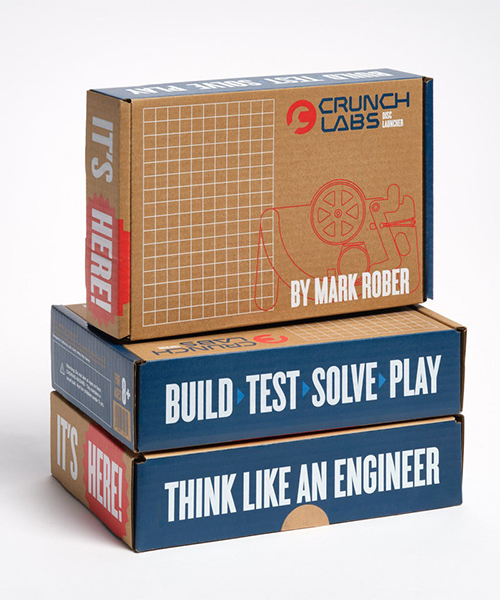
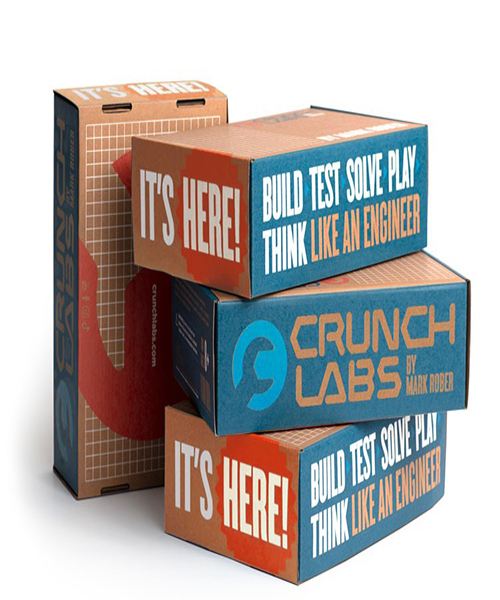
Who it’s best for: Kids ages 8 to 13 who want a monthly engineering project with the best mix of fun, independence, and challenge.
Top 3 key features
- One new build-it-yourself toy each month
- Step-by-step illustrated instruction booklet
- Guided video from Mark Rober with every box
One honest drawback: It is a stronger fit for kids who enjoy following directions than for kids who want more open-ended play.
Mini verdict: The easiest CrunchLabs product to recommend and the best place for most families to start.
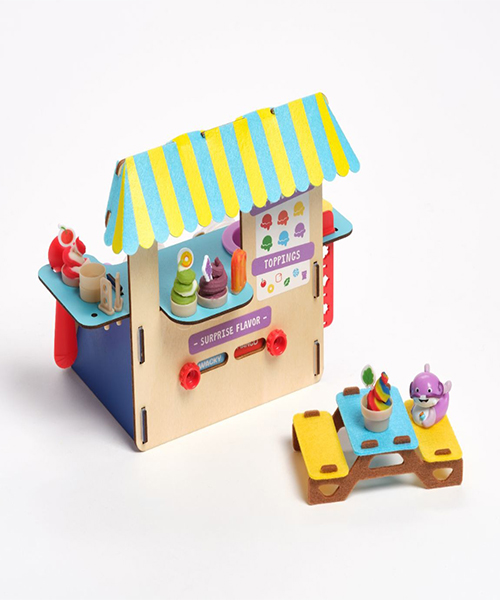
Who it’s best for: Younger kids ages 6 to 10 who need a more approachable introduction to STEM building.
Top 3 key features
- Designed for ages 6 to 10
- STEM-based toy to build
- Subscriber video content tied to the project
One honest drawback: More advanced or older builders may outgrow it quickly.
Mini verdict: A smart beginner option for younger kids who need simpler early wins.
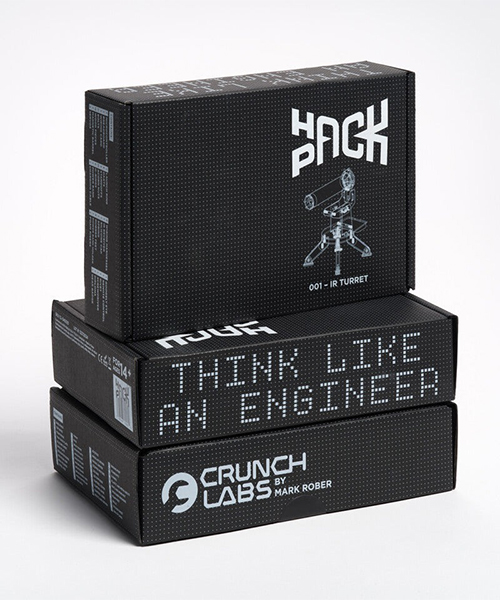
Who it’s best for: Teens and adults who want more advanced projects with coding and robotics elements.
Top 3 key features
- Robots to build and hack
- Advanced project focus
- Built for older users who want more depth
One honest drawback: It has the highest barrier to entry in the lineup.
Mini verdict: Best for serious tinkerers who want more than a typical subscription toy box.
Who it’s best for: Shoppers who want to gift Build Box without managing the subscription on someone else’s behalf.
Top 3 key features
- Flexible gift format
- Good for birthdays, holidays, and graduations
- Makes activation easier for the recipient
One honest drawback: It is more practical than exciting on day one.
Mini verdict: A smart gift choice when flexibility matters more than presentation.
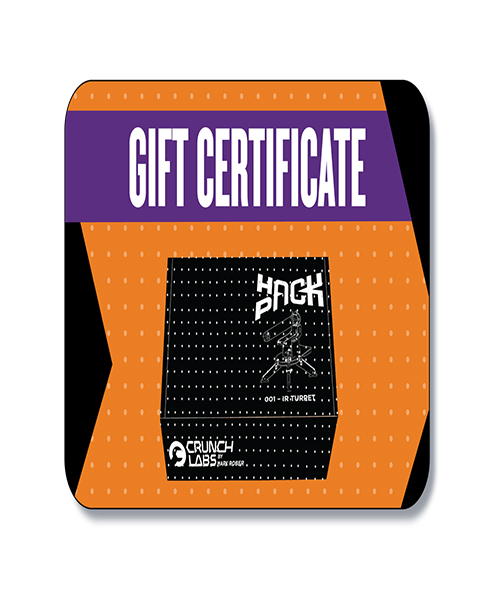
Who it’s best for: Teens or adults who want the advanced CrunchLabs experience on their own schedule.
Top 3 key features
- Flexible digital gift option
- Built around the Hack Pack subscription
- Better for older, more technical recipients
One honest drawback: It only makes sense if the recipient truly wants the more advanced project style.
Mini verdict: A useful gift option for experienced builders who would appreciate the extra depth.
CrunchLabs Review: What Do Customers Think?
CrunchLabs presents itself as a review-heavy, fast-growing brand, and the overall tone of the site suggests strong family enthusiasm. The main customer themes appear to center on engagement, learning value, and how exciting the builds feel compared with more passive toys.
Common themes include:
- Quality: Families seem to like that the kits feel educational and purposeful.
- Performance: The projects appear more engaging than standard toys.
- Fit: The age-based lineup helps parents choose more confidently.
- Shipping: The subscription structure works well for repeat delivery and gifting.
- Customer support: FAQs, replacement-part support, and guidance add reassurance.
A few short customer sentiment examples, paraphrased:
- Parents like that kids are actively building instead of only watching.
- Some families see the boxes as a stronger long-term gift than a one-time toy.
- Younger builders seem to benefit from the step-by-step guidance.
- Older kids and adults are more drawn to the advanced Hack Pack challenge.
- The mark rober crunchlabs connection adds excitement for kids who already know his content.
Is CrunchLabs Legit?
Yes, CrunchLabs appears to be a legitimate brand. The official site includes detailed subscription pages, comparison tools, FAQs, help resources, replacement-part support, contact information, and gift options. Those are all positive trust signals for a direct-to-consumer educational company.
Is CrunchLabs Worth It?
For the right family, yes. This CrunchLabs review comes out most positive for households that value structured STEM activities and know their child genuinely likes building, tinkering, and problem-solving. The brand is less compelling for bargain shoppers or kids who prefer open-ended crafts, but it is stronger than average for guided engineering fun.
What to look for before buying:
- Your child’s age and patience level
- Whether they enjoy following project steps
- Whether you want beginner-friendly building or more advanced technical projects
- Whether a subscription makes more sense than a one-time gift
If those points line up, CrunchLabs makes a solid case.
CrunchLabs vs KiwiCo
KiwiCo is the most obvious competitor because it also offers age-based activity subscriptions. CrunchLabs feels more engineering-focused and founder-driven, while KiwiCo generally offers broader STEAM variety. That gives CrunchLabs the advantage for kids who are specifically drawn to mechanisms, build challenges, and problem-solving.
Category | CrunchLabs | KiwiCo | Who Wins |
Core focus | Engineering-led builds | Broader STEAM variety | CrunchLabs for engineering |
Brand personality | Strong founder identity | Wider category range | Tie |
Age targeting | Clear 3-tier path | More overall options | KiwiCo for variety |
Best for | Builders and tinkerers | Families wanting broader exploration | Depends on child |
Value | Better for recurring engineering fans | Better for wider project variety | Tie |
CrunchLabs is the better choice when a child already loves building-style activities. KiwiCo is easier to recommend when parents want broader subject variety.
Discounts and Promotions
CrunchLabs highlights multiple subscription plans, gift certificate options, and occasional promotional moments built around gifting. The brand seems especially well suited to birthdays, holidays, and special-occasion purchases.
Where Can I Buy CrunchLabs?
You can buy CrunchLabs directly from the brand’s official website, where the subscriptions, gift certificates, extras, and support information are all organized in one place. For most shoppers, buying direct is the simplest option.
FAQs
What is CrunchLabs best known for?
CrunchLabs is best known for its STEM subscriptions: Creative Kit, Build Box, and Hack Pack.
Is CrunchLabs good for kids?
Yes, especially for kids who enjoy building, tinkering, and learning how things work.
Is the crunchlabs build box worth it?
For many families, yes. It appears to be the most balanced option in the lineup for ages 8 to 13.
Is Mark Rober really behind CrunchLabs?
Yes. CrunchLabs presents Mark Rober as the founder and central face of the brand.
What ages is CrunchLabs for?
Creative Kit is for ages 6 to 10, Build Box is for ages 8 to 13, and Hack Pack is for ages 14 to 101.
Does CrunchLabs include instructions?
Yes. Build Box includes a step-by-step booklet and guided video support.
Does Hack Pack require a computer?
It may, depending on how much the user wants to explore the coding and hacking elements.
Can I gift CrunchLabs?
Yes. The brand offers gift certificates for its subscriptions.
Is CrunchLabs only for kids?
No. Hack Pack is intended for teens and adults as well.
Is this CrunchLabs review positive overall?
Yes, especially for families who want recurring STEM engagement and guided building projects.
Similar Brands You Might Like
- KiwiCo
- MEL Science
- Tinker Crate
- Little Passports
- National Geographic STEM kits
Final Verdict + Rating
CrunchLabs stands out because it has a clear identity, a well-structured product ladder, and a stronger engineering focus than many competing subscription brands. Build Box remains the best all-around option for most shoppers because it feels like the most approachable balance of fun, learning, and independence.
This CrunchLabs review lands on a positive note. The brand is not the cheapest option, and it will not be right for every child. But for kids who genuinely love building and for parents who want a more structured STEM subscription, CrunchLabs looks like a worthwhile pick.
Rating: 8.7/10
Share
 By
By