House On The Crescent

You are viewing Fashion

Away Luggage Review — I’ve Travelled With It For Two Years. Here’s My Honest Take

By Posted on 0 Comments3min read8 views

Away Luggage Review — I’ve Travelled With It For Two Years. Here’s My Honest Take

Away Luggage Review — I've Travelled With It For Two Years. Here's My Honest Take

Away luggage is one of those products that accumulated a cultural following before I paid much attention to it, and when I finally bought a carry-on in 2023, I was prepared to be disappointed by something whose reputation seemed built more on aesthetics and marketing than on genuine product quality.

Two years and a significant number of trips later, I’m not disappointed. But I also have specific things to say about what it does well and where the gaps are that other luggage might close more effectively.

What I Bought And How I've Used It

The Away Carry-On Aluminium in slate. I travel for work four to six times per year and with the family three to four times per year, which means the bag gets regular use in a range of contexts — quick one-night business trips, long-weekend family trips where I’m carrying the minimum, and the occasional week-long trip where carry-on only is a commitment that requires careful packing.

What Works Genuinely Well

The spinner wheels are the most immediately apparent quality feature. Luggage wheels are one of those components where the quality difference is immediately tactile — cheap wheels resist direction changes, vibrate on smooth surfaces, and require effort to control. The Away spinner wheels on smooth airport floors genuinely feel like the bag is floating rather than being dragged. In busy airports where the difference between a luggage that’s easy to navigate and one that requires constant correction is significant, this matters.

The compression system (a divider that compresses the main compartment) is genuinely useful in the specific scenario of trying to fit slightly more than the bag comfortably holds. It’s not miraculous — you can’t compress an overpacked bag into a carry-on allowance — but it bridges the gap between a well-packed bag and a correctly-sized bag in a way that’s useful in practice.

The hardshell construction has survived two years without cracking, despite a specific incident where it was dropped from an overhead bin height (approximately 2 metres) onto the floor of a plane by someone who did not handle other people’s luggage with the care I’d apply to my own. There are scuff marks that I consider patina. There is no structural damage.

What's Less Good

The interior organisation. For a bag marketed as thoughtfully designed, the main compartment is essentially one large space with a compression divider. The front compartment has some organisation (a laundry bag, a few pockets) but the main packing space requires either packing cubes or acceptance of everything loose together.

The battery option (which Away offers on some models) is no longer the differentiator it once was — battery regulations on airlines have become more restrictive and several airports have issues with lithium batteries in checked bags, making the ejectable battery a more complicated proposition than it was when the feature was introduced.

The price. The Carry-On Aluminium is approximately £650-700, which positions it at the top of the premium luggage market without quite reaching the absolute reference brands (Rimowa, Samsonite’s premium lines). Whether this price is justified is a calculation based on how much you travel, whether you value the specific quality features, and what comparative alternatives you’ve tried.

The Honest Verdict

Away makes genuinely good luggage that’s worth the price if you travel frequently enough that the quality features (spinner wheels, compression system, hardshell durability) are experienced regularly rather than occasionally. For someone who travels once or twice a year, the premium over a mid-range alternative isn’t justified by usage frequency regardless of the absolute quality.

For someone who travels eight to twelve times per year in a professional context — which is the use case the brand is primarily targeting — the daily-use quality is worth the investment.

The Carry-On in polycarbonate (the standard plastic rather than aluminium) at £295-375 is the recommendation for most buyers — it provides the same wheel quality, the same compression system, and comparable hardshell durability at approximately half the aluminium price.

Our Product Picks
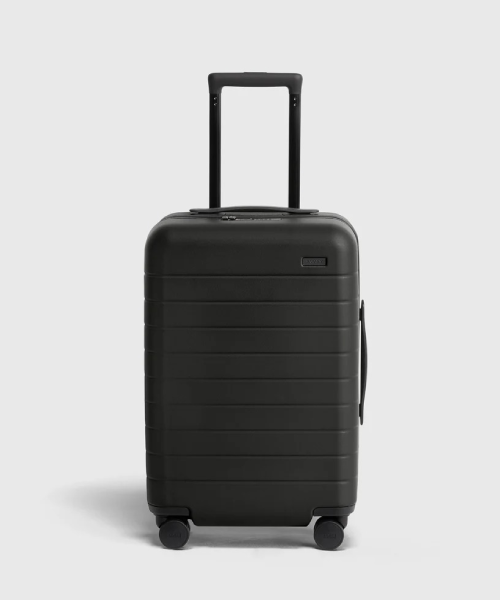
Price: £295-375
Available at: Away directly (awaytravel.com), in Away stores
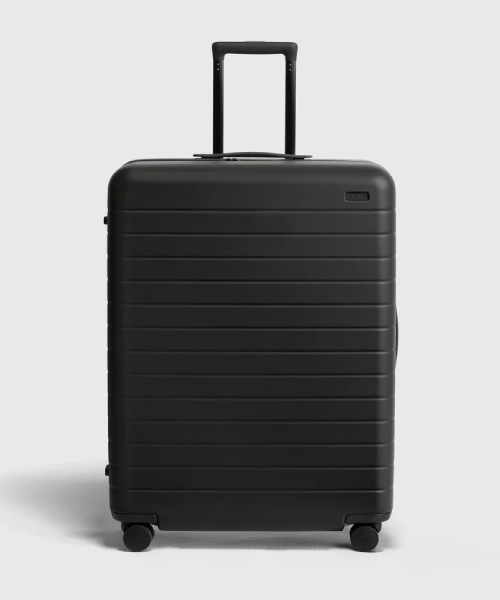
Price: £345-425
Available at: Away directly, in Away stores

Cashmere Sweaters for Women Worth Buying — What Doesn’t Pill

By Posted on 0 Comments4min read4 views

Cashmere Sweaters for Women Worth Buying — What Doesn’t Pill

The Best Cashmere Sweaters For Women Worth Buying — What Doesn't Pill

The cheap cashmere that pills within the first three months is the knitwear equivalent of jeans that stretch out by noon — a product that demonstrates its quality limitations in the first season of ownership. The pilling happens because the fibre is short-staple cashmere: short fibres break loose from the yarn and tangle into pills at the friction points (underarms, elbows, where bag straps contact the shoulder) in a timeline that reveals the quality tier purchased.

Long-staple cashmere — the fibre length specification that distinguishes quality cashmere from commodity cashmere — pills significantly less because the longer fibres are more securely held in the yarn structure. The visible pilling pattern of an expensive cashmere sweater after three years of regular wear looks better than the pilling pattern of a cheap cashmere sweater after three months.

What I Buy And Why

Johnstons of Elgin has manufactured cashmere in Elgin, Scotland since 1797. The continuity of this manufacturing history is not merely heritage marketing — it represents accumulated knowledge of cashmere processing that produces results observable in the finished garment.

The cashmere they use is long-staple from Inner Mongolia, processed in Scotland using water from the local river (which has specific mineral properties that affect the finishing). The resulting sweater has a weight and drape that I’ve noticed is different from other cashmere — a specific density and warmth that lighter cashmere doesn’t replicate.

After three winters of regular wear on the crewneck I bought from them, the pilling is confined to the underarm area and is modest rather than dramatic. The colour has maintained its depth. The shape is as it was when purchased.

At £350-420 for a crewneck, this is a genuine investment. The per-year cost over ten years of ownership — which is entirely achievable with appropriate care — works out to £35-42 per year of wearing something beautiful every day from October through March.

Price: £350-420
Available at: Johnstons of Elgin directly (johnstonsofelgin.com), Selfridges, Net-A-Porter

I want to include this because it answers a question that the cashmere conversation often avoids: what’s the right choice when you want quality knitwear without the cashmere investment?

Uniqlo’s Extra Fine Merino is not cashmere. It’s merino wool, processed finely enough that it doesn’t itch against bare skin. It has different properties — slightly more durable than cashmere, less insulating per weight, a slightly different hand. It is, for everyday wear where the knitwear is the top layer and practicality matters as much as luxury, the correct choice.

At £39.90, I buy multiple colours and wear them hard. They wash well, hold their shape, and the Extra Fine Merino specification means they don’t itch. This is what budget knitwear should look like — not cheap cashmere that disappoints, but quality merino at the right price for the material.

Price: £39.90
Available at: Uniqlo directly, in stores

Arket’s merino is a step up from Uniqlo in construction and colourway quality while remaining accessible. The GOTS certification covers both the organic fibre standard and the processing conditions. The turtleneck construction specifically is well-done — the ribbing is tight and consistent, the seam at the neck-to-body transition is clean, and the overall shape retention after washing is above what the price would predict.

Price: £89-110
Available at: Arket directly (arket.com), ASOS, in stores

Everlane’s cashmere is the place I’d direct someone who wants to try cashmere before committing to Johnstons pricing. The Grade-A specification is genuine — the fibre is longer than commodity cashmere and the pilling timeline is longer than cheap alternatives.

The honest limitation: it’s not Johnstons quality. After a season of regular wear, there’s more pilling than I’d see on the Scottish cashmere at the same point. The trade-off is a price approximately three times lower, which means the per-year cost comparison is closer than it appears.

Price: £100-140
Available at: Everlane directly (everlane.com)

How To Prevent Cashmere From Pilling

Hand wash or use the delicate cycle in a mesh bag — the mechanical action of a standard wash cycle accelerates fibre breakage. Lay flat to dry rather than tumble drying — heat and tumbling accelerate shrinkage and fibre stress. Store folded rather than hung — cashmere stretches under its own weight when hung for extended periods. Remove pills with a cashmere comb or fabric shaver — this doesn’t address the underlying cause but removes the visible evidence and improves appearance.

Conclusion

Cashmere is the category where buying quality once is more satisfying and ultimately more economical than buying cheap repeatedly. Johnstons of Elgin is the reference — the investment that produces genuine luxury for a decade of wearing. Uniqlo Extra Fine Merino is the correct alternative when the investment doesn’t make sense — quality merino is genuinely better than cheap cashmere at the same price. Arket bridges the gap at a quality level above Uniqlo. And Everlane is the accessible cashmere starting point for those who want cashmere without the Johnstons commitment. Whatever you choose, the fibre length is the specification that determines how long the sweater looks good — invest in that specification rather than in the brand name.

Reformation Review — Is It Actually Worth The Price? My Honest Take

By Posted on 0 Comments3min read7 views

Reformation Review — Is It Actually Worth The Price? My Honest Take

Reformation Review — Is It Actually Worth The Price? My Honest Take

Reformation is the brand that appeared in my feed first as a sustainability story and then, once I’d bought a few things, as an actual product assessment. The sustainability story is genuine — the brand publishes RefScale data for each product showing water usage, carbon output, and waste generated, and the numbers reflect genuine investment in sustainable production rather than greenwashing. I appreciated this when buying and continue to appreciate it.

The product assessment is more nuanced. Some Reformation pieces are genuinely excellent. Some have been disappointing in ways that matter. Here’s the honest account after two years and several purchases.

What I've Bought And What I Think

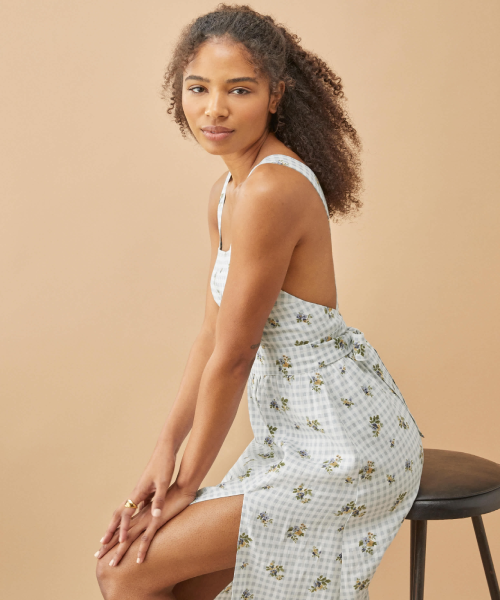
The Elara is the dress that most consistently justifies Reformation’s positioning. The Tencel-Lyocell fabric drapes in a way that makes the dress look considerably more expensive than the price, the adjustable straps accommodate different torso lengths so the length falls correctly across heights, and the colour options are thoughtfully curated rather than simply comprehensive.

After six months of regular wear and monthly washing (following their specific care instructions — cool wash, air dry), the Elara looks essentially the same as when I bought it. The drape hasn’t changed, the colour hasn’t faded, and the stitching at the adjustable straps is intact.

Price: £198-248
Available at: Reformation directly (thereformation.com)
Verdict: Worth buying. The drape and quality justify the price at this specific piece.

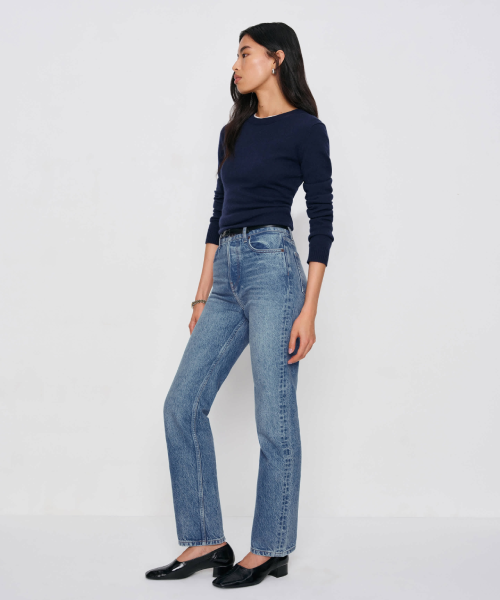
Reformation’s Los Angeles factory produces denim that’s among the most honest in the accessible luxury category. The Cynthia wide leg uses rigid denim that holds its shape because it can’t stretch significantly — no elastane, cotton construction, and the specific silhouette that wide-leg jeans should have (wide from the hip rather than from the knee).

The waistband fits high and stays there. The leg falls straight and maintains its fall through a day of wear. After washing, the dimensions return accurately.

Price: £148
Available at: Reformation directly
Verdict: Worth buying for the denim quality and shape retention.

I’ve bought two Reformation linen pieces — a shirt and a pair of trousers. Both are good. Neither is exceptional for the price in the specific way the dresses and denim are.

The linen is a blend rather than pure linen, which means the texture is softer and less distinctive than pure linen’s characteristic feel. The pieces look good and wear comfortably but at the price, I’d have preferred pure linen. This is a specific criticism rather than a general quality complaint.

Price: £98-168
Verdict: Good but check whether the linen content suits what you’re looking for before buying.

The Reformation knitwear has received more mixed reviews in my experience than the other categories. The pieces I’ve tried have pilled earlier than the price would predict. For knitwear specifically, Uniqlo’s Extra Fine Merino or Arket’s equivalent provides better quality per pound.

Price: £98-148
Verdict: Look elsewhere for knitwear at this price.

The Honest Overall Assessment

Reformation is genuinely good at: dresses (the Tencel drape is exceptional), denim (the rigid construction holds its shape), and the sustainability credentials (genuinely substantive rather than superficial).

Reformation is not exceptional at: knitwear, linen blends, and any category where the fabric blend falls short of what the price suggests.

The brand is worth buying from if you’re buying the right pieces. The dress and denim categories are the right pieces. The knitwear category is not.

Ankle Boots for Women Worth Buying — What I’ve Bought and What I’d Buy Again

By Posted on 0 Comments4min read5 views

Ankle Boots for Women Worth Buying — What I’ve Bought and What I’d Buy Again

The Best Ankle Boots For Women Worth Buying — What I've Bought And What I'd Buy Again

The ankle boot is the most-used shoe in my wardrobe from September through March, which means the pair I buy in September receives approximately six months of near-daily wear before the weather changes. This use frequency is the most honest test of what boots are actually worth buying — the pair that looks great in October and shows significant wear by February is not, objectively, a good purchase regardless of how it looked when new.

I’ve learned more from the boots that disappointed me than from the ones that worked. The specific points of failure — the heel that compressed and lost its height, the leather that scuffed without the marks that good leather develops into character, the zipper that started catching at month four — each taught me something about what to look for.

What I Look For Now

The heel attachment. Block heels that are screwed or nailed into the boot sole are more durable than those that are glued only. You can’t tell from the outside, but you can tell from how the heel feels when you press it — it should be completely solid without any flex between heel and sole.

The leather quality. Good leather scratches into marks that buff partially out and develop into the patina of a worn-in boot. Poor leather scuffs into marks that stay as damage. The difference becomes apparent within a month of regular wear. Before buying, look for leather with some visible grain — completely smooth, highly processed leather is often lower quality than it appears.

The lining. An unlined leather boot becomes uncomfortable in cold weather because the leather conducts cold. A leather-lined boot is warmer. A synthetic-lined boot is warm but can cause foot moisture issues. Worth checking before buying.

The Boots I'd Buy Again

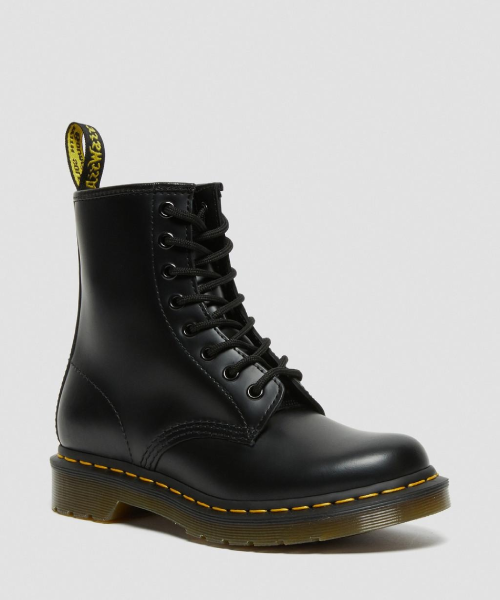
I’ve owned one pair of Dr. Martens 1460 boots since 2019. They are sitting in my wardrobe right now looking exactly as they looked when I bought them, accounting for the patina of five years of regular wear that I would describe as improvement rather than deterioration.

The Goodyear welt construction — heat-bonded sole to upper — is the reason. The bond doesn’t fail in cold or wet conditions the way adhesive-only soles do. The PVC sole resists oil and water. The leather (Smooth, Pebble, or the newer alternatives) is thick enough to be genuinely durable while being soft enough to become comfortable after the break-in period.

The break-in period is real. The first two to three weeks of regular wear are uncomfortable in the specific way of stiff leather that hasn’t yet shaped to the foot. Thick socks help. After break-in, these are the most comfortable boots I own.

Price: £170-200
Available at: Dr. Martens directly (drmartens.com), ASOS, Schuh

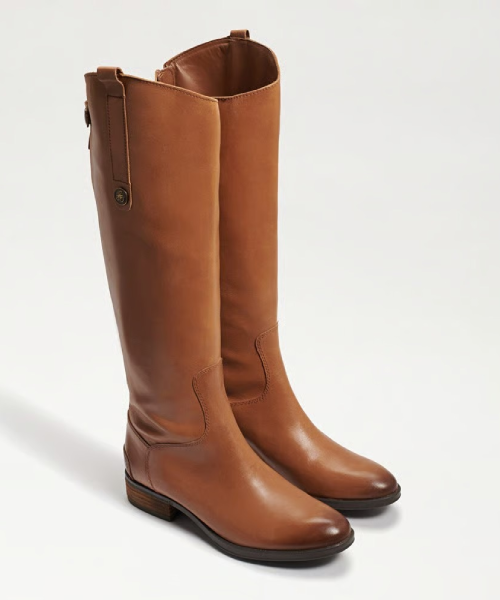
The Sam Edelman Packer at £150-180 has been the mid-range boot I’ve recommended most consistently because the shape retention through a full day of wear is above what the price predicts and the leather, while top-grain rather than full-grain, holds up through a season of regular use without the rapid deterioration that cheaper alternatives produce.

The riding boot silhouette suits a wide range of outfits — more versatile than the more fashion-specific silhouettes — and the block heel (low, functional) makes it genuinely comfortable for the walking that a daily-wear boot requires.

Price: £150-180
Available at: Sam Edelman, Nordstrom, ASOS

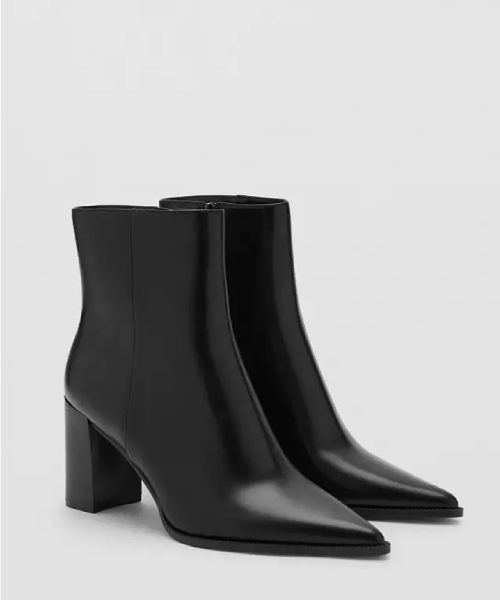
Mango produces leather ankle boots that consistently outperform their price, and the flat or low-heeled ankle boot is the specific category where this is most apparent. The leather is genuine, the construction is solid for the price, and the simple silhouette suits the widest range of outfits in the wardrobe.

Price: £99-135
Available at: Mango directly (mango.com), in stores

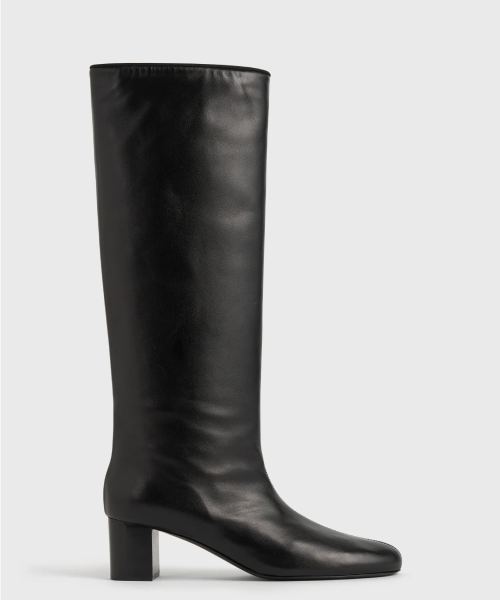
I bought the Totême knee-high boot at the beginning of last autumn and this is the first mention of them in my regular context rather than in a review context. They’re the boots I reach for most during the colder months.

The specific quality: the leather is supple from day one (no break-in period), the block heel is stable for extended walking, and the knee-high shaft fits a genuine range of calf sizes without alteration. After one season of regular wear, they look like quality leather boots that have been worn well — which is exactly what they are.

Price: £595-695
Available at: Totême directly, Net-A-Porter

Conclusion

The ankle boot that’s worth buying is the one that maintains its appearance and comfort through a full season of daily wear. Dr. Martens is the durability reference — the boots that genuinely last years, even with minimal care beyond occasional conditioning. Sam Edelman provides mid-price quality that holds up through a season without the Dr. Martens break-in commitment. Mango is the accessible leather option for those who want genuine leather without significant investment. And Totême is the premium investment for those who want the most considered boot for daily wear over multiple years. Whatever you choose, prioritise the quality of the sole attachment and the leather thickness over any other visible features — these are the elements that determine whether a boot lasts one season or five.

Jeans for Women That Actually Hold Their Shape — Honest After Multiple Pairs

By Posted on 0 Comments4min read4 views

Jeans for Women That Actually Hold Their Shape — Honest After Multiple Pairs

The Best Jeans That Actually Hold Their Shape For Women — Honest After Multiple Pairs

The jeans that stretch out by noon are the specific frustration I spent several years accepting as inevitable before discovering it wasn’t. The waistband that fitted perfectly when I got dressed and had relaxed by midday. The thighs that bagged with each sitting-and-standing cycle until the jeans looked like they belonged to someone with larger legs. The knees that developed forward-pointing bubbles by hour six.

This is elastane failing to recover. Modern jeans contain elastane for comfort — it allows stretch that rigid denim doesn’t have. The problem is that elastane’s elastic memory degrades during wear and returns (partially) only after washing. The rate of degradation and recovery is determined by the quality of the elastane, the percentage of it in the fabric, and the construction of the denim weave around it.

Better jeans stretch. Better jeans also return.

The Jeans That Actually Held Their Shape

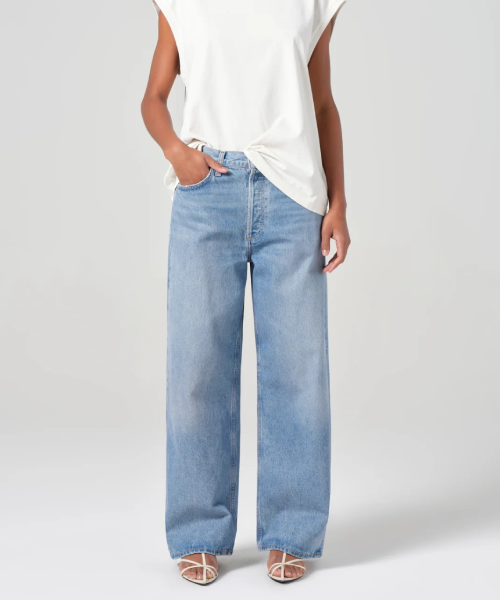
Agolde jeans are the ones I buy when I want the pair that works for years rather than seasons. The Low Slung Baggy is not actually baggy — it’s a relaxed straight leg that drapes rather than clings, and the 100% cotton construction (no elastane) is why it holds its shape through a full day of wear and returns to its original dimensions after washing.

Cotton without elastane doesn’t stretch into new shapes — it stretches slightly and returns. The trade-off is that the initial wear is stiffer and requires a break-in period of a few uses before the cotton relaxes to comfortable. After that, the jeans move with the body without memorising new shapes.

The washing and drying instructions matter with Agolde: cold wash, air dry. Machine heat shrinks rigid denim and produces dimensional changes that are difficult to reverse.

Price: £220-250
Available at: Agolde directly, SSENSE, Net-A-Porter, Revolve

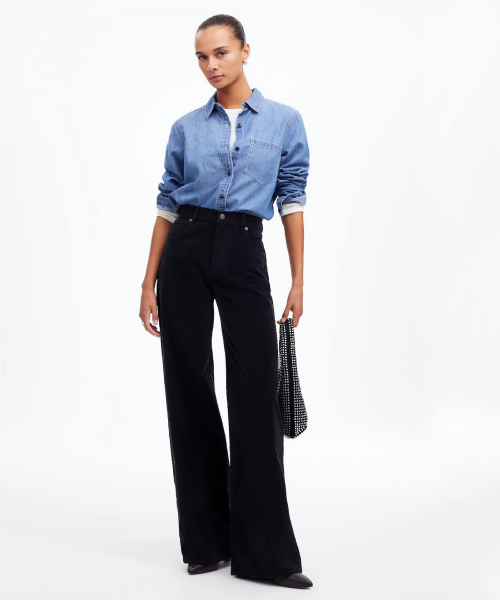
The Madewell Superwide Leg is a genuine wide leg — not a widened straight leg — and the fabric uses a cotton-elastane blend with a high enough elastane quality that the shape recovery is noticeably better than cheaper denim at similar elastane percentages.

After a full day of wearing, the waistband needs no readjustment. The leg maintains its width and fall rather than compressing inward at the thigh from sitting. After washing, the dimensions return accurately enough that the jeans feel the same on day-one-post-wash as they do when first put on.

At £138, these are the mid-price recommendation that I’d suggest before spending the Agolde amount, specifically to confirm whether the wide-leg silhouette works for the wearer before committing to the premium version.

Price: £138
Available at: Madewell directly, Nordstrom

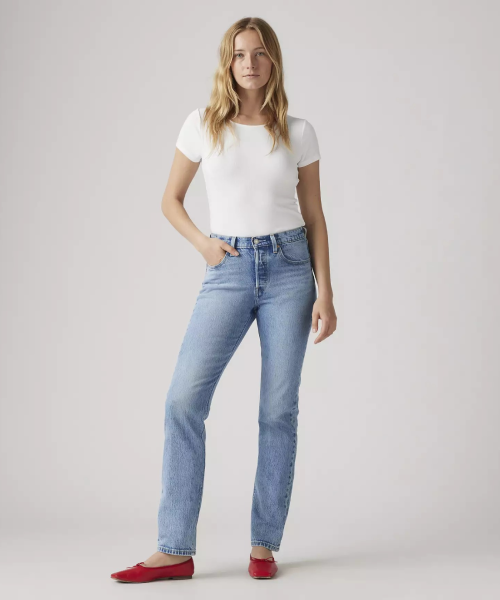
The Levi’s 501 is rigid denim and zero elastane — the original construction that predates the elastane era. It does not stretch during the day because it cannot stretch. The trade-off is a stiffer initial wearing experience and a break-in period measured in weeks of regular wear rather than uses.

What you get in return is the most consistent shape retention of any denim available. The specific fading pattern that develops on rigid denim — wear lines at the knees, front thighs, and back of the knee — is the patina that makes worn-in denim look genuinely good rather than simply used.

At £80-90, it’s the most accessible quality denim recommendation and the one that produces the most character with time.

Price: £80-90
Available at: Levi’s directly (levi.com), ASOS, department stores

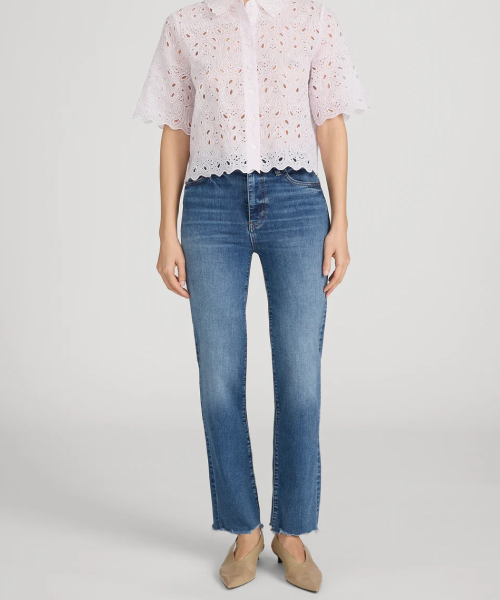
FRAME is a Los Angeles denim brand that uses premium Japanese denim in constructions calibrated for shape retention as a primary design criterion. The Le Garcon (their boyfriend-fit option, though the name undersells how flattering it actually is) is the recommendation for those who want to spend more for clear quality improvement.

The Japanese selvedge denim holds its shape through a day of wear, develops character over time, and the quality of the hardware — buttons, rivets, waistband — reflects the same attention as the fabric.

Price: £285-320
Available at: FRAME directly (frame-store.com), Nordstrom, Net-A-Porter

The One Thing That Makes Any Jeans Last Longer

Wash less frequently. Denim companies including Levi’s explicitly recommend not washing jeans after every wear — the mechanical action of washing degrades the fibers faster than wearing does, and most of the changes that happen during a day of wear (shape relaxation, minor marks) can be addressed with spot cleaning and airing.

I wash my jeans every four to six wears unless something specific requires earlier washing. The shape recovery after washing is more complete on rested denim than on denim washed repeatedly at short intervals.

Nisolo Review — Are These Ethical Leather Shoes Actually Worth the Price?

By Posted on 0 Comments8min read16 views

Nisolo Review — Are These Ethical Leather Shoes Actually Worth the Price?

Save 25% Off On Your All Orders

Save 25% Off On Your All Orders

Save 25% Off On Your All Orders
VIP25
SHOW COUPON
On Going Offer
  • It Works 100% Success It Doesn’t
  • 15% Off Sitewide

    15% Off Sitewide

    15% Off Sitewide
    FIRST15
    SHOW COUPON
    On Going Offer
  • It Works 100% Success It Doesn’t
  • Get Free Shipping On Order Over $130

    Get Free Shipping On Order Over $130

    Get Free Shipping On Order Over $130
    ACTIVATE DEAL
    On Going Offer
  • It Works 100% Success It Doesn’t
  • Sale! Save Upto 40% Off On Selective Items

    Sale! Save Upto 40% Off On Selective Items

    Sale! Save Upto 40% Off On Selective Items
    ACTIVATE DEAL
    On Going Offer
  • It Works 100% Success It Doesn’t
  • Shop Our New In Collection Starting From $9

    Shop Our New In Collection Starting From $9

    Shop Our New In Collection Starting From $9
    ACTIVATE DEAL
    On Going Offer
  • It Works 100% Success It Doesn’t
  • Checkout Our Bestsellers Collection Starting From $24

    Checkout Our Bestsellers Collection Starting From $24

    Checkout Our Bestsellers Collection Starting From $24
    ACTIVATE DEAL
    On Going Offer
  • It Works 100% Success It Doesn’t
  • Explore Our Boots Collection Starting From $57

    Explore Our Boots Collection Starting From $57

    Explore Our Boots Collection Starting From $57
    ACTIVATE DEAL
    On Going Offer
  • It Works 100% Success It Doesn’t
  • Nisolo Review — Are These Ethical Leather Shoes Actually Worth the Price
    Nisolo Review 9 min read

    Sustainable fashion has a credibility problem. Most brands that lead with the ethics angle are counting on you not looking too closely at what they're actually selling. The photography is great, the About page is full of language about fair wages and artisan craftsmanship, and then the shoes fall apart within a year.

    Nisolo looks the same from the outside. Handcrafted in Peru. Certified B Corp. Ethical wages. It sounds like every other DTC brand that figured out which words to put on a homepage. The difference shows up when the shoes actually arrive.

    Who Nisolo Actually Is

    Nashville, 2011. A small group of people who had spent time in Peru noticed something obvious — skilled shoemakers in Cusco were producing quality work and getting paid badly for it. Nisolo started as a direct connection between those craftspeople and consumers willing to pay a fair price for what they were making. The original Cusco factory still runs. They've added facilities in Mexico and Kenya since then, all certified under Fair Trade and B Corp standards.

    What actually sets Nisolo apart from other ethical brands is how specific they get. Every product carries a sustainability facts label — not "we pay living wages" in vague language, but the actual wage paid to the worker who made the shoe, the carbon footprint in CO2 equivalent, the facility name and location. Numbers, not promises. Nisolo has been doing it consistently since 2011.

    Price range is $120 to $250 for most styles. More than fast fashion, less than European heritage brands making comparable shoes. A Goodyear welt shoe from a British or Spanish brand with equivalent leather quality costs $350 to $500. Nisolo is the middle option that doesn't compromise on construction.

    Why Construction Method Matters Before You Buy

    Most people have never owned a Goodyear welt shoe. Cemented shoes — which covers most footwear under $200 — are glued together. Upper to midsole to outsole, all adhesive. When the glue fails or the sole wears through, the shoe is done. This is intentional. It drives repeat purchases. The shoe has a built-in expiration date.

    Goodyear welt shoes are stitched together through multiple layers of material. When the sole wears out, a cobbler stitches on a new one. The upper keeps going. A properly maintained Goodyear welt shoe can last twenty years. The purchase price looks different when you divide it by twenty rather than two. Nisolo uses this construction on their leather dress shoes and boots at $168 to $220 — a construction level most shoes at twice the price don't offer.

    Which Nisolo Is Right for You?
    Handcrafted leather shoes built to last years, not seasons
    Chelsea Boot
    Best Boot

    Chelsea Boot

    ~$218
    Full-grain · Goodyear welt
    • Works with jeans and trousers
    • Elastic panels hold shape
    • Develops patina with wear
    • Resoleable construction
    Check Price on Nisolo
    Huarache Sandal
    Best Sandal

    Huarache Sandal

    ~$128
    Handwoven leather · Rubber sole
    • Hand-woven by Cusco artisans
    • Footbed molds to your foot
    • Better worn-in than new
    • Best entry point for Nisolo
    Check Price on Nisolo
    Go-To Sneaker
    Best Sneaker

    Go-To Sneaker

    ~$148
    Leather upper · Leather lining
    • Clean minimal silhouette
    • True to size fit
    • Works with almost anything
    • Short break-in period
    Check Price on Nisolo

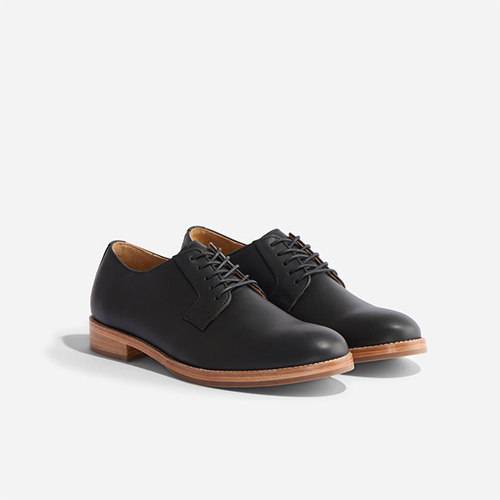
    Nisolo Santiago Derby

    The Santiago Derby is the most versatile shoe in the lineup. Clean silhouette, full-grain leather upper, leather sole with rubber heel cap. Works with tailored trousers and dark jeans without looking out of place in either direction.

    Two things to know before ordering. The fit runs narrow — if you have a wider foot or sit between sizes, go up half a size. And the break-in is real. Leather soles on hard floors feel stiff for the first week. Not painful, just structured in a way foam-soled shoes aren't. Push through it. By week two the leather has softened enough to mold to your foot. Full-grain leather at this price develops patina rather than cracking — it looks better at three years than it did at three weeks. Price around $168.

    Sizing tip: The Santiago runs narrow. If you're between sizes or have a wider foot, go up half a size before ordering.

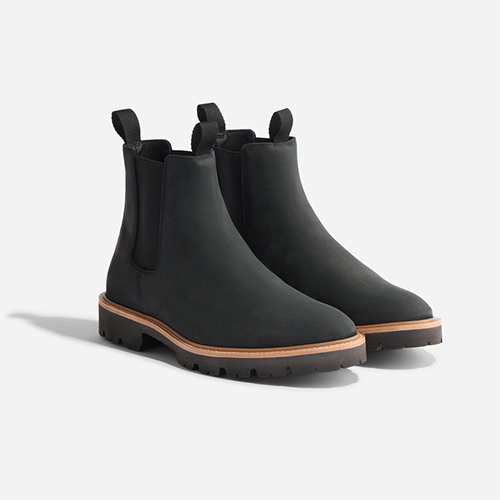
    Nisolo Chelsea Boot

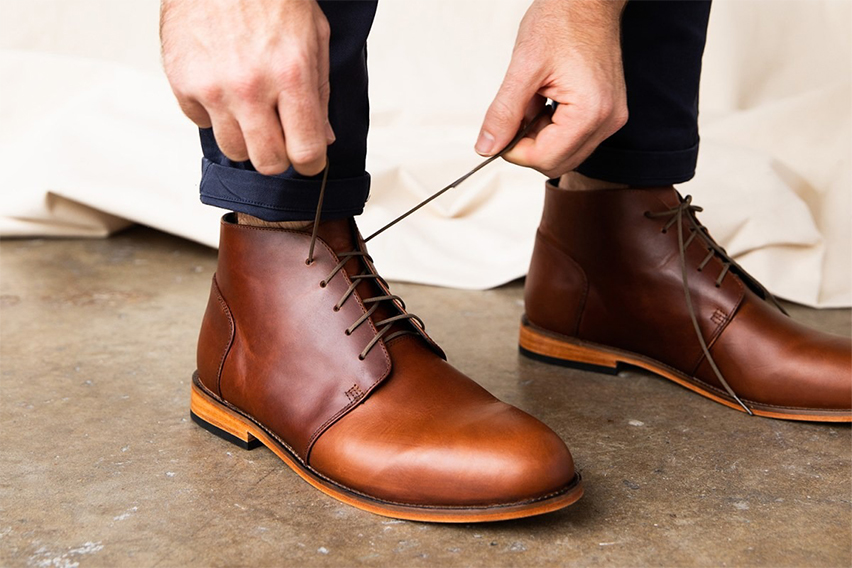
    Chelsea boots are easy to get wrong. The wrong version has a toe that's too pointed, synthetic leather that creases badly within months, and proportions that only work with one outfit. The Nisolo Chelsea doesn't have those problems. The toe sits between rounded and squared — not aggressively either direction, which is what makes it work with jeans and trousers equally well. Full-grain leather upper, elastic side panels that hold their shape after extended wear.

    This is a boot that improves with age. Real leather develops patina. Scuffs either polish out or become part of the character. A year of regular wear on a Nisolo Chelsea makes it look more considered than it did brand new. Break-in is similar to the Derby, one week then the leather softens properly. Price around $218.


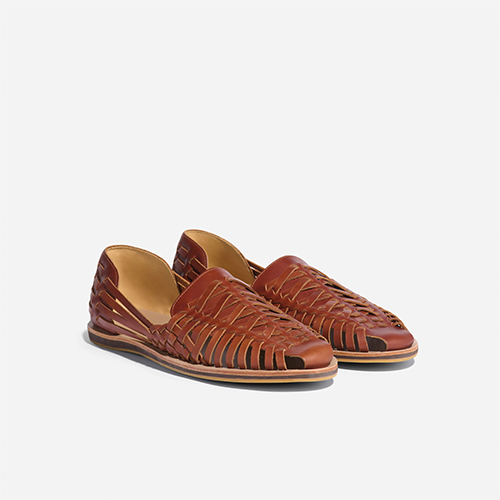
    Nisolo Huarache Sandal

    This is where Nisolo's Peruvian roots are most visible. The woven leather upper is done by hand by artisans in Cusco — slightly irregular in the way handwork always is, which reads as craft rather than imperfection. Genuine leather footbed, rubber outsole, adjustable ankle strap.

    Most leather sandals at this price look good in photos and fall apart within a summer. The Huarache is built differently. The leather softens with wear rather than drying out. The footbed develops a custom impression of your foot over time. They look better worn-in than new. Price around $128 — the most accessible entry point in the lineup.


    Nisolo Go-To Sneaker

    The Go-To Sneaker works because it doesn't try to compete with performance sneakers. Leather upper, leather lining, cupsole. No logo on the side panel. No color blocking. The silhouette is clean in a way that reads intentional rather than boring. Fit is true to size here, unlike the narrow derby and boot. Works with jeans, chinos, shorts, and most casual outfits precisely because it doesn't call attention to itself. Price around $148.


    What Nisolo Gets Right

    The leather quality is the main thing. Full-grain at this price point is unusual — most competitors use corrected-grain with a heavy surface coating that cracks within two years. Full-grain ages rather than deteriorates. The sustainability numbers are real specificity rather than marketing language. Wages paid. Carbon figures. Certifications with documentation. That level of transparency is hard to fake over thirteen years of operation.

    Where They Fall Short

    The break-in period catches people off guard because Nisolo doesn't warn about it loudly enough. Someone who buys the Derby and wears it to an event on day one will be uncomfortable and blame the shoe — it needs a week of casual wear first. The narrow fit on the derby and boot catches people who skip the fit guide. The catalog is also intentionally small — if you want lots of options and variety, this isn't that brand.

    The Honest Answer on Whether Nisolo Is Worth It

    For anyone replacing cheap shoes every year or two — yes, the math works. A $168 derby that lasts eight years and can be resoled is cheaper per year than a $65 shoe replaced annually. Better looking, better fitting over time, and not ending up in landfill on a fourteen-month cycle. Derby for dress and smart casual. Chelsea for boots season. Huarache for summer. Go-To for everyday casual. That's a complete footwear rotation from one brand at a combined cost lower than most people spend on shoes over three years without thinking about it.

    All 4 Products — Quick Comparison

    ProductPriceConstructionBest For
    Santiago Derby~$168Goodyear WeltDress & smart casual
    Chelsea Boot~$218Goodyear WeltAutumn & winter
    Huarache Sandal~$128Handwoven leatherSummer everyday
    Go-To Sneaker~$148CupsoleCasual everyday

    Nisolo is for people who want to buy less and buy better. Real leather, real construction, made by people paid fairly. Four products cover everything you need.

    Shop Nisolo — Official Site

    How I Built A Capsule Wardrobe That Actually Works — What I Kept, What I Let Go

    By Posted on 0 Comments4min read7 views

    How I Built A Capsule Wardrobe That Actually Works — What I Kept, What I Let Go

    How I Built A Capsule Wardrobe That Actually Works — What I Kept, What I Let Go

    I tried the capsule wardrobe concept twice before it worked. The first attempt was in 2019, when I read the right articles and bought a specific set of “capsule essentials” that the content told me I needed. I still have a camel wrap coat I wore five times and a pair of wide-leg navy trousers that required more thought to style than my wardrobe apparently had available. Both are very nice pieces. Neither suits my actual life.

    The second attempt was more successful but still flawed — I edited aggressively, felt virtuous about owning fewer things, and then gradually re-accumulated because I’d removed things that were actually useful alongside things that weren’t.

    The third attempt, which I’ve now maintained for about two years, works. Here’s what’s different about it.

    What Was Wrong With The First Two Attempts

    The first attempt was built around an aspirational version of my life. The capsule wardrobe I assembled was appropriate for a person who works in an office four days a week, attends events regularly, and has a lifestyle that requires a consistent range of semi-formal outfits. My actual life involves working from home, occasional dinners out, and weekends that are a mix of errands and outdoor time with the kids. The aspirational wardrobe and the real wardrobe had almost no overlap.

    The second attempt was built around what I thought I should want rather than what I actually reached for. I kept the “high quality investment pieces” that the capsule wardrobe guides told me to keep and removed the things that felt too casual or too trend-specific — which turned out to be a significant portion of what I actually wore every day.

    The third attempt started with tracking what I actually wore for two weeks before touching anything in the wardrobe. The result was that my real wardrobe was approximately twelve pieces worn repeatedly and about forty pieces worn rarely or never.

    What A Real Capsule Wardrobe Looks Like

    My current working wardrobe for the colder months: three pairs of jeans (dark wash straight leg worn most, light wash straight leg for weekends, a slightly dressier pair for occasions), four simple tops (two white, one grey, one black), two knitwear pieces (a merino crewneck, a heavier boucle cardigan), one blazer (camel, oversized, from Cos — worn almost daily), one pair of smart trousers for occasions requiring them, a leather jacket, and the trench coat.

    Shoes: Stan Smiths for daily wear, ankle boots for evenings and colder days, loafers for work-adjacent occasions, one pair of heels that I actually like wearing.

    That’s it. The specific number is not the point — the point is that every item in the current version is something I reach for, something that works with most other items, and something that suits my actual life rather than an aspirational version of it.

    The Brands I Actually Buy From

    The Cos oversized blazer is the most-worn single garment I own. The cut, the fabric weight, the way it makes everything under it look more intentional — it’s the piece that validates the investment in a quality version of what might otherwise seem like a basic item. I’ve bought two of the same blazer in two years because the first one wore enough that I wanted a backup.

    Cos also does knitwear, trousers, and simple tops that occupy the same quality-to-price position — better than high street, not as expensive as true investment brands.

    Price: Blazer from £175, knitwear from £75
    Available at: Cos directly (cos.com), in stores

    The specific denim problem I had before Madewell was jeans that stretched out by midday and required a wash to return to their original fit. The Madewell 10-inch High Rise Slim holds its shape through a full day of wear in a way that cheaper denim doesn’t, and returns to original dimensions after washing rather than permanently stretching.

    Price: Jeans from £108
    Available at: Madewell directly (madewell.com), Nordstrom

    The white t-shirt, the simple grey crew neck, the merino wool base layers — Uniqlo does these better than most brands at much higher prices and there’s no sensible argument for spending more on these categories when Uniqlo’s quality is genuinely good and consistently reliable.

    The Extra Fine Merino crewneck at £39.90 is the single best value knitwear available. Full stop.

    Price: From £12.90 for basics
    Available at: Uniqlo directly (uniqlo.com), in stores

    The Actual Lesson

    The capsule wardrobe that works is built around your real life, assembled through observation of what you actually wear, and maintained by being honest about what “useful” means rather than what “quality investment piece” means to someone whose life is different from yours.

    The internet capsule wardrobe is beautiful and largely irrelevant to most people’s actual circumstances. Your capsule wardrobe should look like your actual life and feel like the best version of it.

    Trench Coats for Women Worth Buying — What I’ve Learned After Multiple Purchases

    By Posted on 0 Comments5min read6 views

    Trench Coats for Women Worth Buying — What I’ve Learned After Multiple Purchases

    The Best Trench Coats For Women Worth Buying — What I've Learned After Multiple Purchases

    The trench coat is the piece of outerwear that I’ve consistently bought wrong and then right and then eventually understood well enough to know what I was looking for. The first one I bought was from Zara, on sale, because it was a trench coat and the price was good. It looked fine the first season and progressively less fine as the fabric pilled, the belt refused to stay tied properly, and the collar wouldn’t lie flat without intervention. I donated it after two years.

    The second one was from a mid-market brand — better quality, same general category of issue at a slower pace. I gave it three years before accepting that the specific combination of too-light fabric and a collar that needed pinning was a design limitation rather than a quirk I’d get used to.

    The third one was a deliberate decision based on what I’d learned from the first two. I spent more than I had previously, chose based on fabric weight and construction details rather than on how it looked in the product photograph, and I have now worn it for over three years without a single moment of wanting to replace it.

    What The Trench Coat Decisions Taught Me

    The belt is diagnostic. A trench coat with a belt that’s too thin, too short to tie properly, or made from inferior material to the coat body is a coat where other quality shortcuts have also been made. The belt should be the same weight as the coat’s exterior fabric and long enough to tie a proper knot with fabric to spare.

    The lapels tell you everything. Good trench coat lapels lie flat against the chest without intervention. They curve naturally at the roll and the curve is even from left to right. Cheap interfacing produces lapels that gap from the chest or roll inconsistently.

    The fabric weight determines how the coat looks. A coat that floats off the shoulders hasn’t been made with enough material to drape correctly. Proper gabardine has body — it holds its shape when you remove it, stands slightly rather than collapsing, and produces the structured silhouette the design is based on.

    The Trench Coats Worth Buying

    At £295, the & Other Stories trench coat is the entry to quality that I’d recommend as the starting point. The fabric has appropriate weight for the price — heavier than high-street alternatives and lighter than the premium versions, but in the range where it drapes and holds its shape through an actual day of wear.

    The belt is correctly proportioned and long enough to tie properly. The lapels lie flat. The lining is polyester rather than silk, which is appropriate for the price. The overall construction is above what most trench coats at this price deliver.

    Available in classic camel, khaki, and occasionally in seasonal colours. The camel is the version worth buying for maximum versatility — it works with black, navy, grey, and most neutral palette outfits without requiring any coordination consideration.

    Price: £295
    Available at: & Other Stories directly, ASOS

    The Totême trench at £695 is the step up from & Other Stories that produces a clearly observable quality difference rather than a marginal one. The Totême’s fabric is heavier, the construction is more careful, and the specific proportions — a slightly more relaxed shoulder, a more precisely calibrated belt width — reflect more investment in pattern development.

    The coat holds its shape without any visible effort. The lapels curve exactly as designed. The belt produces a knot that stays where you tie it rather than slowly unknotting over the course of a day.

    For those who will wear the trench as a primary outer layer for much of the year and want something that rewards that use with consistent quality, the Totême justifies the price over five years of regular wear.

    Price: £695
    Available at: Totême directly (toteme-studio.com), Net-A-Porter

    Marks & Spencer’s trench coat has been consistently underestimated in the quality-for-price conversation, and the Pure Cotton version specifically warrants mention for a reason most people haven’t considered: the cotton content.

    Most accessible trench coats use polyester or polyester-cotton blends because pure cotton gabardine is more expensive. The M&S pure cotton version behaves like cotton rather than like synthetic — it breathes, it drapes, and it develops the specific worn-in quality that natural fiber coats develop and that synthetic alternatives don’t.

    At £149-169, the pure cotton M&S trench is the best material quality per pound in the category and consistently outperforms comparably priced alternatives on longevity.

    Price: £149-169
    Available at: Marks & Spencer directly (marksandspencer.com), in stores

    I have not personally owned a Burberry Westminster trench. I have spent time with them in stores and with friends who own them and I’ve reached the conclusion that the gap between the Burberry and the premium accessible alternatives is real and observable in the specific ways that matter for a coat: the fabric density, the construction precision, the specific way the collar sits.

    Whether that gap justifies the price difference is a calculation that involves how long you’ll own it, how often you’ll wear it, what the resale market looks like (Burberry trenches hold value well), and what the coat represents beyond the functional.

    The secondhand market for Burberry trenches is genuinely well-supplied — The RealReal, Vestiaire Collective, and eBay all carry Burberry Westminster coats at 35-55% of retail in grades that range from excellent to very good. At those prices, the reference trench becomes a much more accessible proposition.

    Price: £2,200 new, £800-1,400 secondhand
    Available at: Burberry directly, Department stores; secondhand on The RealReal, Vestiaire Collective

    How To Wear It

    The belt knot, not the bow. A half-knot with one end longer than the other reads as more contemporary and more intentional than a bow, and holds better through a day of wearing.

    Open over a layered outfit — a cashmere turtleneck, straight-leg jeans, loafers — is the most versatile everyday interpretation.

    Belted over a slip dress for evenings — the contrast between the structured coat and the fluid dress creates an interesting tension that makes both pieces look better than either would separately.

    Conclusion

    The trench coat rewards the investment that matches how much you’ll wear it. & Other Stories at £295 is the starting point for genuine quality — buy here before spending more, and use it to understand what you want from a trench coat. Totême at £695 is the next level that produces a clearly better garment. M&S at £149-169 is the best material quality per pound for those who prioritise cotton over brand. And Burberry secondhand is the reference product at prices that make the investment more defensible than new retail. Whatever you buy, check the belt first — if it’s right, the rest of the coat usually is too.

    White Sneakers Worth Buying — I’ve Bought a Lot of Them, Here’s What I Know

    By Posted on 0 Comments6min read6 views

    White Sneakers Worth Buying — I’ve Bought a Lot of Them, Here’s What I Know

    The Best White Sneakers Worth Buying — I've Bought A Lot Of Them. Here's What I Know

    The white sneaker has been the most versatile shoe in my wardrobe for the better part of eight years. This is not a fashion observation — it’s a practical one. White sneakers with a midi dress, with straight-leg jeans, with tailored trousers, with weekend casual: they work. More consistently than any other shoe I own, white sneakers require no decision-making about whether they’re appropriate. They just work.

    The problem is that I’ve bought several pairs that didn’t. The pair that yellowed at the sole within three months. The pair that came apart at the toe after six months of daily wear. The pair that looked exactly right and felt wrong enough that I’d find reasons not to wear them. The expensive pair that I babied so much they became more anxiety than footwear.

    Here’s what I’ve actually learned from too many pairs of white sneakers.

    What Makes A White Sneaker Actually Worth Buying

    The upper material is the main variable. Leather (genuine full-grain leather) holds its shape, takes a polish, and develops a patina that looks intentional rather than worn. Canvas is lighter, more casual in character, absorbs dirt more readily. Technical mesh breathes well and is typically the least durable of the three for daily wear.

    The sole material determines yellowing. All white rubber soles yellow eventually — it’s a chemical reaction between the rubber compounds and UV light that can’t be fully prevented, only slowed. Quality rubber compounds yellow more slowly. Cleaning the sole regularly with a melamine sponge removes surface oxidation before it sets.

    The construction quality is visible in the glue line at the sole. Cheap sneakers cemented with visible, uneven glue lines fail at the toe within months of regular wear. Quality sneakers have either vulcanized soles (heat-bonded) or a clean, even cement line that holds through years of use.

    The Best White Sneakers I've Bought

    I’ve bought three pairs of Stan Smiths over eight years. Not because they fall apart — the first pair lasted three years of regular wear before I replaced them because they needed a professional resoling that wasn’t worth the cost at that point. I replaced them because I’d tried alternatives and kept coming back to the Stan Smith as the reference.

    The specific proportions are why. The Stan Smith is not a fashion shoe that’s been popularised — it’s a shoe designed in the 1970s whose proportions turned out to be genuinely correct for the purpose of a simple, flat, low-profile white leather trainer. The silhouette sits on the foot without calling attention to itself, works with a genuinely unusual range of outfits, and doesn’t look dated because it was never specifically dated to begin with.

    The leather version is the only one worth buying for longevity. The suede version looks beautiful and scuffs. The canvas version is fine for summer but doesn’t hold its shape through seasons of use. The full-grain leather upper is the material that makes this shoe worth its price.

    Sizing runs slightly narrow in the toe box. I size up a half for comfortable daily wear.

    Price: £90-100
    Available at: Adidas directly (adidas.co.uk), ASOS, Foot Locker

    I was resistant to Veja for the same reason I’m resistant to most things that develop a following: the following obscures the product. The Campo became the sneaker that everyone had for about two years, which made me want to assess it as a product rather than as cultural currency.

    The assessment: genuinely good. The Campo’s leather is sourced from farms audited for environmental practices, the sole uses Amazon wild rubber, and the overall supply chain transparency is more substantive than most brands offering similar claims. This matters to me in the specific sense that I prefer knowing what I’m buying and from whom.

    The product itself: the sole is noticeably more substantial than the Stan Smith’s thinner unit, the leather quality is good, and the proportions are slightly different — a rounder toe than the Stan Smith, a slightly higher profile. It doesn’t disappear into an outfit in the same way; it has more visible presence.

    The break-in period is real. The Campo is stiff for the first two to three weeks and then becomes comfortable as the leather shapes to the foot.

    Price: £140-170
    Available at: Veja directly (veja-store.com), Net-A-Porter, ASOS

    The New Balance 550 is a basketball shoe silhouette — originally released in 1989, brought back to lifestyle prominence in the past few years — and this heritage shows in the construction. The build quality reflects the shoe’s original purpose of withstanding court use, which means it’s genuinely durable for the more modest demands of daily city wear.

    The silhouette is chunkier than the Stan Smith or Veja. The sole is thicker, the toe box rounder, the overall profile more substantial. I wear these specifically with wide-leg jeans and straight-cut trousers, where the proportion balance works. With slim trousers or tailored pieces, the volume of the sole can feel disproportionate.

    Price: £110-120
    Available at: New Balance directly (newbalance.co.uk), JD Sports, ASOS

    I’ve owned one pair of Common Projects. I bought them secondhand for significantly less than retail from someone who had sized wrong. They are the most considered, best-made white sneaker I’ve worn.

    The Italian manufacturing is visible in every detail — the weight of the leather, the precision of the sole attachment, the specific way the upper holds its shape regardless of what it’s put through. The gold foil numbers on the heel (the production details rather than a logo) are the visible expression of the manufacturing philosophy.

    At £450 new, the Common Projects are not an accessible recommendation. At 40-50% of retail secondhand (they appear regularly on The RealReal, Vestiaire Collective, and eBay), they become a compelling value proposition for people who treat footwear as a long-term investment rather than a seasonal purchase.

    Price: £450 new, £180-280 secondhand
    Available at: Common Projects directly, SSENSE, Selfridges; secondhand on The RealReal, Vestiaire

    At £65-80, the Superga 2750 is the most honest white sneaker at an accessible price: Italian manufacturing, vulcanized rubber sole, canvas upper in genuine white (not off-white or cream claiming to be white), and a silhouette that’s been unchanged since 1925 for the reason that it doesn’t need to change.

    Canvas has different wear characteristics from leather — it absorbs dirt more readily and doesn’t develop the same patina. The Superga can go in a washing machine (cold, gentle cycle, in a laundry bag) which is a genuine practical advantage. After washing, the canvas returns close to its original white.

    Price: £65-80
    Available at: Superga directly (superga.com), ASOS, Selfridges

    How I Keep Mine Looking Good

    A damp cloth after every wear before dirt sets — thirty seconds and prevents most cleaning work later. A Magic Eraser (melamine sponge) on yellowed rubber soles when they start to look grey — genuinely the most effective tool for white sole restoration. Proper storage (not piled under other shoes, ideally with shoe trees in leather pairs) between wears.

    The sneakers I take care of look better after a year than the ones I don’t. This sounds obvious and is consistently the thing that determines whether a white sneaker is a good investment or a disappointing one.

    Conclusion

    The white sneaker worth buying is the one matched to how you’ll actually treat it. If you’re careful with footwear and want the shoe to last years, the leather Stan Smith or Veja Campo is the correct choice at accessible prices. If you want the most considered construction available, Common Projects secondhand is the most financially sensible path to it. If you’re lighter on care or want a more casual character, the Superga 2750 is honest about what it is and delivers it well. Whatever you choose, buy the leather version where it exists — it will outlast everything else at a similar price.

    Proper Cloth Review — Is Custom Shirt-Making Really Worth It?

    By Posted on 0 Comments10min read805 views

    Proper Cloth Review — Is Custom Shirt-Making Really Worth It?

    Proper Cloth Review — Is Custom Shirt-Making Really Worth It?

    There’s a specific kind of review that carries more weight than a glowing first impression: someone who’s been a customer for nearly ten years, has ordered twenty-plus shirts, and is still buying. Proper Cloth has an unusually large number of exactly these reviews — genuine multi-year customers, not first-purchase enthusiasm that might fade. That pattern is worth taking seriously before you decide whether the custom shirt process is worth the upfront effort.

    Quick Highlights

    • ✅ Smart Size algorithm adjusts 16 independent fit points using a proprietary database of tens of thousands of customer body profiles
    • ✅ Multiple documented 8-10+ year customers with 20+ shirt purchase histories still actively reordering
    • ✅ Free remakes if the first shirt doesn’t fit — though limited to 2 complimentary remakes per product category, a detail worth knowing upfront
    • ✅ Genuine quality consistency over a decade — one detailed reviewer reports only one minor defect (a misaligned sleeve button) across ten-plus years of orders
    • ✅ Paper packaging since 2022, with an optional minimalist packaging choice to reduce waste further
    • ✅ Two-week standard delivery, with documented cases of expedited rush delivery for time-sensitive events like weddings
    • ❌ Suit customization requires a $100 deposit for fabric swatches — unlike shirts, which include free swatches
    • ❌ Realistic total turnaround for a suit with one resize is closer to 2.5 months, not the standard shirt’s two weeks
    • ❌ The remake process requires returning the original shirt before the replacement begins, and the company doesn’t always consistently enforce or waive this depending on the situation
    • ❌ A documented case shows a customer disappointed that a fabric “looked drab” in person despite looking nice on the website — with no return path since the construction itself was correct
    • ❌ Trouser dimension eligibility rules can feel arbitrarily restrictive — certain fit dimensions are only available for specific pant types, which one reviewer found confusing

    Best for: Men with non-standard proportions (broad shoulders, narrow waist, unusually long arms, smaller or larger than average frames) who are willing to invest two to three shirt orders calibrating their Smart Size profile before reaping years of correctly-fitting reorders.

    Why Trust This Review

    Cross-referenced from a decade-long personal review history on Modern Fellows, The Adult Man’s detailed suit-ordering account, Trustpilot’s 660+ verified reviews, and Proper Cloth’s own published customer testimonials. No commercial relationship with Proper Cloth.

    Table of Contents

    • About Proper Cloth
    • Proper Cloth Review: Full Breakdown
    • Best Proper Cloth Products Worth Buying
    • What Customers Actually Think
    • Is Proper Cloth Worth It?
    • Proper Cloth Shirts vs Suits — Manage Expectations Differently
    • Where to Buy
    • FAQs
    • Final Verdict

    About Proper Cloth

    Proper Cloth was founded in 2008 in New York City by Seph Skerritt with a direct premise: most men’s fitting problems — shoulders too wide for the neck size, chest too tight relative to arm length, a waist that blouses out on a “fitted” shirt — fall into predictable categories that a good measurement system can solve without requiring an in-person tailor relationship.

    The brand’s Smart Size technology has matured substantially over more than a decade of operation, now adjusting 16 independent fit points and drawing on a proprietary database of tens of thousands of customer body profiles to generate a starting measurement that’s meaningfully more accurate than generic size charts. The catalog has expanded well beyond the original shirt business into suits, trousers, outerwear, and knitwear, with a physical showroom at 495 Broadway in New York City.

    Proper Cloth Review: Full Breakdown

    The Decade-Long Evidence — What a Ten-Year Customer Actually Reports

    This is the single most useful piece of evidence available for evaluating Proper Cloth, because it isn’t a snapshot — it’s a longitudinal account. Modern Fellows’ detailed review, updated continuously since the writer’s first Proper Cloth shirt in 2013, reports across “more than a decade” of ordering that “in more than a decade, I’ve only had one small complaint with the quality: On one shirt, the small sleeve button below the cuff button was misaligned with its eyelet on one arm.” Otherwise, across what amounts to dozens of individual shirt and sweater orders, “the quality and durability… has been outstanding.”

    That kind of evidence — one minor defect across ten years of repeat purchasing from the same customer — is a meaningfully stronger quality signal than any single unboxing review, positive or negative, because it captures consistency across many separate production runs rather than one lucky or unlucky order.

    The Remake Process — Genuinely Generous, With One Practical Limit Worth Knowing

    The Perfect Fit Guarantee remains Proper Cloth’s central value proposition, and the evidence supports it working as described in the substantial majority of cases. One detailed account describes a return experience as “seamless,” with “a new shirt with properly-fitting sleeves at my door a couple of weeks after raising the issue.”

    The specific detail worth knowing in advance: Proper Cloth has implemented a limit of two complimentary remakes per product category. This is a reasonable policy — without some cap, the system would be vulnerable to customers accumulating “extra” shirts by claiming fit issues repeatedly — but it’s a detail that isn’t always prominently surfaced before you order, and it’s worth understanding that your second remake on a given category is your last free one.

    A related, smaller friction point appears in one specific customer comment: the company requires the original shirt to be returned and received before beginning a remake, and “sometimes you enforce that and sometimes you don’t” — a minor inconsistency in process enforcement rather than a quality issue, but worth knowing if you’re hoping for a faster turnaround on a remake.

    Suits — A Genuinely Different Calculation Than Shirts

    This deserves separate, direct treatment because the experience and economics differ meaningfully from the shirt business that built Proper Cloth’s reputation. The Adult Man’s detailed account of ordering a Drago S130s Solaro Bedford suit is the most useful single source here: the total cost came to “almost $1100 out the door” for a fully tailored suit — which the reviewer specifically frames as “a bargain… as long as it’s made to last,” while noting the realistic timeline is “2.5 months, accounting for one resize,” not the two-week shirt turnaround.

    Two specific suit-only caveats are worth flagging directly. First, suiting fabric swatches require a paid deposit (around $100, credited toward your eventual order) rather than the free swatches available for shirts — meaning if you don’t have showroom access, you’re committing to a fabric somewhat blind until your first suit arrives. The same reviewer specifically experienced this: a Solaro fabric “had a shinier finish than expected — something that wasn’t clearly conveyed on the website.” Second, the first jacket fit “missed the mark, likely due to imperfect measurement communication” before being “promptly fixed” — underscoring that even the suit remake process works, but expect at least one adjustment cycle as standard rather than exceptional.

    What the Smart Size Algorithm Actually Solves

    The specific value proposition that converts skeptical first-time buyers shows up repeatedly in customer language: “@ProperCloth solved my ‘I can’t find shirts that fit my shoulders and slim down at my waist enough’ problem real quick… I just received the 1st properly fitted dress shirt of my adult life. It’s a revelation.” A separate customer specifically describes the value for an atypical build: “being able to customize the size of each part of the shirt is game-changing for a guy built like me (broad up top, narrow waist, sort of long arms).”

    The honest counter-evidence: at least one Trustpilot reviewer reports persistent sizing difficulty despite multiple attempts, concluding self-deprecatingly “it has to be me. Because I’m the one measuring” — a useful reminder that the Smart Size algorithm is only as accurate as the self-reported measurements and fit preferences fed into it at signup.

    Best Proper Cloth Products Worth Buying

    Best for: Men with non-standard proportions who are willing to invest the first one to two orders calibrating fit before years of accurately-fitting reorders.

    Top Features:

    • 16-point Smart Size customization including individually adjustable neck, chest, waist, shoulder, and sleeve length
    • Free fabric swatches before committing — a meaningful risk-reducer that suits don’t offer
    • Includes premium details as standard: shanked mother-of-pearl buttons, metal collar stays, and the option for minimalist eco packaging

    One Honest Drawback: Budget for at least one remake cycle on your first order. The two-complimentary-remakes-per-category limit means treat your early orders as genuine fit calibration, not instantly-perfect purchases.

    Verdict: The flagship product and the one with the strongest decade-plus evidence behind it. Start here before considering suits or trousers.

    Best for: Buyers wanting genuine tailored construction at a meaningful discount versus a bespoke tailor, who can plan 2-3 months ahead of any deadline.

    Top Features:

    • Extensive customization — lapel style, vent choice, pant pleats, button options, lining, and waistband construction all adjustable
    • The Perfect Fit Guarantee extends to suits, with tailoring credit available if you’d rather have a local tailor make the adjustment
    • Side-tab waistband options (rather than belt loops) specifically solve fit problems for non-standard body proportions, per one detailed account

    One Honest Drawback: Suiting fabric swatches require a paid deposit rather than the free swatches shirts get — and the realistic total timeline including one resize cycle runs closer to 2.5 months than two weeks.

    Verdict: A genuinely strong value relative to bespoke tailoring, provided you build in real lead time and accept that your first jacket fit will likely need one adjustment round.

    Best for: Extending your established Smart Size profile from formal dress shirts into weekend and casual wardrobe pieces.

    Top Features:

    • Once your fit profile exists, casual shirts inherit the same proven measurements without needing recalibration
    • Multiple casual fabric weights and patterns — Oxford, chambray, flannel — available across the same customization system
    • Customers can save multiple distinct profiles (e.g., a longer dress-shirt length versus a shorter untucked-occasion profile) for different use cases

    One Honest Drawback: Casual fabric selection, while strong, is somewhat narrower than the formal dress shirting range.

    Verdict: The natural and lower-risk second purchase once your dress shirt profile is dialed in.

    Best for: Men whose trouser fit problems mirror their shirt fit problems — disproportionate seat, thigh, or waist relative to standard sizing.

    Top Features:

    • Individually adjustable waist, seat, thigh, rise, and hem measurements
    • Side-tab waistband options available for buyers who find belt-dependent fit inconsistent
    • Custom trouser profiles save the same way shirt profiles do, simplifying reorders

    One Honest Drawback: One customer specifically notes confusion that certain trouser dimensions are eligible only for particular pant categories rather than universally adjustable — clarify with a fit advisor before ordering if your needs are unusual.

    Verdict: A logical extension of the Proper Cloth system for buyers who’ve already solved their shirt fit and want the same precision applied below the waist.

    What Customers Actually Think

    Real accounts paraphrased:

    • “In more than a decade, I’ve only had one small complaint with the quality. Other than that, the quality and durability of Proper Cloth’s shirts and sweaters has been outstanding.”
    • “My return experience was seamless, and I had a new shirt with properly-fitting sleeves at my door a couple of weeks after raising the issue with the company.”
    • “I’m a customer since my visit in New York back in 2019 and have purchased more than 20 shirts ever since. I like the tailoring options, the convenience of their website, the impeccable service and the quality of their products.”
    • “My wife and I are disappointed with the overall look of the shirt. The cloth looked very nice on the website, but the resulting shirt appears drab. We recognize it was our mistake to pick this cloth design, but if we had been in a real physical store, we would not have made this mistake.”
    • “With my wide hips, thick legs, and taller-than-average stature, shopping for pre-made dress pants is discouraging. The made-to-measure construction was obvious on the first wear.”
    • “The sizing is still not particularly good but I am still not sure how I got it wrong. It has to be me. Because I’m the one measuring.”

    Is Proper Cloth Worth It?

    For shirts specifically: yes, with strong confidence — the decade-long evidence, the Smart Size accuracy once calibrated, and the consistently generous remake policy all support the investment, particularly for men whose proportions make off-the-rack shopping a recurring frustration.

    For suits: yes, but with different and more deliberate planning. Budget real lead time (2.5+ months including a likely resize), pay the swatch deposit if you don’t have showroom access, and treat the first jacket fit as a calibration step rather than an expected first-try perfect result.

    For buyers without showroom access who are choosing fabric purely from website photos: be aware that color and finish can render differently than expected on screen, particularly for textured or sheen-heavy fabrics — a detail at least one specific reviewer learned the hard way.

    Proper Cloth Shirts vs Suits — Manage Expectations Differently


    Custom Shirts

    Custom Suits

    Fabric swatches

    ✅ Free

    Paid deposit (~$100, credited)

    Standard turnaround

    ✅ ~2 weeks

    ~4-6 weeks per garment, 2.5 months realistic with one resize

    First-order fit accuracy

    Generally good after Smart Size quiz

    Often needs one adjustment cycle

    Remake policy

    ✅ Free, capped at 2 per category

    ✅ Free remake or tailoring credit

    Decade-long evidence

    ✅ Extensive

    Less extensive, but positive

    Best for

    Most first-time buyers

    Deliberate, deadline-aware planners

    Where to Buy

    propercloth.com — full range with free shirt swatches. In-person showroom at 495 Broadway, 6th Floor, New York City — recommended specifically for suit buyers without easy access to fabric in person.

    FAQs

    How accurate is Proper Cloth's Smart Size system?

    Generally strong after the initial fit quiz, with most documented dissatisfaction tracing back to self-reported measurement or fabric-selection errors rather than algorithm failure. Budget one remake cycle on your first order regardless.

    How many free remakes does Proper Cloth offer?

    Two complimentary remakes per product category. After that, further adjustments would require paid alteration or a new order.

    How long does a Proper Cloth suit actually take?

    Officially faster, but realistically plan for 2.5 months including one resize cycle, based on detailed independent accounts.

    Do I need to see suit fabric in person before ordering?

    Not required, but strongly recommended if possible — suiting swatches require a paid deposit, and at least one documented case shows fabric finish (shine specifically) rendering differently online than in person.

    Final Verdict

    Proper Cloth’s strongest evidence isn’t a single glowing review — it’s the sheer number of customers measured in years, not weeks, of continued reordering. A decade-long customer reporting one minor defect across dozens of orders is a quality signal that marketing language can’t fake.

    The shirt business is the more mature, lower-risk, faster-turnaround offering. The suit business is genuinely good but requires more patience and more deliberate planning around fabric selection and timeline. Approach each with the right expectations, and the evidence strongly supports the investment.

    Overall Rating: 8.9 / 10

    Category

    Score

    Shirt Fit Accuracy (after calibration)

    9.5 / 10

    Long-Term Quality Consistency

    9.5 / 10

    Suit Ordering Experience

    8 / 10

    Remake Policy & Customer Service

    9 / 10

    Fabric Selection Confidence

    7.5 / 10

    Value for Money

    8.5 / 10

    Overall

    8.9 / 10