
Seattle Coffee Gear Review – Pros, Cons & Coffee Gear Insights
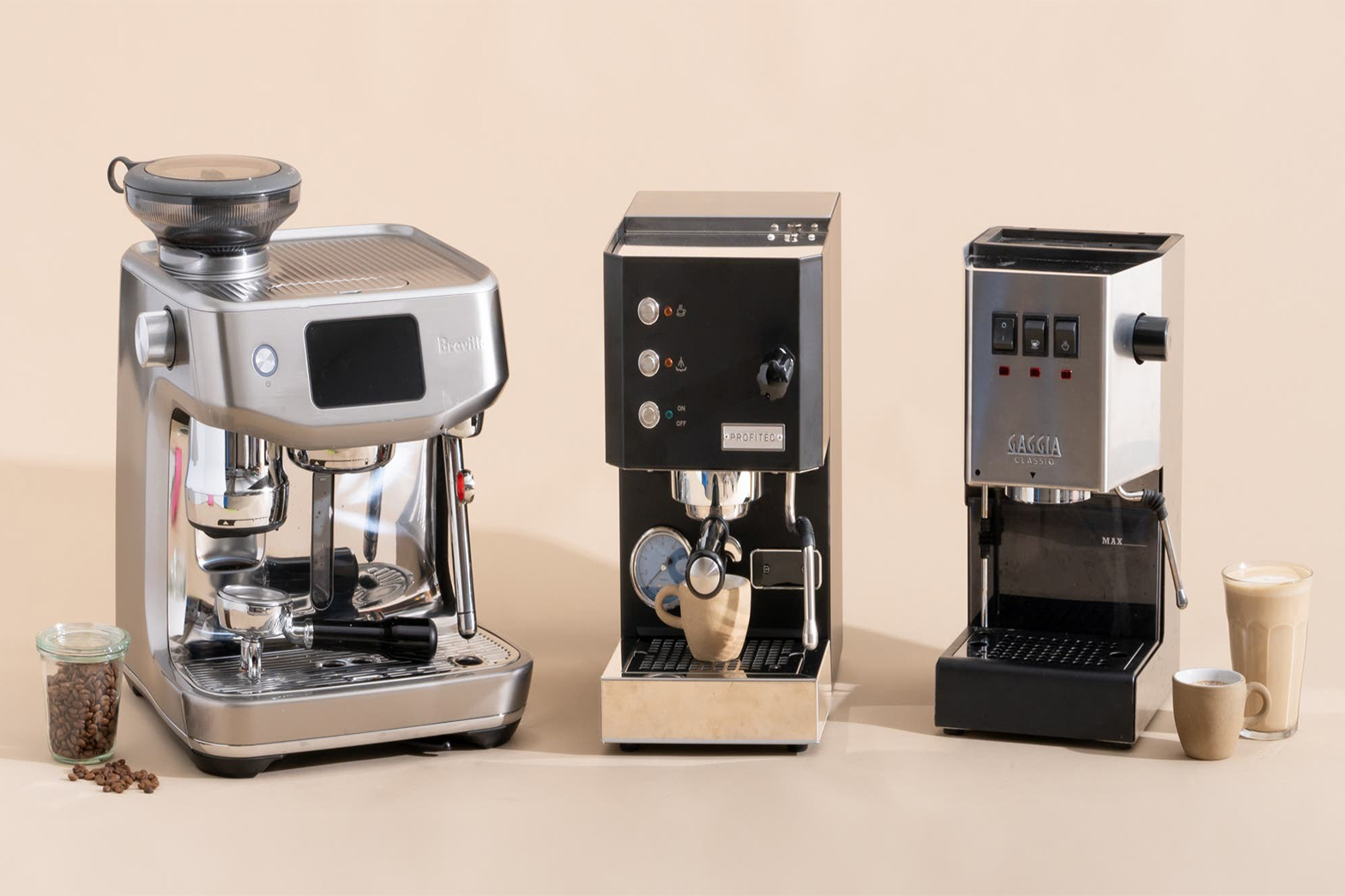
Buying coffee equipment online can feel weirdly risky. A machine looks perfect in photos, then you wonder: Will it actually fit my routine? Will I know how to use it? And if something breaks… am I just stuck with a giant expensive paperweight?
That’s the lane Seattle Coffee Gear (SCG) lives in. They’re not just a storefront — they’re one of the better-known specialty retailers that tries to make home coffee less confusing through demos, education, and service. You’ll find everything from entry-level espresso machines to serious grinders, plus a repair center and in-person retail options where you can test gear before committing.
But, like any retailer shipping high-value machines, the experience isn’t perfect for everyone. Customer feedback online is mixed: lots of praise for expertise and selection, and recurring complaints around order issues, returns, or how smoothly problems get resolved.
Here’s the full, practical review—what SCG is great for, what to watch out for, and the five “product areas” that matter most.
What Seattle Coffee Gear is (and who it’s for)
Seattle Coffee Gear is best for:
- People who want better coffee at home but don’t want to self-teach everything from scratch
- Buyers who like hands-on guidance (videos, demos, and support resources)
- Anyone who prefers buying from a retailer that can also service equipment (not just sell it)
If you’re the type who wants to compare machines properly, understand workflow (grind → dose → tamp → brew), and avoid “wrong purchase regret,” SCG’s model makes sense.
Pros
-
You get “decision support,” not just a checkout button
A lot of coffee buyers don’t need 300 options—they need someone to say: If you drink milk drinks daily, don’t buy the machine that makes you do a 12-step routine. SCG’s education-first approach helps people buy gear they’ll actually use. -
The selection is built for home coffee people
It’s not just commercial gear or cheap appliances. SCG sits in that middle where most enthusiasts live: “I care about coffee, but I also have a life.” -
Service capability adds peace of mind
If something goes wrong, you’re not starting from zero. Having a real repair center matters—especially for espresso machines and grinders. -
Retail demos reduce regret
Seeing machines in person is huge. Buttons, lever feel, steaming workflow, noise—those things don’t translate through product photos. -
They push maintenance and “ownership reality,” not fantasy
Coffee gear lasts longer when people clean it and treat it correctly. SCG puts a lot of emphasis on the unsexy stuff (cleaning, descaling, water choices), which is honestly what separates happy owners from frustrated ones.
Cons
-
Shipping expensive gear always has risk
Espresso machines are heavy and sometimes fragile. Even with careful packaging, damage can happen in transit. The practical move: inspect quickly, keep the box until you’re sure everything is fine, and document issues immediately. -
Returns can feel strict if you’re not prepared
Home coffee equipment is one of those categories where “opened and used” changes resale value fast. Many retailers (including specialty ones) have “like new” expectations and restocking rules that can surprise people. -
Repair timelines can test your patience
Repair work can be slow depending on parts availability and service volume. That’s normal, but it’s still frustrating when you just want your machine back. -
Customer experience reviews are mixed
You’ll see both “great expertise” and “stressful resolution” stories. That doesn’t mean most orders go wrong—it means when something does go wrong, the outcome matters a lot, and not everyone loves how it plays out. -
It’s easy to overspend if you get carried away
Because SCG has everything, it’s tempting to build a perfect coffee station in your cart. The smarter move is buying in stages: grinder + machine (or brewer) first, then accessories once you know what you actually need.
4 Seattle Coffee Gear picks (what most shoppers actually buy)
Espresso machines
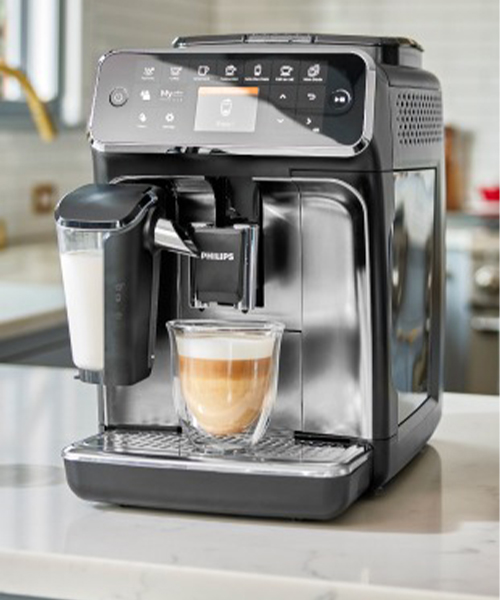
This is the main attraction: semiautomatic and superautomatic machines across a wide range of budgets. SCG’s advantage here is not that they invented espresso—it’s that they test and explain machines in a normal-person way, so you can match the machine to your routine instead of chasing specs you’ll never use.
Best for: home espresso beginners, upgrade buyers, gift purchases
Heads-up: espresso is a system. The machine matters, but your grinder matters almost as much.
Grinders (arguably the smartest upgrade)
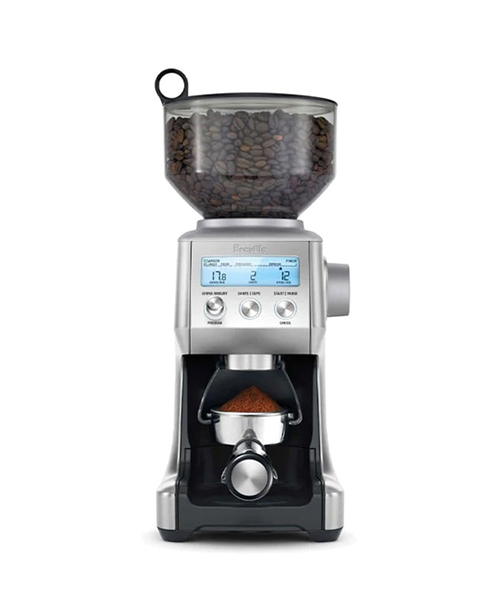
If you’re serious about improving coffee, a grinder is usually the best “return on effort.” SCG carries both espresso grinders and brew grinders, and they do a lot of education around dialing in.
Best for: anyone making espresso, anyone buying nicer beans
Heads-up: many “espresso problems” are actually grind problems.
Brewing gear (drip, pour-over, and manual)
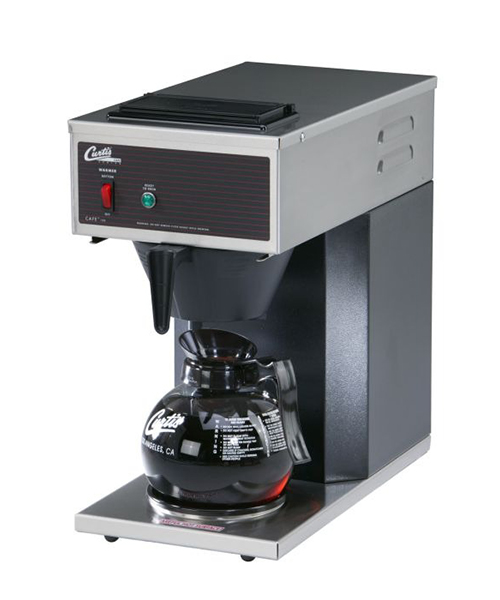
Not everyone wants espresso—some people just want clean, repeatable coffee. SCG’s brewing section covers the everyday options that fit normal life: quick weekday coffee, weekend slow brews, cold brew setups, and the tools that reduce guesswork.
Best for: people who want consistency without espresso-level fuss
Heads-up: if you don’t want a learning curve, choose the simplest method you’ll actually use daily.
Accessories (the small stuff that changes everything)
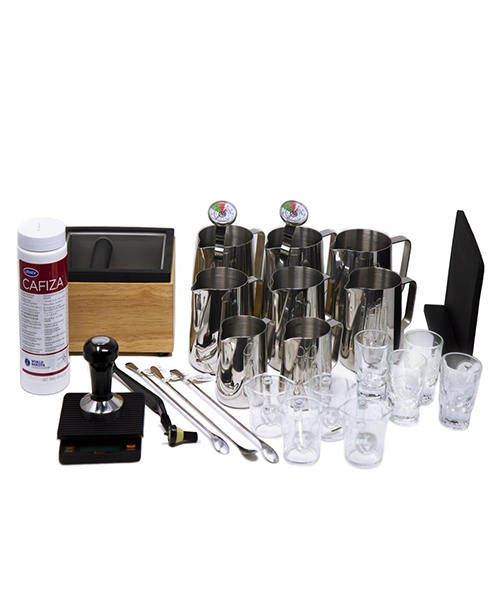
This is the category people underestimate: scales, tampers, milk pitchers, distribution tools, knock boxes, filters, cleaning supplies. These “boring” items often make your coffee taste better because they improve consistency.
Best for: espresso workflow improvements, dialing in, maintenance
Heads-up: accessories add up fast—buy what solves a problem you already have.
Highlights (what SCG does really well)
- Education is a major strength. Their video content focuses on practical demos and “what to buy for your routine” guidance, not just marketing.
- In-person demos exist. If you’re local, you can test machines and talk to staff before buying.
- They actually service machines. A real repair center matters when you’re spending real money.
- Clear policies are published. You can read how they handle delivery damage, returns, and restocking expectations.
Customer review themes (what people keep repeating)
What People Love
- Helpful education and demos that make buying easier
- Strong selection for home espresso and brewing
- Appreciation for having a repair option (especially locally)
What People Complain About
- Returns or restocking expectations feeling strict
- Shipping or order issues being stressful when they happen
- Frustration with resolution speed in some cases
FAQs:
Yes—SCG operates retail locations where you can test machines, attend tastings, and join classes or workshops. Availability varies by location and schedule.
Inspect the shipment immediately, take photos, keep all packaging, and contact support right away. With high-value coffee gear, fast reporting and documentation are extremely important.
Often yes—but condition matters. Opened or used equipment may involve restocking fees and “like-new” requirements. Always review the return policy before purchasing.
Yes. SCG runs a repair and service operation. Drop-off rules, appointment needs, turnaround time, and parts availability all depend on the specific machine and situation.
Yes—especially for buyers who want guidance. Their education resources and demos help prevent choosing a machine that doesn’t match your daily coffee habits.
Final verdict
Seattle Coffee Gear is a strong choice if you want a legit specialty retailer experience—good selection, lots of education, and the comfort of knowing there’s a service side behind the sale. It’s especially useful for espresso buyers who want clarity and support rather than guesswork.
Just shop smart: treat the policies seriously (keep packaging, inspect quickly, don’t assume used returns are frictionless), and buy in stages so you don’t overspend before you know your real routine.