
How To Make Your Bedroom Feel Luxurious Without Spending Much — What Actually Works
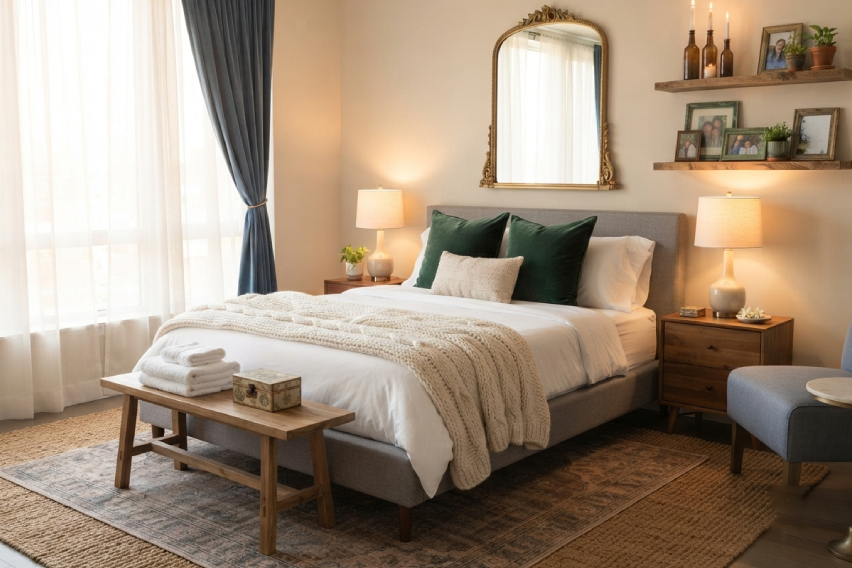
The most luxurious-feeling bedroom I’ve ever slept in was a hotel room in Edinburgh that had no particularly extraordinary furniture, no designer anything, and walls that were a standard cream. What it had was high-quality white bedding, a reading lamp at the correct height, complete blackout curtains, and absolute silence. The luxury was sensory rather than material.
This is the lesson I’ve applied to our own bedroom over two years of incremental changes. None of them were expensive. All of them changed how the room feels to be in.
The Changes That Made The Most Difference
Better Bedding — The Most Impactful Single Change
The Parachute percale sheets mentioned elsewhere in this site transformed our bedroom more than any visual change. The specific difference is tactile and thermal — getting into a bed with genuinely good sheets is a different experience from getting into a bed with mediocre ones, in a way that compounds across every night.
The white bedding specifically — not cream, not grey, but actual white — creates the hotel quality that the colour registers as. Coloured or patterned bedding can be beautiful, but the clean, hotel-white aesthetic specifically produces the sense of freshness that hotel rooms have and that most bedrooms lack.
Investment required: £149-179 for sheets, £40-55 for the bath mat if wanted in the bedroom. Total: approximately £200.
Blackout Curtains — The Sleep Quality Change
Light entering the bedroom during sleep affects sleep quality at a physiological level that most people don’t attribute to the curtains. The specific experience of sleeping in a properly blacked-out room for the first time — waking without being gradually light-woken for hours before the alarm — is noticeable enough that I’d list blackout curtains as the second most impactful bedroom change available.
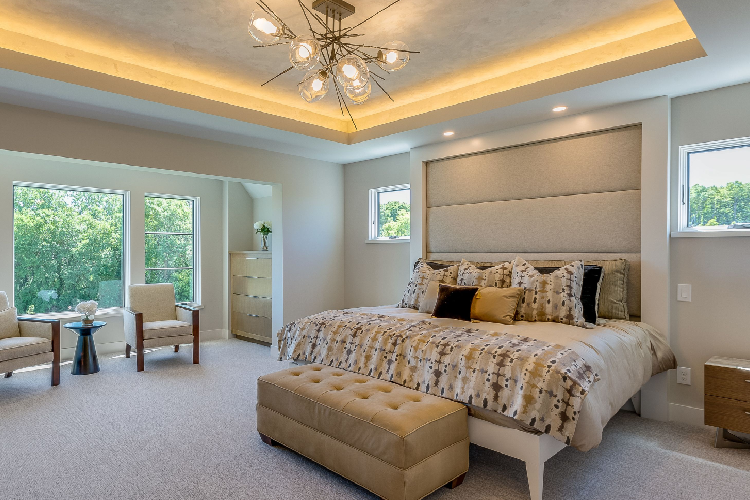
The Nicetown blackout curtains (£25-40 per panel) are the consistently recommended budget option. They work — the blackout is genuine and the quality holds through repeated washing.
Investment required: £50-80 for two panels.
A Lamp At The Correct Height — The Lighting Change
A bedside lamp at the correct height — where the bottom of the shade is at approximately shoulder height when sitting up in bed — changes the quality of light in the bedroom in the evening in a way that changes the feeling of the room. Overhead lights in a bedroom produce the flat, institutional quality that working offices use. A bedside lamp produces warm, directional light that’s associated with rest.
The specific lamp matters less than the correct height and a warm bulb (2700K maximum). An IKEA lamp at the right height with a warm bulb outperforms a beautiful lamp at the wrong height with a cool bulb.
Investment required: £20-60 for a lamp with the right proportions. A warm bulb: £5-10.
Minimal Surfaces — The Visual Clarity Change
The bedroom with three items on each bedside table (phone charger, lamp, book, glass of water, miscellaneous) reads as busier and smaller than the same bedroom with two items per surface (lamp, one item of choice). Clearing the surfaces of everything except what’s deliberately placed there produces the visual calm that makes a bedroom feel spacious rather than cramped.
This costs nothing. It produces an immediate visible difference.
A Scent — The Ambient Element Most Bedrooms Lack
A reed diffuser with a calming fragrance — lavender, sandalwood, vetiver — in the bedroom produces the specific ambient quality that hotel rooms have and most bedrooms don’t. It’s the element that visitors notice first and that the bedroom’s occupants stop noticing within a week of it being present.
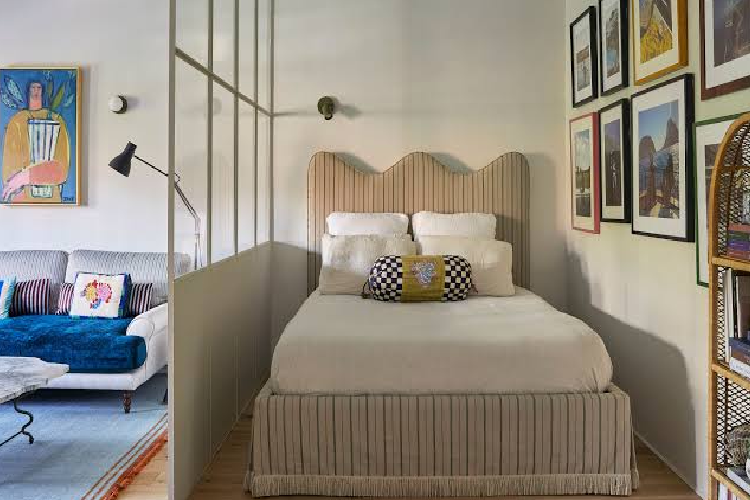
The NEST New York Reed Diffuser at £45 is the recommendation. For a smaller investment, the M&S room spray in a calming fragrance at £8-12 provides the same ambient quality in a less persistent format.
Investment required: £8-45.
The Total Investment For A Significantly Better Bedroom
Parachute percale sheets: £169
Blackout curtains (two panels): £60
Bedside lamp with warm bulb: £35
Reed diffuser: £45
Total: £309 for changes that transform how the room feels to sleep in.
This is considerably less than most bedroom furniture upgrades and produces more improvement to the actual experience of the room than different furniture would.