
Grilla Grills Review – Is It The Best Grill For You?
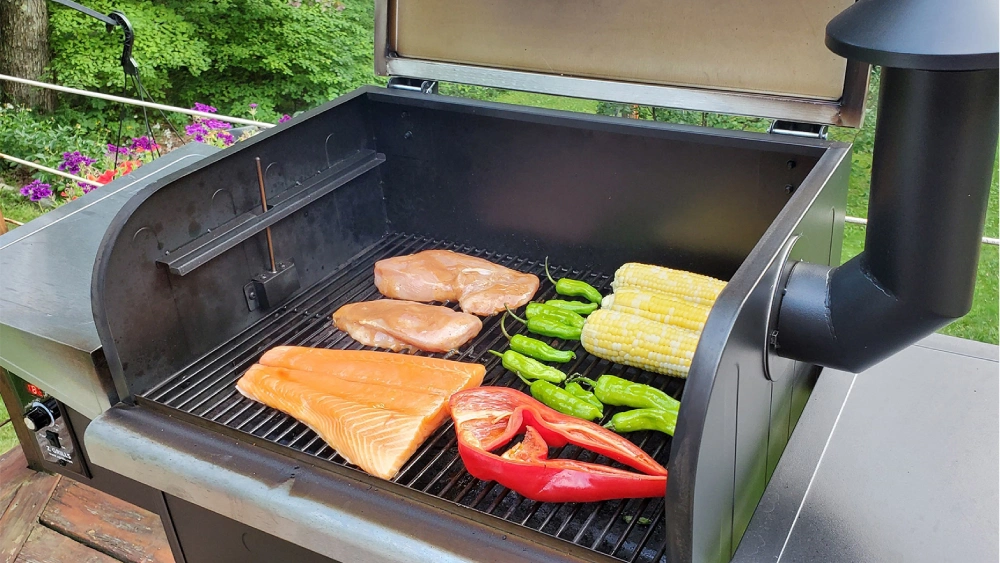
If you’ve been shopping pellet grills for more than five minutes, you’ve probably noticed the pattern: the big brands shout the loudest, and the smaller “grill nerd” brands quietly win people over with real-world performance. Grilla Grills sits in that second camp.
People usually find Grilla the same way: they want better build quality than entry-level pellet grills, steady temps without babysitting, and a grill that feels like it was designed by someone who actually cooks outdoors—without paying luxury-brand pricing just for a logo.
But pellet grills are one of those purchases where the details matter: controller behavior, smoke flavor at low temps, heat recovery when you open the lid, grease management, and (most importantly) how things go when you need parts or support. This review breaks it down like a normal buyer would: what Grilla does great, where it can annoy you, and the five product areas that make the most sense for most households.
Quick brand snapshot
Grilla Grills is primarily known for pellet grills and a “serious backyard” approach—sturdier builds, sensible features, and models that cover everything from weeknight chicken to long brisket cooks. The brand has a strong following among people who actually use their grill a lot (not just on holidays), because pellet cooking is all about consistency—and that’s what buyers are chasing.
In simple terms: Grilla is for people who want something that feels more solid and more dialed-in than a basic big-box pellet grill, but still want it to be easy.
Pros
-
Consistency is the big win
Pellet grills are popular for a reason: they’re the closest thing to “set it and cook” in outdoor BBQ. Grilla’s reputation tends to come from owners who like that stability—once dialed in, it just runs. -
It feels like a serious piece of gear
This is one of the biggest reasons people upgrade to brands like Grilla: the grill doesn’t feel like a disposable patio appliance. Doors, lids, shelves, and overall construction tend to feel more confidence-inspiring than entry-level options. -
Great for people who want BBQ without the babysitting
If your dream is brisket without staying up all night feeding a fire, pellet cooking is your lane. Grilla is a good fit for people who want BBQ results while still living a normal life. -
Strong “daily use” design
Little things matter: where grease goes, how easy it is to access the firepot area, whether shelves feel stable, how easy it is to move the grill, and whether it’s annoying to clean. Brands win loyalty with these boring details. -
You can build a simple system
Once you have a routine—good pellets, a reliable meat probe, and a couple of repeatable temperatures—your results become very predictable. That predictability is what makes people love pellet grills long term.
Cons
-
Pellet grills don’t give you charcoal flavor by default
Let’s be honest: pellets create a cleaner smoke profile. You can absolutely get great BBQ, but if you’re expecting the heavy charcoal punch, you may need to lean into low-temp smoke phases, better pellets, or add-ons that increase smoke intensity. -
Searing isn’t the “main strength” of most pellet grills
Some pellet grills can sear well, but pellet cooking shines at roasting and smoking. If you’re a “high heat steak every week” household, you might want a grill setup that includes gas/charcoal, or you’ll end up buying extra tools to get the sear you want. -
Long cooks require planning
Pellets run out. Grease builds up. Weather changes cooking behavior. A pellet grill is easier than charcoal, but it’s still outdoor cooking—you can’t treat it like a microwave and expect perfection. -
Tech features can be a mixed bag
If your model includes WiFi/app control, it’s convenient… until it isn’t. Smart features are great when they work smoothly, but some users across the whole pellet-grill world get annoyed when apps lag, disconnect, or update at the worst time. -
You’ll still need a thermometer strategy
Even the best grill temp readout isn’t the same as knowing your meat temp in the thickest spot. If you don’t already own a good probe setup, budget for it. It’s the cheapest upgrade that improves results instantly.
The Grilla vibe: what you’re really paying for
With Grilla, you’re typically paying for:
- stable temperature control (set it and cook)
- practical design (storage, access, cleanup)
- a sturdier feel than flimsy “sheet metal” grills
- a pellet experience that’s less fussy once you learn the basics
You’re not paying for:
- ultra-minimal, designer patio aesthetics
- the biggest possible touchscreen experience
- “smart home” hype for the sake of it
It’s more “meat-first” than “marketing-first.”
Product overview: 5 Grilla Grills picks that make the most sense
Silverbac (the safe, do-it-all pick)
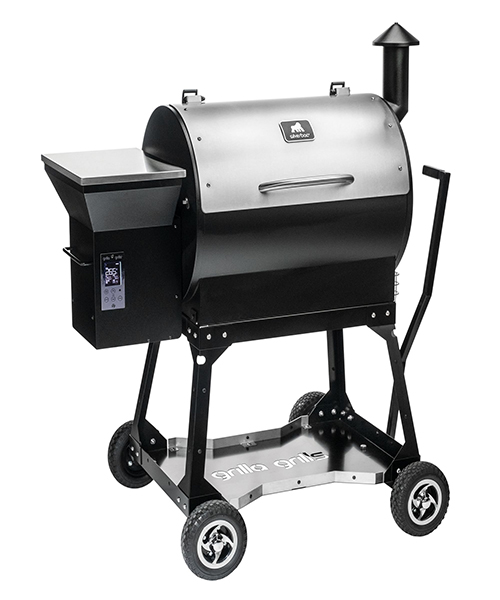
If you’re buying one grill to handle most backyard cooking—ribs, burgers, smoked chicken, brisket attempts—this is usually the model people point to first. It’s the “balanced” choice: big enough for real cooking, practical layout, and a strong all-rounder for most households.
Best for: families, weekend BBQ people, “I want one grill that does everything”
Heads-up: pellet grills cook differently than charcoal/gas—expect a learning curve on bark development and heat zones.
Chimp (the space-saver that still feels serious)
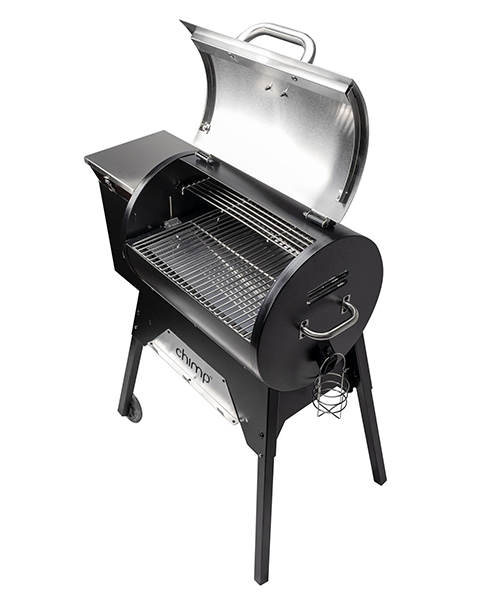
This is for people who want the pellet lifestyle without giving up half the patio. Smaller footprint, easier to move around, good for balconies/compact spaces where a full-size unit feels like too much.
Best for: apartments/patios, couples, smaller households
Heads-up: smaller grills can mean less multi-zone cooking space and tighter capacity for big parties.
Kong (the charcoal option for “real smoke” people)
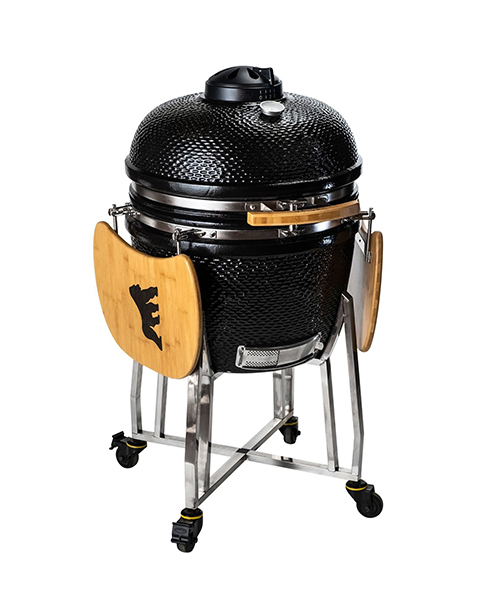
If you’re the type who reads “pellet grill” and immediately thinks, but I want that charcoal flavor, the Kong is the answer inside the Grilla lineup. It’s designed for charcoal cooking with the convenience features that make temperature control less annoying than traditional kettle setups.
Best for: smoke purists, steak lovers, people who like fire management
Heads-up: charcoal is more hands-on than pellets. If you want maximum convenience, stick to pellets.
Primate (gas grill for people who want speed + sear)
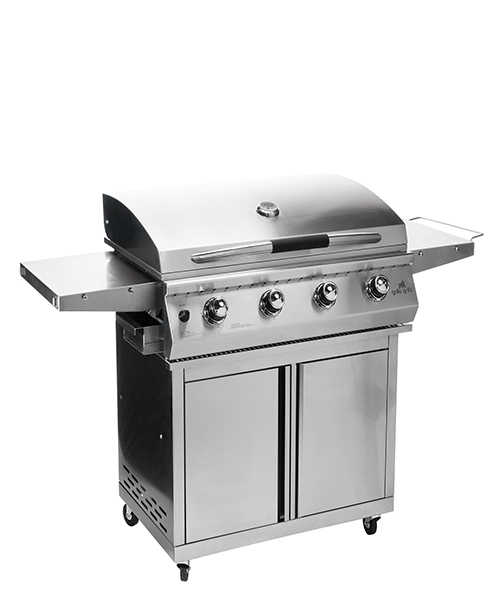
Pellet grills are amazing, but they aren’t always the fastest for weeknight meals or the most aggressive for searing. If you want a “flip-and-cook” experience with strong heat and quick startup, a gas option can make sense—especially in households that cook outdoors often.
Best for: quick dinners, high-heat grilling, busy families
Heads-up: gas is great for speed; it won’t replace the low-and-slow smoke vibe unless you add smoke accessories and accept the limitation.
Add-ons & essentials (covers, pellets, probes, griddles)
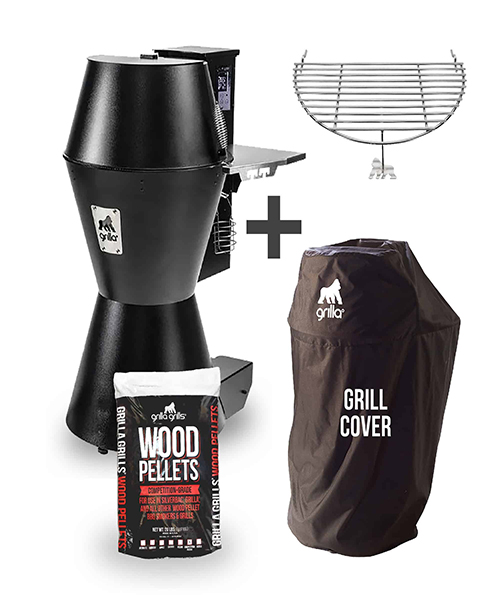
This category matters more than people expect. A good cover, reliable pellets, and accurate temperature probing change your entire experience—especially on long cooks.
Best for: anyone buying their first grill
Heads-up: the “right” pellet and the “right” probe setup can fix half the complaints people have about pellet cooking.
Highlights
- Built for people who actually cook a lot outside (less fluff, more function)
- Pellet cooking convenience with steady temps and repeatable results
- Models that match different lifestyles: compact, full-size, charcoal, gas
- Generally strong value if you compare “feel + performance” rather than just price tags
- Best results when you treat it like a cooking tool (pellet choice + temperature probing matters)
Customer review themes (what people tend to repeat)
What Fans Usually Love
- Steady temps once they learn the grill
- The sturdier “built better than my last one” feeling
- Easier long cooks without constant checking
- Results that feel consistent across multiple weekends
What Frustrated Buyers Usually Mention
- Expecting heavy smoke flavor like charcoal (and feeling underwhelmed)
- Wanting stronger searing without extra steps
- Learning curve with pellets, pellet quality, and airflow/cleanup habits
- Shipping/assembly realities (big outdoor equipment is rarely “fun” to unbox)
The pattern is simple: people who buy Grilla for reliability and repeatable BBQ usually end up happy. People who buy it expecting charcoal intensity with zero effort are the ones who complain.
FAQs:
Generally, Grilla is positioned a step above entry-level pellet grills. Owners like the sturdier feel and repeatable cooking results once they learn the basics.
If you want one grill for most cooking, start with the Silverbac “do-it-all” model. For tight spaces, go compact. If smoke flavor is your priority, consider charcoal.
Not a lot, but a routine is required: empty ash and clean the firepot periodically, manage grease, and keep pellets dry. This is normal for pellet grill ownership.
Pellet grills can reach high heat, but not as instantly aggressive as gas. For serious searing, choose a model designed for high-heat or use a searing tool/second grill.
Pellets cost money, but most find it reasonable for convenience. Usage, temperature, and cook length determine fuel consumption.
Yes—pellet grills are among the easiest ways to start smoking. Using a meat thermometer and giving yourself 2–3 cooks helps you learn how your grill behaves.
Final verdict
Grilla Grills is a strong choice if you want repeatable BBQ results with less effort, and you care about a grill that feels more solid and more thoughtfully designed than the cheapest pellet options.
If your priority is maximum smoke punch (charcoal-style) or fast weeknight searing above everything else, you may want to choose charcoal/gas—or build a two-grill setup.
But if you want the “I can actually do brisket on a Saturday without turning it into a full-time job” lifestyle, Grilla Grills is exactly the kind of brand people end up keeping for years.