
Moonpreneur Review: Silicon Valley STEM Learning for Kids, With Robotics Kits Delivered to Your Door

Moonpreneur’s best-documented strength is making STEM genuinely exciting for children. It holds a “Great” 3.9 out of 5 TrustScore from 206 Trustpilot reviews, with 63% five stars. Parents highlight “The interactive gamified sessions, that make math so fun for young kids,” another said “The Robotics classes have been particularly exciting!”, and a third proudly shared that their daughter “has finished first level, now moving on to next level of app development.” Moonpreneur is a hybrid ed-tech platform based in Milpitas, California, in the heart of Silicon Valley. It serves children and young adults aged 7 to 18 with five core programs: Robotics, Game Development, Advanced Math, SAT Math, and STEM Speech & Debate. Learning combines live classes with expert mentors and an AI-driven learning path that adapts to each student.
What sets Moonpreneur apart from video-only coding apps is hands-on building. Robotics students receive learning kits, such as the Embedded Learner UNO Kit, shipped to their home and included in the program fee, so they can wire circuits, program microcontrollers and build working prototypes during class. Its flagship Innovator Program runs as a year-long journey in four three-month stages (Exploration, Foundation, Prototyping and Launch), encouraging kids to think like inventors and entrepreneurs, not just coders. Instructors are subject-matter experts from countries including the US, UK and India, and Moonpreneur uses “two-teacher classrooms” where one mentor teaches while another observes and supports. Sessions are recorded for revision, weekend sessions cover soft skills and doubt-clearing, students earn a digital certificate on completion, and families can book a free trial class before committing.
The honest caveat: consistency and logistics. 23% of Trustpilot reviews are one-star. Some parents describe scheduling difficulties, one child found classes “very dull” and was sometimes “the only one in the class,” and one reviewer accused the company of misleading marketing. Moonpreneur replies to only 19% of negative reviews, and pricing isn’t published openly.
Quick Highlights
✅ Trustpilot TrustScore of 3.9/5 (“Great”) from 206 reviews
✅ 63% five-star ratings
✅ “interactive gamified sessions, that make math so fun”
✅ “The Robotics classes have been particularly exciting!”
✅ Five programs: Robotics, Game Development, Advanced Math, SAT Math, STEM Speech & Debate
✅ For ages 7–18
✅ Live expert mentors plus an AI-driven learning path
✅ Hands-on robotics kits shipped home, included in the fee
✅ Year-long Innovator Program with four project-based stages
✅ Two-teacher classrooms
✅ Recorded sessions and weekend doubt-clearing
✅ Free trial class, plus a digital certificate on completion
❌ 23% one-star reviews
❌ Scheduling difficulties reported
❌ Some children found classes dull or under-attended
❌ Power skills sessions described as “a little repetitive”
❌ Only 19% of negative reviews receive a reply
❌ Prices aren’t published on the site
❌ Parents want more at-home practice
Why Trust This Review
This review draws on Moonpreneur’s Trustpilot profile (206 reviews, 3.9 TrustScore), the company’s own program description, and its published FAQs covering kits, classroom format, payment options, certificates and the Innovator Program structure. We’ve included positive and critical parent feedback. GlossGirly has no commercial relationship with Moonpreneur that affects this verdict.
Full Review Breakdown
Programs and Curriculum
Moonpreneur offers five main learning tracks. Robotics teaches electronics, sensors, microcontrollers and programming through real builds, while Game Development lets kids design and code their own games, a powerful motivator for children who already love gaming. Advanced Math goes beyond school curricula with gamified problem-solving, and SAT Math prepares older students for college admissions testing. STEM Speech & Debate builds communication, confidence and critical thinking, skills that often get overlooked in technical education. The flagship Innovator Program ties these together in a year-long structure: Exploration introduces concepts, Foundation builds core skills, Prototyping turns ideas into working projects, and Launch helps students present and refine what they’ve made. Advanced Tier-1 and Tier-II programs follow for students who want to keep going. One parent said their child moved from robotics into app development, and that kind of progression is exactly what the stage-based model is designed to encourage. Families should match the program to their child’s age, interests and current skill level during the free trial.
Live Mentors and the Two-Teacher Classroom
Unlike self-paced apps, Moonpreneur centers learning on live classes with expert mentors from countries such as the US, UK and India, who are vetted by a panel before teaching. Its “two-teacher classroom” model means one instructor leads the lesson while another observes, helps students who fall behind and gives feedback on teaching quality. Parents frequently praise instructors and support teams, and one noted that when an issue came up, “the management immediately addressed the issue.” Every session is recorded, so students can revisit tricky topics, catch up on missed classes or review before projects. Weekend sessions add soft skills on Saturdays and doubt-clearing on Sundays, giving students extra time to ask questions. The trade-off is that class experiences depend heavily on the cohort. One parent said her daughter was sometimes “the only one in the class,” which made sessions feel dull, while others love the attention smaller groups provide.
Hands-On Kits and Project Learning
Hands-on building is Moonpreneur’s clearest point of difference. Robotics students receive physical learning kits, such as the Embedded Learner UNO Kit, delivered to their home and included in the program fee. That means kids aren’t just watching simulations. They connect wires, test sensors, write code and see their robots and gadgets come alive, which helps abstract concepts stick and builds problem-solving resilience when things don’t work the first time. The Innovator Program’s Prototyping and Launch stages push students to design their own inventions and present them, encouraging an entrepreneurial mindset alongside technical skills. Parents say this practical approach makes STEM “particularly exciting” for kids who struggle to stay engaged with worksheets. One improvement parents request is more structured home practice between classes, so it helps to set aside time each week for your child to tinker with their kit and revisit recordings.
Scheduling, Communication and Pricing
Scheduling is Moonpreneur’s most common pain point. One parent said “The only problem that I have with the program is the scheduling,” and another couldn’t select a class date during sign-up. Time zones can make live classes harder for international families. Communication on complaints is also limited: Moonpreneur replies to only 19% of negative reviews, usually within a week, which leaves some unhappy parents feeling unheard. One reviewer accused the company of misleading claims about physical locations, so it’s worth asking exactly how classes are delivered before enrolling. Prices aren’t listed publicly. Moonpreneur offers monthly, quarterly, half-yearly and annual payment options by card or PayPal, with discounts for longer commitments, but no refund policy is published in its FAQs. Book the free trial, confirm your class schedule and teacher, ask about cancellation and refund terms in writing, and start with a shorter payment plan until you’re confident it suits your child.
Best Products Worth Buying
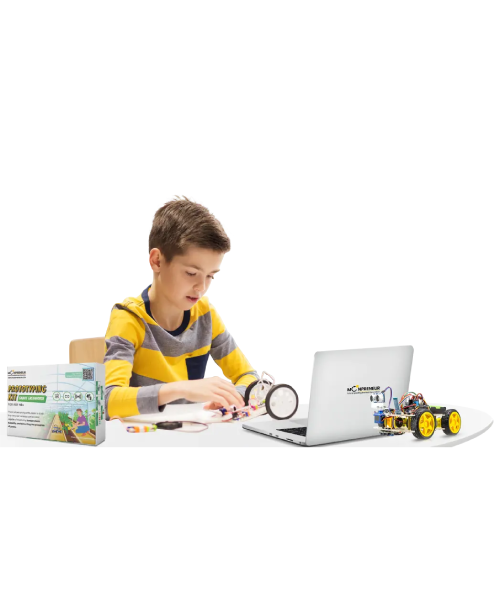
Moonpreneur’s signature program and the one parents rave about most. Students learn electronics, circuits, sensors and microcontroller programming through live classes with expert mentors, building real projects with a hands-on learning kit shipped home and included in the fee. It’s ideal for curious kids who love taking things apart, building Lego or asking how gadgets work, and it develops logical thinking, patience and creative problem-solving. One parent said “The Robotics classes have been particularly exciting!”, and others describe children moving on to more advanced levels. Classes are recorded for revision, and weekend sessions help with questions. Book the free trial first to check that the schedule, teacher and class size suit your child, and set aside weekly time for extra tinkering at home.
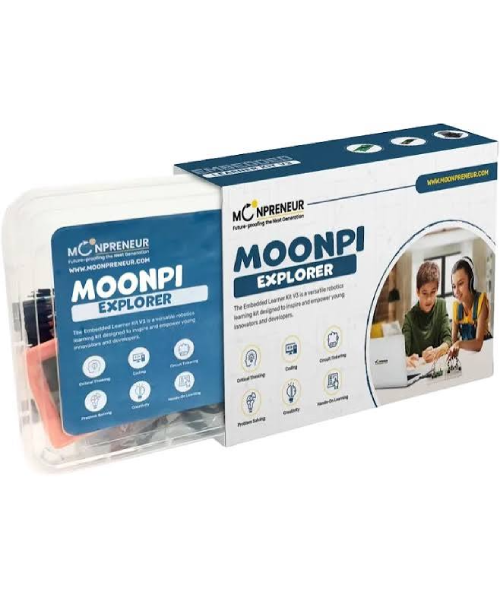
A year-long, project-driven program split into four three-month stages: Exploration, Foundation, Prototyping and Launch. It’s designed to turn kids from passive users of technology into inventors who design, build and present their own creations, blending robotics, coding and entrepreneurial thinking. Students finish with a digital certificate and can continue into advanced Tier-1 and Tier-II programs. It suits motivated children aged around 10 and up who enjoy long-term projects and want something more meaningful than one-off coding lessons. Because it’s a significant time and money commitment, confirm pricing, payment plans and cancellation terms in writing before enrolling. Check in with your child’s mentors regularly to track progress through each stage.

A gamified math program designed to make numbers fun, build confidence and push students beyond their school syllabus. Parents praise “The interactive gamified sessions, that make math so fun for young kids,” making it a strong option for children who find traditional math boring or need stretching beyond grade level. Live mentors guide students through problem-solving, logical reasoning and competition-style challenges, and recordings let kids revisit tricky topics. It works well alongside the robotics program, since math underpins coding and engineering. Older students can move on to SAT Math for college admissions preparation. Ask for regular progress updates and homework practice, since some parents want more at-home work between classes to reinforce learning.
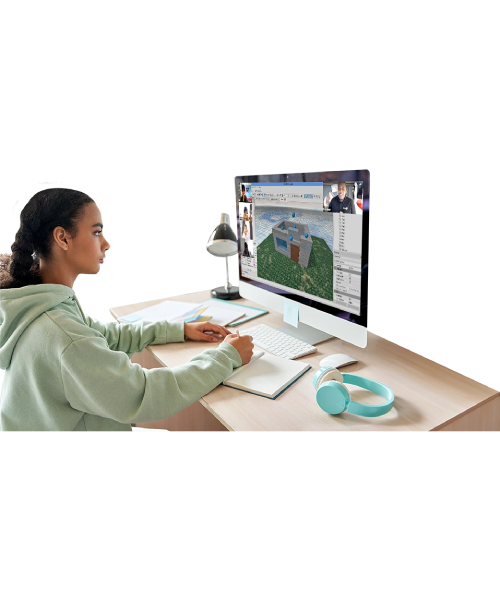
A creative coding program where kids design and build their own games, turning screen-time enthusiasm into real programming, design and storytelling skills. It’s a natural fit for children who love gaming and want to understand how their favorite games are made, and it teaches logic, sequencing, debugging and creativity in an engaging way. Students can progress from beginner projects to more advanced game mechanics and app development, as one parent’s child did after starting with robotics. Live mentors provide feedback, and recordings help with revision. As with other programs, confirm class timing across time zones, ask about class size, and encourage your child to keep building games between sessions to make the most of the program.
What Customers Actually Think
“The interactive gamified sessions, that make math so fun for young kids.” — Shruti Singh, Trustpilot reviewer (India, 5 stars, Math)
“The Robotics classes have been particularly exciting!” — Aritra Basu, Trustpilot reviewer (India, 5 stars, Math and Robotics)
“the management immediately addressed the issue.” — Prashanth, Trustpilot reviewer (US, 4 stars)
“The only problem that I have with the program is the scheduling.” — Hannah, Trustpilot reviewer (US, 4 stars, Robotics kit program)
“it was very dull, she complained that sometimes she was the only one in the class” — Paulomi Shroff, Trustpilot reviewer (US, 1 star
Is It Worth It?
For families who want live, hands-on STEM learning with real kits and expert mentors, Moonpreneur can be a fantastic investment, especially its Robotics and Innovator programs. Experiences vary by schedule and cohort, though. Book the free trial, confirm class size and timing, get pricing and cancellation terms in writing, and start with a shorter payment plan.
Competitors Table
Feature | Moonpreneur | Codingal | Tynker | Outschool | iD Tech Online | Juni Learning |
Live classes | Yes | Yes | Mostly self-paced | Yes | Yes | Yes |
Robotics kits shipped | Yes (included) | No | No | Varies | Some | No |
Ages | 7–18 | 6–18 | 5–17 | 3–18 | 7–19 | 7–18 |
Math & SAT | Yes | Some | No | Yes | No | Yes |
Debate / soft skills | Yes | No | No | Yes | No | Some |
Free trial | Yes | Yes | Yes | Varies | No | Yes |
FAQs
What age is Moonpreneur for?
Children and young adults aged 7 to 18.
Does Moonpreneur send robotics kits?
Yes. Learning kits are shipped home and included in the program fee.
Is there a Moonpreneur free trial?
Yes, families can book a free trial class.
Where is Moonpreneur based?
Milpitas, California, in Silicon Valley.
How much does Moonpreneur cost?
Prices aren’t published. Payment plans are monthly, quarterly, half-yearly or annual.
Final Verdict
Moonpreneur brings Silicon Valley-style STEM learning into family homes, combining live expert mentors, AI-guided learning paths and real robotics kits that let kids build, code and invent. Its Robotics, Innovator, Math and Game Development programs earn praise for being fun, gamified and genuinely exciting, and the two-teacher classroom adds support.
Scheduling headaches, inconsistent class sizes, limited responses to complaints and unpublished pricing hold it back. Start with the free trial, confirm every detail in writing and choose shorter payment plans first. For curious, hands-on learners, Moonpreneur is a rewarding choice.
Scorecard
Category | Score |
Curriculum Quality | 8.8/10 |
Hands-On Learning (Kits) | 9.4/10 |
Mentor Quality | 8.4/10 |
Student Engagement | 8.2/10 |
Scheduling & Logistics | 6.4/10 |
Price Transparency | 5.0/10 |
Complaint Handling | 5.8/10 |
Value for Money | 7.6/10 |
Overall | 7.6/10 |