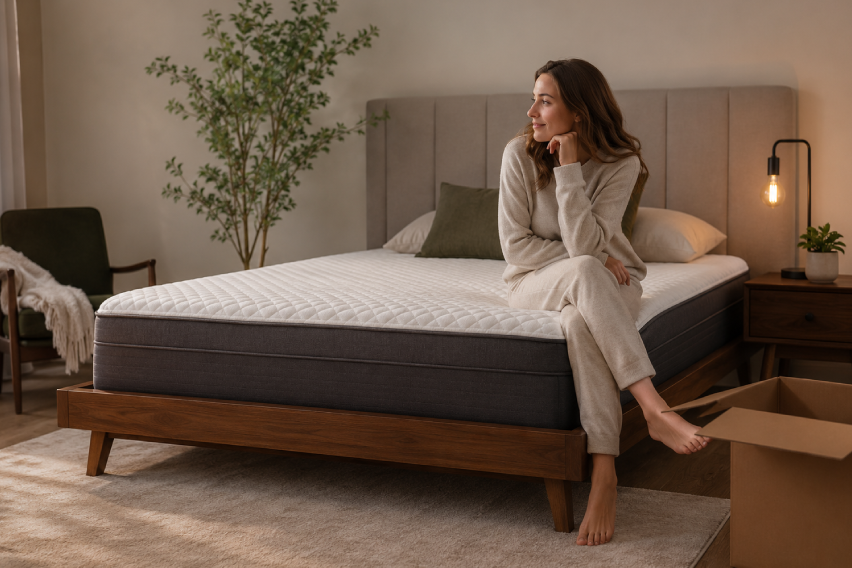
Let me start with the thing nobody told me before I bought mine.
Origin rates the Hybrid mattress at 6.5 out of 10 on firmness. That’s their “medium-firm” positioning — the sweet spot that’s supposed to work for most sleepers. I am a side sleeper. I read that 6.5 and thought: perfect, that’s exactly what I need.
Three nights in, my hips were aching.
Not dramatically. Not in a “I need to call someone” way. Just that low, persistent complaint that builds across the day and tells you something isn’t right about how you’ve been sleeping. I switched to my back for a few nights — the aching stopped immediately. I stayed on my back. Aching stayed gone.
What I’d actually bought was a firm mattress. Closer to an 8 out of 10 if you ask TechRadar’s tester, who spent three weeks on the same model and reached the same conclusion independently. “Much firmer than Origin rates it,” was her exact phrase. She’s right. They’re underselling the firmness, which sounds like a strange complaint to make about a mattress you might actually love — if you’re a back or stomach sleeper.
I’ll come back to that. First, what Origin actually got right.
My partner moves a lot in his sleep. I mean a lot. We’ve tried various mattresses over the years and the nightly earthquake situation has been an ongoing background issue in our relationship — not serious, just persistent and mildly irritating.
The Origin Hybrid produced the quietest nights we’ve had since we started sleeping in the same bed.
I didn’t immediately connect this to the mattress. I assumed we were both just tired. But after a week of unusually uninterrupted sleep, I started paying attention. He was moving the same amount. I was just not feeling it the way I normally would.
NapLab’s independent lab test later confirmed what I’d experienced: the Origin Hybrid produces 30% less motion transfer than the category average across all mattresses they’ve tested. That’s a measured, specific number, not a marketing claim. The wool and memory foam elements in the comfort layer absorb movement before it travels across the surface.
For couples with mismatched sleep styles, this is genuinely significant. It’s one of the best things about this mattress and one of the least talked-about.
I’m a cold sleeper. My partner runs hot. We’ve spent years navigating this incompatibility — he pushes the duvet off at 2 a.m., I pull it back, someone is always losing.
The Origin Hybrid has a bamboo foam layer, a HexaGrid foam structure with an open design that allows air circulation, and a Tencel cover made from wood pulp that regulates surface moisture. These aren’t marketing words for the same thing — they’re three distinct mechanisms that together produce real, measurable cooling.
TechRadar’s reviewer described her hot-sleeping husband feeling “cool and refreshed throughout the night.” She also described herself — a cold sleeper, like me — as finding it “a little too effective” and feeling “a bit chilly in the night.”
That’s us exactly. My partner has slept better on this mattress than anything we’ve previously owned. I’ve been wearing thicker socks.
If you’re a hot sleeper, this is genuinely excellent. If you’re a cold sleeper buying this mattress for yourself, know that the cooling really does work and factor that into your bedding choices.
Origin’s proprietary HexaGrid is described on their website with enough enthusiasm that I was skeptical before sleeping on it. Developed with orthopaedic specialists, zoned support, pressure distribution, etc. The usual.
Here’s what it means in practice: the mattress doesn’t feel uniform from head to foot. The center section — roughly where your torso and lower back land — provides more resistance and support. The areas around your shoulders and knees give slightly more. This is the zoned support concept, and it’s a real thing rather than a marketing concept.
For back sleepers, this matters specifically because your lower back is the area that most needs support and most commonly gets inadequate support on a mattress that’s too soft in the middle. The HexaGrid concentrates support exactly there.
For people with lower back pain specifically, the Trustpilot UK reviews are full of specific, detailed accounts describing morning improvement. Not vague “I slept better” testimonials — specific descriptions of pain that had been present for years reducing or disappearing within weeks. One buyer describes the LumbarCloud as “the best mattress I ever had, so comfortable. I honestly recommend to anyone who suffers from back pain.”
I can’t verify individual health claims. But the volume and specificity of back pain improvement accounts across this mattress is unusual enough to be worth noting directly.
Here’s something the origin website definitely doesn’t lead with: the edges of this mattress compress noticeably more than the center.
I noticed this on the first night when I sat on the edge of the bed to put on my shoes and felt the side compress more than I expected. TechRadar specifically identifies edge support as below average. BestMattressAustralia notes it as a limitation.
For most sleeping situations this doesn’t matter — you sleep in the middle of the mattress, not on the edge. But if you regularly sleep near the edge (common in couples where one person gets pushed to the perimeter), or if you sit on the edge of the bed as a regular routine, it’s worth knowing before you buy.
The Origin Hybrid is a genuinely good mattress. The motion isolation alone made a measurable difference in our household’s sleep quality. The cooling is real and works exactly as described. The construction quality feels appropriate for the price. The 200-night trial (in the UK) is one of the most generous in the category, and the 15-year warranty is meaningfully longer than the 10-year standard most competitors offer.
But I need to be honest about who it’s for and who it isn’t.
It’s for you if you’re a back sleeper. This is where the Origin genuinely excels. The firm surface, the zoned HexaGrid support, the lumbar emphasis — all of it is optimized for the position where you need support more than cushioning. Multiple independent testers who sleep primarily on their back describe this as among the best mattresses they’ve used at the price point.
It’s for you if you’re a stomach sleeper. Same logic. Stomach sleepers need a firm surface to keep their hips level with their shoulders and maintain spinal alignment. The Origin delivers this directly.
It might not be for you if you’re a side sleeper. I’m going to be direct here: the firmness means it doesn’t provide adequate cushioning at the shoulder and hip for sustained side sleeping. I know this from my own aching hips in week one. TechRadar’s reviewer confirms it independently. If you’re a dedicated side sleeper, the LumbarCloud is the Origin product designed for you — or look elsewhere in the category.
It’s for you if you’re on a budget. The near-permanent sale pricing (typically 35–56% off listed RRP with easily-found discount codes) puts this mattress in a tier that’s significantly more accessible than its quality level would suggest if you were paying full price. NapLab rates it the fourth-best mattress they’ve tested within its price tier. That’s a specific, credible framing of what you’re getting for the money.
The Origin lineup has expanded since launch. Here’s the honest breakdown of which product fits which buyer.
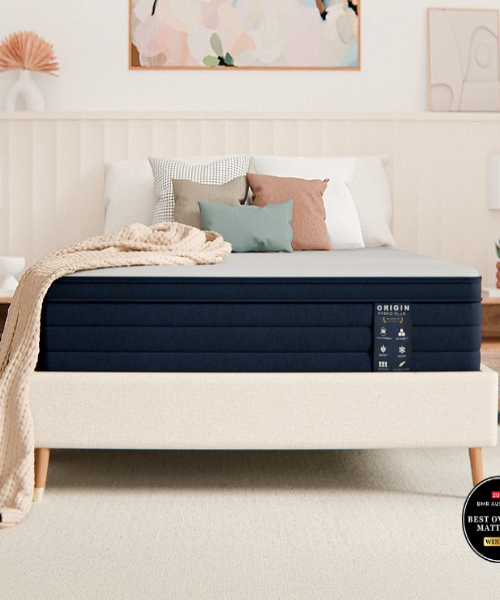
This is what I bought and what most of this blog is based on. The standard hybrid with the HexaGrid layer, bamboo foam, and pocket springs. Firmly positioned toward back and stomach sleepers at an accessible price.
Buy this if: You’re a back or stomach sleeper, you run hot at night, you share a bed and motion isolation matters, or you’re on a tighter budget and want the strongest value-per-pound in the Origin lineup.
Skip this if: You’re a dedicated side sleeper. The firmness will work against you.
Trial period: 200 nights (UK) | 120 nights (Australia) | 100 nights (US)
Warranty: 15 years
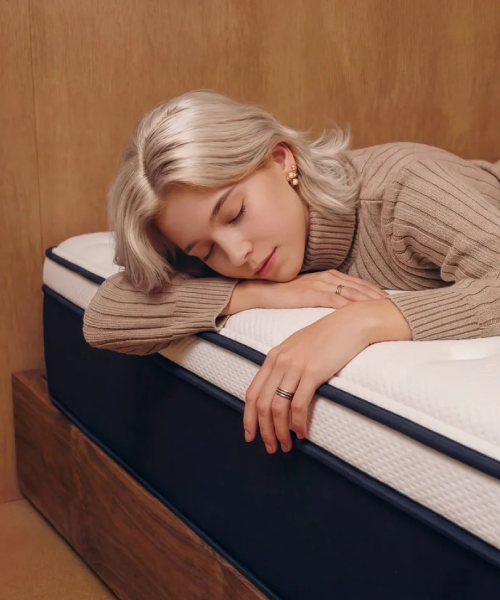
The LumbarCloud adds a pillow-top comfort layer over the core hybrid structure, creating a softer initial feel without losing the underlying lumbar support that the HexaGrid provides. It’s the product that addresses the standard Hybrid’s most consistent criticism.
Dweva’s multi-week testing team — who tested both models simultaneously — found the LumbarCloud “felt gentler on joints” and produced “fewer sleep disruptions when one person moved.” If you’ve read this far and kept thinking “this sounds good but I sleep on my side,” this is the Origin product you’re looking for.
Buy this if: You’re a side sleeper, a lighter sleeper who wants more cushioning, or you’ve tried firm mattresses before and found them uncomfortable. Also the better choice for couples where sleep positions differ — the pillow-top smooths out what can otherwise feel like a hard landing for the lighter or more pressure-sensitive partner.
Skip this if: You specifically want a firm surface. The pillow-top softens the initial feel, which is a feature for most buyers and a drawback for the minority who want maximum firmness.
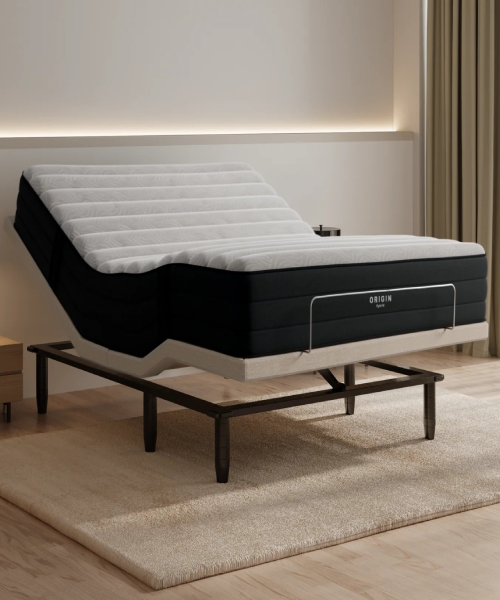
The Hybrid Plus adds adjustable firmness settings, which allows you to calibrate the feel after purchase rather than committing to a single firmness at the point of sale. This is specifically useful if the gap between Origin’s stated firmness and the independently-tested firmness has made you uncertain about which model to choose.
Buy this if: You’re genuinely unsure about firmness, or you and your partner have significantly different firmness preferences and want post-purchase adjustment capability.
This is the only question that really matters for determining which Origin product is right for you. Back or stomach sleeper: standard Hybrid. Side sleeper: LumbarCloud or reconsider the category.
If you’re a hot sleeper, the Origin’s cooling technology is genuinely one of its best features and worth seeking out specifically. If you’re a cold sleeper, the same technology means you may want to upgrade your bedding or sleepwear before the mattress arrives.
Origin runs near-permanent promotions at 35–56% off listed RRP. The “full price” on the website is rarely what anyone actually pays. Look for a current code before completing your purchase — if there isn’t one active today, there will be one in a few days.
I came away from six weeks on the Origin Hybrid with a clear, specific view: this is one of the best back-sleeper mattresses available at this price point in the UK market right now. The motion isolation is genuinely excellent, the cooling works, and the 200-night trial is long enough to give you real confidence in your evaluation.
I wish someone had told me clearly — not in fine print, not buried in a FAQ — that “6.5 firmness” on Origin’s scale means something closer to “firm” on an independent scale. That information would have saved me three nights of hip aching and sent me directly to the LumbarCloud.
Go in with accurate firmness expectations, matched to your sleep position, and Origin is a genuinely strong purchase at a genuinely competitive price. Go in expecting medium-soft cushioning and you’ll spend your first week confused about what happened.
The 200-night trial is long enough to figure it out. Just know what you’re expecting before you start the clock.