
Home Organisation Tips That Actually Work — What Changed How We Live
I’ve tried most of the popular organisation systems at least once. The KonMari method produced a weekend of enthusiastic sorting and then a wardrobe that returned to its previous state within three months. The colour-coded pantry system produced two weeks of beautiful pantry photographs and then the reality of actually using a pantry under time pressure while making dinner. The minimalism commitment produced a period of genuinely owning fewer things and then a gradual re-accumulation.
What actually works for organising a home that’s used by real people under real time pressure is different from what looks good in organisation content. Here’s the honest version.
The Principles That Actually Stuck
Everything Needs A Designated Home
The clutter that accumulates in most homes is not primarily excess stuff — it’s stuff without a designated place to be. Keys that don’t have a bowl. Post that doesn’t have a tray. Phone chargers that don’t have a cable tidy. Each of these items migrates to whatever flat surface is nearest when it’s not actively in use.
The solution is giving each category of commonly misplaced items a specific, permanent home and making returning to that home easier than leaving it elsewhere. This sounds obvious and is consistently underimplemented — most homes have homes for their furniture and not for their small daily-use items.
A bowl by the front door for keys. A tray on the kitchen counter for post. A cable station on the bedroom side table for chargers. None of these require purchasing anything specific — a bowl is a bowl, a tray is a tray.
The One-In-One-Out Rule For Accumulation Categories
Clothing, kitchen equipment, books, children’s toys — the categories that accumulate without a removal mechanism. For each of these, establishing an explicit rule (one item in requires one item out) prevents the gradual accumulation that makes organised spaces disorganised over time.
This requires less ongoing effort than regular decluttering sessions because it prevents accumulation rather than addressing it after the fact. A purchase that triggers a removal decision at the point of purchase is less disruptive than a decluttering weekend that evaluates everything simultaneously.
Less Stuff Actually Stored More Effectively
The specific insight I’d offer from the last three years of thinking about this: the storage systems that make homes feel organised are almost always removing items from a space rather than providing more places to put things.
The kitchen that feels chaotic usually has too many items on the counter rather than insufficient counter organisation. The bathroom that feels busy usually has too many products on the shelf rather than insufficient shelf space. The addition of more storage units to house more stuff is almost never the right solution — the addition of less stuff is.
The Specific Changes That Made A Difference In Our Home
The entryway: A small table with a bowl for keys, hooks for bags, and a tray for post. Everything that previously migrated across the house now has a specific landing spot at the door.
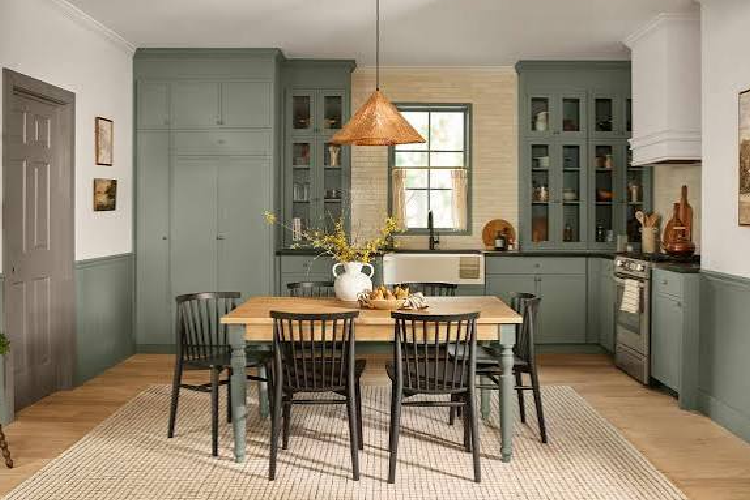
The kitchen: Removing all countertop appliances except the ones used daily (kettle and toaster). The coffee machine, the food processor, and the blender live in cabinets and come out when used. The counter space this produced changed how cooking feels.
The bedrooms: A specific phone charging location (not the bedside table) moved charging to a purposeful spot and removed the phone from the sleep environment. The bedside table reduced to two items: lamp and current book.
The bathroom: Decanting the three daily-use products into matching dispensers and storing everything else in the cabinet. The counter has three items. The visual calm this produces is disproportionate to the actual change.