
Smart Home Devices Worth Buying — What Changed How We Live and What Didn’t
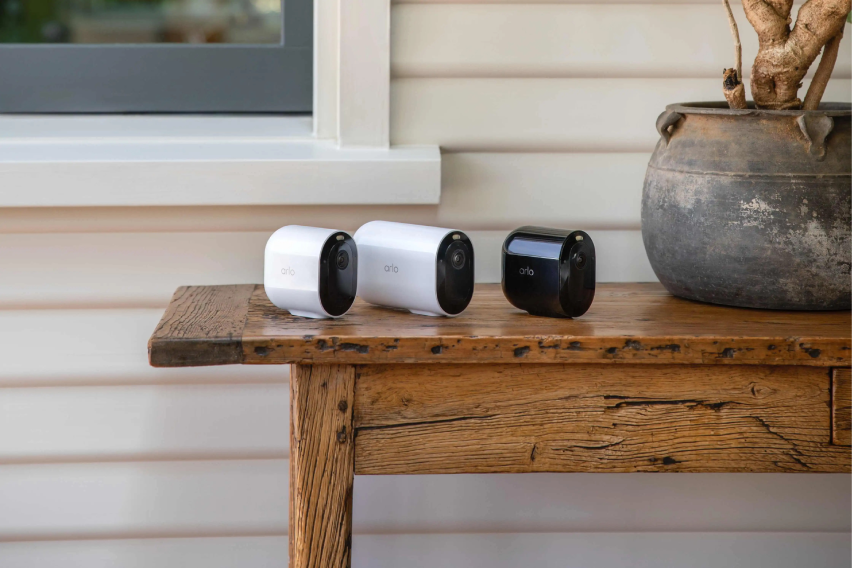
When we moved into this house two years ago, I had a list of smart home devices I planned to install before we’d unpacked the kitchen. I was going to automate everything. The lights would know when we were home. The heating would learn our schedule. The kitchen would probably start dinner.
Two years on, the reality is both more modest and more genuinely useful than that initial enthusiasm. Some things on the list changed how we live every day in ways that feel permanent and worth the money. Others went in a drawer after three weeks. A few I’m still not sure about.
The Devices That Changed Daily Life
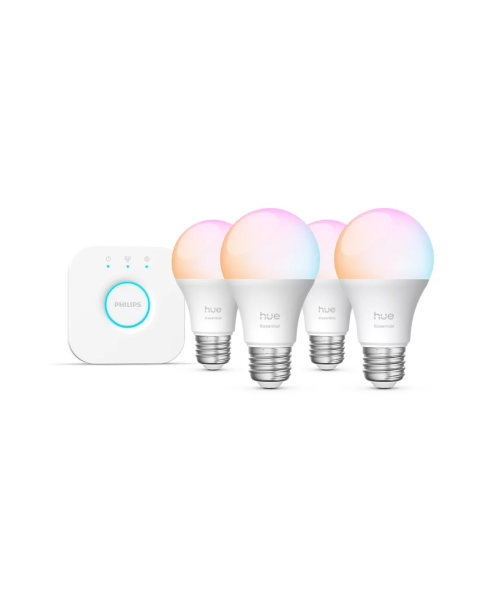
The Philips Hue lighting system is the smart home investment that I’d recommend to anyone considering smart home technology because the payback on daily quality of life is immediate and continuous.
The specific thing it changed: the lighting in our home now suits what we’re doing rather than being set to one level for everything. In the morning, the kitchen lights come on gradually — not a sudden overhead light that announces the start of the day aggressively, but a gentle brightening over fifteen minutes that produces a more natural waking experience. In the evening, the lights warm and dim automatically at sunset, which signals to the body that evening is approaching in a way that constant bright light doesn’t allow. When we watch a film, the lights in the living room dim to a low warm level without anyone getting up.
These are genuine improvements to daily experience that accumulate into meaningful wellbeing benefits rather than being novelty features that wear off.
The Hue Bridge (the hub required for the full feature set) is an additional purchase if buying bulbs only, and the initial investment is higher than standard bulbs. The per-bulb cost (£15-25 per bulb) is justified by the quality and longevity — Hue bulbs are rated for 25,000 hours of use and the system supports automations that standard bulbs can’t enable.
Price: Starter kit from £79, individual bulbs £15-25
Available at: Philips Hue directly (philips-hue.com), Amazon, John Lewis
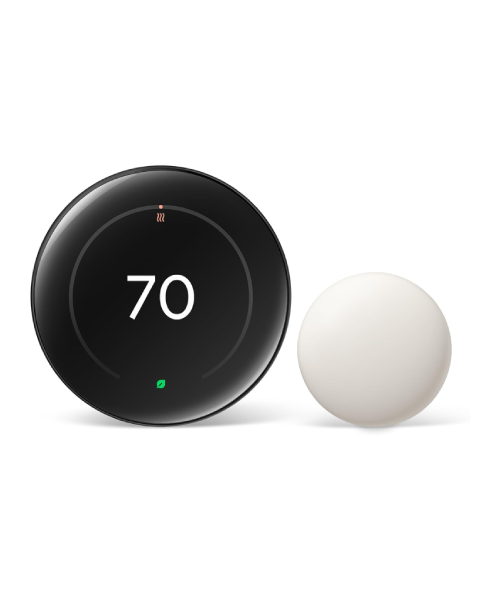
The Nest Learning Thermostat learns the heating schedule from a week or two of manual adjustments and then automates it. The payback in convenience is real — we no longer have a schedule to manage. The payback in energy costs is also real — the Nest’s automatic setback when the house is empty has reduced our heating bill by an amount that covered the cost of the device within the first heating season.
The specific feature worth knowing about: the Nest’s Home/Away Assist detects when phones leave the house and adjusts the heating accordingly, which means the house isn’t being heated while empty even if the schedule says it should be. This is the feature that produces the actual energy saving rather than just the convenience.
Installation is straightforward if your existing thermostat is a standard system — the Nest replaces the existing thermostat and works with most standard boiler systems. It’s worth checking compatibility before purchasing.
Price: £219
Available at: Nest directly (store.google.com), Amazon, John Lewis
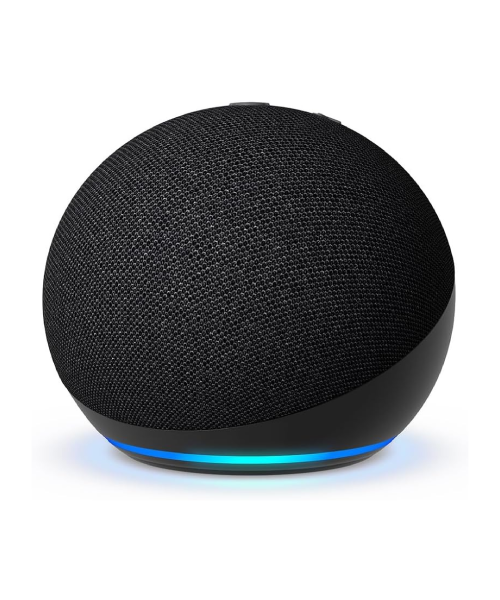
The Echo Dot is not the Echo that sounds best, is not the most capable, and is not the most impressive. It is the Echo that costs the least and sits in the kitchen answering questions, setting timers, playing podcasts, and controlling the other smart home devices without being asked to do more than it can.
The things I actually use it for: kitchen timers (hands-free timer setting while cooking is more useful than it sounds when your hands are covered in flour), quick questions while cooking (how long per pound of chicken at 200 degrees, the distance to the nearest hardware shop), and controlling the Hue lights when a phone isn’t to hand.
Price: £39-49
Available at: Amazon directly (amazon.co.uk), John Lewis
The Devices That Went In The Drawer
The Govee smart LED strips, which I installed under kitchen cabinets with the intention of creating ambient mood lighting. The ambient mood lighting required an app to control, the app required opening, and the threshold of opening an app to turn on ambient lighting proved higher than I’d estimated. They were removed after two months.
The smart plug system I installed for a lamp in the bedroom to turn it off with a voice command. The lamp was twelve steps from the bed. The time required to say “Alexa, turn off the bedroom lamp” was comparable to the time required to turn it off manually. The novelty was high and short-lived.
The lesson: smart home devices are most valuable when they do something automatic — when they remove a decision or action entirely rather than simply replacing one form of action with another.
The Devices I'm Still Not Sure About
The video doorbell. It shows me who is at the door before I answer it. This has been useful twice (both times delivery companies) and irrelevant hundreds of times. The monthly cloud subscription for video storage is the ongoing cost I find most difficult to justify. I keep it running more out of inertia than conviction.
Conclusion
Smart home technology is most valuable when it automates things you currently do regularly and manually, not when it makes manual actions marginally more convenient. Philips Hue automates lighting to suit the time of day and what you’re doing — genuinely valuable. The Nest automates heating to match actual occupancy — genuinely valuable and financially returns its cost. The Echo provides hands-free information and control in the kitchen — genuinely useful. The rest, in our experience, turned out to be solutions to problems we didn’t consistently have. Start with the lighting and the thermostat. Add from there if the return justifies it.