
Skincare Routine For Beginners — The Honest Simple Version

The skincare industry makes more money from complexity than from simplicity. A twelve-step routine requires twelve products. A four-step routine requires four. The four-step routine, executed consistently, produces better results than the twelve-step routine executed inconsistently — which is what happens to most people who start with an overwhelming routine and gradually abandon the steps that feel like the most effort.
I’m going to describe the routine that actually works for most people most of the time. It’s not the routine that sounds most impressive. It’s the one with the highest compliance rate and the most evidence behind it.
The Four Steps That Actually Matter
Step 1 — Cleanser
A gentle, pH-balanced cleanser that removes what’s on the skin without stripping the moisture barrier. The CeraVe Hydrating Cleanser for dry to normal skin (£12-15) and the La Roche-Posay Toleriane Purifying Foaming Cleanser for oily to combination skin (£16-22) are the two recommendations that most dermatologists would agree on.
Neither of these is exciting. Neither has an impressive list of active ingredients. What they do is clean the skin correctly — removing the day’s pollution, SPF, and skin cell debris without the alkaline stripping that more aggressive cleansers produce.
Step 2 — Moisturiser
The CeraVe Moisturising Cream for dry skin (£12-18) and the Neutrogena Hydro Boost Water Gel for oily to normal skin (£18-22) are the accessible starting points.
The ceramides in CeraVe are the relevant ingredient — they restore and maintain the skin barrier that cleansing, environment, and the general business of existing gradually deplete. The hyaluronic acid in Neutrogena’s Hydro Boost provides hydration without oil. Both are correct for their skin types in a way that more fashionable products at higher prices often aren’t.
Step 3 — SPF (Morning Only)
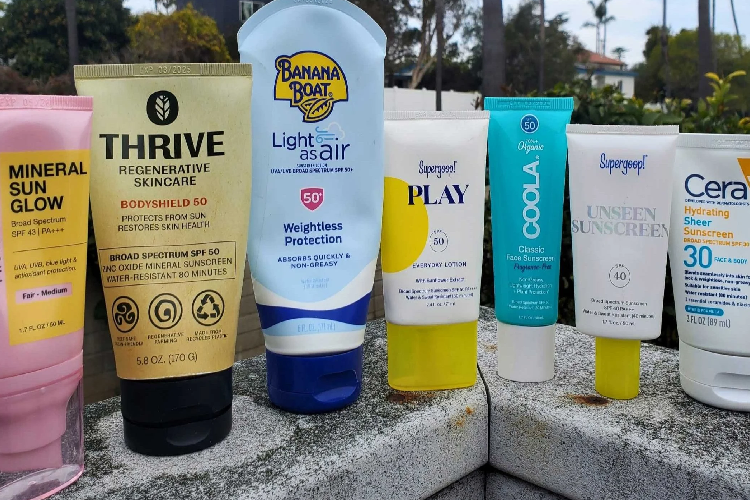
Every morning. Without exception. This is the step that produces the most observable long-term improvement in skin quality and appearance and it is consistently the most skipped step in beginner skincare routines.
ISDIN Fusion Water SPF50 (£40-46) is the recommendation for the easiest daily application experience. La Roche-Posay Anthelios SPF50+ (£20-28) is the recommendation for sensitive skin. Both are good. Both need to be applied every morning.
The Optional Fourth Step — Targeted Treatment
Once the three-step routine is established and consistent (minimum four weeks), a targeted treatment can be added. For most beginners, this means one of two things: niacinamide for tone evening and pore minimisation, or retinol for longer-term skin renewal.
The Ordinary Niacinamide 10% + Zinc 1% (£5-8) is the accessible starting niacinamide. The Ordinary Retinol 0.2% in Squalane (£7-10) is the accessible starting retinol. Both work. Neither is complicated.
What You Don't Need At The Beginning
Eye cream — a small amount of your regular moisturiser applied gently around the eye area is sufficient for most people until a specific eye concern warrants a targeted product.
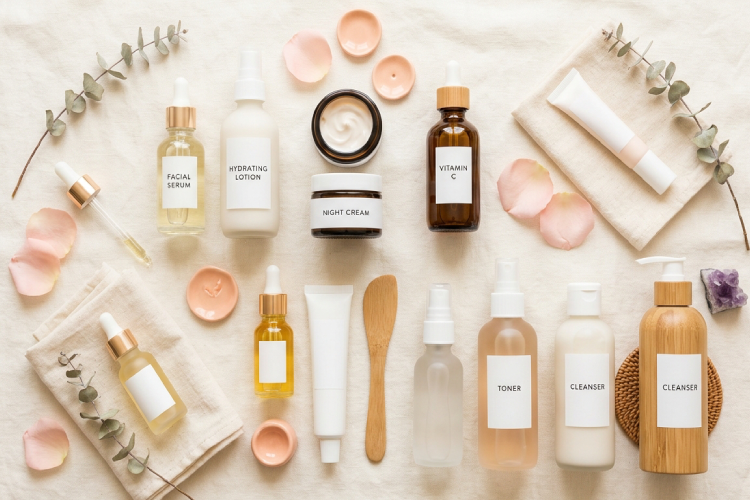
A toner — the primary functions of toner (pH balancing and hydration) are served by a good cleanser and moisturiser. Most toners add a step rather than adding a function.
Multiple serums — pick one targeted ingredient and use it consistently for eight to twelve weeks before assessing results. Adding multiple serums simultaneously makes it impossible to know which is producing any observed effect and increases the likelihood of irritation from ingredient interactions.
The Budget Breakdown
Complete four-step routine at accessible prices:
- CeraVe Hydrating Cleanser: £12-15
- CeraVe Moisturising Cream: £12-18
- ISDIN Fusion Water SPF50: £40-46 (the one worth spending on)
- The Ordinary Niacinamide: £5-8
Total: approximately £70-87 for a complete, evidence-based routine that produces results.
Conclusion
The skincare routine that produces results is not the most complex one — it’s the one that’s followed consistently with the right ingredients for the right skin concern. Cleanser, moisturiser, SPF, and one targeted treatment: this is the complete routine for most people. Start with this. Use it consistently for three months. Then reassess what, if anything, needs to be added.