
Indoor Plants For Home Decor — What I Keep Alive And What I’ve Killed

I’ve killed plants in ways I’m not entirely proud of. I’ve overwatered a cactus. I’ve placed a peace lily in direct afternoon sun and watched it express its feelings about this decision very clearly over forty-eight hours. I’ve bought an expensive fiddle leaf fig, done everything the care card said, and had it drop every leaf within six weeks in a way that felt personally directed.
What I’ve learned from approximately four years of trial and plant-related error is that the difference between a plant surviving and thriving in a real home — not a greenhouse, not a carefully curated Instagram corner with professional lighting — is almost entirely about matching the plant to the conditions that actually exist in your home rather than the conditions you wish existed.
The Plants I Actually Keep Alive
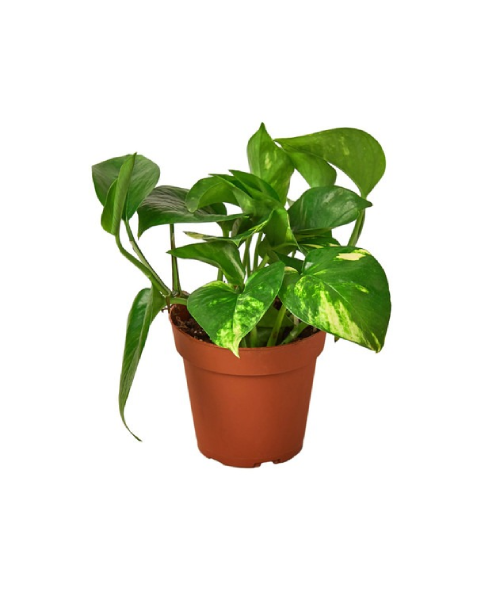
Every plant recommendation I make starts with pothos and for a reason that’s not primarily about the plant’s appearance, which is beautiful, but about its communication style. When a pothos needs water, its leaves droop. Visibly. Obviously. There is no guessing, no checking the soil moisture with a finger, no wondering if the slightly dry-looking leaves are a sign of anything or just normal variation. The plant tells you it’s thirsty and you water it and it recovers within hours.
This feedback loop is the most valuable thing a beginner plant can offer. I’ve had the same golden pothos in my bedroom for two years. It has been moved three times, underwatered twice (both times it drooped dramatically and both times it recovered completely), and overwatered once (fewer, slightly yellowing leaves that were removed and didn’t recur). It currently trails approximately four feet from the top of the wardrobe.
I bought it from The Sill, which is worth mentioning because their plants arrive healthy and their care cards are more specific and more accurate than most. If you’re going to start with one plant, make it a pothos from a reputable source.
Care: Water when the top inch of soil is dry, which in my home is every ten to fourteen days in summer and every three weeks in winter. Tolerates low to bright indirect light. Feed monthly from spring through autumn with a balanced liquid fertiliser.
Where to buy: The Sill (thesill.com), Bloomscape (bloomscape.com), local garden centres
Price: £10-25 depending on size
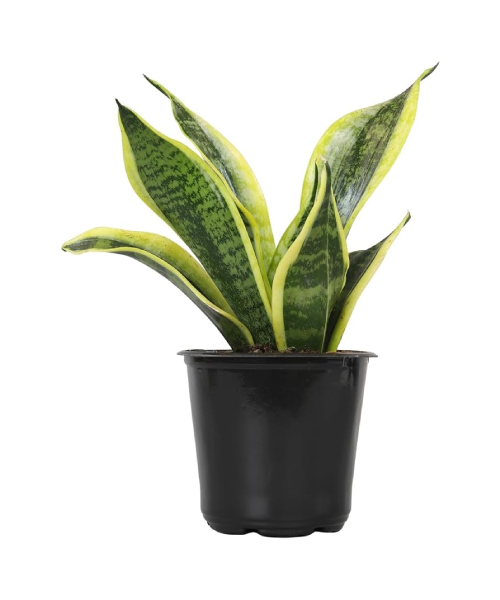
My bathroom gets approximately two hours of indirect light per day. It is not a hospitable environment for most plants. The snake plant has been in that bathroom for fourteen months and it looks, as best as I can tell, exactly as it did when I bought it — possibly slightly taller, possibly my imagination.
Snake plants store water in their leaves, which means they can go weeks without watering without visible distress. The thick, upright leaves don’t droop or yellow in response to temporary dryness the way soft-leaved plants do. They just sit there, looking good, requiring almost nothing.
The architectural quality of the snake plant — the structured upright form, the clean lines — makes it work in minimal and contemporary interiors in a way that softer, more tropical-looking plants don’t. It looks like a design decision rather than a plant that happened to survive.
Care: Water every three to four weeks in the growing season, every six to eight weeks in winter. This is genuinely all. Avoid direct sun. Tolerates very low light though grows more slowly.
Where to buy: IKEA (seasonal), The Sill, local garden centres
Price: £15-40 depending on size
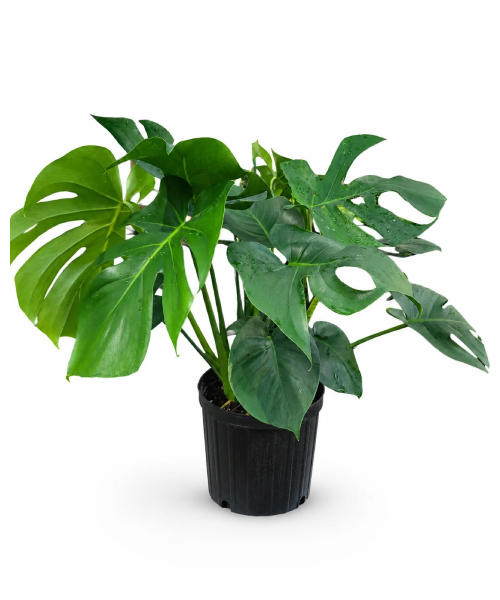
The monstera is the plant I avoided for two years because I’d read about their care requirements and convinced myself they were difficult. They are not difficult. They are direct. They tell you when they need water (the leaves droop), when they need more light (the new leaves come out without splits, which indicates insufficient light for the fenestration to develop), and when they’re happy (regular new leaves and increasingly split existing leaves).
My monstera has been in the corner of the living room for eight months. It gets bright indirect light from a north-facing window supplemented by a south-facing window on the adjacent wall. It has produced four new leaves in that time. The most recent was the first with significant fenestration (the splits and holes that define the plant’s distinctive appearance), which suggests the plant is finally in conditions it considers optimal.
The monstera in a large white ceramic pot is one of the best value home decor investments available — an impressive, living, improving element of the room that costs less than most furniture pieces and lasts indefinitely.
Care: Water when the top two inches of soil are dry. Bright indirect light. Wipe leaves occasionally with a damp cloth to remove dust and improve photosynthesis.
Where to buy: Bloomscape, local garden centres, Etsy (for more unusual varieties)
Price: £25-80 depending on size
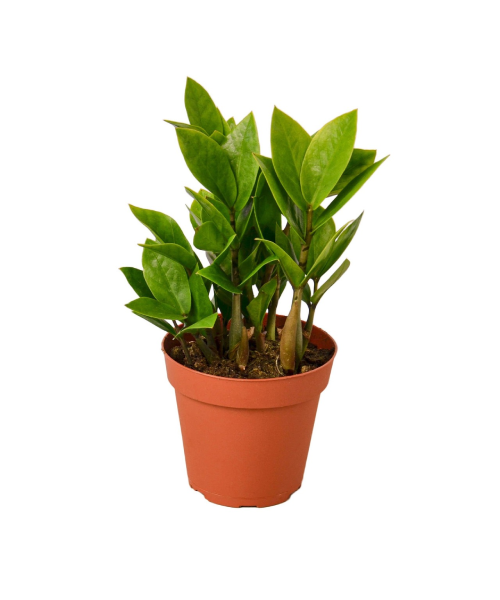
The ZZ plant is the choice for rooms with poor light and infrequent watering schedules. The rhizome root system stores water in a way that allows the plant to survive extended dry periods without visible distress. I’ve had a ZZ in my home office — a room with north-facing windows that gets less natural light than I’d like — for ten months and watered it perhaps fifteen times in that period.
The dark, glossy leaves are genuinely beautiful. They catch ambient light in a way that makes the plant look maintained and healthy even in conditions that would stress most other plants. The waxy surface also makes dusting simple — a damp cloth removes accumulated dust quickly and the plant looks immediately better for it.
Important: ZZ plants are toxic to cats and dogs if ingested. This is relevant to any household with pets that have a plant-eating habit.
Care: Water every three to four weeks, or when the pot feels very light when lifted. Tolerates low to medium indirect light. Very low maintenance.
Where to buy: The Sill, Bloomscape, local garden centres
Price: £20-50 depending on size
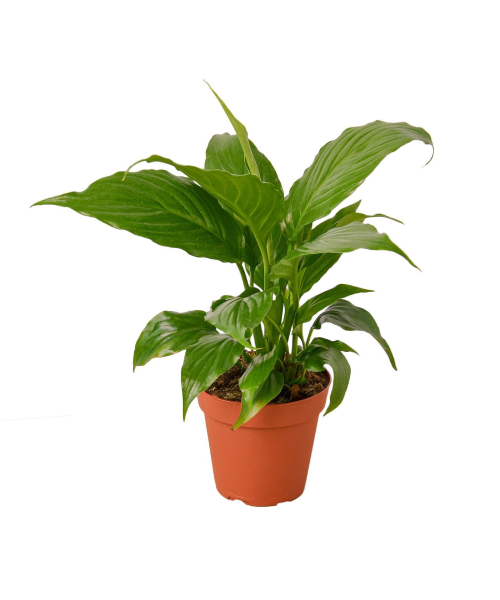
The peace lily is the answer to the question “what plant can I have in a low-light room that will also produce flowers?” The answer to this question is genuinely limited — most flowering plants need more light than most homes provide — but the peace lily tolerates genuine low light and produces white flowers (technically spathes, but the effect is of white flowers) for several weeks per year in reasonable conditions.
The drooping communication system (the same as pothos — the plant visibly droops when it wants water and recovers when watered) makes it a good plant for developing the intuition that determines when plants need water.
Care: Water when leaves begin to droop slightly. Indirect light at any intensity. Avoid direct sun.
Where to buy: Garden centres, Bloomscape, local florists
Price: £15-40 depending on size
What I Stopped Buying
The fiddle leaf fig, after two attempts. The conditions it genuinely needs — stable temperature, bright indirect light without drafts, consistent watering — are difficult to provide in most UK homes and the plant’s response to suboptimal conditions is immediate and definitive leaf drop. I accept that it’s a plant I don’t have the conditions for.
Any plant described as “easy” that requires more than indirect light and moderate watering. “Easy” in plant care content almost always means “easy for someone with a well-lit, stable-temperature home and consistent attention to watering schedules.” That’s not most people’s home and it’s not most people’s schedule.
Conclusion
Plants genuinely transform a home — the specific quality of something living and growing in a space that no furniture or art fully replicates. The plants that transform your home successfully are the ones that match what you can actually provide, not the ones that look best in photographs taken in optimal conditions. Start with a pothos. Add a snake plant for your darker rooms. Graduate to a monstera when you’ve learned to read what plants need. The progression from plant-killer to plant-keeper is faster than it feels when you’re standing in front of a dead succulent wondering what you did wrong.