
Lulu & Georgia Review: Beautiful Furniture Worth the Price?
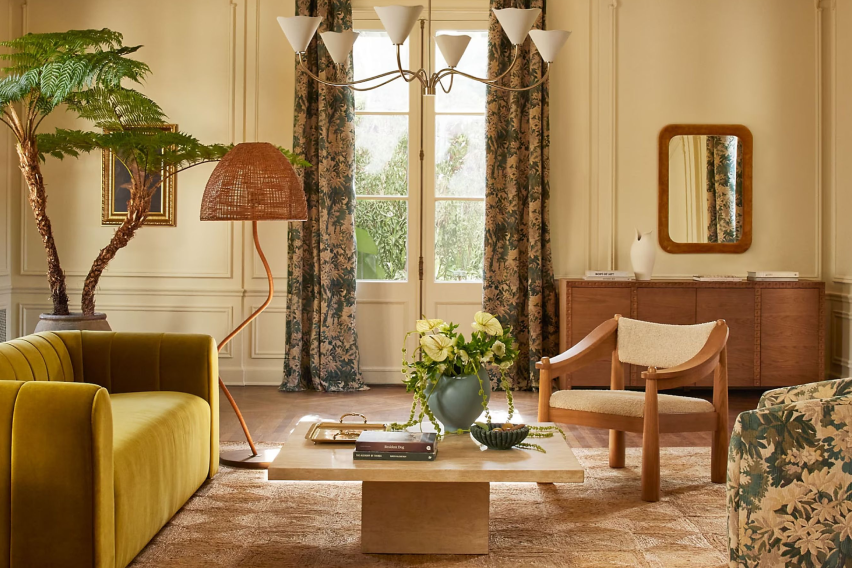
I’ve had Lulu & Georgia saved in my browser bookmarks for probably three years. Every few months I’d go back, spend too long on the rug pages, and then close the tab without buying anything because the prices made me pause.
Eventually I bought a rug. Then a sideboard. Then I read through several hundred customer reviews — good ones and genuinely bad ones — before writing this. The reality of the brand is more complicated than the photography suggests, and the photography is exceptional.
Here’s what I actually think.
Quick Highlights
- ✅ Rugs are genuinely excellent — the brand’s strongest category by a clear margin
- ✅ Designer collaborations with real designers, not just influencers
- ✅ Free design services — actually useful, not marketing window dressing
- ✅ Ships in 3–7 business days for in-stock items
- ✅ 10% off first order with email signup
- ✅ Free returns on most items within 60 days
- ❌ Upper-mid to premium pricing — not a casual purchase brand
- ❌ Furniture quality inconsistent, especially outside the designer collaboration range
- ❌ Customer service is email-only and genuinely slow to respond
- ❌ No phone number — everything goes through chat or email
Best for: Design-conscious buyers who want a curated, editorial aesthetic. Particularly strong for rugs, accent pieces, and designer collaboration items. Less reliable for large furniture purchases.
Why Trust This Review
Direct product experience, analysis of reviews across Trustpilot, PissedConsumer and independent home decor communities, and research into Lulu & Georgia’s catalog and policies. No commercial arrangement here.
About Lulu & Georgia
Founded in 2012 by Sara Sugarman in Los Angeles, Lulu & Georgia was built with a specific gap in mind: the space between mass-market furniture retailers where everything looks generic, and boutique designer sources where you need a trade account or a very serious budget.
Sara’s family background in the luxury rug industry explains a lot about where the brand is strongest. Her grandfather and father were both significant figures in high-end home furnishings, so the rug category isn’t just a product line — it’s something she grew up understanding at a level most retail brands don’t.
The catalog covers rugs, sofas, chairs, beds, lighting, accent furniture, outdoor pieces, pillows, and décor. The designer collaboration program is the brand’s most distinctive feature — proper partnerships with Jake Arnold, Heidi Caillier, Sarah Sherman Samuel, and Aimee Song that result in pieces with genuine design direction, not just a name attached to a catalog item.
Who is it actually for? People who read interiors publications, follow designers online, and want their homes to look intentional rather than assembled. Not for bargain hunters. Not for someone furnishing a rental. For buyers who care about design and are willing to spend on it.
Lulu & Georgia Review: Full Breakdown
Quality — The Honest Version
The quality story here splits cleanly by category.
Rugs: excellent, consistently. The wool pieces especially have weight, density, and pattern quality that makes them feel expensive because they are. Sara’s family background shows here more than anywhere else in the catalog.
Accent furniture — sideboards, console tables, coffee tables in natural materials — generally solid. The rattan and cane pieces feel handcrafted rather than factory-produced. When you handle them, the quality registers.
Upholstered furniture and larger pieces: this is where it gets complicated. Some buyers describe quality that completely justifies the price. Others — enough to form a pattern across independent platforms — have received sofas and chairs that didn’t hold up, including one documented case of a dining chair joint snapping within a week of normal use. That’s not an isolated complaint; it reflects inconsistency in quality control across the furniture category that you should factor in before spending $1,000-plus on a sofa here.
The honest summary: shop the rugs with confidence. Research specific furniture pieces carefully before committing.
Design and Aesthetic
This is where Lulu & Georgia genuinely earns its following. The aesthetic is specific and coherent — California modern with vintage sensibility, warm but not cluttered, on-trend without being aggressively seasonal. It looks the way a well-edited lifestyle magazine looks.
The designer collaboration program is the real differentiator. When Heidi Caillier designs a collection for the brand — her 2026 launch in January received genuine editorial coverage, not just sponsored content treatment — you’re getting actual design thinking applied to each piece. The proportions, the fabric combinations, the details that make a room feel considered rather than just furnished. That’s hard to buy elsewhere at this price tier.
The photography throughout the site is so good it occasionally works against buyers. Products styled in perfectly lit editorial spaces can look marginally different in a real living room with regular lighting. Read the customer review photos, not just the hero images.
Shopping and Service
Website navigation is clean and intuitive. The free design services feature — actual guidance from real designers for customers — is genuinely useful rather than the token customer service feature it could have been. If you’re trying to put a whole room together rather than just buy individual pieces, it’s worth using.
Customer service is the most consistent weakness across every independent review platform I looked at. No phone number. Email and chat only. Response times are slow, sometimes very slow. When you’re spending $800 on a chair and something goes wrong, waiting a week for an email response is frustrating in a way that’s disproportionate to what the brand charges.
Most issues eventually get resolved. The path to resolution involves more follow-up than it should.
Price and Value
Rugs start around $200 for small sizes and run into the thousands for large hand-knotted pieces. Sofas start around $1,200. Accent furniture and décor sit at upper-mid-range pricing throughout.
For rugs and designer collaboration pieces, the pricing is justified. You’re getting genuine quality and genuine design from a brand that knows these categories deeply.
For core furniture catalog pieces outside the designer collections, the value is less consistent. Not always bad, but not reliably excellent either. At $800 for a dining chair, construction needs to be impeccable every time. Based on enough documented buyer experiences, it isn’t.
5 Best-Selling Products from Lulu & Georgia
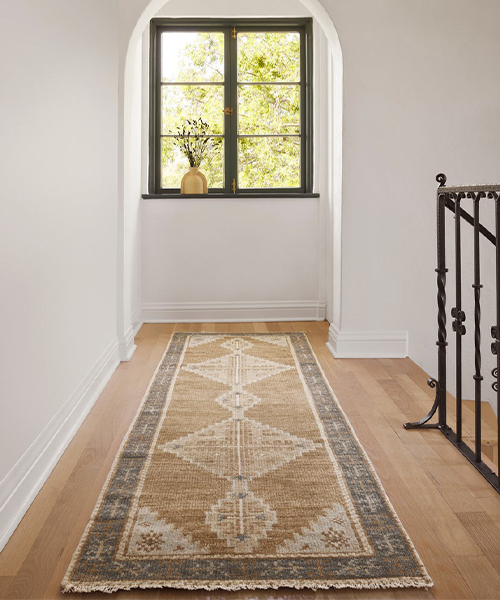
Best for: Anyone who wants a graphic, design-forward rug that becomes the visual anchor of a room — the kind of piece a whole room gets built around rather than added to as an afterthought.
Top Features:
- Hand-tufted from 100% wool — the density and warmth are tangible from the moment you unroll it, with a substantiality that synthetic alternatives simply don’t replicate at any price
- Graphic pattern in deep, rich tones that photographs beautifully but more importantly reads as genuinely sophisticated in a real room, not just in editorial images
- Available in multiple sizes with consistent quality across the range — the 9×12 doesn’t look or feel different in quality from the 5×8
One Honest Drawback: Some early buyers report initial shedding typical of hand-tufted wool — it resolves after several vacuumings but can be surprising the first week.
Verdict: One of the most consistently praised pieces in the entire catalog. If you’re spending money at Lulu & Georgia, spend it here first.
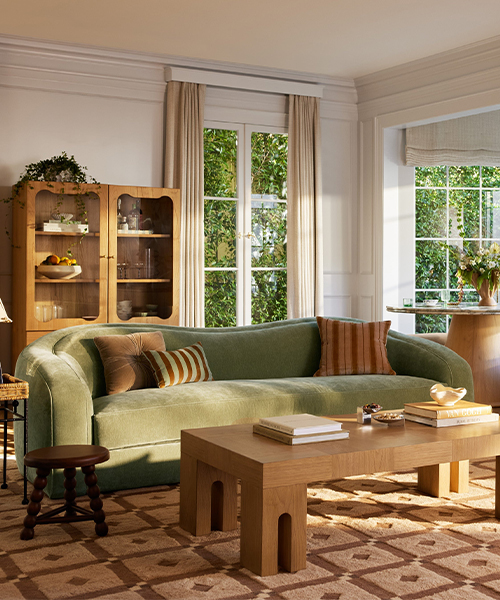
Best for: Buyers who want a sofa with genuine designer DNA — where every design decision from fabric choice to proportion reflects an actual point of view, not a committee’s compromise.
Top Features:
- Designed by Heidi Caillier, whose work on the viral Kendall Jenner mountain house in late 2025 established her as one of the most talked-about designers working right now — her involvement is substantive, not nominal
- Features layered, vintage-influenced character that defines her broader work — pattern combinations, rich textiles, colors that feel like they were collected over time rather than matched
- Exclusive to this collaboration, which means you genuinely cannot get this specific aesthetic anywhere else at a comparable price
One Honest Drawback: The maximalist, pattern-forward character is a commitment. It works brilliantly in the right room and looks overwhelming in the wrong one. Request swatches and live with them for a week before ordering something at this price.
Verdict: The strongest case for what the designer collaboration program can be when it’s done properly. For the right buyer and the right room, genuinely excellent.
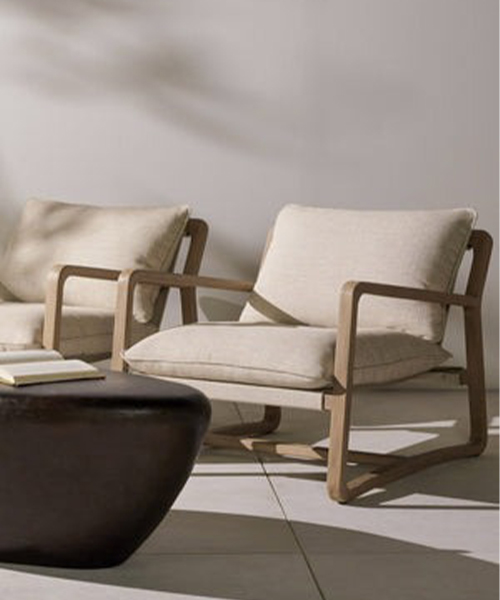
Best for: Anyone who wants a living room accent chair that reads as actually designed — the kind of piece that earns questions from guests rather than disappearing into the background.
Top Features:
- Jake Arnold is among the most respected designers working in the current California vintage aesthetic, and his design direction is visible in every proportion and material decision on this piece
- Clean silhouette with the kind of considered details — arm height, seat depth, leg profile — that separate a properly designed chair from one that merely photographs well
- Available in performance fabric options that make it usable in households where furniture actually gets used
One Honest Drawback: It’s a distinctive piece, which means it’s directional. If your room’s aesthetic changes significantly, this chair doesn’t adapt to it the way a simpler alternative would.
Verdict: A proper designer piece at a price that sits meaningfully below what you’d pay sourcing through an interior designer directly. Excellent value for what it actually is.
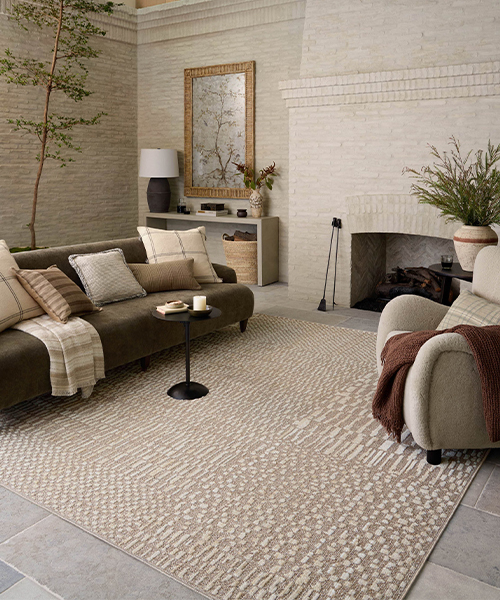
Best for: Anyone who wants the warmth and texture of a natural fiber rug with more visual interest than plain jute but enough versatility to work across different interior styles without dominating the room.
Top Features:
- Neutral palette with natural jute woven into a tile-inspired pattern — distinctive enough to be interesting, restrained enough not to compete with the furniture sitting on top of it
- Grounds a space visually without adding visual noise, which is exactly what a rug is supposed to do and harder to achieve than it sounds
- More accessible price point than the hand-knotted wool pieces while maintaining the natural material quality that makes Lulu & Georgia rugs stand apart
One Honest Drawback: Slightly less substantial underfoot than the denser wool pieces — still genuinely good, but a quality rug pad makes a noticeable difference here and is worth budgeting for.
Verdict: A strong entry point into the Lulu & Georgia rug catalog. Consistently appears in their bestsellers and earns the position.
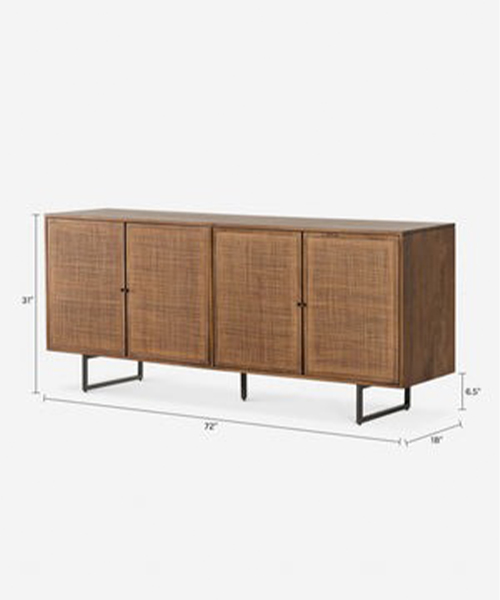
Best for: Anyone who needs a large-format storage piece that does real furniture work — housing electronics, organizing everyday items — while looking like something sourced by a decorator rather than assembled from a flat pack.
Top Features:
- Black frame with rattan panel fronts — the material combination gives it warmth and texture that all-wood or all-metal pieces don’t achieve, and it reads well across coastal, contemporary, and transitional interior styles
- Arrives fully assembled at 72 inches long — genuinely significant when you consider the alternative of assembling a large, heavy piece yourself on a weeknight
- The rattan panels keep it feeling visually open at significant scale, which matters in rooms where a solid-front sideboard would feel heavy and imposing
One Honest Drawback: The rattan aesthetic is popular right now, which means it’s also specific to a moment. Whether it reads as timeless or dated in five years depends partly on where interiors trends land.
Verdict: One of the most frequently mentioned Lulu & Georgia purchases in genuine independent buyer reviews. The quality and scale justify the price better than most pieces in the broader furniture catalog.
What Customers Actually Think
Reading through verified accounts across multiple platforms, the pattern is clear and consistent.
The happiest buyers are specific in their praise. They describe rugs that stopped them when unrolled, furniture that matched the editorial photography, sideboards that transformed a room. Several repeat buyers mention that Lulu & Georgia is the only home brand they keep coming back to specifically for rugs.
The frustrated buyers are equally specific. Customer service response time is the single most consistent complaint across every independent platform — people waiting days or weeks for replies about damaged items or returns. One buyer documented a large furniture order where quality disappointed across multiple pieces, including a dining chair that failed structurally within a week. Another described waiting over a month for accent chairs with no meaningful communication.
Real buyer accounts, paraphrased:
- “The rug quality is genuinely impressive. Two years of daily use with two dogs and it still looks perfect. Would buy again immediately.”
- “The sideboard arrived fully assembled and looks exactly like the photos. It’s the piece everyone asks about when they visit my office.”
- “I placed a large furniture order and was disappointed with the quality across most of it. Returns were expensive and customer service took ages to respond.”
- “Nobody picks up the phone. I tried calling multiple times. For the prices they charge, this is not acceptable.”
- “The wool rug is softer and more substantial than I expected. I keep trying to find something similar for less and never can.”
Is Lulu & Georgia Legit?
Yes. The brand has been operating since 2012, is based in Los Angeles, has editorial coverage in Architectural Digest and Domino, and maintains active designer partnerships with some of the most respected names in contemporary interiors. Orders process through standard secure payment systems, the products are real, and most orders arrive as described.
The caveats are furniture quality consistency and customer service responsiveness — real issues that matter at this price point, but neither makes the brand illegitimate.
Is Lulu & Georgia Worth It?
For rugs and designer collaboration pieces: yes, without much hesitation.
For core furniture catalog pieces outside the designer collections: research the specific item’s reviews before committing. The best pieces are genuinely excellent. The weaker ones don’t justify premium prices.
For accent furniture, lighting, and décor: generally a strong buy.
The brand rewards buyers who research specific items rather than trusting the overall brand name to carry through every product.
Lulu & Georgia vs. Anthropologie
Lulu & Georgia | Anthropologie Home | |
Aesthetic | California modern, vintage-inflected | Bohemian, eclectic, globally inspired |
Rug quality | ✅ Exceptional — family expertise | Good, not their core strength |
Designer collabs | ✅ Real designers, substantive involvement | More brand/editorial partnerships |
Swatch program | Yes, limited | ✅ More generous |
Upholstered furniture | Variable quality | More consistent |
Customer service | Email-only, slow | Mixed but more accessible |
Best for | Rugs, statement pieces, designer items | Eclectic decor, sofas, textiles |
For rugs and the most distinctive designer-forward pieces, Lulu & Georgia wins clearly. For sofas and upholstered furniture where consistency matters more than exclusivity, Anthropologie is a safer bet. Most buyers shopping both are making category-specific decisions rather than brand loyalty ones.
Discounts and Where to Buy
10% off first order with email newsletter signup — do this before you buy anything.
Sale section runs year-round with 30% off and deeper discounts. Worth checking before paying full price for core catalog items, though designer collaboration pieces rarely appear there.
Referral program — refer a friend and both parties receive store credit.
Lulu & Georgia sells exclusively through luluandgeorgia.com. US only, no international shipping. In-stock items ship within 3–7 business days via UPS or FedEx. Free design services available through the website.
FAQs
Are Lulu & Georgia rugs good quality?
Yes — consistently the brand’s strongest category. Hand-tufted and hand-knotted wool rugs in particular justify the pricing and hold up well over years.
Is Lulu & Georgia furniture good quality?
Variable. Designer collaboration pieces tend to be excellent. Some core catalog furniture has drawn meaningful quality complaints. Check individual product reviews specifically before buying furniture.
What is the return policy?
Free returns on eligible items within 60 days. Final sale and made-to-order items are non-returnable. Original shipping charges are not refunded.
Does Lulu & Georgia have a phone number?
No. Customer service is email and chat only, which is the brand’s most consistent weakness based on independent reviews.
Does Lulu & Georgia ship internationally?
No — US only, excluding Hawaii and Alaska.
Similar Brands Worth Knowing
Anthropologie Home — closest aesthetic neighbor, slightly more consistent on upholstered pieces.
West Elm — more mid-century modern, more consistent quality across categories, slightly more accessible pricing.
Arhaus — for buyers who want heirloom build quality and are prepared to spend for it.
The Citizenry — smaller catalog, strong artisan credentials, for buyers where ethical sourcing matters alongside design.
Final Verdict
Lulu & Georgia rewards knowing exactly what you’re buying from them.
The rugs are as good as anything in the upper-mid-range category. The designer collaborations are the real thing — you get actual design direction, not just a name on a label. The aesthetic is coherent and distinctive in a way that matters when you’re trying to make a home feel considered rather than assembled.
The furniture inconsistency is real. The customer service limitations are genuinely frustrating at these price points. And the pricing requires deliberate intent rather than impulse purchase energy.
Buy the rugs with confidence. Research furniture pieces carefully. Use the free design services if you’re doing a whole room. And check the sale section before paying full price for anything.
Done that way, Lulu & Georgia delivers on whatever drew you to those saved Instagram posts. Most of the time.
Overall Rating: 7.9 / 10
Category | Score |
Rugs & Textiles Quality | 9.5 / 10 |
Furniture Quality | 7 / 10 |
Design & Aesthetic | 9.5 / 10 |
Value for Money | 7.5 / 10 |
Shopping Experience | 8 / 10 |
Customer Service | 6 / 10 |
Overall | 7.9 / 10 |