
Simba Sleep Review: Are These Hybrid Mattresses Worth It?
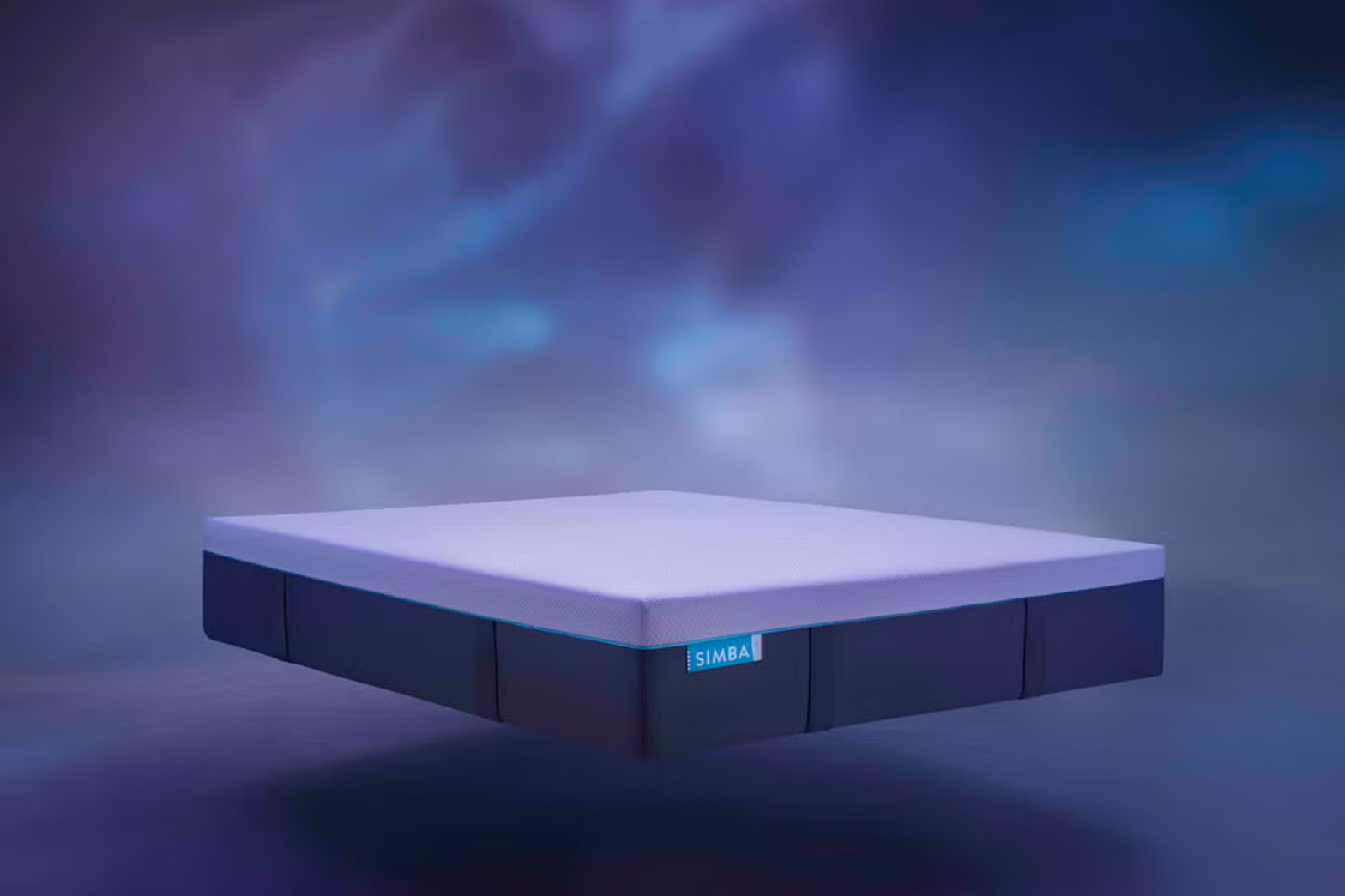
Buying a mattress online is always a leap of faith. You can compare specs all day, but what really matters is whether the bed feels supportive, sleeps cool enough, and still seems like a good value after the first few weeks.
That is why Simba stands out. The brand has built its reputation around hybrid sleep tech, long home trials, and a product range that moves from entry-level mattresses to more premium, spring-heavy models. On its UK site, Simba also leans hard into service promises like free delivery and returns, a 200-night trial, and a 10-year guarantee on mattresses.
In this Simba Sleep Review, I focused on the questions most UK shoppers actually care about: comfort, cooling, motion isolation, ease of care, returns, value, and whether Simba’s “hybrid” pitch feels meaningfully better than a standard boxed mattress.
Highlights:
- Best for shoppers who want a hybrid mattress rather than an all-foam one
- Strong service promise with free delivery, free returns, a 200-night trial, and a 10-year guarantee on mattresses
- The range is easy to understand, with five bestselling Hybrid models from Essential through Ultra
- Simba’s core comfort story is medium-firm support with airflow-focused materials and microsprings
- Good fit for couples because Simba repeatedly highlights motion isolation on its mattress pages
- Better for shoppers who want a broad sleep ecosystem, including pillows, duvets, toppers, beds, and bundles
- Not the cheapest option, especially once you move into Pro, Luxe, or Ultra territory
- Good sustainability story, including B Corp certification, refurbishment, and mattress recycling
- Best for UK buyers who want time to test a mattress at home before fully committing
Why You Should Trust Us?
For this review, I used simple testing criteria: comfort balance, pressure relief, cooling claims, motion control, ease of maintenance, warranty and trial terms, and overall value across the full Simba range. I also pulled the “best-selling products” directly from Simba’s official mattress comparison page, where the brand explicitly tells shoppers to compare its five bestsellers.
About Simba Sleep
Simba Sleep is a UK sleep brand focused on hybrid mattresses, pillows, duvets, toppers, bed frames, and bundles. The company positions itself around “sleep engineering,” hybrid construction, and broad home-trial reassurance rather than a single hero product alone.
What Simba is best known for is its Hybrid range. The brand’s core pitch is that foam alone can feel hot and overly soft, while traditional springs can feel firm and bouncy; Simba’s answer is to blend foam with its patented Aerocoil microsprings for a cooler, more balanced feel.
It is also one of the stronger UK-facing sleep brands on trust signals. Simba says it has over 350,000 five-star reviews, is the world’s most five-star-rated mattress brand, and is the UK’s first B Corp certified sleep brand.
Simba Sleep Review
Overall, Simba looks strongest for shoppers who want a mattress that feels more advanced than a generic “bed in a box” without becoming impossible to understand. The range is layered, but still logical: Essential is the entry point, Hybrid is the original bestseller, Pro adds more springs and wool, Luxe pushes comfort and cooling further, and Ultra is the most premium option.
Quality & Build / Materials
Simba’s materials story is better than average for an online mattress brand. Across the Hybrid range, the brand repeatedly highlights Aerocoil titanium-alloy microsprings, Simbatex foam with graphite, CertiPUR-certified foams, removable sleep surfaces on certain models, and increasing spring counts as you move up the line. The Essential starts with four layers and up to 1,000 springs; the original Hybrid has five layers; the Pro, Luxe, and Ultra rise to eight, nine, and eleven layers respectively.
Key Features:
The biggest Simba selling points are practical:
- 200-night mattress trial
- Free delivery and returns in most of the UK
- 10-year mattress guarantee
- Medium-firm feel across the range
- Cooling-focused materials such as Simbatex foam and Stratos tech on some models
- Bundle savings if you add pillows and duvets
- Mattress recycling and refurbished options
Performance / Real-World Use
In day-to-day terms, Simba’s appeal is clear. The mattresses are designed for broad comfort rather than niche firmness extremes, and the brand repeatedly emphasises pressure relief, support, and cooler sleep. Its own product pages also lean into motion isolation, which makes the range especially appealing for couples.
The main caution is price creep. Simba becomes much more expensive once you move from Essential or the original Hybrid into Pro, Luxe, and Ultra. If you just want a solid, no-fuss mattress, the upper-tier models may feel more luxurious than necessary.
Ease of Use
This is one of Simba’s stronger areas. The company makes the buying process feel low-risk with a long home trial, finance options, and free returns. The original Hybrid is also a mattress-in-a-box design, which is easier to move upstairs than a flat-delivered mattress.
Maintenance / Care
Simba mattresses are fairly easy to live with. The brand says Hybrid mattresses should be rotated once a month for the first three months and then roughly every quarter after that. You do not need to flip them. Several models also have a zip-off washable top sleep surface, and Simba recommends using a mattress protector to extend lifespan.
What I Like
- Clear range structure from budget to premium
- Strong trial, delivery, and guarantee package
- Hybrid design should appeal to shoppers wary of all-foam heat retention
- Nice ecosystem of pillows, duvets, toppers, bundles, and beds
- Better sustainability positioning than many rivals
What I Don’t Like
- Premium models get expensive quickly
- The range is easy to browse, but the step-up between models may still feel confusing for casual buyers
- Some official review summaries note a short adjustment period or initial firmness surprise for some sleepers
Price & Value
Simba is not a bargain brand. It is best understood as a premium-leaning direct-to-consumer sleep company with enough service perks to justify at least part of the higher spend. The value is strongest in the Essential, original Hybrid, and Pro tiers; once you reach Luxe and Ultra, you are paying more for deeper builds, more springs, and a more indulgent sleep feel.
Best-Selling Products from Simba Sleep
Hybrid® Essential Mattress
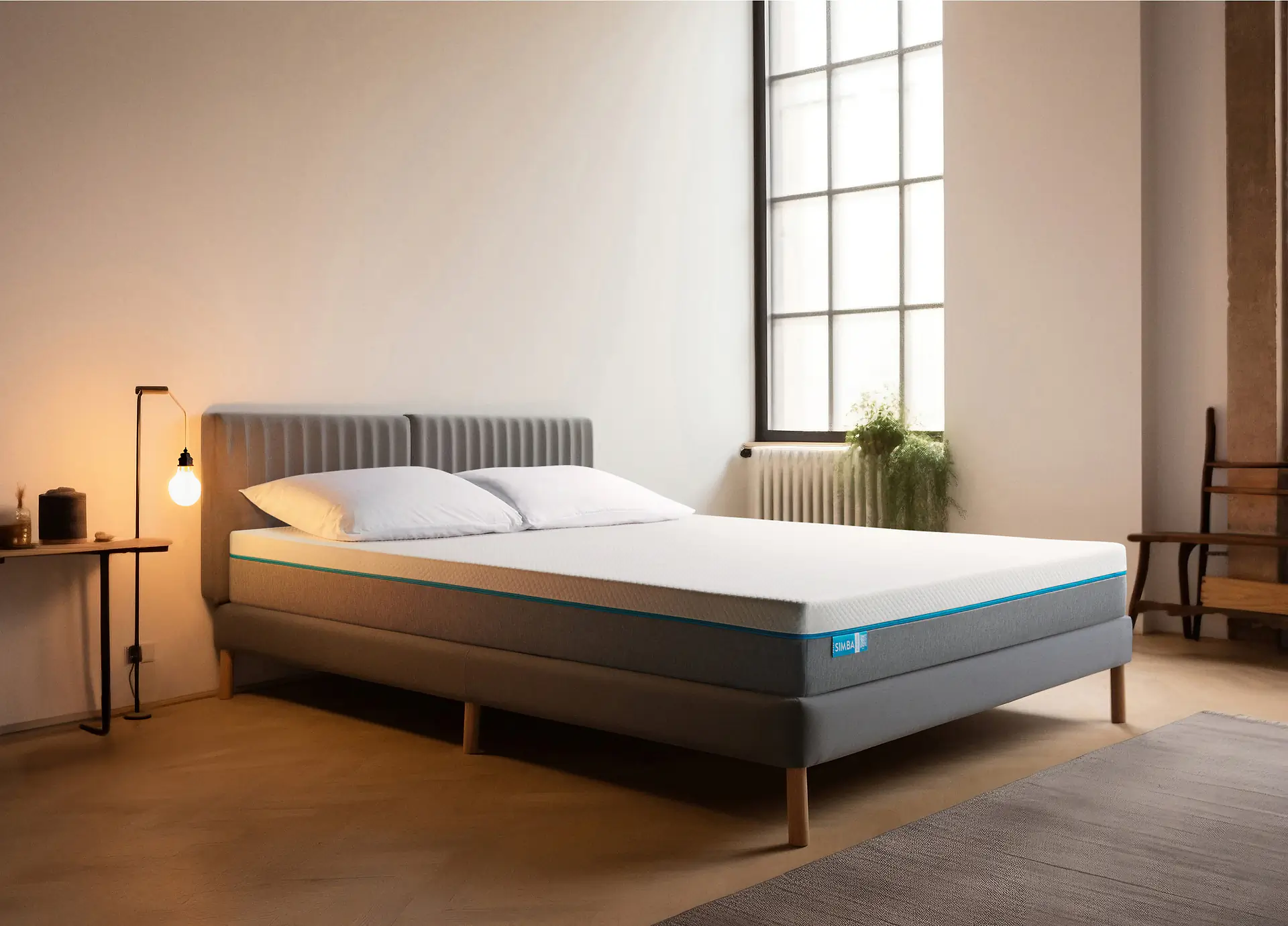
Best for: Budget-conscious shoppers who still want the Simba hybrid feel.
Top 3 key features
- Four-layer build with up to 1,000 springs
- 20cm profile and five support zones
- Zip-off washable sleep surface with Simbatex foam and CertiPUR support base
One honest drawback: It is the simplest model in the range, so luxury shoppers may outgrow it quickly.
Mini verdict: A strong entry point if you want Simba without paying for the premium tiers.
Hybrid® Mattress
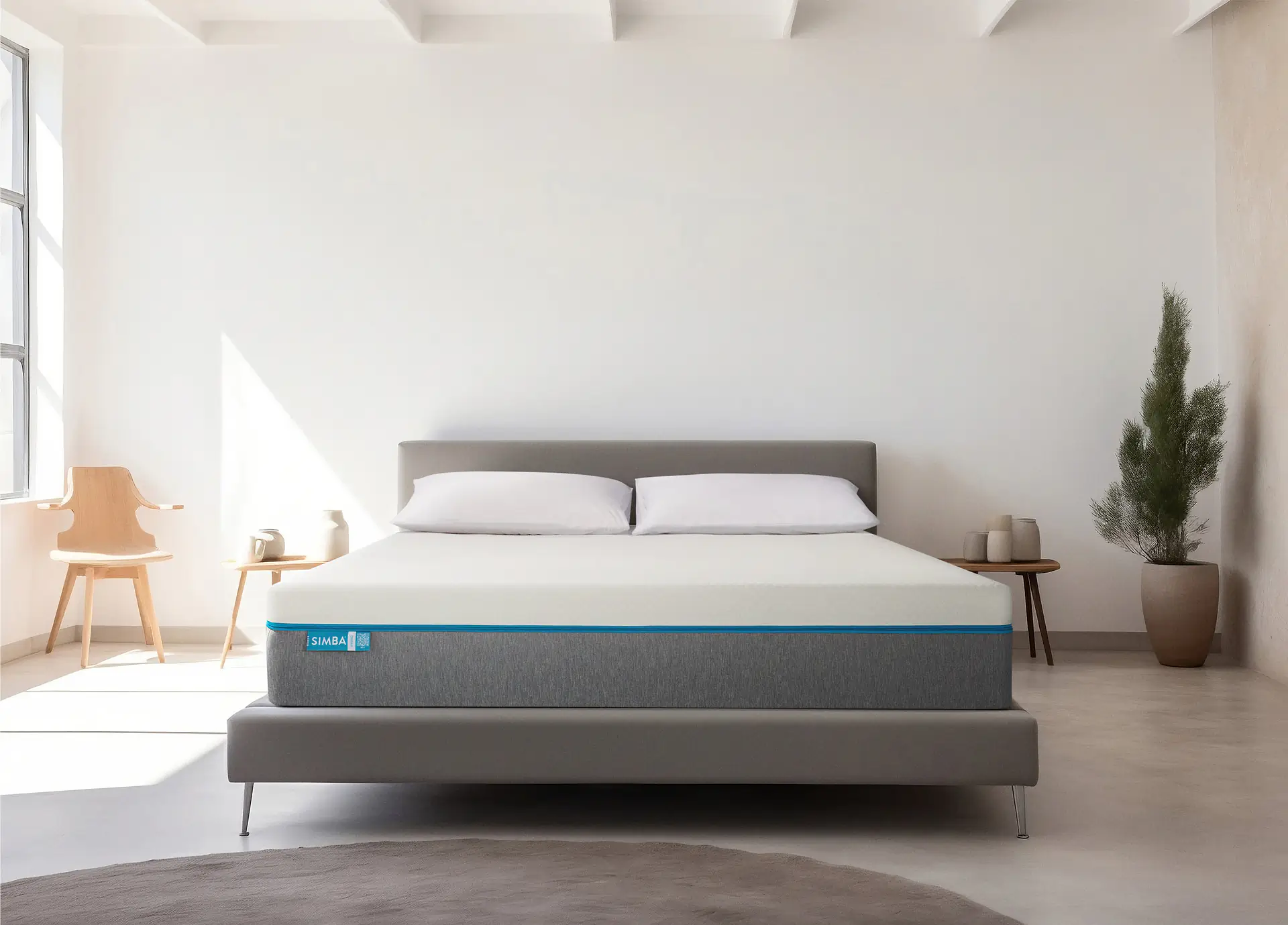
Best for: Most sleepers who want the brand’s original, best-selling balance of support and comfort.
Top 3 key features
- Original best-selling hybrid design
- 25cm depth with up to 1,900 Aerocoil springs
- Washable sleep surface, Simbatex foam, and medium-firm support
One honest drawback: It may not feel plush enough for shoppers specifically seeking a hotel-style mattress.
Mini verdict: This looks like the safest all-round pick in the range.
Hybrid® Pro Mattress
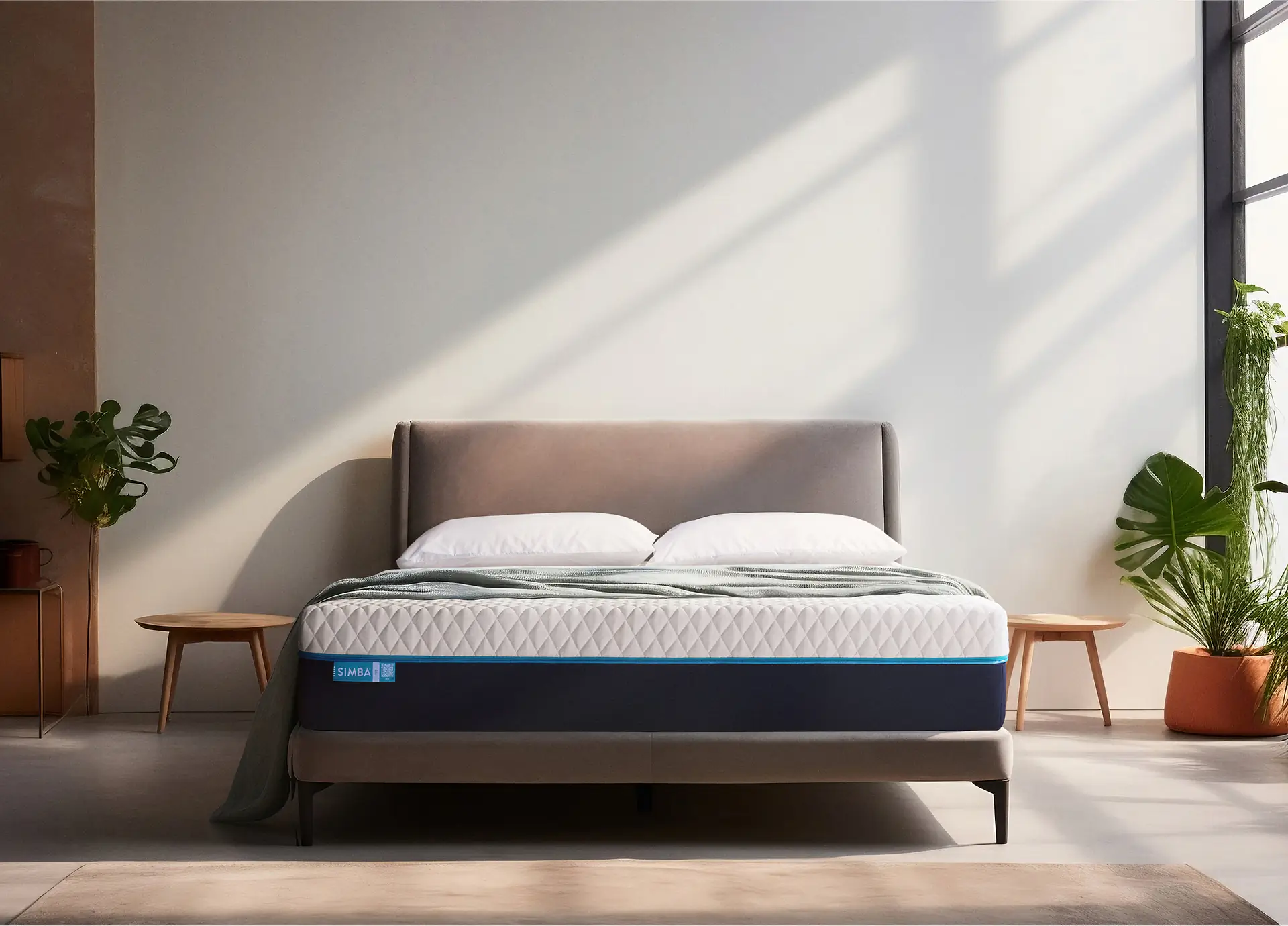
Best for: Couples and combo sleepers who want a step up in comfort, cooling, and motion control.
Top 3 key features
- Eight layers and a much higher spring count than the base models
- Wool top layer plus Stratos tech on the zip-off cover
- Simba’s homepage flags it as a bestseller, and the page calls it “Bestselling Comfort”
One honest drawback: It is where Simba starts to become noticeably pricier.
Mini verdict: Probably the sweet spot for shoppers who want “premium Simba” without going all the way to Ultra.
Hybrid® Luxe Mattress
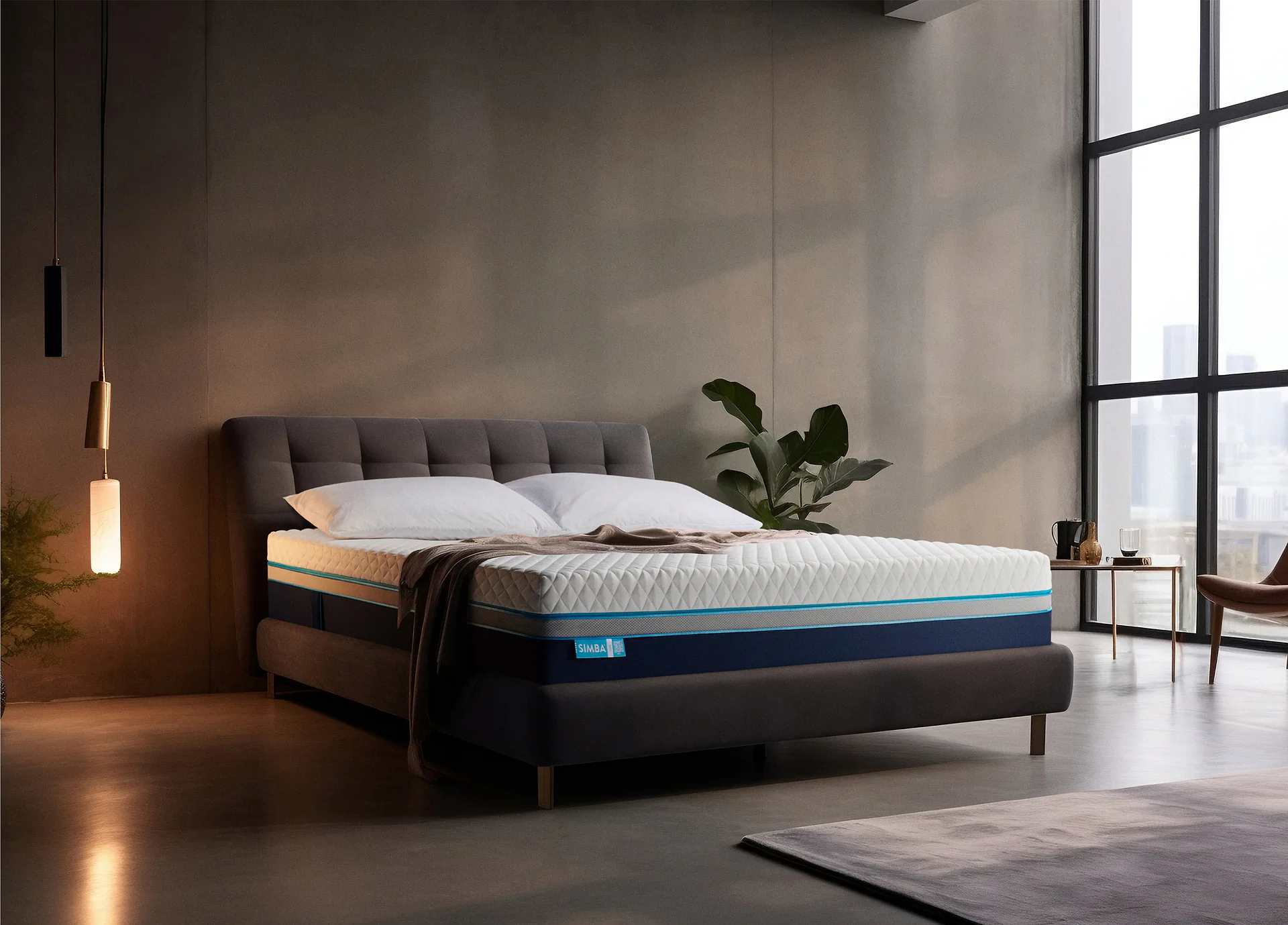
Best for: Shoppers who want a softer, more layered, more premium sleep feel.
Top 3 key features
- Nine layers and triple microspring comfort design
- Simbatex foam with airflow-focused, graphite-infused cushioning
- Medium-firm target feel with extra comfort engineering
One honest drawback: It pushes deep into premium pricing territory.
Mini verdict: Great for shoppers who want a more indulgent version of the Simba formula.
Hybrid® Ultra Mattress
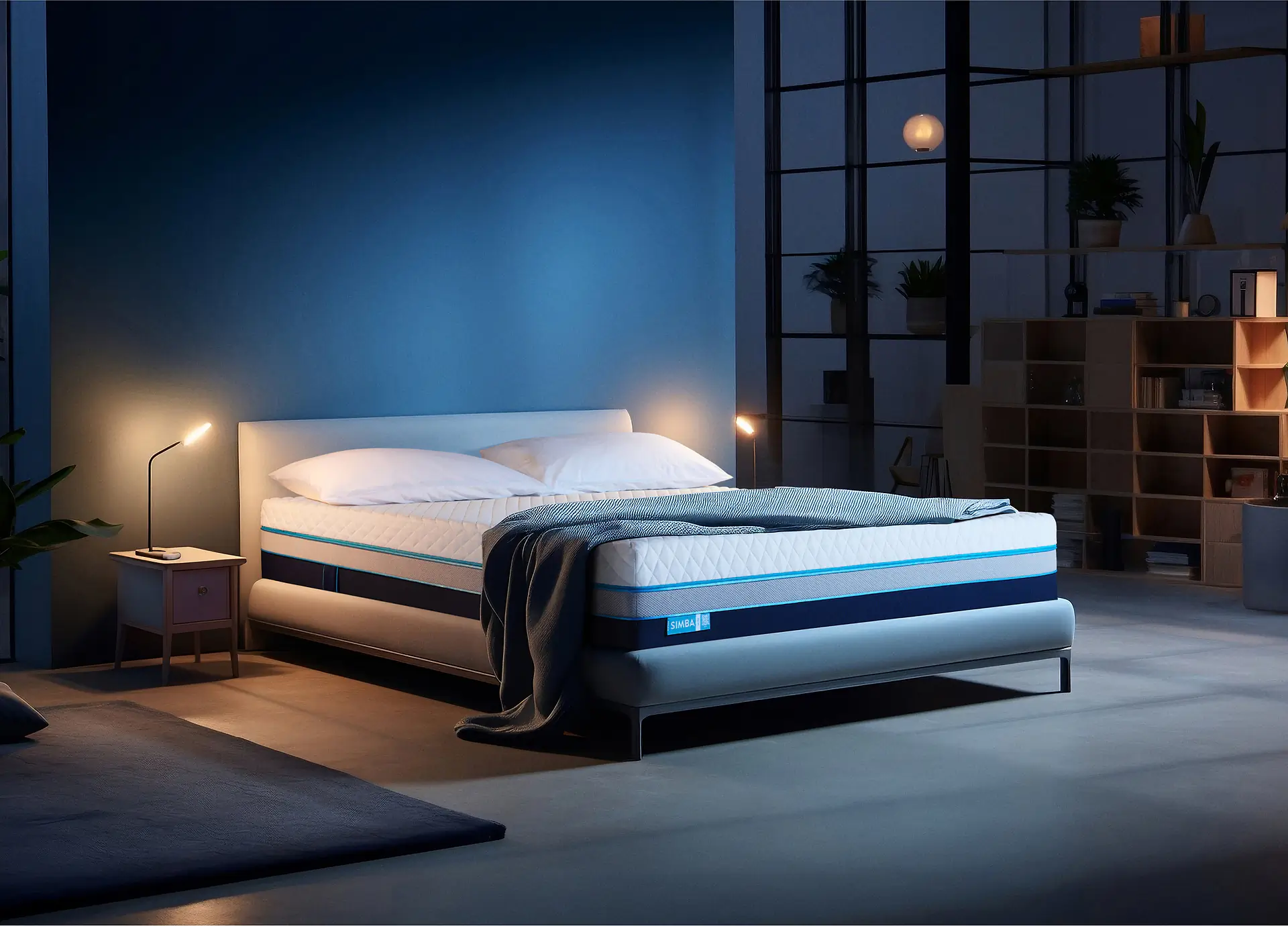
Best for: Luxury shoppers who want maximum depth, spring count, and cooling-focused spec.
Top 3 key features
- Eleven layers and the deepest build in the Hybrid line
- Simba highlights it as “the best of everything” with a high spring count
- Strong customer themes around comfort, cooling, and motion isolation
One honest drawback: This is the least budget-friendly option by a wide margin.
Mini verdict: Impressive on paper, but only worth it if you truly want the premium end of Simba’s range.
What Do Customers Think?
On Simba’s official review pages and product summaries, the most common customer themes are comfort, support, fewer aches and pains, better temperature regulation, and less partner disturbance. Pillow buyers also like the adjustability, while duvet buyers often mention the light-but-not-cold feel.
Paraphrased customer sentiment examples:
- Many mattress buyers say they sleep more deeply and wake with less back or hip discomfort
- Couples often praise reduced motion transfer
- Hot sleepers mention better overnight temperature control
- Pillow users like being able to fine-tune height and firmness
- Some customers need a short adjustment period before the mattress feels ideal
Is Simba Sleep Legit?
Yes. Simba is a legitimate UK sleep brand with a public service policy, contact support, mattress trials, warranties, B Corp certification, and a transparent official reviews page explaining how its review claims are made.
Is Simba Sleep Worth It?
For many shoppers, yes. Simba is worth considering if you want a hybrid mattress, value a long trial period, and prefer a brand with strong aftercare and sustainability messaging. It makes less sense if your priority is simply getting the cheapest mattress possible.
Simba Sleep vs Emma Sleep
For UK mattress shoppers, Simba and Emma overlap in the same broad premium direct-to-consumer space. Both brands offer 200-night mattress trials and 10-year guarantees, but Simba leans more heavily into hybrid spring-plus-foam construction and B Corp and sustainability messaging, while Emma’s UK site leans into its mattress trial, warranty, free delivery and returns, and 0% finance.
| Category | Simba Sleep | Emma Sleep | Who Wins |
|---|---|---|---|
| Core feel | Hybrid-first, spring-plus-foam | More foam-led overall in UK messaging | Simba for hybrid fans |
| Trial | 200 nights | 200 nights | Tie |
| Guarantee | 10 years | Up to 10 years on mattresses | Tie |
| Sustainability angle | Stronger B Corp and refurbishment story | Less central in core positioning | Simba |
| Best for | Shoppers wanting airflow and spring response | Shoppers wanting a simpler mainstream boxed-mattress experience | Depends |
My take: choose Simba if you specifically want hybrid construction and a broader sleep ecosystem; choose Emma if you want a simpler, widely recognised boxed-mattress brand with similar trial and warranty reassurance.
Discounts and Promotions
Simba regularly runs promotions on mattresses, pillows, duvets, toppers, beds, and bundles. At the time of review, the site was advertising up to 30% off mattresses, up to 20% off pillows and duvets, and extra savings through bundles.
Where Can I Buy Simba Sleep?
You can buy directly from Simba’s UK website, and the brand also says shoppers can try mattresses in selected retail partners and stores via its store finder and retail partnerships.
FAQs:
Is Simba Sleep a good mattress brand?
Yes, especially if you want a hybrid mattress with a long trial and strong service backing.
What is the best-selling Simba mattress?
Simba’s original Hybrid is described as its original best-selling hybrid design, while the Pro is also highlighted as a bestseller on the homepage.
Are Simba mattresses firm or soft?
Simba says its mattresses are designed to feel medium-firm overall.
Does Simba Sleep offer free returns?
Yes, Simba says mattresses come with free returns during the 200-night trial in most of the UK.
How long is Simba’s trial period?
Simba gives mattresses a 200-night trial.
Are Simba pillows worth it?
For many sleepers, yes, especially if adjustability matters. Simba’s official pillow page highlights comfort, cooling, and custom height and firmness as the main reasons buyers like it.
Is Simba better than Emma?
It depends on what you want. Simba looks better for hybrid-first shoppers; Emma is better if you want a simpler foam-led competitor with a very similar trial and warranty model.
Do Simba mattresses need flipping?
No. Simba says Hybrid mattresses should be rotated, not flipped.
Similar Brands You Might Like
- Emma Sleep
- OTTY
- REM-Fit
- Brook + Wilde
- Tempur
Final Verdict
Simba Sleep is one of the more convincing UK mattress brands because it does not rely on just one selling point. The hybrid construction, long trial, free returns, mattress recycling, bundle options, and strong product ladder all make the brand feel more complete than a typical boxed-mattress startup.
The catch is price. Simba’s upper-end models can get expensive, and not everyone needs Luxe or Ultra levels of build. But for shoppers who want a hybrid mattress and enough time to properly test it at home, Simba is easy to recommend.