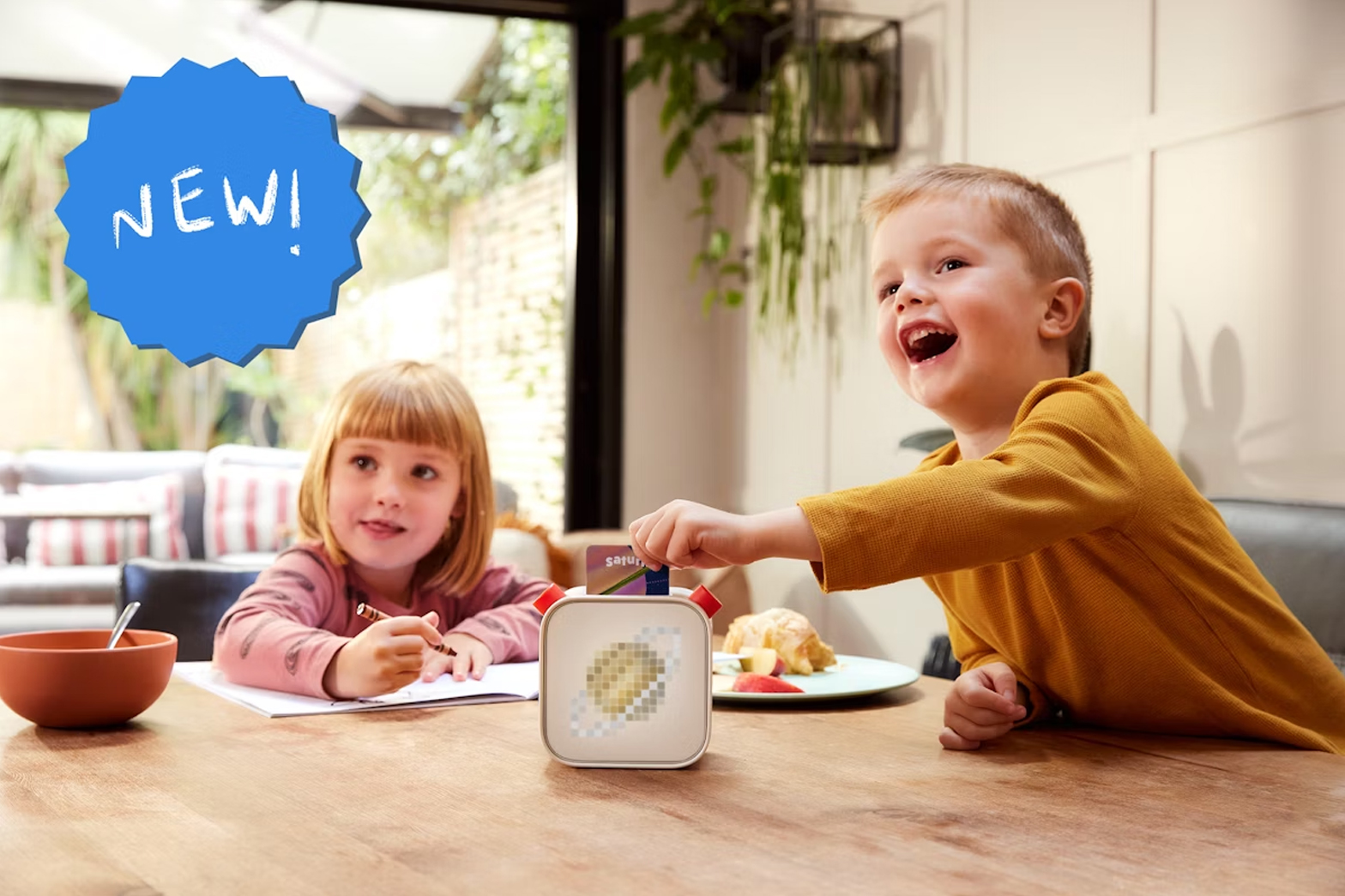
Most parents first look at Yoto because they want less screen time. The more useful question, though, is whether Yoto actually holds up as an everyday system once the novelty wears off. That is what this Yoto review focuses on: not just the player itself, but the bigger ecosystem around cards, bundles, accessories, and repeat use.
Yoto’s real pitch is not “one cute gadget.” It is a screen-free listening platform children can grow into. The company positions the Yoto Player and Yoto Mini as ad-free, kid-controlled devices with stories, music, sleep sounds, podcasts, radio, and custom content, while the card library stretches from preschool material to older-kid favorites.
This version of the review keeps the same structure as before, but takes a different angle. Instead of centering the plain hardware picks again, I’m focusing more on how Yoto works as a complete system and highlighting a different product mix from the official site: bundles, accessories, and standout cards that show how families actually use it day to day.
For this Yoto review, I weighed the product the way a careful parent would: how easy it is for kids to use alone, how much value the bundles add, how durable the ecosystem looks in real family life, how expensive the library becomes over time, and how clear Yoto is about guarantees, returns, and safety updates. Because Yoto is an ecosystem brand, not a single device brand, the ownership experience matters just as much as the hardware.
Yoto says it was started by Ben and Filip, two dads with music-industry backgrounds who wanted something that encouraged independent play without leaning on screens. The brand links that mission to Montessori thinking and to the broader idea of putting children in control of their listening rather than making parents operate everything for them.
What Yoto is known for is the combination of physical cards and simple hardware. Instead of asking kids to browse an app or use voice commands, the platform is built around inserting a card, pressing buttons, and turning dials. That sounds small, but it is a big part of why Yoto feels more intentional than just handing a child a phone with audio apps on it.
The best fit is a family that wants listening to become part of daily life: wake-up time, independent play, quiet time, car rides, bedtime, and travel. It is much less convincing for shoppers who want a single low-cost toy and do not plan to build out a library or use the player often.
What stands out most about Yoto’s hardware is that it feels built around routine rather than spectacle. The Yoto Player emphasizes home use with stereo sound, a night light, room temperature monitoring, and up to 24 hours of playback. The Yoto Mini is more compact and leans into portability with a smaller frame, up to 14 hours of playback, headphone support, and offline listening from stored content. Both devices are explicitly marketed as ad-free and free of microphones and cameras.
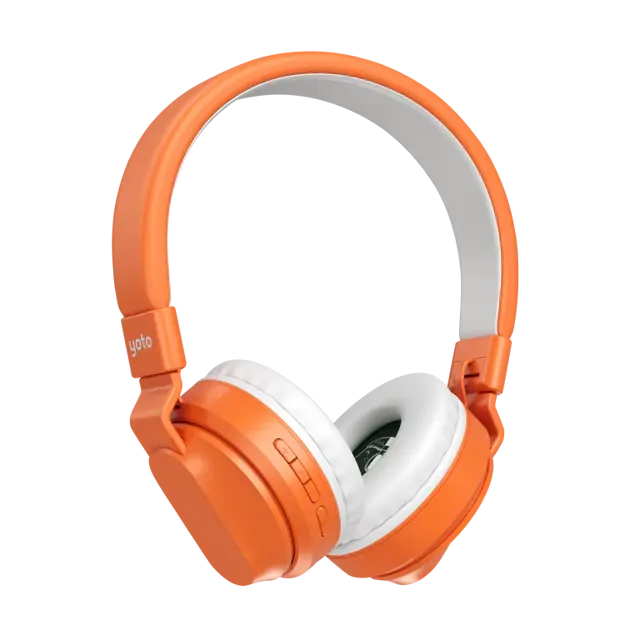
The accessory lineup also makes the overall system feel better thought through. Yoto sells protective jackets, travel cases, wired and wireless headphones, and full bundles that combine those add-ons with the players. That matters because these devices are clearly meant to live in bedrooms, cars, backpacks, and kids’ hands rather than sit untouched on a shelf.
Key Features:
The headline features are not just the players themselves. Yoto’s wider value comes from the way the pieces connect:
The thing that changes the value equation most is that Yoto is not only selling audio cards. It is also selling convenience. Once content is loaded, kids can keep using it without hovering adults, and that independence is a bigger selling point than any single spec line.
Yoto performs best when it becomes a habit. Families who use it for ten minutes here and there may not feel the full benefit. Families who use it at bedtime, in the car, on weekends, during quiet time, and for repeat-favorite listening are much more likely to feel like the system earns its place. That is why the bundles make sense: they are selling use cases, not just hardware.
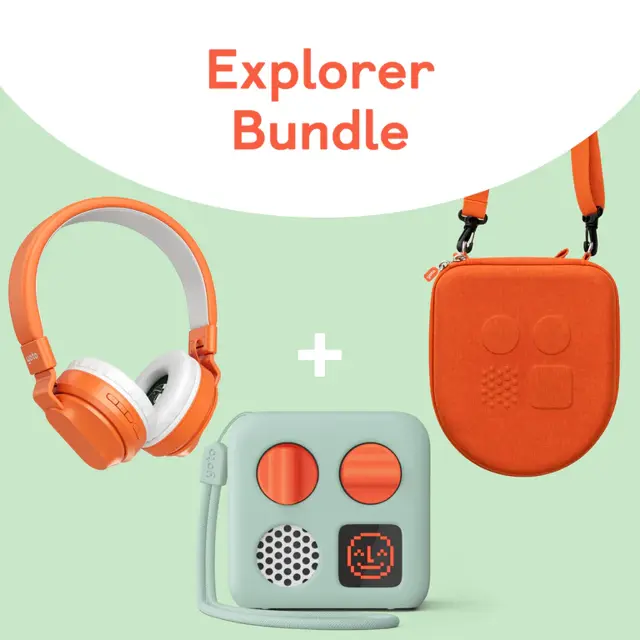
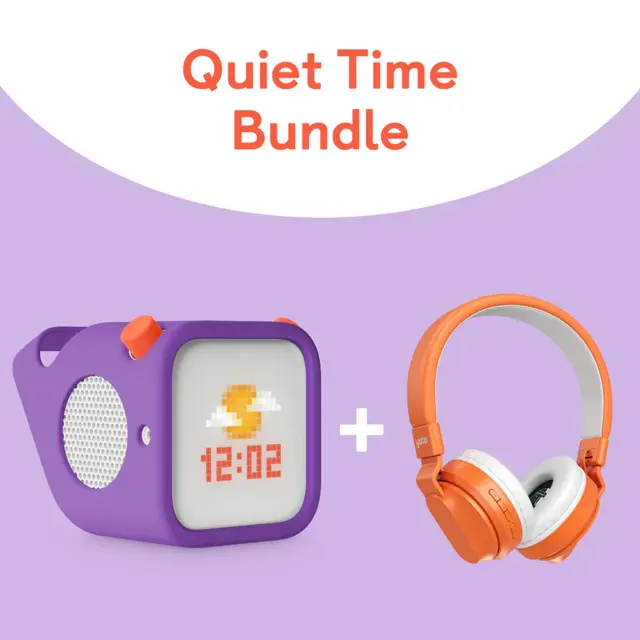
The Yoto Player Quiet Time Bundle is a good example. It packages the player with features that support winding down, including sleep sounds, a night-light clock, stereo sound, and a protective jacket, then adds headphones to make the system more flexible. The Mini Explorer Bundle pushes in the opposite direction: portable listening, a smaller player, wireless headphones, protective casing, and a travel case that can hold up to 30 cards.
Yoto is easiest for children once they have a few favorite cards they already know. The card system lowers the barrier dramatically because children are not searching menus or relying on reading ability. That makes the device feel less like “kids’ tech” and more like a physical media object scaled for young listeners.
Parents still need the app for setup, controls, and account management, but the core listening flow stays child-friendly. That split is smart. Adults handle the background setup; kids handle the fun part. It is a much cleaner model than products that claim independence for kids but still force constant adult app management.
Returns are less neatly explained. Yoto’s delivery-and-returns page says players, cards, packs, and Yoto-supplied accessories bought from the site can be returned within 60 days of purchase, but the legal refund policy language is more procedural and less shopper-friendly in tone. So the bottom line is decent, but the policy presentation is not especially elegant.
The one issue buyers really should know is the Yoto Mini battery program. Yoto says Minis made between 2021 and 2023 are eligible for a free Battery Replacement Kit because of overheating risk tied to the older battery. The 2024 edition is presented as using a new battery and not requiring the older Smart Cable workaround. That does not make the current Mini a bad buy, but it absolutely matters for secondhand shopping.
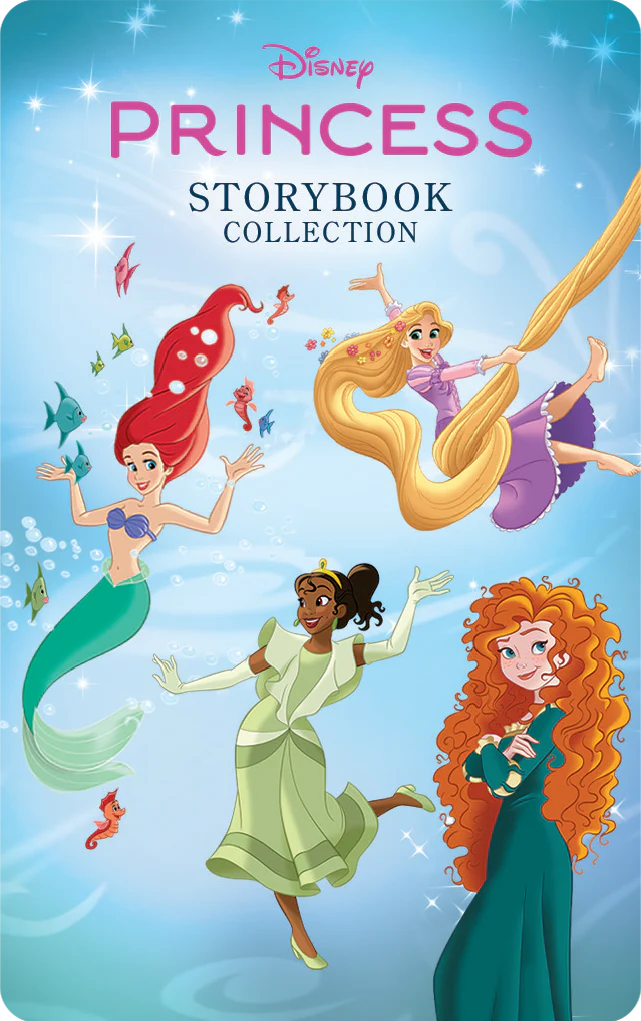
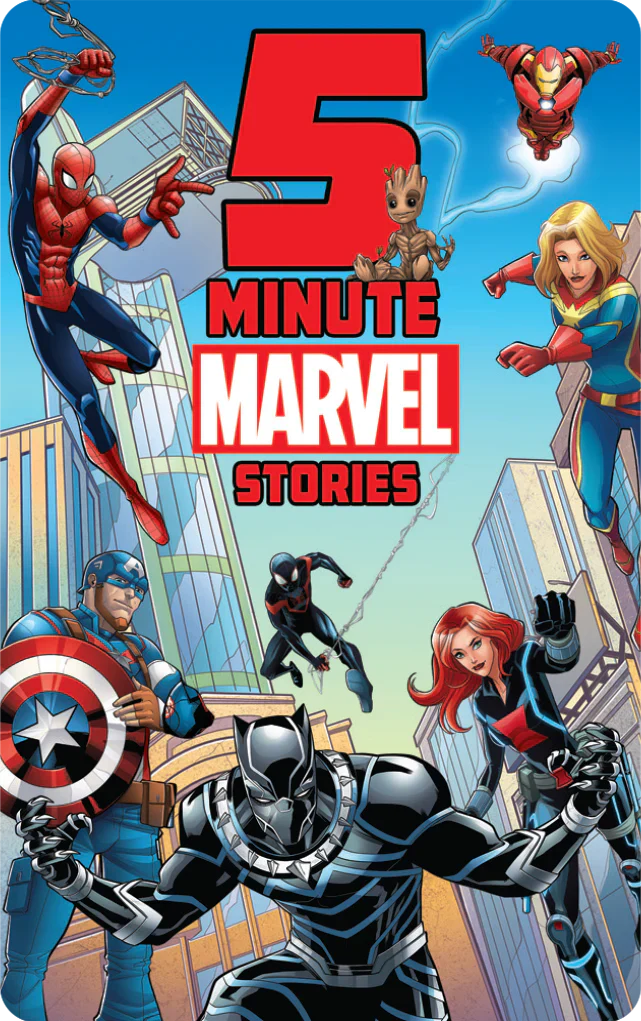
The strongest value on Yoto’s site right now is often in its bundles. The Yoto Player Quiet Time Bundle is listed at $166.47, down from $184.97, while the Yoto Mini Explorer Bundle is listed at $164.66, down from $182.96. Wireless Headphones are $39.99, Disney Princess Storybook Collection is $14.99, and 5-Minute Marvel Stories is $12.99. Yoto Club is promoted from $4.99 per month, with discounts and credits across a large portion of the card store.
That makes Yoto easier to justify when you know how you will use it. If your child will listen every day, and you like the idea of building a reusable content library, it can feel well worth it. If you are only looking for an occasional distraction device, it is much harder to justify the ecosystem cost.
Customer feedback is mostly favorable, especially around everyday usefulness. Trustpilot reviews repeatedly describe Yoto as something families use often rather than occasionally, and many recent reviews highlight responsive customer support when a device or Mini issue comes up.
The positive pattern is pretty clear: parents like that the system feels child-led, kids tend to return to it often, and the brand gets credit when replacements or support are handled well. The recurring negatives are slower shipping, occasional hardware issues, and the usual frustration that comes with dealing with a product ecosystem rather than a simple toy.
Paraphrased customer sentiment examples:
Yes. Yoto is a legitimate brand with a long-running official store, published delivery and refund policies, a formal product guarantee, a clear safety standards page, and an openly documented Yoto Mini battery replacement program for affected older units. That level of documentation is what you expect from an established consumer brand, not a novelty startup.
For the right family, yes.
Yoto is worth it when you think of it as a long-term family tool rather than a one-off gift. It works especially well for homes where listening happens every day, where children benefit from independent control, and where parents value screen-free entertainment enough to invest in a library over time.
What to look for before you buy:
Yoto and Tonies still solve the same general problem, but they do it with different personalities. Tonies feels more toy-forward and collectible, while Yoto feels more like an audio platform with physical media. That difference becomes more noticeable as children get older: Yoto tends to age up better, while Tonies often feels stronger right at the youngest end.
| Category | Yoto | Tonies | Who Wins |
|---|---|---|---|
| Best for long-term growth | Broader age runway and card ecosystem | More toy-like and early-childhood centered | Yoto |
| Best for youngest kids | Good, but slightly less toy-like | Easier instant appeal | Tonies |
| Travel setup | Yoto Mini bundle is especially strong | Portable, but less modular | Yoto |
| Custom and flexible feel | More platform-like | More collectible and character-based | Yoto |
| Best for | Families who want listening to grow with the child | Families who want immediate toy-like simplicity | Depends on shopper |
Yoto currently promotes free shipping on orders over $40, bundle savings of 10%, and Yoto Club memberships from $4.99 per month. The bundle pricing on the Player Quiet Time Bundle and Mini Explorer Bundle shows that the company is actively pushing multi-item starter setups rather than just solo device purchases.
You can buy Yoto directly from the official site, which is where the players, bundles, cards, accessories, memberships, and support pages are all organized in one place.
Yoto stands out because it feels less like a one-note gadget and more like a system families can actually build around. The players are well thought out, but the real strength is the wider setup: bundles, accessories, cards, and routines that make the product more useful over time instead of less.
The downside is that Yoto only feels like a bargain if you use it often. Families who buy one device and stop there may not see the full value. Families who treat it as an everyday screen-free listening platform usually will.